
Used 2012 Lifts - Fork For Sale in New York
Browse used 2012 fork lifts for sale, including warehouse and yard forklifts with common specs, lift capacities, mast options, and fuel types.
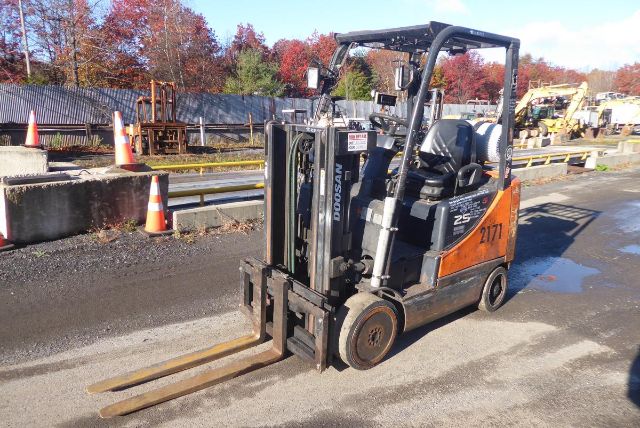
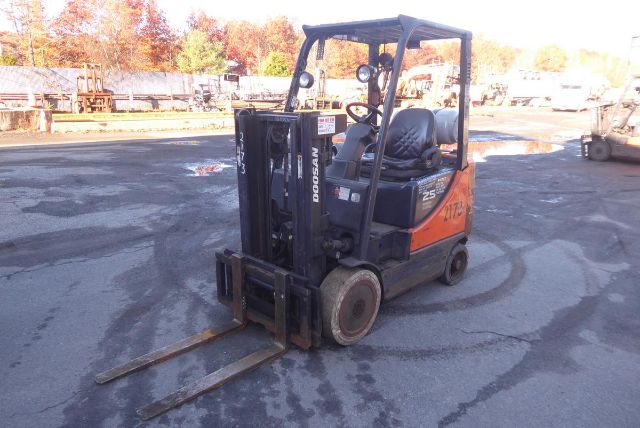
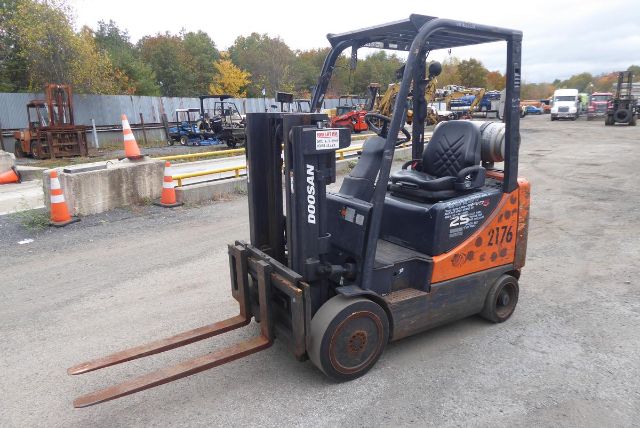
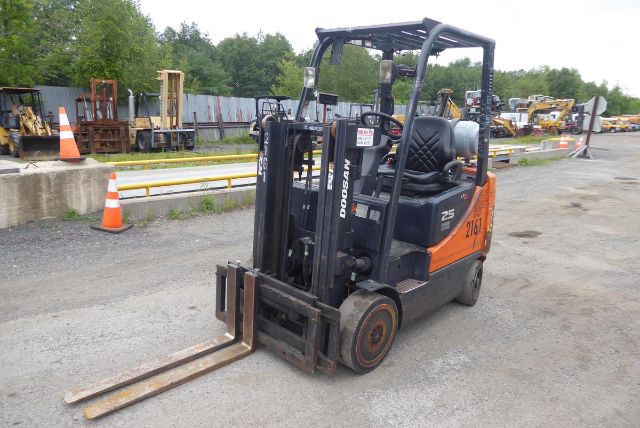
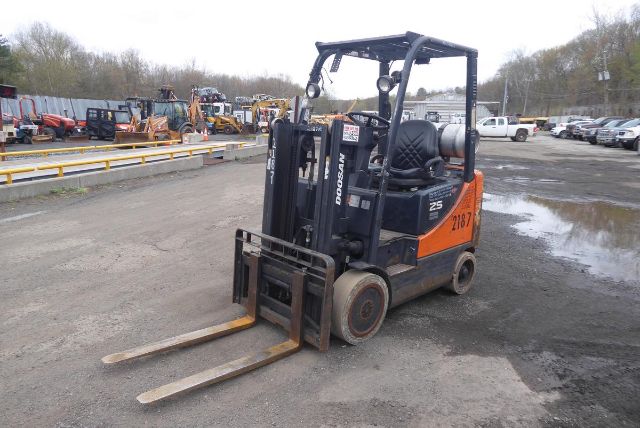
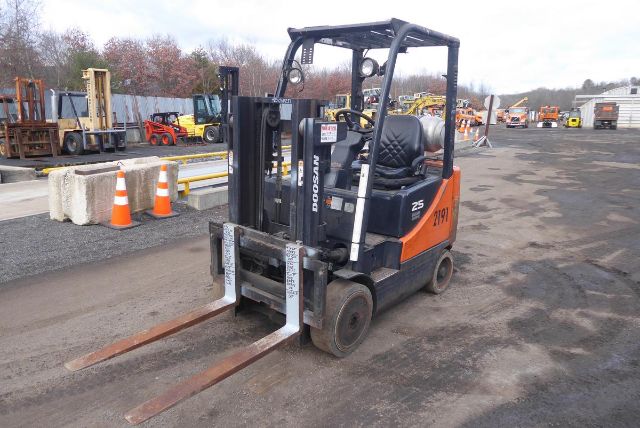
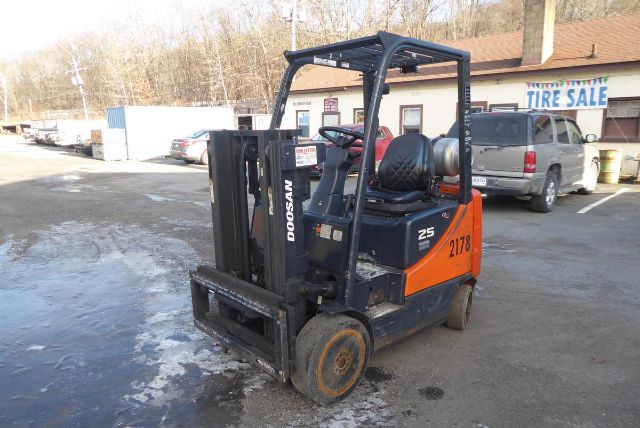
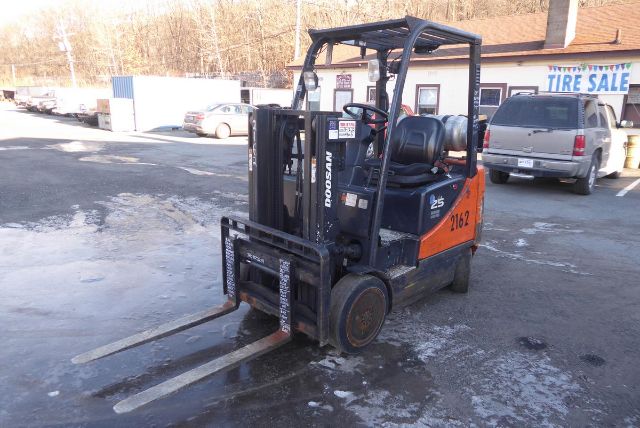
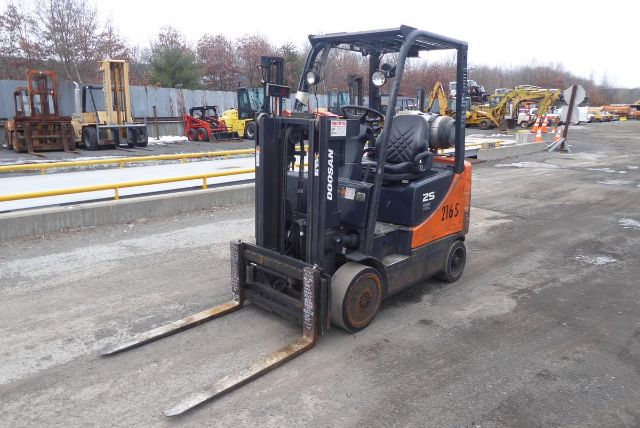
Have used 2012 lifts - fork equipment to sell? List it here to reach thousands of buyers.
Used 2012 Lifts - Fork in New York
A 2012 forklift buyer should pay close attention to mast configuration and attachment setup. Duplex and triple-stage masts affect both maximum lift height and collapsed height for trailer entry, low doors, and rack clearance. Side shift is one of the most useful options because it speeds pallet placement and reduces repositioning. Fork length, carriage class, tilt function, and hydraulic response all matter in day-to-day production. If the unit will be used around enclosed spaces, propane and electric models are often preferred, while diesel units still make sense for heavier outdoor duty. Tire condition, steer axle wear, chain stretch, mast rollers, and any leaks at the tilt or lift cylinders deserve a close inspection on a used machine.
For 2012 models, operating hours tell only part of the story. Maintenance history is just as important, especially on engines, cooling systems, transmissions, brakes, and hydraulic components. A forklift with moderate hours and strong service records can be a better buy than a lower-hour unit with neglected mast wear or intermittent electrical faults. Buyers in New York should also think about cold-weather starts, indoor emissions requirements, and the type of floor conditions the machine will see through winter. For warehouse work, compact overall width and tight turning radius can be just as valuable as rated capacity.
This equipment class is also commonly called a forklift, fork truck, or lift truck. The best choice depends on the load center you need to handle, the heaviest real-world pallet in your operation, and the height restrictions at your facility. Before buying, confirm the data plate matches the current attachment setup and verify the actual rated capacity with forks, clamps, or side shift installed. A well-matched used 2012 fork lift can deliver strong productivity for loading trailers, moving inventory, feeding production lines, and handling bundled materials across a wide range of commercial operations.
Frequently Asked Questions about Used 2012 Lifts - Fork in New York
What lift capacity is common on a used 2012 fork lift?
Many used 2012 fork lifts on the market fall in the 3,000 to 5,000 lb class, which is the core range for palletized freight, warehouse inventory, and general facility work. Actual usable capacity depends on the load center, mast height, and any attachment installed. A machine rated at 5,000 lbs with standard forks may carry less once a side shift, clamp, or longer forks are added, so the data plate should always be checked against the current configuration.
Should I choose propane, electric, or diesel in a 2012 forklift?
The right fuel type depends on where and how the forklift will be used. Propane forklifts are popular because they transition well between indoor and outdoor work and refuel quickly. Electric forklifts are a strong fit for indoor warehouses that need lower noise and zero tailpipe emissions, but battery condition is critical on a used unit. Diesel forklifts are generally better for outdoor applications and heavier-duty cycles, though they are less suited to enclosed spaces with stricter emissions requirements.
What should I inspect first on a used 2012 fork lift?
Start with the mast, chains, rollers, and hydraulic cylinders because those components directly affect lifting safety and repair cost. Then inspect the forks for heel wear, the carriage for damage, and the tires for uneven wear or chunking. On the powertrain side, check starting behavior, smoke, transmission engagement, brake response, steering play, and hydraulic smoothness under load. Hour meter readings should be considered alongside service records, because visible wear and maintenance quality often tell more than hours alone.
What mast type is best for warehouse and trailer loading work?
For many warehouse applications, a duplex or triple-stage mast is the most practical choice. A duplex mast is simpler and works well where overhead clearance is not tight. A triple-stage mast is often preferred when the forklift must enter trailers, work under low doors, or still reach higher rack levels. The lowered mast height is just as important as maximum lift height, especially in buildings with limited clearance.
Why does side shift matter on a used forklift?
Side shift is one of the most valuable attachments on a fork lift because it allows the operator to move the forks left or right without repositioning the whole machine. That improves pallet placement, speeds trailer loading, and reduces small steering corrections in tight aisles. It also helps reduce product damage when loads need precise alignment on racks, trailers, or loading docks. On a used unit, buyers should confirm the side shift operates smoothly and does not reduce capacity beyond what the application allows.