
Used 2012 Lifts - Fork For Sale
Shop used 2012 fork lifts for warehousing, yard, and industrial handling. Compare lift capacity, mast height, fuel type, tires, and attachments.
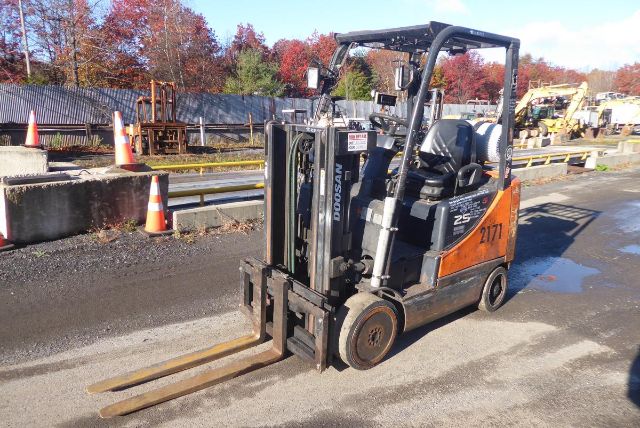
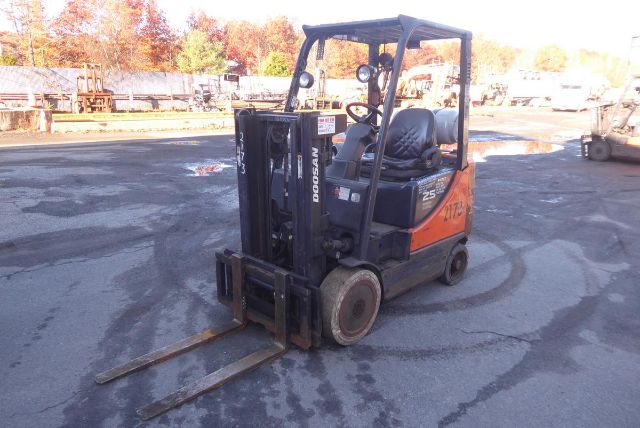
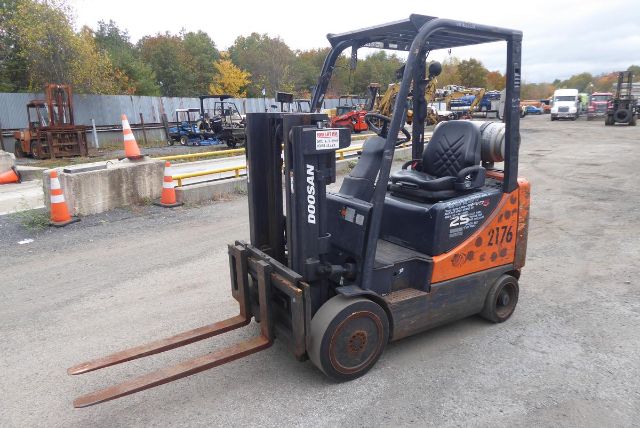
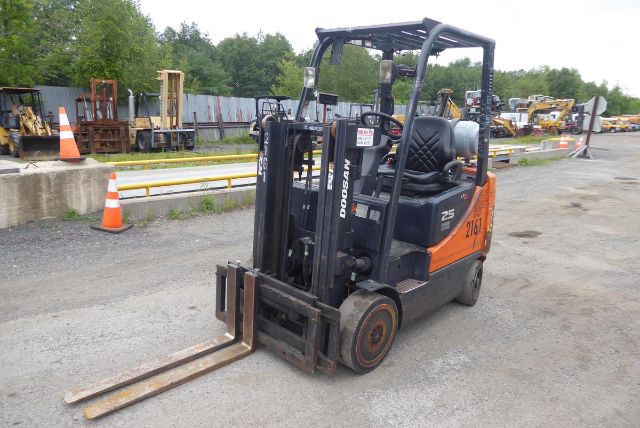
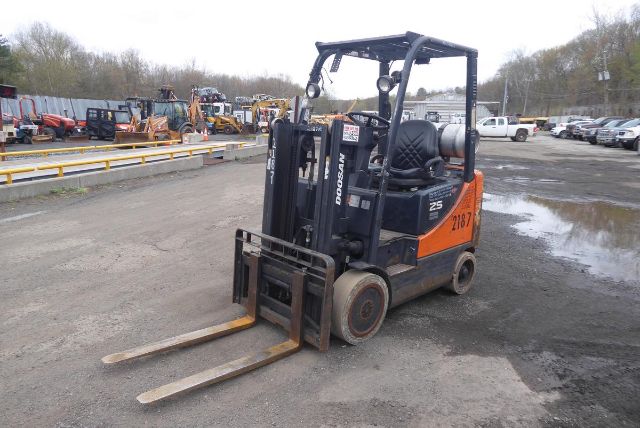
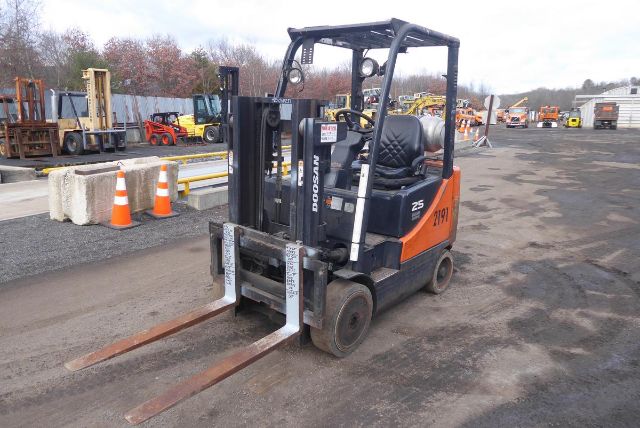
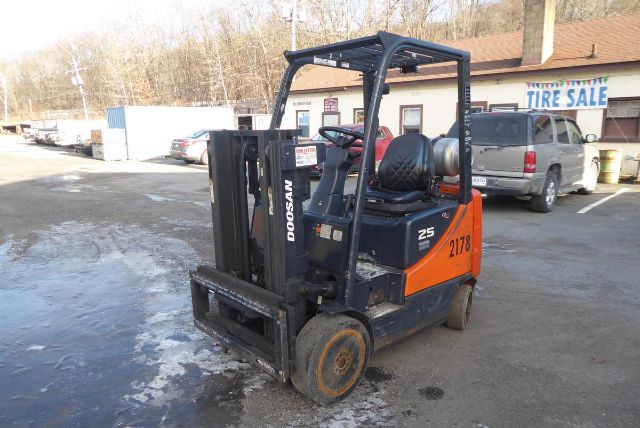
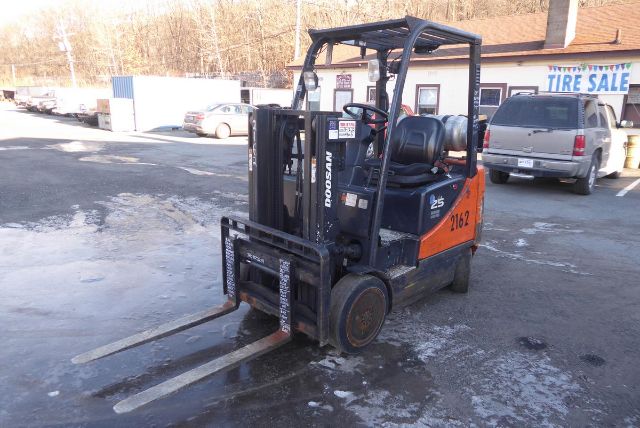
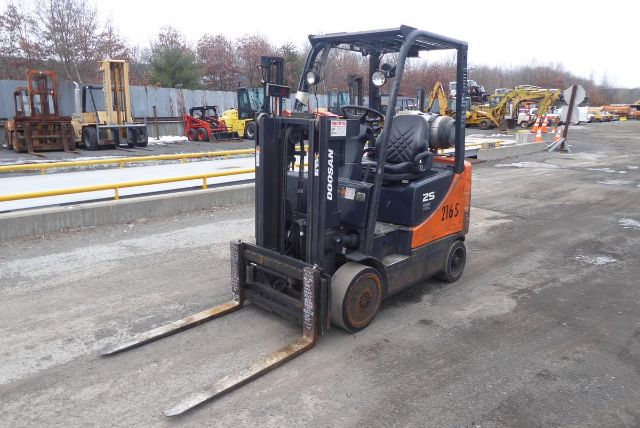
Have used 2012 lifts - fork equipment to sell? List it here to reach thousands of buyers.
Used 2012 Lifts - Fork
Fuel type has a direct effect on operating cost, service profile, and where the unit can work. LP gas forklifts are common in mixed indoor and outdoor service because they refuel quickly and usually deliver consistent power through long shifts. Diesel forklifts are more common in higher-capacity outdoor and heavy-duty applications, especially lumber, steel, pipe, machinery moving, and yard work. Tire choice is just as important. Cushion or solid tires are typical on smooth warehouse floors and tighter aisles, while pneumatic tires or air-filled tires are better for broken pavement, gravel, and uneven yards. On used units, mast rollers, tilt cylinders, carriage wear, side shift function, steer axle play, transmission response, brake performance, and hydraulic leaks are all worth close attention.
A 2012 model year fork lift can still be a strong value if the machine matches the application and has been maintained correctly. Common features in this age range include duplex or double masts, side shift, fork positioners, enclosed or open operator stations, and either hydrostatic or powershift-style transmissions depending on class and brand. Smaller units often have shorter forks around 42 inches and lower collapsed heights for trailer loading and warehouse access, while larger forklifts may carry 96-inch forks, higher mast heights, and much heavier chassis weights for stability. Buyers should also verify overhead guard height, lowered mast height, turning radius, and overall width before assigning a machine to a building, van trailer, container, or dock area.
The best used fork truck is the one sized to the job without carrying excess machine cost, fuel burn, or footprint. For warehouse freight, palletized product, building materials, and manufacturing support, a mid-capacity unit with side shift often handles the broadest range of work. For pipe yards, precast, mills, and heavy outdoor loading, higher-capacity diesel forklifts with pneumatic tires, long forks, and fork positioners are more appropriate. Review hours in context with condition, because a clean high-hour machine with dry cylinders, tight mast operation, and predictable service history can be a better buy than a lower-hour unit with structural wear or deferred maintenance.
Frequently Asked Questions about Used 2012 Lifts - Fork
What should I look at first when comparing used 2012 fork lifts?
Start with rated capacity, actual load center, and mast height. Those three items determine whether the forklift can safely handle the load at the height required. After that, look at fuel type, tire style, fork length, and any attachments such as side shift or fork positioners. On a used machine, operating condition matters just as much as specs, so buyers should pay close attention to mast wear, cylinder leaks, brake function, steering play, transmission engagement, and how smoothly the hydraulics respond under load.
Is a propane or diesel forklift better for used equipment buyers?
It depends on the work environment and load size. Propane forklifts are common for general material handling because they are easy to refuel, work well in mixed indoor and outdoor service, and are widely available in the 4,000 to 8,000 lb range. Diesel forklifts are usually preferred for heavier outdoor applications because they offer strong torque and are well suited for rougher surfaces and longer runs. The better choice is the one that matches ventilation requirements, shift length, lifting demand, and the service support available for that engine platform.
How important are mast type and collapsed height on a forklift?
They are critical because they affect both clearance and usable lift. A duplex or double mast may provide enough height for standard loading and stacking while keeping the lowered height manageable for trailers, door openings, and low-clearance buildings. A forklift can have enough rated capacity but still be a poor fit if the mast will not clear the doorway or if the lift height falls short of the rack system. Buyers should confirm lowered mast height, maximum fork height, free lift if needed, and the effect of any carriage attachment on visibility and remaining capacity.
What does side shift or fork positioner add on a used fork truck?
Side shift allows the operator to move the carriage left or right without repositioning the entire forklift, which saves time and improves pallet placement. Fork positioners let the operator adjust fork spacing hydraulically from the seat, which is especially useful when handling loads of different widths. These attachments can improve productivity and reduce handling damage, but they also add weight to the carriage and may reduce effective lifting capacity. Buyers should confirm that the attachment is working properly and that the remaining rated capacity still fits the intended job.
Are high hours a deal breaker on a used forklift?
Not necessarily. Hour readings need to be judged alongside maintenance history, operating environment, and visible wear. A forklift with higher hours but dry cylinders, tight mast channels, smooth hydraulic response, and solid transmission performance may be a better long-term value than a lower-hour machine with neglected service or structural damage. Check for chain wear, carriage looseness, steer axle movement, brake response, tire condition, and signs of overheating or hard starting. On older forklifts, parts support and engine or transmission commonality can be just as important as the hour meter.