
Used Mitsubishi Lifts - Fork For Sale in New York
Used Mitsubishi fork lifts for sale, including warehouse and yard-ready forklifts with common specs, lift capacities, mast setups, and buyer tips.
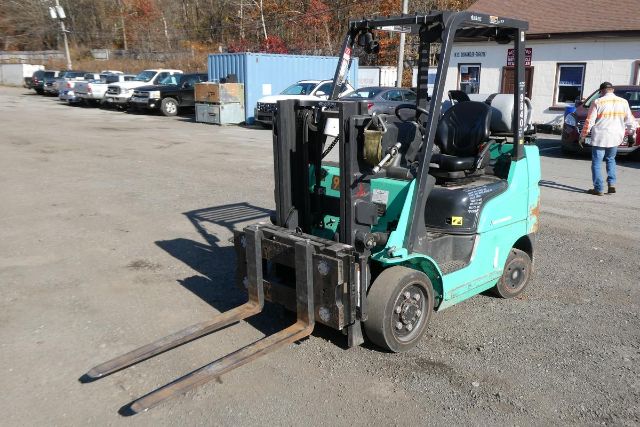
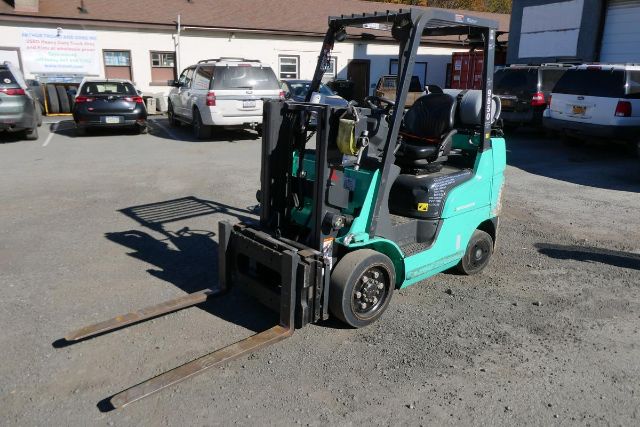
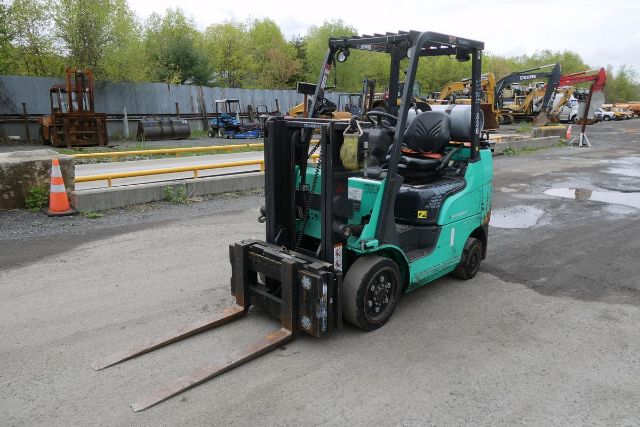
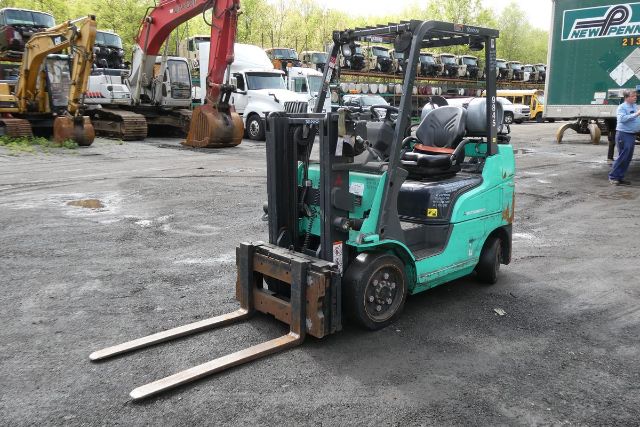
Have used mitsubishi lifts - fork equipment to sell? List it here to reach thousands of buyers.
Used Mitsubishi Lifts - Fork in New York
For many buyers, the most important decision is matching the truck to the job cycle. A used LPG Mitsubishi forklift, such as a 5,000 lb internal combustion unit, is well suited for mixed indoor and outdoor use where quick refueling matters and charging downtime is not ideal. Common specs in this class include automatic transmission, two-stage or dual mast arrangements, hydraulic side shift, and standard fork lengths around 41 to 48 inches. Lowered mast height, overall width, backtilt, and load center should be checked against trailer entry, rack clearances, and aisle space. Solid tires are common on warehouse and dock units because they reduce flats and hold up well on concrete.
Condition matters more than age alone on a used fork lift. Hour meter readings, mast wear, carriage play, tilt cylinder condition, lift chain stretch, steer axle response, and cold-start performance all tell you more than model year by itself. Buyers should also inspect fork heel wear, side shift operation, hydraulic leaks, brake feel, and whether the truck lifts smoothly to full height under load. On LPG units, confirm tank bracket condition, regulator performance, and fuel system service history. If the truck will be used in New York or other cold-weather markets, pay attention to starting behavior, hydraulic response when cold, and tire condition on slick surfaces around docks and yard aprons.
Mitsubishi forklifts are also known for being straightforward to operate and easy to place into general fleet service when the specs line up with the application. The right used unit comes down to capacity, mast collapsed height, attachment setup, and serviceability. Buyers comparing multiple Mitsubishi fork trucks should look closely at remaining tire life, actual fork dimensions, data plate readability, and any signs of structural repair around the mast, overhead guard, or counterweight. A clean 5,000 lb truck with side shift, dry cylinders, and a stable idle will usually be more valuable in daily use than a cheaper unit with mismatched tires, worn forks, or deferred hydraulic work.
Frequently Asked Questions about Used Mitsubishi Lifts - Fork in New York
What capacity range is most common for used Mitsubishi fork lifts?
One of the most common classes is the 5,000 lb forklift, which covers a wide range of warehouse, dock, and light industrial work. That capacity is popular because it handles standard palletized freight, machinery skids, and bundled materials without moving into a larger, less maneuverable truck. Buyers should still verify the actual rated capacity on the data plate because lift height, mast type, and attachments can reduce effective lifting capacity.
Is an LPG Mitsubishi forklift a good choice for mixed indoor and outdoor use?
Yes, LPG or propane Mitsubishi forklifts are often chosen for operations that need faster refueling than electric equipment and cleaner operation than some older diesel units. They work well in loading dock environments, warehouses with proper ventilation, and outdoor staging areas. The main checks on a used LPG truck are fuel system condition, regulator performance, engine idle quality, and how the truck starts and runs under load.
What should I inspect on a used Mitsubishi forklift before buying?
Focus on the mast, hydraulics, tires, forks, and drivetrain before cosmetics. Check for chain stretch, cylinder leaks, carriage looseness, fork heel wear, side shift function, steer response, brake feel, and smooth lift and tilt operation. Also inspect the overhead guard, counterweight, and frame for signs of impact damage or repair, and make sure the data plate is present and legible.
Why does mast height matter on a fork lift?
Mast height determines both your loading capability and your clearance limitations. Lowered mast height affects whether the forklift can enter trailers, pass through doors, or clear low beams, while maximum lift height affects rack access and stacking capability. A buyer should compare collapsed height, free lift, and maximum fork height to the actual building and trailer dimensions where the truck will be used.
Are solid tires better than pneumatic tires on a used forklift?
It depends on the surface and application. Solid or cushion-style tires are common on smooth concrete floors and dock work because they resist punctures and keep the truck stable in tight warehouse settings. Pneumatic tires are typically better for rougher outdoor surfaces, gravel, broken pavement, or lumber yard use. The best choice is the one that matches the worksite, since the wrong tire setup can reduce traction, ride quality, and operator control.