
Used 2016 Lifts - Fork For Sale in New York
Shop used 2016 fork lifts for sale in New York. Compare lift capacity, mast type, fuel system, tire setup, and warehouse-ready specs.
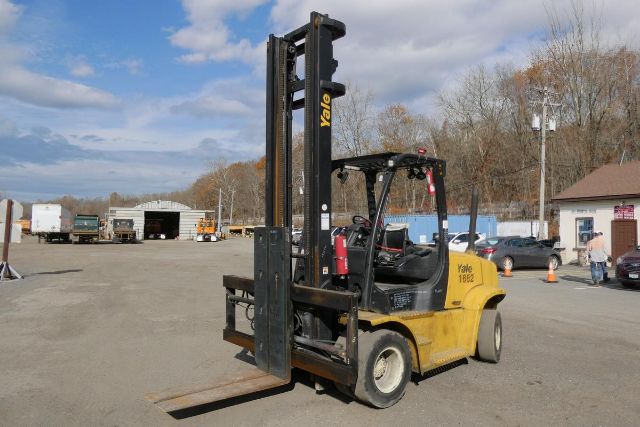
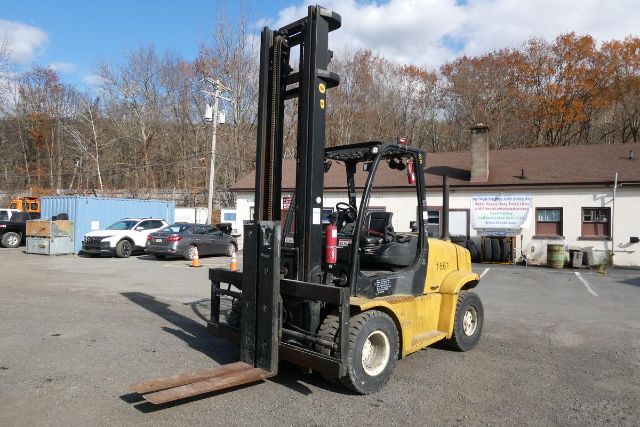
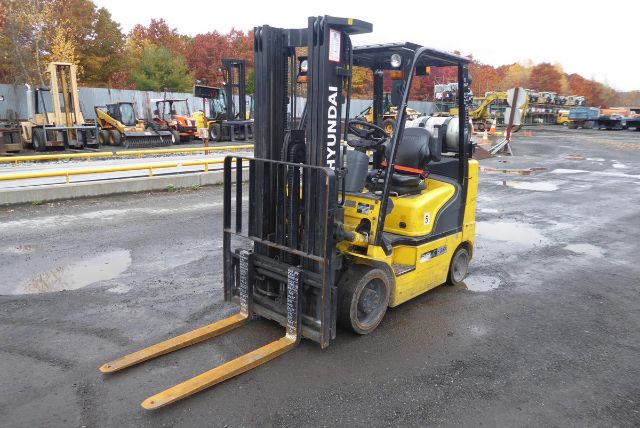
Have used 2016 lifts - fork equipment to sell? List it here to reach thousands of buyers.
Used 2016 Lifts - Fork in New York
For indoor work, propane forklifts are common because they offer fast refueling, steady power, and straightforward service support. Cushion-tire units are usually the right fit for smooth concrete floors, tighter turning, and dock or warehouse duty. For outdoor yards, pneumatic-tire diesel forklifts handle rougher surfaces and heavier loads better, especially when the machine is moving long forks, pipe, bundled material, or palletized product across uneven ground. In New York, winter conditions and mixed indoor-outdoor use make tire type, cold-start behavior, and cab configuration more important than many buyers expect.
A used 2016 fork lift should be evaluated around mast and hydraulic condition before cosmetics. Check for side shift, fork positioners, a 4th valve, and attachment compatibility if the truck will handle more than standard pallets. Look at cylinder seals, carriage wear, mast chain condition, steer axle response, transmission engagement, and brake feel. Hours matter, but maintenance history, leak-free hydraulics, and stable lift performance usually tell more about remaining service life than the meter alone. Fork length, fork thickness, and carriage class also need to match the load profile, especially on higher-capacity units where attachments can reduce net capacity.
Buyers comparing used 2016 forklifts should also factor in operating weight, overall width, turning radius, overhead guard height, and transport requirements. A 5,000 lb warehouse truck and a 15,000 lb yard forklift solve very different problems, even though both fall under the fork lift category. Common brands in this segment include Toyota, Hyundai, Komatsu, Mitsubishi, and others with broad parts support. The best choice comes down to floor surface, aisle width, lift height, fuel preference, and the exact type of load being handled every day.
Frequently Asked Questions about Used 2016 Lifts - Fork in New York
What should I look for first when buying a used 2016 fork lift?
Start with capacity, mast type, and fuel system because those determine whether the truck fits the job. After that, inspect hydraulic performance, mast chains, cylinder condition, transmission response, brakes, steer axle play, and tire wear. A clean-looking forklift can still have costly issues if the mast is loose, the hydraulics drift, or the transmission engages poorly under load.
Is a propane or diesel forklift better for New York use?
Propane forklifts are often preferred for indoor warehouse work because they refuel quickly, run clean relative to diesel, and suit cushion-tire applications on concrete. Diesel forklifts are generally better for outdoor yards, heavier capacities, and rougher ground where pneumatic tires and higher machine weight are an advantage. In New York, mixed-use operations should consider cold-weather starting, indoor ventilation requirements, and the surface conditions where the truck will work most of the time.
What is the difference between a duplex mast and a triplex mast on a forklift?
A duplex mast has two stages and is common on standard lift applications with less need for maximum height in a compact package. A triplex mast has three stages and allows higher lift heights while maintaining a lower collapsed height, which helps in buildings with low doors or overhead restrictions. The tradeoff is that triplex masts can be more complex and should be checked carefully for smooth operation, chain wear, and cylinder condition.
How much does side shift or a fork positioner matter on a used forklift?
Side shift is one of the most useful forklift options because it allows the operator to make small lateral corrections without repositioning the entire truck. Fork positioners add even more versatility when handling loads of varying widths, but they also add hydraulic complexity and can reduce effective capacity depending on the setup. If the application involves frequent pallet alignment, mixed load sizes, or attachment changes, these features can improve productivity enough to justify the added maintenance considerations.
Do forklift hours matter more than condition on a used 2016 model?
Hours are important, but condition and maintenance history usually matter more. A higher-hour forklift with dry cylinders, tight mast components, smooth transmission engagement, and documented service can be a better buy than a lower-hour truck with neglected hydraulics or structural wear. On a 2016 unit, actual operating condition, parts support, and fit for the intended application should carry more weight than the hour meter by itself.