
Used 2016 Lifts - Fork For Sale
Browse used 2016 fork lifts for sale, including warehouse and yard forklifts with common capacities, mast options, fuel types, and handling features.
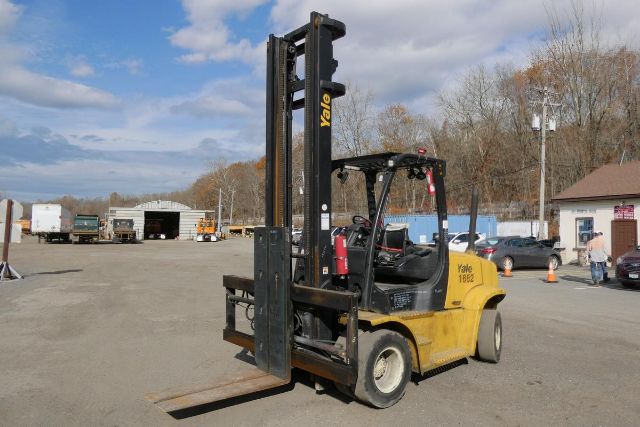
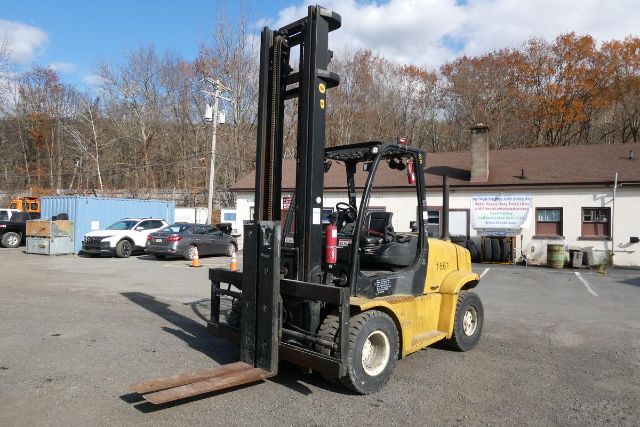
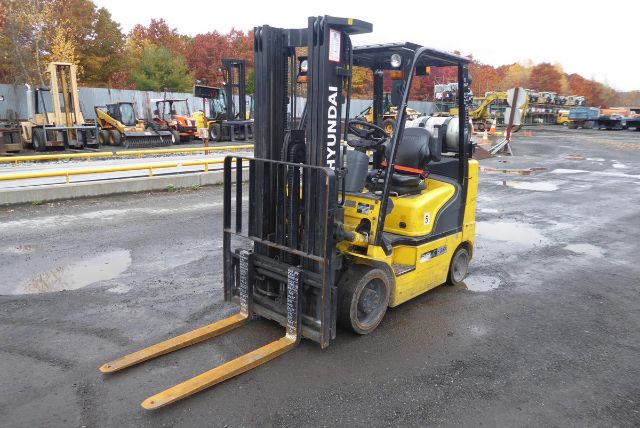
Have used 2016 lifts - fork equipment to sell? List it here to reach thousands of buyers.
Used 2016 Lifts - Fork
Fuel type matters as much as lift rating. Many used 2016 fork lifts are LP gas models for indoor-outdoor use, with cushion tires and compact dimensions that work well on smooth concrete. Diesel forklifts are more common in larger-capacity applications and are better suited for outdoor yards, pipe, steel, lumber, and heavier loading work. Electric units can also appear in this category, especially where low emissions, quiet operation, and warehouse duty cycles are important. Transmission type is typically straightforward on this equipment class, but buyers should still pay attention to cold-start behavior, hydraulic response, steering play, mast operation, and any warning lights or hour meter concerns.
Mast configuration and attachments have a direct impact on productivity. Two-stage and three-stage masts are common, and collapsed height is critical if the forklift needs to clear doorways, trailers, or low warehouse headers. Side shift is one of the most useful options on a fork lift because it speeds pallet placement and reduces repositioning. Fork length, fork thickness, carriage class, tilt function, and any attachment such as clamps or specialty handlers should be checked against the intended commodity. Tire type also deserves close attention. Cushion tires are standard for indoor warehouse units, while pneumatic or solid pneumatic tires are better for rougher outdoor surfaces. On used machines, buyers should inspect mast rails, chains, rollers, cylinders, steer axle wear, brake performance, and signs of seepage or impact damage around the counterweight and overhead guard.
For a used 2016 fork lift, condition matters more than brand decal alone. Toyota, Hyster, Yale, Doosan, Cat, Mitsubishi, Nissan, Komatsu, and similar makes each have strong followings, but service history, parts support, and overall wear usually tell the real story. Hour readings help, but they should be weighed against maintenance records, undercarriage condition, and how the machine was used. A forklift with moderate hours in a warehouse can be a better value than a lower-hour unit that spent its life in abrasive outdoor service. Buyers comparing listings should focus on capacity, mast height, lowered height, fuel type, tire setup, fork package, side shift, and hydraulic condition first, then narrow by brand and price.
Frequently Asked Questions about Used 2016 Lifts - Fork
What capacity should I look for in a used 2016 fork lift?
The right capacity depends on the actual load, not just the pallet weight. Most general warehouse forklifts fall in the 4,000 to 6,000 lb range, but heavier industrial units can exceed 10,000 lbs. Buyers should account for the load center, fork length, attachment weight, and maximum lift height, because all of those factors affect real lifting ability. It is important to review the data plate and confirm the machine is rated for the exact application.
Is LP gas, diesel, or electric better for a 2016 forklift?
LP gas forklifts are common because they work well in mixed indoor-outdoor service and refuel quickly. Diesel forklifts are usually preferred for outdoor heavy-duty work, especially at higher capacities and on rougher surfaces. Electric forklifts are best where low noise and low emissions matter, but battery age, charger compatibility, and run time need to be checked carefully on a used unit. The best choice comes down to surface conditions, ventilation, duty cycle, and lifting demands.
What should I inspect first on a used fork lift?
Start with the mast, chains, rollers, tilt cylinders, lift cylinders, and carriage because those components do the work every cycle. Then check steering response, brake feel, hydraulic smoothness, tire wear, and the condition of the forks for taper, cracks, or weld repairs. On engine-powered units, look for cold-start issues, smoke, leaks, warning lights, and transmission engagement problems. A clean hour meter reading is helpful, but visible wear and service history are often more important.
Why does mast type matter on a forklift?
Mast type affects both lift height and the lowered height of the forklift. A two-stage mast may be adequate for open indoor space or outdoor loading, while a three-stage mast is often needed where higher stacking is required but clearance is limited. Buyers should compare maximum fork height, free lift, and collapsed mast height to the building, trailer, or dock environment where the machine will operate. Getting this wrong can create a forklift that fits the capacity requirement but cannot physically work in the space.
Are side shift and fork length important when comparing listings?
Yes. Side shift is one of the most useful forklift features because it allows the operator to move the load left or right without repositioning the whole machine, which saves time and reduces tire wear. Fork length also matters because short forks may not support the load properly, while overly long forks can create clearance and maneuvering problems. Buyers should match fork dimensions and attachment setup to the pallet, crate, bundle, or material they handle most often.