
Used 2011 Lifts - Fork For Sale in New York
Browse used 2011 fork lifts for sale, including warehouse and yard forklifts with common specs, lift capacities, mast options, and fuel types.
Have used 2011 lifts - fork equipment to sell? List it here to reach thousands of buyers.
Used 2011 Lifts - Fork in New York
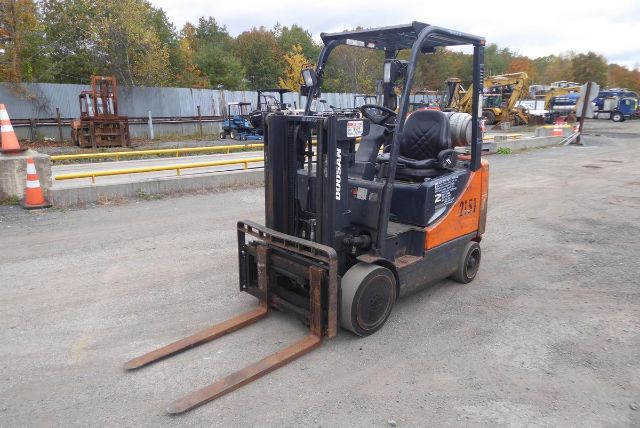
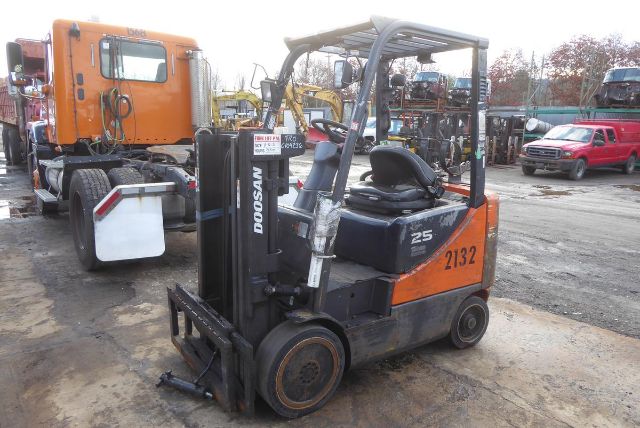
For many 2011 forklifts, propane remains a common power source because it supports indoor-outdoor use, fast refueling, and consistent run time across multiple shifts. Electric units from the same year can still make sense for indoor facilities where ventilation, noise, and emissions are bigger concerns, but battery age and charger compatibility become key inspection points. Diesel units are more common in rougher outdoor applications and higher-capacity models. Buyers comparing used fork lifts should pay close attention to transmission operation, cold-start behavior, hydraulic response, and any signs of mast wear, lift chain stretch, carriage looseness, or leaking tilt and lift cylinders.
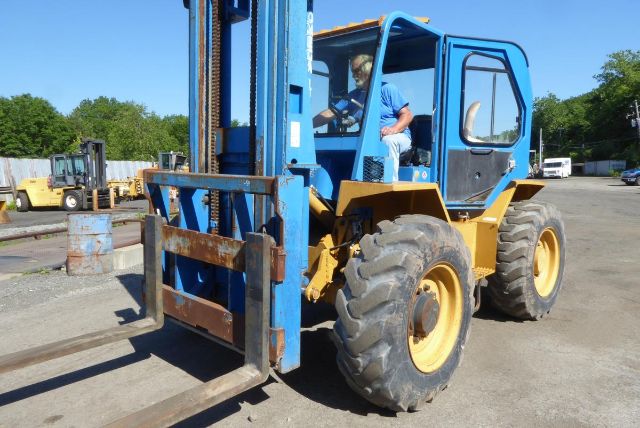
The most important sizing decision is not just rated capacity but capacity at the actual load center and lift height you need. A forklift rated around 4,000 to 5,000 lbs with a duplex mast and side shift is common for dock and warehouse work, especially when operating in tighter aisles or trailers. Longer forks, fork positioners, and higher-capacity masts can improve versatility, but they also affect residual capacity and maneuverability. Lowered mast height matters if the truck must clear door openings, trailer interiors, or low warehouse headers. Tire type matters too. Cushion tires are standard on smooth concrete floors, while pneumatic or solid pneumatic tires are better suited for mixed surfaces, yards, and uneven pavement common in outdoor New York operations.
Condition matters more than age in this category. A well-maintained 2011 forklift with documented service, dry hydraulics, solid steer axle components, and accurate hour reporting can outperform a newer unit with poor maintenance history. Check the forks for heel wear, inspect the mast rails and rollers, verify the parking brake and inching function, and confirm that attachments such as side shift or fork positioners operate smoothly under load. For buyers in New York, indoor heating seasons, outdoor cold starts, and corrosion from moisture or winter exposure can all influence long-term reliability, especially on units that have moved between warehouse and yard service.
Frequently Asked Questions about Used 2011 Lifts - Fork in New York
What should I check first on a used 2011 forklift?
Start with the data plate, rated capacity, mast type, and overall lowered height to confirm the forklift fits your application. Then inspect the hour meter against overall wear, check for hydraulic leaks at the mast and cylinders, look at fork heel wear, and test lift, tilt, side shift, steering, and braking functions under load if possible. Engine condition, transmission engagement, tire type, and service records usually tell more about remaining value than the model year alone.
Is a propane forklift a good choice for a used 2011 unit?
A propane forklift is often a strong choice in this age range because it offers quick refueling, good runtime, and flexibility for indoor-outdoor use. Many warehouse and dock forklifts from this period were built around LP power, so parts and service knowledge are usually easy to find. The main things to verify are clean starting, smooth idle, proper regulator performance, and overall fuel system condition, especially if the unit has seen heavy commercial use.
What lift capacity is most common in used fork lifts?
In general warehouse and freight handling, the most common forklifts are in the 3,000 to 5,000 lb class. That range covers standard pallets, dock work, and many industrial tasks without moving into the larger footprint and higher operating cost of heavy-capacity units. The right choice depends on actual load center, fork length, lift height, and attachment use, because all of those factors can reduce effective capacity.
Does mast type make a big difference when buying a forklift?
Yes. Duplex and triplex masts affect both lift height and collapsed height, which directly impacts trailer loading, rack access, and doorway clearance. A lower collapsed mast is important for indoor use and trailer entry, while a taller lift height is necessary for stacking and racking. Buyers should also check mast rollers, chains, and carriage play because those wear items affect both safety and operating precision.
Are cushion tires or pneumatic tires better on a forklift?
Cushion tires are best on smooth indoor concrete where tight turning radius and lower overall height matter. Pneumatic and solid pneumatic tires are better for outdoor yards, broken pavement, and mixed-surface work because they provide better stability and durability in rougher conditions. The right tire setup depends on where the forklift will spend most of its time, since tire type has a direct effect on ride quality, traction, and maneuverability.