
Used 2011 Lifts - Fork For Sale
Shop used 2011 fork lifts for warehouse, yard, and industrial handling. Compare lift capacity, mast type, fuel system, tires, and attachments.
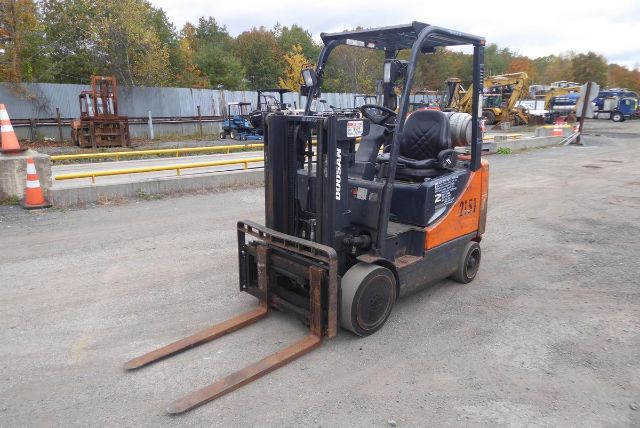
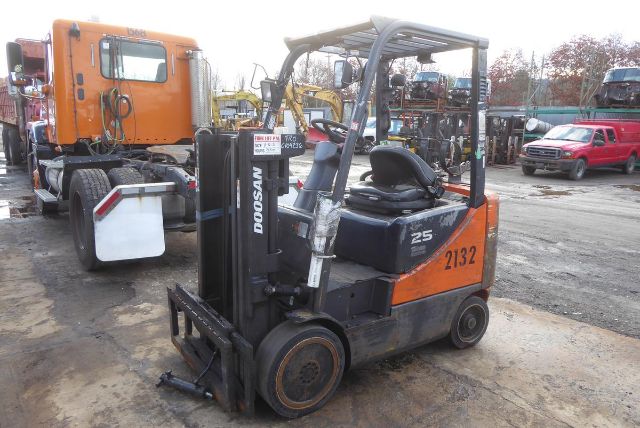
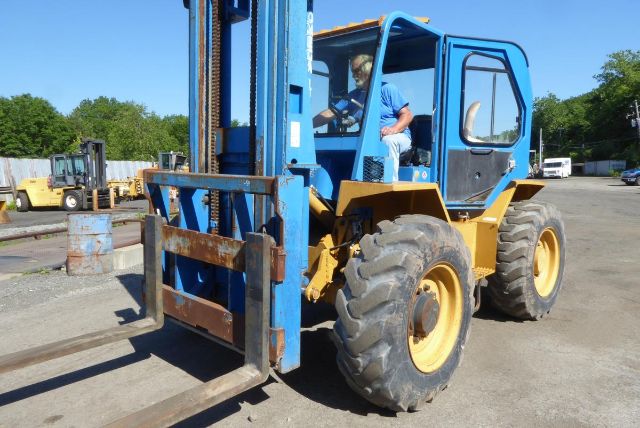
Have used 2011 lifts - fork equipment to sell? List it here to reach thousands of buyers.
Used 2011 Lifts - Fork
Most standard warehouse and dock forklifts in this age range fall in the 4,000 to 5,000 lb capacity class, though heavy-capacity units can be far larger and built for steel, machinery, or port work. Common buyer checkpoints include mast type, lowered height, maximum lift height, side shift, fork length, and hydraulic valve count for attachments. A dual-stage mast may be enough for straightforward loading, while a triple-stage mast helps in tighter indoor environments where low overall height and higher lift reach are both required. If the truck will handle pallets one day and clamps or specialty attachments the next, confirm the auxiliary hydraulics and carriage setup before purchase.
Fuel system and tire type should be decided early because they affect operating cost and where the machine can work. Propane forklifts are common in mixed indoor-outdoor service because refueling is quick and performance is consistent through a full shift. Diesel units are more common in larger outdoor and rougher-duty applications, while cushion tires are typically best on smooth concrete and pneumatic tires are better suited to broken pavement, gravel, and yard conditions. On used 2011 fork lifts, pay close attention to mast and tilt cylinder seepage, steer axle wear, brake response, transmission engagement, hour meter accuracy, and cold-start behavior. Fork condition, chain wear, carriage slack, and evidence of frame or overhead guard damage can tell you a lot about the truck's prior life.
For buyers comparing listings, the most important number is not just rated capacity but rated capacity at the actual load center and lift height you need. A truck that looks right on paper can lose usable capacity once a longer fork, side shift, clamp, or high lift requirement is added. Review the data plate, inspect the mast channels and rollers, and confirm parts support for the make and model. A well-matched used 2011 forklift can still deliver solid service in shipping, receiving, and plant operations if the specification is correct and the machine has been maintained with attention to hydraulics, tires, and driveline condition.
Frequently Asked Questions about Used 2011 Lifts - Fork
What should I look for first when buying a used 2011 fork lift?
Start with the data plate, rated capacity, mast configuration, and fuel type, then verify that those specs match your actual loads and operating environment. After that, inspect the mast chains, carriage, forks, tilt and lift cylinders, steer axle, brakes, transmission response, and tires. On an older used forklift, hour meter accuracy and overall maintenance history matter because wear on hydraulic components and driveline parts can be more important than appearance.
What is the difference between cushion-tire and pneumatic-tire forklifts?
Cushion-tire forklifts are built mainly for smooth indoor surfaces such as warehouse concrete and are valued for a tighter turning radius and lower overall profile. Pneumatic-tire forklifts are better for outdoor work, rough pavement, gravel, and uneven yard conditions because they provide more ground clearance and better shock absorption. The tire type should match the surface because it directly affects stability, traction, and operator comfort.
Is propane a good choice for a used fork lift?
Propane is a common and practical choice for many used forklifts because refueling is fast, performance stays consistent through long shifts, and the trucks can often work in both indoor and outdoor settings where ventilation is adequate. Buyers should still inspect the fuel system carefully, including lines, regulator or vaporizer condition, and starting behavior under load. If the truck does not include a tank, that should be figured into the total operating setup.
How important is mast type on a used forklift?
Mast type is critical because it determines both the lowered overall height of the truck and its maximum lift height. A two-stage mast may work well for basic loading and unloading, while a three-stage mast is often preferred where the forklift must clear low door openings but still stack high in racking or trailers. Buyers should also check free lift, side shift, and auxiliary hydraulics if the application includes frequent trailer work or attachments.
Do attachments change a forklift's lifting capacity?
Yes. Attachments such as side shifters, clamps, rotators, and longer forks can reduce effective capacity by moving the load center forward and adding weight to the carriage. That is why the forklift's rated capacity should always be reviewed at the intended load center and lift height, not just by the basic headline number. The correct way to confirm this is by checking the updated data plate and hydraulic setup for the attachment being used.