
Used 2004 Lifts - Fork For Sale in New York
Browse used 2004 fork lifts for sale, including warehouse-ready propane forklifts with common 4,000 to 5,000 lb capacities and mast options.
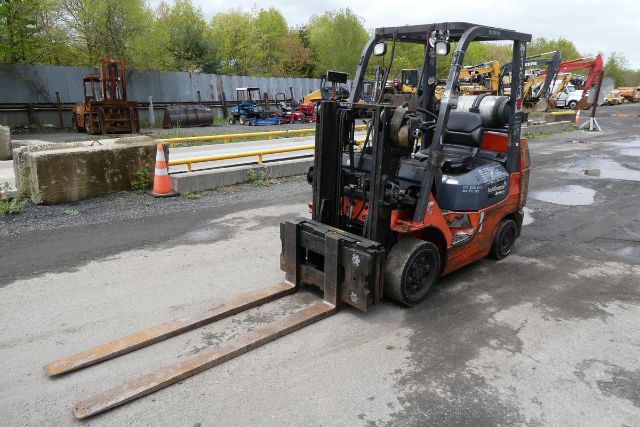
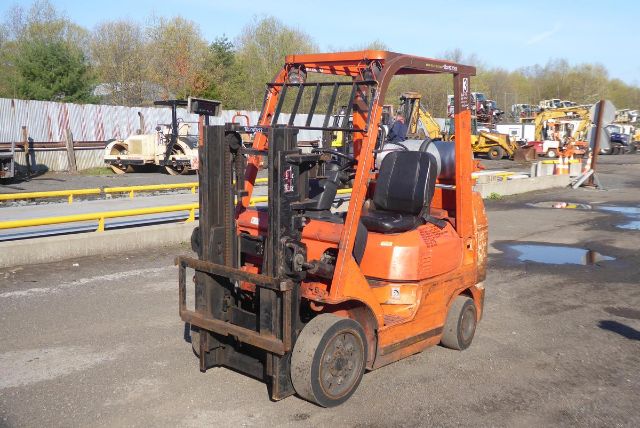
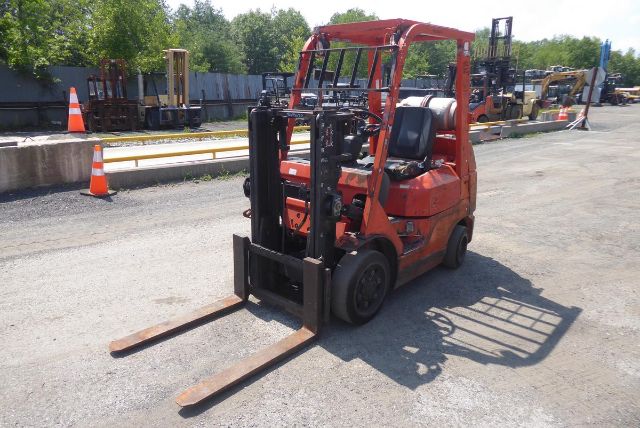
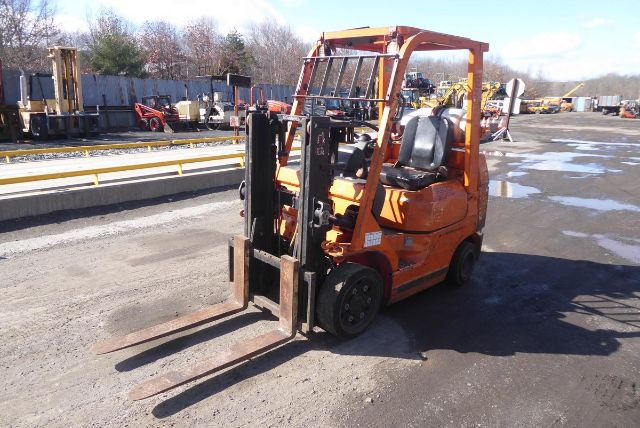
Have used 2004 lifts - fork equipment to sell? List it here to reach thousands of buyers.
Used 2004 Lifts - Fork in New York
A 2004 forklift in the 2.5-ton class is often configured with a dual-stage or triple-stage mast, usually paired with side shift and standard carriage forks in the 38-inch to 48-inch range. Lowered mast height is critical if the lift has to clear trailer doors, low warehouse headers, or older industrial buildings. Lift height, back tilt, and carriage type all affect how well the machine handles palletized freight, bundles, or rack work. Cushion tires are common on indoor units and provide a tighter footprint on smooth concrete, while pneumatic-tire versions are better suited for rougher yards or mixed indoor-outdoor use.
On a used 2004 fork lift, condition matters more than brand name alone. Hour meter readings should be weighed alongside mast wear, steer axle play, chain condition, cylinder seepage, brake response, transmission engagement, and cold-start behavior. On propane models, buyers should pay close attention to regulator performance, fuel-system leaks, and signs of flooding after shutdown. Hydraulic side shift, mast rollers, tilt cylinders, and fork heel wear can tell you a lot about how the machine was used. If the forklift will be used inside trailers or containers, verify overall height, overhead guard clearance, and turning radius before making a decision.
For New York buyers, indoor warehouse use, food distribution, manufacturing, and regional freight terminals all shape what specs make sense. A compact forklift with solid tires and an 80-inch lowered mast may fit older facilities better than a taller high-reach setup. If the job requires stacking into racking systems, a triple mast with higher lift height may be worth the tradeoff in complexity. The best used 2004 fork lifts are the ones matched to aisle width, floor conditions, load type, and daily duty cycle, with enough remaining service life in the drivetrain and hydraulics to keep operating costs predictable.
Frequently Asked Questions about Used 2004 Lifts - Fork in New York
What capacity is common for a used 2004 fork lift?
Many used 2004 forklifts on the market fall in the 4,000 to 5,000 pound class, which is a common fit for pallet handling, dock work, and general warehouse duty. Actual safe lifting capacity depends on load center, mast configuration, attachment weight, and lift height, so the data plate matters more than the model name alone.
Is a propane forklift a good choice for indoor use?
A propane forklift is a common choice for indoor warehouse work because it refuels quickly and usually offers strong run time for multi-shift operations. It still requires proper ventilation, routine fuel-system inspection, and attention to regulator and carburetion performance, especially on older used units where hard starting or flooding can become a service issue.
What should I inspect first on a used 2004 forklift?
Start with the mast, hydraulics, brakes, transmission engagement, steering, and engine starting behavior. Check for chain stretch, cylinder leaks, sloppy mast rollers, fork wear at the heel, uneven tire wear, and any hesitation when shifting from forward to reverse. These areas usually reveal more about real condition than cosmetic appearance.
What is the difference between a dual-stage mast and a triple-stage mast on a forklift?
A dual-stage mast is simpler and often preferred when lower cost and straightforward maintenance are priorities, but it usually offers less maximum lift height. A triple-stage mast provides more vertical reach while keeping the lowered height manageable for doorway or trailer clearance, which makes it useful for warehouse racking and truck loading where space is limited.
Are cushion-tire forklifts suitable for outdoor work in New York?
Cushion-tire forklifts work best on smooth concrete and paved surfaces, so they are ideal for indoor warehouses and loading docks. For rough pavement, broken yard surfaces, or frequent outdoor use in changing weather, a pneumatic-tire forklift is typically the better match because it handles uneven ground more safely and comfortably.