
Used 2004 Toyota Lifts - Fork For Sale in New York
Browse used 2004 Toyota fork lifts for sale in New York. Compare lift capacity, mast style, fuel type, tires, hours, and overall condition.
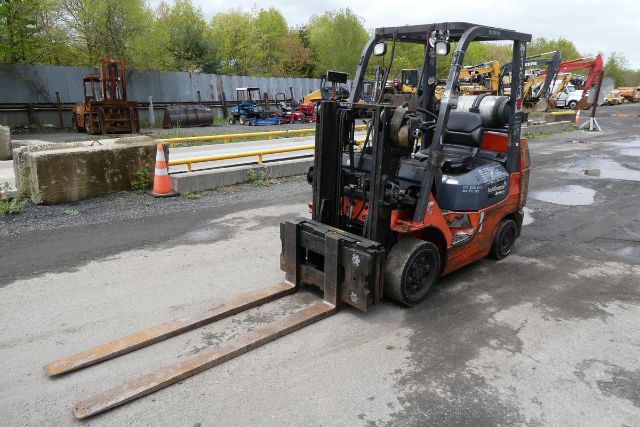
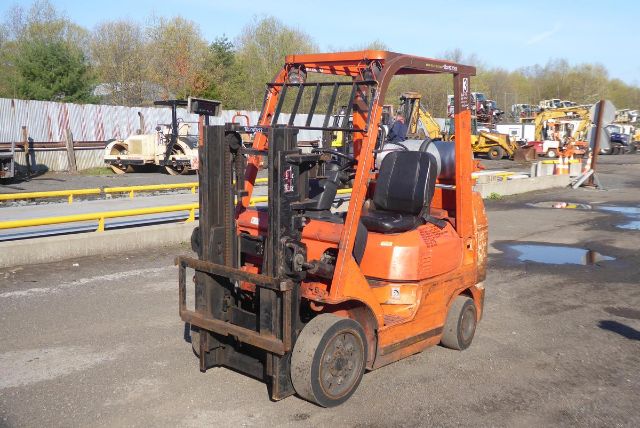
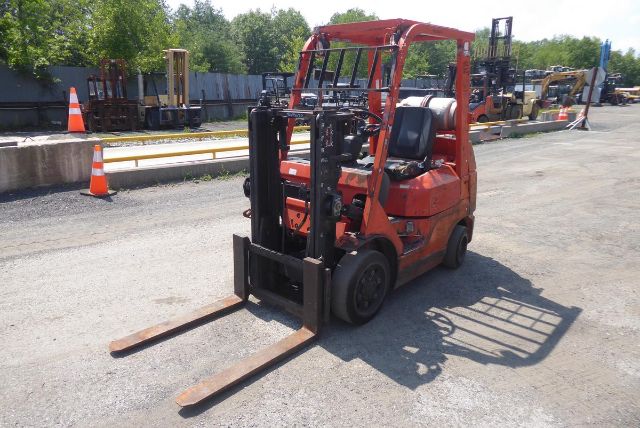
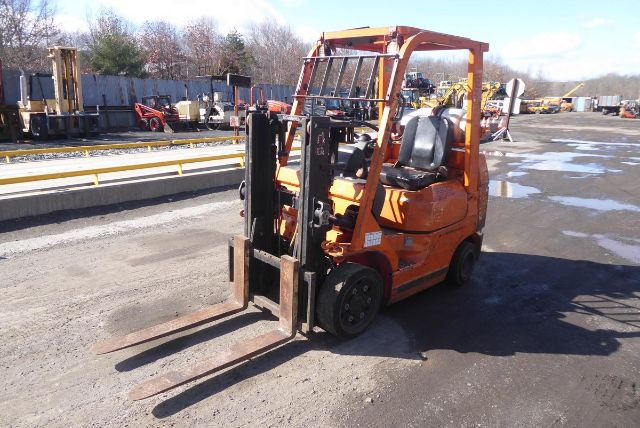
Have used 2004 toyota lifts - fork equipment to sell? List it here to reach thousands of buyers.
Used 2004 Toyota Lifts - Fork in New York
The biggest buying decisions in this category are capacity, mast configuration, tire type, and actual operating condition. A typical Toyota unit from this era may use a 4-cylinder engine with automatic directional control and a simple forward-reverse setup. Dual-stage masts are common, and buyers should confirm lowered mast height, maximum lift height, and back tilt if the truck needs to clear standard warehouse doors or stack into racking. Fork length, carriage class, side shift, and any attachment compatibility matter just as much as headline lift capacity because those details determine how useful the machine will be on day one.
For New York buyers, operating surface and fuel plan deserve extra attention. Cushion-tire Toyota forklifts work well on smooth concrete floors and loading docks but are less suited to rough outdoor yards. If the truck will spend time in mixed indoor-outdoor service, inspect tire wear, steer axle condition, and mast rollers closely. On used units, hour meter readings are helpful but not enough by themselves. Pay close attention to hydraulic cylinder seepage, chain wear, mast play, brake function, transmission response, cold-start behavior, and whether key components such as forks, propane tank brackets, parking brake hardware, and safety equipment are present.
Toyota forklifts from the early 2000s remain popular because they are straightforward to service and widely recognized for durability, but condition varies significantly from one machine to the next. A serious buyer should verify data plate information, rated capacity at load center, serial number, and any signs of frame or overhead guard damage. If the forklift will be used for freight handling, palletized materials, or dock work, matching the truck’s mast, tires, and attachment setup to the job is more important than simply buying by year or price alone.
Frequently Asked Questions about Used 2004 Toyota Lifts - Fork in New York
What is the typical capacity of a used 2004 Toyota fork lift?
Many used Toyota forklifts from this period fall into the 4,000 lb to 5,000 lb class, although exact rating depends on model, mast, and load center. Buyers should confirm the data plate instead of relying only on model assumptions, because attachments, mast height, and fork configuration can reduce effective lifting capacity.
Are older Toyota forklifts good for warehouse use?
Yes, many older Toyota forklifts are well suited for warehouse and dock work if they have the right tire type and mast setup. Cushion-tire models are common in indoor applications because they maneuver well on smooth concrete and around trailers, but they should be inspected carefully for mast wear, hydraulic condition, steering response, and brake performance before purchase.
What should I inspect first on a used Toyota propane forklift?
Start with the engine, transmission response, hydraulic system, mast chains, and brakes. Then check for leaks at lift and tilt cylinders, fork and carriage wear, overhead guard damage, hour meter credibility, and missing components such as forks or parking brake parts. On propane units, verify the fuel system condition and confirm whether the tank is included, since it often is not.
What mast and height details matter most on a used fork lift?
Lowered mast height, maximum lift height, and mast stage are critical because they determine door clearance, trailer access, and rack compatibility. A truck that fits your capacity requirement can still be a poor match if the mast will not clear your building openings or lift high enough for your storage system. Buyers should also verify tilt function and inspect mast rollers and channels for excess wear.
Is hour reading the best way to judge a used forklift?
No. Hours help estimate use, but overall condition tells the real story. A higher-hour Toyota forklift that starts cleanly, shifts properly, lifts smoothly, and shows dry hydraulics can be a better buy than a lower-hour machine with neglected maintenance, mast looseness, poor compression, or missing safety and operating components.