
Used 2004 Lifts - Fork For Sale
Browse used 2004 fork lifts and forklifts for warehouse, yard, and loading work. Compare lift capacity, mast type, fuel system, and condition.
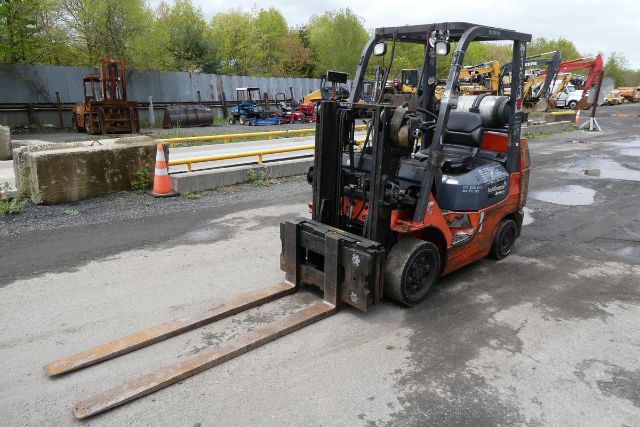
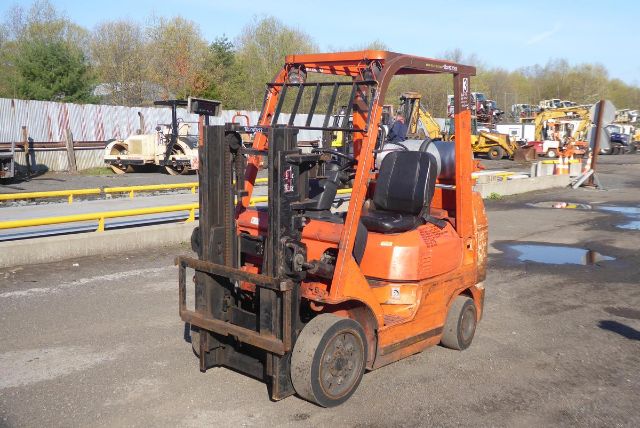
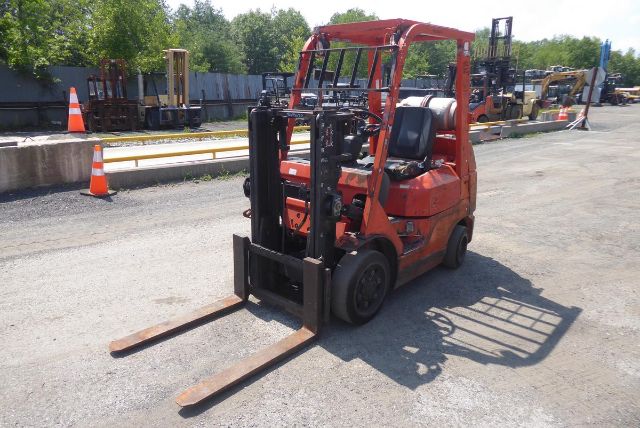
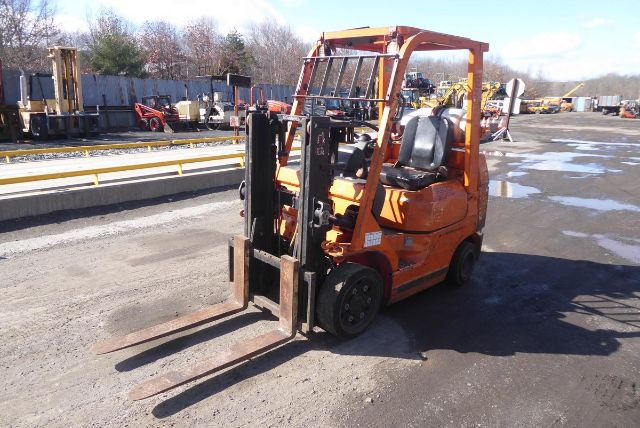
Have used 2004 lifts - fork equipment to sell? List it here to reach thousands of buyers.
Used 2004 Lifts - Fork
A 2004-model forklift buyer should pay close attention to mast configuration and overall dimensions. A two-stage mast is often simpler and well-suited for general loading, while a triple mast gives more stacking height with a lower collapsed profile for trailer and doorway clearance. Side shift is one of the most useful attachments in this category because it speeds pallet placement and reduces repositioning. Fork length, carriage class, back tilt, and any auxiliary hydraulic valve matter if the lift will handle clamps, rotators, or other attachments beyond standard forks.
Condition is where older fork equipment separates quickly. Hours matter, but service history matters more. Look closely at mast channels, lift chains, tilt cylinders, steer axle wear, transmission engagement, and brake response. Solid pneumatic or cushion tires are common on used units in this size range, and tire choice should match the surface the machine runs on. LP gas models are common because they balance indoor suitability with fast refueling, but buyers should still confirm engine condition, cold-start behavior, and hydraulic performance under load. On older machines, small leaks, warning lights, worn forks, and missing accessories can turn into immediate operating costs.
For buyers comparing listings, the real question is not just age but suitability for the aisle width, floor surface, rack height, and load center in the intended operation. Check the data plate to confirm rated capacity at the actual lift height and attachment setup, since capacity drops as mast height and load center increase. A well-kept used 2004 forklift can still deliver dependable service for shipping, receiving, and yard support, but only if the machine's mast, fuel system, tires, and attachment hydraulics line up with the job.
Frequently Asked Questions about Used 2004 Lifts - Fork
What should I inspect first on a used 2004 forklift?
Start with the data plate, hour meter, and overall operating condition. Then inspect mast rails, chains, rollers, carriage wear, forks, hydraulic hoses, tilt cylinders, steer axle, brakes, and transmission response. On an older forklift, leaks, delayed engagement, chain wear, and mast slop are more important than cosmetic appearance because those items affect safety and near-term repair cost.
Is a propane forklift a good choice in this category?
Propane is a common choice for forklifts in this size and age range because refueling is quick and the machines work well in mixed indoor-outdoor duty when ventilation requirements are met. LP units are often preferred for loading docks, warehouses, and distribution work. Buyers should verify regulator condition, fuel system integrity, engine performance under load, and whether the propane tank bracket and related components are complete.
How important is mast type on a used fork lift?
Mast type is one of the most important buying decisions because it affects stacking height, lowered clearance, and visibility. A double mast can be a good fit for basic loading and unloading, while a triple mast is better when you need more lift height without giving up entry into trailers or lower-clearance buildings. The right mast depends on rack height, dock use, and the need to move through doors or under headers.
Do forklift hours tell the full story on a 2004 model?
No. Hours help, but maintenance history and actual wear tell the real story. A higher-hour forklift with documented service, dry cylinders, strong hydraulic function, and smooth drivetrain operation can be a better buy than a lower-hour machine with neglected maintenance. Older forklifts should be evaluated by function, not just by the meter.
What specs matter most when comparing used forklifts for sale?
The key specs are rated capacity, load center, mast height, collapsed height, overall width, tire type, fuel system, fork length, and attachment hydraulics. Buyers should also confirm side shift, auxiliary valves, and carriage setup if the forklift will handle more than standard pallet loads. These details determine whether the machine will actually fit the building, clear the trailer, and safely lift the intended load.