
Used 2014 Lifts - Fork For Sale in New York
Browse used 2014 fork lifts for sale, including warehouse and yard forklifts with common 4,000-5,000 lb capacities and LP gas power.
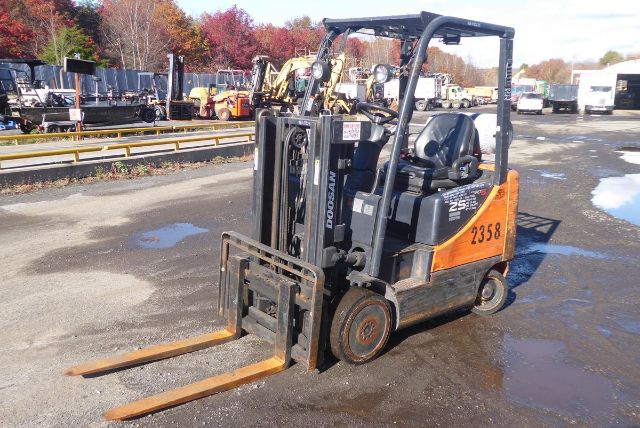
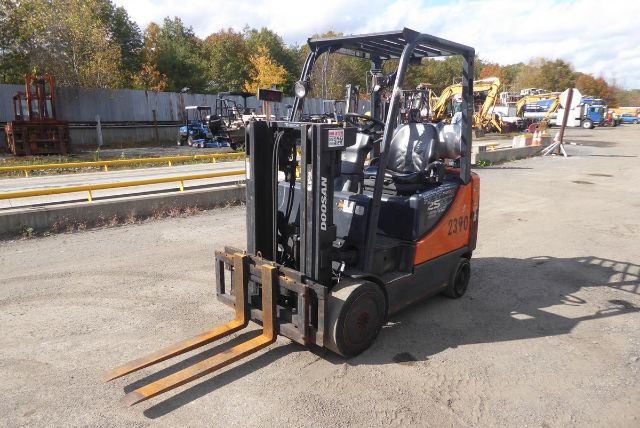
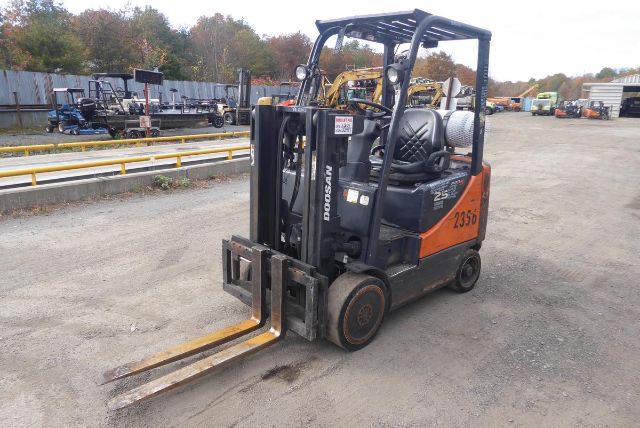
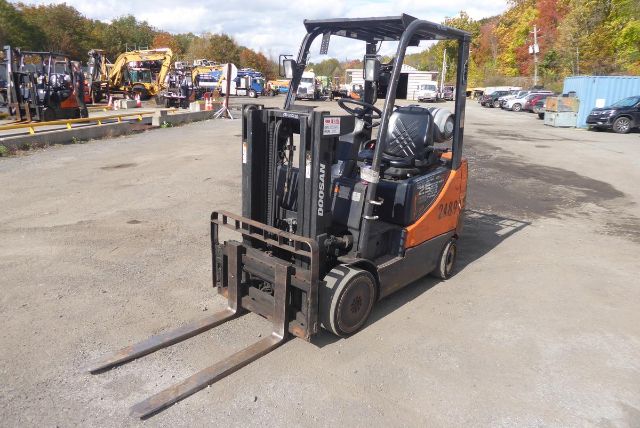
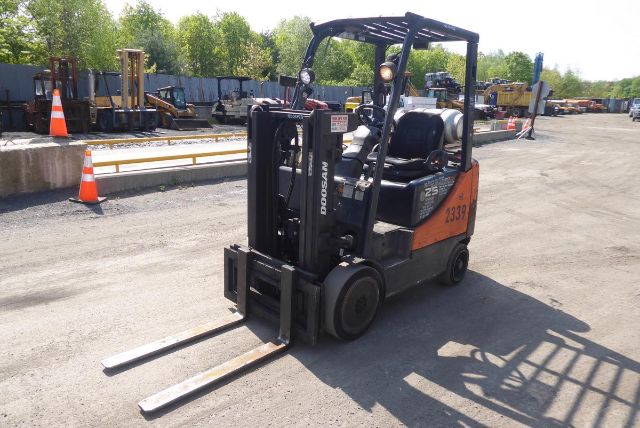
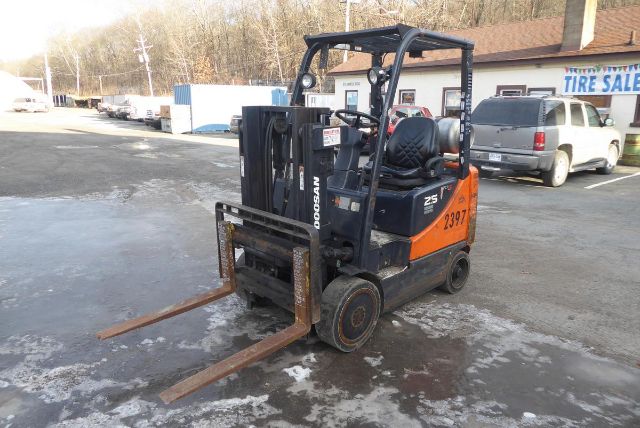
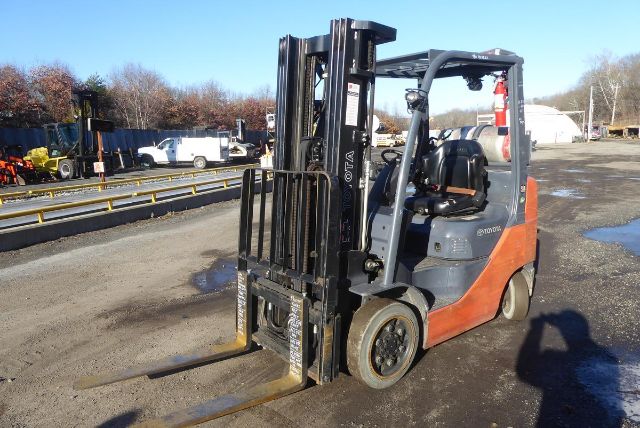
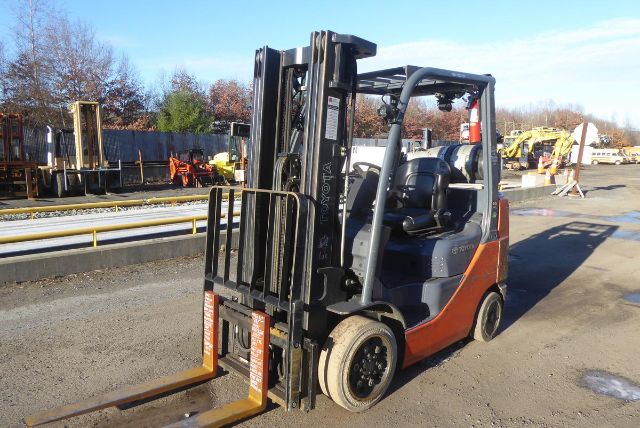
Have used 2014 lifts - fork equipment to sell? List it here to reach thousands of buyers.
Used 2014 Lifts - Fork in New York
The main buying decisions usually come down to capacity, mast configuration, overall lowered height, and attachment setup. A 2-stage or dual mast is common on forklifts in this size range, often paired with an approximately 80-inch lowered height so the machine can clear standard doors while still providing useful lift for rack work and trailer loading. Side shift is one of the most valuable options on a used fork lift because it speeds pallet placement and reduces repositioning. Fork length, carriage condition, back tilt, and chain wear matter just as much as the stated lift rating, especially if the truck will handle uneven or high-cycle loads.
On used 2014 fork lifts, pay close attention to the powertrain and hydraulic system. LP gas units are popular in New York and other dense market areas because they refuel quickly and work well in mixed indoor-outdoor service, but buyers should confirm the condition of the vaporizer, regulator, hoses, and fuel lock components. Check mast rollers, lift and tilt cylinders, steer axle play, transmission engagement in forward and reverse, and brake response under load. Hour meters on older forklifts do not always tell the full story, so overall service history, leak condition, tire type, and signs of carriage or mast repair often reveal more about remaining value than the meter alone.
For operations in New York, physical dimensions can be just as important as engine and mast specs. Width, counterweight swing, and lowered mast height affect trailer access, warehouse maneuverability, and clearance through older industrial buildings. Solid cushion tires are common on these forklifts and work well on smooth concrete, while pneumatic setups are better suited for yards or rougher surfaces. A well-matched 2014 fork lift should be chosen around the real load center, rack height, floor conditions, and attachment needs, not just the advertised capacity on the data plate.
Frequently Asked Questions about Used 2014 Lifts - Fork in New York
What capacity range is most common for a used 2014 fork lift?
Many used 2014 fork lifts in this class fall in the 4,000 to 5,000 pound capacity range. That size is common because it covers standard pallet handling, dock work, and general warehouse use without moving into the larger footprint and higher operating cost of a heavier forklift. Buyers should still confirm the actual capacity at the correct load center and with any attachment installed, since side shift attachments and longer forks can reduce usable lift capacity.
Is propane a good choice for a used fork lift?
Propane or LP gas is a strong choice for many used forklifts because refueling is fast, runtime is predictable, and the trucks can work in mixed indoor-outdoor environments. It is especially common on cushion-tire warehouse forklifts from this era. On a used unit, the fuel system should be inspected carefully for regulator condition, vaporizer performance, hose age, and leak-free operation, because those items directly affect cold starts, power delivery, and reliability.
What should I inspect first on a used 2014 forklift?
Start with the mast, carriage, forks, hydraulics, transmission engagement, brakes, steer axle, and tires. Look for chain stretch, cylinder seepage, mast roller wear, fork heel wear, weld repairs, and sloppy forward-reverse engagement. After that, verify the data plate, hour meter consistency, and service records if available. A forklift that runs smoothly, lifts cleanly, and stays dry at the cylinders and transmission is generally a better indicator of value than cosmetic appearance alone.
What mast setup works best for warehouse use?
A 2-stage mast is common for general warehouse and trailer-loading work because it keeps lowered height manageable while still providing useful lift. Buyers should compare maximum lift height with collapsed mast height to make sure the forklift can enter trailers, pass through doors, and work under low overhead obstructions. If the building has older door openings or low clearances, lowered mast height can become a deciding specification.
Do tire type and forklift dimensions matter in urban or older facilities?
Yes. In tighter facilities, forklift width, turning radius, and lowered mast height can matter as much as rated capacity. Cushion tires are typical for smooth indoor concrete and offer a tighter, more compact machine profile. Pneumatic tires are better for broken pavement, outdoor yards, or rougher surfaces. In older buildings and dense urban operations, checking aisle width, dock approach, and mast clearance before buying can prevent expensive fitment problems later.