
Used 2014 Lifts - Fork For Sale
Shop used 2014 fork lifts for material handling, warehousing, yards, and job sites. Compare capacity, mast type, fuel, tires, and hours.
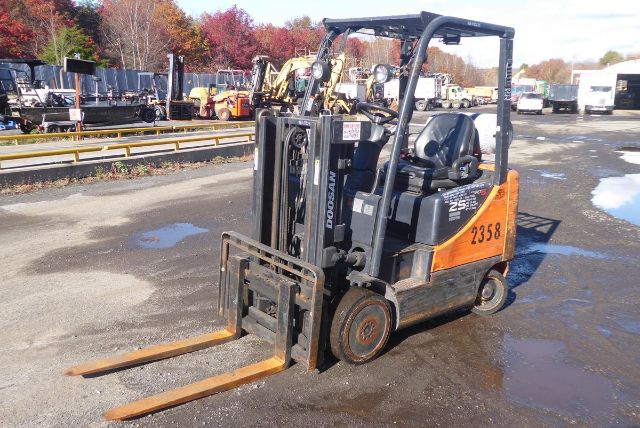
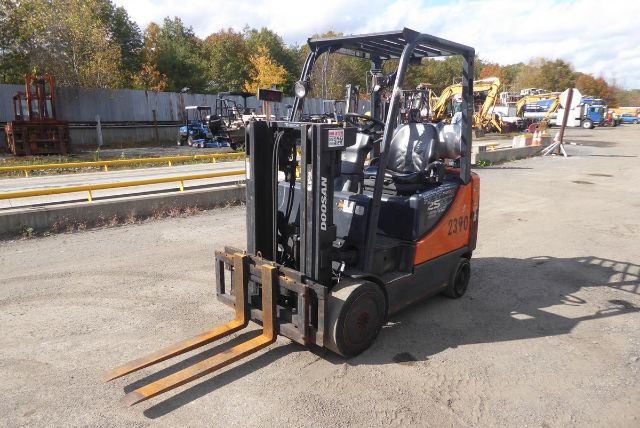
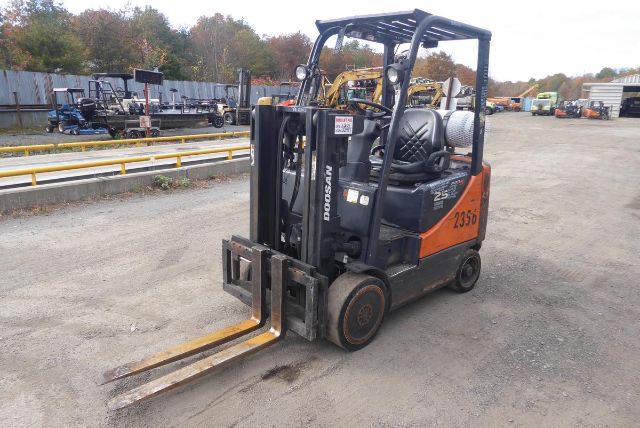
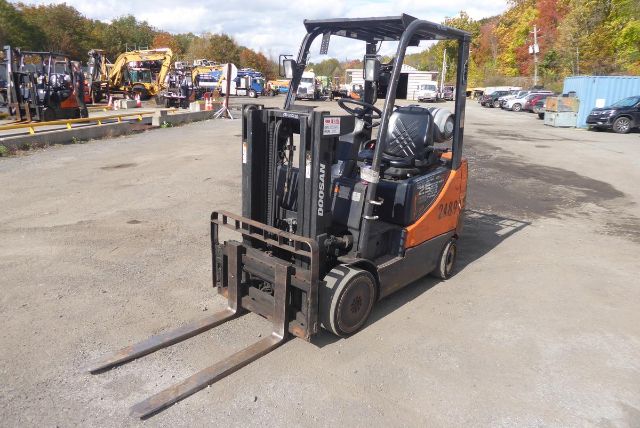
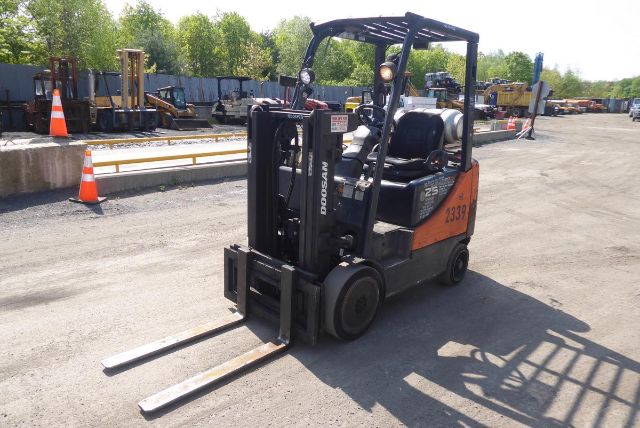
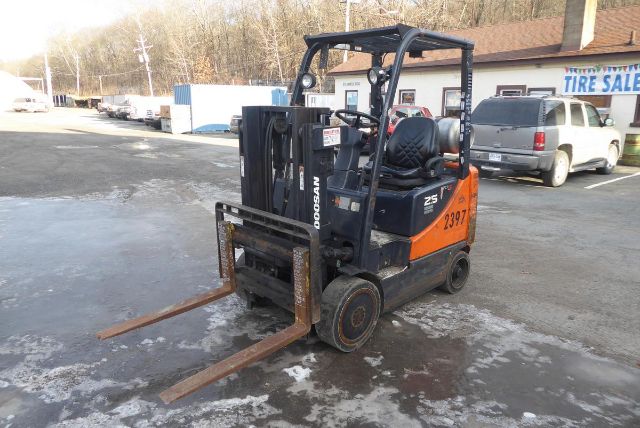
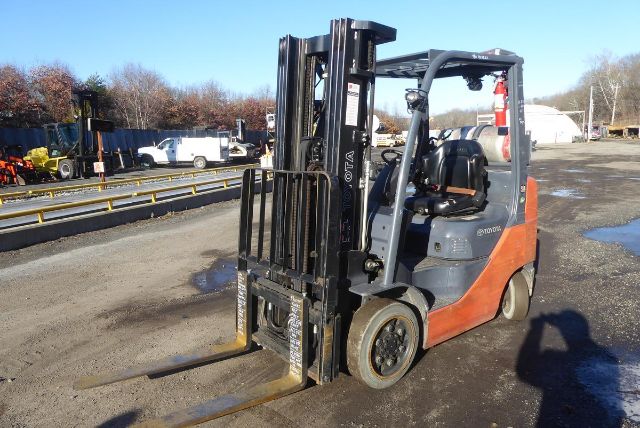
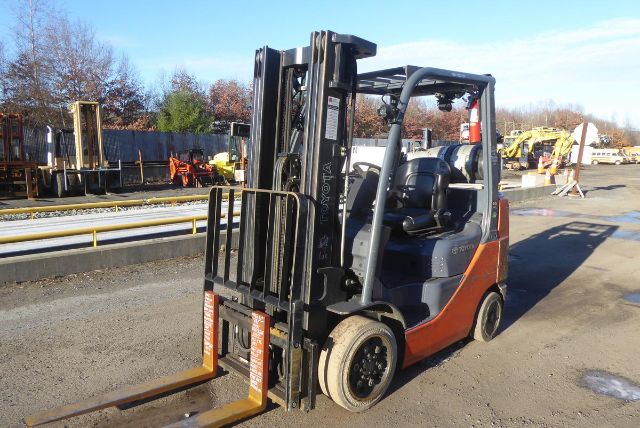
Have used 2014 lifts - fork equipment to sell? List it here to reach thousands of buyers.
Used 2014 Lifts - Fork
Fuel type is one of the biggest decision points in this category. Many used 2014 fork lifts are LPG units because propane remains popular for mixed indoor and outdoor use, fast refueling, and straightforward service access. Diesel forklifts are common in higher-capacity and outdoor applications where runtime and torque matter more than emissions inside a building. Tire type is just as important. Cushion tires are typical on smooth concrete and in tighter aisles, while solid pneumatic and air-filled tires handle rougher yards, broken pavement, and job site conditions better. Buyers should also compare overall lowered height, lift height, and free lift if the truck needs to work inside trailers, shipping containers, or racking systems with clearance limits.
Mast design and hydraulic functions separate a basic forklift from one that can handle demanding daily work. Duplex masts are simple and durable, while triple-stage masts help achieve higher lift heights with a lower collapsed height for indoor clearance. Side shift is close to essential in many operations because it speeds pallet placement and reduces repositioning. A 4th valve, fork positioners, and auto-level features can add real productivity in operations that handle mixed pallet widths, bundles, or awkward loads. On used units, buyers should pay close attention to mast channels, carriage rollers, lift chains, steer axle play, cylinder condition, transmission response, brake performance, and hour meter history. Leaks, sloppy pins and bushings, and uneven tire wear usually tell you how the machine was maintained.
A good used 2014 fork lift can still be a cost-effective choice if the truck matches the job and the physical condition supports the hours shown. Look at data plate capacity at the actual lift height and with the installed attachment, not just the nominal rating. Verify fork thickness, mast tilt function, overhead guard condition, and operator compartment layout if the truck will run multiple shifts. Common brands in this class include Toyota, Yale, Hyster, Mitsubishi, and other industrial names with broad parts support. For many buyers, the best value is not the cheapest truck. It is the one with the right capacity, correct mast, serviceable tires, and a maintenance history that fits the application.
Frequently Asked Questions about Used 2014 Lifts - Fork
What should I look for first when buying a used 2014 fork lift?
Start with rated capacity, actual lift height, mast type, and fuel system because those four items determine if the forklift can do the job safely and efficiently. After that, inspect hours, forks, chains, mast rollers, hydraulic cylinders, tires, brakes, steering, and transmission response. The data plate should match the truck's current mast and attachment setup, since side shifters, fork positioners, and long forks can reduce true lifting capacity.
Is a propane forklift better than diesel for a used 2014 model?
It depends on the application. Propane forklifts are widely used in warehouse and dock operations because they refuel quickly, run clean enough for many indoor settings, and offer good all-around performance. Diesel forklifts are usually preferred for outdoor yards, rougher duty cycles, and heavier-capacity work where torque and long runtime are priorities. The right choice comes down to ventilation, shift length, fuel availability, and required lifting capacity.
How important is mast type on a fork lift?
Mast type is critical because it affects both maximum lift height and collapsed height. A duplex mast is common for straightforward applications, while a triple-stage mast is useful when you need more lift height but still have to clear low doors or trailers when the mast is lowered. Free lift also matters in container loading, trailer work, and low-clearance warehouse areas because it lets the forks rise before the mast extends upward.
Do hydraulic attachments reduce forklift capacity?
Yes. Side shifts, fork positioners, clamps, and extra-long forks can all reduce effective lifting capacity by adding weight and moving the load center forward. That is why buyers should check the truck's data plate and any attachment tag rather than assuming the base model rating still applies. A forklift that is rated for one capacity in standard form may be significantly de-rated once attachments are installed.
Are hours the best indicator of condition on a used fork lift?
Hours matter, but they are not the full story. A well-maintained forklift with higher hours can be a better buy than a lower-hour truck with poor service history, mast wear, hydraulic leaks, or transmission issues. Condition of the steer axle, mast assembly, forks, tires, brake system, and engine or fuel system often tells you more about remaining service life than the hour meter alone.