
Used Hyster Lifts - Fork For Sale in New York
Browse used Hyster fork lifts for sale, including electric, diesel, and propane models with capacities for warehouse, yard, and industrial use.
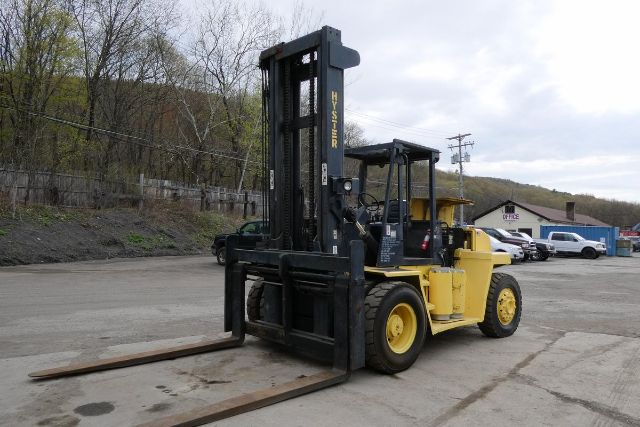
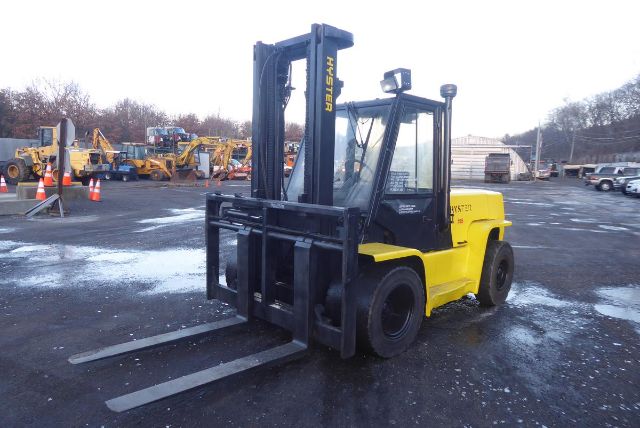
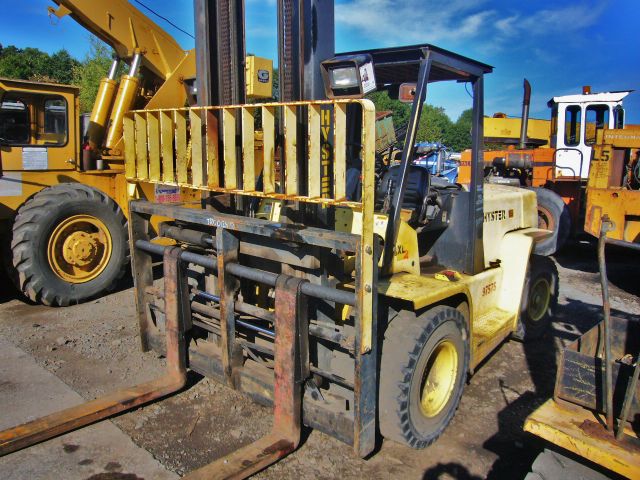
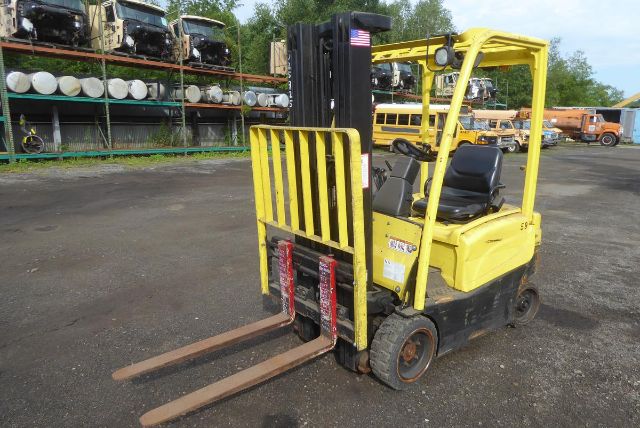
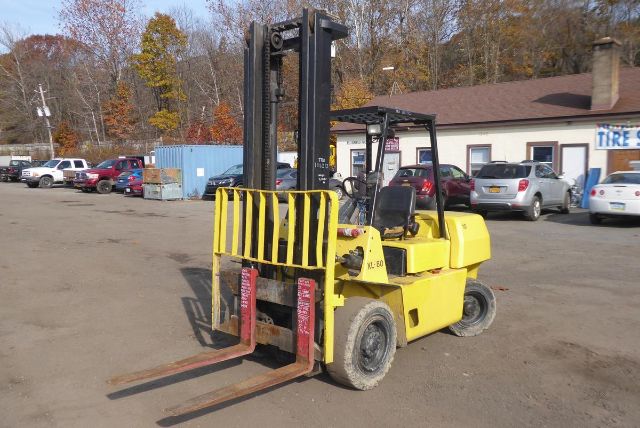
Have used hyster lifts - fork equipment to sell? List it here to reach thousands of buyers.
Used Hyster Lifts - Fork in New York
The first decision is usually power type and operating environment. Electric Hyster forklifts are a strong fit for indoor warehouse use where low noise, zero tailpipe emissions, and tighter maneuvering matter. They are often evaluated by battery voltage, amp-hour rating, charger compatibility, and remaining battery life. Diesel models are typically chosen for outdoor work, heavier lifts, and longer run cycles, especially where ramps, rougher pavement, or sustained push-pull work are common. Propane units sit in the middle for many operations because refueling is fast and performance is consistent through a full shift. In New York, that indoor-outdoor split matters even more because winter conditions, dock traffic, and seasonal storage needs can quickly expose the limits of the wrong tire type or fuel choice.
On a used Hyster forklift, capacity alone does not tell the full story. Buyers should match the truck to the actual load center, fork length, attachment weight, and required lift height. A machine rated at one capacity can be substantially de-rated when fitted with long forks, side shift, or hydraulic fork positioners. Mast lowered height, overall width, and overhead clearance are just as important as maximum lift height if the truck will work inside trailers, containers, or older warehouse buildings. Cushion-tire models tend to work best on smooth concrete, while pneumatic or air-filled tire setups are better suited to broken pavement, gravel, or yard service. Common features worth comparing across listings include side shift, fork positioners, monotrol controls, back tilt range, open ROPS versus cab configuration, and solid versus pneumatic tires.
Condition matters more on forklifts than age alone. On a used Hyster, pay close attention to mast and carriage wear, chain stretch, cylinder seepage, steer axle play, brake type and function, transmission engagement, and cold-start behavior on internal combustion units. For electric trucks, battery age, charger condition, and hydraulic response under load deserve the same level of scrutiny as the hour meter. Fork thickness, heel wear, and any signs of frame or overhead guard damage should be checked against the truck’s intended application. A well-kept older Hyster can still be a productive forklift if the hydraulics are dry, the mast operates smoothly, and the capacity plate matches the current attachment and fork setup.
Frequently Asked Questions about Used Hyster Lifts - Fork in New York
What should I look at first when buying a used Hyster forklift?
Start with the data plate, actual lift capacity, mast type, and power source, then verify that those match the work you need done. After that, inspect mast channels, lift chains, forks, hydraulic cylinders, brakes, steering, and transmission response. On electric units, battery condition is one of the biggest cost factors, while on diesel or propane models, engine starting, smoke, leaks, and driveline operation matter most.
Is an electric or diesel Hyster forklift better for my operation?
Electric Hyster forklifts are usually the better choice for indoor warehouse work because they are quieter, produce no exhaust, and handle well in tighter spaces. Diesel models are better suited to outdoor applications, heavier lifting, and longer run times where charging downtime is not practical. If the truck will move between indoor and outdoor use, a propane unit is often considered because it offers quick refueling and solid all-around performance.
How important is mast configuration on a used fork lift?
Mast configuration is critical because it affects lift height, collapsed height, forward visibility, and where the truck can physically operate. A duplex mast may be adequate for basic loading and yard work, while a triple-stage mast is often preferred when higher rack storage or container work is involved. Buyers should compare maximum lift height with lowered mast height to make sure the truck can clear doors, trailers, and overhead obstructions.
Do long forks and attachments reduce forklift capacity?
Yes. Long forks, side shift units, fork positioners, clamps, and other hydraulic attachments can reduce usable capacity because they change the load center and add weight ahead of the carriage. That is why the capacity plate must reflect the truck’s actual configuration. A forklift that looks large enough for the job can still be under-rated for the load once attachments and fork length are factored in.
Are older Hyster forklifts still worth buying?
They can be, provided the truck has been maintained and the major systems are sound. Hyster has a long reputation for durable industrial forklifts and generally good parts support, which helps keep older machines serviceable. A clean used unit with a strong mast, dry hydraulics, good tires, and verified capacity can offer solid value, but deferred maintenance can turn a lower purchase price into a costly repair cycle.