
Used Hyster Lifts - Fork For Sale
Shop used Hyster fork lifts with diesel, electric, and propane options. Compare lift capacity, mast height, tires, and attachment setups.
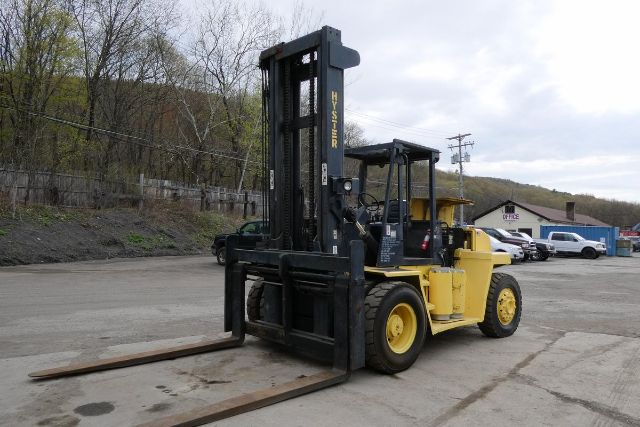
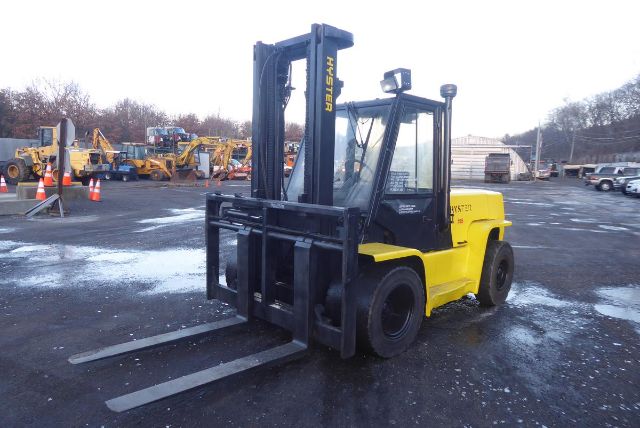
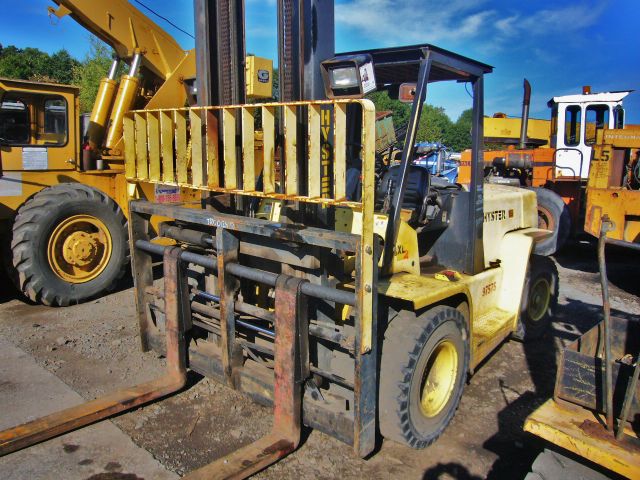
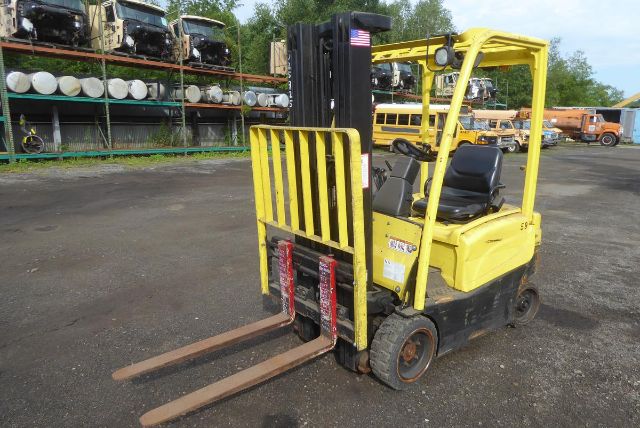
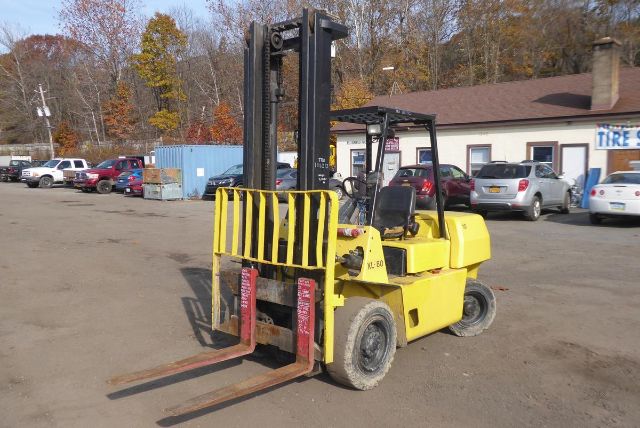
Have used hyster lifts - fork equipment to sell? List it here to reach thousands of buyers.
Used Hyster Lifts - Fork
Capacity and load center matter more than the nameplate alone. Many Hyster lifts are configured with long forks, attachments, or specialty masts that change effective lifting capacity, so it is important to confirm the actual derated capacity at the installed load center. Common used Hyster fork truck configurations include 3,000 lb electric units for warehouse aisles, 8,000 lb diesel lifts for general yard work, and 15,000 lb-plus heavy forklifts for pipe, pallets, crated equipment, and flatbed loading. Mast type is another key buying point. A dual mast is simple and robust for outdoor work, while a triple mast helps maximize lift height with a lower collapsed height for door clearance and trailer loading.
Power source should match the jobsite and duty cycle. Electric Hyster forklifts are popular in warehouses and enclosed facilities where quiet operation and zero tailpipe emissions matter. Battery voltage, amp-hour rating, charger compatibility, and battery age should be checked closely on a used unit because battery replacement is a major ownership cost. Diesel Hyster lifts are a strong fit for outdoor applications that need torque, long run time, and fewer interruptions. Propane models remain common in mixed indoor-outdoor work because refueling is quick and cold-weather starting is generally better than older battery systems. Tire type also changes how a lift performs. Solid cushion or solid rubber tires are typical on smooth concrete, while pneumatic tires or air-filled tires are better on gravel, broken pavement, and uneven yards.
A buyer comparing used Hyster lifts should pay close attention to mast wear, chain condition, carriage looseness, cylinder seepage, brake type, steer axle response, and attachment function. Side shift and hydraulic fork positioners add productivity but also add moving parts that need inspection. Measure overall height, overall width, truck weight, fork length, and loading height against your trailers, docks, and storage areas before buying. For trucking and material handling operations, the right used Hyster fork truck is less about brand alone and more about matching capacity, mast geometry, fuel type, and attachment package to the loads you handle every day.
Frequently Asked Questions about Used Hyster Lifts - Fork
What should I check first on a used Hyster fork lift?
Start with capacity, mast height, and the data plate to confirm the truck matches your load requirements. After that, inspect mast channels, lift chains, carriage rollers, hydraulic cylinders, forks, steer axle play, brakes, and tire condition. On a used Hyster, attachment function is also important because side shift and fork positioners can affect both productivity and rated capacity.
Are diesel, propane, or electric Hyster forklifts better for used buyers?
The best choice depends on the application. Diesel Hyster forklifts are usually preferred for outdoor yards, heavy loads, and long shifts. Propane units fit mixed indoor-outdoor use where quick refueling matters. Electric Hyster lifts are best for warehouses and enclosed spaces, but battery condition, charger setup, and remaining battery life are critical factors when buying used.
Why does a Hyster forklift's true capacity differ from the rated capacity?
Rated capacity is tied to a specific load center and original configuration. If a used Hyster has longer forks, a side shift, fork positioner, or a different mast, the effective lifting capacity may be reduced from the nominal rating. The correct figure comes from the truck's data plate and attachment information, not just the model number or seller's general description.
What mast configuration is best on a used Hyster fork truck?
A dual mast is often favored for rugged outdoor work because it is simpler and easier to service. A triple mast is useful when you need higher lift heights while keeping a lower collapsed height for trailers, docks, and overhead doors. The right mast depends on your ceiling clearances, trailer loading needs, and the maximum stacking height in your operation.
Do tire types matter much on used Hyster forklifts?
Yes. Solid cushion or solid rubber tires are ideal for smooth warehouse floors and paved surfaces, while pneumatic or air-filled tires handle rougher yards, gravel, and uneven ground better. Choosing the wrong tire setup can reduce stability, increase operator fatigue, and limit where the forklift can work safely.