
Used 2001 Lifts - Fork For Sale in New York
Browse used 2001 fork lifts for sale, including warehouse and yard forklifts with common specs, lift capacities, mast types, and fuel options.
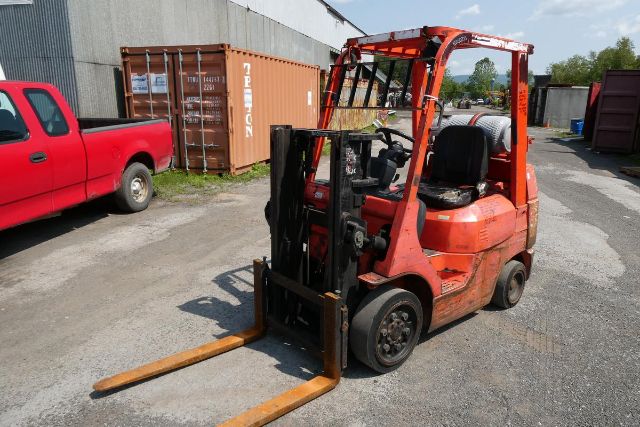
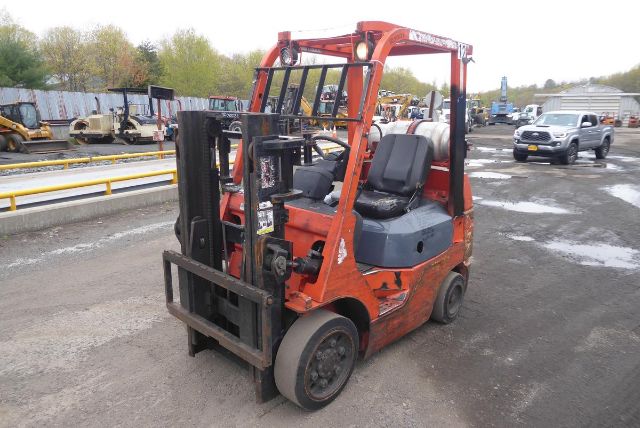
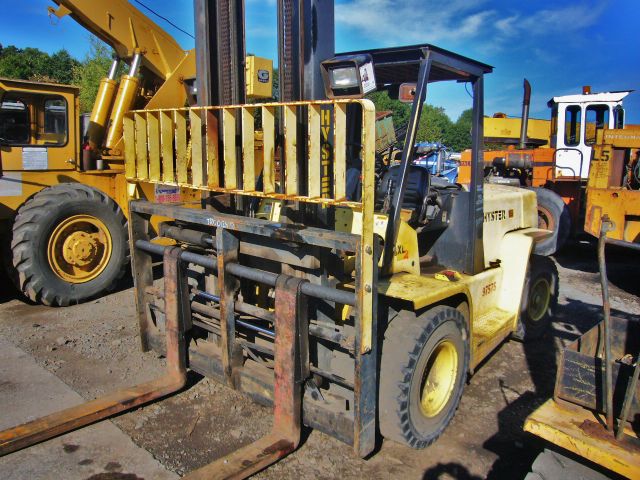
Have used 2001 lifts - fork equipment to sell? List it here to reach thousands of buyers.
Used 2001 Lifts - Fork in New York
Frequently Asked Questions about Used 2001 Lifts - Fork in New York
What should I check first on a used 2001 fork lift?
Start with capacity, mast configuration, and actual operating condition. Confirm the data plate matches the truck, then inspect the mast channels, lift chains, carriage, forks, steer axle, and hydraulic cylinders. Hour meter readings can help, but condition matters more than hours alone on older lifts. Cold start behavior, transmission engagement, brake response, tilt function, and hydraulic lift speed will usually tell you more than cosmetics.
What lift capacity is most common on older fork lifts like these?
Many used 2001 forklifts on the market are in the 3,000 to 5,000 lb range, which covers standard palletized freight, dock work, and warehouse handling. Larger pneumatic-tire or rough-terrain units may be rated at 6,000 lbs, 8,000 lbs, or more. Buyers should remember that rated capacity changes with lift height, mast type, load center, and any attachment installed, so the nameplate rating should always be verified against the intended application.
Is propane or diesel better for a used fork lift?
Propane is often preferred for indoor-outdoor operation because refueling is quick and the machines are common in warehouse fleets. Diesel usually makes more sense for heavier outdoor work and rough-terrain applications where torque and durability matter more than emissions inside a building. The better choice depends on the work environment, fuel availability, ventilation, and whether the unit will spend most of its time on smooth concrete or uneven yard surfaces.
Why do mast type and fork length matter so much?
Mast type determines collapsed height, maximum lift height, and overall suitability for low-clearance doors, trailers, racking, or containers. A two-stage or dual mast may be fine for general loading, while a triple-stage mast is often needed where higher lift is required without excessive lowered height. Fork length and carriage setup affect pallet support, maneuverability, and safe load handling. Missing forks, worn fork heels, or incorrect fork class can add immediate replacement cost.
What are the biggest risks when buying an older used forklift?
The main risks are hydraulic wear, neglected cooling systems, transmission issues, mast and chain wear, and hard-to-source parts on certain models. Tires can also be a major expense, especially solid cushion tires or large pneumatic sets. On older machines, buyers should also check for engine blow-by, uneven lifting, chain stretch, sloppy steering, brake weakness, and signs of structural repair around the mast, overhead guard, and counterweight mounts. A basic functional inspection under load is far more valuable than a quick visual walk-around.