
Used 2001 Lifts - Fork For Sale
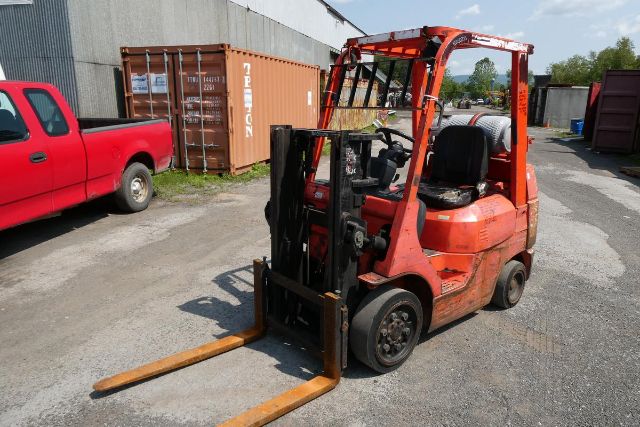
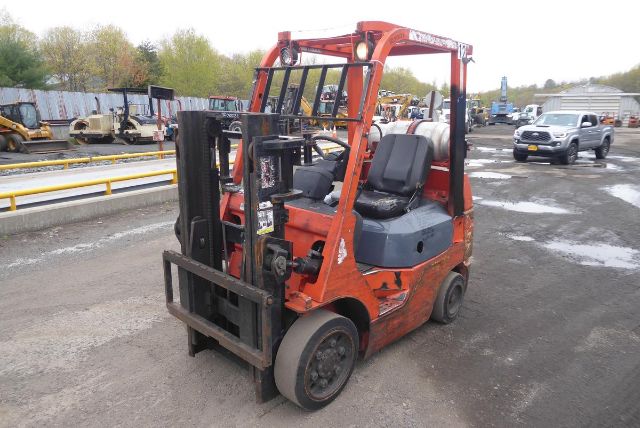
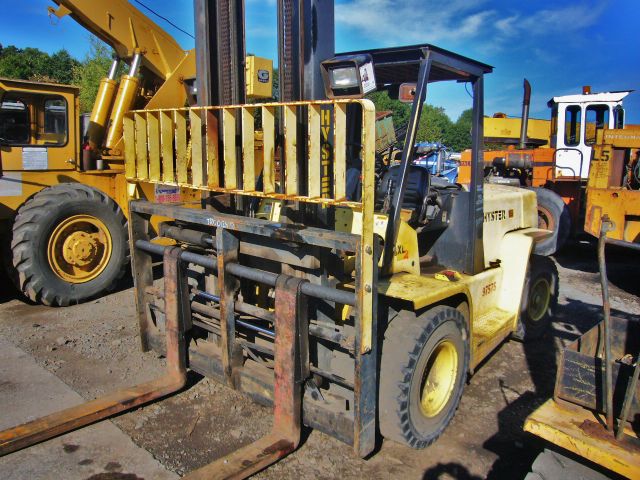
Browse used 2001 fork lifts for sale, including warehouse and yard forklifts with common lift capacities, mast options, and fuel types.
Have used 2001 lifts - fork equipment to sell? List it here to reach thousands of buyers.
Used 2001 Lifts - Fork
A 2001 forklift can be a strong value if the basic operating systems are still tight. On a used unit, mast wear, carriage play, chain condition, hydraulic seepage, brake response, steer axle looseness, and transmission engagement matter more than paint or hour meter appearance alone. Buyers should pay close attention to whether the truck has a double mast or triple mast, the maximum lift height, side shift function, fork length, and back tilt. Triple masts help in tighter indoor applications where lowered height is limited, while double masts are common on simpler indoor and light outdoor work. Side shift is especially useful for pallet handling on trailers, racks, and dock work because it reduces repositioning time and operator fatigue.
Fuel choice is another major decision in this category. Many older forklifts were built around LP or propane power, which remains popular for mixed indoor and outdoor use because refueling is fast and runtime is predictable. Gasoline and diesel units are also seen in this age group, especially in outdoor applications. Buyers comparing used 2001 fork lifts should also verify tire type and condition. Cushion tires are common on smooth warehouse floors and offer a tighter turning radius, while pneumatic tires or solid pneumatic tires are better suited for rougher yards, gravel, and uneven pavement. Machine width, overall length without forks, and overhead guard height should be checked against aisle width, trailer access, and door clearance before purchase.
For a 2001 model year machine, parts support and serviceability are just as important as specifications. Well-known makes such as Toyota, Hyster, Yale, Caterpillar, Clark, Nissan, Mitsubishi, and Doosan often remain attractive because parts channels, aftermarket support, and technician familiarity are still strong. A good used fork lift should start cleanly, lift to full height without hesitation, hold a load without drift, and show smooth inching and directional changes under load. If the application includes truck loading, palletized freight, building materials, or general warehouse handling, the right used forklift from this class can still deliver solid production if capacity, mast configuration, and mechanical condition match the job.
Frequently Asked Questions about Used 2001 Lifts - Fork
What should I look for first when buying a used 2001 forklift?
Start with rated capacity, mast type, maximum lift height, lowered mast height, and fuel system. After that, inspect the hydraulic cylinders for leaks, mast rails for wear, chains for stretch, forks for heel wear, steer axle movement, brake performance, and transmission engagement in both directions. A used forklift's value depends more on structural and hydraulic condition than on cosmetic appearance.
Is a 2001 forklift too old for daily warehouse use?
Not necessarily. A 2001 forklift can still be a productive daily machine if it has been maintained properly and parts support is available for the make and model. Older forklifts are common in secondary fleets, smaller warehouses, and yard operations because the design is straightforward and service work is often less complex than on newer electronically managed units.
What is the difference between a double mast and a triple mast on a fork lift?
A double mast, also called a two-stage mast, is a simpler configuration commonly used where lowered height is less restrictive. A triple mast, or three-stage mast, provides greater lift height while keeping the collapsed height lower, which helps when working under doors, in trailers, or in low-clearance warehouse spaces. The right choice depends on stacking height and the clearance limits in your building or loading area.
Are propane forklifts a good choice in this equipment class?
Propane forklifts are a common choice in used fork lift inventory because they offer quick refueling, consistent performance, and flexibility for indoor or outdoor use where ventilation is adequate. They are especially popular in warehouse and dock environments. Buyers should still inspect the fuel system, regulator, hoses, and starting behavior, and confirm whether the LP tank is included.
How do I know if the forklift capacity fits my operation?
Match the forklift's rated capacity to your heaviest routine load, not just occasional light pallets. Capacity can change depending on load center, fork length, attachment use, and lift height. If the truck will use a side shift, clamp, or longer forks, those factors can reduce effective lifting capacity, so the data plate and actual application should be reviewed carefully before putting the machine into service.