
Used 2013 Lifts - Fork For Sale in New York
Browse used 2013 fork lifts for sale, including warehouse and yard forklifts with common capacity, mast, fuel, tire, and lift options.
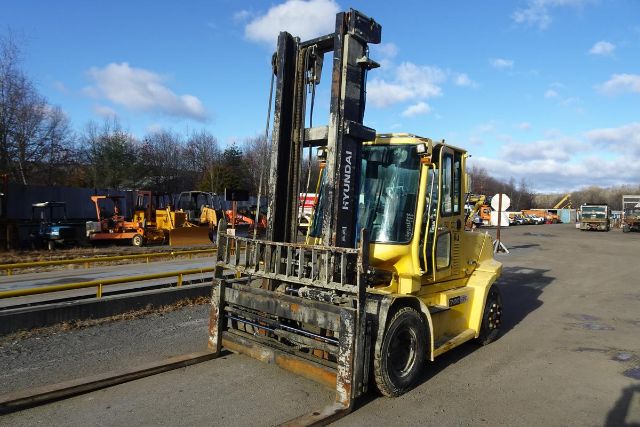
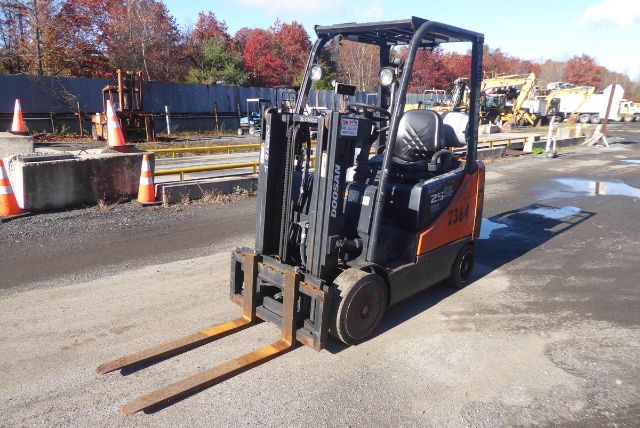
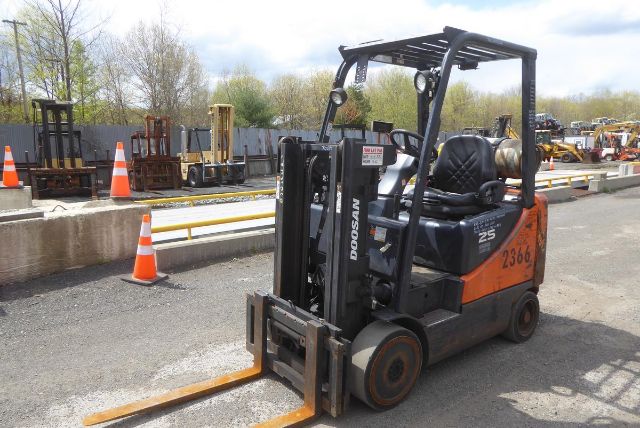
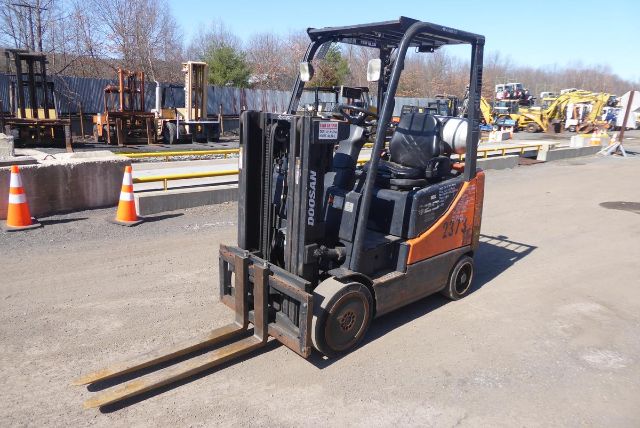
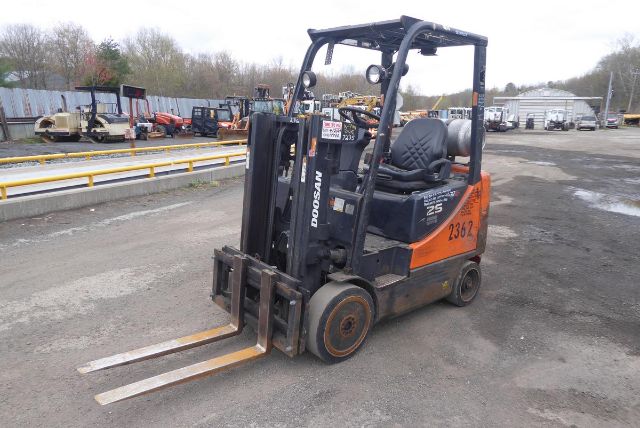
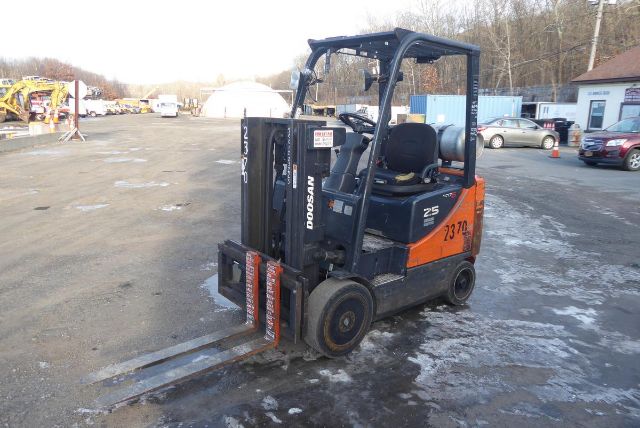
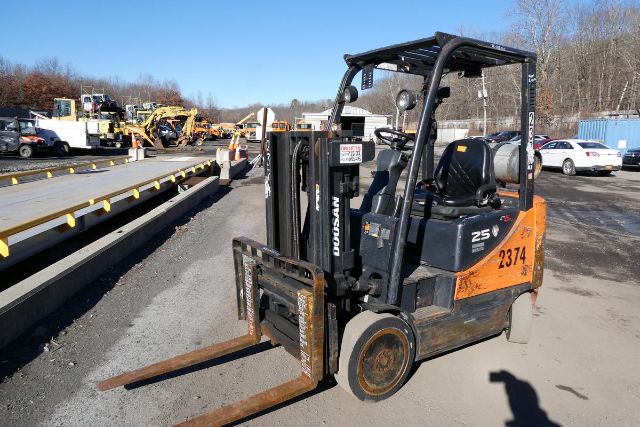
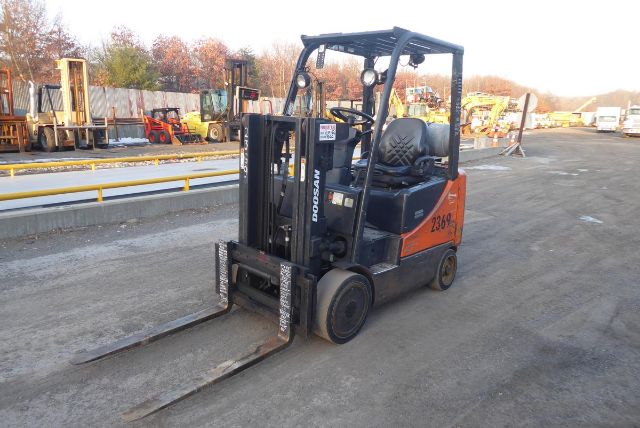
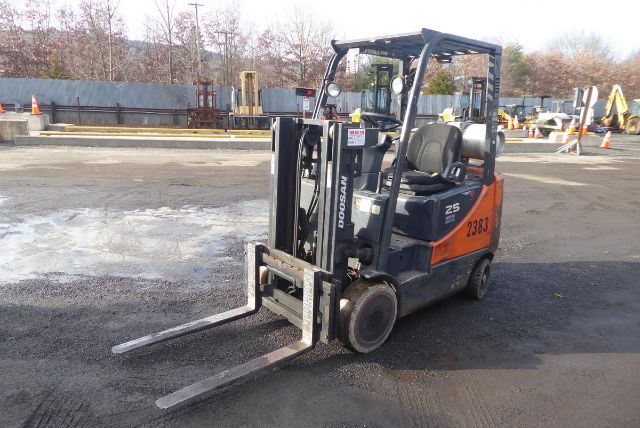
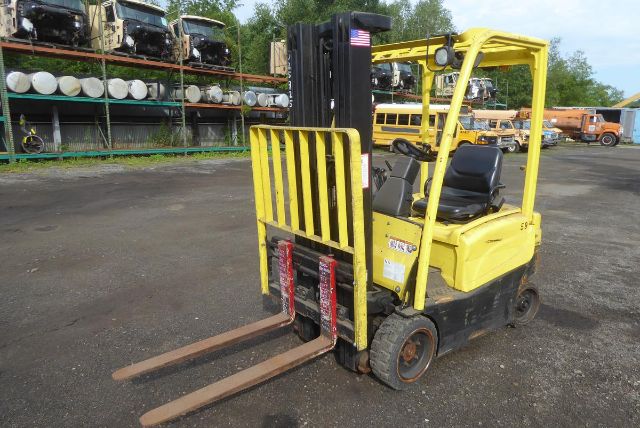
Have used 2013 lifts - fork equipment to sell? List it here to reach thousands of buyers.
Used 2013 Lifts - Fork in New York
The first spec to pin down is rated capacity at the actual load center you plan to handle. A lift rated at 5,000 lbs on a standard fork setup can lose usable capacity when fitted with long forks, a side shift, fork positioners, a clamp, or a taller mast. Mast configuration is just as important. Buyers typically compare two-stage and three-stage masts, overall lowered height for door clearance, and maximum lift height for racking or trailer loading. Side shift is one of the most valuable attachments on a used forklift because it speeds pallet placement and reduces steering corrections in tight aisles.
Tire and operating environment should be matched carefully, especially in New York where buyers may run equipment in warehouses, loading docks, construction yards, recyclers, farms, and snow-prone outdoor lots. Cushion-tire forklifts are common on smooth concrete and offer a tighter turning radius, while pneumatic or solid pneumatic tires are better for rougher surfaces and outdoor travel. Check fork thickness, carriage wear, steer axle play, brake performance, and cold-start behavior. If the unit is propane, inspect the regulator, vaporizer, and fuel lines. If diesel, pay attention to injectors, smoke, and starting performance in colder weather. On electric units, battery age, charger compatibility, and shift runtime are major cost factors.
Used 2013 fork lifts are often found from brands such as Toyota, Hyster, Nissan, Yale, Caterpillar, Clark, Mitsubishi, Komatsu, and Doosan. A good buyer compares service access, parts support, and the availability of standard wear items like mast rollers, lift chains, seals, brakes, steer components, and forks. Look at the data plate to confirm original capacity, attachment approvals, and mast information, and make sure any replacement forks or accessories are correctly rated. A forklift that fits the aisle width, trailer height, pallet type, and daily duty cycle will usually return more value than simply choosing the highest-capacity machine on the page.
Frequently Asked Questions about Used 2013 Lifts - Fork in New York
What should I check first on a used 2013 fork lift?
Start with the data plate, hour meter, mast condition, and hydraulic system. Confirm the rated capacity, lift height, and attachment configuration match the loads you need to handle. Then inspect lift chains, mast rollers, tilt cylinders, carriage wear, fork thickness, brakes, steering play, and transmission engagement. A machine with average cosmetics but strong hydraulics, clean operation, and a correct data plate is usually a better buy than one that looks cleaner but has wear in the mast or drive system.
Is propane, diesel, or electric better for a used forklift?
The best fuel type depends on where and how the forklift will work. Propane is popular because it refuels quickly and works well for mixed indoor and outdoor duty. Diesel is usually favored for heavier outdoor applications and longer run times, but it is less suitable for enclosed spaces without proper ventilation. Electric forklifts are strong for warehouse use because they are quiet and produce no tailpipe emissions, but battery condition and charger setup can significantly affect total ownership cost on a used unit.
How important is mast type on a forklift?
Mast type is critical because it affects lift height, collapsed height, visibility, and usable capacity. A two-stage mast may be sufficient for basic loading and unloading, while a three-stage mast is often preferred where overhead clearance is limited but high stacking is required. Buyers should compare lowered mast height for doors and trailers, free lift for indoor work, and total raised height for racking. The wrong mast can create clearance problems even when the forklift has the right weight rating.
Do attachments reduce forklift capacity?
Yes. Side shifts, fork positioners, clamps, long forks, and other attachments typically move the load center forward and add weight to the carriage, which reduces net lifting capacity. That is why the data plate matters so much on a used forklift. The true usable capacity must reflect the attachment installed, not just the base model rating published by the manufacturer. Buyers handling dense loads, long material, or oversized pallets should verify de-rated capacity before purchase.
Are cushion tires or pneumatic tires better on a fork lift?
Cushion tires are usually better on smooth indoor floors where tight turning radius and lower overall height matter. Pneumatic or solid pneumatic tires are better suited for outdoor use, rough pavement, gravel, and uneven yard conditions. The tire choice affects traction, ride quality, stability, and how well the forklift handles dock plates, potholes, and weather. Matching the tire type to the actual surface conditions is one of the most important decisions in this equipment class.