
Used 2013 Lifts - Fork For Sale
Shop used 2013 fork lifts for sale. Compare lift capacity, mast height, fuel type, side shift, tires, and overall condition.
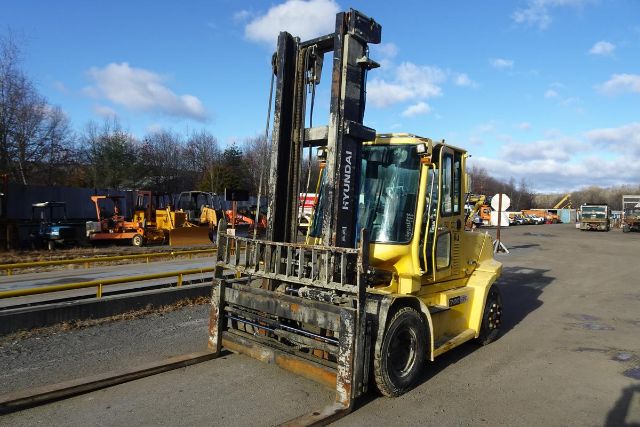
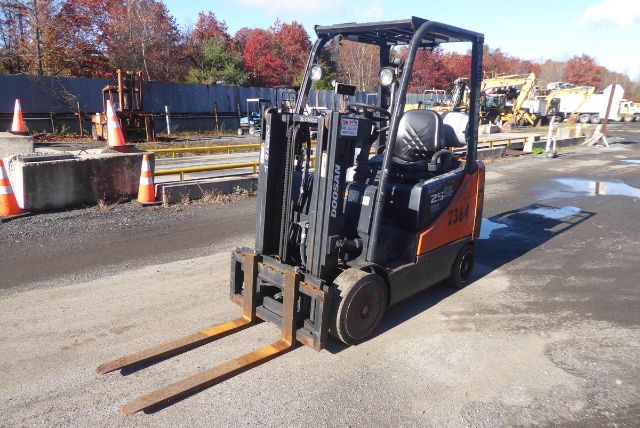
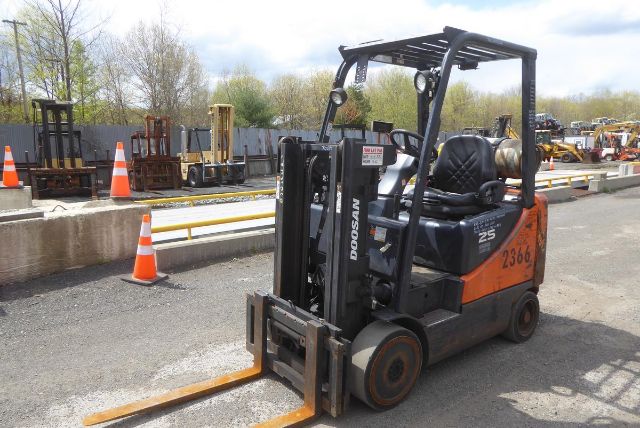
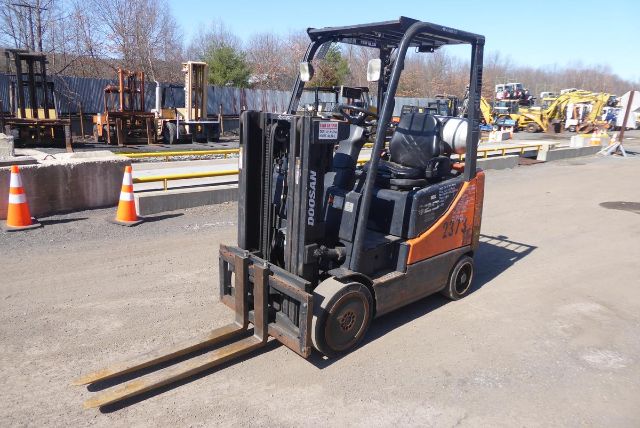
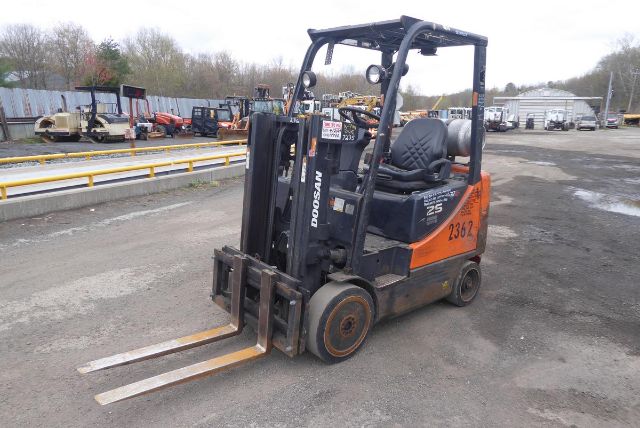
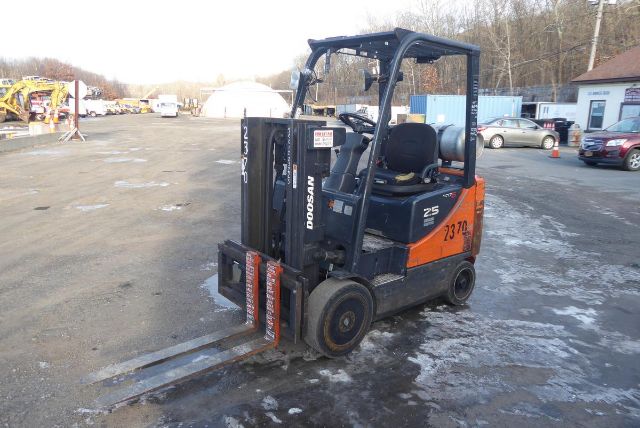
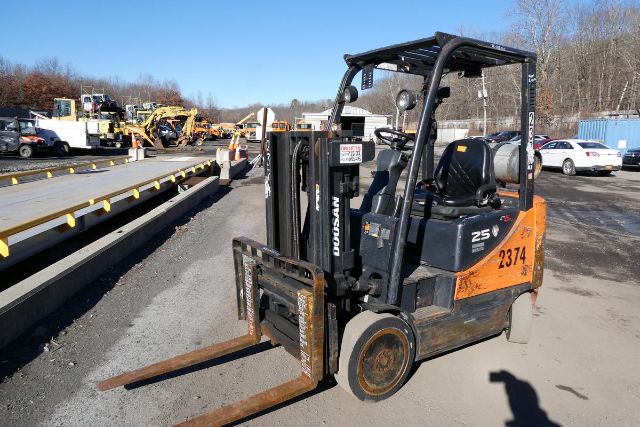
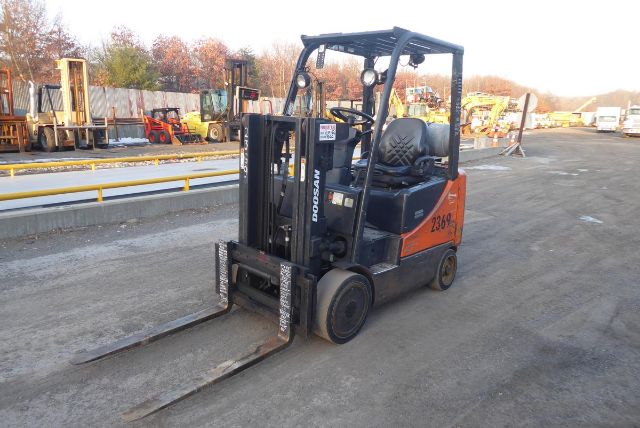
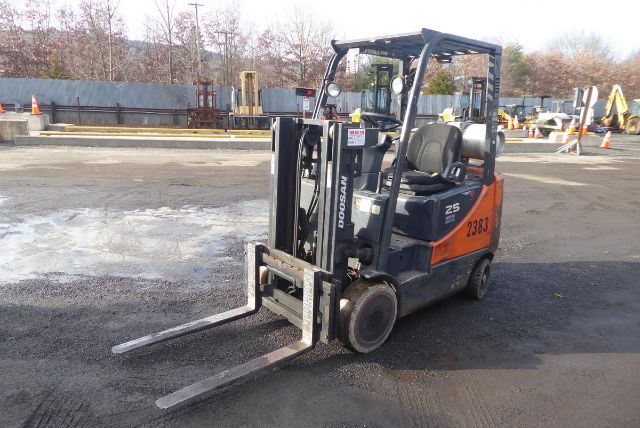
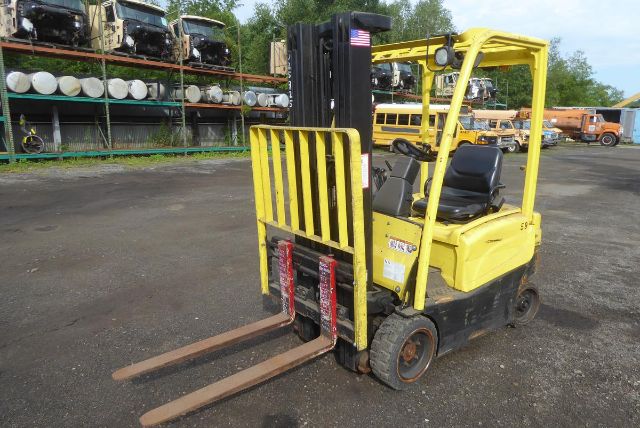
Have used 2013 lifts - fork equipment to sell? List it here to reach thousands of buyers.
Used 2013 Lifts - Fork
Frequently Asked Questions about Used 2013 Lifts - Fork
What should I look at first when buying a used 2013 fork lift?
Start with the data plate and confirm rated capacity at the actual load center and mast height. A fork lift can lose usable capacity when it has a taller mast, side shift, fork positioners, or other attachments. After that, inspect the mast channels, carriage, lift chains, tilt cylinders, steer axle, and transmission operation. Hour meter readings help, but service history, leak condition, cold-start behavior, and how the machine drives under load are usually more important than the number on the meter alone.
Is propane, diesel, or electric better for a 2013 forklift?
The right fuel depends on the jobsite and duty cycle. Propane units are common because they work well in warehouse and yard applications, refuel quickly, and avoid the charging downtime of electric equipment. Diesel is usually preferred for heavier outdoor work and rougher operating environments, especially where higher torque is needed. Electric fork lifts are often the best fit for indoor use where emissions, noise, and floor cleanliness matter most, but battery condition and charger compatibility become major buying factors.
How important are mast type and lift height on a used fork lift?
They are critical because mast choice affects both clearance and real-world lifting performance. A two-stage or duplex mast is common for standard loading dock and warehouse tasks, while a three-stage or triple mast is better where higher stacking height is needed with lower collapsed height for doorways or trailers. Buyers should verify lowered mast height, maximum fork height, free lift, and whether the machine has side shift or fork positioners, since these directly affect productivity in tight spaces.
What are common wear points on a used fork lift from this era?
Typical wear areas include mast rollers, chain stretch, carriage play, hydraulic hose condition, steer axle bushings, transmission engagement, brakes, and solid tires or pneumatic tires depending on the machine. Cushion-tire units should be checked for chunking and uneven wear, while pneumatic-tire models need close inspection for sidewall damage and tread condition. Also look for cylinder seepage, cracked forks, missing safety decals, and any evidence that the machine has been overloaded.
What lift capacity is most common for general material handling?
For many warehouse and dock operations, the most common range is about 4,000 to 5,000 lbs, which covers standard pallets, crated freight, and many manufacturing loads. Operations handling pipe, lumber packs, machinery, or dense materials often move into much higher capacities and may need wider carriages, longer forks, and larger counterweight machines. The key is to match the actual load weight, dimensions, and lift height to the truck's rated capacity instead of buying only by nominal class.