
Used 2013 Doosan Lifts - Fork For Sale
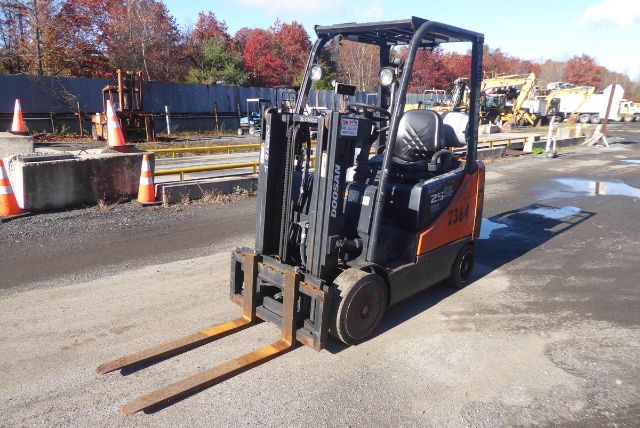
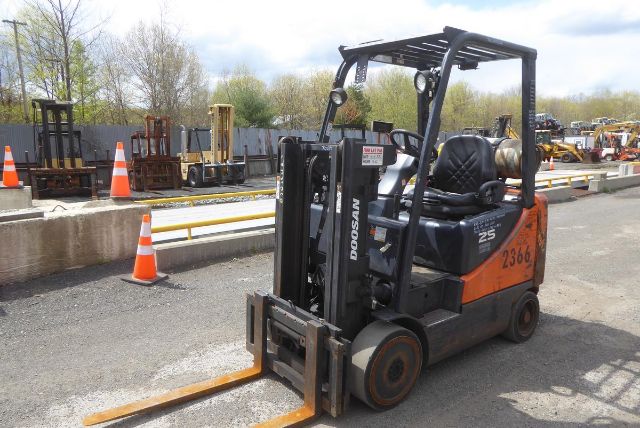
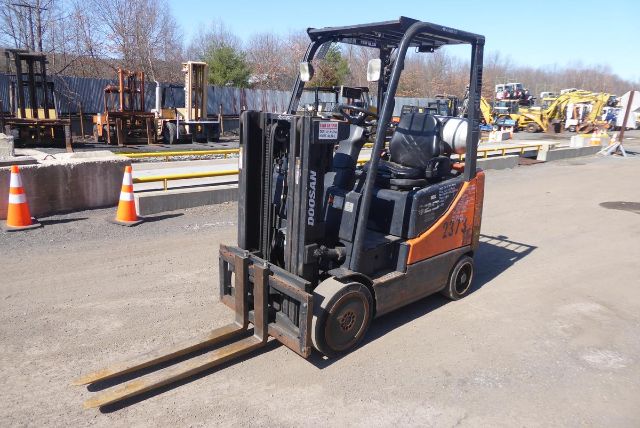
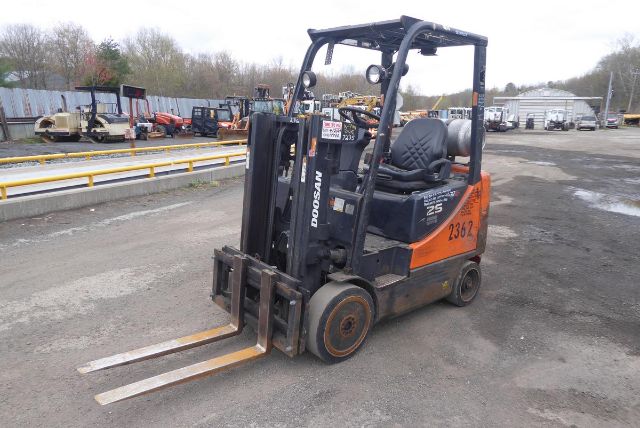
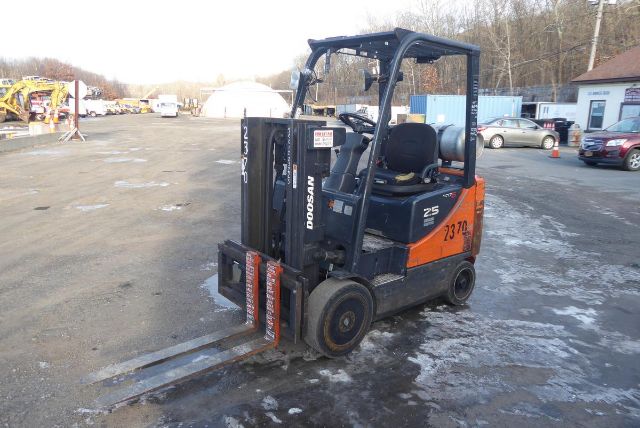
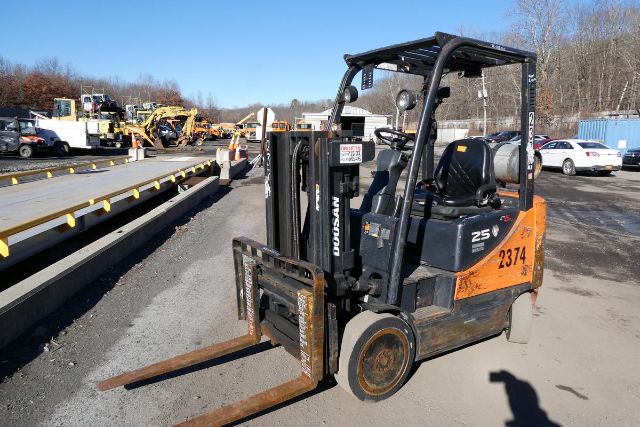
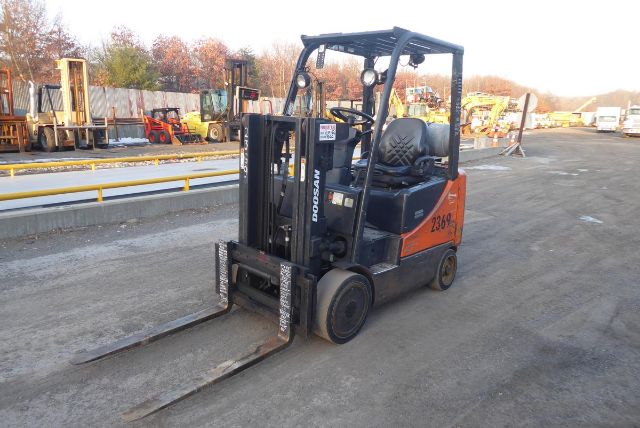
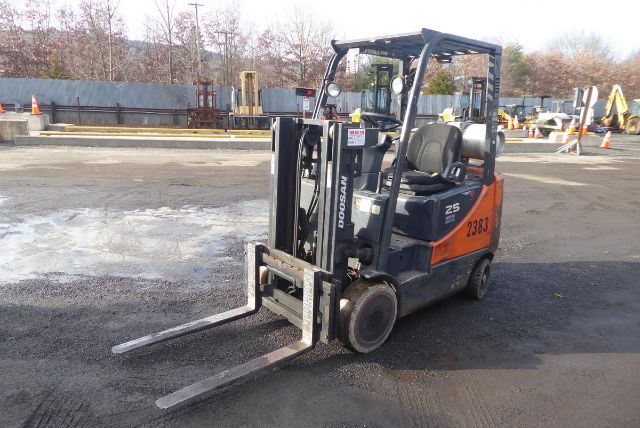
Used 2013 Doosan fork lifts for sale, including LP gas warehouse forklifts with 4,000 lb class capacity, side shift, and dual mast setups.
Have used 2013 doosan lifts - fork equipment to sell? List it here to reach thousands of buyers.
Used 2013 Doosan Lifts - Fork
A typical 2013 Doosan LP forklift in this size class uses a 2.4L 4-cylinder propane engine, automatic transmission, and solid cushion tires. Overall width is often around 3.5 feet, with operating weight near 8,000 pounds and lowered mast height around 7 feet, 2 inches. Many units are equipped with a dual-stage mast, hydraulic side shift, and 40 to 42 inch forks. That combination works well in tighter warehouse aisles and loading docks where maneuverability and repeatability matter more than rough-surface travel. Cushion-tire forklifts like these are best suited to smooth concrete or paved surfaces, not uneven gravel lots.
On a used 2013 Doosan forklift, the big evaluation points are service history, mast and carriage wear, steer axle condition, transmission engagement, engine cold-start behavior, and hydraulic response under load. Hours alone do not tell the full story. A higher-hour truck with dry cylinders, clean lift chains, even tire wear, and smooth side shift operation can be a better buy than a lower-hour unit with sloppy mast rollers or deferred maintenance. Buyers should also verify the data plate, attachment capacity impact, fork thickness, and any signs of overheating, oil contamination, or LP fuel system issues. If the forklift will be used inside food, retail, or enclosed warehouse space, emissions rules and ventilation requirements should also be part of the decision.
Doosan forklifts from this era are generally known for straightforward controls, solid parts support, and a design that fleet operators already understand. For many buyers, a used 2013 Doosan fork lift is a sensible middle ground between lighter-duty economy trucks and higher-cost premium warehouse equipment. If the job calls for dependable 4,000 lb class lifting, side shift capability, and a compact chassis that can load trailers all day, this category is worth close attention.
Frequently Asked Questions about Used 2013 Doosan Lifts - Fork
What is the typical lifting capacity of a used 2013 Doosan fork lift?
Many 2013 Doosan forklifts in this category are rated around 3,900 to 4,000 pounds, although exact capacity depends on the model, mast, load center, and any attachment installed. Buyers should always confirm the data plate because side shift, longer forks, or other attachments can reduce the effective rated capacity.
Are 2013 Doosan fork lifts good for indoor warehouse use?
Yes, many are well suited for indoor warehouse and dock applications, especially cushion-tire LP gas models. Their compact width, tight turning behavior, and smooth-tire design work best on concrete floors, loading docks, and paved surfaces. They are not the best choice for rough yards, muddy ground, or broken pavement where pneumatic-tire forklifts perform better.
What should I inspect on a used Doosan forklift before buying?
Focus on mast rails, rollers, chains, carriage play, hydraulic leaks, side shift function, steer axle wear, transmission engagement, and engine performance under load. Also inspect the tires, forks, overhead guard, hour meter consistency, and the condition of the operator compartment. A strong used forklift should lift smoothly, tilt correctly, steer tightly, and show no major hydraulic or drivetrain hesitation.
Is propane a good fuel choice for this forklift class?
Propane is a common and practical choice in this size range because it supports fast refueling, consistent power delivery, and frequent stop-and-go warehouse work. It is often preferred over diesel for indoor or semi-indoor use, provided the building has proper ventilation and the truck meets site requirements. Buyers should inspect the LP system components carefully and confirm there are no regulator, hose, or fuel delivery issues.
What mast and fork setup is common on a 2013 Doosan GC25P-5?
A common setup includes a dual-stage mast, hydraulic side shift, and forks in the 40 to 42 inch range. Lowered mast height is often around 7 feet, with lift height around 80 inches in standard configurations. The exact setup matters because mast style, fork length, and carriage options affect trailer loading, rack access, overhead clearance, and remaining capacity at height.