
Used Toyota Lifts - Fork For Sale in New York
Browse used Toyota forklifts for sale, including LPG cushion-tire models with 4,350- to 5,000-lb capacity for warehouse and loading dock work.
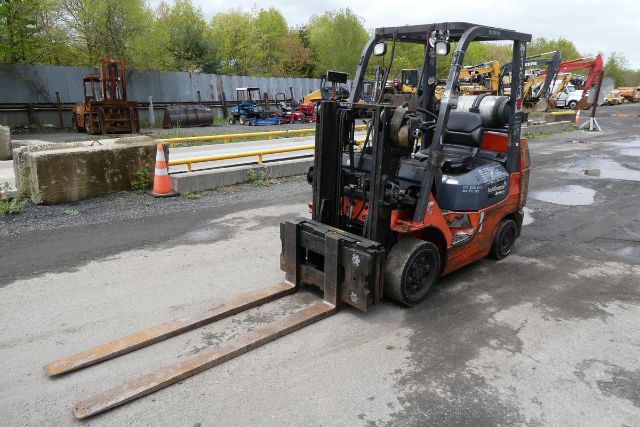
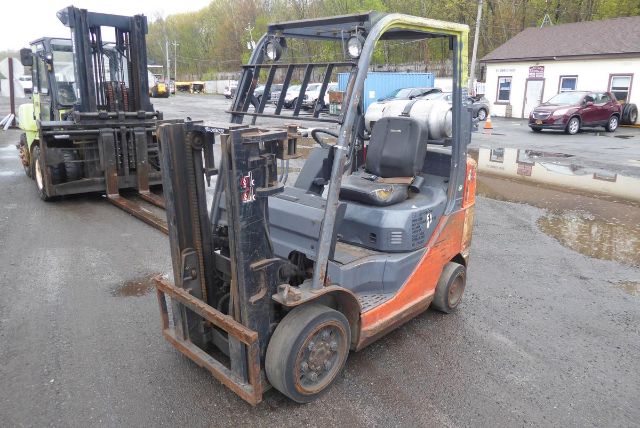
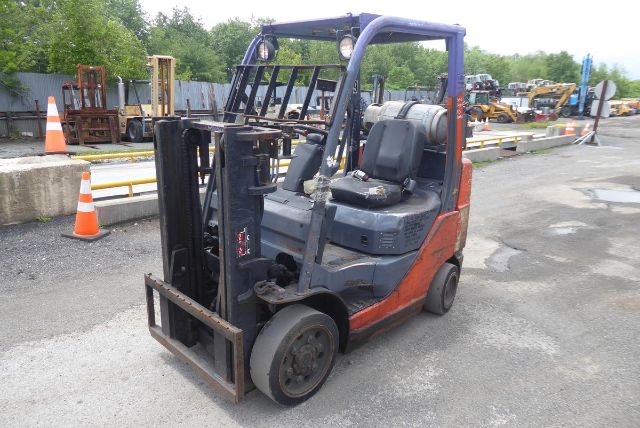
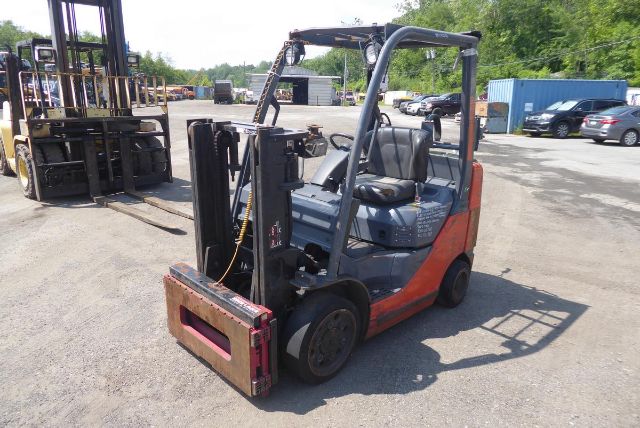
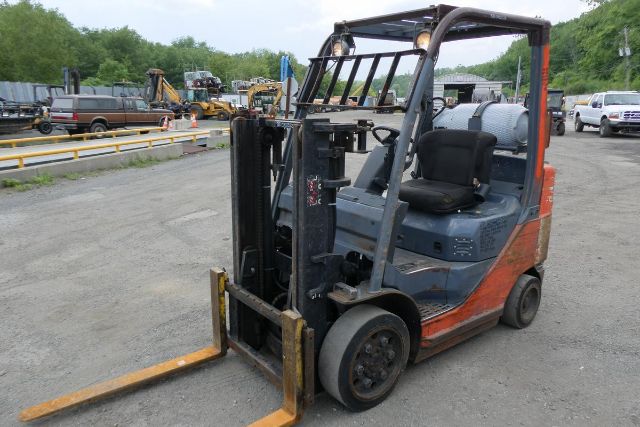
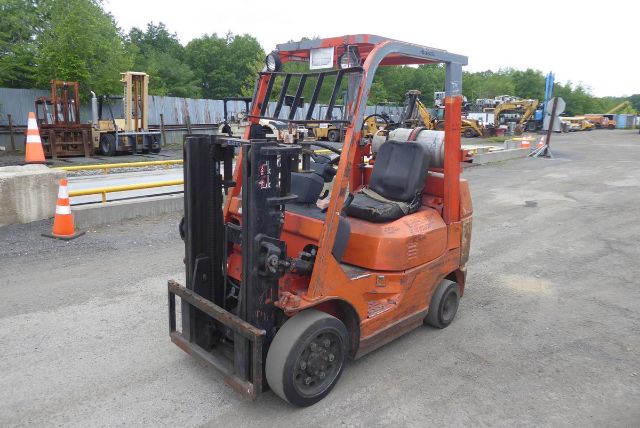
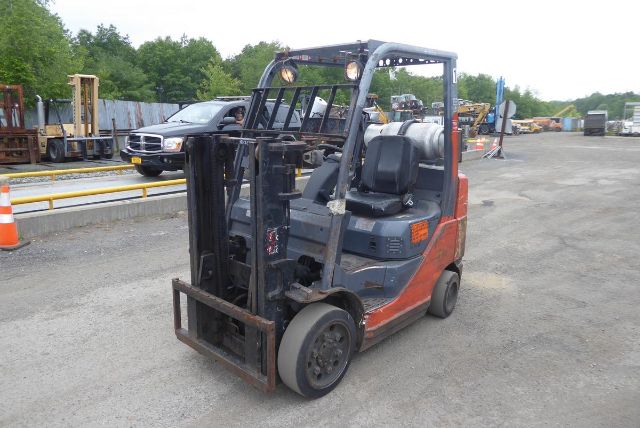
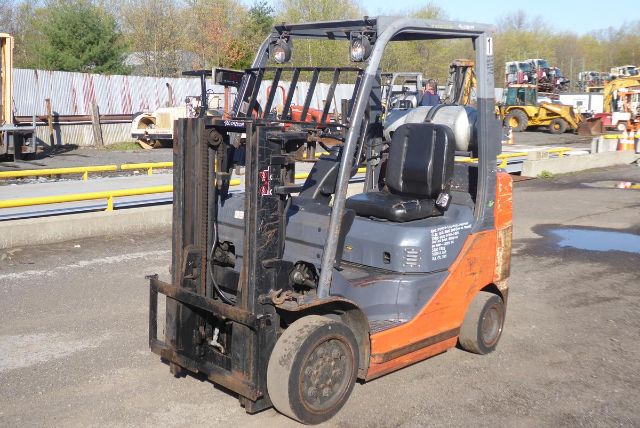
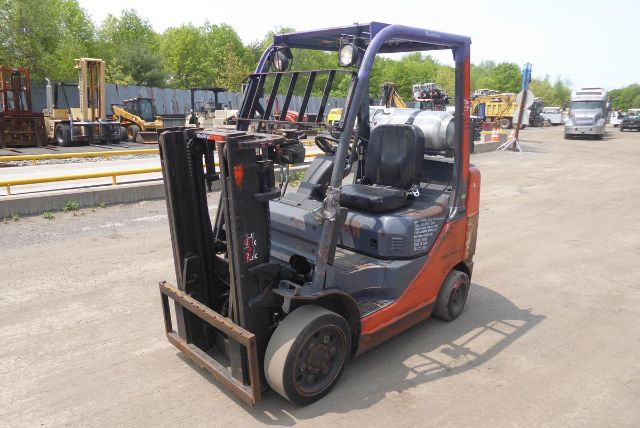
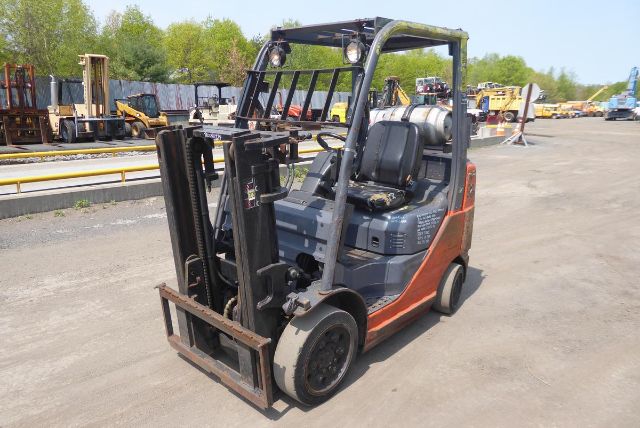
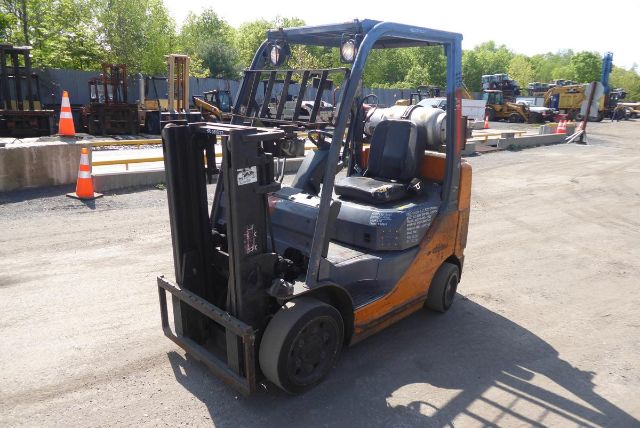
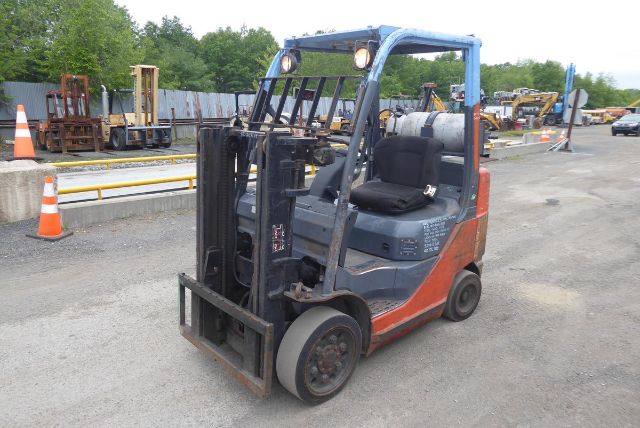
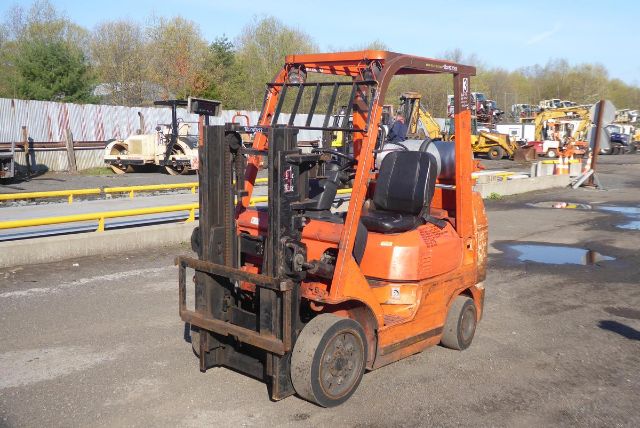
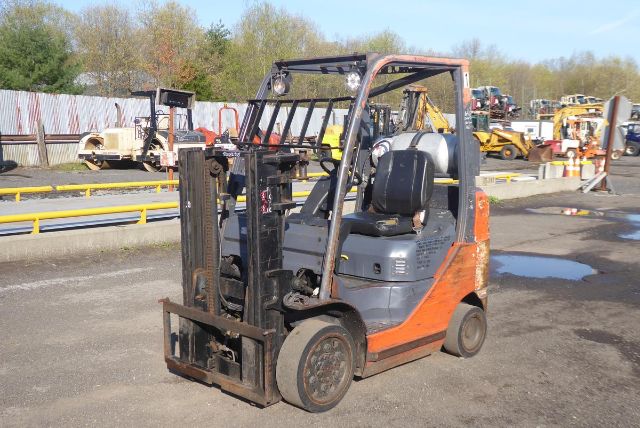
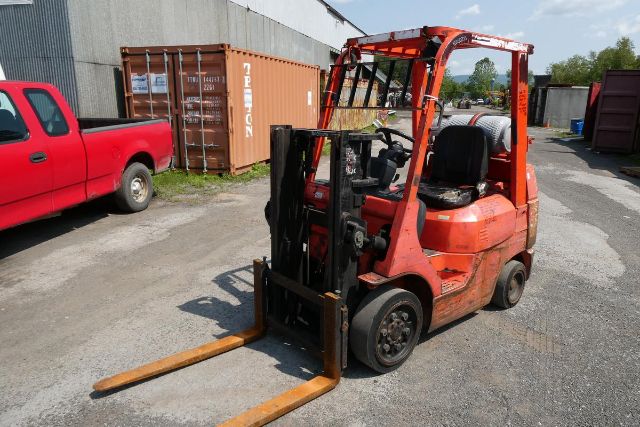
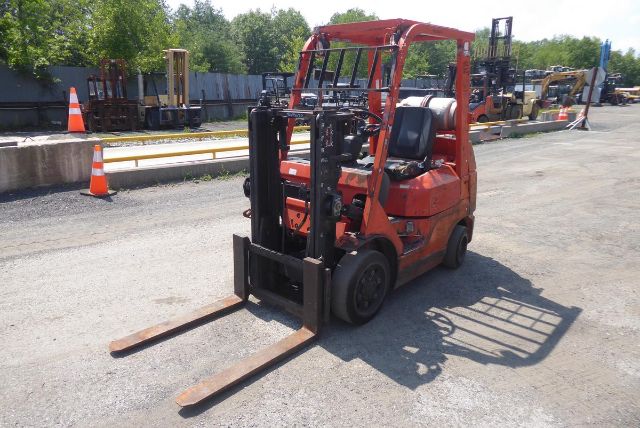
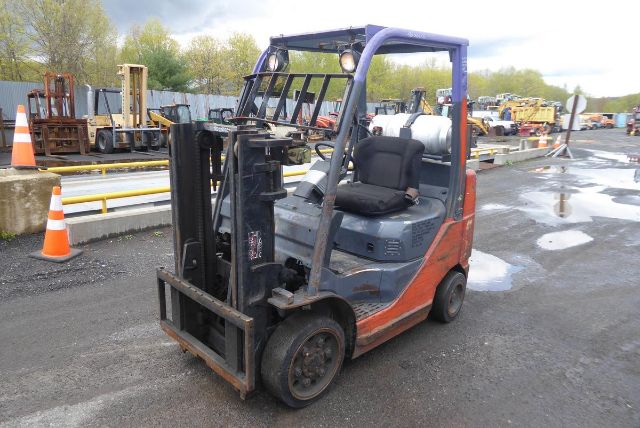
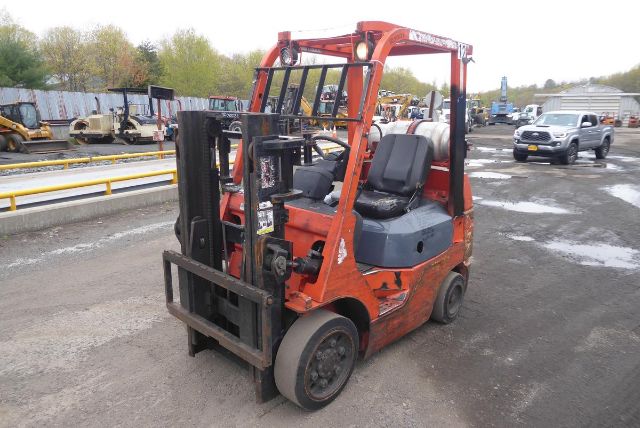
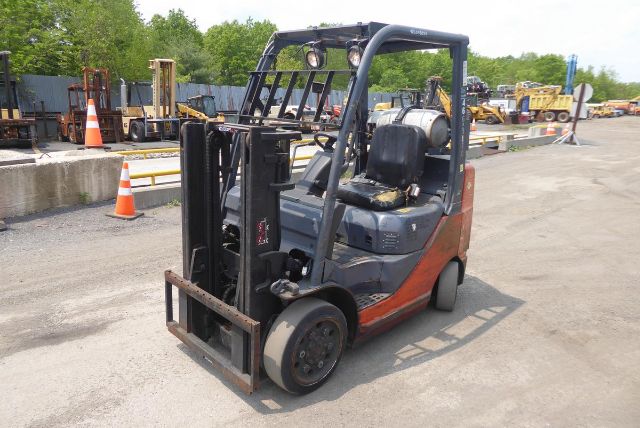
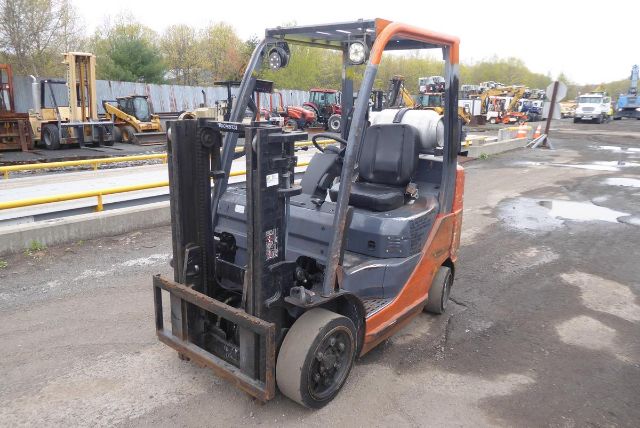
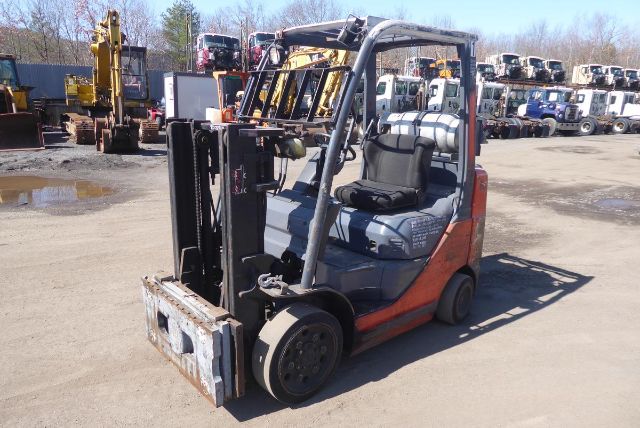
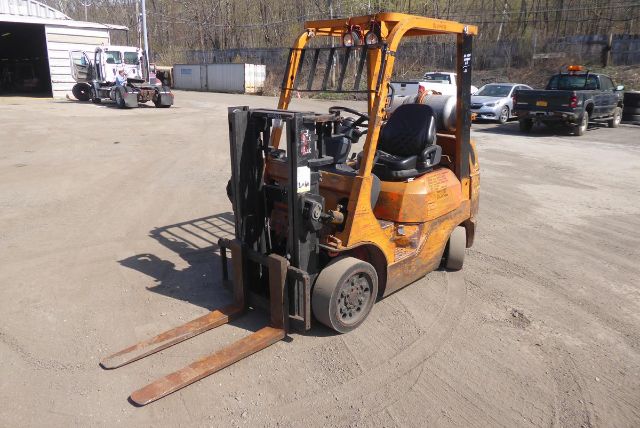
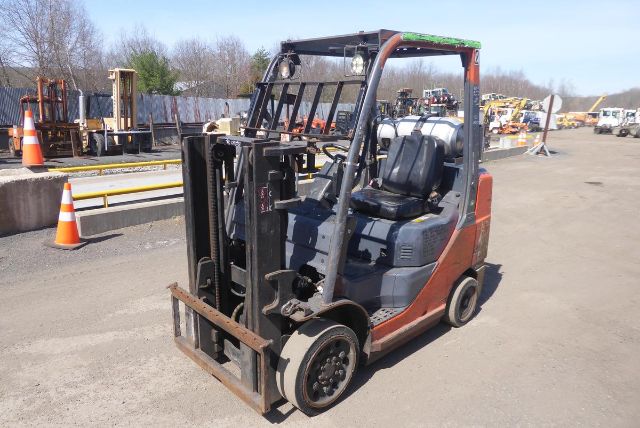
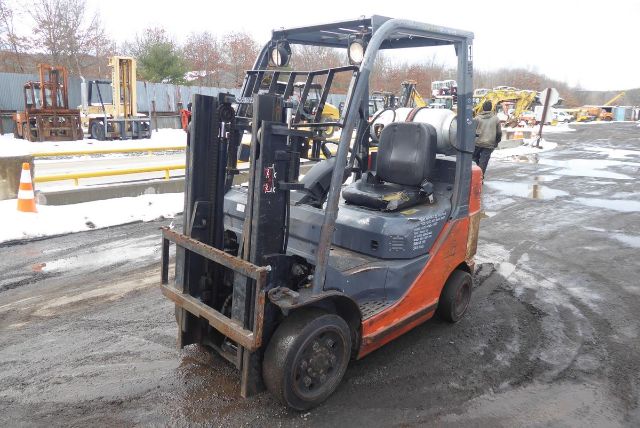
Showing 1 to 24 of 30 results
Have used toyota lifts - fork equipment to sell? List it here to reach thousands of buyers.
Used Toyota Lifts - Fork in New York
A buyer should pay close attention to mast style, lowered height, lift height, and whether forks are included. Many used Toyota fork lifts in this size class carry a dual-stage mast with an overall lowered height around 6 feet 8 inches to 6 feet 10 inches and a loading or lift height around 80 inches, which is a practical setup for standard warehouse doorways and trailer work. Width is commonly around 3 feet 4 inches to 3 feet 5 inches, with overall truck weight often falling between roughly 7,500 and 8,100 lbs. Cushion-tire configurations are common on these warehouse forklifts, offering tight turning and stable performance on concrete, but they are not the right fit for rough outdoor ground.
Powertrain details matter on used Toyota LPG forklifts. Many units use Toyota 4-cylinder propane engines paired with simple forward-reverse automatic transmissions. That combination is popular because propane forklifts refuel quickly, run clean enough for many indoor applications with proper ventilation, and avoid battery charging downtime associated with electric units. On older used machines, hour meter readings should be considered alongside actual condition. Hydraulic cylinder dryness, mast wear, steering response, brake feel, transmission engagement, and tire condition usually tell more than hours alone. Buyers should also confirm side shift, fork dimensions, carriage class, back tilt, seat switch function, and whether the unit has any fault lights or cold-start issues.
For New York buyers, machine size and indoor maneuverability are often as important as raw capacity, especially in tighter warehouses, older industrial buildings, and loading areas with limited aisle space. A used Toyota forklift in this class can be a strong fit for freight terminals, manufacturing, beverage distribution, food warehousing, and building supply operations handling standard palletized loads. The best value usually comes from matching the truck to floor conditions, rack height, load center, and daily duty cycle rather than buying only by rated capacity. If the application includes constant trailer entry, dock plates, and repetitive pallet cycling, prioritize mast visibility, smooth hydraulic function, solid tires with usable life, and a verified service history over cosmetic appearance.
Frequently Asked Questions about Used Toyota Lifts - Fork in New York
What capacity is common on used Toyota forklifts in this category?
Many used Toyota forklifts in this class are rated between 4,350 and 5,000 lbs, which covers a large share of standard pallet and dock work. Buyers should still verify the data plate because actual safe lifting capacity changes with lift height, attachment use, and load center. A truck rated for 5,000 lbs at a 24-inch load center may handle less when fitted with longer forks or when lifting high into racking.
Are Toyota cushion-tire forklifts good for outdoor use?
Toyota cushion-tire forklifts are best on smooth, hard surfaces such as warehouse floors, loading docks, and paved plant areas. They turn tightly and work efficiently indoors, but they are not designed for mud, gravel, broken pavement, or uneven yards. If the job includes rough outdoor terrain, a pneumatic-tire forklift is usually the better choice.
What should I inspect first on a used Toyota propane forklift?
Start with the mast, carriage, lift chains, and hydraulic cylinders, then move to steering, brakes, transmission engagement, and engine performance under load. Look for leaks, mast slop, chain wear, uneven tire wear, hard starting, and hesitation when shifting from forward to reverse. It is also important to confirm whether forks are included, because some used units are sold without them and replacement cost depends on fork length, thickness, and carriage class.
What is the difference between Toyota 7FGCU25 and 8FGCU25 forklifts?
Both are common Toyota LPG cushion-tire forklifts in the same general size class, but the 8-series is a newer generation than the 7-series. Differences can include engine controls, emissions-related updates, operator ergonomics, and parts compatibility by serial range. When comparing them, condition, maintenance history, and mast configuration are usually more important than series alone.
Is hour meter reading the best way to judge a used forklift?
Hour meter reading is useful, but it should never be the only factor. A higher-hour Toyota forklift with clean hydraulics, strong compression, smooth transmission response, and documented maintenance can be a better purchase than a lower-hour unit with neglected service or structural wear. Actual operating condition, service records, and a proper functional inspection are more reliable indicators of remaining value.