
New Commercial Trucks For Sale in Georgia
Shop new trucks in Georgia, with specs that balance floor strength, thermal integrity, tare weight, and corrosion resistance for service and payloads.
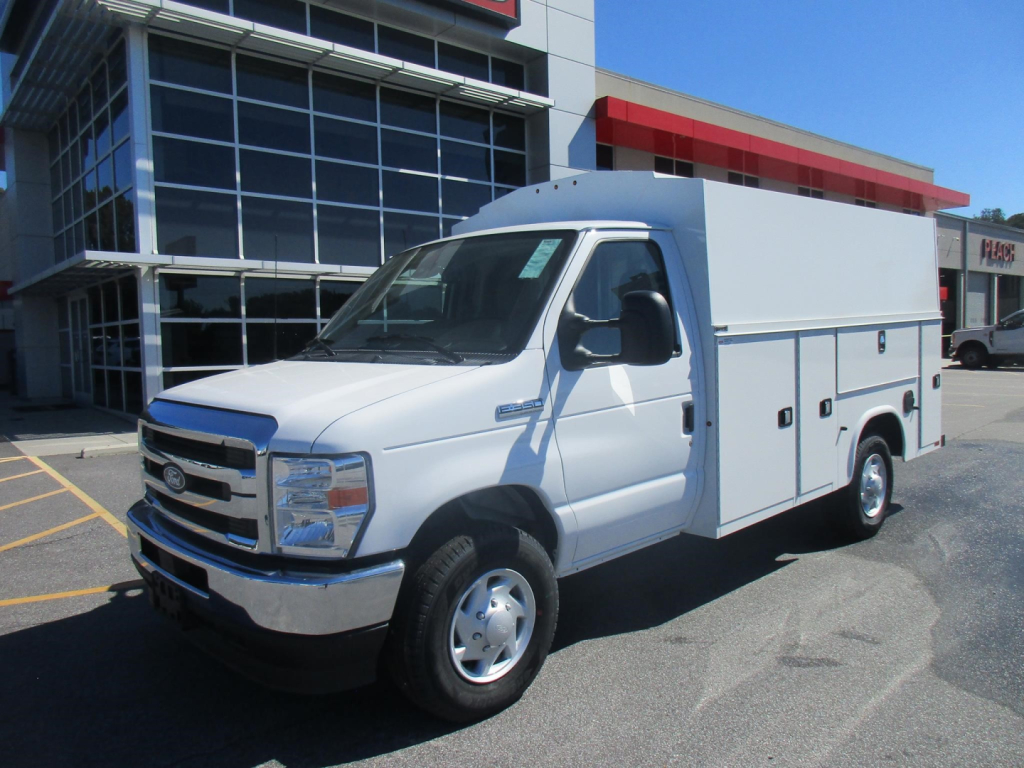
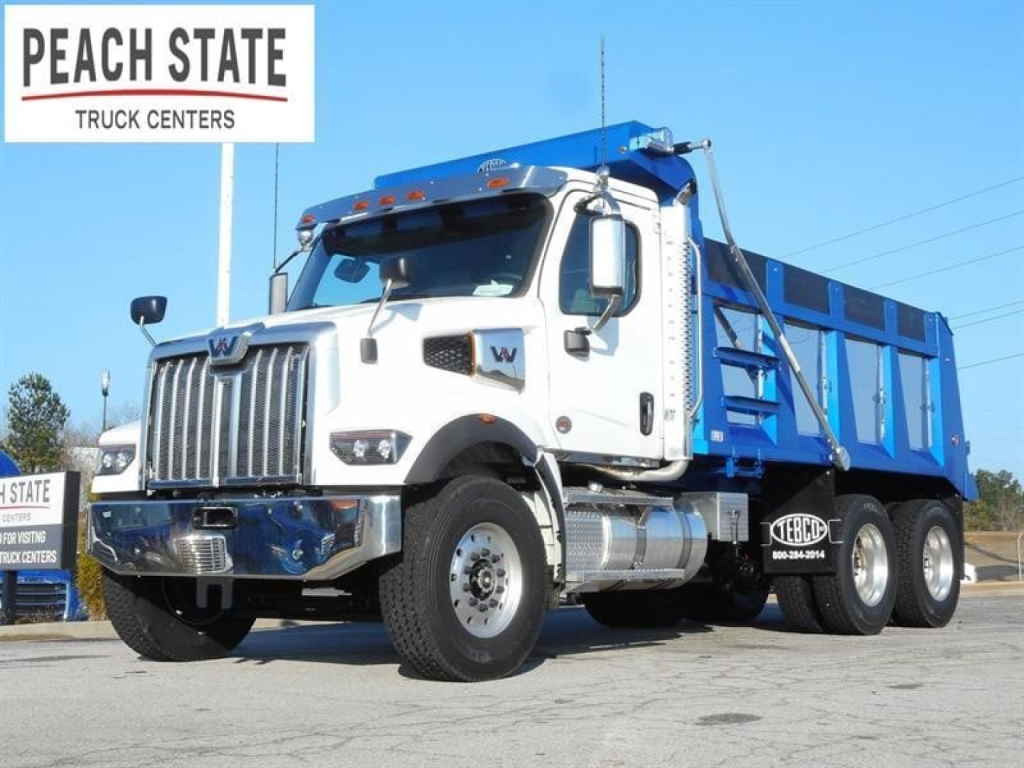
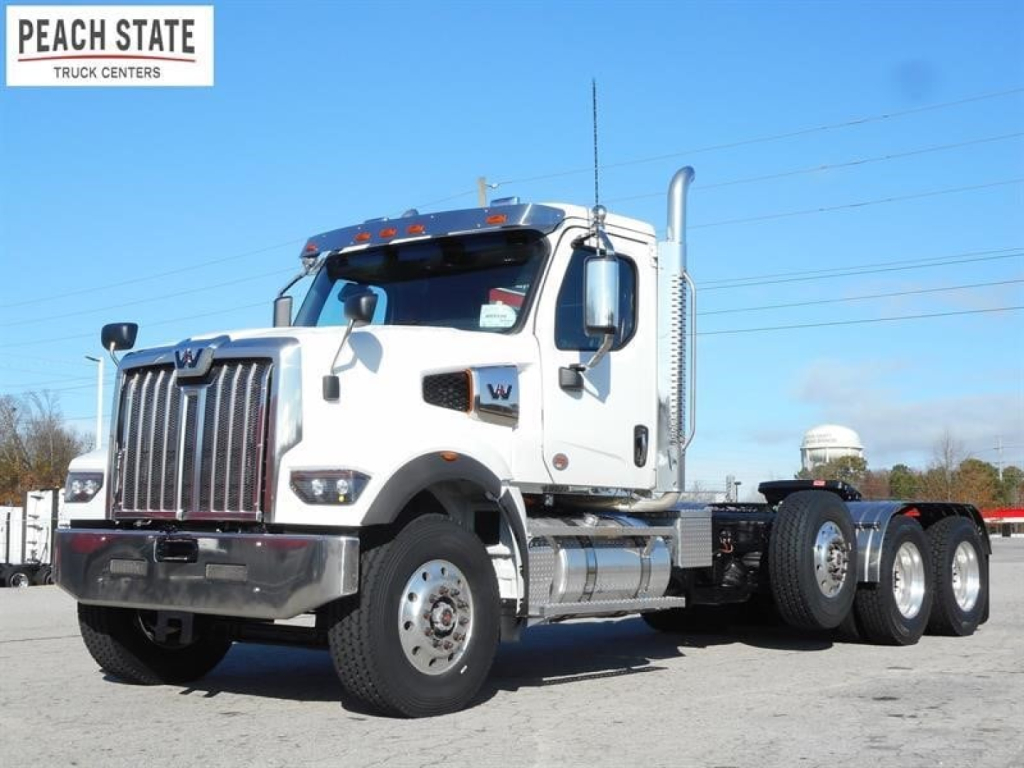
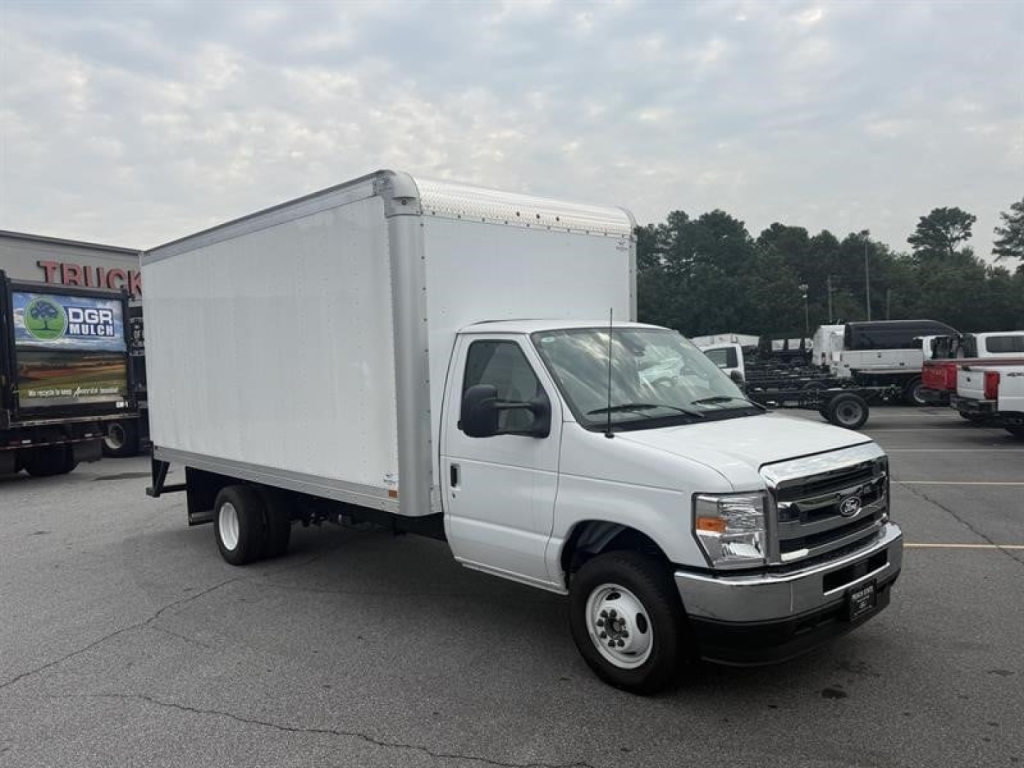
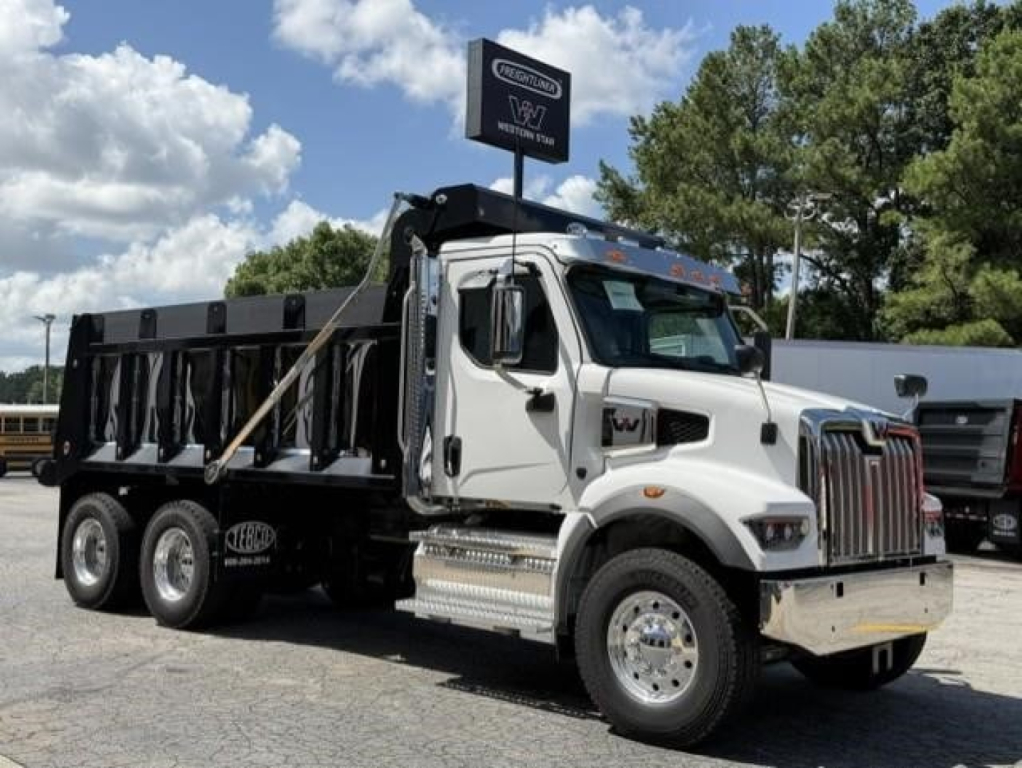
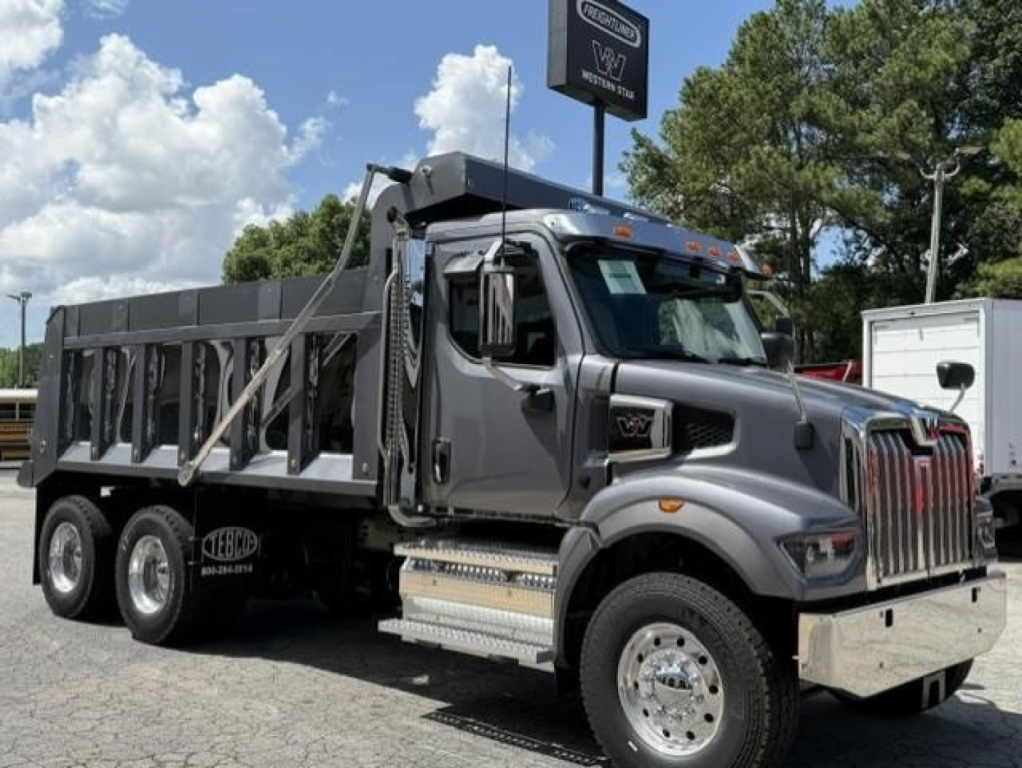
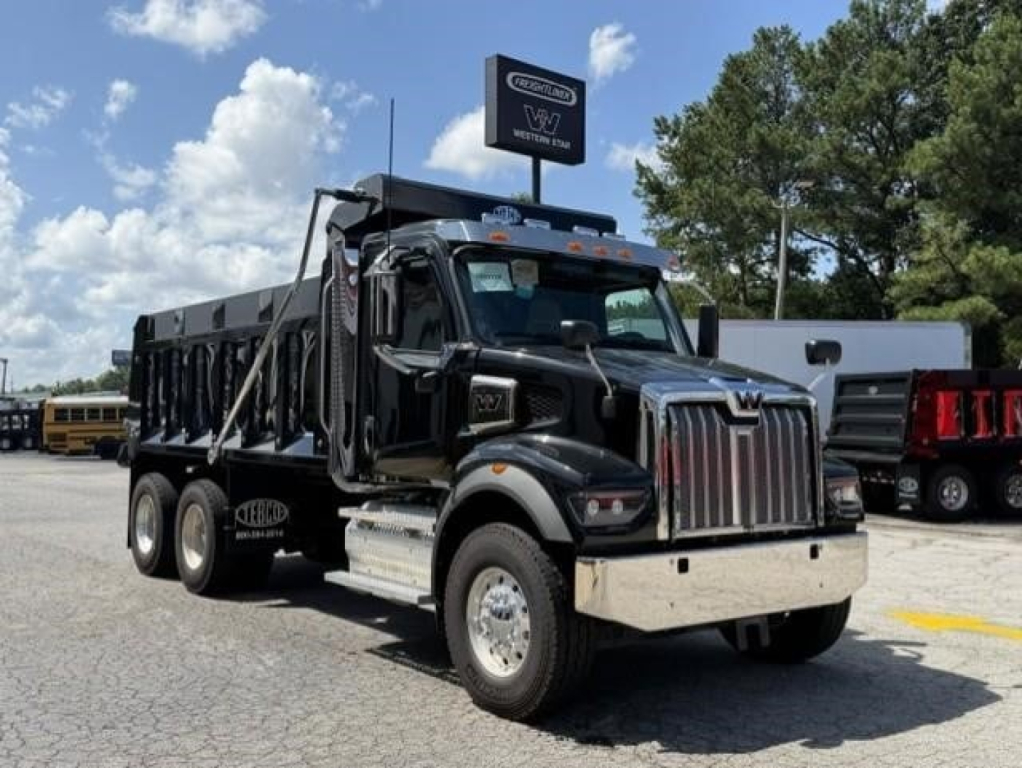
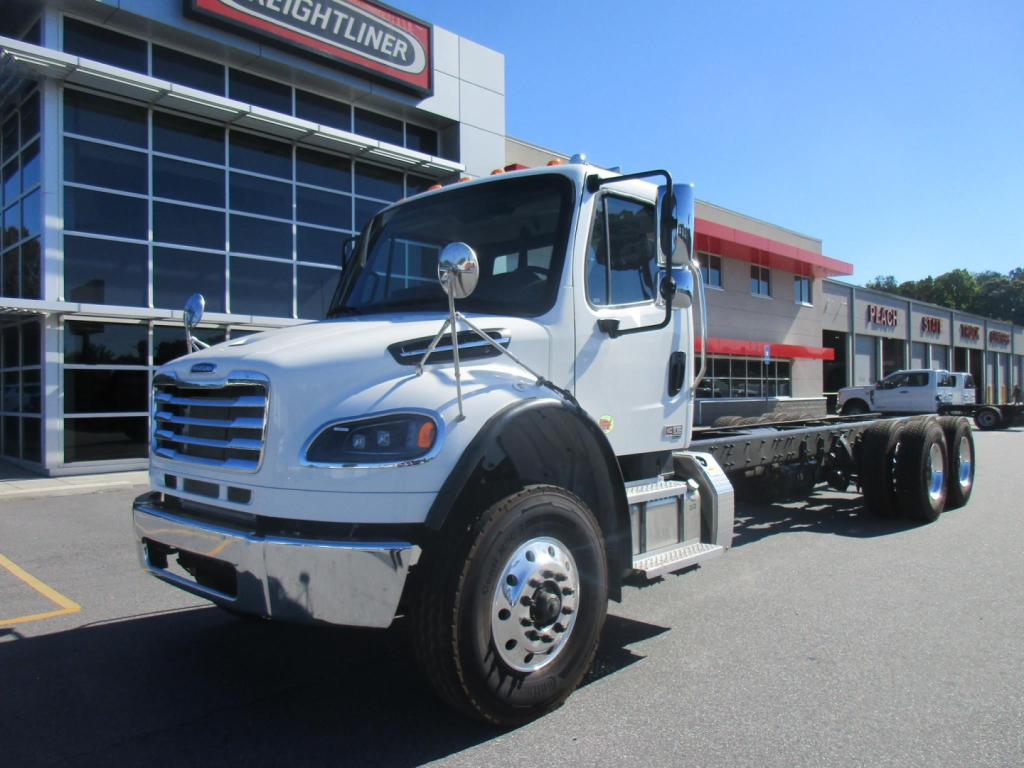
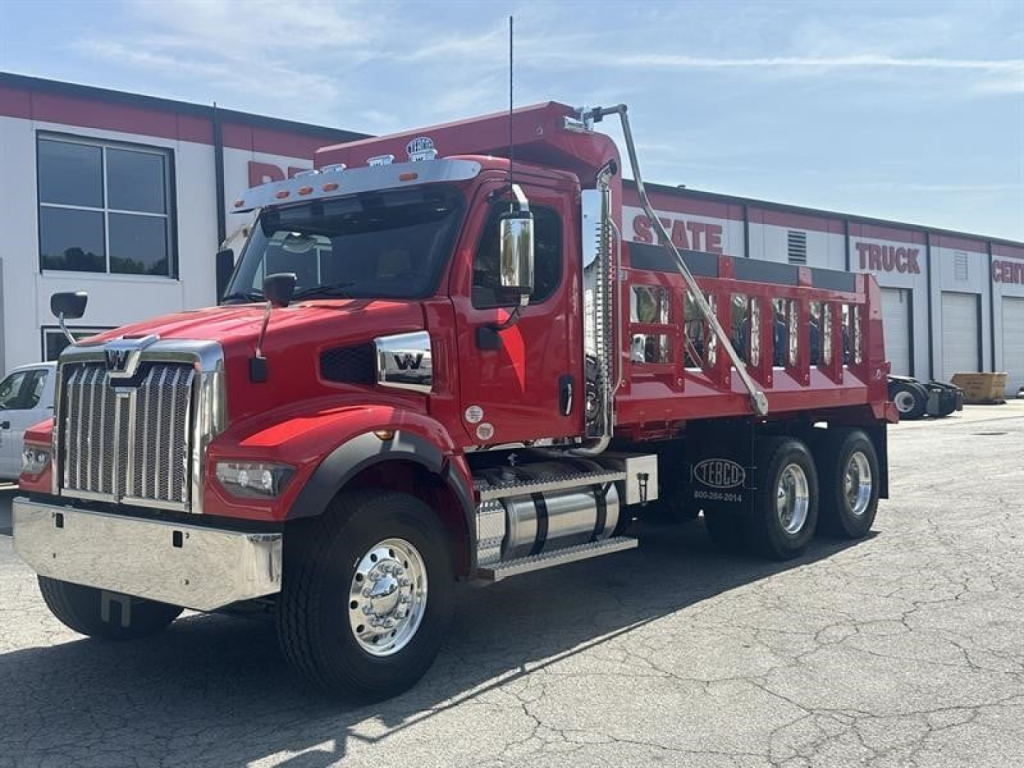
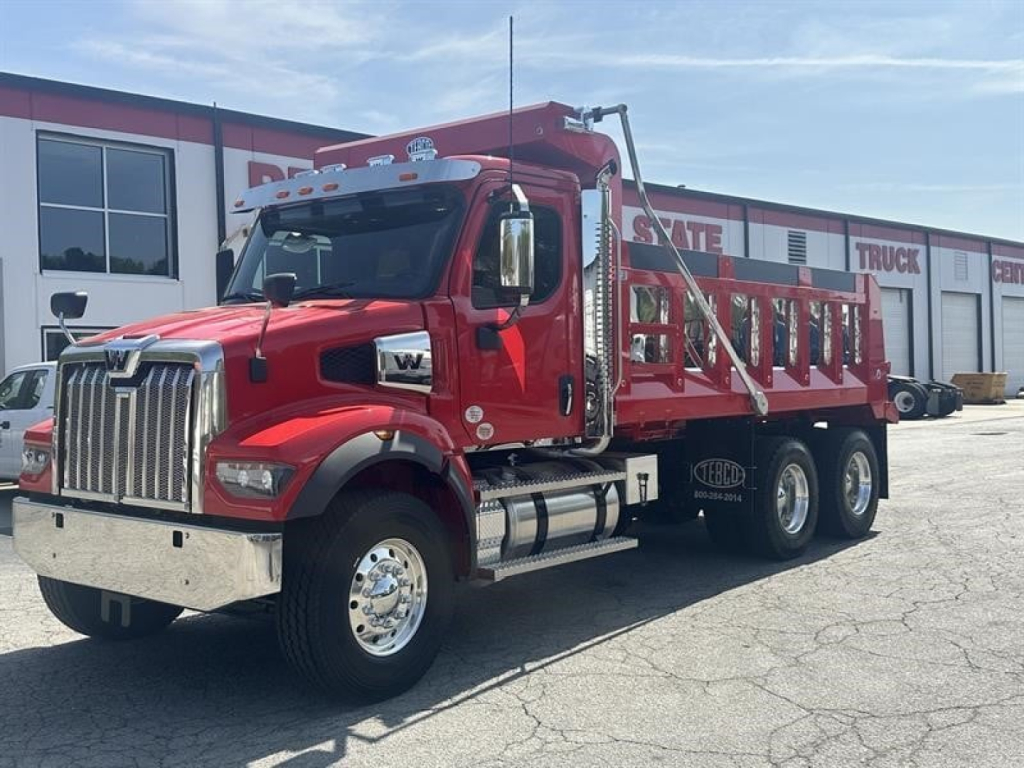
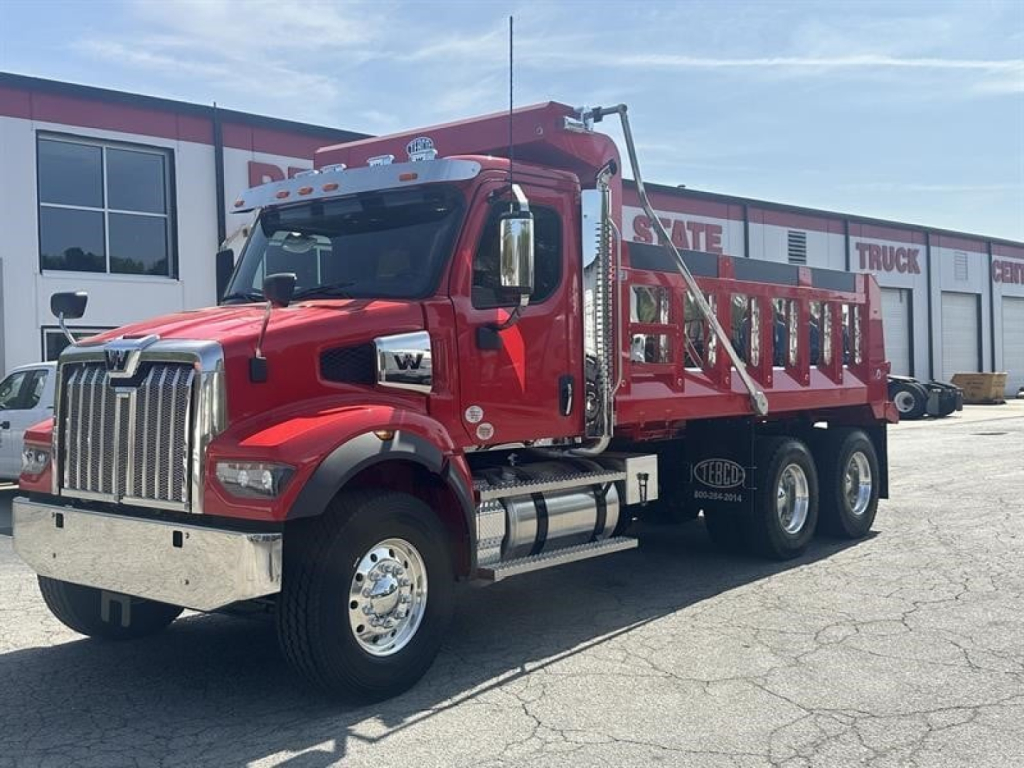
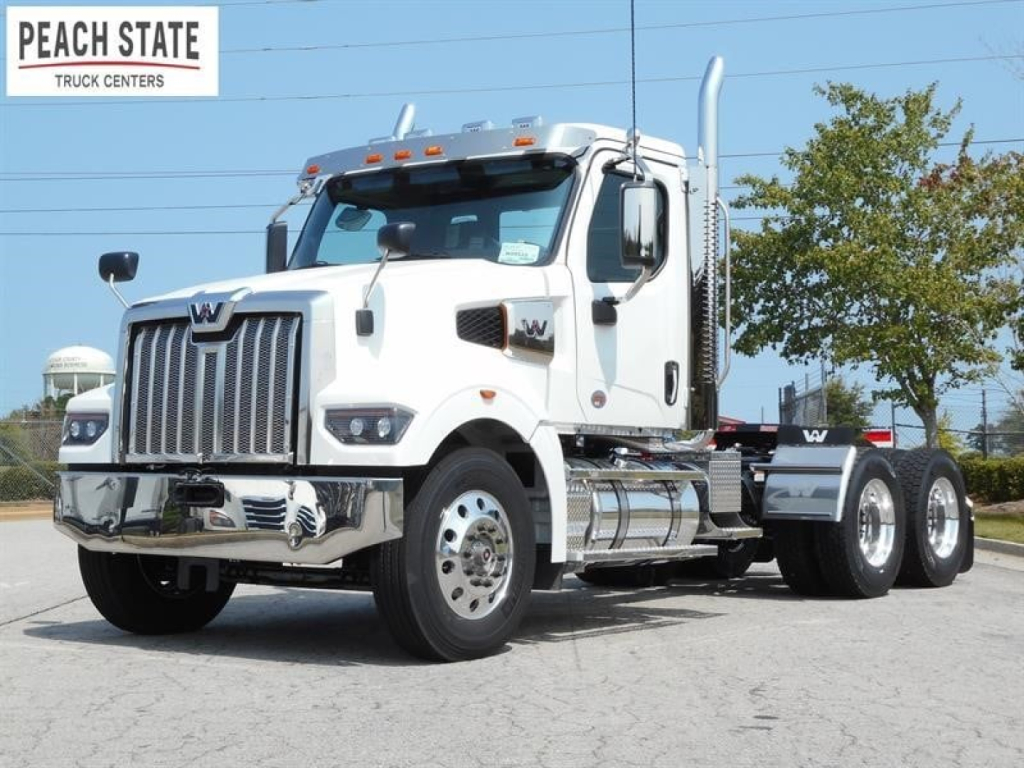
Showing 85 to 112 of 131 results
Selling a new commercial truck? List your new commercial truck for sale and reach thousands of commercial buyers.
New Commercial Trucks in Georgia
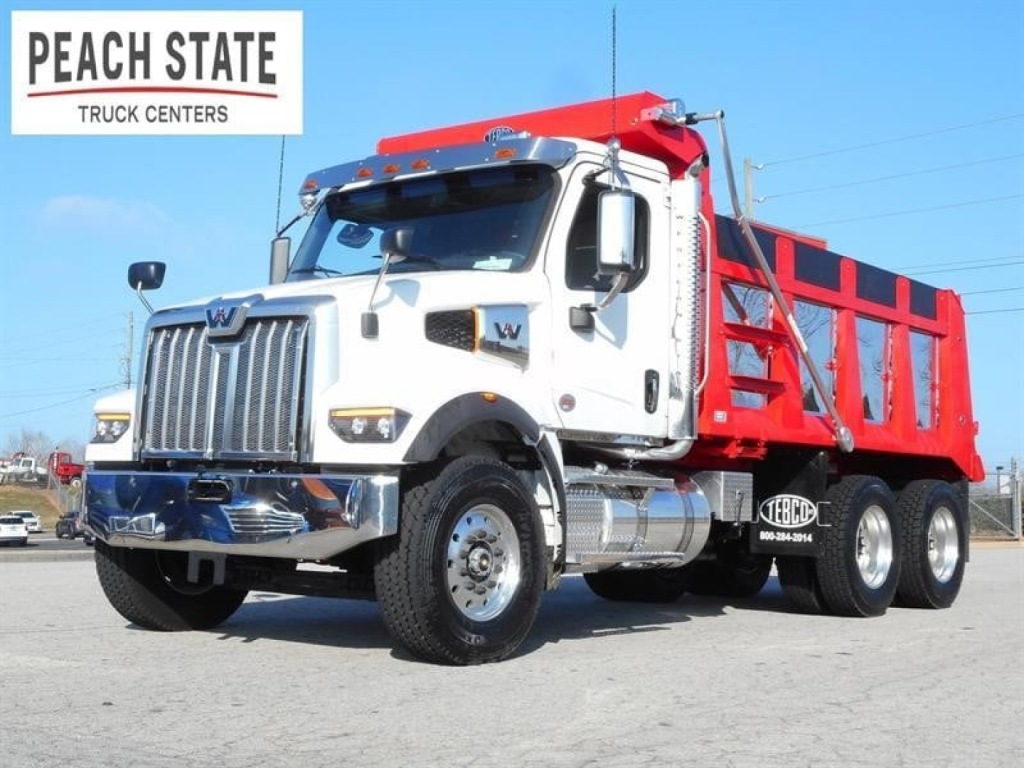
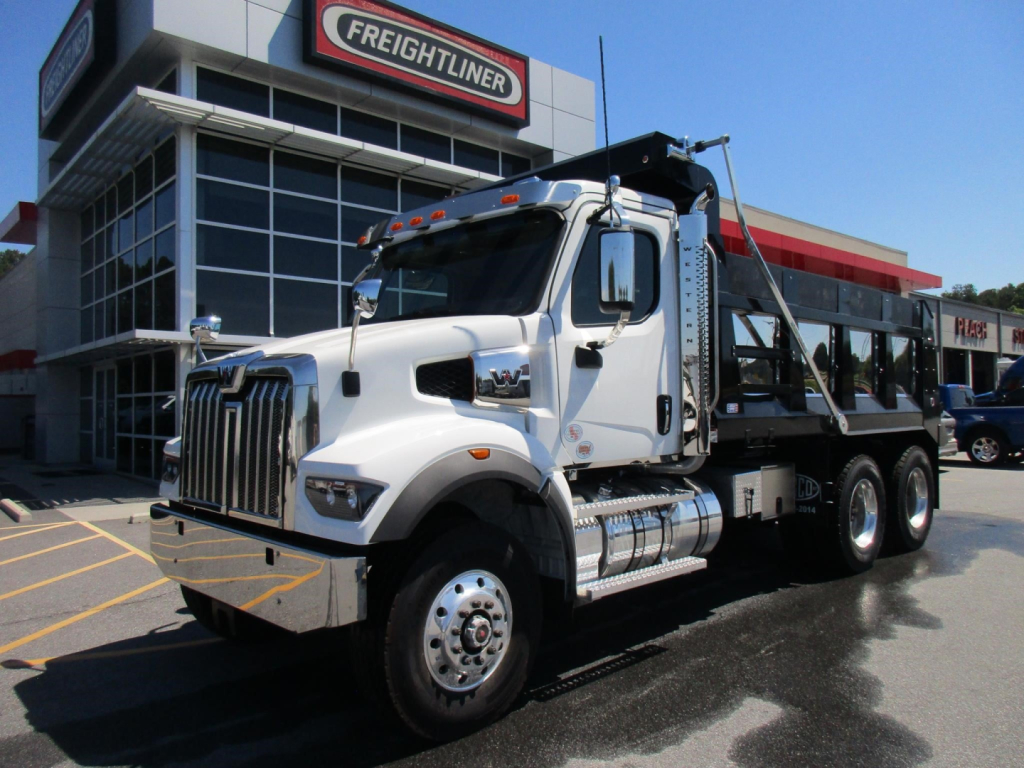
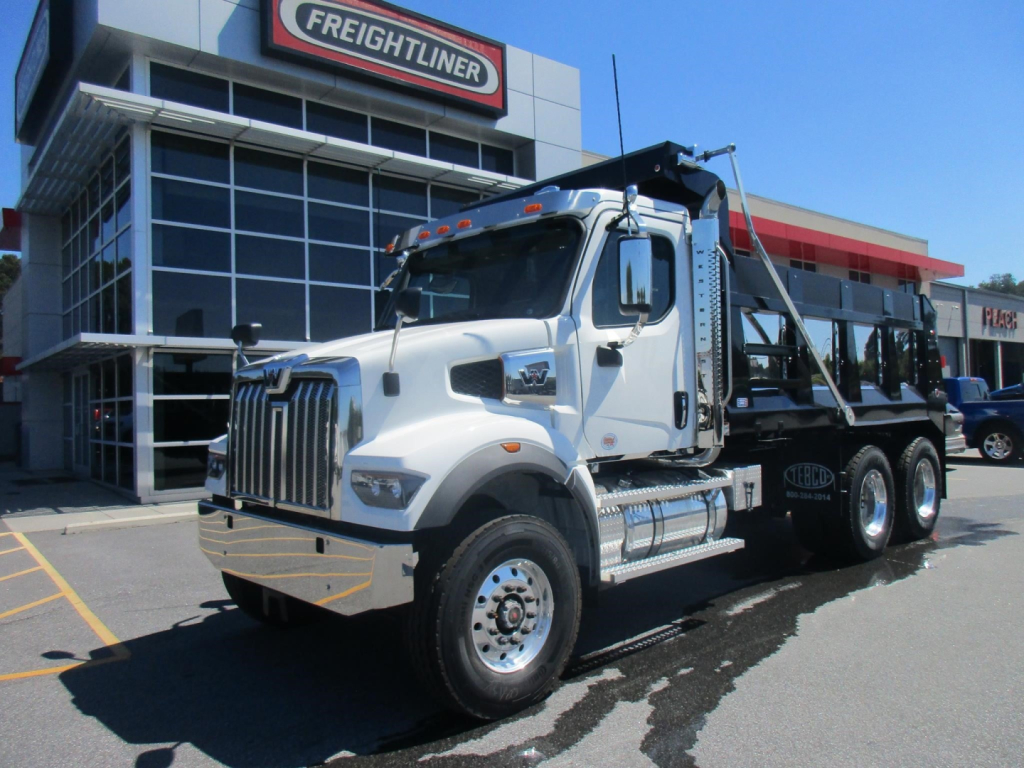
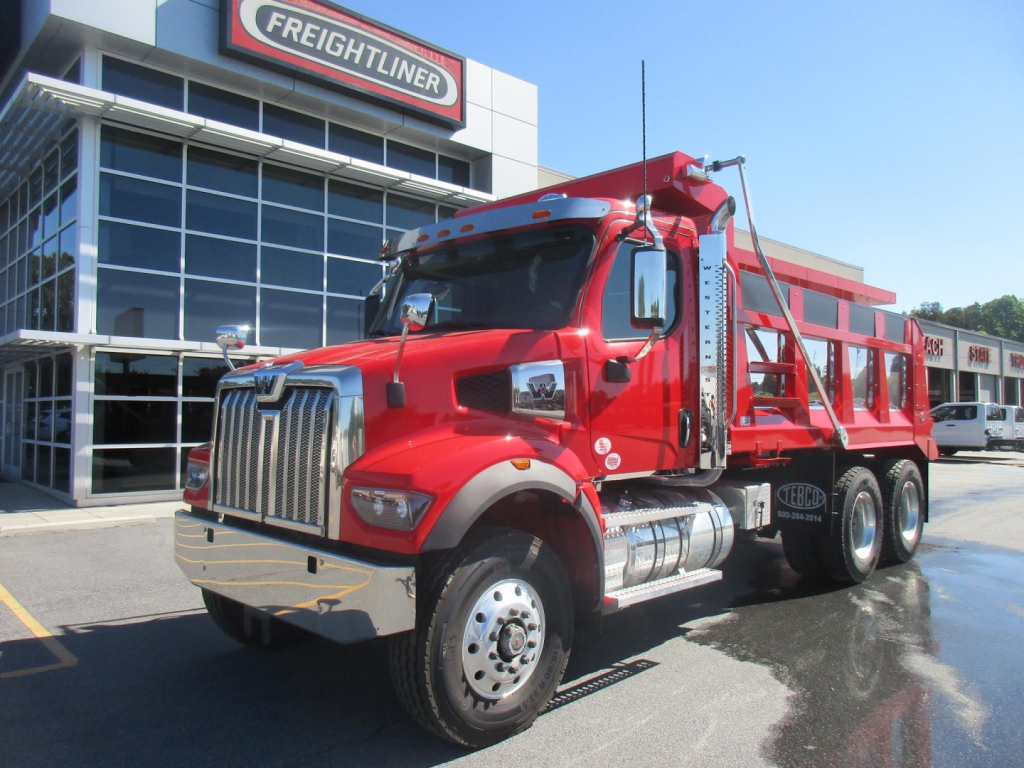
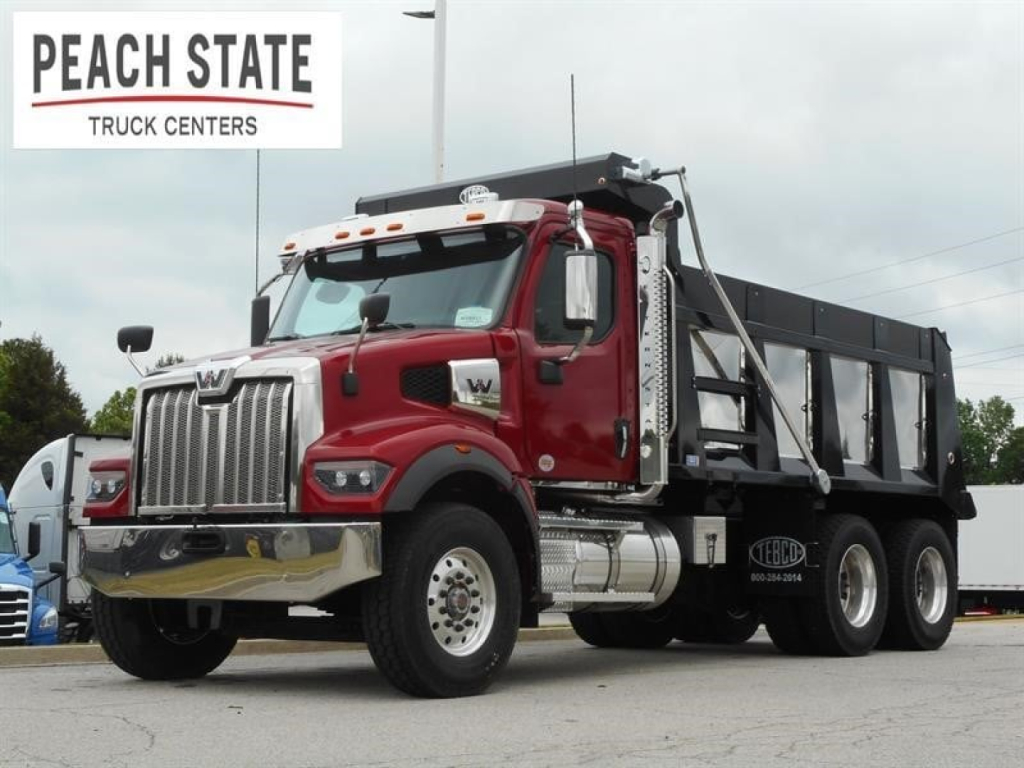
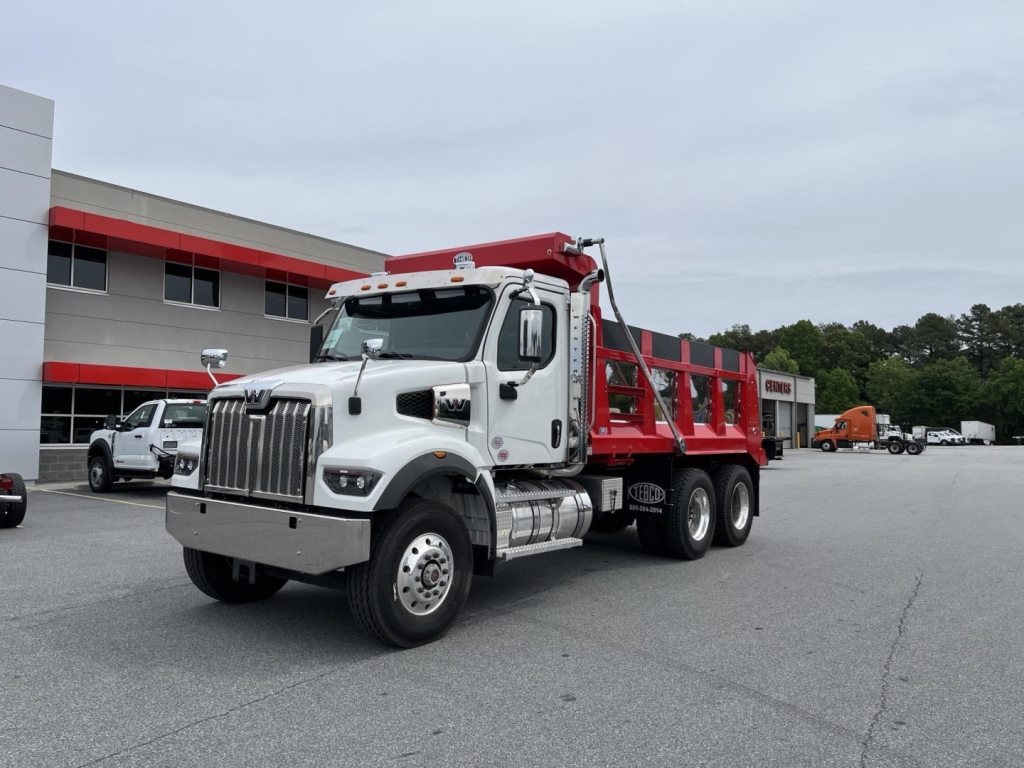
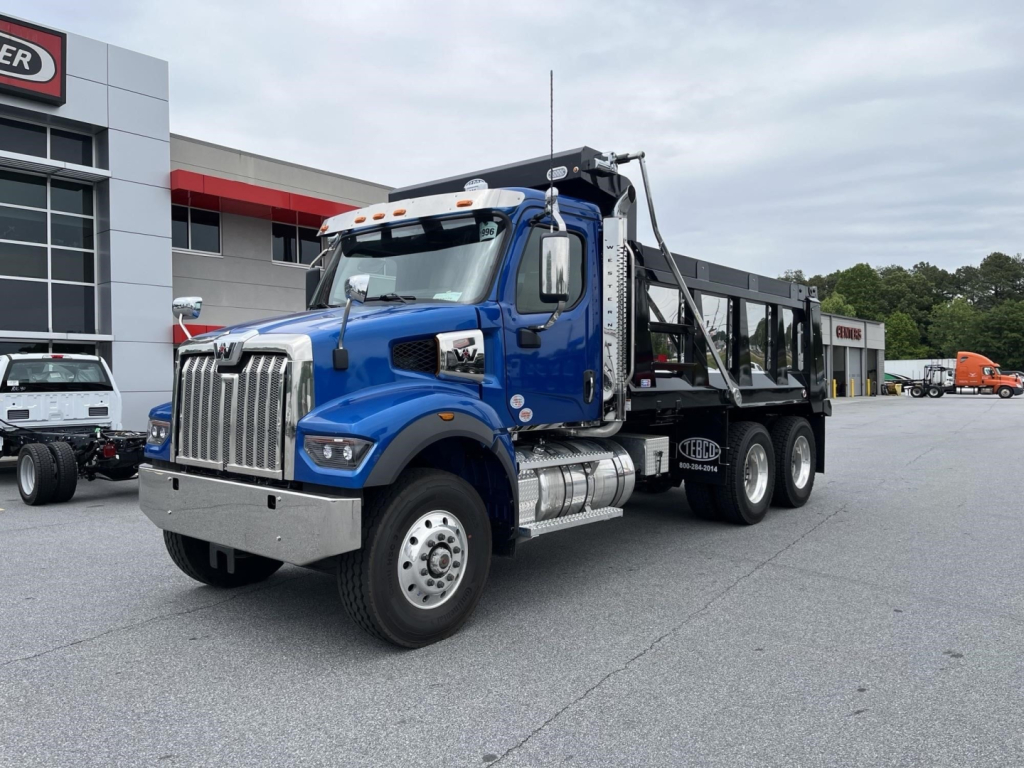
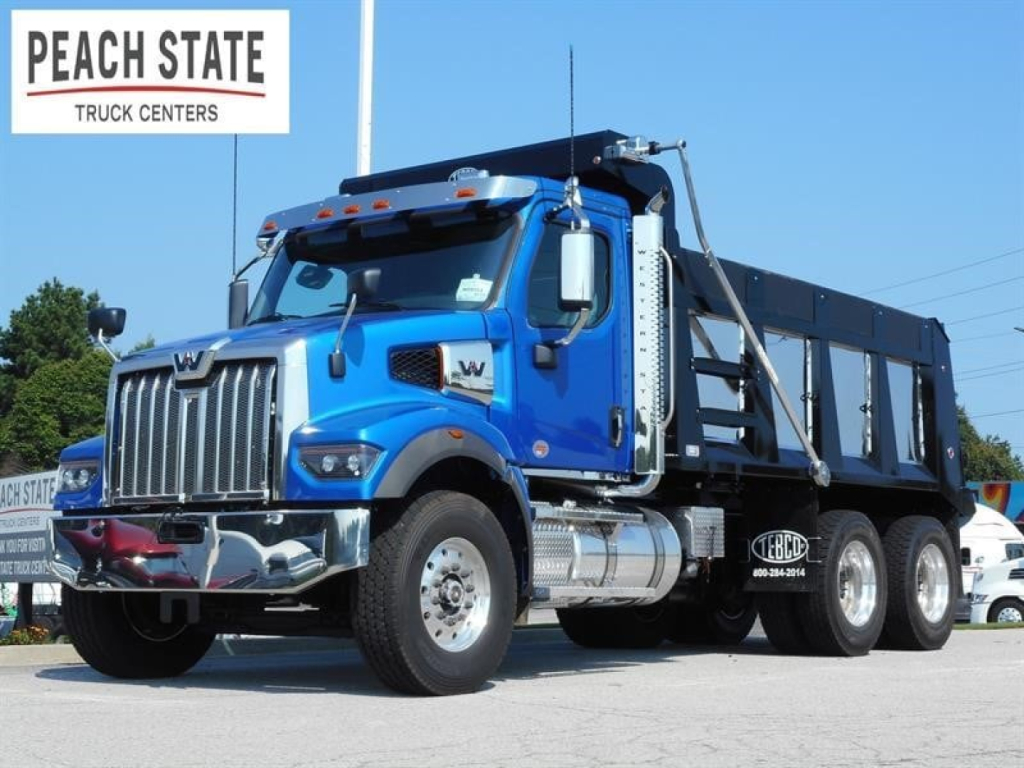
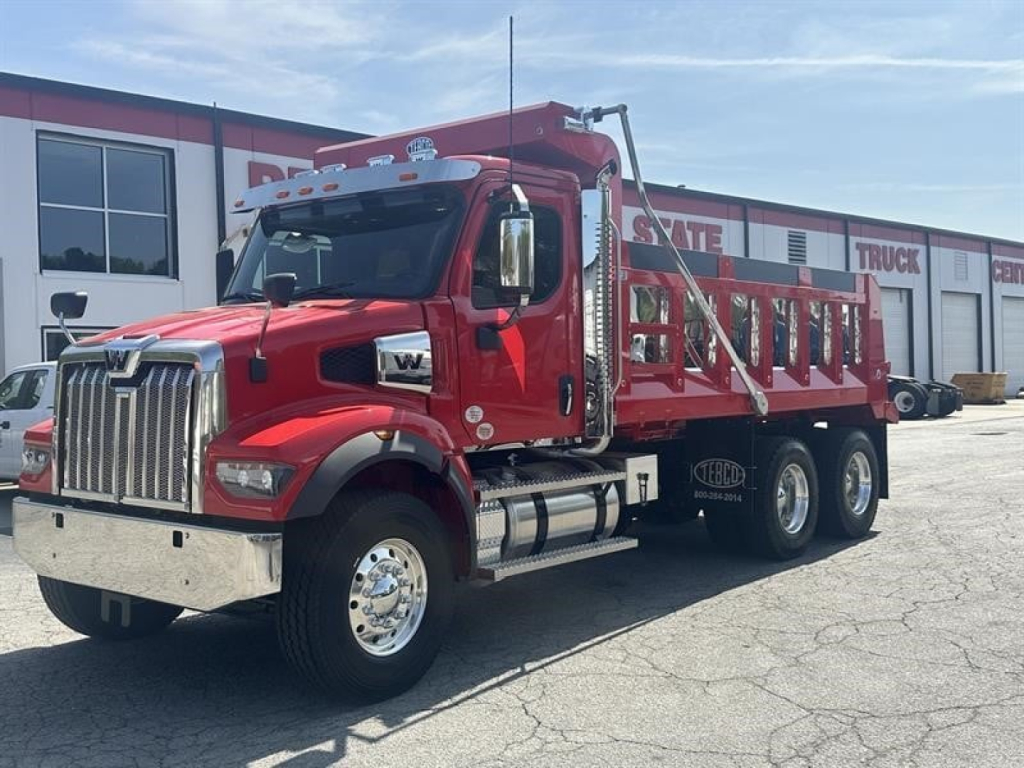
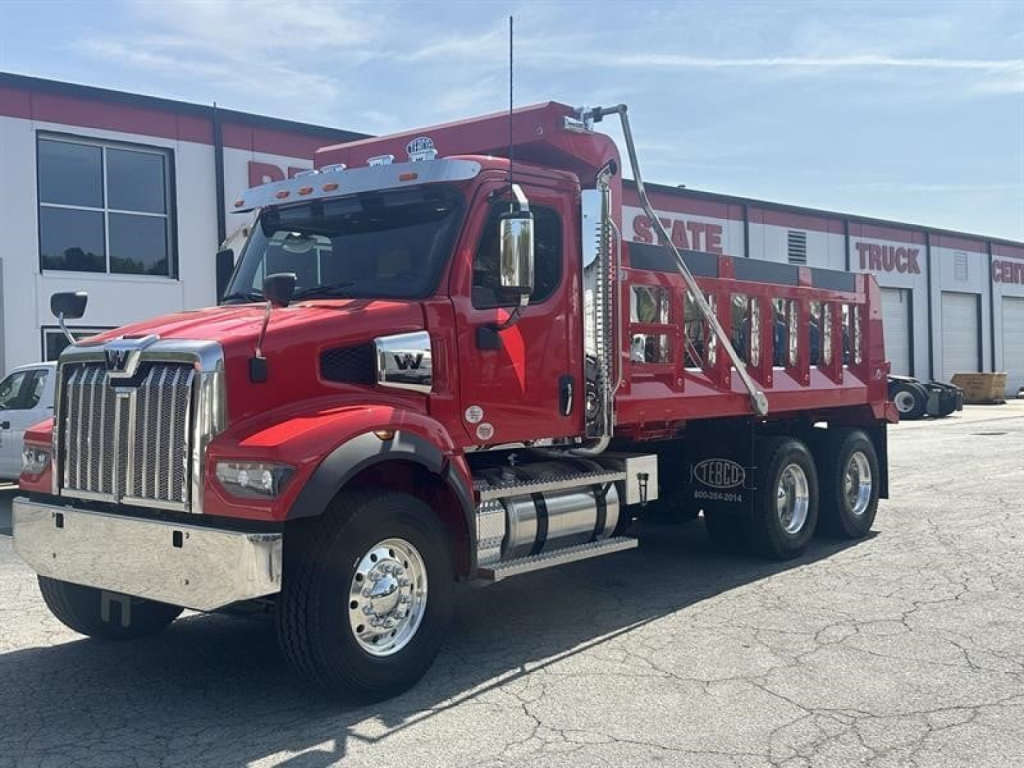
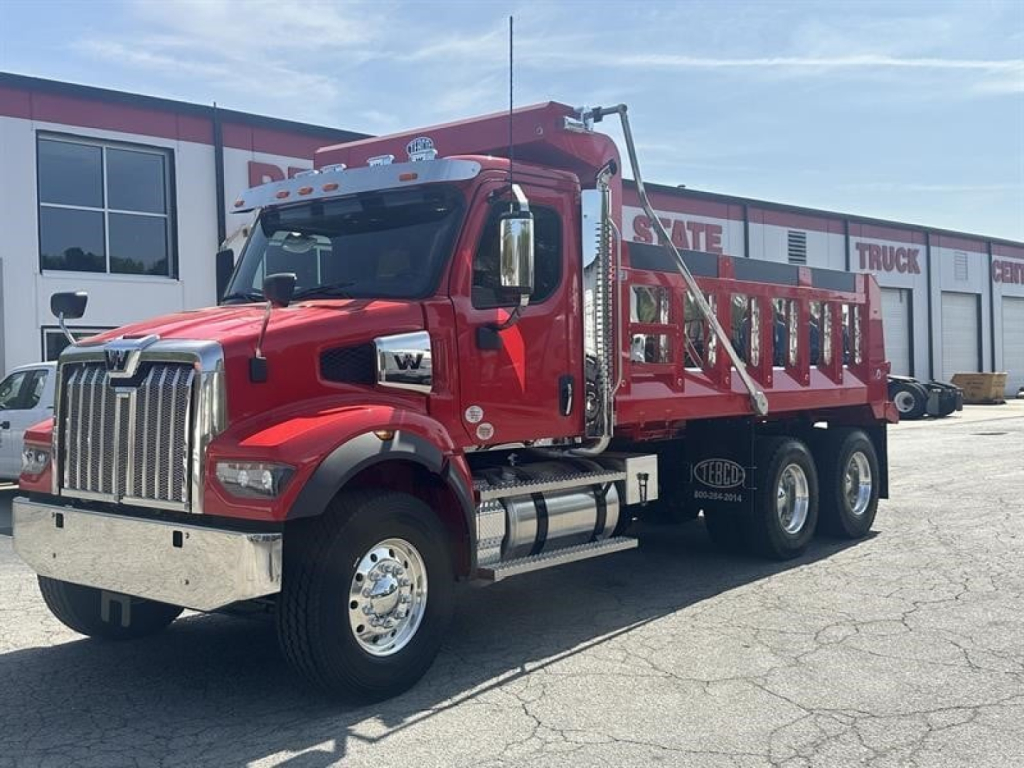
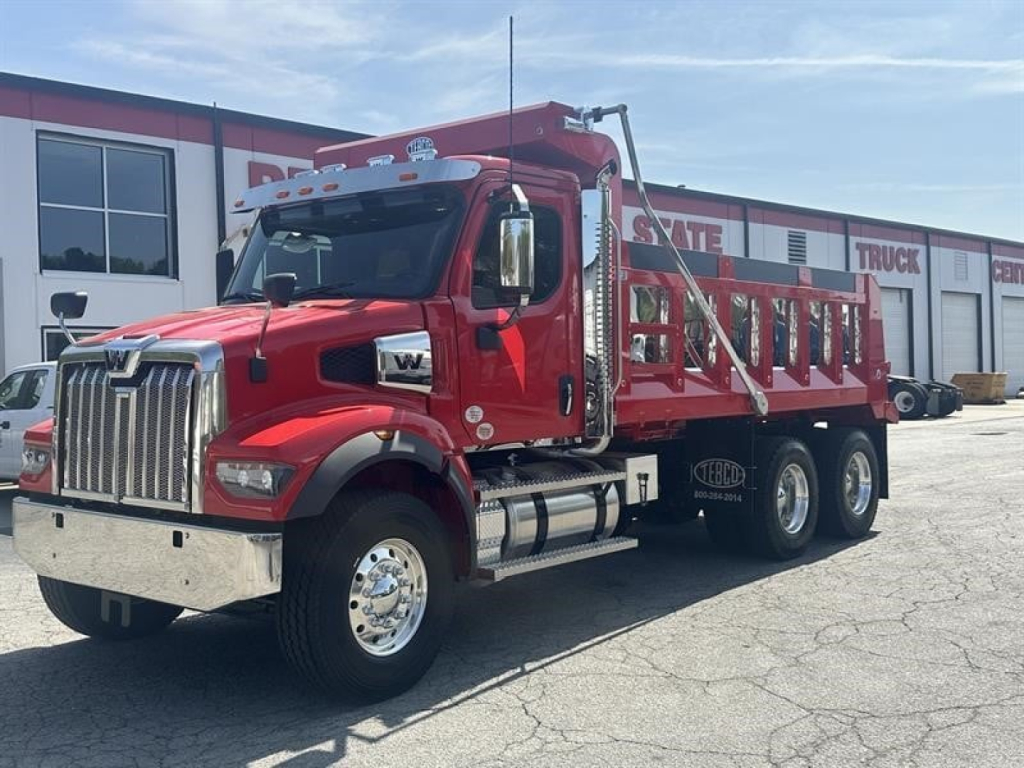
Floor strength is critical on straight trucks and vocational platforms. Dry van and reefer bodies with 12 inch or 10 inch crossmember spacing, laminated oak or apitong floors, and published forklift ratings at a 24 inch load center prevent cupping and broken boards under pallet traffic. Full height scuff liners, aluminum or UHMW wear bands, and logistics posts protect walls and keep floors tight at the edges where damage begins. Flatbed and stake platforms benefit from apitong or composite decking with closer crossmember spacing and a rear steel inlay to handle point loads from pallet jacks. Dump bodies in AR400 or AR450 steel balance abrasion resistance and tare, choose floor thickness to match material density and cycle count so you are not hauling unnecessary steel every mile.
Thermal integrity matters in Georgia heat for both reefer boxes and sleeper cabs. Look for closed cell foam insulation with verified R values, aluminum duct floors or flat floors with drain channels for air circulation and cleanup, and insulated rear and side doors with tight seals and thermal breaks at posts and sills to cut heat gain. On tractors, cab and sleeper insulation, solar reflective paint, high capacity HVAC, and an electric HVAC or diesel APU reduce idling and protect emissions systems that already run hot. Heated mirrors and fuel filter bases cover the brief cold snaps, while correctly sized radiators, charge air coolers, and fan drives handle stop and go metro traffic and long grades without heat soak.
Chassis and running gear choices tie tare weight and corrosion resistance together. A modern 13 liter engine with an automated manual can handle most Georgia linehaul work while saving weight and fuel compared to a 15 liter with a deep reduction manual, wide base singles on aluminum wheels cut weight further but demand strict inflation control and may not suit every vocational route. Air ride drive suspensions protect cargo floors and reefer boxes, mechanical spring or walking beam suspensions carry better off pavement to job sites. Look for e coated frames, aluminum or composite cabs, stainless fasteners, sealed Deutsch connectors, and molded harness splices to slow corrosion in coastal regions. Add TPMS, automatic traction control, and automatic chassis lube to extend tire life and component service intervals, and match wheelbase, axle spacing, and lift axles to Georgia bridge law so the floor and body capacity you bought can be fully used.
Frequently Asked Questions about New Commercial Trucks in Georgia
What floor specifications should I choose on a new straight truck that will see heavy forklift traffic in Georgia?
Select a van or reefer body with 12 inch or 10 inch crossmember spacing, laminated oak or apitong flooring, and a published forklift rating at a 24 inch load center that exceeds your heaviest warehouse equipment. Add full height scuff liners and rear threshold protection to manage dock impacts, and consider aluminum or UHMW wear bands to reduce edge damage. If corrosion exposure is likely, specify galvanized or aluminum crossmembers, stainless fasteners, and sealed fastener holes to keep the floor system tight over time.
How should I spec thermal integrity for a reefer straight truck in Georgia heat?
Prioritize closed cell foam insulation with verified K factor and consistent panel thickness, seal integrity at door frames and sills, and thermal breaks at posts to cut heat transfer. A duct or T style floor improves air circulation under the load, but a flat floor with integrated channels can ease cleaning for mixed freight. Choose a refrigeration unit sized for peak summer ambient with hot pull down capability, add strip curtains and a good data recorder, and consider a white roof and sidewalls to reduce solar load. Right size the reefer fuel tank so you can complete long delivery days in Atlanta traffic without refueling.
How can I reduce tare weight on a new tractor or box truck without giving up durability?
Use a balanced approach, specify an engine and transmission sized to your route profile, for many Georgia linehaul operations a 13 liter with an automated manual is sufficient and lighter than a 15 liter with deep reduction. Aluminum wheels, optimized fuel capacity, and wide base singles can remove significant weight, though duals are still preferred for some vocational routes. Air disc brakes, composite fairings, and aluminum crossmembers in van bodies all help, and choosing the right suspension, air ride for cargo protection or steel spring for off pavement work, aligns durability with actual use rather than overbuilding everywhere.
What corrosion protection matters for new trucks operating in Georgia, including coastal areas?
Humidity and coastal salt air accelerate corrosion even without winter road salt, so coatings and materials matter. Look for e coated or powder coated frames with sealed seam coverage, aluminum or composite cabs, stainless or zinc nickel plated fasteners, and sealed Deutsch style connectors with molded splices. Add underbody shielding where gravel and sand are common, specify treated wood or composite floors, and use aluminum or galvanized crossmembers in van bodies. Regular wash programs and dielectric grease at critical connectors finish the protection plan.
Which Georgia weight and dimension rules affect my truck spec decisions?
On interstates the 80,000 pound GVW limit and the typical 12,000 pound steer and 34,000 pound tandem caps apply, bridge law governs axle spacing and wheelbase, especially on straight trucks where CA and body length must match payload goals. Many vocational applications benefit from a pusher or tag axle to spread weight legally, confirm Georgia DOT requirements for lift axle controls and tire contact rules. For port drayage around Savannah, verify tractor wheelbase and overall length for terminal access, and match fifth wheel height and slider travel to your trailer fleet so kingpin load and bridge measurements stay compliant.