
New Ford Commercial Trucks For Sale in Georgia
New Ford commercial trucks in Georgia, from Super Duty to F-650 and F-750 chassis, built for payload, uptime, corrosion resistance, and smart upfitting.
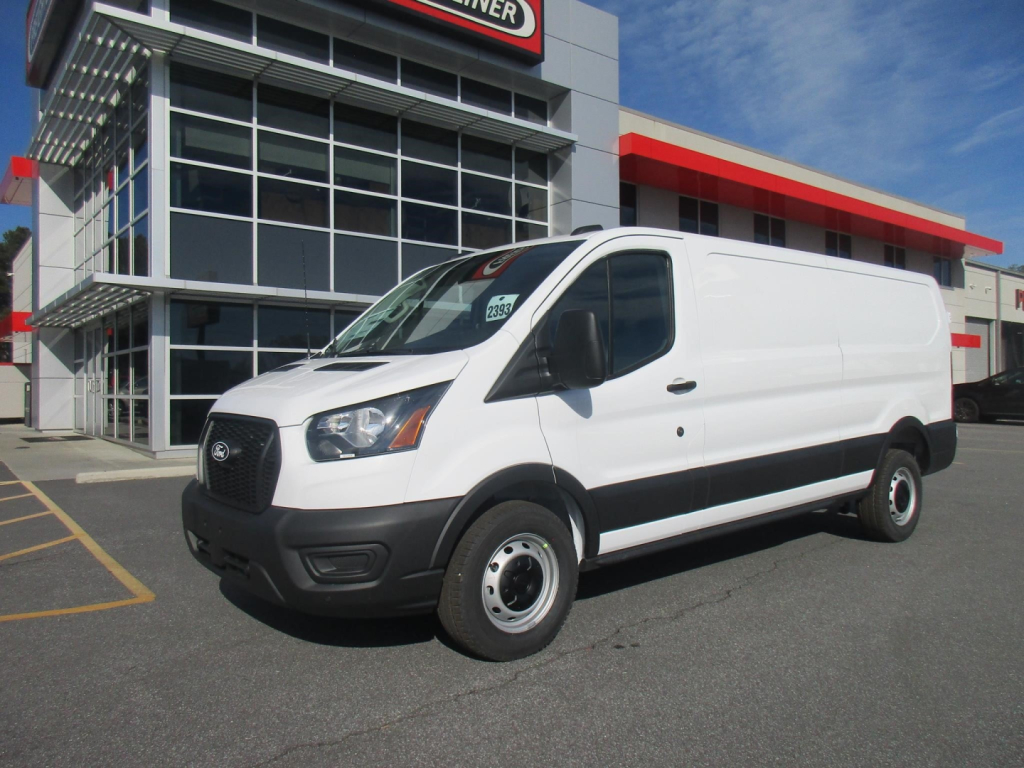
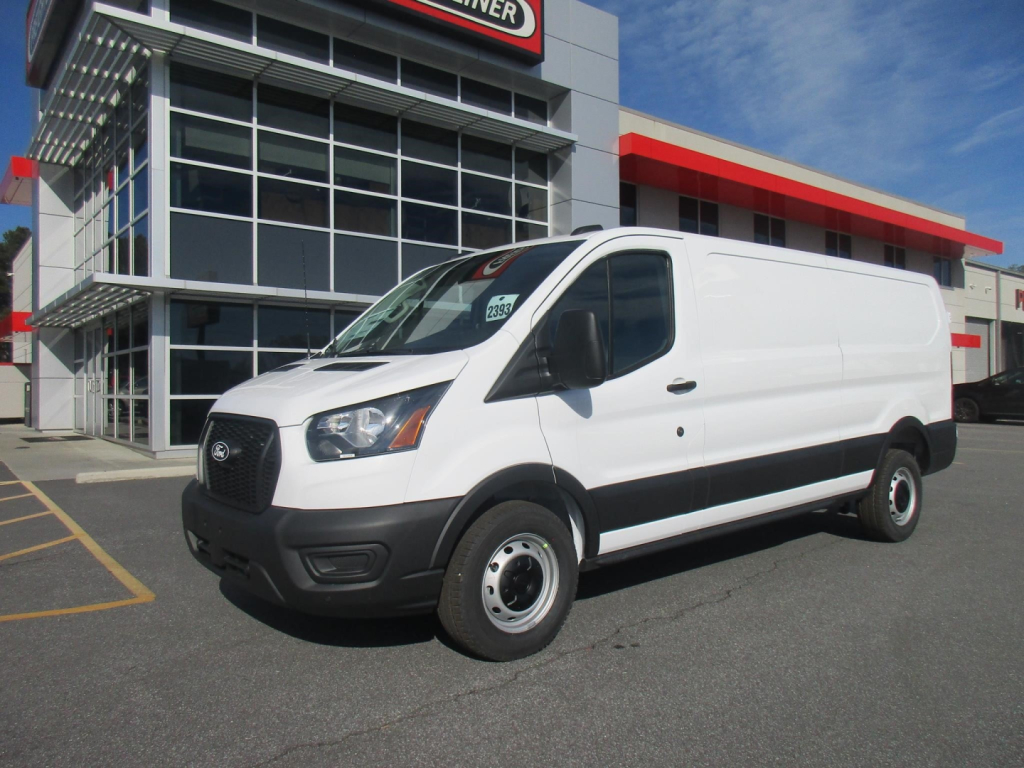
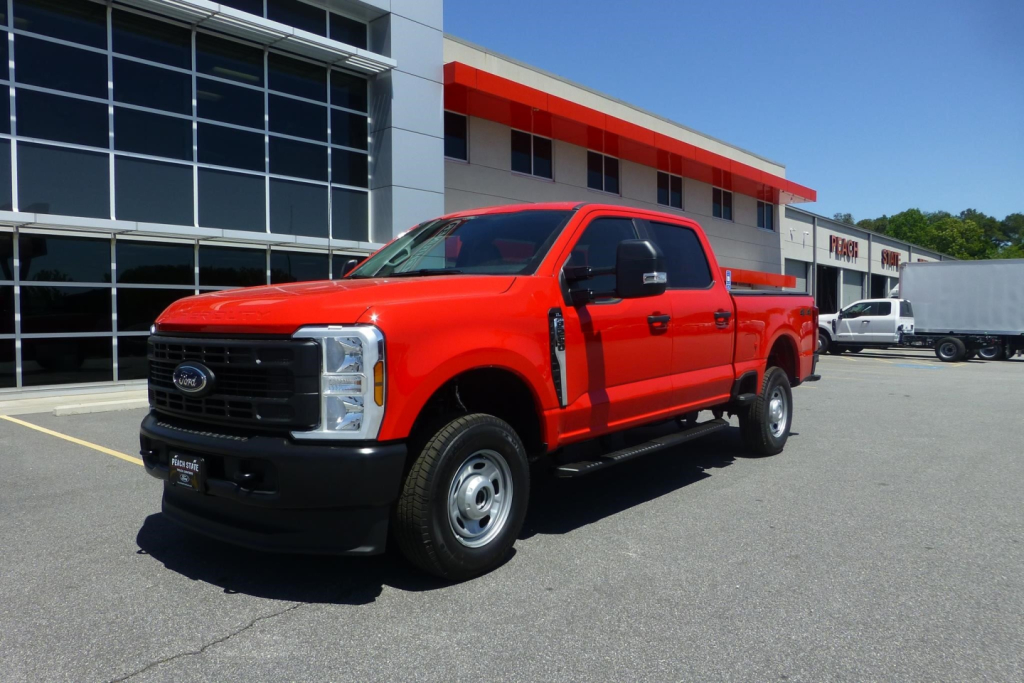
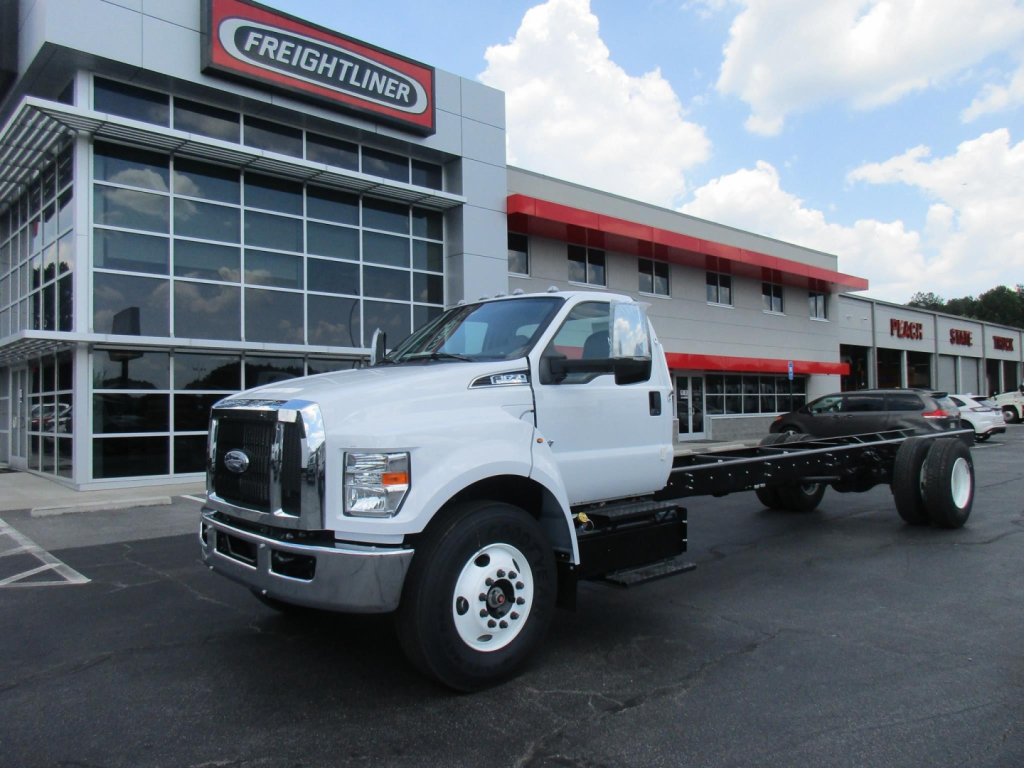
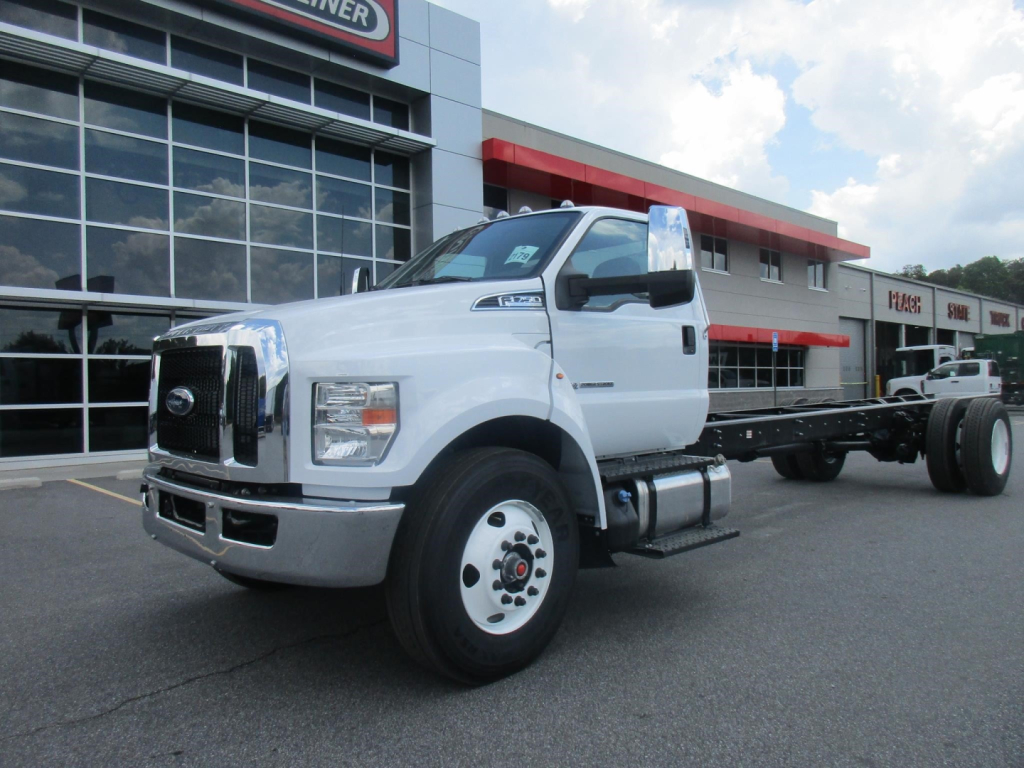
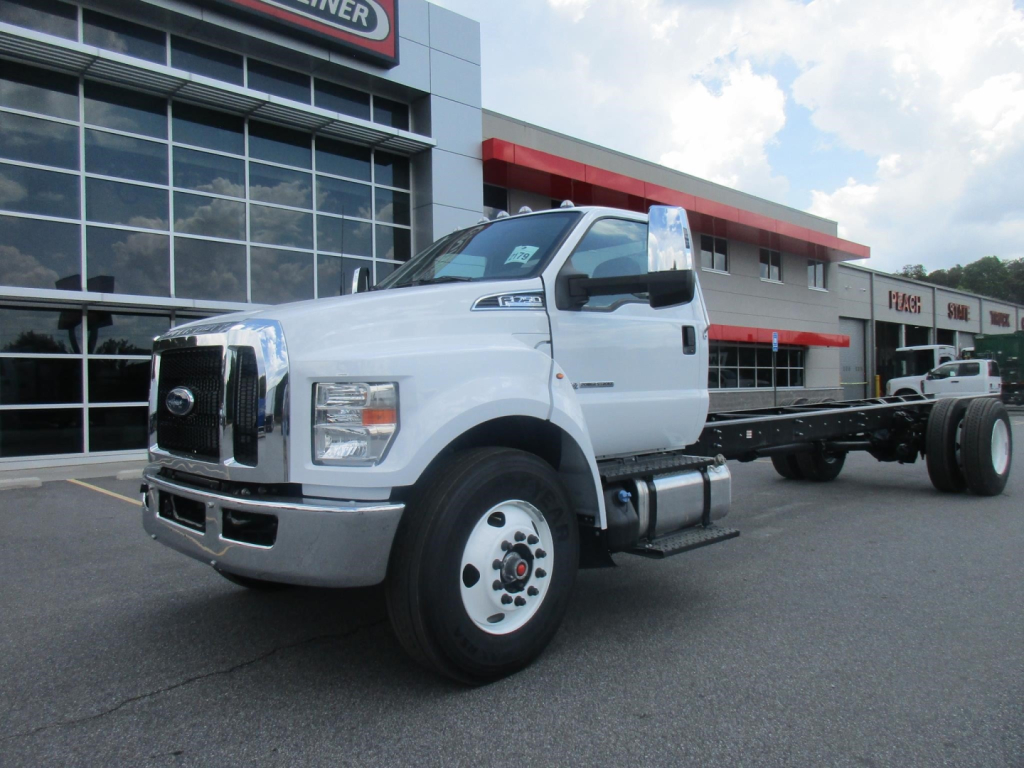
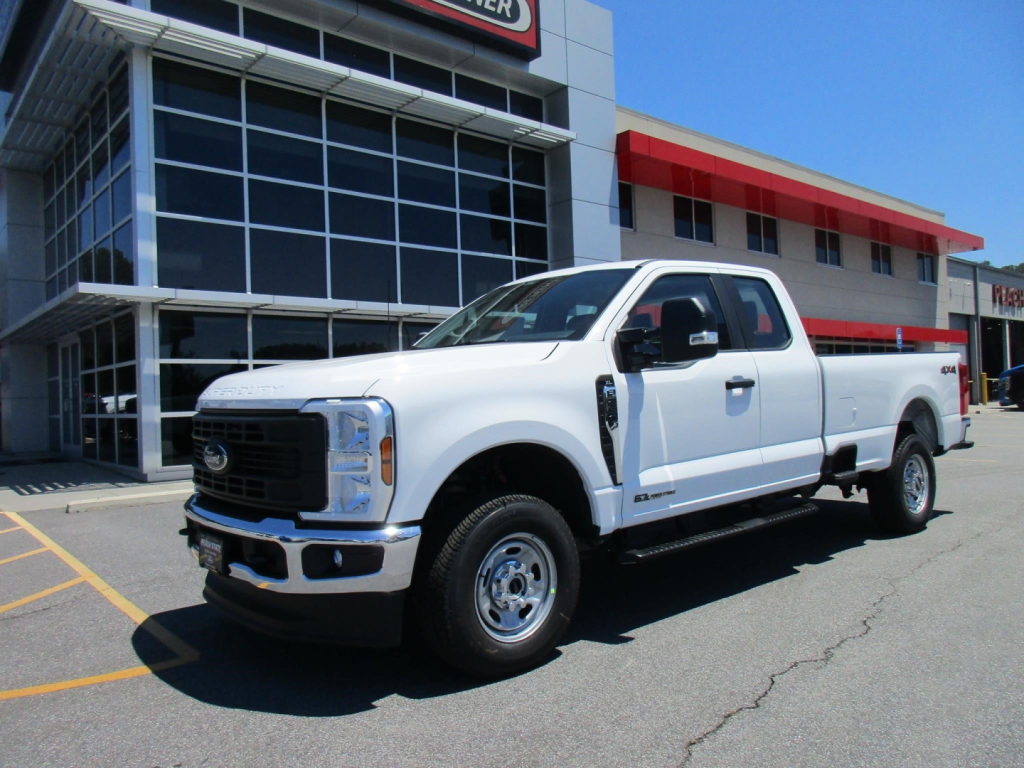
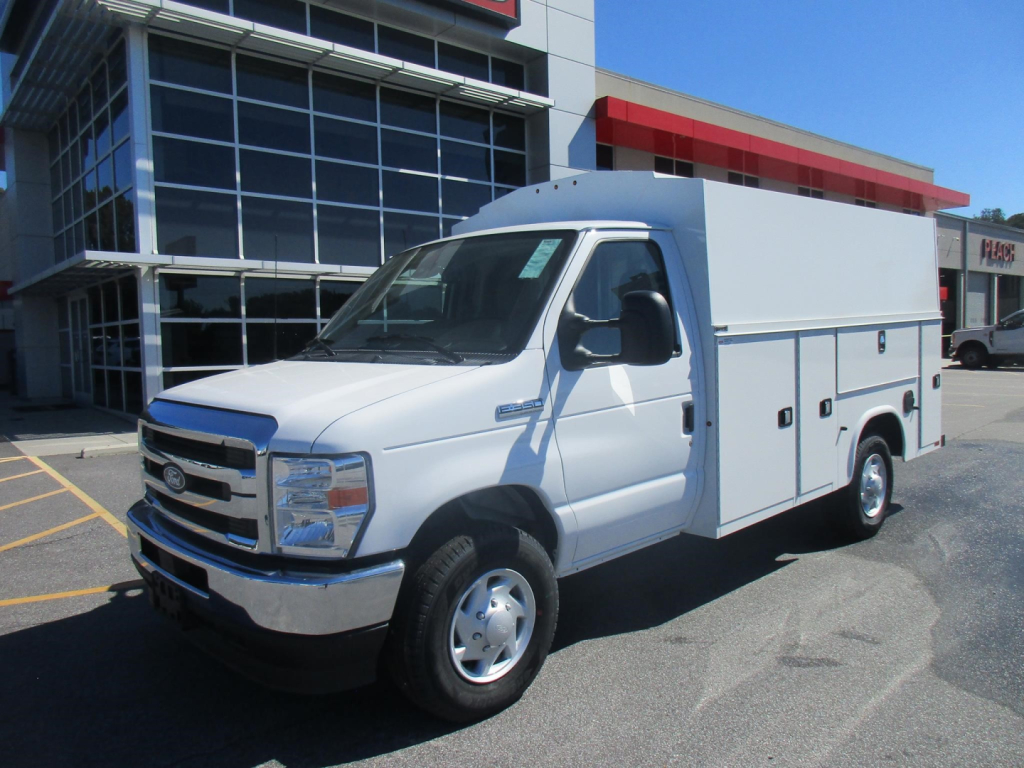
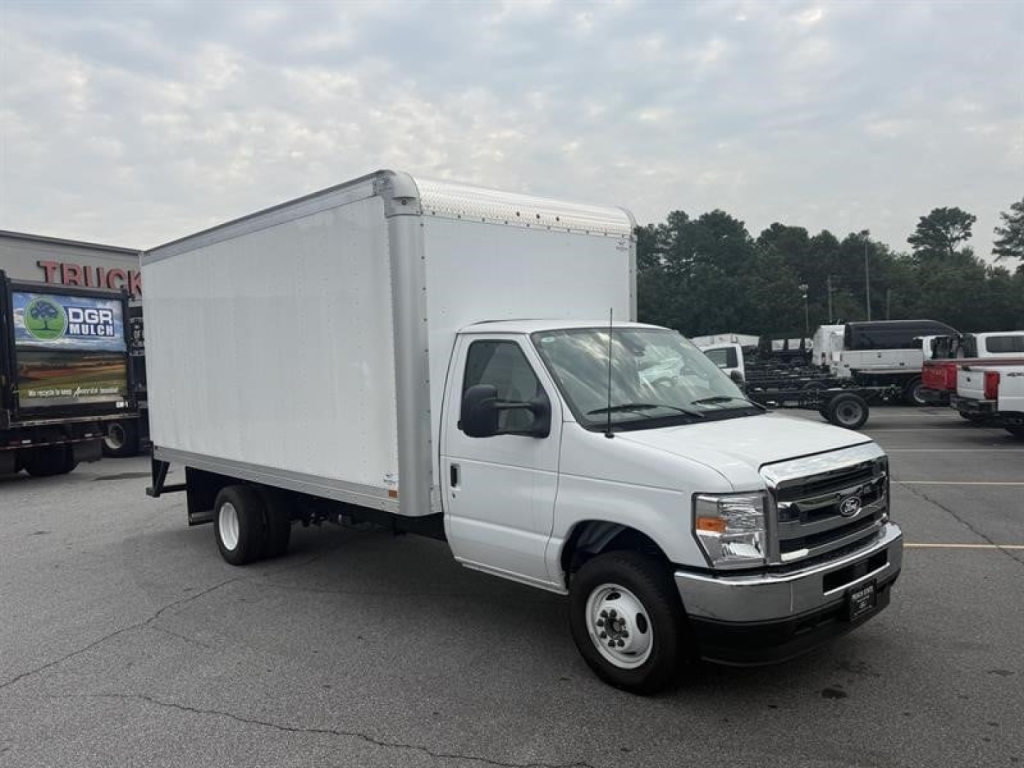
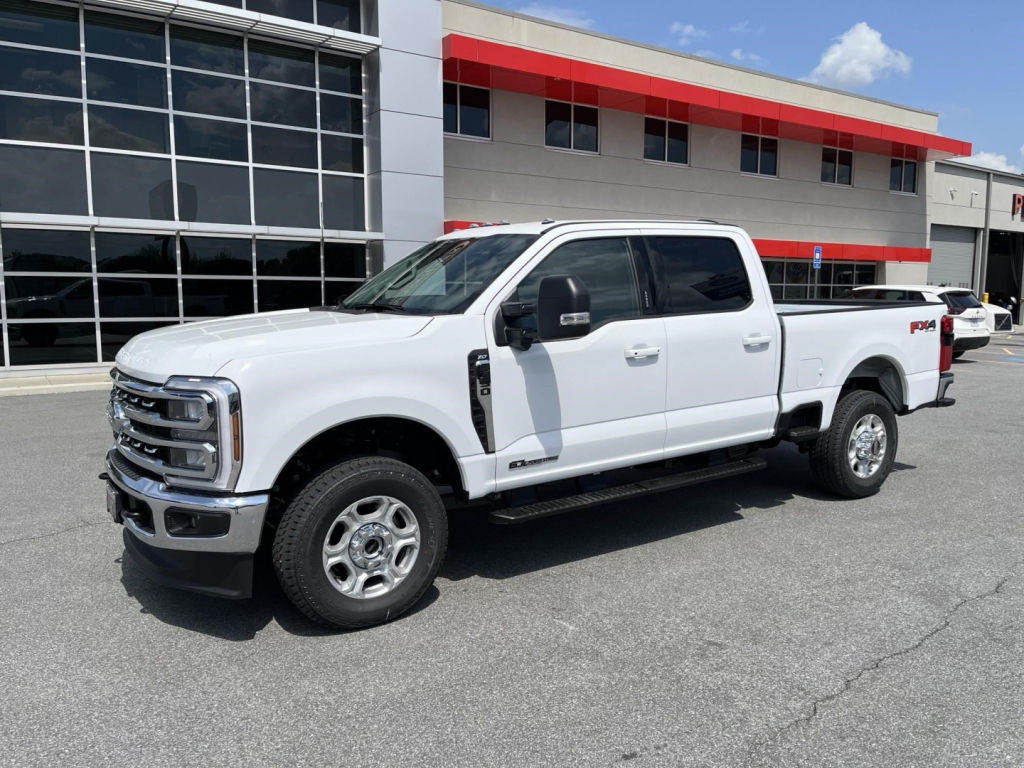
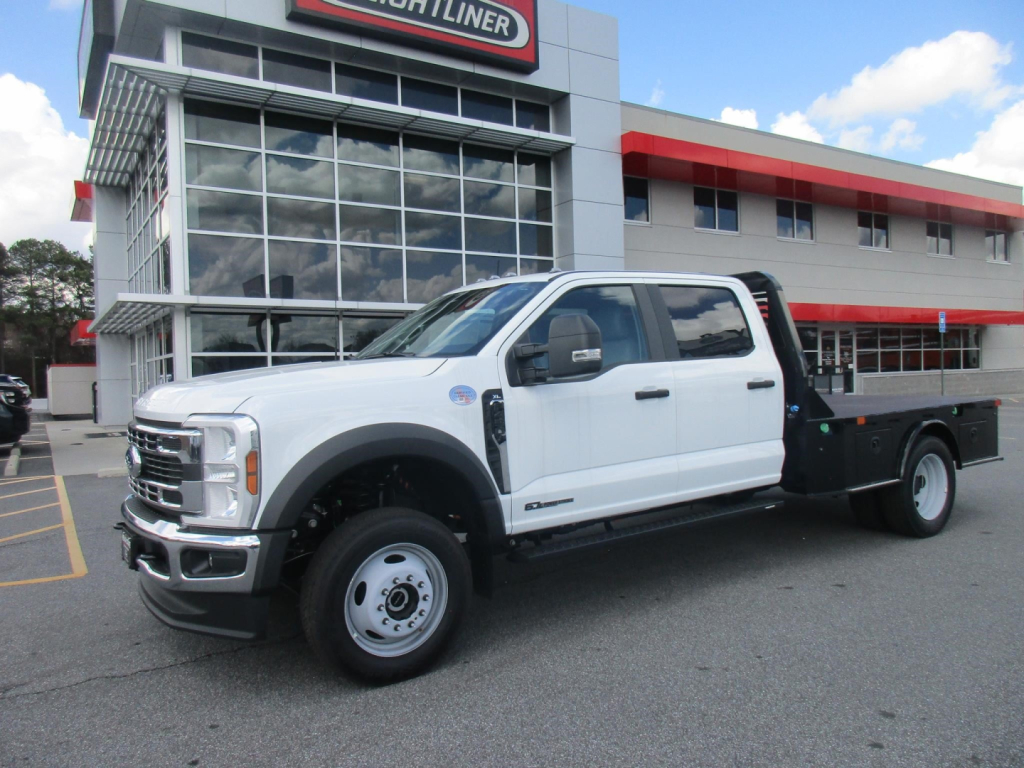
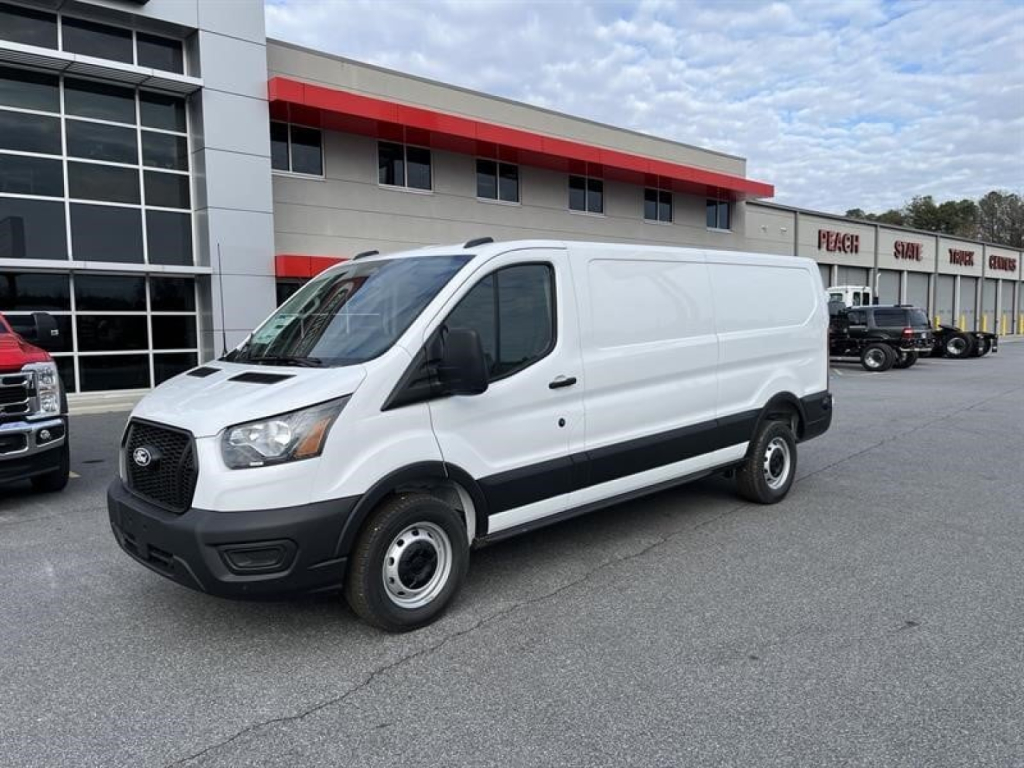
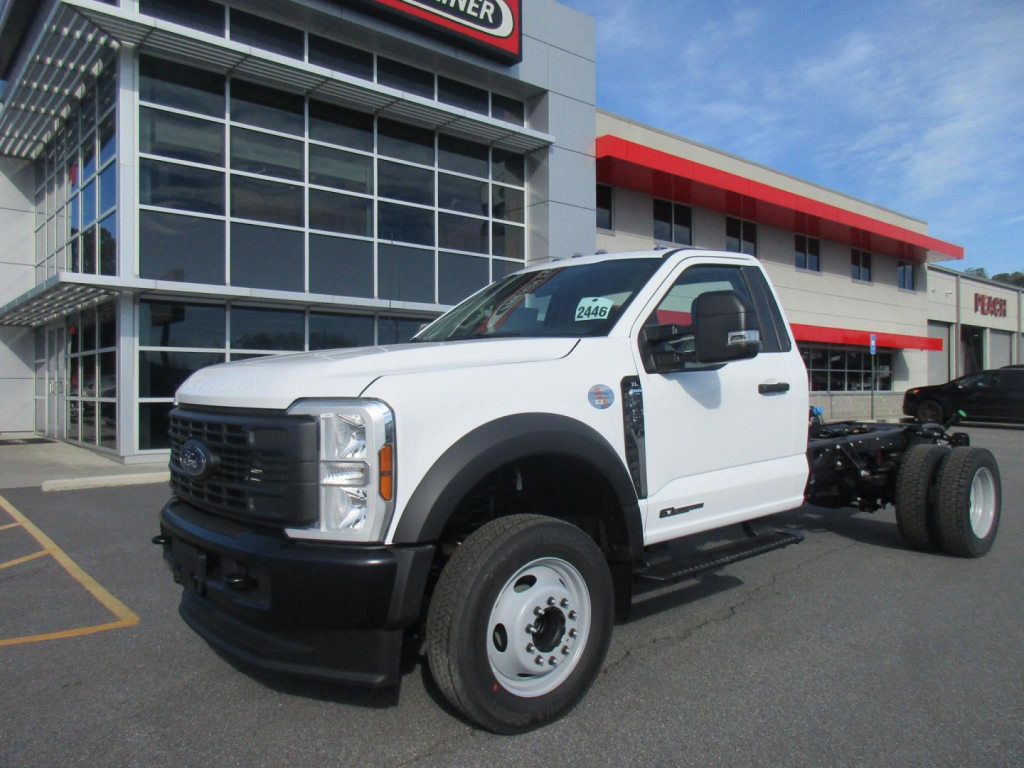
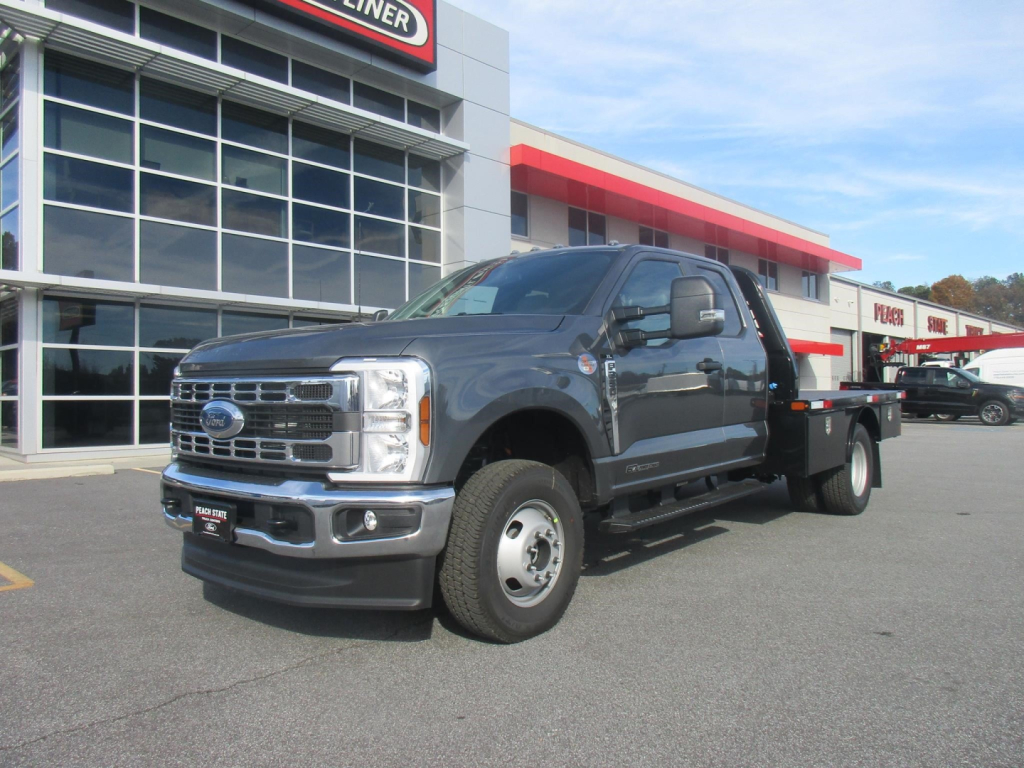
Selling a new ford commercial truck? List your new ford commercial truck for sale and reach thousands of commercial buyers.
New Ford Commercial Trucks in Georgia
Payload depends on tare weight and wheelbase, so spec only the mass you need. Aluminum intensive cabs on many Super Duty models reduce curb weight, while forged aluminum wheels, 19.5 inch tire options, and single channel frames can trim pounds without sacrificing durability. F-650 and F-750 allow heavier suspensions, air ride, and 22.5 inch rubber for higher axle ratings. Keep cab to axle and wheelbase aligned to body length to balance weight on the steer and drive, maintain turning radius for Atlanta metro work, and stay within Georgia bridge and axle limits.
Body selection drives floor strength and interior protection. For dry van and service box builds, look for laminated hardwood floors or aluminum plank with forklift axle ratings, full length steel or composite scuff liners, logistics posts or E track, and threshold plates that resist point loading from pallet jacks. Flatbeds benefit from apitong or aluminum decks with anti slip surfaces, stake pockets, and rub rails. Liftgate capacity must match the floor rating, and long rail extensions with proper crossmember spacing prevent deflection under concentrated loads.
Thermal integrity matters for reefer trucks in Georgia humidity and summer heat. High R value foam insulated panels, thermal breaks at posts, tight door seals, and insulated bulkheads help maintain set point and cut compressor run time. Corrosion resistance protects lifecycle value, so consider e coated frames, undercoating, aluminum or galvanized body components, sealed electrical connectors, and stainless fasteners, especially for coastal routes and chemical exposure. Telematics through Ford Pro, TPMS, stability control, and available air disc brakes improve uptime and safety, and factory PTO, idle management, and upfitter switches speed installation of hydraulics, compressors, or refrigeration units.
Frequently Asked Questions about New Ford Commercial Trucks in Georgia
Which Ford models cover common GVWR needs in Georgia, and when is a CDL required?
Super Duty chassis cabs typically cover 10,000 to 19,500 GVWR for non CDL operations, while F-650 and F-750 span roughly 22,000 to 37,000 plus GVWR for CDL use. A CDL is generally required at 26,001 pounds GVWR and above, or when towing heavier trailers that push the GCWR over CDL thresholds. Match GVWR to your payload and body weight, then confirm axle and tire ratings so the finished truck remains compliant on Georgia roads.
How should I choose between the 7.3L gas V8 and the 6.7L Power Stroke diesel for my route profile?
Gas offers lower upfront cost, simpler emissions hardware, and is well suited to short routes with frequent stops, lighter bodies, and seasonal usage. Diesel delivers higher torque for heavy bodies, steep grades in North Georgia, longer daily mileage, and PTO intensive work. Consider fuel availability, idle time, DEF logistics, and resale in your sector, then run a total cost model that includes payload effects from engine weight and expected annual miles.
What specs affect floor strength in Ford box and flatbed builds?
Floor performance depends on material and structure. Laminated hardwood with close crossmember spacing handles concentrated forklift axle loads, while aluminum plank saves weight and resists corrosion. Add full length scuff liners, logistics tracks, and reinforced rear thresholds to prevent edge damage. On flatbeds, apitong or tread plate aluminum with adequate cross sills, rub rails, and stake pockets resists twisting and point loads from equipment and palletized cargo.
How do I maintain thermal integrity for reefer trucks in Georgia heat and humidity?
Use high R value insulated panels with minimal thermal bridging, spec robust door gaskets and hardware, and seal penetrations for wiring and drain lines. Choose a refrigeration unit sized for your door cycle rate and ambient conditions, add strip curtains or a bulkhead for multi temp, and maintain door alignment to prevent air leaks. Proper floor insulation and smooth airflow around the evaporator reduce run time and protect pharma, produce, and protein cargo quality.
What corrosion protection should I prioritize for Georgia operations, including coastal routes?
Start with e coated frames and consider undercoating for high splash areas. Aluminum or galvanized body components, stainless steel fasteners, sealed wiring connectors, and composite fenders limit galvanic action and rust. In coastal and chemical environments, specify additional paint prep on cut and drilled surfaces, add drain paths to avoid standing water, and wash schedules that include the frame, spring hangers, brake hardware, and radiators to protect heat exchangers.