
New Conventional Sleeper Trucks For Sale in Georgia
Shop new conventional sleeper trucks for long-haul freight in Georgia. Compare aero specs, sleeper sizes, powertrains, safety tech, and wheelbase.
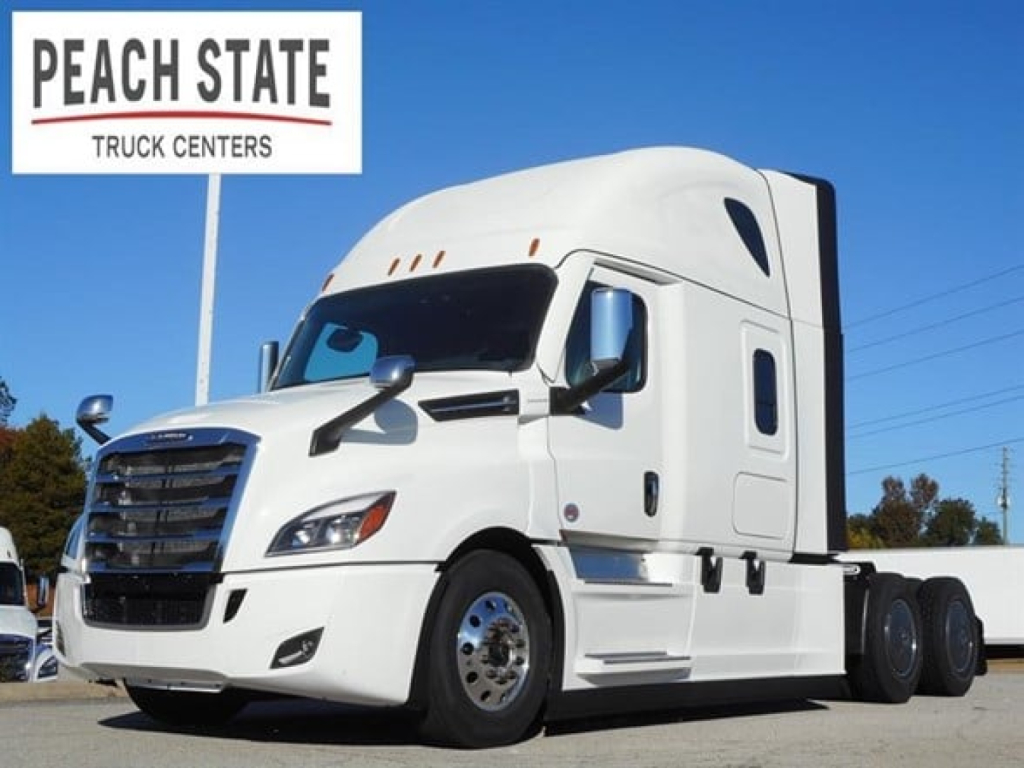
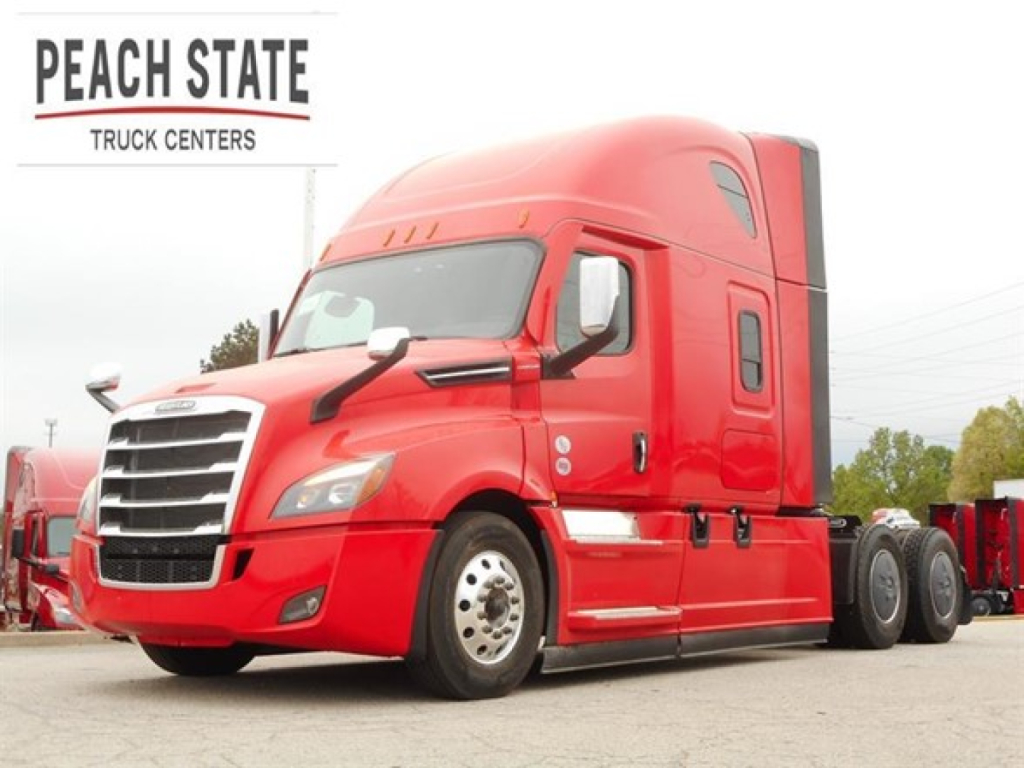
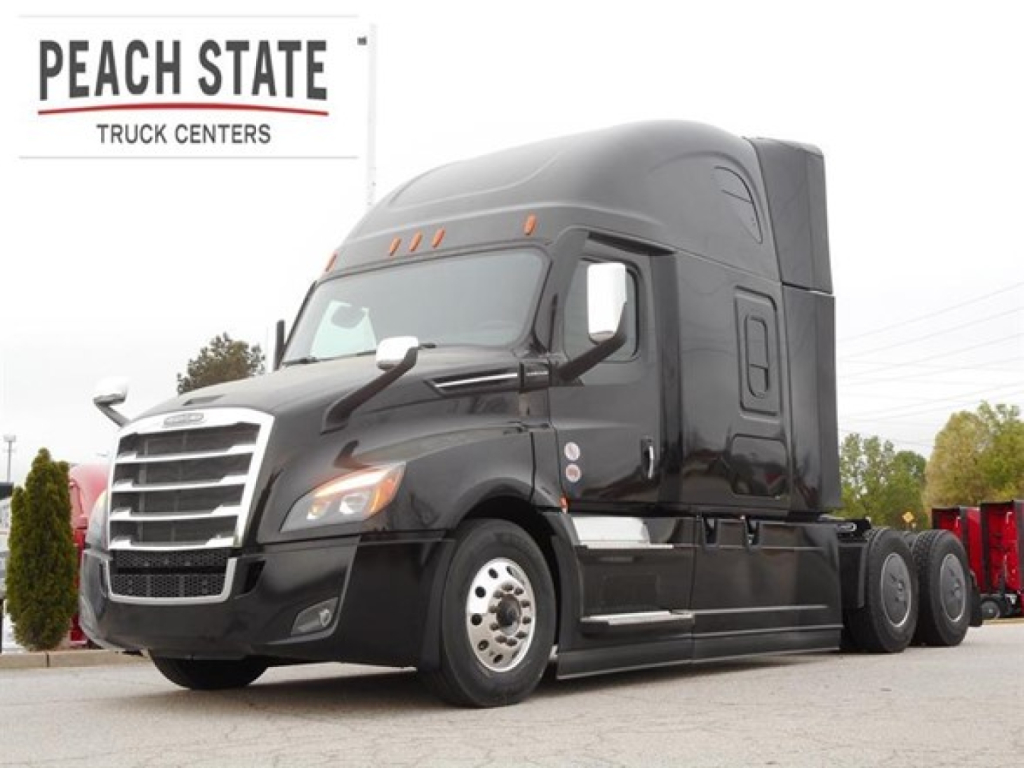
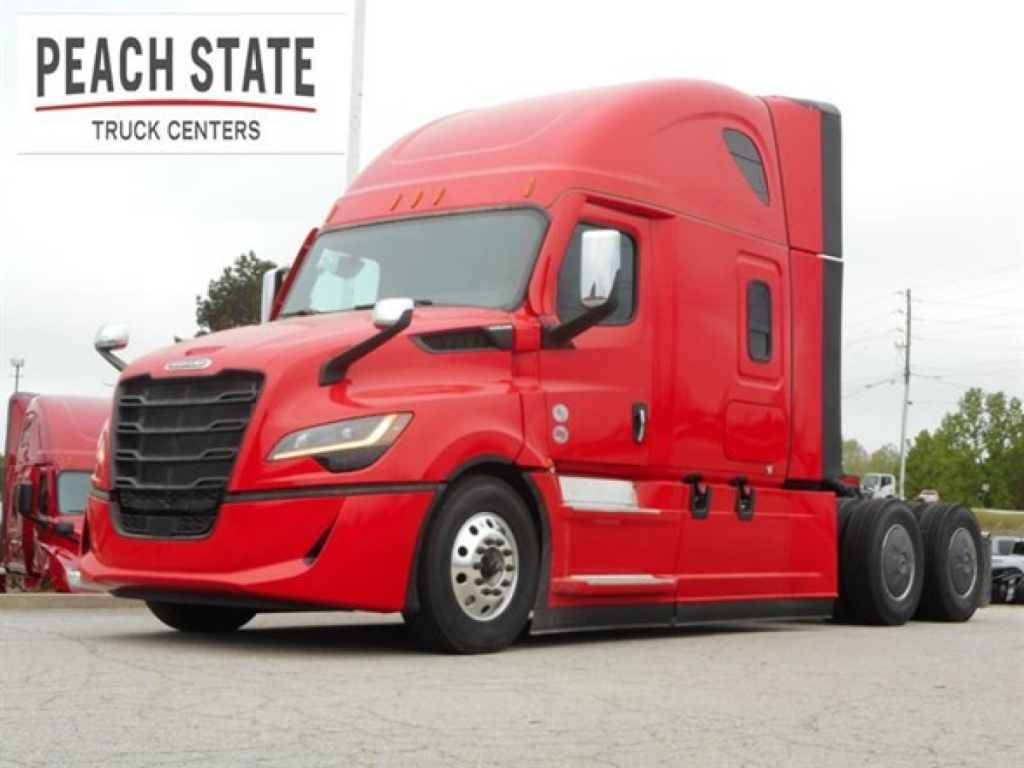
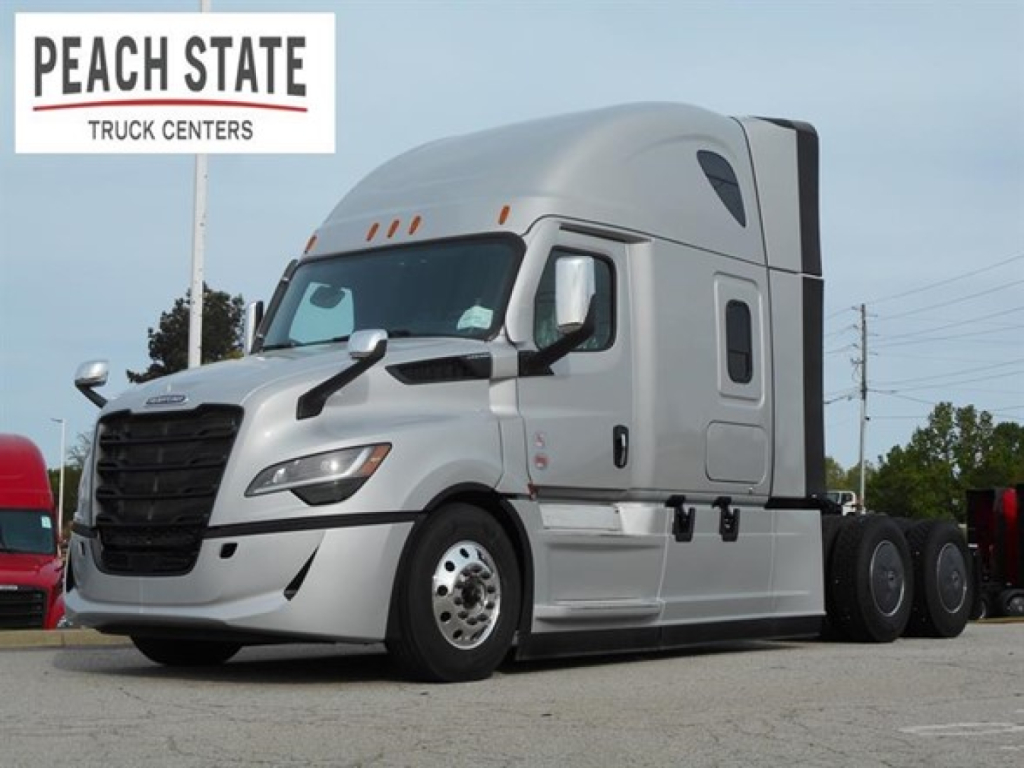
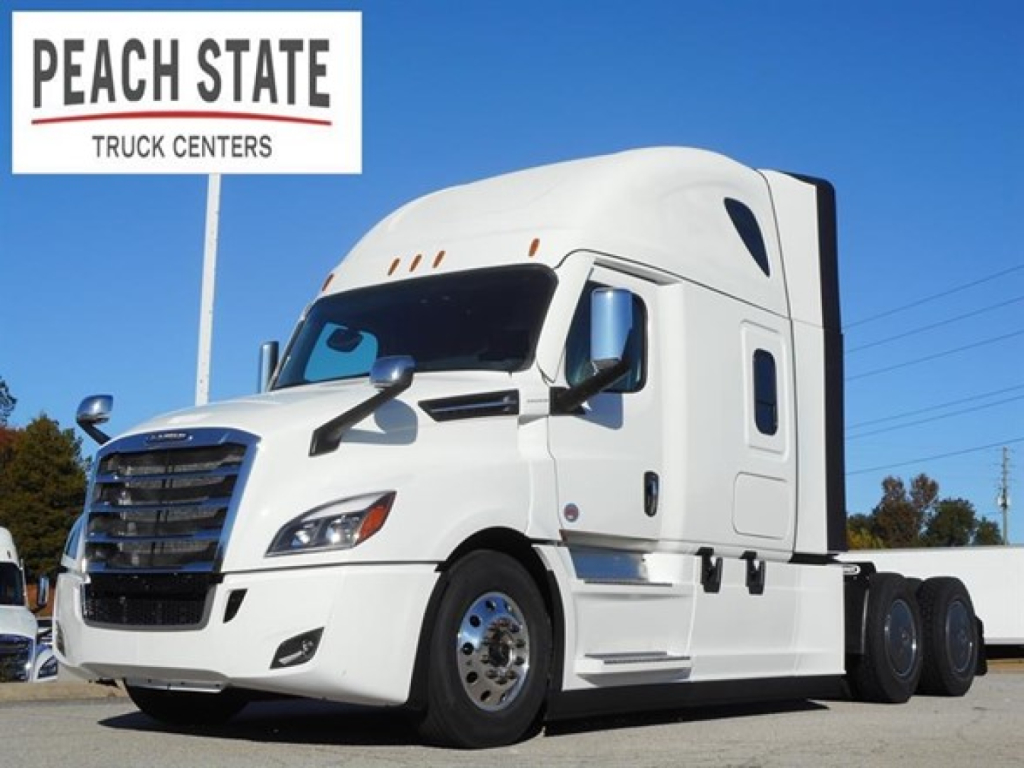
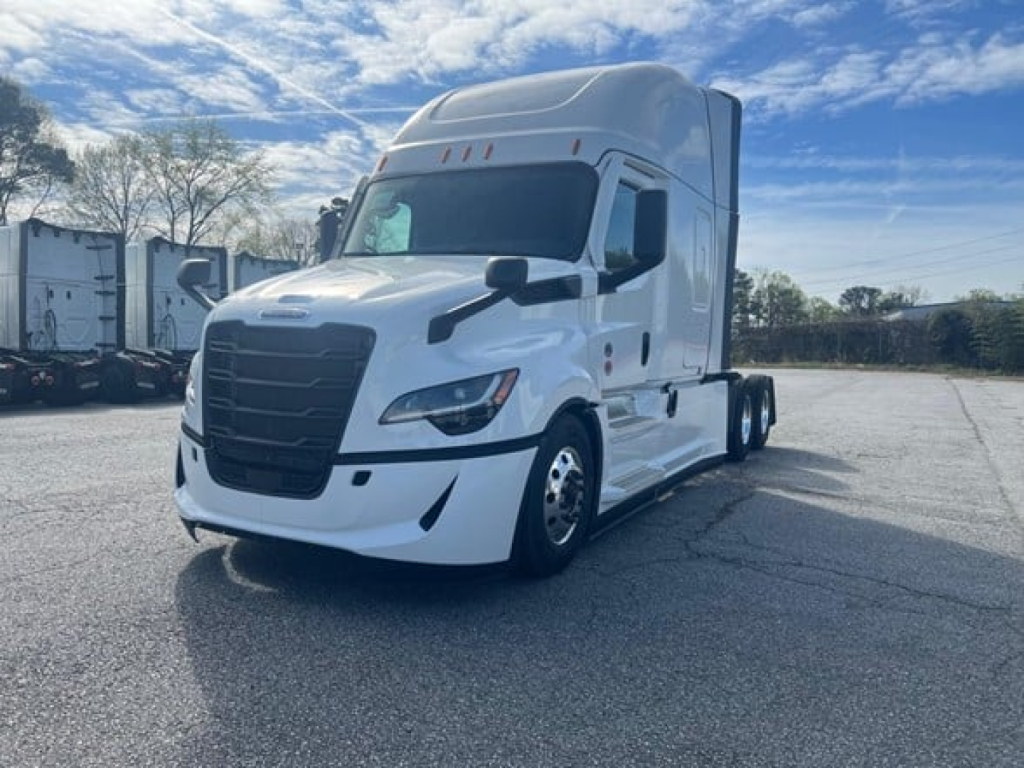
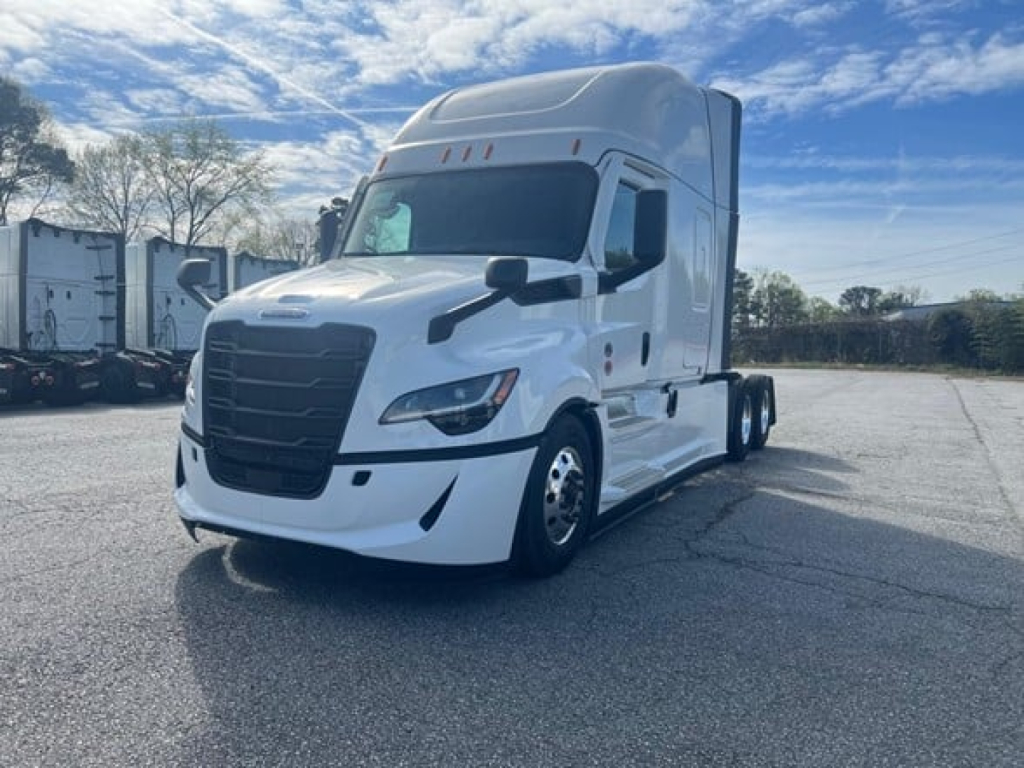
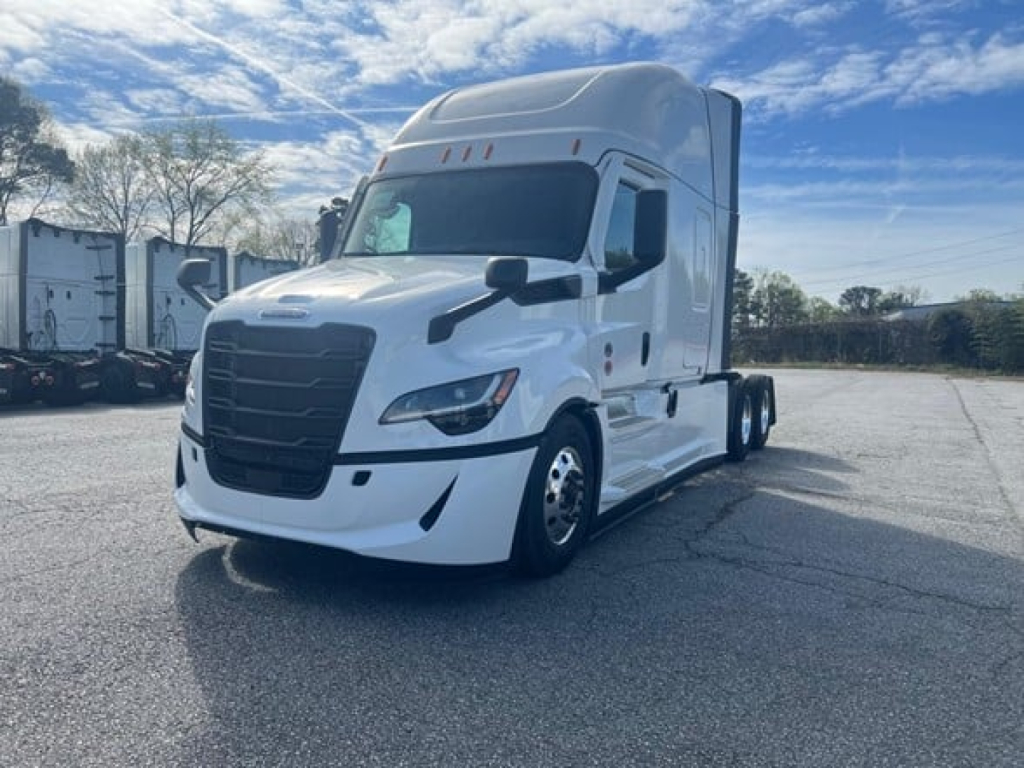
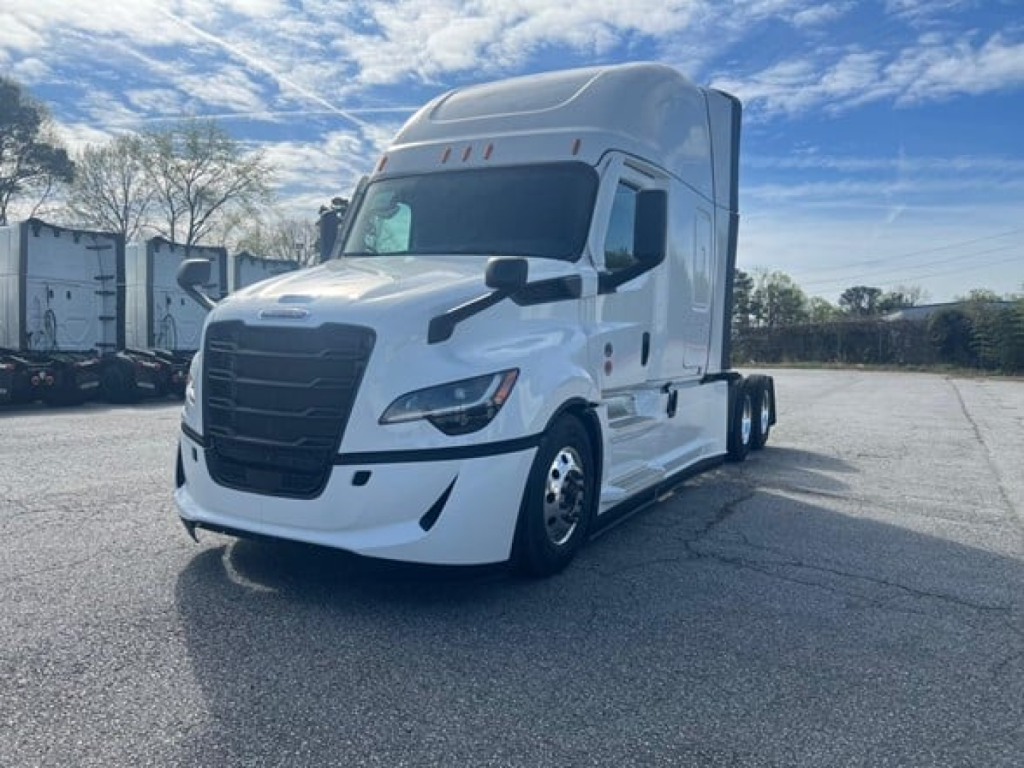
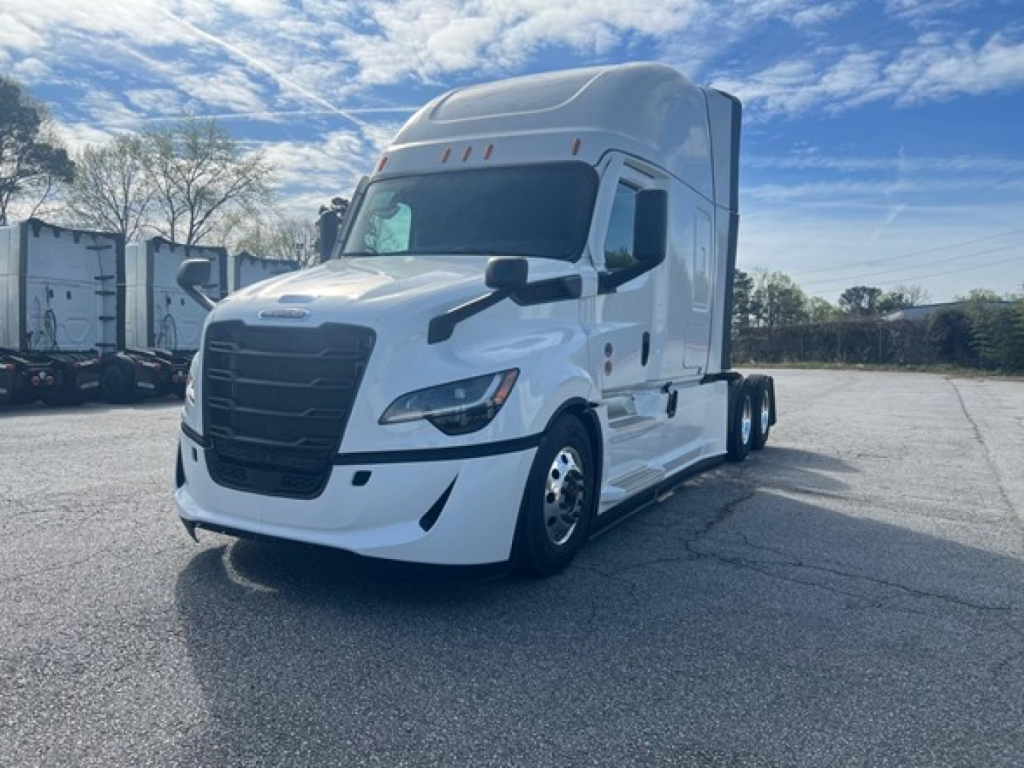
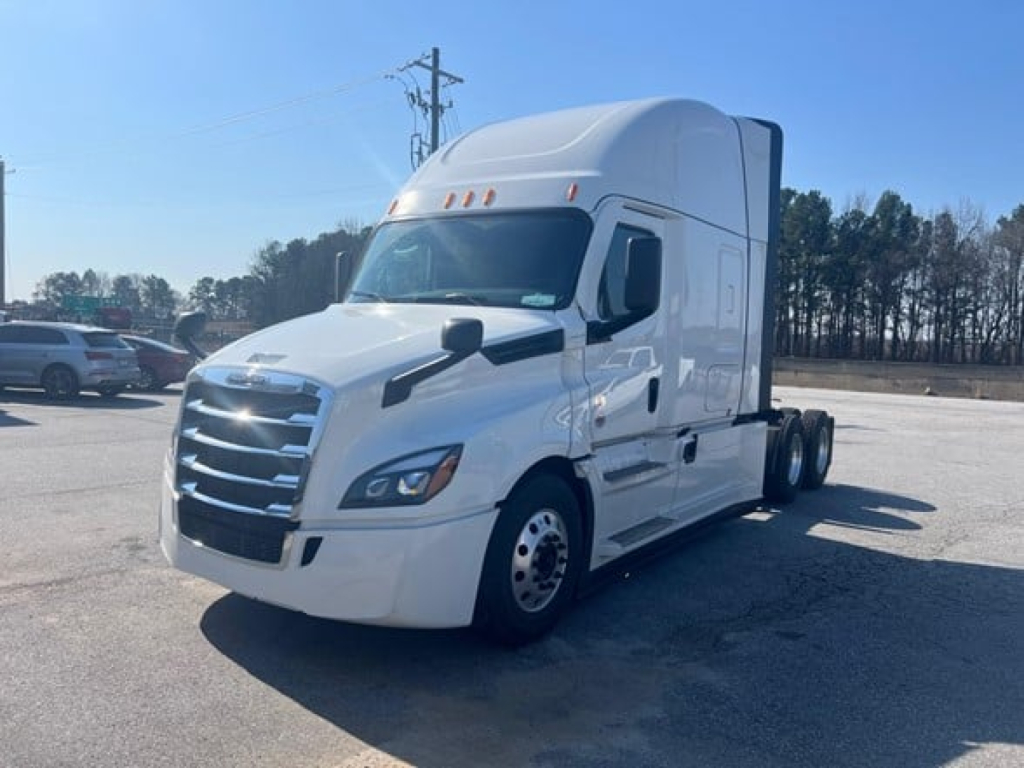
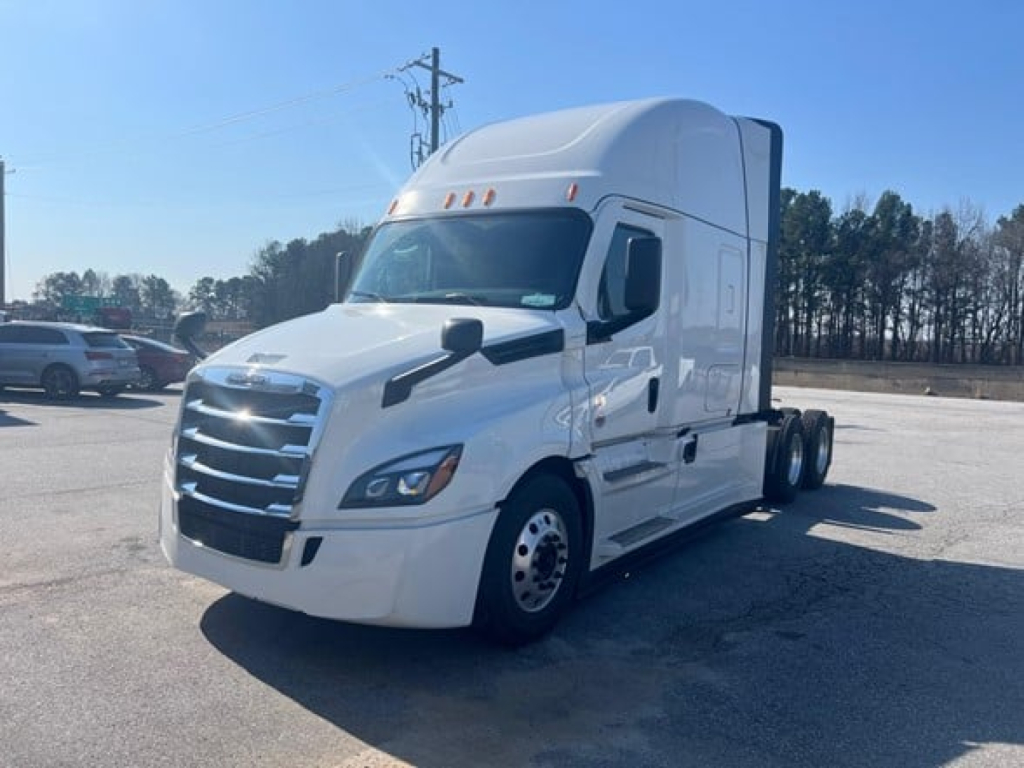
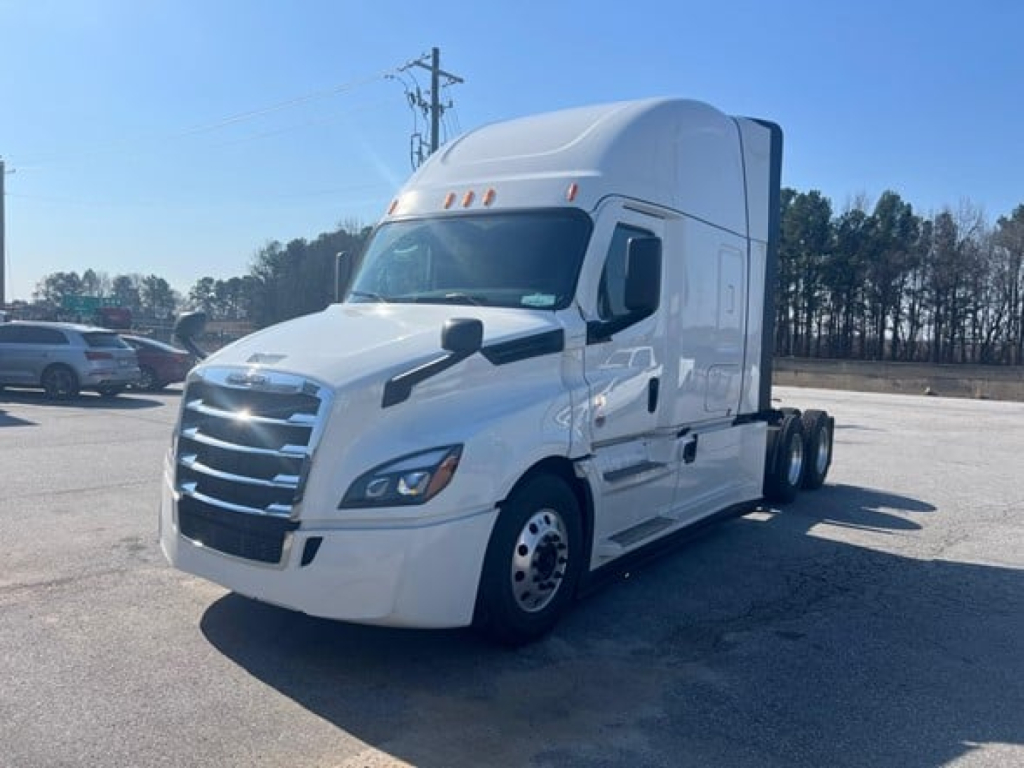
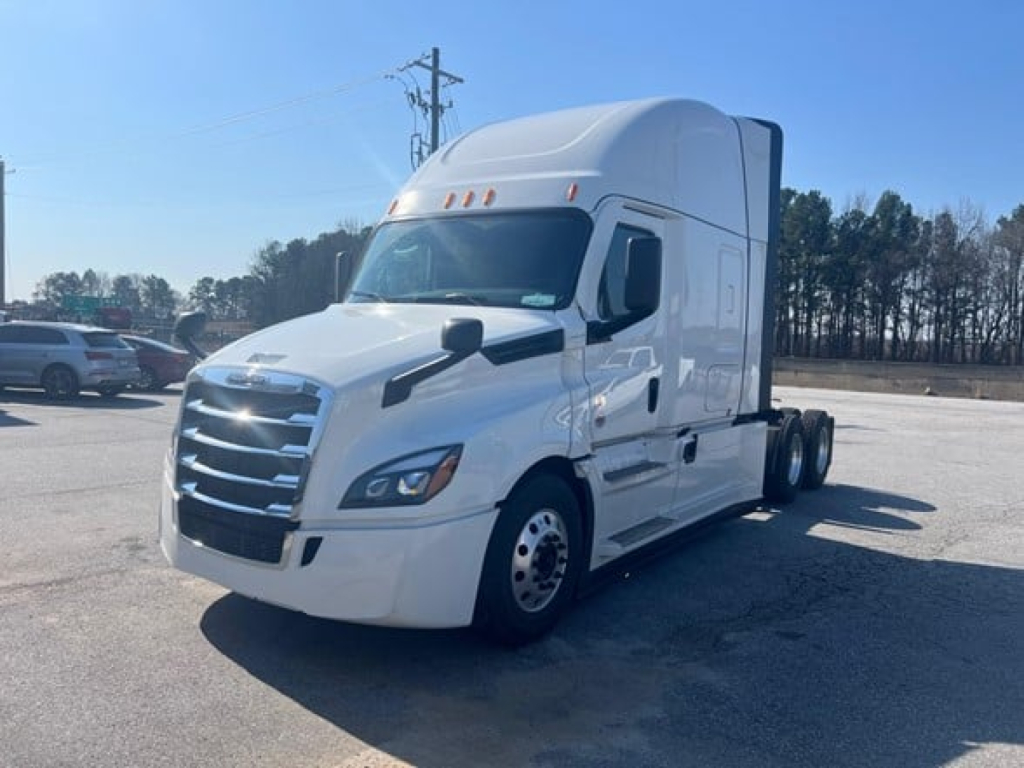
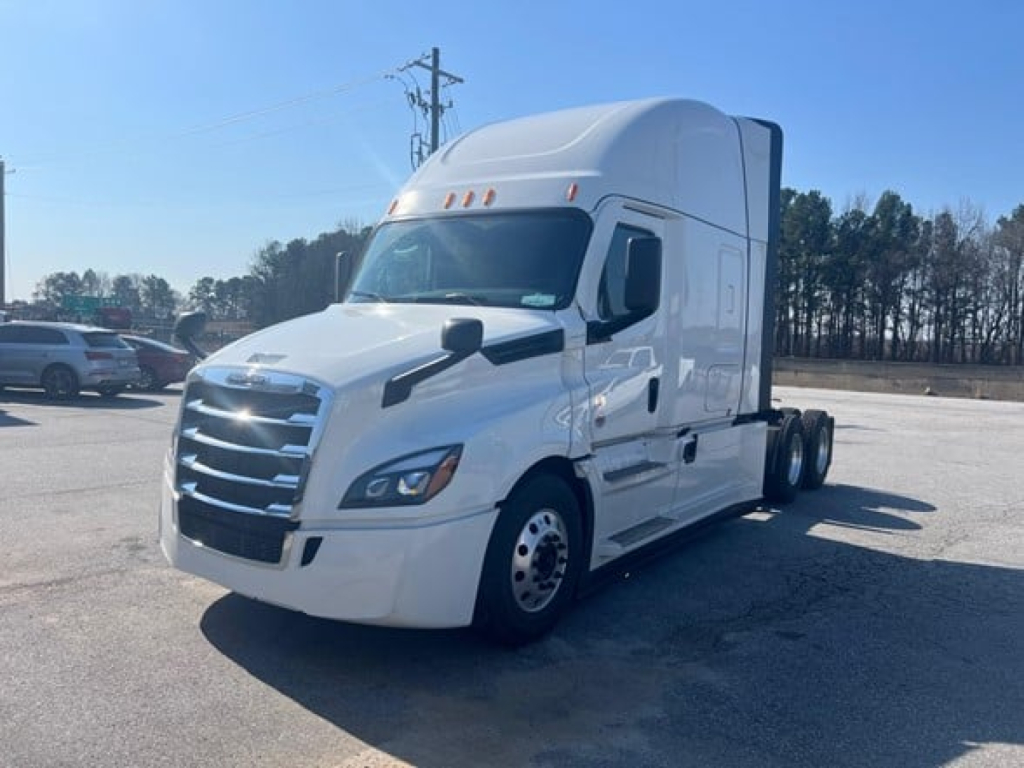
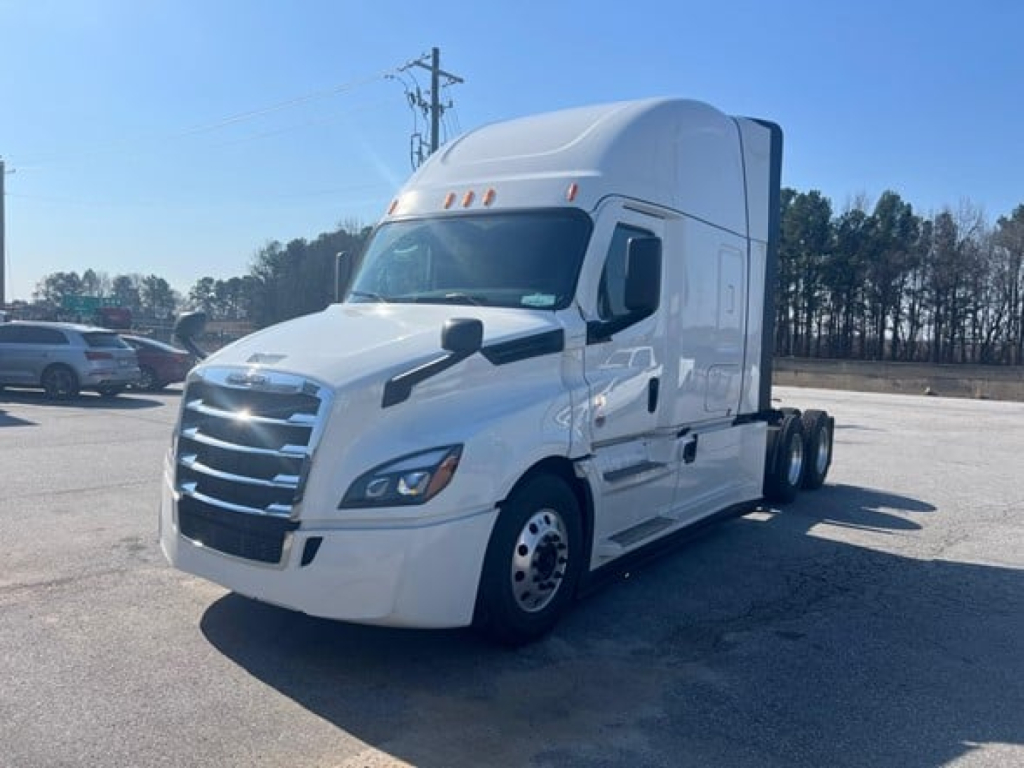
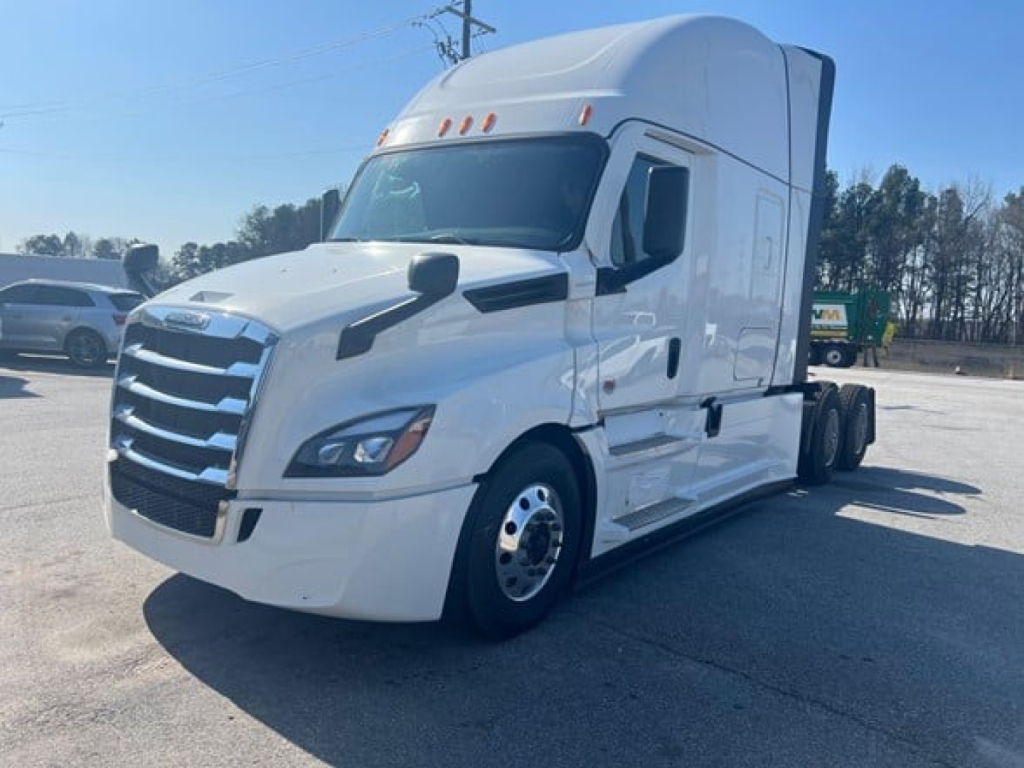
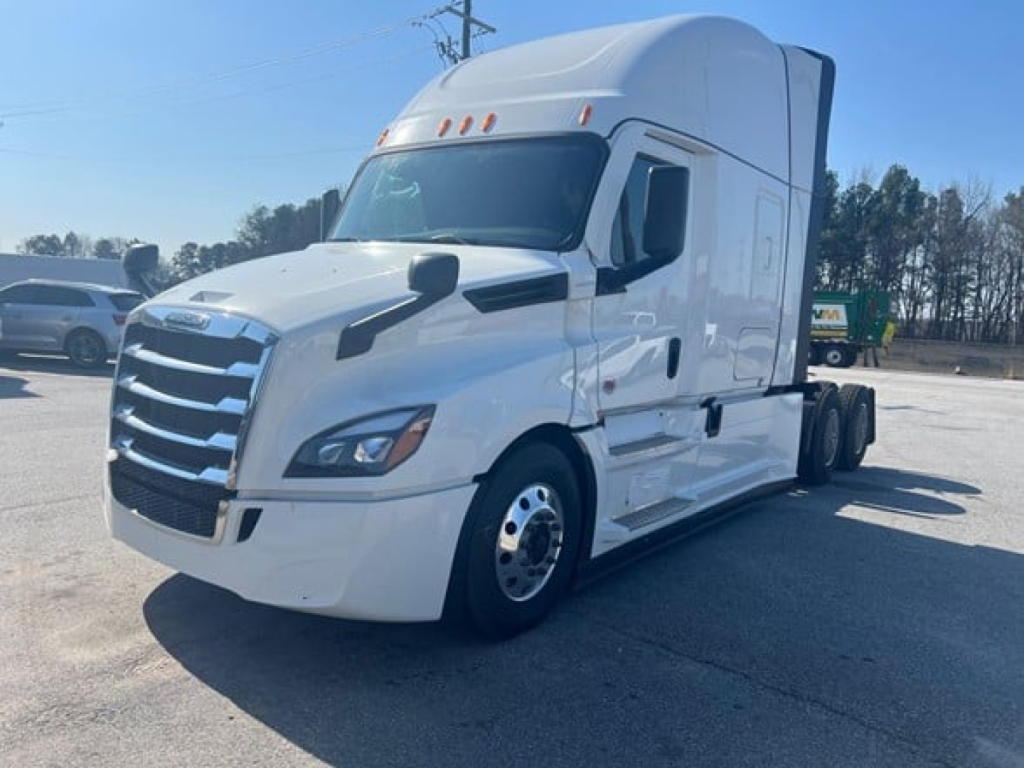
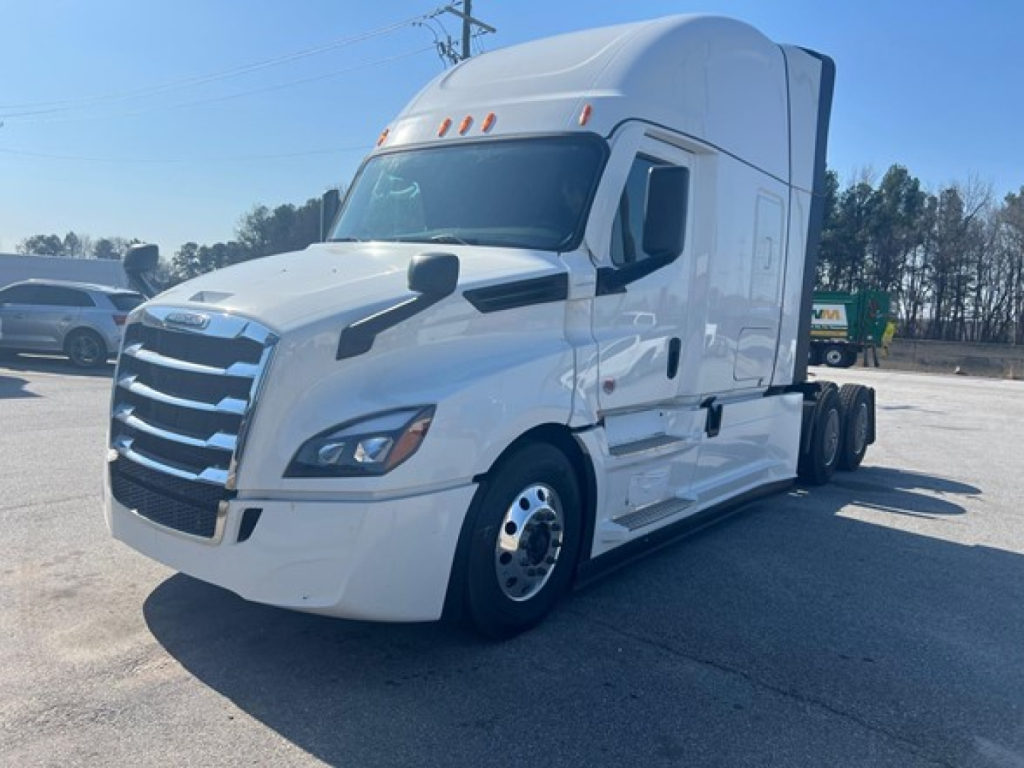
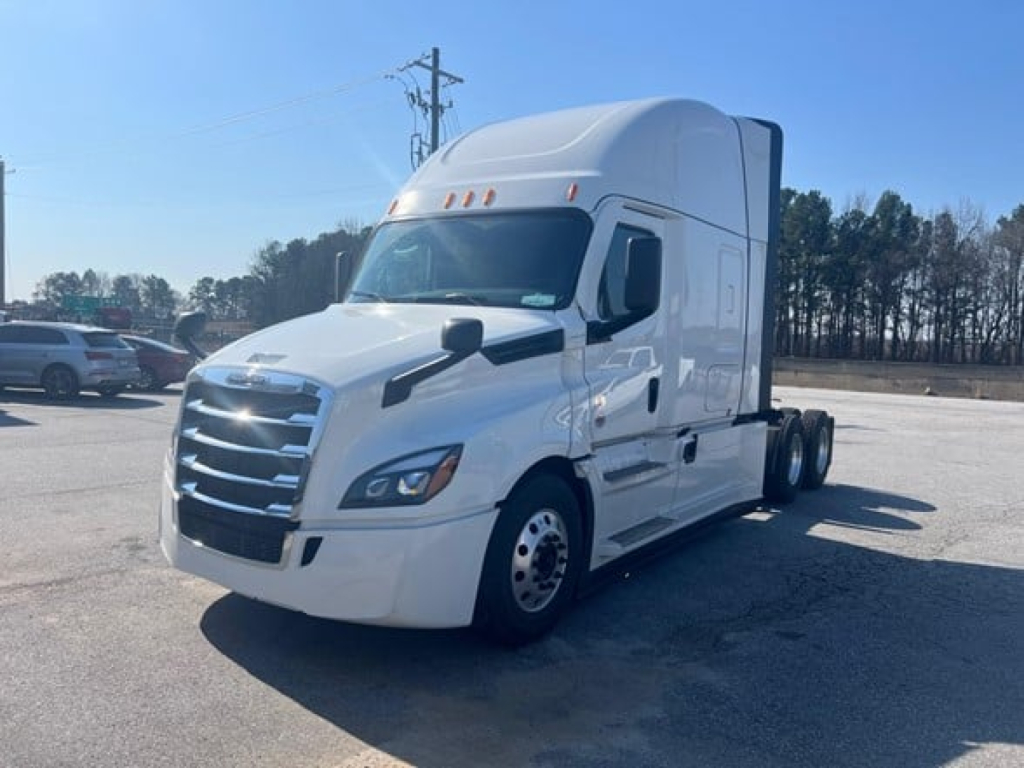
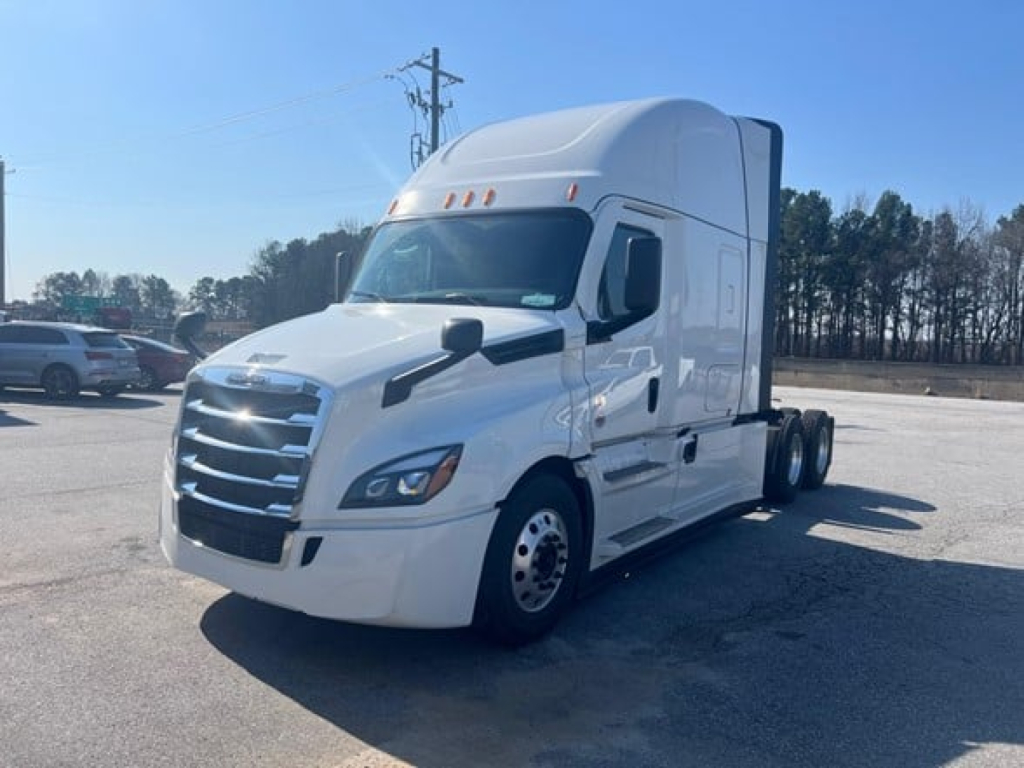
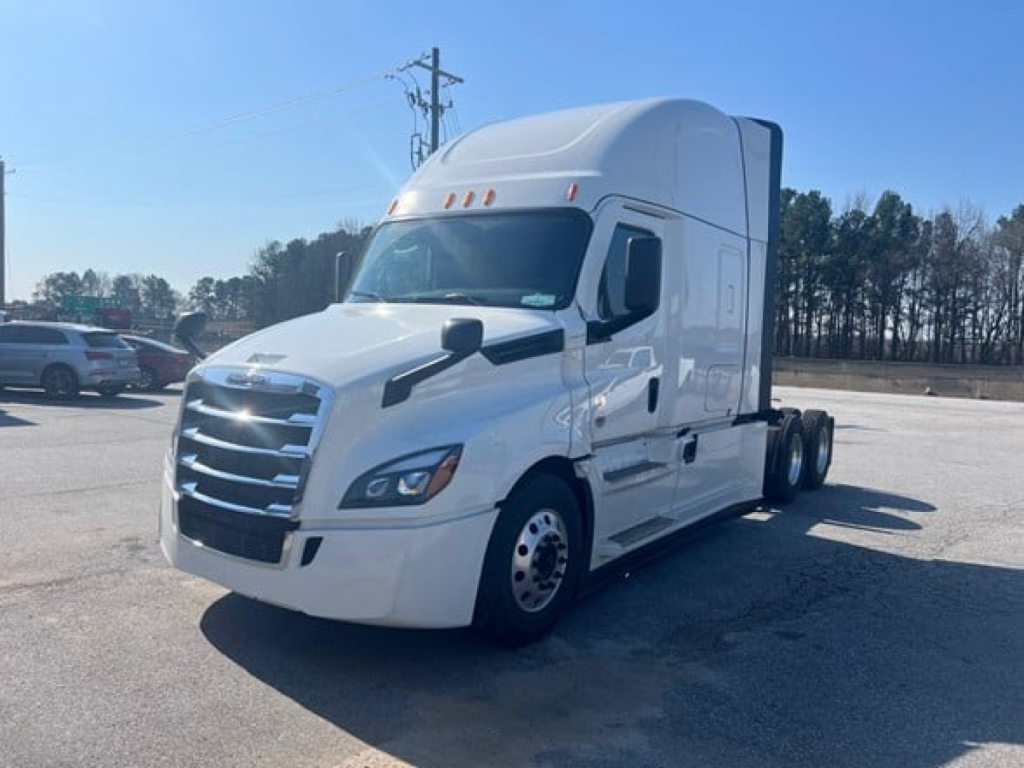
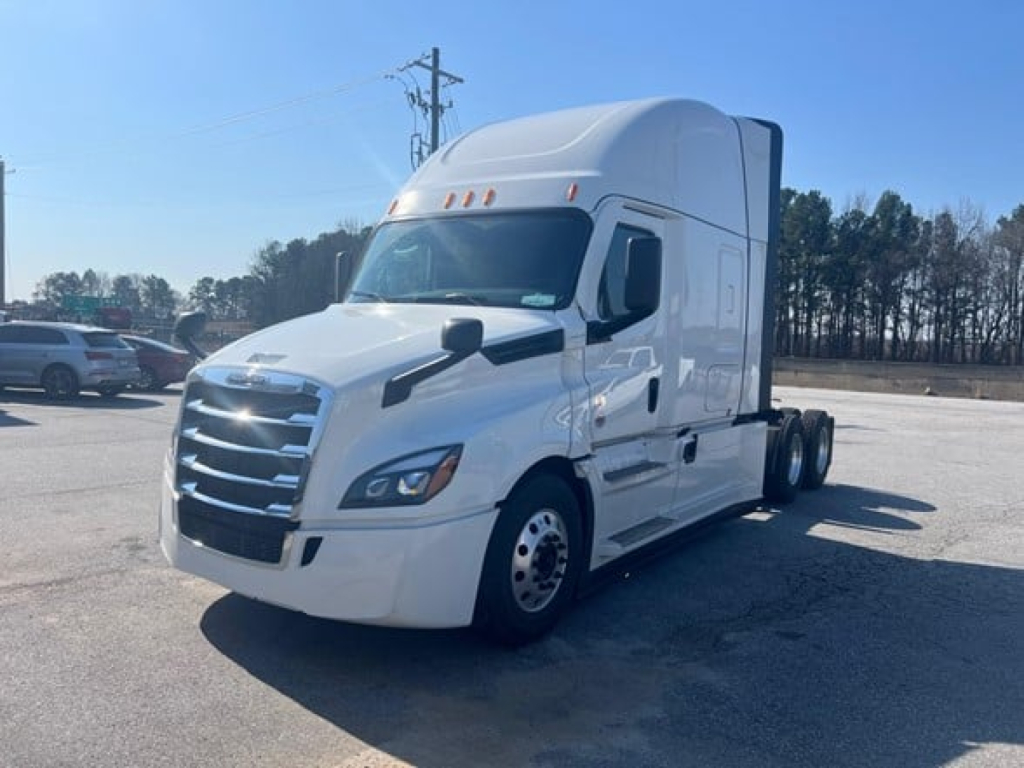
Showing 1 to 24 of 34 results
Have new conventional sleeper truck to sell? List it here to reach thousands of buyers.
New Conventional Sleeper Trucks in Georgia
The first decisions usually come down to sleeper size, wheelbase, and powertrain. Common sleeper configurations include 60-inch to 72-inch raised-roof layouts, often with single or double bunks, cabinet packages, refrigerator prep, shore power, diesel or battery-powered APUs, and in-cab HVAC solutions for idle reduction. Under the hood, buyers in this segment typically look at 13-liter to 15-liter diesel engines paired with automated manual transmissions, with horsepower commonly in the 450 to 505 HP range and rear axle ratios selected to balance startability, cruise RPM, and fuel burn. Wheelbase, fifth wheel travel, and tank capacity should match the trailer mix, kingpin settings, and lane length the truck will actually see.
Spec details separate a good sleeper tractor from one that fits the work. Air disc brakes, collision mitigation, adaptive cruise control, lane departure warning, side object detection, and camera-based visibility systems are increasingly common on new conventional sleepers, especially in fleet-focused specs. Buyers should also pay attention to front axle capacity, locking differentials, tire size, fairing configuration, and whether the truck is set up for van, reefer, or dedicated route applications. For operations pulling dry vans and refrigerated trailers across the Southeast, an aero package, optimized drivetrain, and idle-management equipment can make a noticeable difference in total operating cost.
Driver retention is another major factor in this category. A modern conventional sleeper can include double bunks, premium seating, inverter packages, microwave and refrigerator provisions, bunk heaters, and improved digital dash layouts that reduce fatigue over long miles. New units also offer full factory warranty coverage and current emissions technology, which can be an advantage for fleets standardizing maintenance and compliance. For buyers comparing listings, the smartest approach is to look past model year alone and focus on the exact sleeper layout, safety package, brake spec, drivetrain combination, and comfort equipment that best support the freight and drivers assigned to the truck.
Frequently Asked Questions about New Conventional Sleeper Trucks in Georgia
What is a conventional sleeper truck used for?
A conventional sleeper truck is used for long-haul and regional freight where the driver needs a built-in sleeping compartment behind the cab. It is the standard tractor configuration for over-the-road van, reefer, and many dedicated route operations because it combines highway aerodynamics, larger fuel capacity, and driver accommodations for overnight trips.
What sleeper size is most common on a new conventional sleeper tractor?
A 72-inch raised-roof sleeper is one of the most common configurations in the new truck market because it gives solo and team drivers enough room for bunks, storage, and common amenities without moving into a larger specialty platform. Smaller sleepers can work well for regional runs, but fleets focused on multi-day routes often prefer a larger raised-roof layout for comfort and retention.
Which specs matter most when buying a new conventional sleeper truck?
The most important specs are engine rating, transmission type, rear axle ratio, wheelbase, sleeper length, brake package, and safety technology. Buyers should also confirm fifth wheel position, fuel capacity, axle ratings, idle-reduction equipment, and driver comfort features because those details determine how well the truck matches trailer type, payload demands, route profile, and expected operating cost.
Are automated manual transmissions standard in new conventional sleeper trucks?
Automated manual transmissions are now very common in new conventional sleeper trucks and are often the preferred choice for fuel economy, driver consistency, and reduced clutch-related wear. They also help fleets onboard drivers faster and improve performance when paired with integrated engine and axle specs, although some operations still choose manuals for specific vocational or driver-preference reasons.
Why do Georgia buyers pay close attention to aero and idle-reduction specs?
Georgia freight operations often combine interstate highway miles, heavy metro traffic, warm weather, and port-related dwell time, so aerodynamics and idle-reduction equipment can have a direct impact on fuel cost and driver comfort. Features like fairings, optimized powertrain ratios, APUs, bunk heaters, and shore power capability help reduce unnecessary engine idle while supporting over-the-road use in southeastern conditions.