
New Day Cab Trucks For Sale in Georgia
Shop new day cab trucks in Georgia. Compare spec options for regional haul, port work, vocational use, fuel economy, and driver comfort.
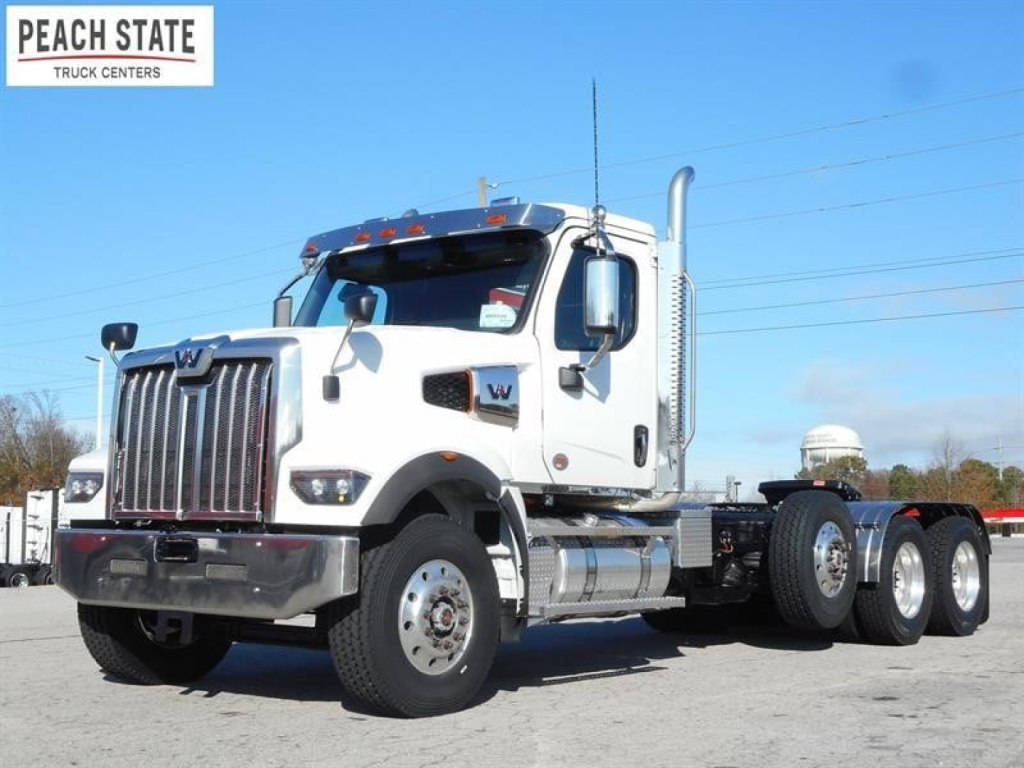
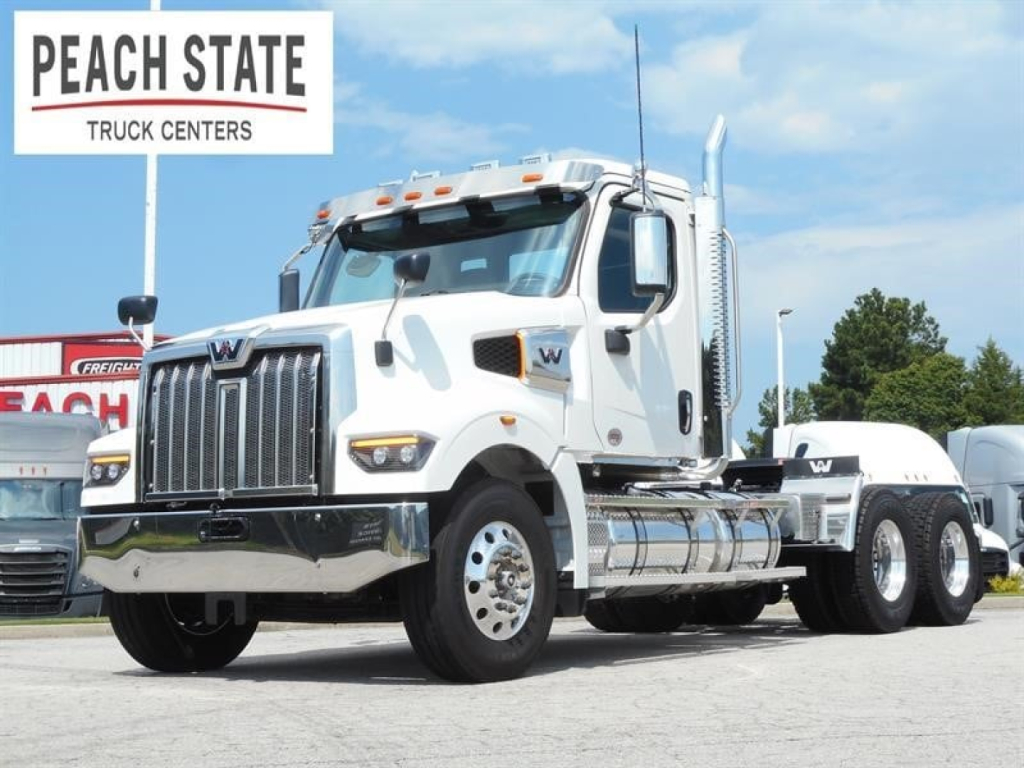
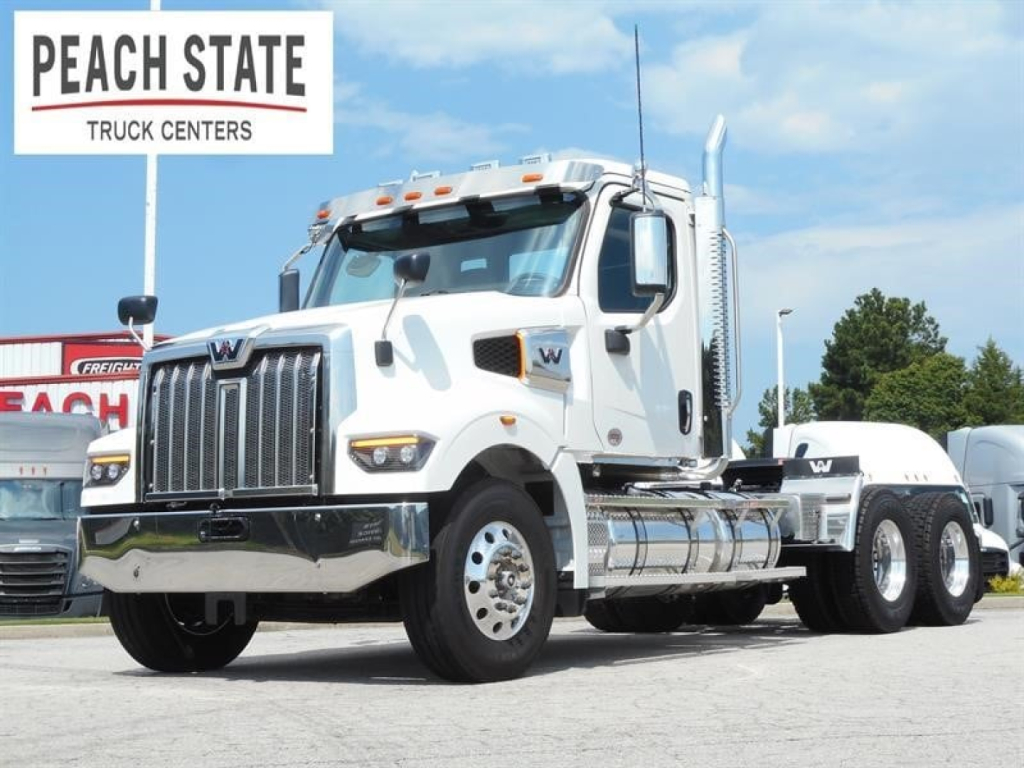
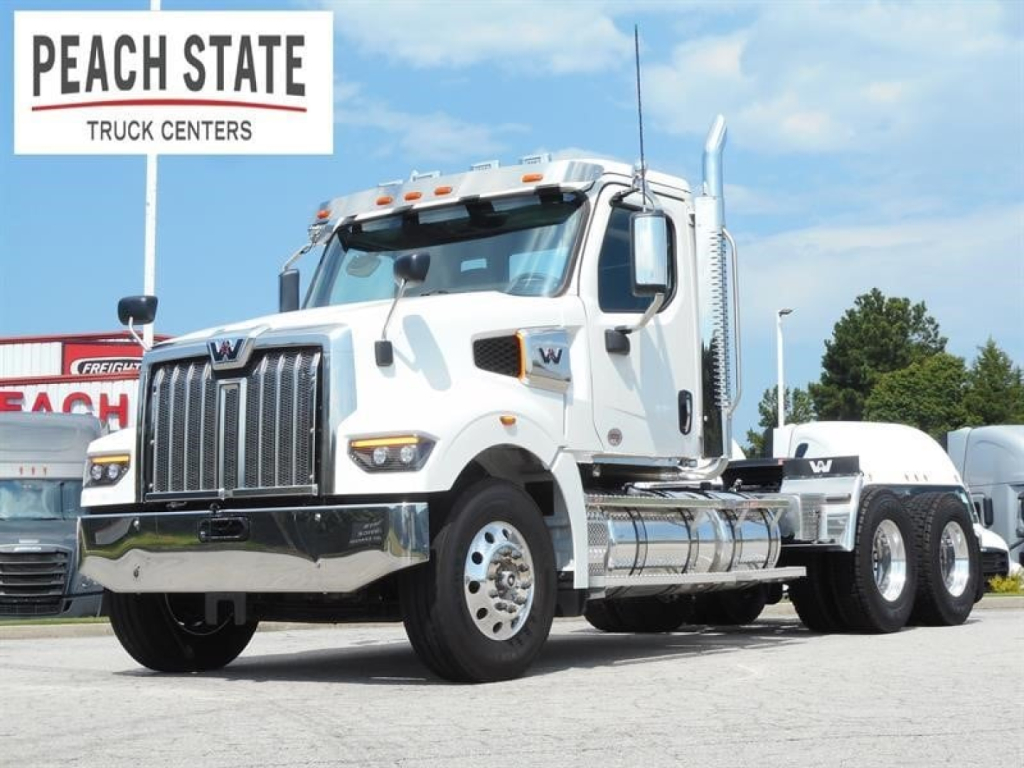
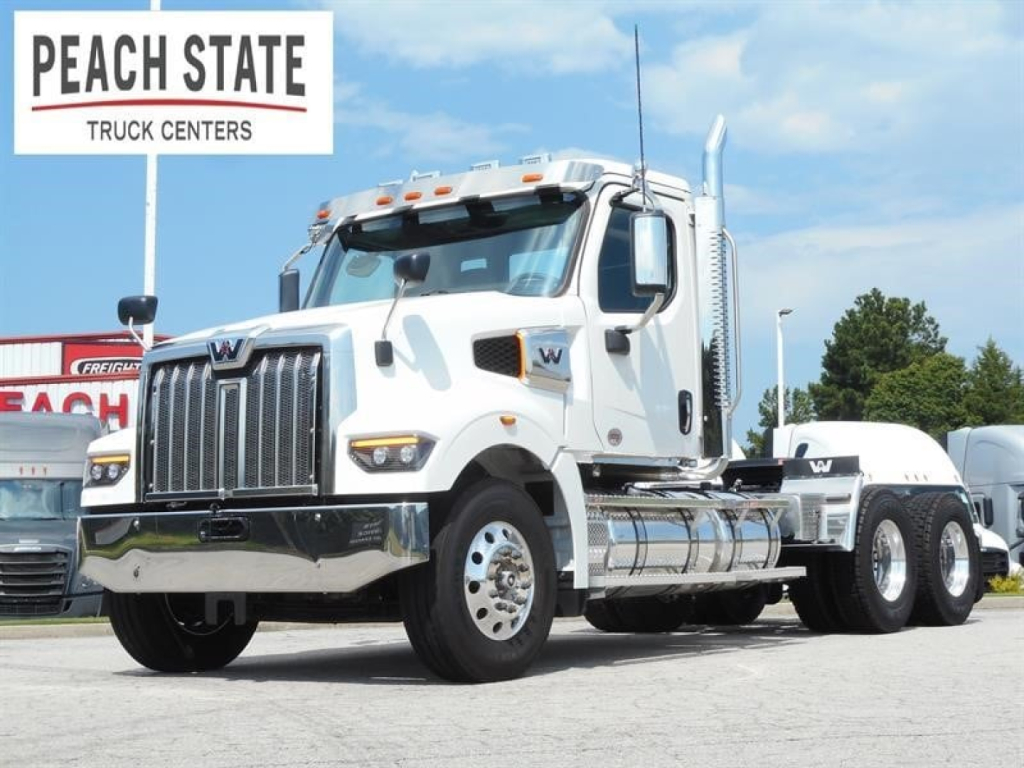
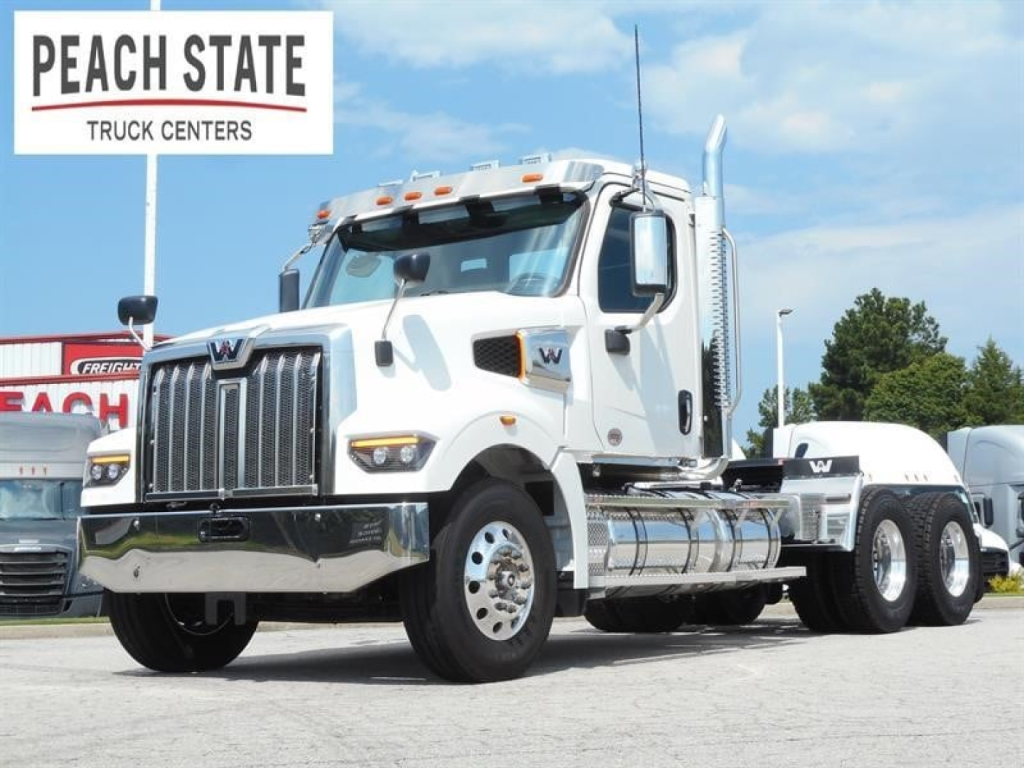
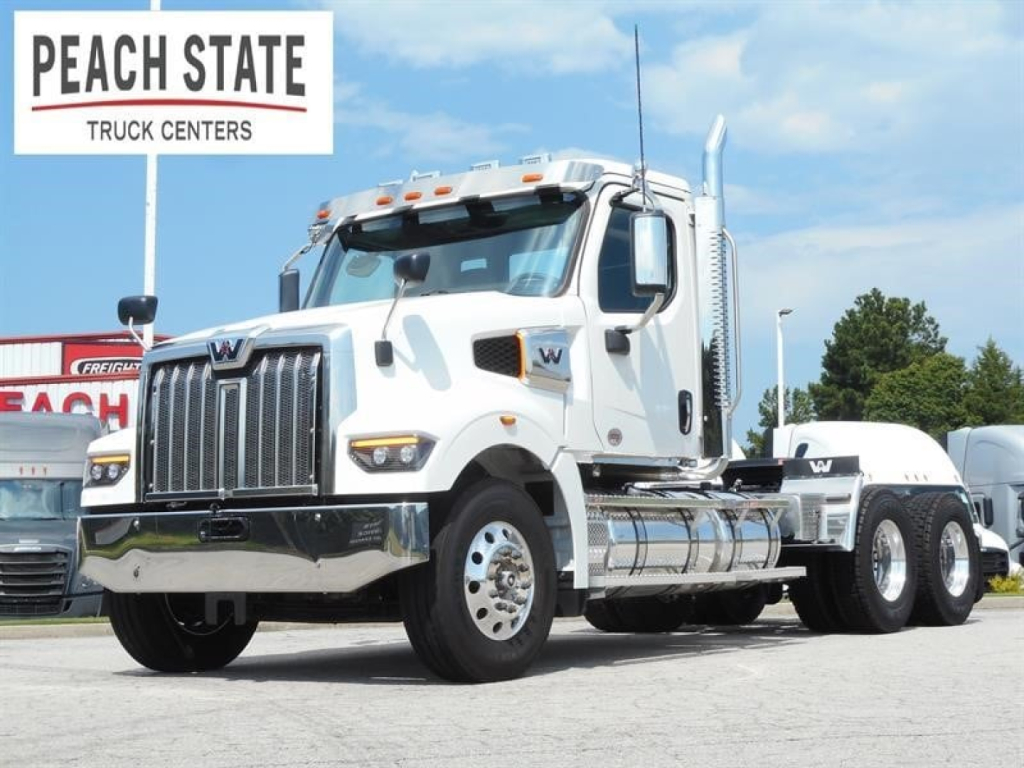
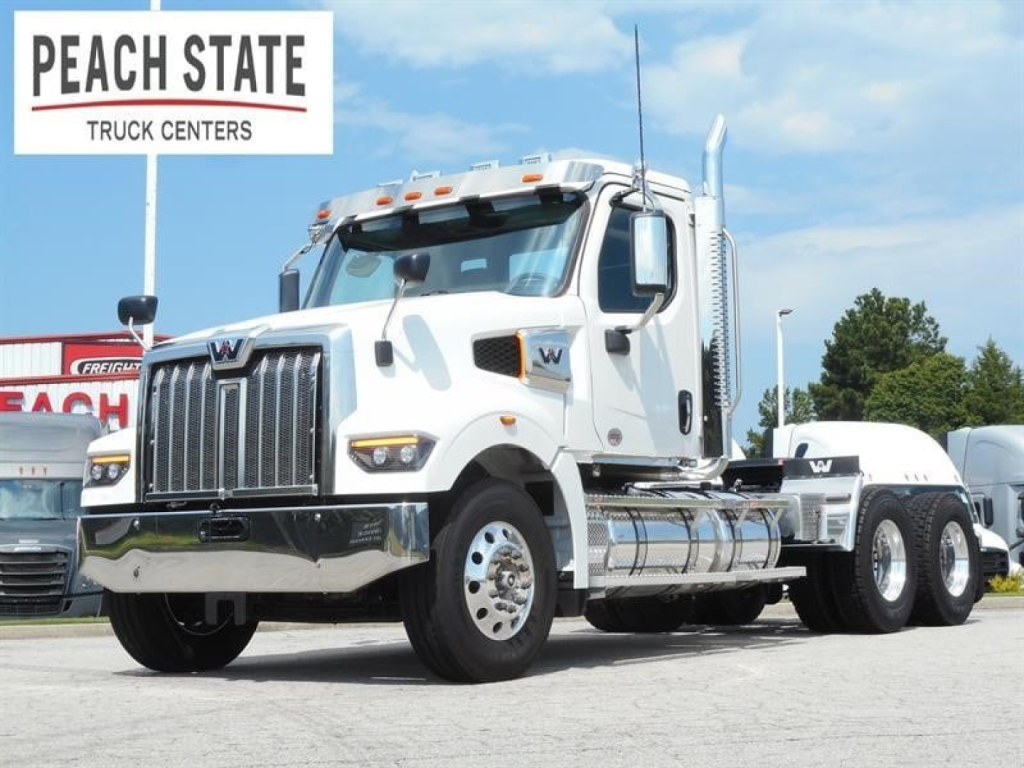
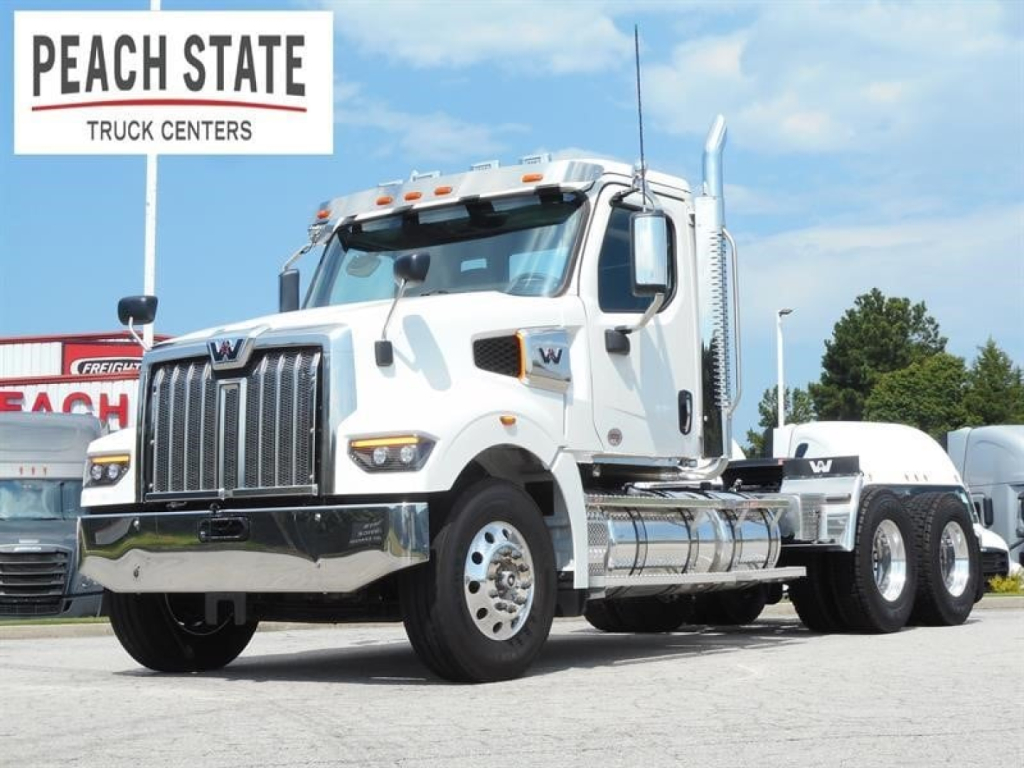
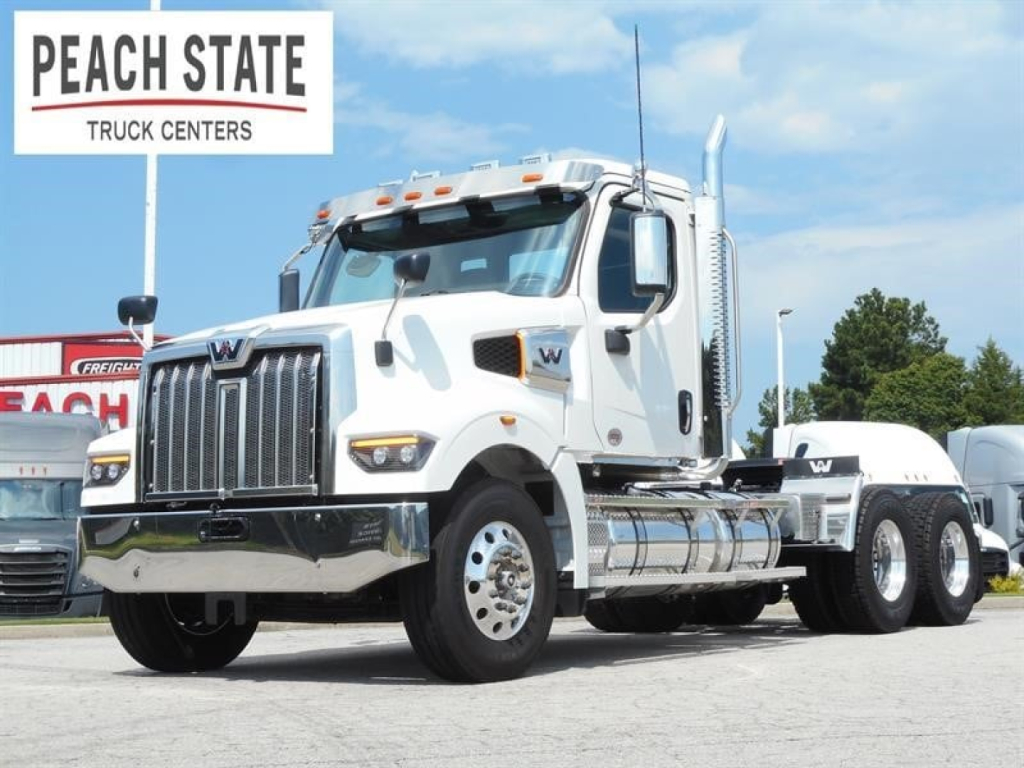
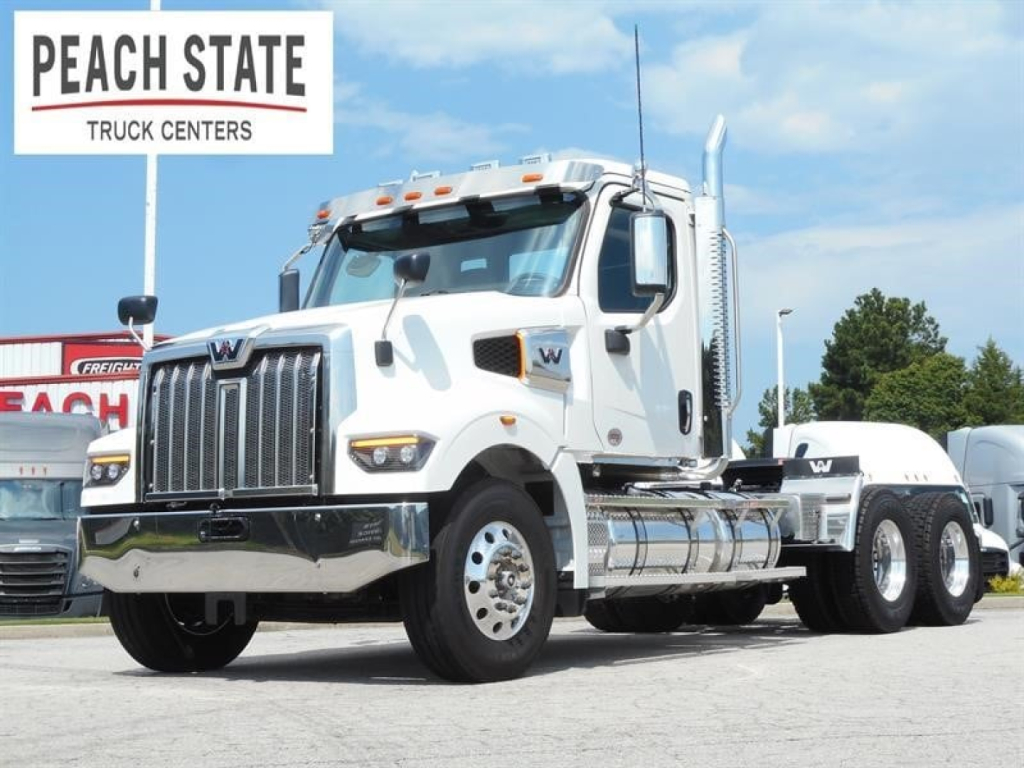
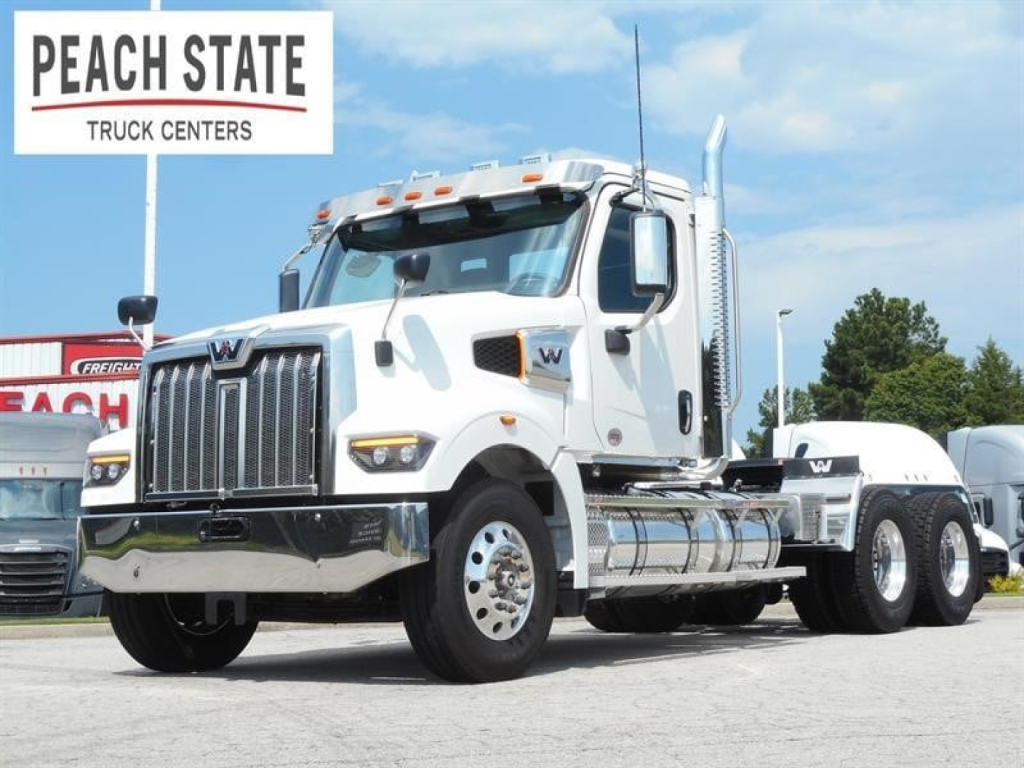
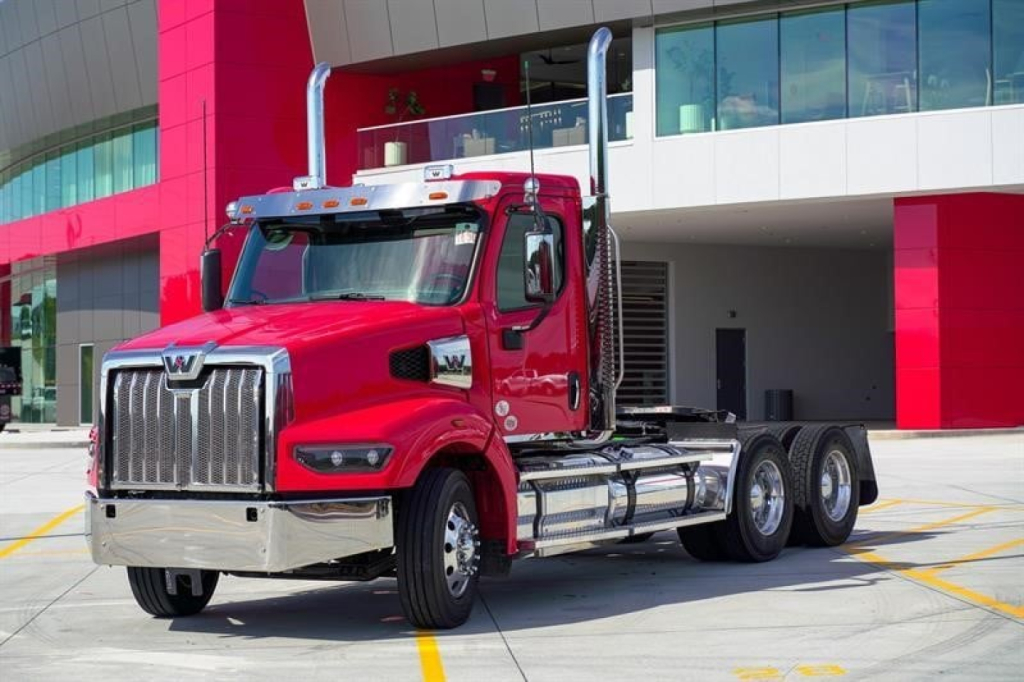
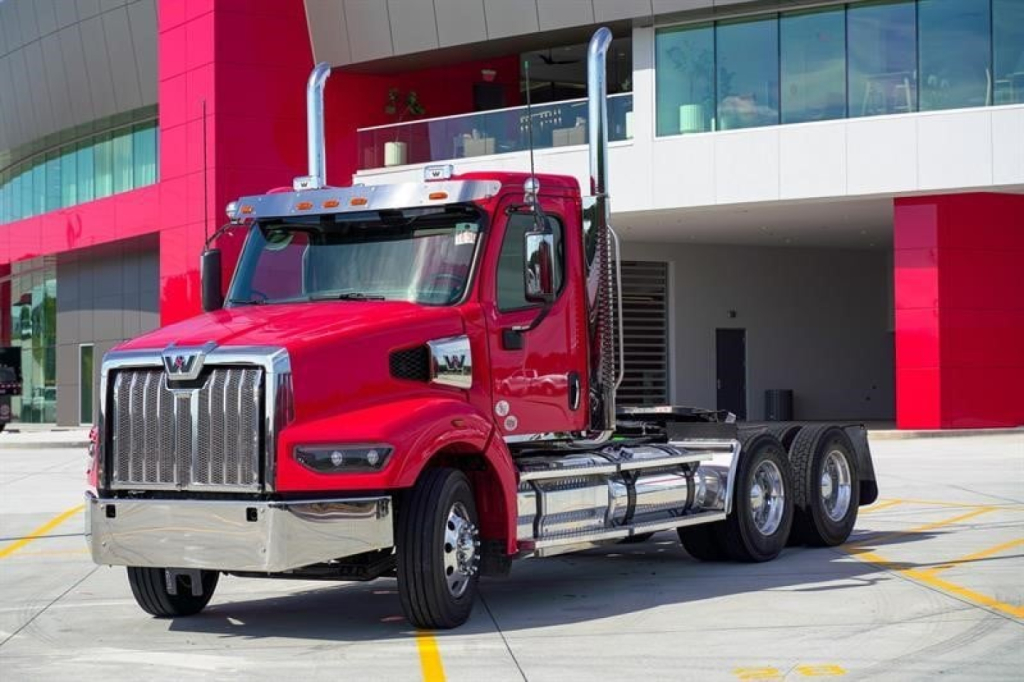
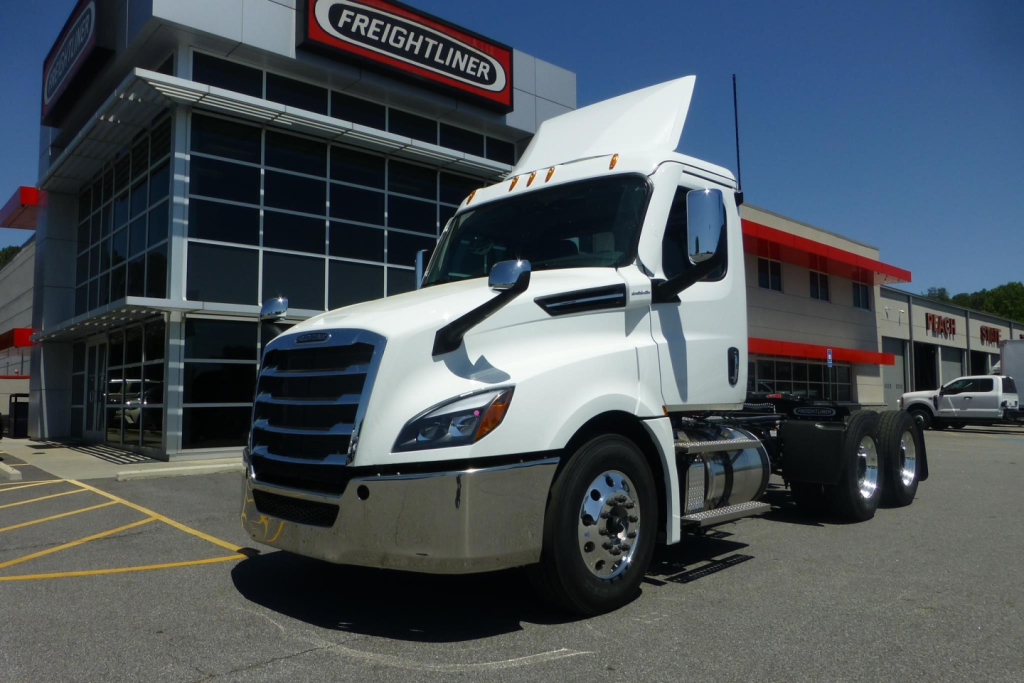
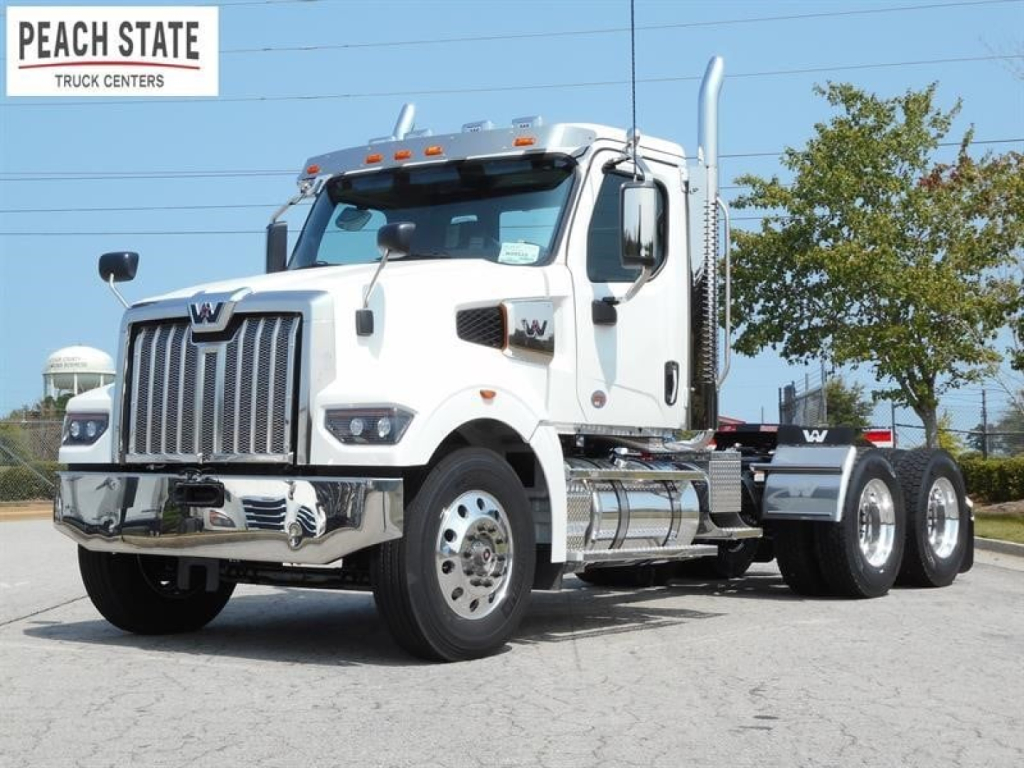
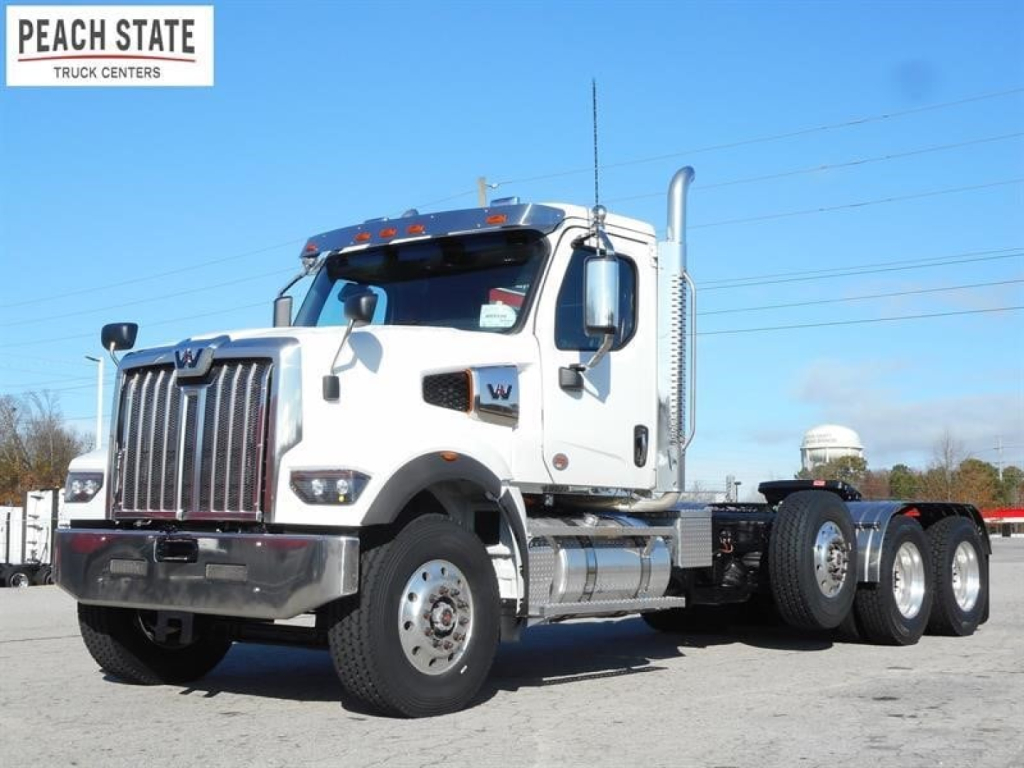
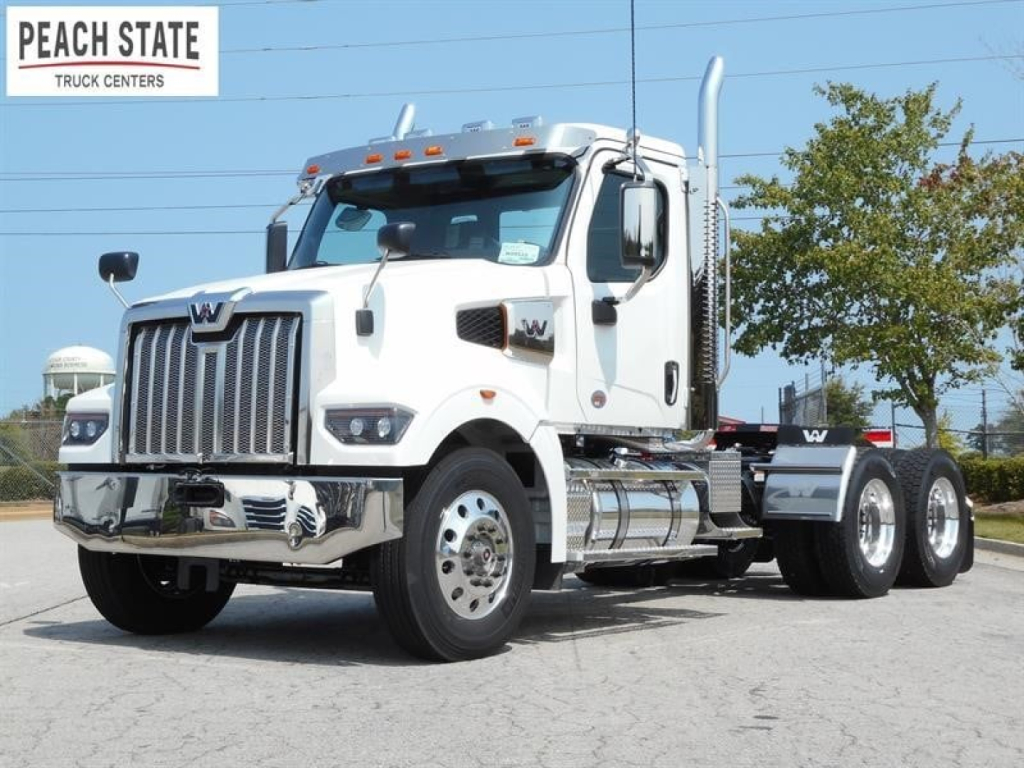
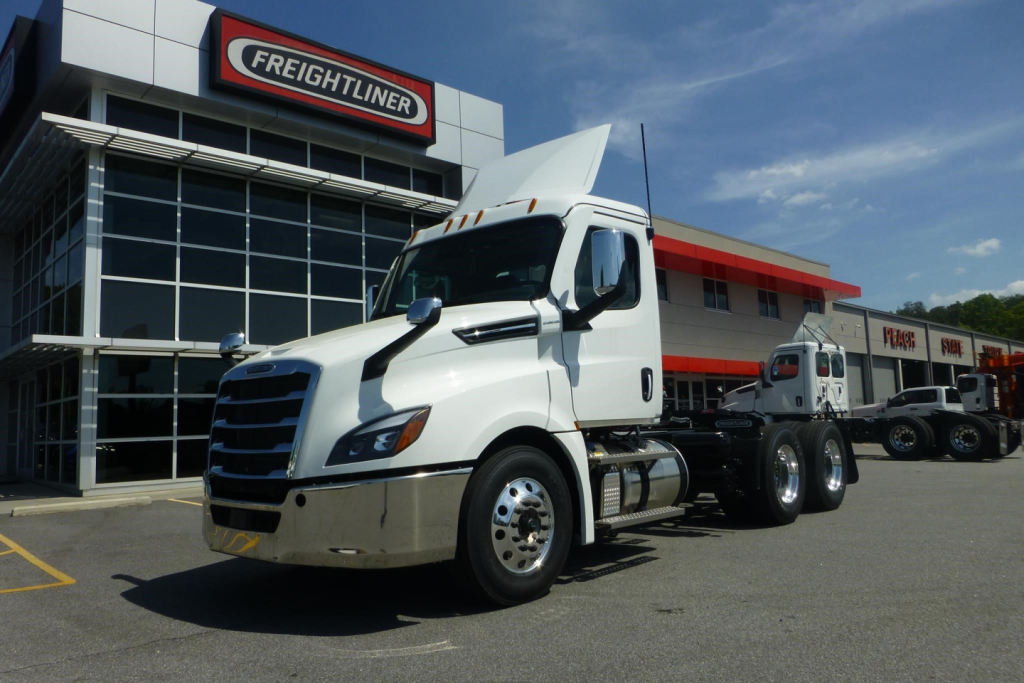
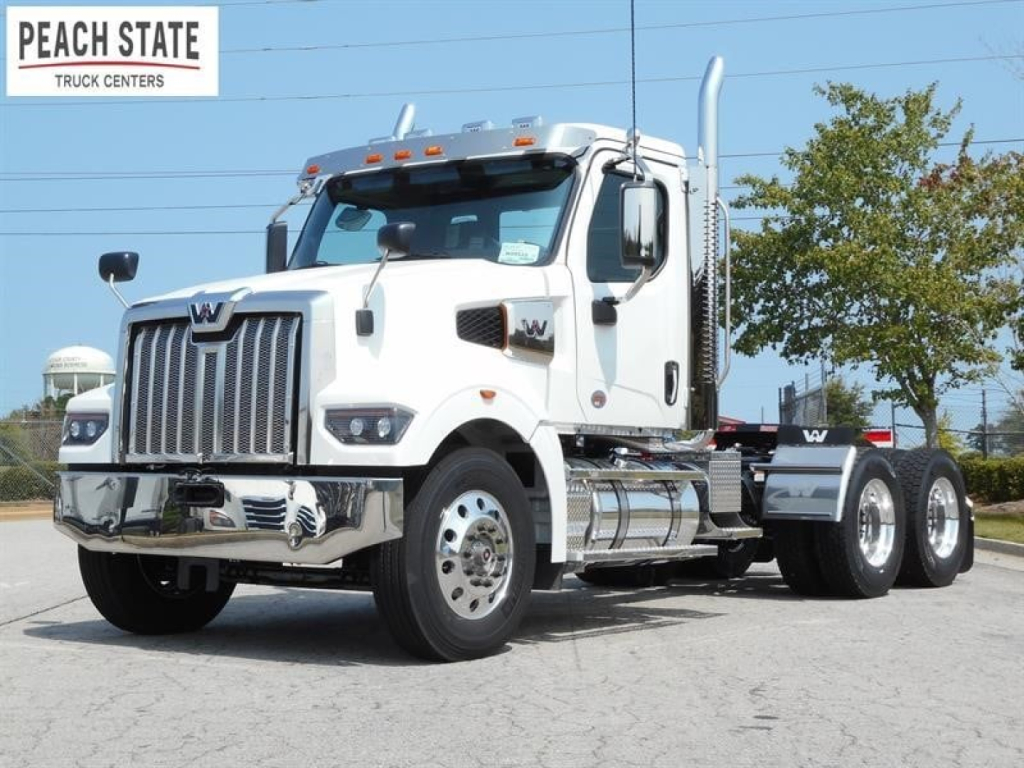
Selling a new day cab truck? List your new day cab truck for sale and reach thousands of commercial buyers.
New Day Cab Trucks in Georgia
Frequently Asked Questions about New Day Cab Trucks in Georgia
What is a day cab truck best used for?
A day cab truck is best suited for local, regional, and dedicated routes where the driver returns home the same day or does not need sleeper space. Common applications include dry van, reefer, container drayage, tanker, flatbed, and vocational tractor work. The shorter overall package can also improve maneuverability in terminals, ports, plants, and urban delivery environments.
What specs matter most when buying a new day cab in Georgia?
The most important specs are engine rating, transmission type, axle configuration, wheelbase, and rear axle ratio. Georgia fleets also pay close attention to cooling capacity, idle strategy, safety systems, and suspension setup because operating conditions can range from port congestion and city traffic to interstate regional haul. If the truck will pull heavy equipment or operate off pavement, front axle capacity, frame spec, and PTO readiness become more important than fuel economy alone.
Are automated manual transmissions common in new day cab trucks?
Yes. Automated manual transmissions are now common in new day cab trucks because they help with fuel efficiency, driver consistency, and ease of hiring. They are especially popular in regional haul and fleet service. Manual transmissions still have a place in certain heavy-haul and vocational applications where buyers want direct control, but the market has largely shifted toward automated options for general freight and dedicated operations.
How do I choose between a highway day cab and a vocational day cab?
A highway day cab is typically spec'd for lower weight, better aerodynamics, and fuel-efficient power ratings, making it a strong fit for van, reefer, and regional flatbed freight. A vocational day cab is usually built with heavier frames, higher horsepower and torque, tougher suspensions, and options such as dual steering gears, set-back or set-forward axle configurations, PTO provisions, and severe-duty components. The right choice depends on trailer type, gross combination weight, terrain, and how much time the truck spends on pavement versus jobsites.
Why do wheelbase and fifth wheel position matter on a day cab?
Wheelbase and fifth wheel position affect turning radius, bridge law compliance, trailer gap, ride quality, and weight distribution across the steer and drive axles. A shorter wheelbase can be an advantage in tight yards and urban work, while a longer wheelbase may be needed for heavier trailers, better ride, or specific body and equipment layouts. Buyers should also review sliding versus fixed fifth wheel setups, frame space for accessories, and kingpin settings on the trailers the truck will be expected to pull.