
New Flatbed Trucks For Sale in Georgia
Shop new flatbed trucks for sale in Georgia. Compare GVWR, bed length, diesel power, towing setup, and body options for jobsite use.
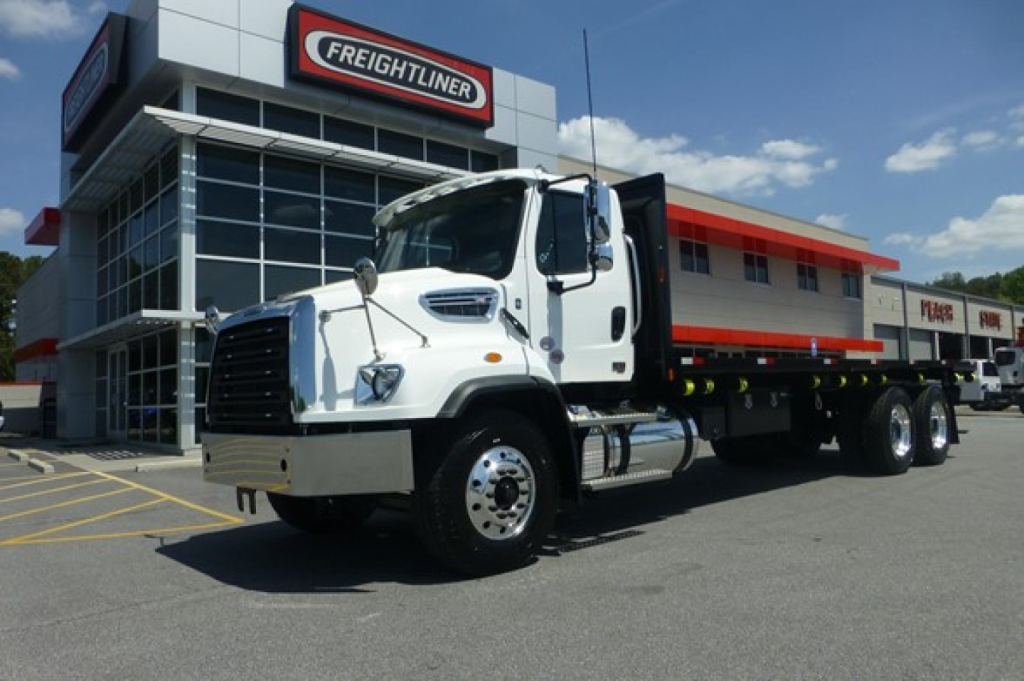
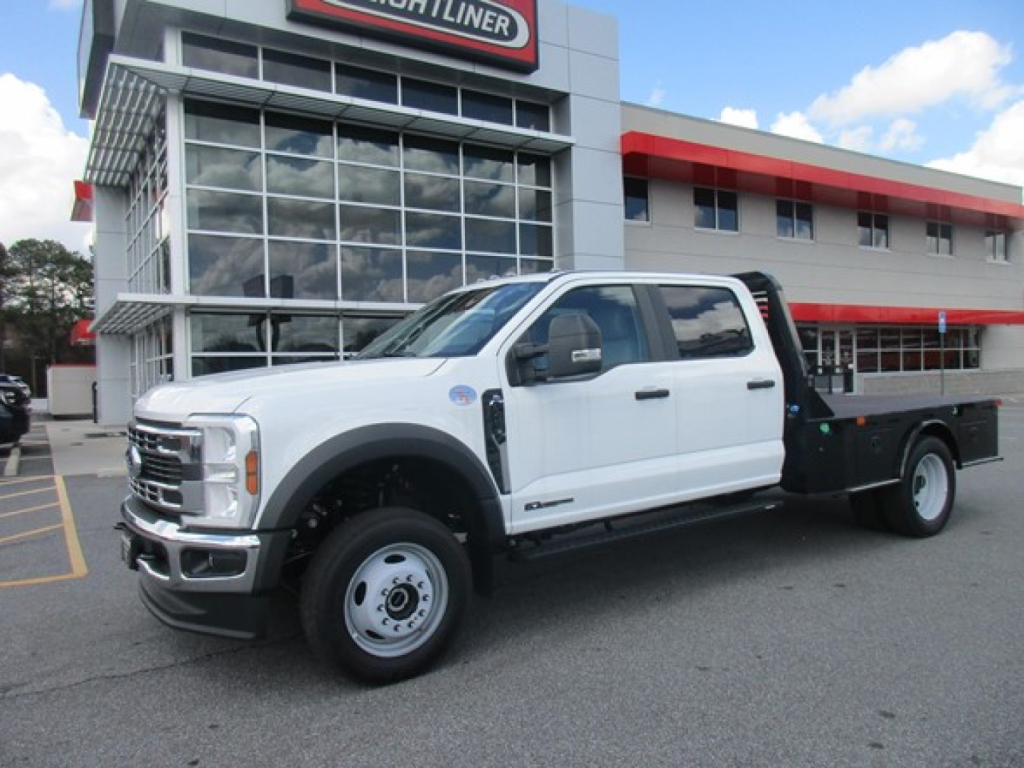
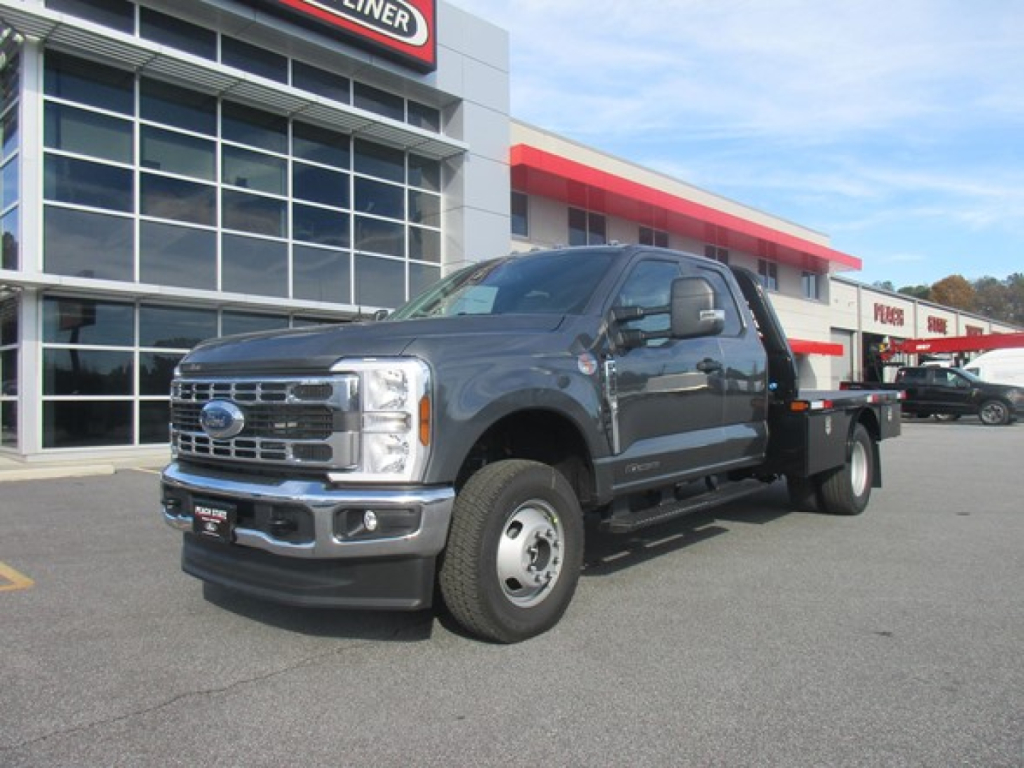
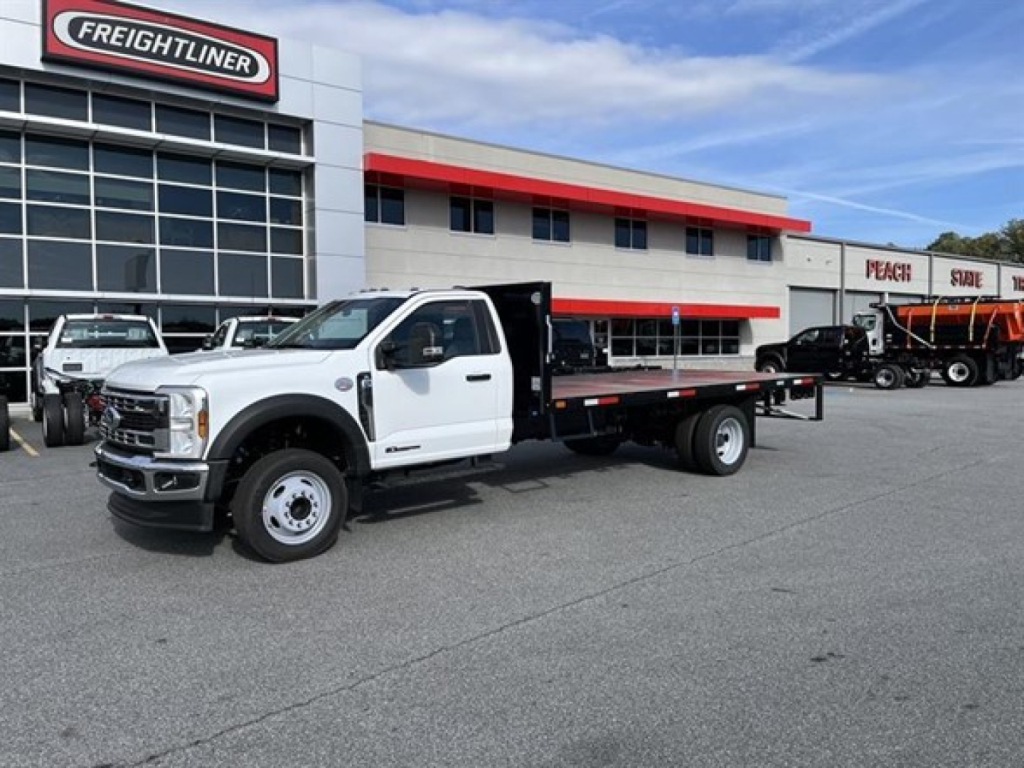
Have new flatbed truck to sell? List it here to reach thousands of buyers.
New Flatbed Trucks in Georgia
The first buying decision is usually chassis size and GVWR. Lighter Class 3 to Class 5 flatbeds, such as Ford F-350, F-450, and F-550 configurations, are common when maneuverability, CDL considerations, and towing flexibility matter most. Buyers should compare bed length, rear axle rating, suspension setup, wheelbase, and hitch equipment along with engine and transmission specs. On new diesel flatbed trucks, a 6.7L Power Stroke or comparable medium-duty diesel is common, often paired with an automatic transmission, integrated trailer brake controller, and factory tow package. If the truck will regularly pull a skid steer, mini excavator, or equipment trailer, gooseneck and fifth-wheel prep, receiver rating, and payload after body upfit deserve close attention.
Body design matters as much as the cab and chassis. Common flatbed setups include steel or aluminum floors, headache racks, rub rails, stake pockets, sliding winches, underbody tool boxes, skirted sides, and integrated tie-down points. Buyers hauling mixed cargo should look at deck width, crossmember spacing, and the placement of fuel fill, lights, and toolbox doors so daily loading stays efficient. A work truck used around Atlanta traffic or tight suburban jobsites may benefit from a shorter wheelbase and crew cab visibility features like backup cameras, while rural Georgia applications may prioritize 4x4 capability, higher ground clearance, and larger fuel capacity for longer runs between stops.
For a new flatbed truck, the real value is how well the upfit matches the work. A truck hauling lumber and pallets needs different securement and deck space than one set up for towing with a 30,000 lb gooseneck hitch. Buyers should verify GVWR, GCWR, payload, axle ratios, brake setup, and body manufacturer details before comparing listings. A properly specified flatbed truck can cover delivery, field service, equipment transport, and general jobsite support with less loading hassle than a pickup box and more flexibility than many enclosed bodies.
Frequently Asked Questions about New Flatbed Trucks in Georgia
What should I look for first when buying a new flatbed truck?
Start with GVWR, payload, and the actual bed configuration. Those three factors determine whether the truck can legally and efficiently carry your typical load. After that, compare cab style, wheelbase, engine, drivetrain, hitch setup, and body features like tool boxes, rub rails, stake pockets, and tie-down points. Many buyers focus on horsepower first, but bed length, rear axle capacity, and how the body is upfitted usually have a bigger impact on day-to-day usefulness.
What is the difference between a flatbed truck and a stake bed truck?
A flatbed truck has an open platform body with no permanent sides, which allows loading from the side, rear, or above. A stake bed truck uses the same basic platform concept but adds removable or fixed side panels supported by stake pockets. That setup helps contain loose or stacked materials while keeping some of the accessibility of a flatbed. Many buyers use the terms loosely, but the presence of side rails is the main distinction.
Are diesel flatbed trucks better for towing and heavy work?
Diesel flatbed trucks are often preferred for heavy towing, higher payload demands, and long service life under commercial use. They typically deliver stronger low-end torque, better performance with loaded trailers, and improved durability in severe-duty applications. Gas engines can still make sense for lighter-duty urban routes, lower annual mileage, or fleets focused on lower upfront cost and simpler maintenance. The better choice depends on GCWR, trailer weight, route length, and idle time.
What flatbed features matter most for contractor and jobsite use?
The most useful features usually include a headache rack, rub rail, stake pockets, underbody tool boxes, strong tie-down points, and a hitch setup matched to the trailer you actually pull. Contractors also benefit from 4x4 capability, backup cameras, trailer brake controllers, and deck surfaces that can stand up to forklifts, palletized loads, and chain securement. If the truck will carry equipment or building materials every day, deck length, crossmember strength, and easy access to cargo securement points should be evaluated closely.
Do I need to check payload after the flatbed body is installed?
Yes. The body, tool boxes, hitch equipment, fuel, and any accessories all reduce the remaining payload available for cargo. A chassis may have a strong factory weight rating, but the final usable payload depends on the completed truck as equipped. Buyers should confirm the finished curb weight, axle ratings, and payload sticker or upfitter documentation before putting the truck into service. That is especially important on trucks with diesel engines, 4x4 drivetrains, crew cabs, and heavy steel bodies, because those options add weight quickly.