
New Ford Flatbed Trucks For Sale in Georgia
Shop new Ford flatbed trucks in Georgia. Compare F-350, F-450, and F-550 specs, GVWR, bed setups, towing features, and work-ready options.
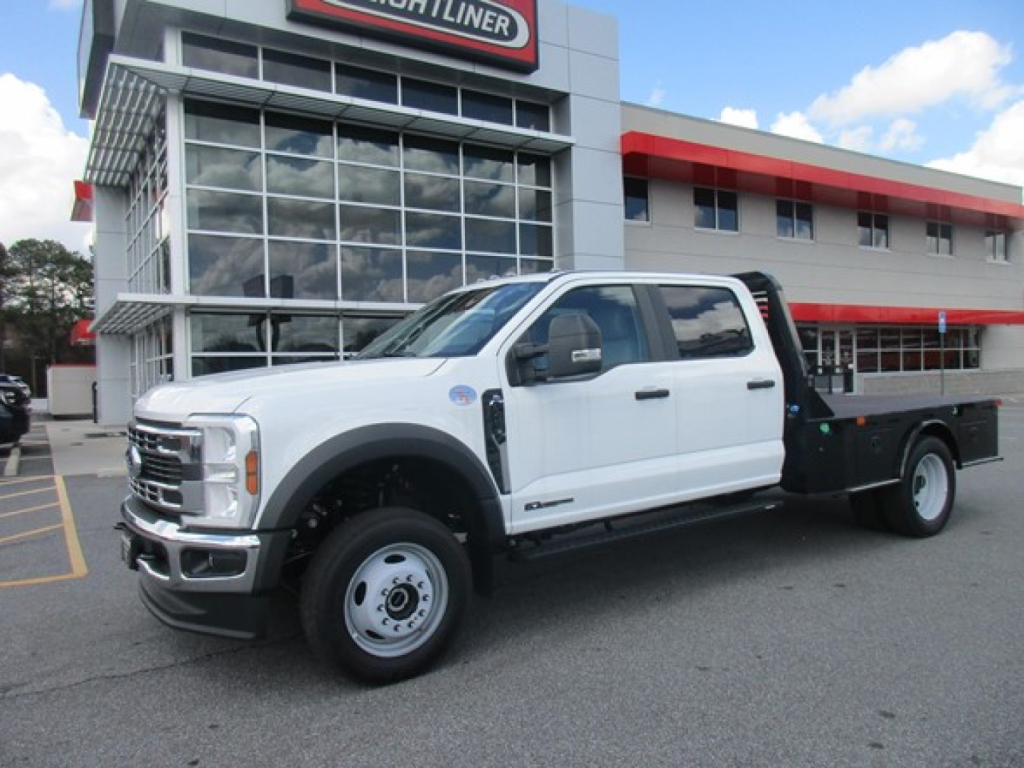
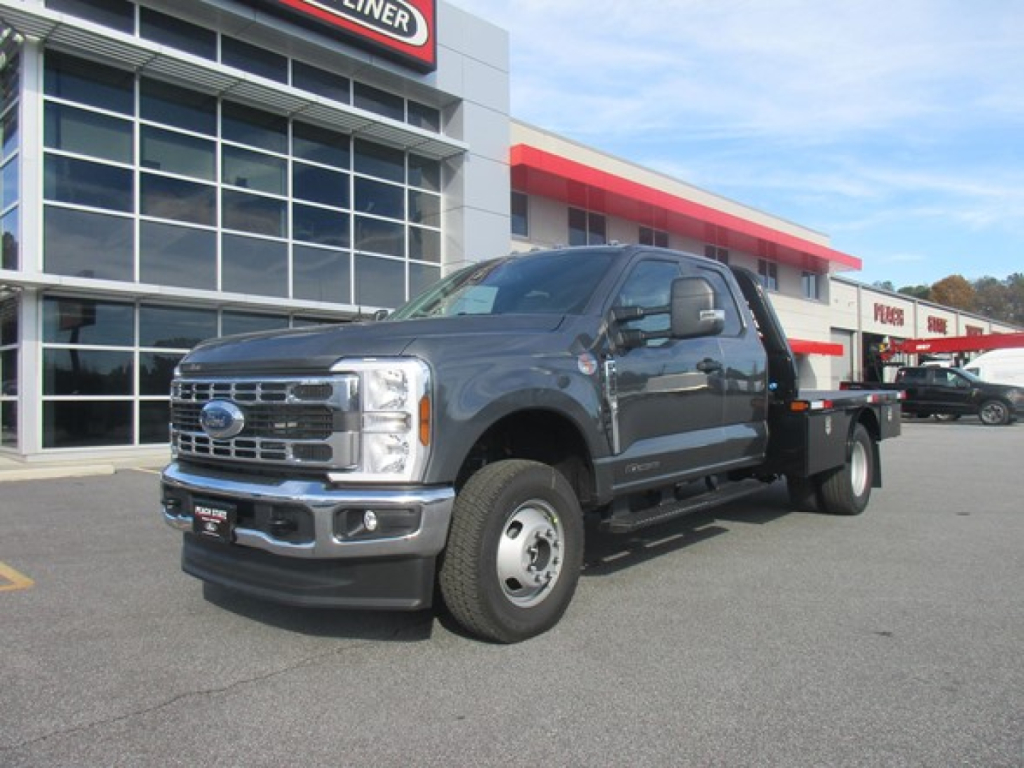
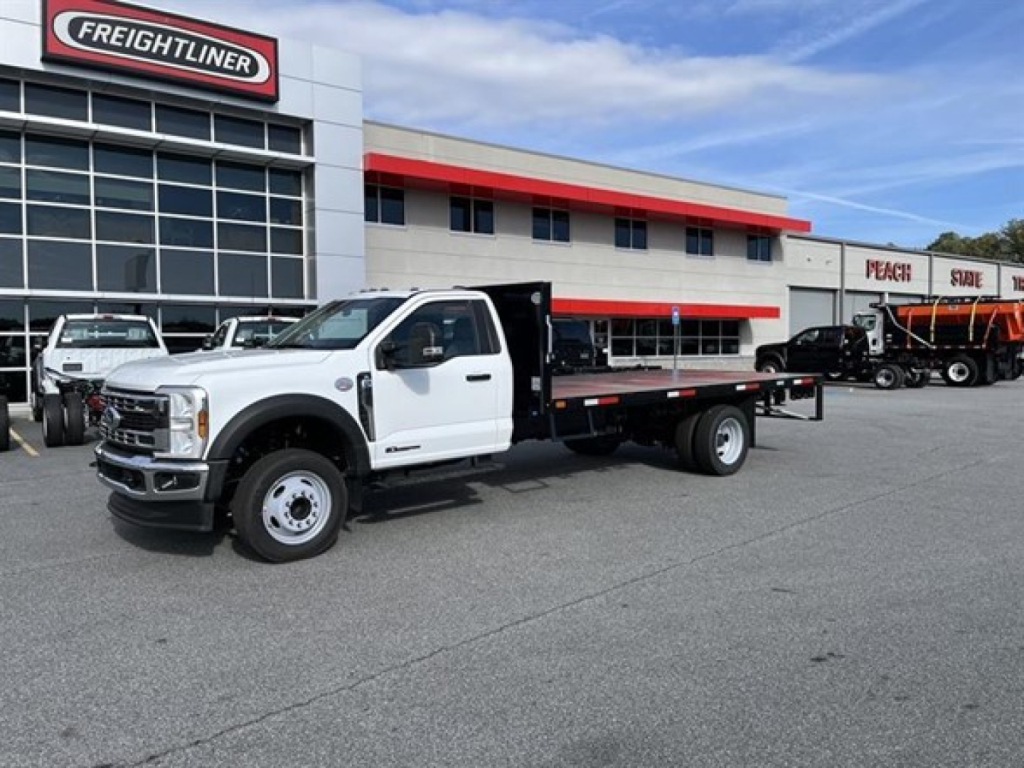
Have new ford flatbed truck to sell? List it here to reach thousands of buyers.
New Ford Flatbed Trucks in Georgia
One of the biggest buying decisions is chassis size and bed length. An F-350 flatbed can be a practical choice for lighter material delivery, service work, and gooseneck towing, especially when maneuverability matters on job sites or rural properties. Moving up to an F-450 or F-550 usually adds axle capacity, higher GVWR, and a stronger foundation for heavier trailers, palletized loads, or mounted equipment. Common bed lengths in this class run around 9 to 16 feet depending on wheelbase and application, and buyers should pay attention to deck width, rub rail design, stake pockets, headache racks, underbody storage, and whether the body includes skirted sides, integrated toolboxes, winches, or sliding track systems.
Ford flatbed trucks in this range are typically powered by the 6.7L Power Stroke diesel paired with a 10-speed automatic transmission. That combination is popular because it delivers strong low-end torque for towing, good drivability in mixed highway and jobsite use, and broad dealer support. Georgia buyers often look closely at trailer equipment such as factory tow packages, trailer brake controllers, rear view cameras, gooseneck or fifth-wheel prep, and rated hitch capacity. On flatbeds intended for equipment or material handling, details like crossmember spacing, deck material, rear receiver rating, and fuel tank capacity can matter as much as the engine badge. If the truck will spend time on unpaved access roads, 4x4 availability, tire choice, and rear suspension spec are also worth reviewing.
Body configuration matters just as much as the truck itself. Some new Ford flatbeds are set up as simple work platforms, while others are built as fully equipped contractor trucks with underbody boxes, chain racks, winches, and secure tie-down points. Buyers comparing listings should confirm the actual payload after the body is installed, not just the chassis rating, and should verify bed manufacturer, body warranty, and hitch ratings for bumper-pull versus gooseneck use. In a market like Georgia, where these trucks may split time between construction sites, farm use, municipal work, and regional hauling, the best choice is usually the one with the right balance of deck space, towing hardware, storage, and axle capacity rather than simply the highest advertised rating.
Frequently Asked Questions about New Ford Flatbed Trucks in Georgia
What is the difference between a Ford F-350, F-450, and F-550 flatbed truck?
The main differences are GVWR, axle capacity, frame strength, and how much payload and trailer weight the truck is designed to handle. An F-350 flatbed is commonly used for lighter contractor work, service applications, and moderate gooseneck towing. An F-450 steps up with more capacity and is often chosen when heavier trailers or more demanding daily use are expected. An F-550 usually provides the highest chassis capacity in this group and is better suited for heavier bodies, larger flatbeds, and more intensive commercial use.
What bed length is typical on a new Ford flatbed truck?
Bed length depends on wheelbase, cab configuration, and chassis model, but many Ford Super Duty flatbeds in this segment fall between about 9 and 16 feet. Shorter beds are common on pickup-based F-350 and F-450 builds where maneuverability and towing are priorities. Longer 12-foot to 16-foot bodies are more common on heavier configurations where deck space for materials, equipment, or mounted accessories is the main goal. Buyers should verify usable deck length and width, not just the nominal body size.
Is a diesel engine the best choice for a Ford flatbed truck?
For many commercial applications, the 6.7L Power Stroke diesel is the preferred choice because it offers strong torque for towing, hauling, and stop-and-go work with a loaded bed or trailer. It is especially useful when the truck will regularly pull a gooseneck, carry heavier payloads, or operate over longer distances. A gas engine can still make sense for lighter-duty applications with lower annual mileage or lower upfront budget targets, but diesel is often favored in this class for sustained work capacity and resale appeal.
What features should I look for on a flatbed body?
The most useful flatbed features depend on the job, but buyers commonly look for stake pockets, rub rails, a headache rack, underbody toolboxes, tie-down points, and a hitch setup matched to the trailer they plan to pull. Sliding track systems and winches can be valuable for securing equipment or irregular loads. Deck material, crossmember construction, and rear lighting protection also matter because they affect durability and service life. A body that is well matched to the work usually adds more value than extra trim on the cab.
Do I need to check payload and towing ratings after the flatbed is installed?
Yes. The final payload and towing capability can change once the flatbed body, toolboxes, hitches, and other accessories are installed. The chassis rating is only the starting point. Buyers should confirm the completed vehicle weight, rear axle rating, tire capacity, and hitch rating so they know what the truck can legally and safely carry or tow in real service. This is especially important on trucks equipped with gooseneck hitches, crane provisions, or heavy storage bodies.