
New Ford Flatbed Trucks For Sale
Shop new Ford flatbed trucks including F-350, F-450, and F-550 models built for hauling equipment, materials, tools, and trailers.
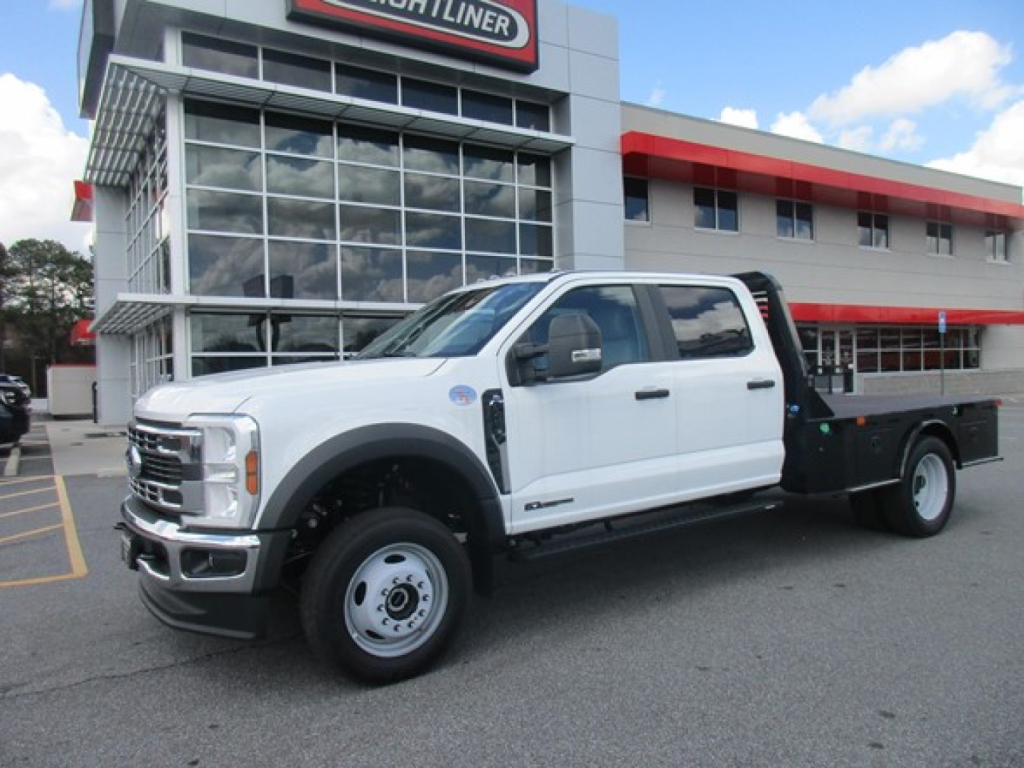
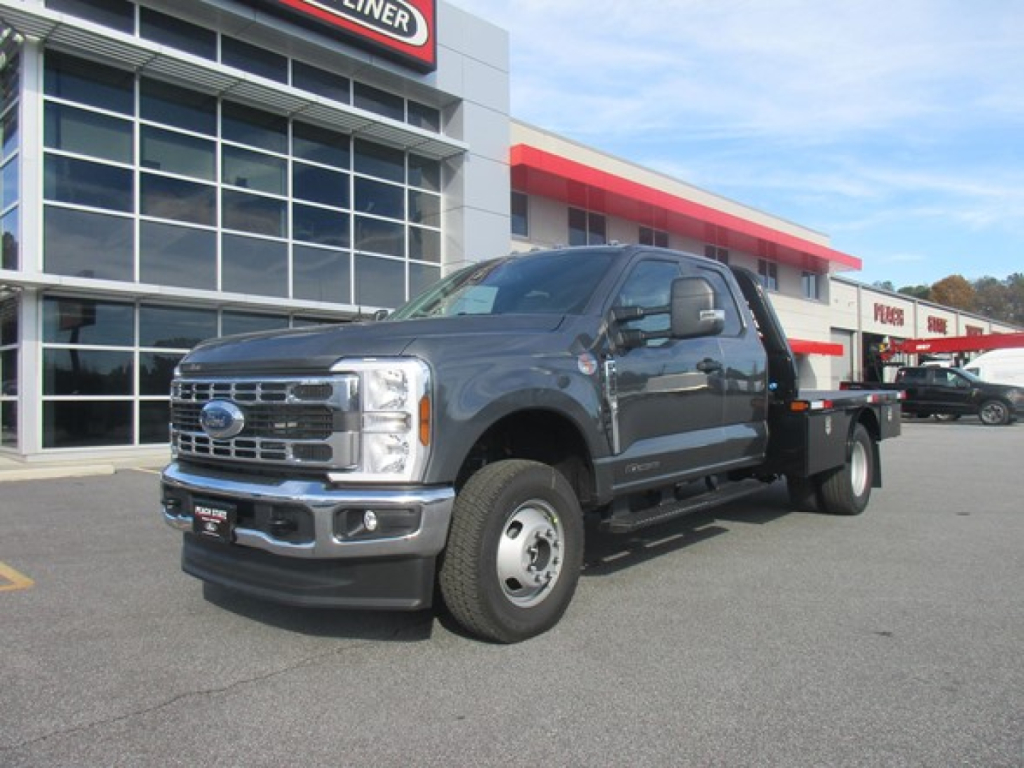
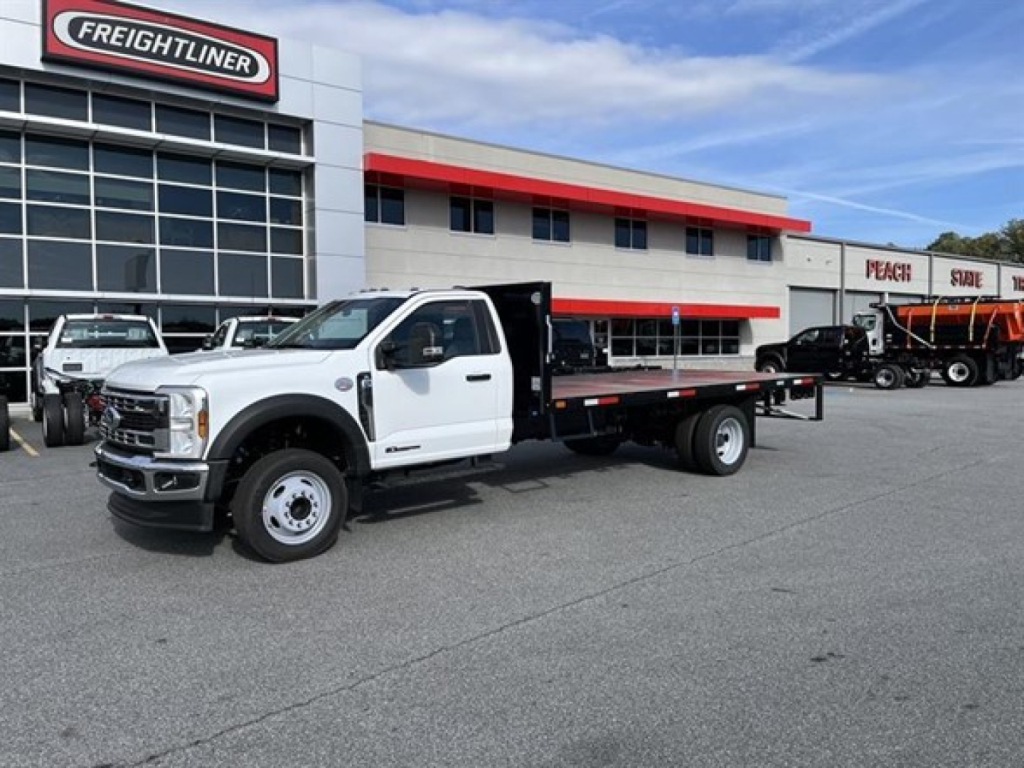
Have new ford flatbed truck to sell? List it here to reach thousands of buyers.
New Ford Flatbed Trucks
Ford flatbed trucks in this class are commonly equipped with the 6.7L Power Stroke diesel and a 10-speed automatic transmission. That combination is popular because it delivers strong low-end torque, good drivability under load, and broad support across the Super Duty lineup. Common spec points include 4x2 or 4x4 drive, regular cab, SuperCab, or crew cab layouts, spring suspension, 19.5-inch wheel packages on heavier models, and axle ratios selected for towing and startability. On body specs, buyers should pay attention to deck length, bulkhead design, rub rails, stake pockets, recessed tie-downs, underbody toolboxes, skirted sides, and hitch setup. Many new Ford flatbeds are ordered with gooseneck or receiver hitches, integrated brake controllers, trailer tow packages, and rear cameras because these trucks spend as much time pulling as they do carrying.
The body style is also known as a platform truck or flatbed truck, and its value is simple: easy side loading, forklift access, and flexible cargo handling. That matters if the truck will carry bundled material, generators, welders, small lifts, or mixed loads that do not fit well in a pickup box or enclosed body. Bed construction matters. Steel decks hold up well in severe service and concentrated loads, while aluminum can reduce body weight and preserve payload. If the truck will be used for hotshot work, farm hauling, or trailer-heavy applications, check rear axle rating, tire capacity, hitch rating, and how the body is mounted around the frame and fuel tank layout. On cab-and-chassis based builds, wheelbase and cab-to-axle dimensions have a direct effect on what bed lengths and toolbox combinations fit correctly.
A good buying decision comes down to matching the Ford chassis class to the job cycle. F-350 flatbeds are often chosen where registration, size, and day-to-day versatility matter most. F-450 models add stability and towing confidence, especially with heavier trailer use. F-550 flatbeds are the step up when deck space, body upfit options, and Class 5 to Class 6 capability are the priority. For any new Ford flatbed truck, review GVWR, payload after the body is installed, actual bed dimensions, and the hitch and tie-down package before comparing listings. Those details determine how useful the truck will be once it is loaded, not just how it looks on paper.
Frequently Asked Questions about New Ford Flatbed Trucks
What Ford models are most common for new flatbed truck builds?
The most common new Ford flatbed truck chassis are the F-350, F-450, and F-550 Super Duty. An F-350 is often used for lighter payloads and more general-purpose work, while F-450 and F-550 trucks are better suited for heavier towing, larger flatbed bodies, and more demanding commercial duty cycles. The right choice depends on the body length you need, the trailer weight you expect to pull, and the final payload after the flatbed and accessories are installed.
What bed length should I look for on a Ford flatbed truck?
Bed length should match the cargo and upfit requirements, not just the overall truck size. A 9 foot to 9.5 foot flatbed is common on shorter wheelbase trucks used for service work, towing, and tighter jobsite access. A 12 foot to 16 foot body is more common on heavier F-550 style builds where pallet space, material length, and deck flexibility are more important. Wheelbase, cab style, and cab-to-axle measurement all affect which bed lengths will fit correctly.
Is a 4x4 Ford flatbed worth it?
A 4x4 Ford flatbed is worth the added cost for buyers who regularly work on soft ground, undeveloped jobsites, ranch property, pipeline routes, or winter roads. It also helps when towing gooseneck or bumper-pull trailers in uneven terrain. A 4x2 configuration usually offers a lower purchase cost, less weight, and simpler operation for highway and city use. The decision should be based on where the truck actually works most days, not just occasional off-road needs.
What features matter most on a new Ford flatbed body?
The most important flatbed body features are the ones that affect securement, access, and towing. Buyers usually focus on rub rails, stake pockets, recessed D-rings, bulkhead strength, underbody toolboxes, lighting, and hitch setup. If the truck will pull trailers often, a gooseneck hitch, receiver hitch, trailer brake controller, and rear camera are especially valuable. Material choice also matters, with steel favored for durability and aluminum chosen when reducing body weight is a priority.
How do I compare payload and towing on a new Ford flatbed truck?
Start with the truck's GVWR and axle ratings, then account for the installed flatbed, toolboxes, fuel, passengers, and any permanent equipment. That gives a more realistic working payload than the chassis rating alone. For towing, review the hitch rating, rear axle ratio, tire capacity, and whether the truck is set up for gooseneck or conventional trailer use. The best comparison is based on actual ready-to-work configuration, because body weight and upfit choices can change payload and towing performance significantly.