
New 2026 Mack Trucks For Sale
Shop new 2026 Mack trucks, including medium-duty and severe-service models built for delivery, vocational, municipal, and regional hauling.
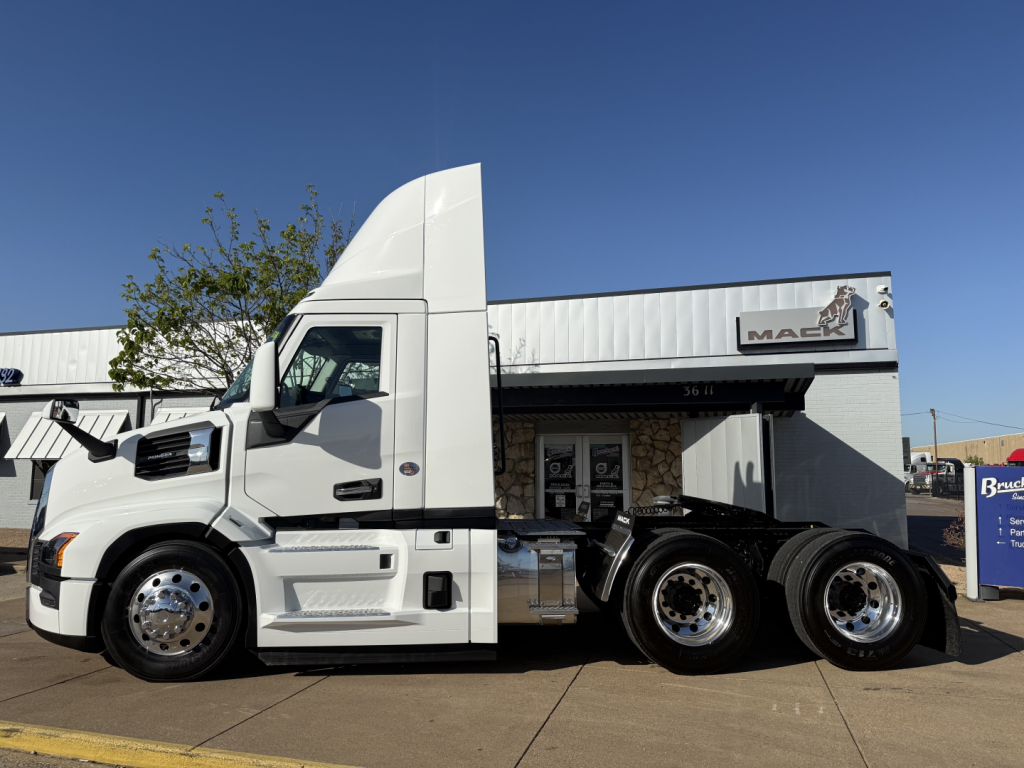
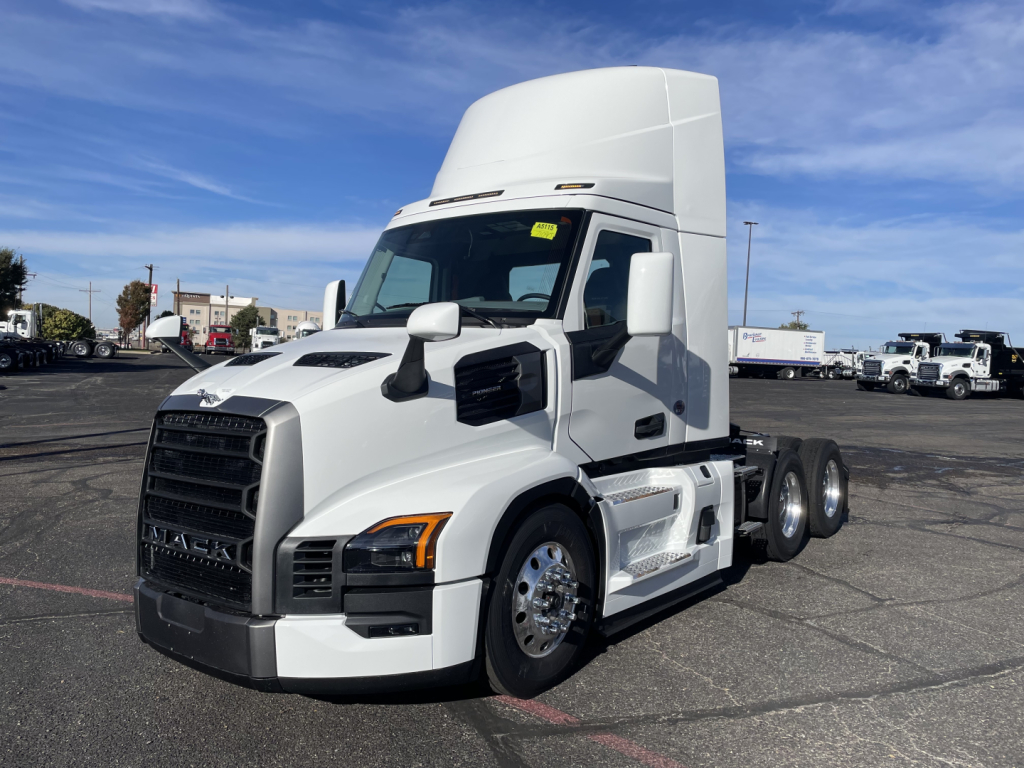
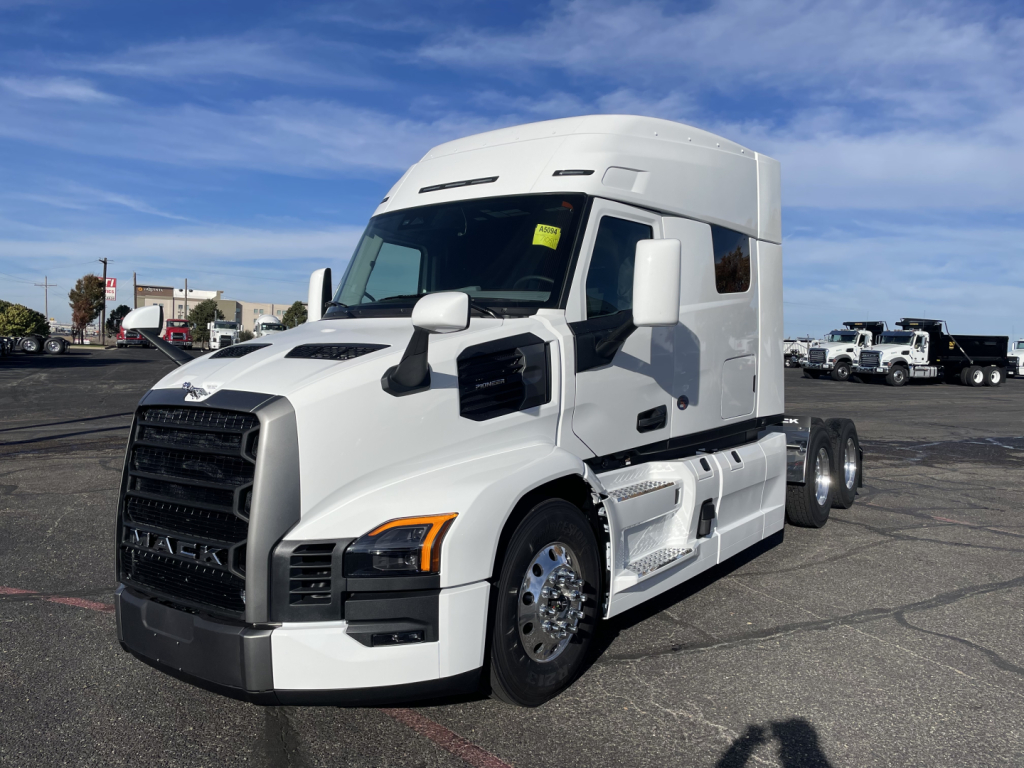
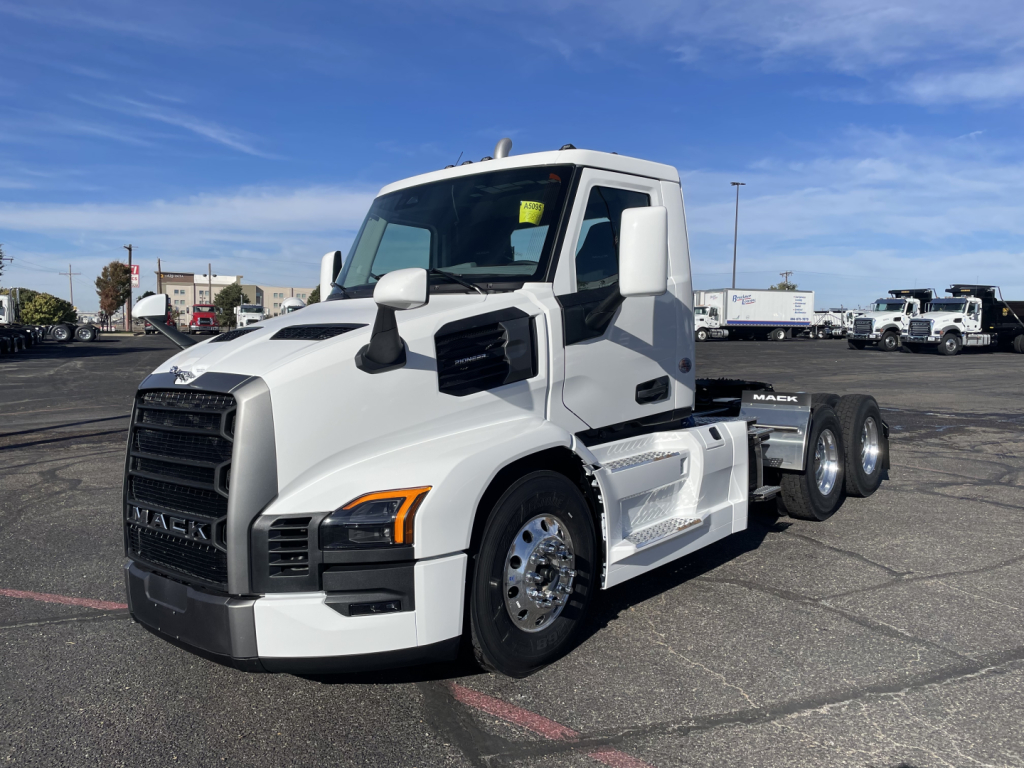
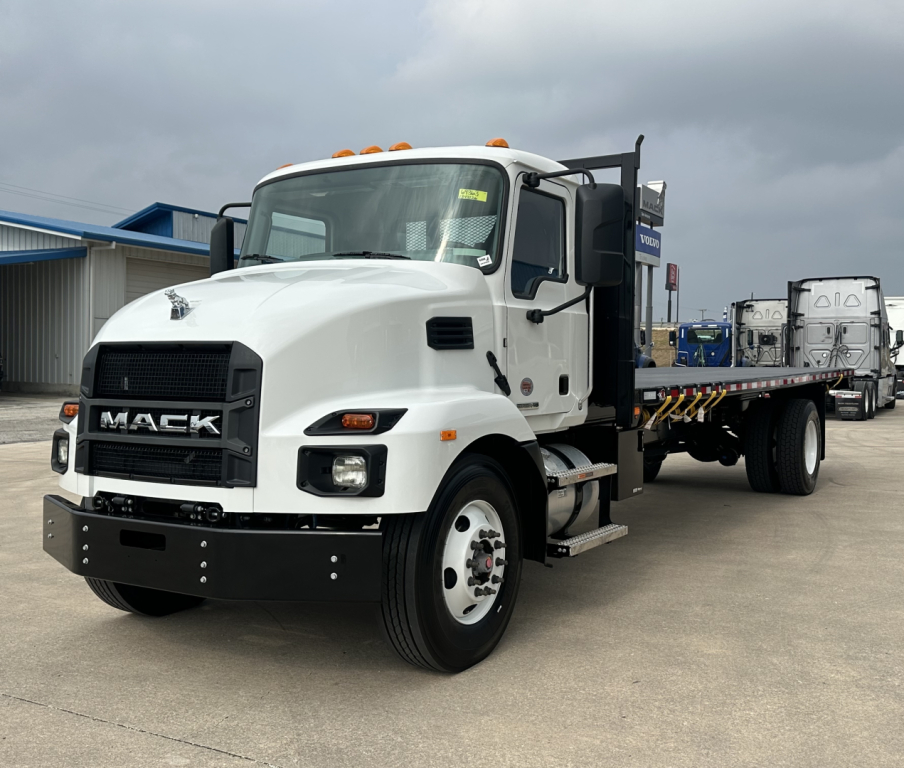
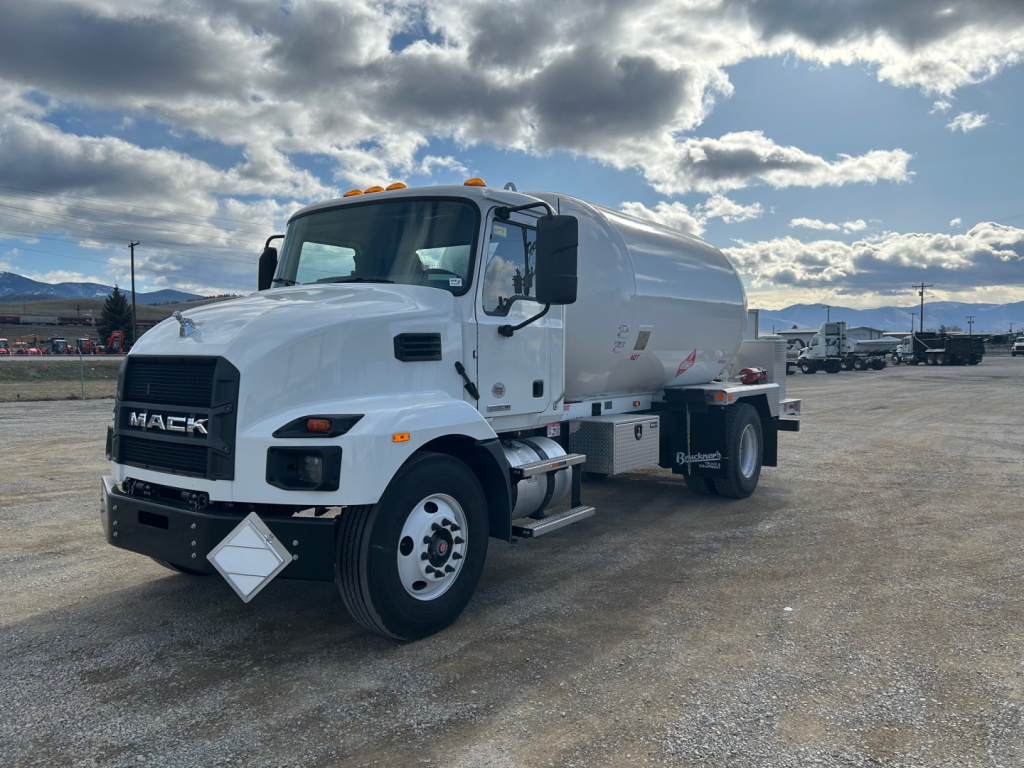
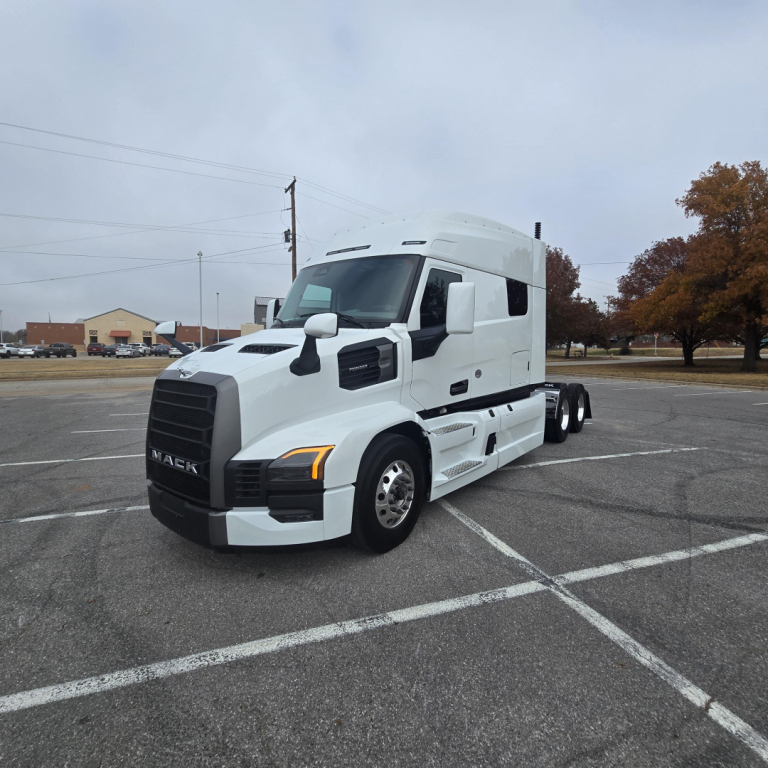
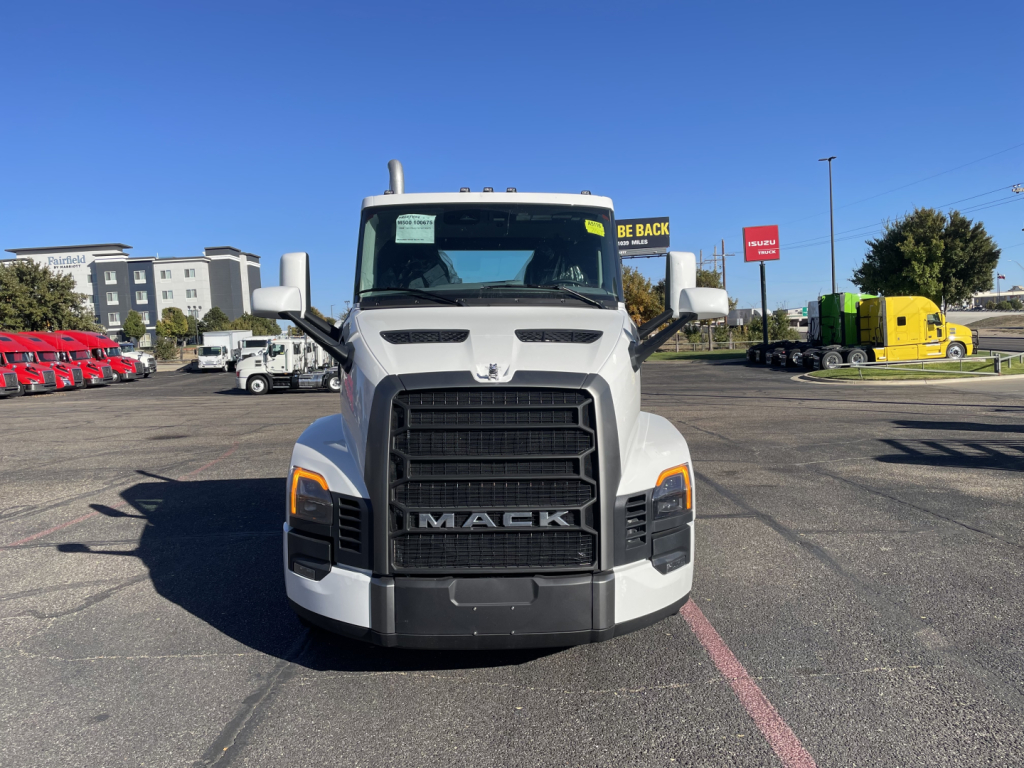
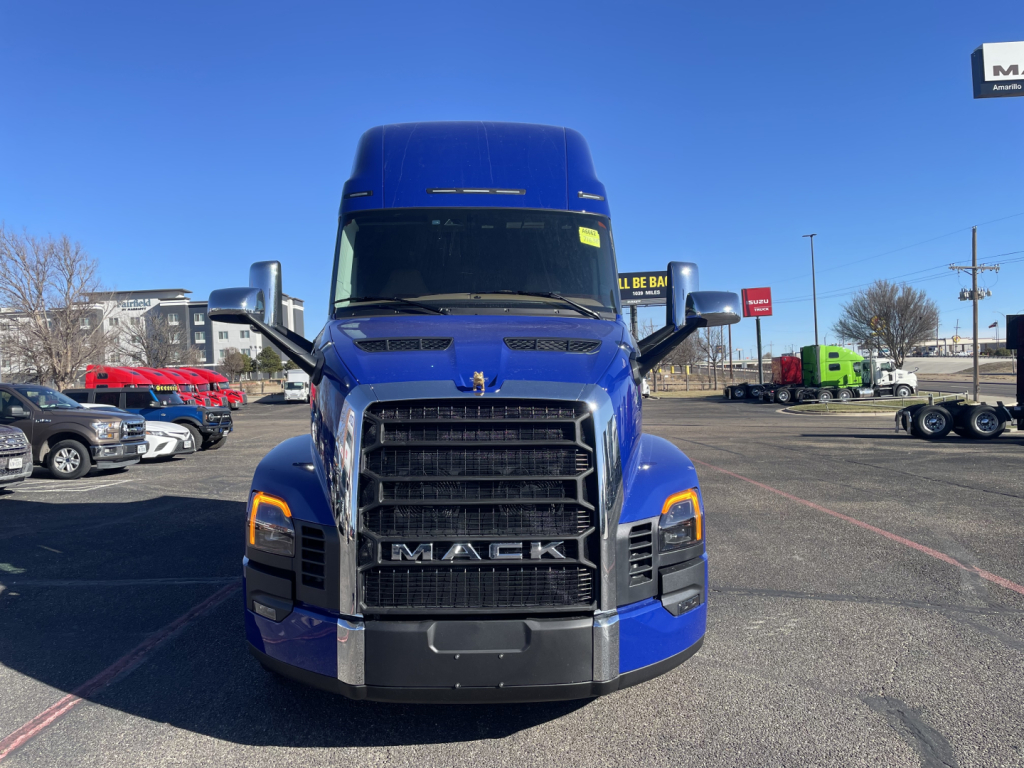
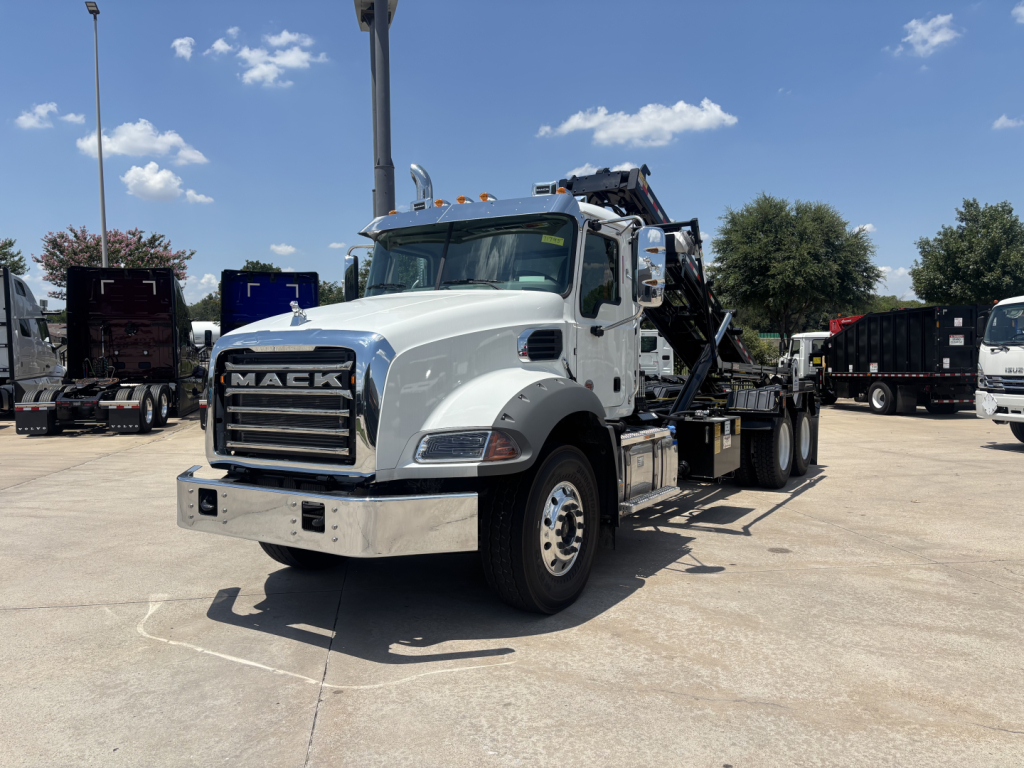
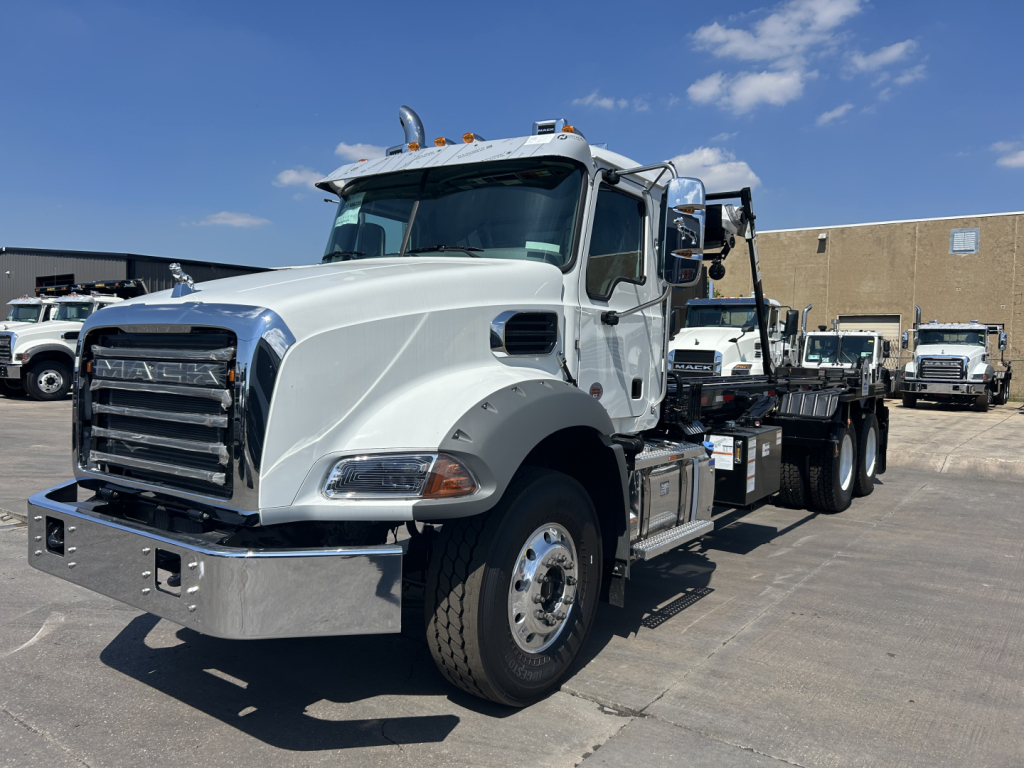
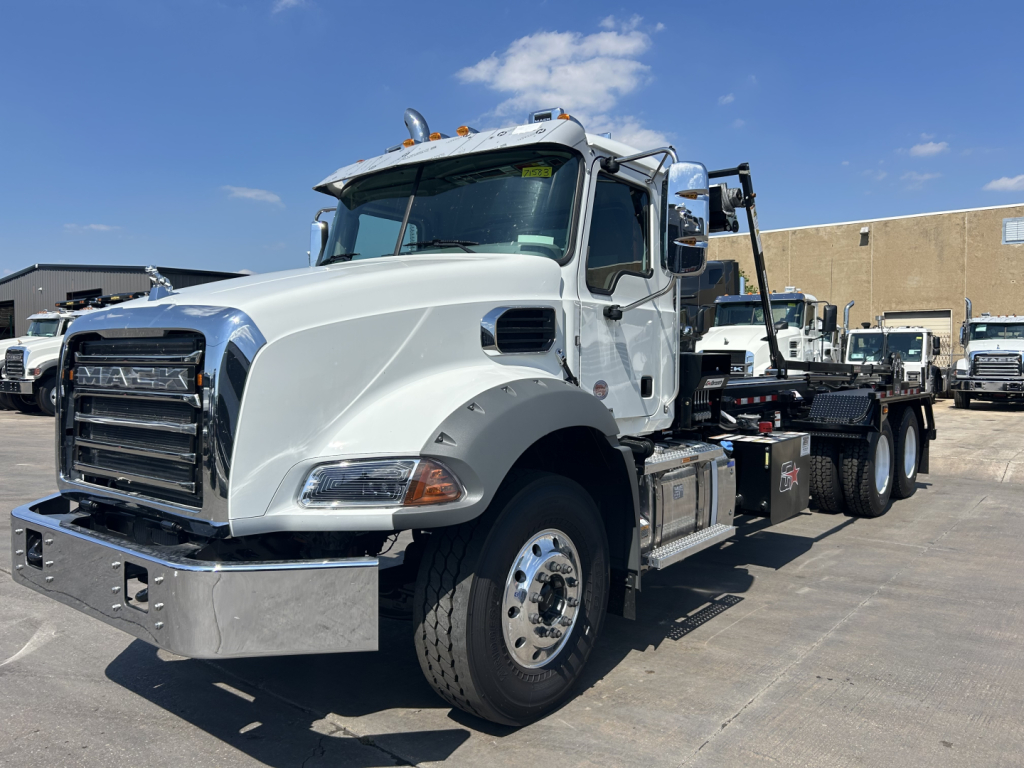
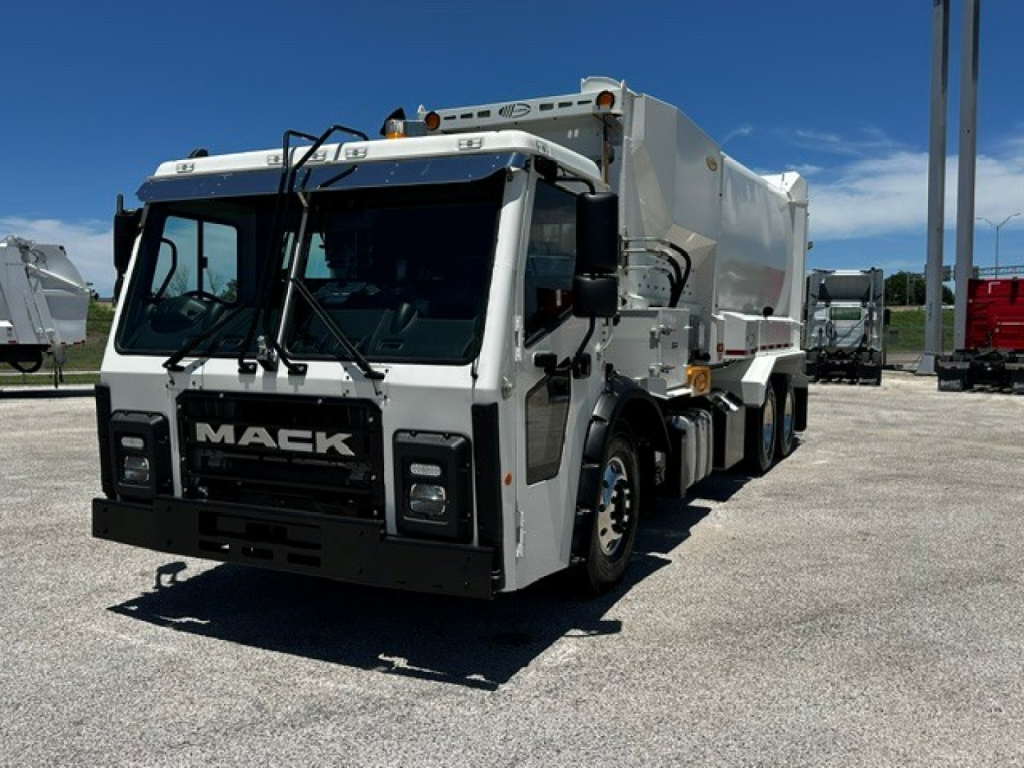
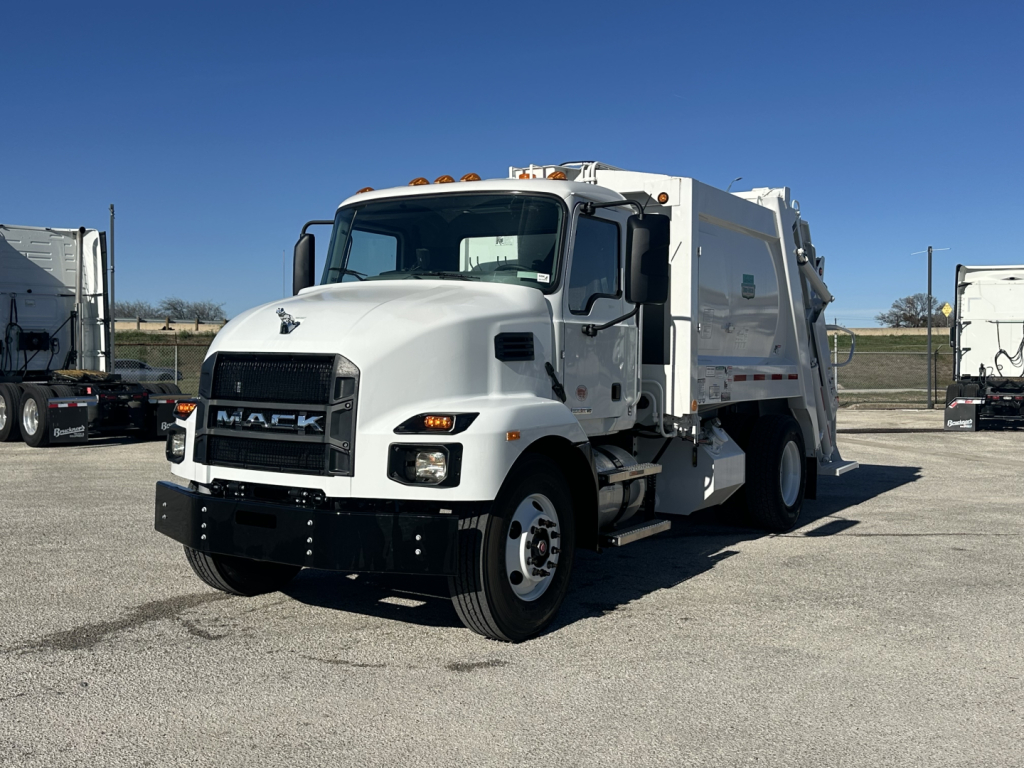
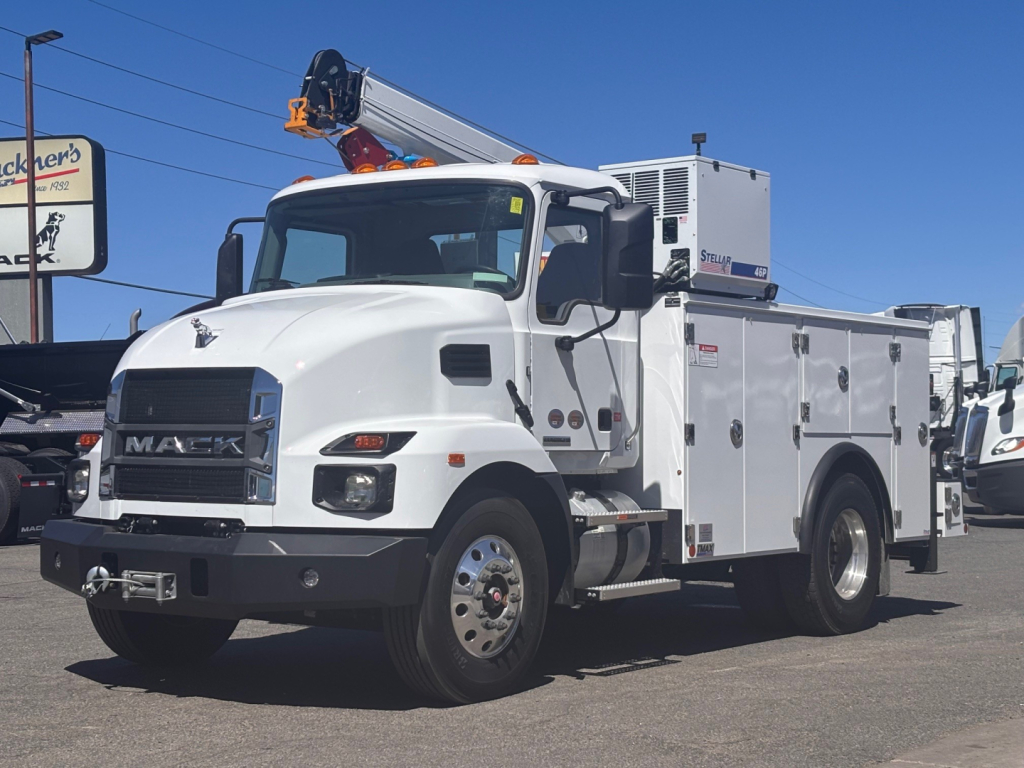
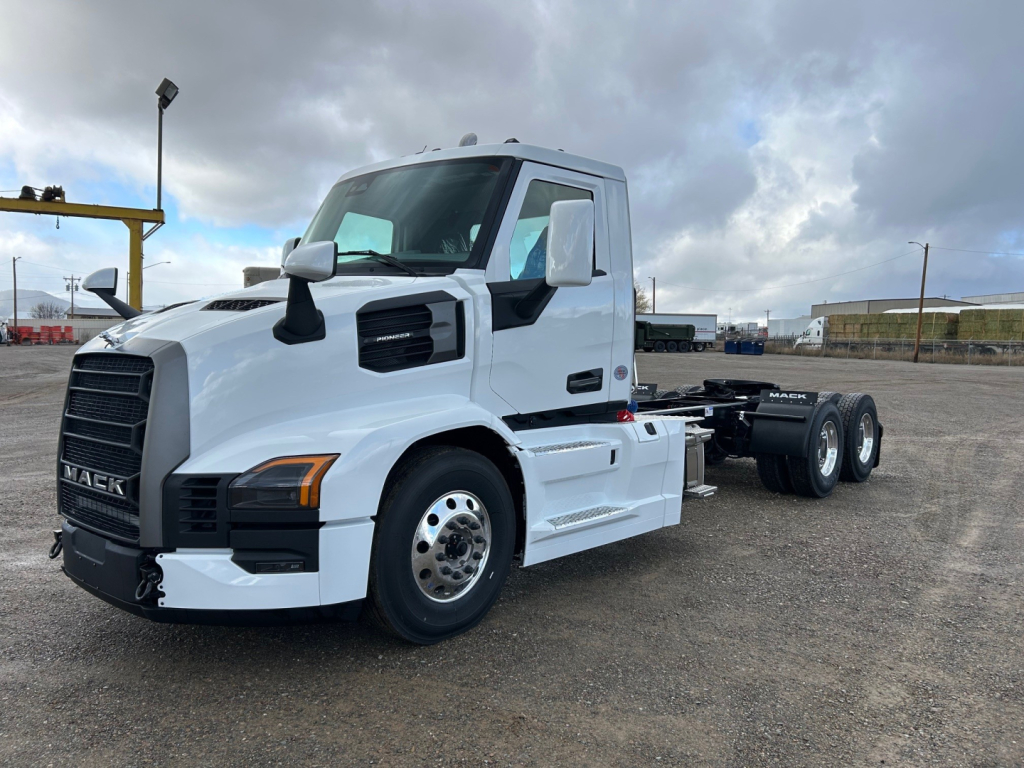
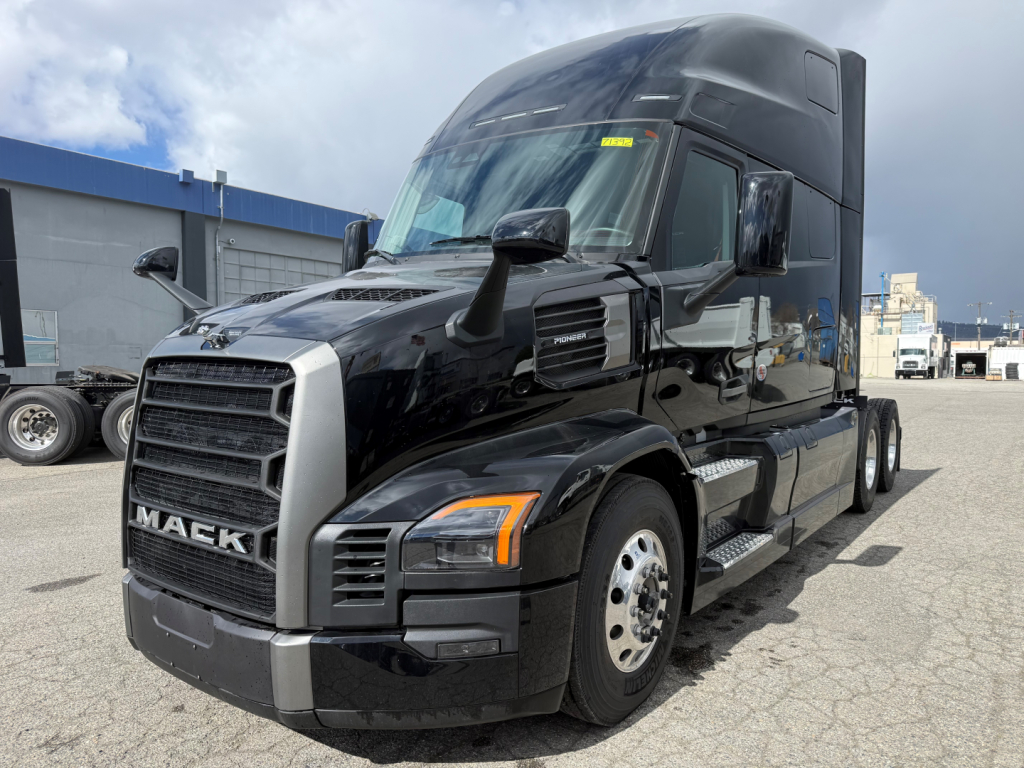
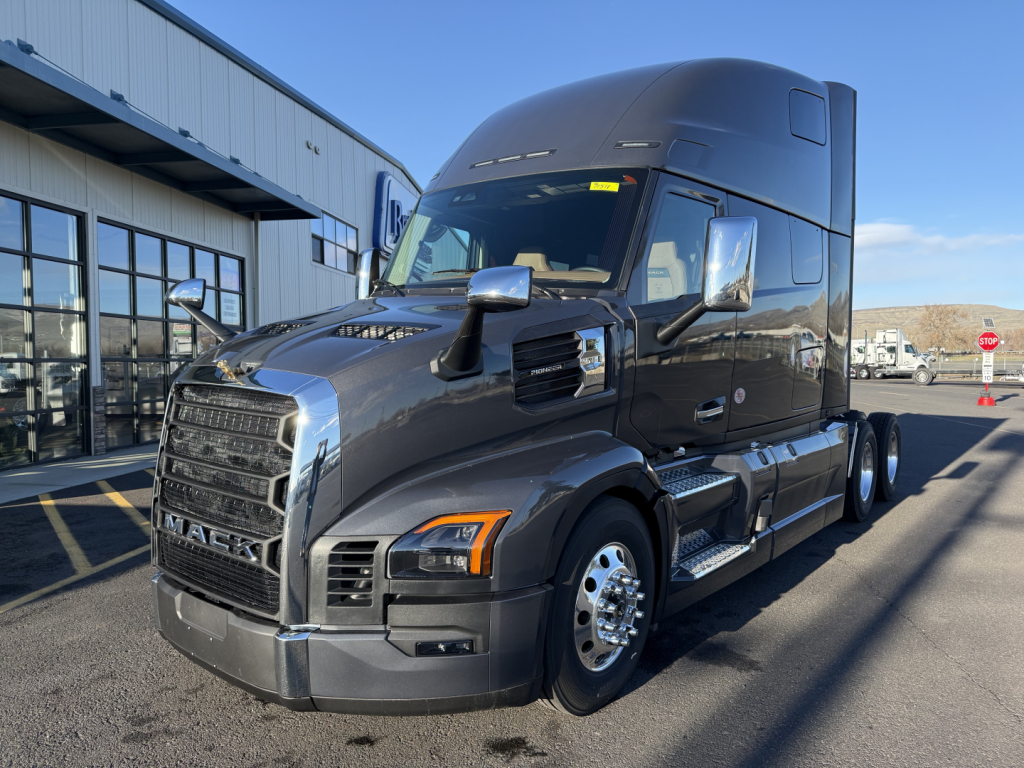
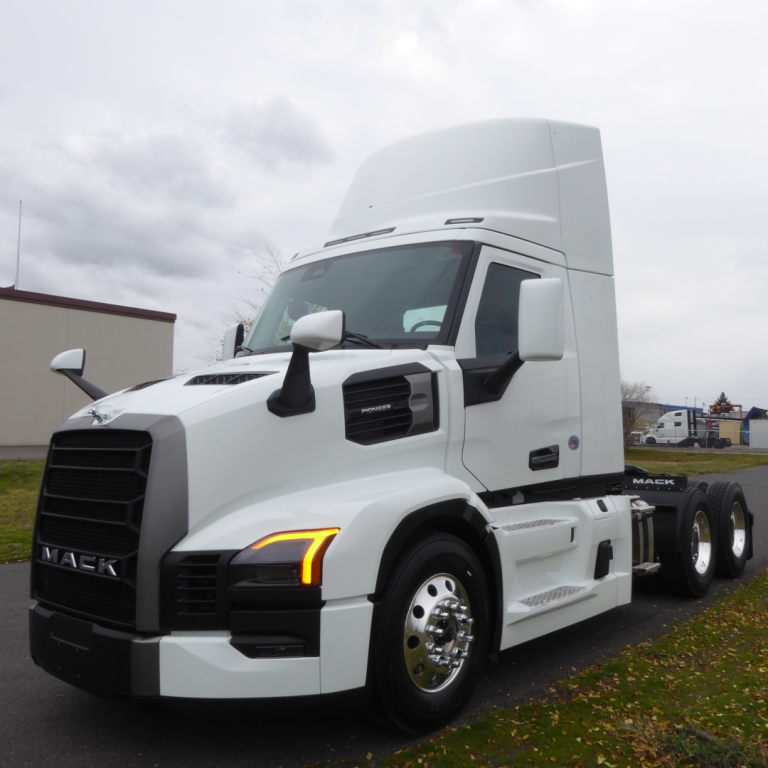
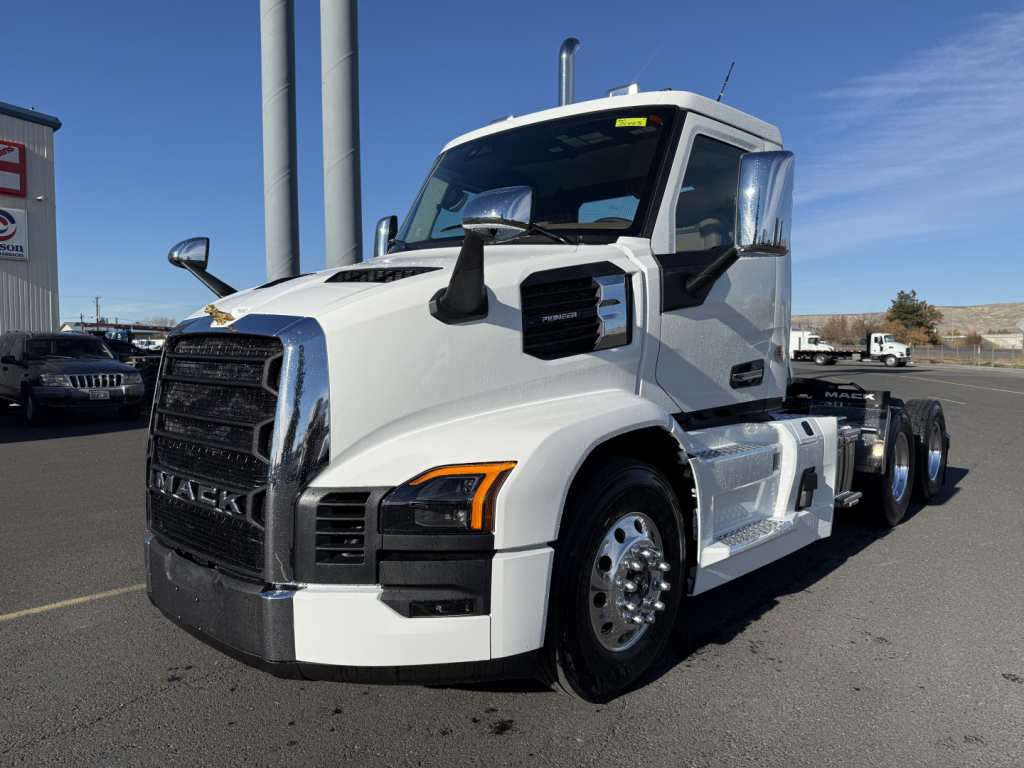
Showing 85 to 112 of 172 results
Selling a new 2026 mack truck? List your new 2026 mack truck for sale and reach thousands of commercial buyers.
New 2026 Mack Trucks
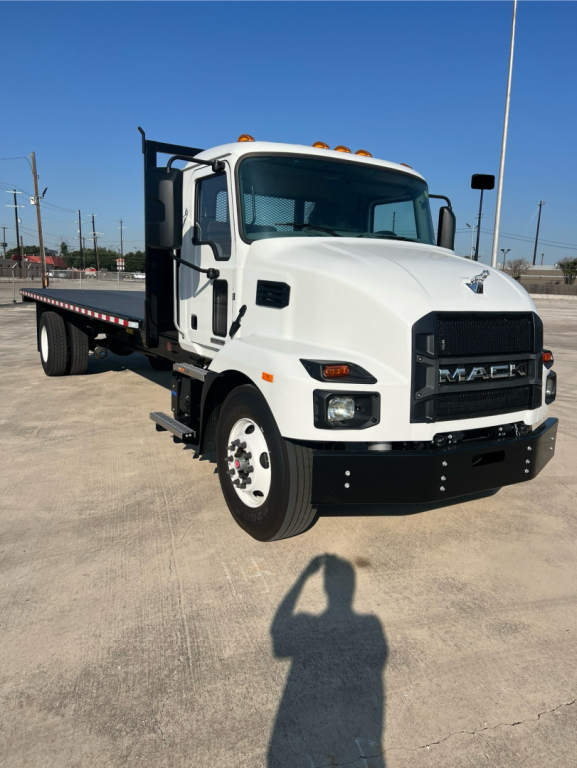
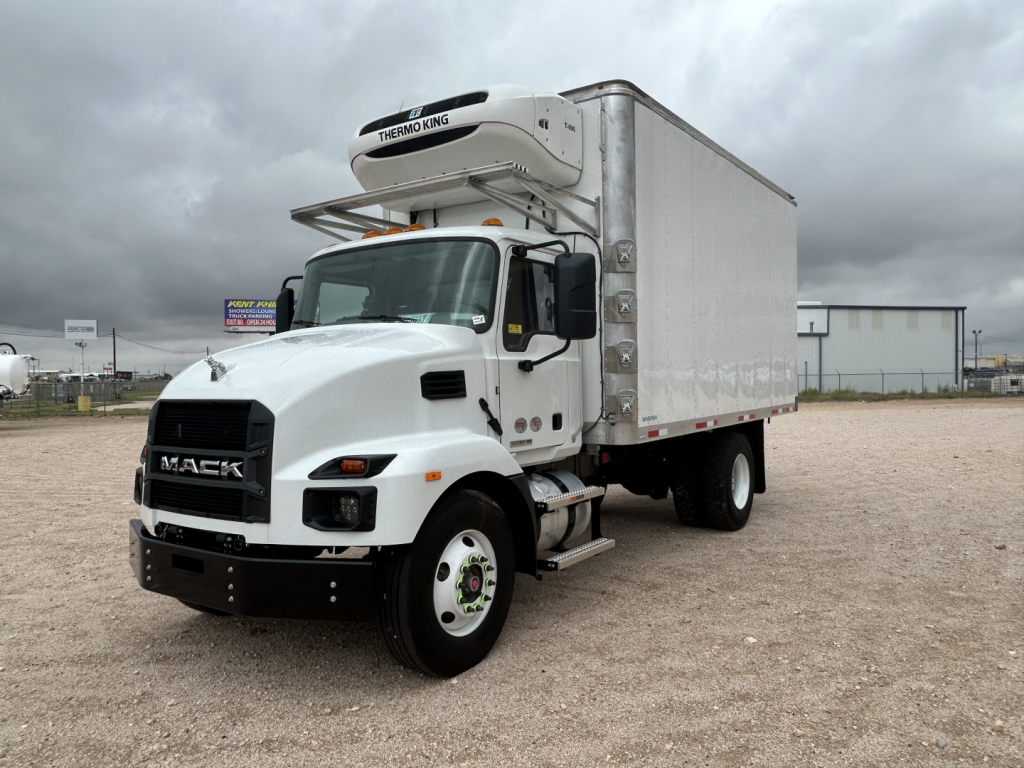
For medium-duty buyers, the core decision usually starts with GVWR, CDL threshold, and body integration. A 2026 Mack MD6 is often spec’d to stay under 26,000 pounds GVWR for non-CDL operation, which can be important for local delivery fleets, refrigerated service, and urban route work. The MD7 moves into heavier Class 7 territory with more payload and upfit flexibility. Common specs in this range include Cummins 6.7L diesel power, Allison automatic transmissions, straight rail frames, and wheelbases set for 16-foot to 26-foot bodies depending on the application. If the truck will carry a reefer, tank, utility body, or other specialized equipment, buyers should confirm axle capacity, frame reinforcement, PTO compatibility, and back-of-cab clearances before focusing on price.
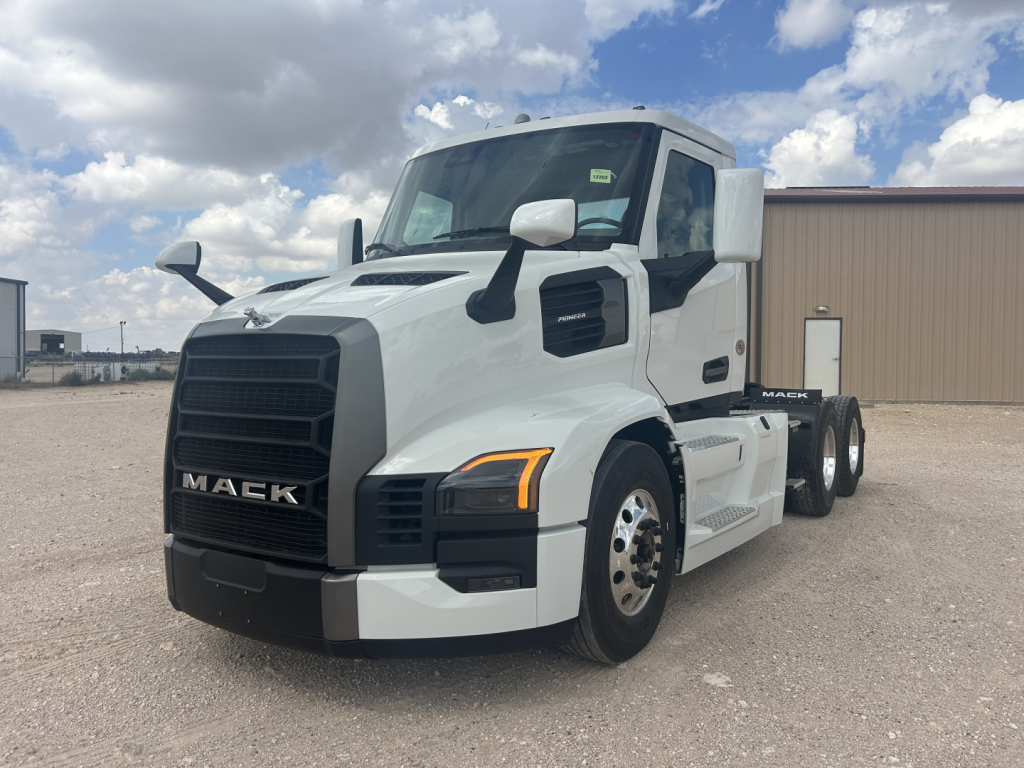
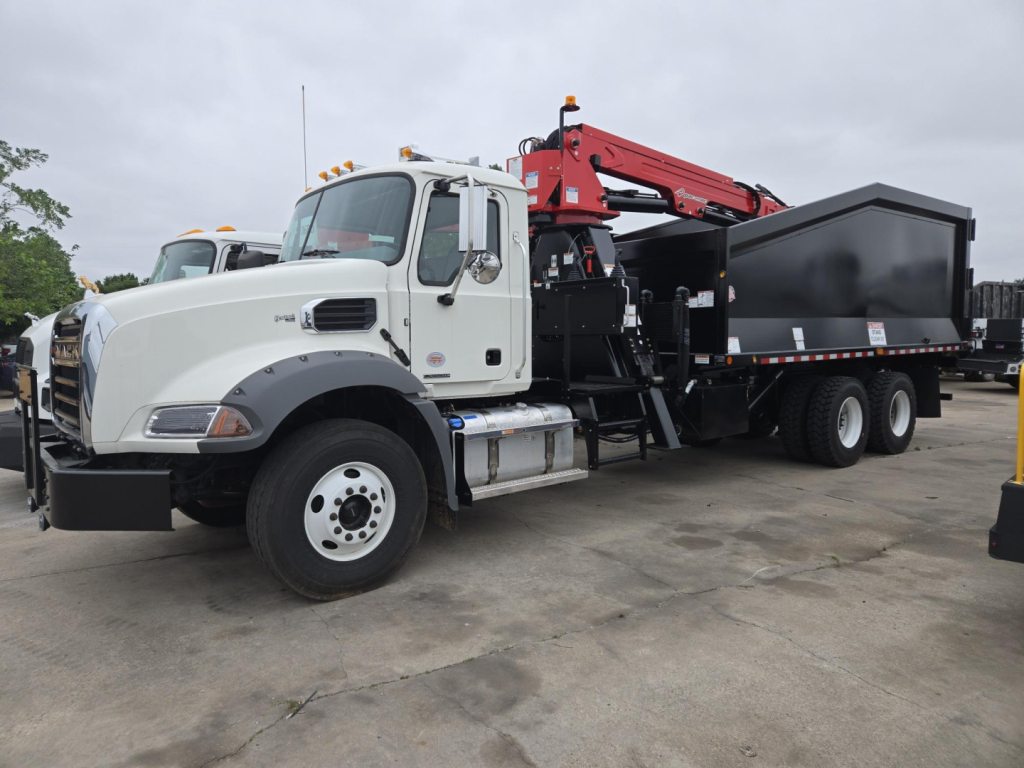
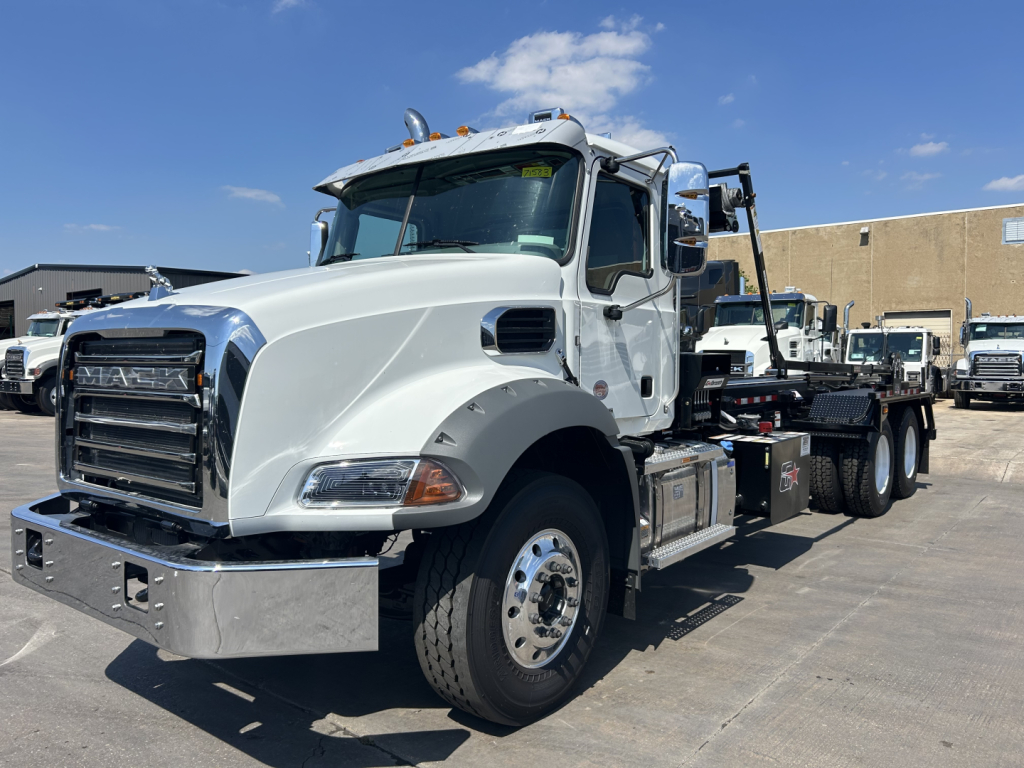
On the vocational side, new Mack trucks are known for severe-service durability, especially in Granite day cab and tractor configurations. These trucks are commonly spec’d with higher horsepower diesel engines, automated manual transmissions such as the mDrive, heavy front axles, tandem rears, vocational suspensions like mRIDE, and frame rails suited for demanding body installs or jobsite use. Roll-off, dump, mixer, tractor, and municipal buyers should pay close attention to axle ratings, wheelbase, rear ratio, frame thickness, lift axle provisions, and PTO setup. For tractor applications, fifth-wheel position, kingpin setting, and bridge-law compliance can affect both legal payload and maneuverability. Mack’s vocational appeal is strongest where uptime, traction, and body-builder compatibility matter more than chasing the lightest tare weight.
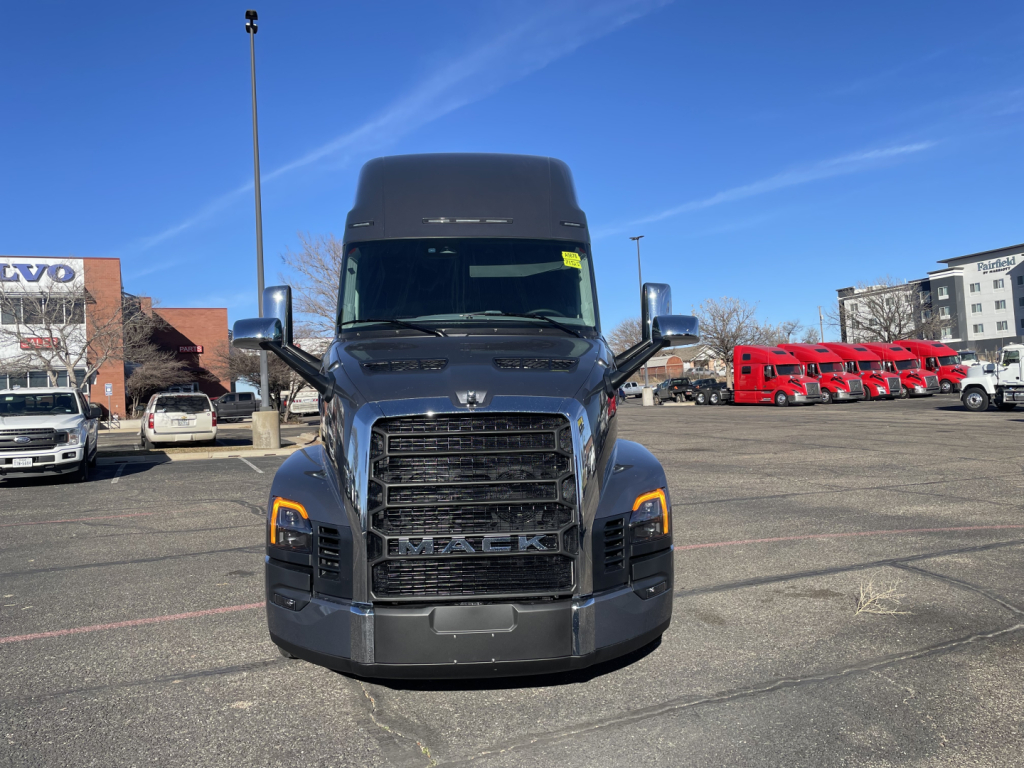
A buyer comparing new 2026 Mack trucks should also look beyond engine horsepower and focus on the complete operating profile. Tight urban routes favor shorter wheelbases, automatic transmissions, and clear cab-to-axle planning. Off-road or construction use raises the importance of suspension selection, differential locks, approach angle, and tire spec. Regional fleet use may put more value on driver comfort, visibility, service access, and fuel capacity. Mack trucks generally attract buyers who want proven vocational architecture, straightforward upfitting, and chassis options that can be tailored for specialized work. The best spec is the one that matches the body, route, payload, and duty cycle without leaving capacity or drivability on the table.
Frequently Asked Questions about New 2026 Mack Trucks
What are the most common applications for new 2026 Mack trucks?
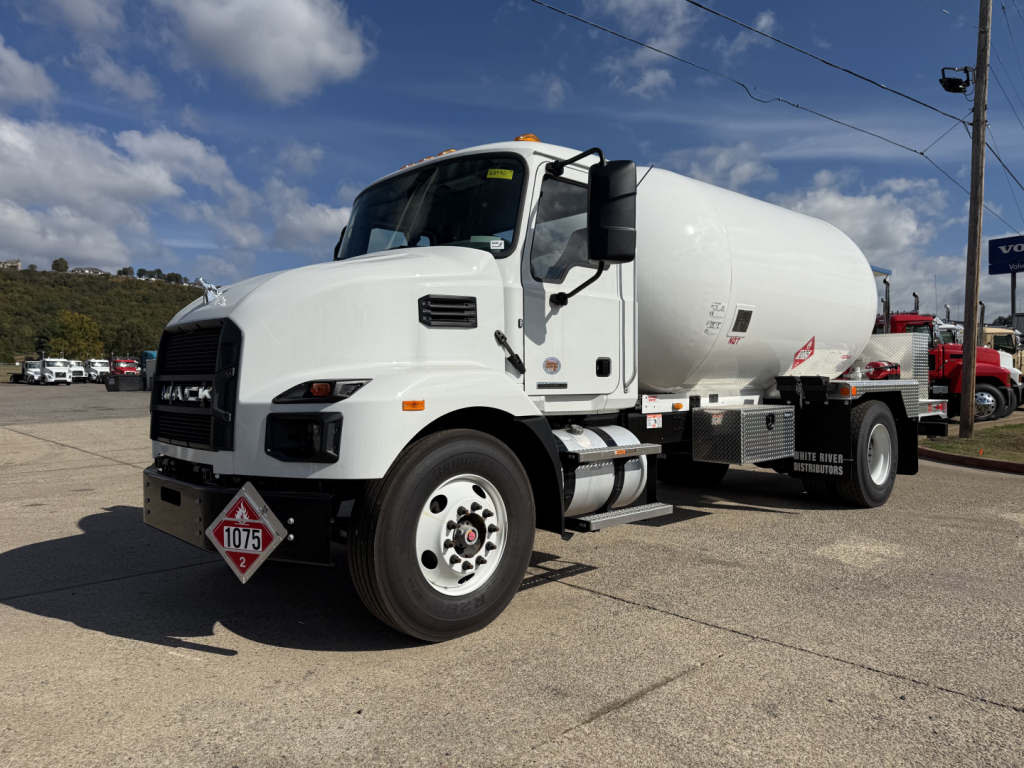
New 2026 Mack trucks are commonly used for medium-duty delivery, refrigerated distribution, propane service, municipal work, construction, dump service, roll-off hauling, and vocational tractor applications. The MD6 and MD7 are often chosen for straight truck and body-builder applications, while Granite-based and other heavy Mack models are more common in severe-service and trailer-pulling roles. The right application depends on GVWR, axle capacity, frame spec, and the type of body or trailer the truck will handle.
What is the difference between a Mack MD6 and MD7?
The Mack MD6 is a Class 6 medium-duty truck often spec'd to remain under the 26,000-pound GVWR threshold, which can make it attractive for non-CDL operations depending on local regulations and final body weight. The MD7 is a heavier Class 7 platform with more payload capacity and greater flexibility for larger bodies or specialized upfits. Buyers comparing the two should verify finished curb weight, expected payload, axle ratings, and wheelbase requirements for the intended body.
What should I check before buying a new Mack truck for a body upfit?
Body upfit buyers should verify wheelbase, cab-to-axle dimension, rear overhang, frame strength, PTO provision, axle ratings, and electrical compatibility with the planned equipment. It is also important to confirm back-of-cab clearance for tanks, cranes, refrigeration units, or hydraulic components. A truck can have the right engine and still be the wrong chassis if the frame, suspension, or dimensioning does not match the upfit.
Are Mack trucks a good fit for severe-service work?
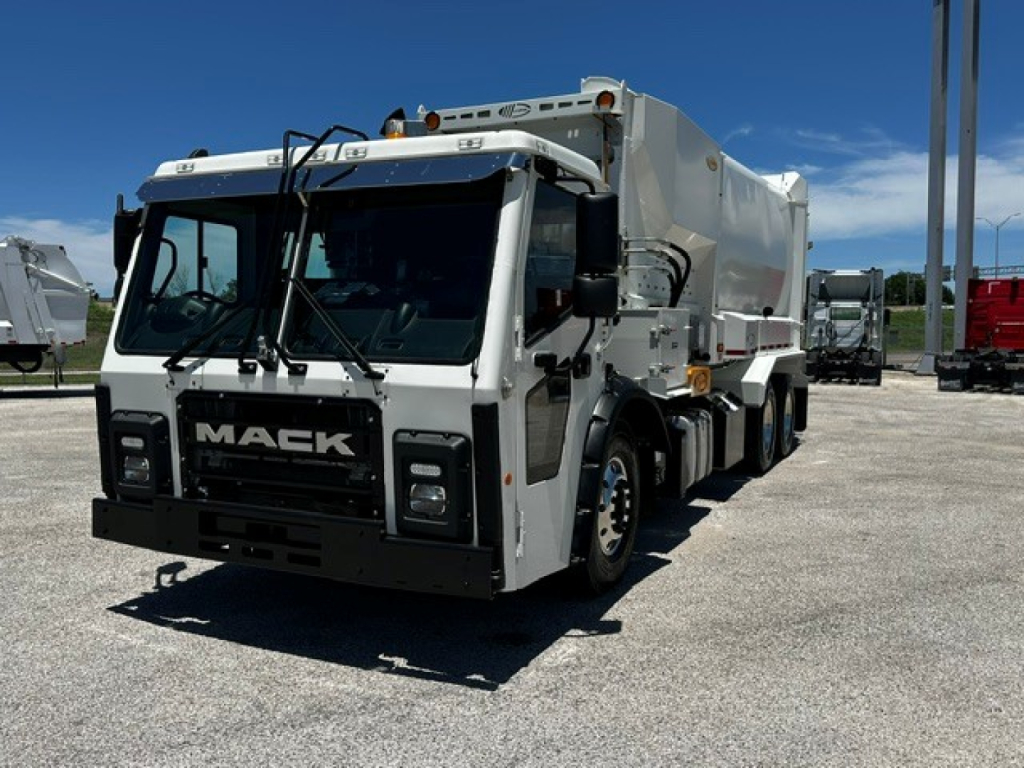
Mack trucks are widely regarded as strong severe-service platforms, especially for construction, refuse, municipal, and vocational tractor applications. Buyers often choose them for heavy frames, durable suspensions, traction-focused driveline specs, and body-builder-friendly configurations. For severe-service use, the important details are front axle capacity, rear suspension type, differential locks, frame rail thickness, and PTO readiness rather than just horsepower alone.
Which specs matter most on a new Mack vocational tractor or day cab?
The most important specs usually include engine horsepower and torque, transmission type, front and rear axle ratings, wheelbase, rear ratio, suspension, frame rail thickness, and fifth-wheel placement. These specs determine startability, legal payload, turning radius, bridge compliance, and compatibility with the trailers you plan to pull. A properly matched vocational tractor should balance durability, maneuverability, and axle distribution for the job instead of being built around one headline number.