
Used Volvo Conventional Sleeper Trucks For Sale
Browse used Volvo conventional sleeper trucks, including VNL models with D13 power, I-Shift transmissions, sleeper cabs, and highway specs.
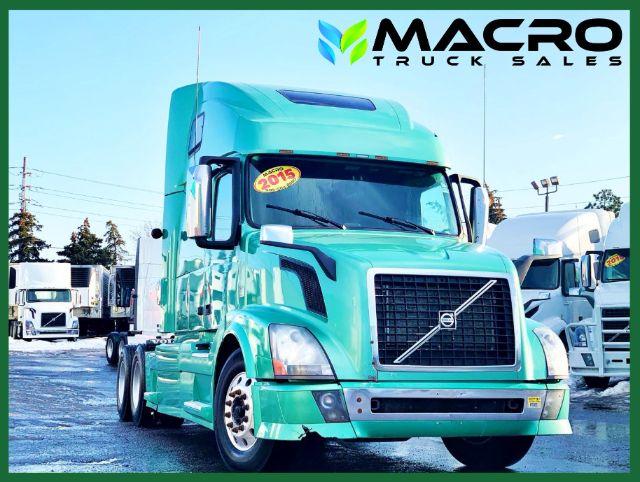
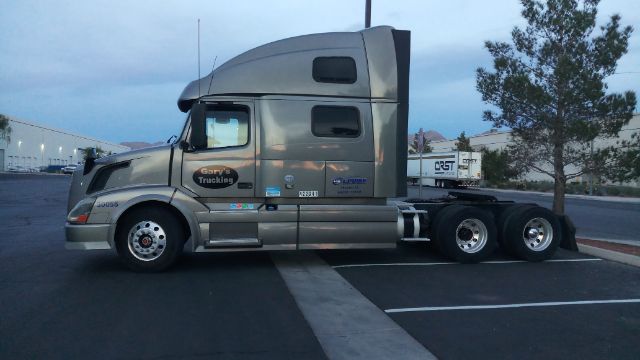
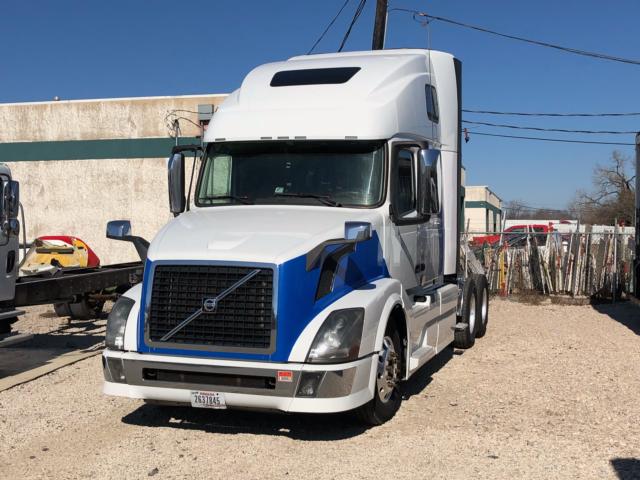
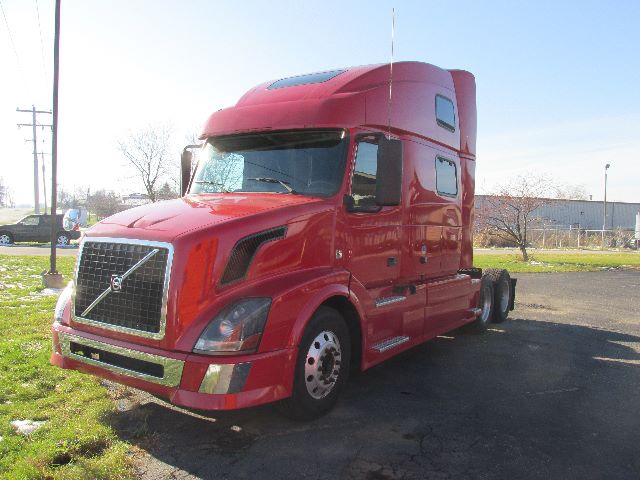
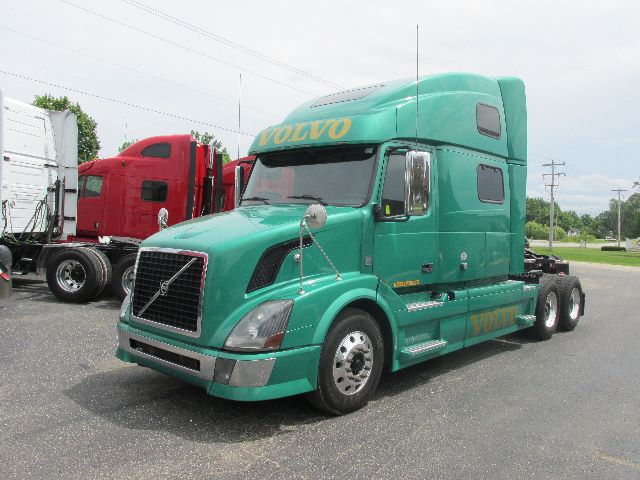

Showing 57 to 84 of 98 results
Selling a used volvo conventional sleeper truck? List your used volvo conventional sleeper truck for sale to reach thousands of commercial buyers.
Used Volvo Conventional Sleeper Trucks
The sleeper size matters as much as the drivetrain. A VNL 740 usually fits fleets that want a lighter, efficient condo-style sleeper without going to the largest cab. A VNL 760 is a common fleet spec for solo long-haul use, while a VNL 840 pushes further into premium space with more room for extended runs and team driving. Upper bunks, bunk heaters, refrigerators, climate control systems, and deluxe interiors are common features in this class. Buyers comparing used Volvo sleepers should pay attention to wheelbase, tank capacity, fifth wheel type, and fairing package because those details affect trailer gap, ride quality, maneuverability, and total operating range.
On the spec side, many used Volvo conventional sleepers come with 6x4 tandem rears rated around 40,000 pounds, though some regional or weight-sensitive applications use a 6x2 setup with a pusher axle. Rear axle ratios such as 2.15, 2.64, and 3.08 tell you a lot about intended use. Lower numerical ratios generally support fuel-efficient highway cruising, while higher ratios can better suit heavier freight or more demanding terrain. Air ride suspension, air slide fifth wheels, disc brakes, low-profile 22.5 tires, aluminum wheels, and driver-assist features like collision mitigation are all common in late-model Volvo VNL sleepers. If the truck will be assigned to specialized van, reefer, or dedicated contract freight, confirm kingpin setting compatibility and axle placement against bridge laws and trailer swing clearance.
A used Volvo sleeper is often chosen for its balance of driver acceptance, integrated safety systems, and predictable linehaul performance. The biggest buying decisions usually come down to emissions system history, maintenance records, mileage, idle time, and how the original spec matches your freight. A lighter 6x2 highway tractor can make sense for fuel-focused lanes, but a 6x4 remains the safer all-around choice for variable loads, winter traction, and resale flexibility. For buyers comparing conventional sleeper trucks for sale, Volvo stands out for cab ergonomics, I-Shift drivability, and a VNL platform that is well established in large fleets and owner-operator service alike.
Frequently Asked Questions about Used Volvo Conventional Sleeper Trucks
What is the difference between a Volvo VNL 740, 760, and 840 sleeper?
The main difference is sleeper size, interior layout, and intended long-haul comfort level. A Volvo VNL 740 generally offers a practical condo sleeper for linehaul work with less overall cab length than the largest models. The VNL 760 is one of the most common fleet sleeper specs because it balances interior room, weight, and resale appeal. The VNL 840 is aimed at buyers who want maximum living space for extended over-the-road runs or team driving. When comparing them, look beyond the model number and verify bunk arrangement, storage, refrigerator prep, HVAC options, and wheelbase.
Is the Volvo I-Shift transmission a good choice in a used sleeper truck?
Yes, the Volvo I-Shift is widely regarded as a strong fit for highway sleeper applications because it is designed to work closely with the Volvo engine, axle ratio, and cruise strategy. In used trucks, the key is not just that it has an I-Shift, but whether the truck was properly maintained and updated. Review clutch and transmission service history, software updates, driveline condition, and how the truck shifts under load. A well-maintained I-Shift can improve driver acceptance, reduce shift inconsistency, and support better fuel economy than a poorly matched manual spec.
What rear axle ratio is best in a used Volvo conventional sleeper?
The best rear axle ratio depends on freight weight, terrain, cruise speed, and tire size. Ratios like 2.15 or 2.64 are commonly chosen for fuel-efficient over-the-road service where the truck spends most of its time at highway speed. A 3.08 ratio may be more suitable for heavier loads, more stop-and-go work, or routes with grades that demand better pulling power. Buyers should consider the full powertrain package, not just the ratio by itself, because engine calibration, transmission gearing, and tire spec all affect drivability and fuel performance.
Should I choose a 6x4 or 6x2 Volvo sleeper tractor?
A 6x4 is the more versatile choice for general freight, mixed weather, and stronger resale demand. It typically offers better traction and is easier to place into a broad range of fleet applications. A 6x2 with a liftable pusher axle can reduce weight and may improve fuel economy in the right operation, especially on consistent highway lanes with controlled payloads. The tradeoff is reduced traction in poor conditions and a narrower ideal use case. If the truck may be reassigned across multiple routes or drivers, a 6x4 usually provides more flexibility.
What should I inspect first on a used Volvo sleeper truck?
Start with service records, engine hours, idle hours, and emissions system history because those items often tell you more than odometer mileage alone. Then inspect the DPF, DEF, and EGR service history, check for fault codes, and verify that the truck builds air properly and shifts smoothly on a road test. In the cab, inspect bunk HVAC, refrigerator operation, dash electronics, and signs of water intrusion or excessive wear. On the chassis, pay close attention to brakes, suspension, tires, wheel seals, and fifth wheel condition. A sleeper tractor can look clean and still have expensive deferred maintenance, so documentation matters.