
Used Volvo Conventional Sleeper Trucks For Sale in New York
Shop used Volvo conventional sleeper trucks in New York. Compare VNL specs, sleeper sizes, engine options, wheelbases, and drivetrain setups.
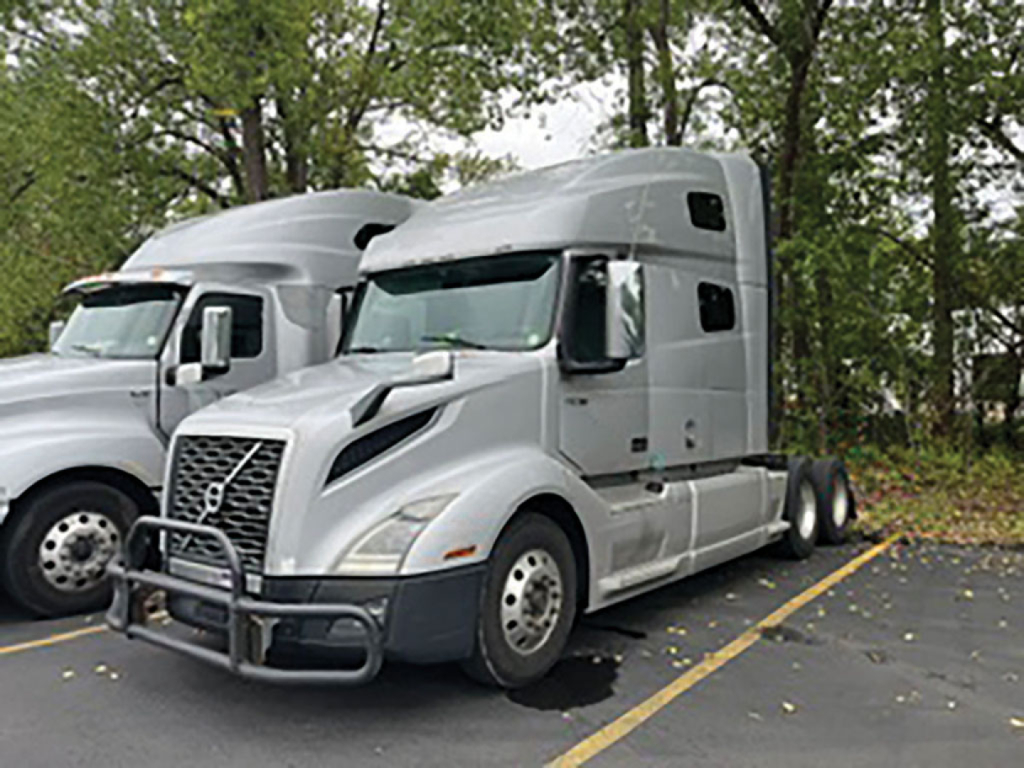
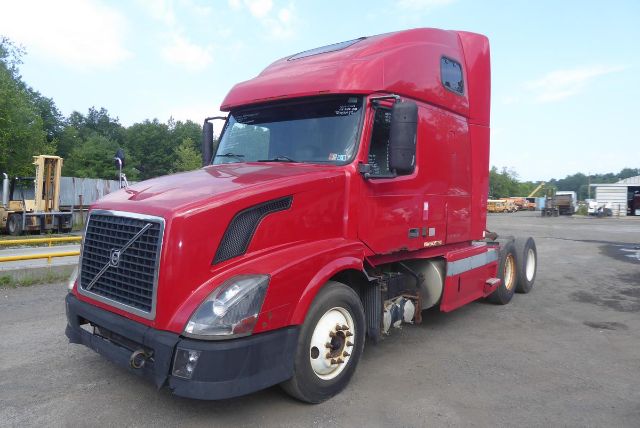
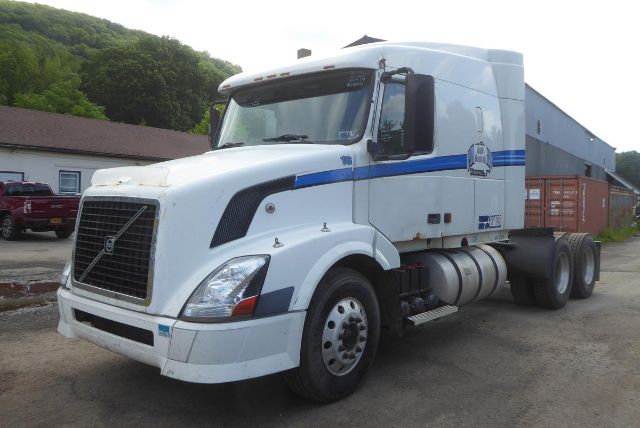
Looking for the easiest place to sell your used volvo conventional sleeper truck? List it here to reach thousands of buyers.
Used Volvo Conventional Sleeper Trucks in New York
A lot of value in a used Volvo sleeper is in the spec sheet. Common configurations include tandem axle 6x4 tractors with 10-speed manual transmissions, 40,000 lb rears, and air ride suspension. Older used units may carry Volvo VED12 or Cummins ISX engines in the 425 to 475 hp range, often matched with 3.55 or 3.73 rear ratios depending on the truck's original lane and freight profile. Sleeper sizes commonly range from mid-roof 52 in to 54 in sleepers up to larger high-roof double bunk layouts. For a buyer running the Thruway, I-81, I-84, or multi-state freight into New England and the Mid-Atlantic, those details affect turning radius, tare weight, cruise RPM, and how comfortable the truck will be on overnight runs.
Condition matters as much as brand on a used sleeper tractor. Pay close attention to engine hours versus odometer miles, cooling system history, DPF or emissions status if applicable to model year, clutch and transmission wear, and the condition of the fifth wheel slider, suspension bushings, and cab air ride components. Volvo conventionals are known for a driver-friendly cab and aerodynamic design, but buyers should still inspect for corrosion, frame modifications, air leaks, A/C performance, bunk HVAC function, and electrical issues tied to older sleeper accessories. On higher-mileage trucks, maintenance records and evidence of major work can tell you more than appearance alone.
For many fleets and owner-operators, a used Volvo conventional sleeper truck offers a practical balance between road comfort and operating cost. The platform fits dry van, reefer, and general freight work especially well, and it can also serve dedicated regional lanes where a sleeper is still needed for layovers and irregular routing. If payload, maneuverability, or bridge-law compliance is critical in New York, compare wheelbase, axle spacing, and suspension rating carefully. A well-matched Volvo sleeper tractor can still be a productive revenue truck when the spec aligns with the freight and the truck has been maintained correctly.
Frequently Asked Questions about Used Volvo Conventional Sleeper Trucks in New York
What should I look for first when buying a used Volvo conventional sleeper truck?
Start with the drivetrain and operating history. Confirm the engine model, horsepower, transmission type, rear axle ratio, suspension rating, and sleeper size, then compare those specs to the freight you plan to haul. After that, review engine hours, mileage, service records, emissions equipment status, and any major repairs such as in-frame work, clutch replacement, turbocharger replacement, or differential work. A used sleeper tractor can look clean and still need expensive mechanical work, so maintenance history and a thorough inspection should carry more weight than cosmetics.
Are Volvo VNL sleeper trucks a good fit for long-haul work in the Northeast?
Yes, Volvo VNL sleeper trucks are widely used in long-haul and regional applications because they offer a comfortable cab, aerodynamic shape, and stable ride quality. In the Northeast, that matters because trucks often see a combination of highway miles, urban congestion, rough pavement, winter weather, and frequent stop-and-go conditions near ports, warehouses, and metro areas. Buyers should still match wheelbase, roof height, and axle setup to the lanes they run, especially if they need tighter maneuverability in dense New York routes.
What engine and transmission combinations are common in older used Volvo sleeper trucks?
Many older Volvo conventional sleepers were spec'd with Volvo diesel engines such as the VED12 or with Cummins ISX engines, commonly in the 425 to 475 horsepower range. Ten-speed manual transmissions are common in this segment, along with tandem rear axles rated around 40,000 lbs and air ride suspension. These specs are proven for general freight, but the right setup depends on terrain, gross combination weight, cruise speed targets, and how often the truck will run heavy versus light.
How important is sleeper size on a used conventional sleeper tractor?
Sleeper size directly affects driver comfort, storage, weight, and sometimes resale appeal. Mid-roof sleepers in the 52 in to 54 in range are often a good compromise for regional or shorter over-the-road work, while high-roof double bunk sleepers provide more living space for teams or longer trips. The larger sleeper may improve comfort and time on the road, but it can add tare weight and may be less practical if your operation prioritizes lower weight or tighter access.
What New York-specific factors matter when shopping for a used sleeper truck?
New York buyers often need to think beyond basic horsepower and mileage. Wheelbase, axle spacing, and overall tractor weight can affect maneuverability in urban freight corridors and can also influence payload or bridge-law planning depending on the trailer and route. Winter readiness is also important, so inspect tires, air system condition, heater and A/C performance, batteries, and corrosion on the frame, cab structure, and electrical connections. A truck that is acceptable in a milder region may need more reconditioning to perform reliably in Northeast service.