
Used 2020 Volvo Conventional Sleeper Trucks For Sale
Shop used 2020 Volvo conventional sleeper trucks with VNL specs, D13 power, I-Shift transmissions, sleeper sizes, and highway-ready features.

Selling a used 2020 volvo conventional sleeper truck? List your used 2020 volvo conventional sleeper truck for sale and reach thousands of commercial buyers.
Used 2020 Volvo Conventional Sleeper Trucks
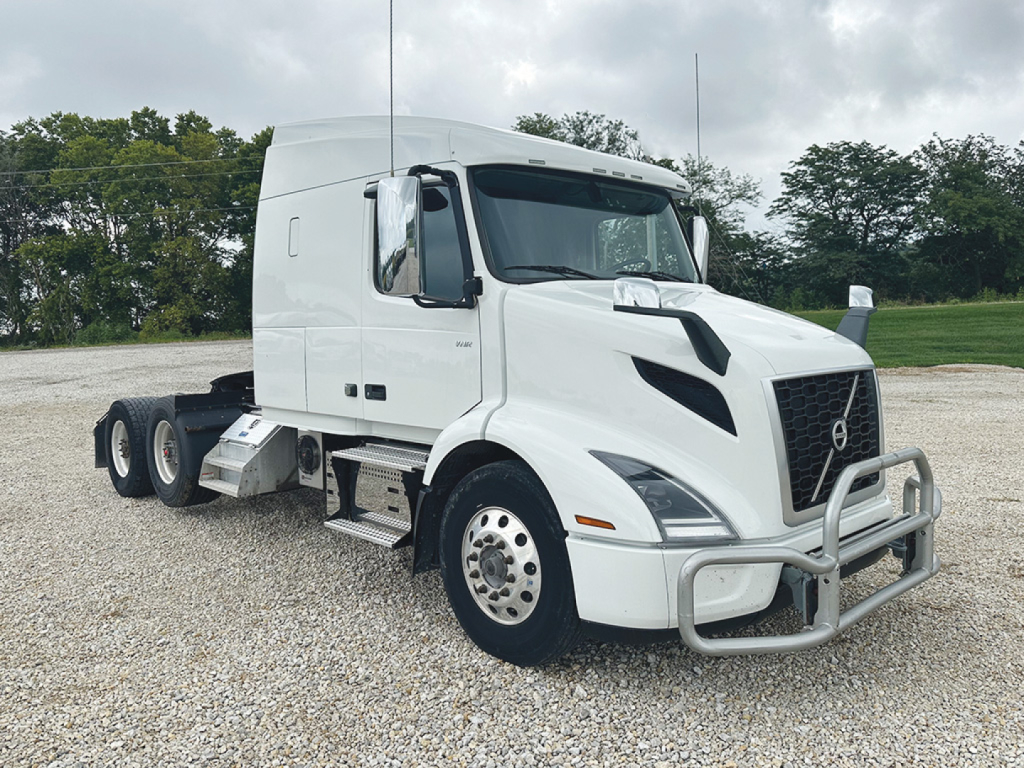
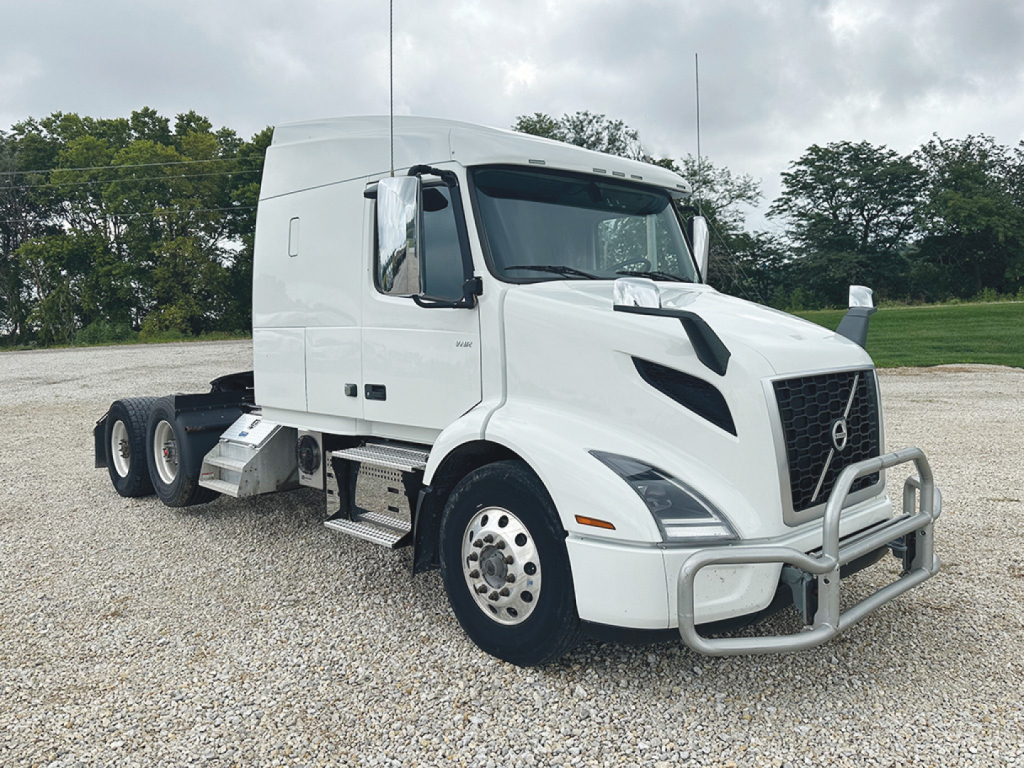
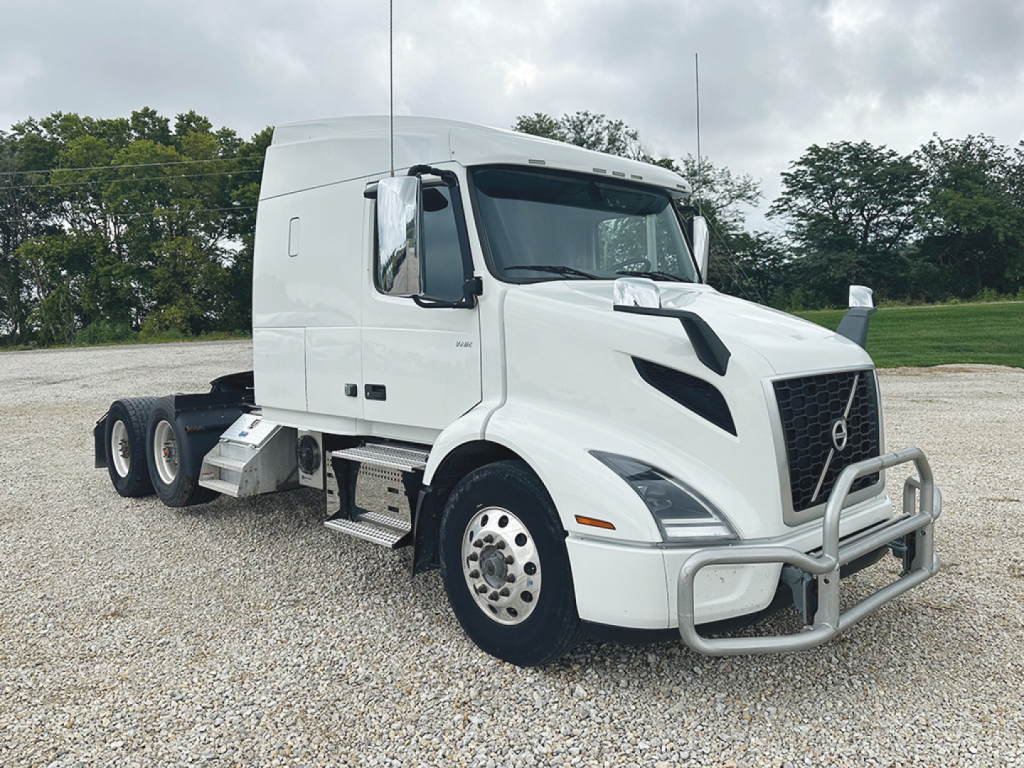
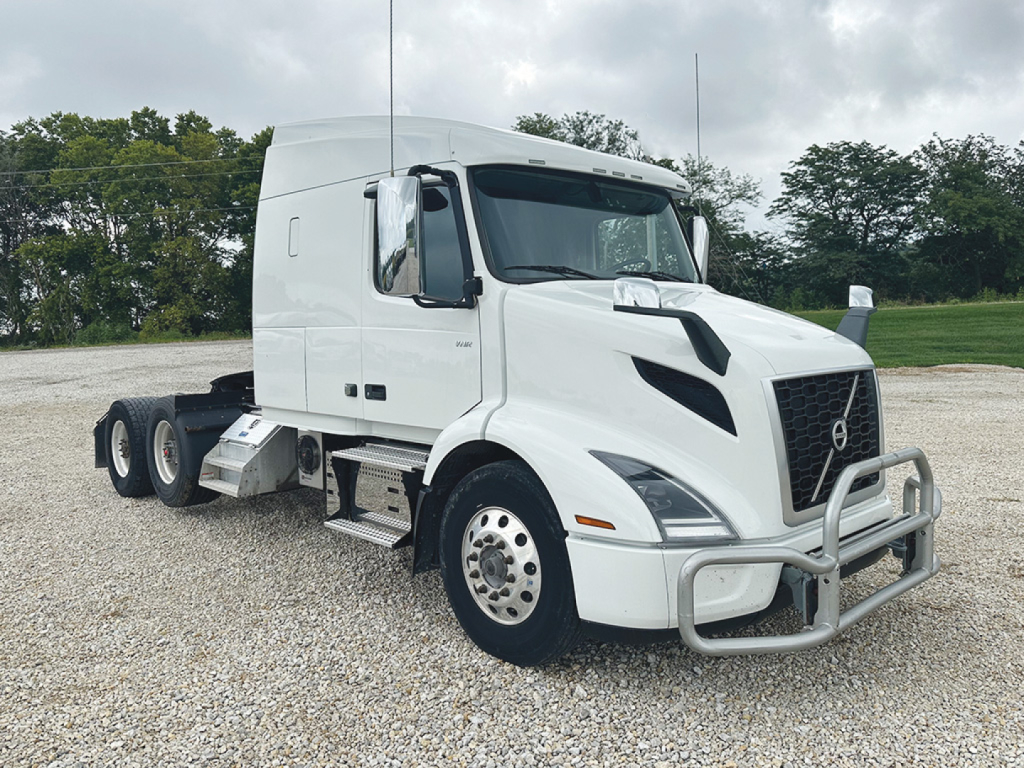
The key buying decisions usually come down to sleeper size, axle and ratio setup, and how the truck was previously used. Common sleeper layouts include mid-roof and high-roof cabs with double bunk configurations for solo or team use. Many 2020 Volvo conventional sleepers were ordered as 6x4 tractors with 40,000 lb rears, air ride suspension, sliding fifth wheel, and wheelbases in the low-to-mid 220-inch range. Rear axle ratios such as 2.64 or 3.08 are common on highway tractors and affect cruise RPM, gradeability, and fuel burn. Buyers running heavier freight or more variable terrain should pay close attention to horsepower, torque rating, and axle ratio rather than shopping by sleeper size alone.
Volvo's appeal in this category is not just the cab. The VNL cab design is known for a quiet interior, good sightlines, and a driver-focused dash layout. Many 2020 models include adaptive cruise control, collision mitigation, lane-related safety features, bunk heaters, APUs, premium seating, and integrated infotainment controls. Disc brakes, low-profile 22.5 tires, aluminum wheels, dual fuel tanks, and aerodynamic fairings are also common. For fleet buyers, these specs matter because they influence maintenance cost, fuel performance, and driver retention. For owner-operators, they matter because comfort and operating cost show up on every trip.
When comparing used 2020 Volvo conventional sleeper trucks for sale, condition is more important than badge and trim level alone. Look closely at maintenance history for the D13 engine, transmission calibration and shift quality on the I-Shift, aftertreatment service records, tire wear patterns, and the condition of the bunk, cabinets, and climate systems. It also helps to verify wheelbase, fifth wheel travel, fuel capacity, and safety system functionality against the type of trailer and lane profile you plan to run. A well-spec'd 2020 Volvo sleeper can be an efficient, driver-friendly highway tractor with the right balance of comfort, resale appeal, and operating economics.
Frequently Asked Questions about Used 2020 Volvo Conventional Sleeper Trucks
What engine and transmission are common in a used 2020 Volvo conventional sleeper truck?
Most used 2020 Volvo conventional sleeper trucks are equipped with a Volvo D13 diesel engine paired with the Volvo I-Shift automated manual transmission. Horsepower ratings commonly fall in the 425 to 455 HP range, though exact specs vary by original fleet order. This combination is popular because it supports strong highway fuel economy, smooth shifting, and driver-friendly operation in long-haul service.
What is the difference between Volvo VNL sleeper configurations?
The main differences are sleeper size, roof height, storage layout, and interior amenities. Some 2020 Volvo sleepers are spec'd for solo over-the-road use, while others have double bunks and more cabinet space for team driving. A larger sleeper can improve driver comfort and onboard storage, but it also needs to match your payload, wheelbase, and operational needs. Buyers should compare bunk layout, stand-up room, and available features like bunk heater or workstation space.
Are 2020 Volvo conventional sleeper trucks good for fuel economy?
Yes, many 2020 Volvo conventional sleeper trucks are spec'd specifically for fuel-efficient highway operation. Aerodynamic fairings, integrated powertrain controls, downsped axle ratios such as 2.64 or 3.08, and the D13 and I-Shift combination all contribute to lower cruise RPM and reduced fuel consumption. Actual fuel economy depends on load, terrain, speed, idle time, and maintenance condition, so the truck's current setup matters as much as the model year.
What should I inspect on a used 2020 Volvo sleeper before buying?
Focus on service records, engine and aftertreatment history, transmission operation, brake type and wear, suspension condition, and tire wear patterns. In the cab, check bunk equipment, HVAC performance, warning systems, dash electronics, and the general condition of interior panels and seats. It is also important to confirm rear axle ratio, wheelbase, fifth wheel configuration, and fuel tank capacity so the truck matches the trailers and lanes you plan to run.
Is a 2020 Volvo conventional sleeper better suited for long-haul or regional work?
A 2020 Volvo conventional sleeper can work in both roles, but most are spec'd with long-haul highway use in mind. High-roof sleepers, double bunks, larger fuel capacity, and fuel-economy axle ratios are especially attractive for over-the-road freight. Regional operators still benefit from the comfort, safety technology, and efficient powertrain, but they should make sure the wheelbase, gearing, and sleeper size make sense for tighter routes, more frequent stops, and varied trailer types.