
Used 2013 Volvo Conventional Sleeper Trucks For Sale
Shop used 2013 Volvo conventional sleeper trucks. Compare VNL sleeper specs, D13 engines, I-Shift options, wheelbase, and bunk layouts.
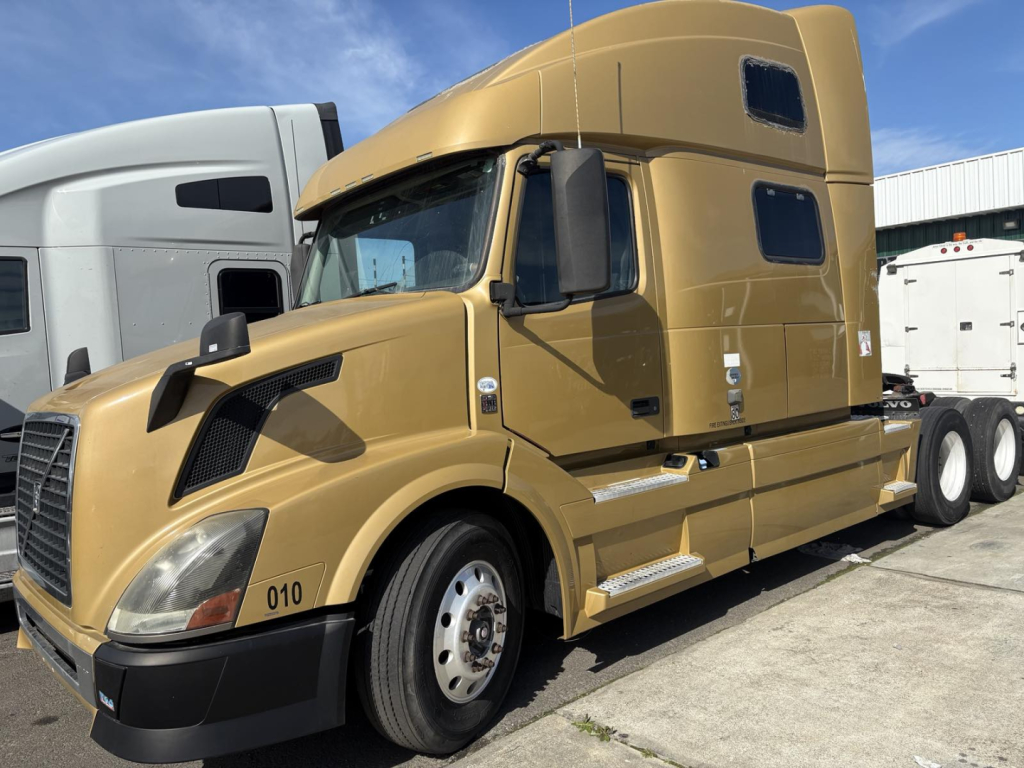
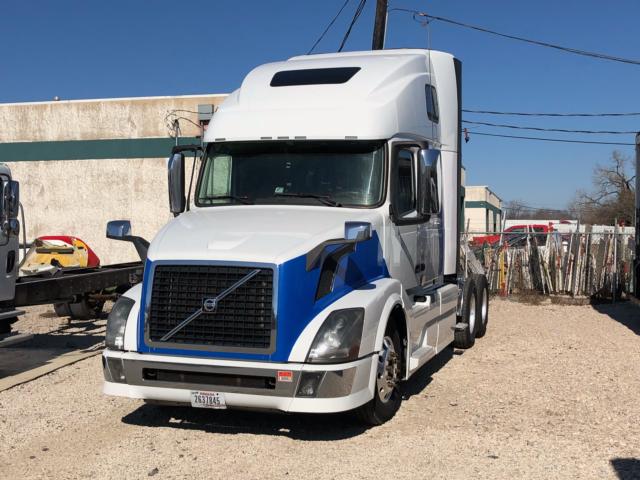

Selling a used 2013 volvo conventional sleeper truck? List your used 2013 volvo conventional sleeper truck for sale and reach thousands of commercial buyers.
Used 2013 Volvo Conventional Sleeper Trucks
The big spec decisions usually start with the engine, transmission, and rear ratio. Many 2013 Volvo sleepers were ordered with the Volvo D13, often in horsepower ratings that fit regional haul, long-haul, and fuel-conscious linehaul work. Buyers should confirm horsepower and torque calibration, engine brake operation, emissions history, and whether major work has been completed on aftertreatment components. Volvo I-Shift automated manual transmissions are common in this segment and remain a strong draw because they are easy on drivers and generally well matched to fuel economy specs. Rear axle ratings often land around 40,000 pounds, with ratios selected for highway speed and RPM efficiency rather than heavy vocational starts.
Cab and sleeper layout matters more than many buyers expect on a 2013 sleeper tractor. Volvo built these trucks with an emphasis on visibility, ergonomic dash layout, and livability inside the bunk. Common features in this class include upper bunks, integrated storage, bunk heaters, refrigerators, air ride suspension, sliding fifth wheels, and aerodynamic fairings. Wheelbase, tank size, and fairing configuration affect trailer gap, turning radius, and fuel range, so they should be matched to the freight and lane profile. Disc brakes, low-profile 22.5 tires, and aluminum wheels also show up on some specs and can influence maintenance planning and tare weight.
Condition is where a used 2013 Volvo conventional sleeper separates itself from the listing description. Service records, ECM history, idle hours, transmission calibration updates, DPF and DEF system repairs, and evidence of consistent PM intervals matter more than cosmetic shine. A buyer should also inspect kingpin setting compatibility, fifth wheel slide travel, suspension wear, steer tire patterns, and bunk HVAC performance. For long-haul buyers, a well-kept 2013 Volvo sleeper can still be a practical truck for dry van, reefer, and dedicated freight if the spec is right and the maintenance history supports the mileage.
Frequently Asked Questions about Used 2013 Volvo Conventional Sleeper Trucks
What engines are common in a used 2013 Volvo conventional sleeper truck?
The Volvo D13 is the engine most buyers expect to find in a 2013 Volvo conventional sleeper, especially in VNL highway tractors. It was commonly spec'd for long-haul fuel economy and driver-friendly performance, with horsepower ratings that fit general freight and reefer work. Buyers should verify the exact rating, torque setting, engine brake function, and maintenance history, especially any emissions-related repairs involving the DPF, DEF, EGR, or sensors.
Is the Volvo I-Shift a good transmission choice in a 2013 sleeper?
The I-Shift is one of the main reasons many buyers shop Volvo sleepers. It offers smooth shifting, reduced driver fatigue, and good driveline matching for fuel economy applications. On a used 2013 truck, the important checks are clutch life if applicable, software updates, shift quality under load, and whether the transmission has been properly serviced. A road test is important because hesitation, harsh shifts, or fault codes can point to expensive repairs.
What sleeper sizes and models are common for 2013 Volvo highway tractors?
The VNL 670 and VNL 780 are among the most recognized 2013 Volvo sleeper configurations. The 670 is generally seen as a practical balance of aerodynamics and sleeper space, while the 780 is associated with a larger premium sleeper and more interior room for team or extended-haul use. Exact bunk layout, cabinet configuration, and storage options vary by original spec, so buyers should check the interior against their route length and driver requirements.
What should I inspect first on a used 2013 Volvo sleeper truck?
Start with service documentation, engine hours, odometer consistency, and any record of aftertreatment repairs. Then inspect the fifth wheel, suspension, tires, brakes, frame condition, and cab systems including HVAC, bunk components, and electrical accessories. On a 2013 emissions truck, fault code history and evidence of proper PM matter a lot. A pre-purchase inspection with ECM download is usually worth the cost because it helps confirm how the truck was operated and maintained.
What kind of freight is a 2013 Volvo conventional sleeper best suited for?
This type of truck is generally best suited for highway freight such as dry van, refrigerated freight, dedicated contract lanes, and other over-the-road applications. Most 2013 Volvo sleepers were spec'd for aerodynamic efficiency, driver comfort, and steady road speed rather than severe-duty vocational work. The right answer depends on wheelbase, axle ratio, sleeper size, and fifth wheel setup, but this category is strongest in linehaul and regional tractor duty.