
Used 2023 Volvo Conventional Sleeper Trucks For Sale
Shop used 2023 Volvo conventional sleeper trucks with D13 power, I-Shift options, aero cabs, and long-haul specs built for fuel-efficient highway work.
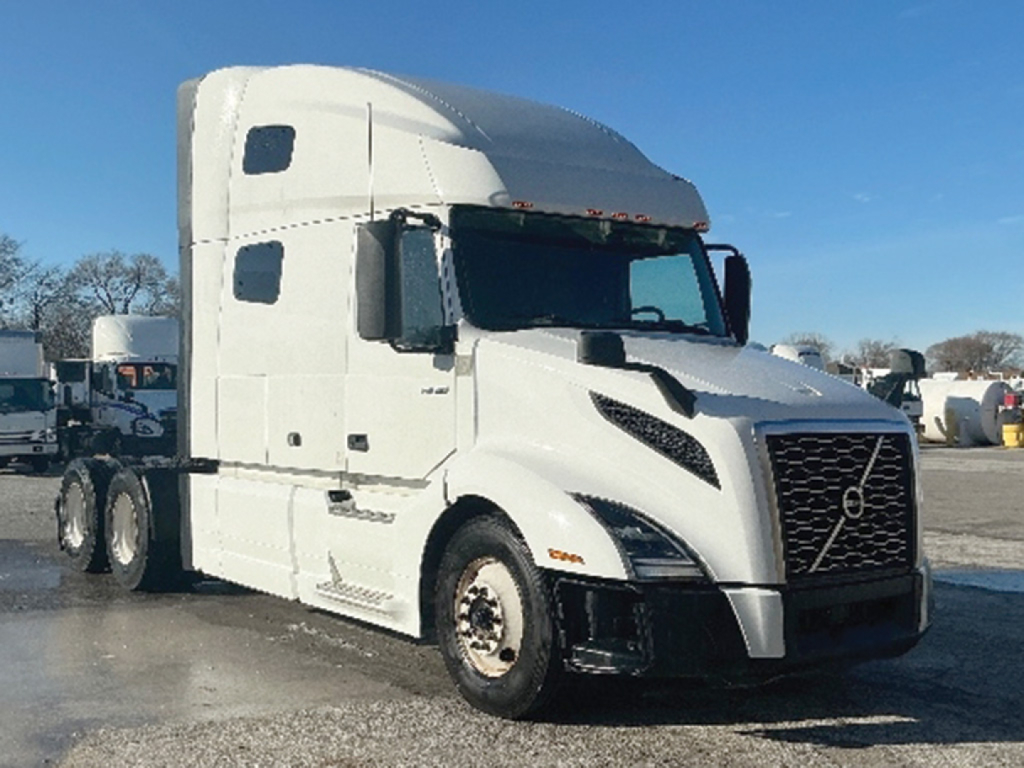
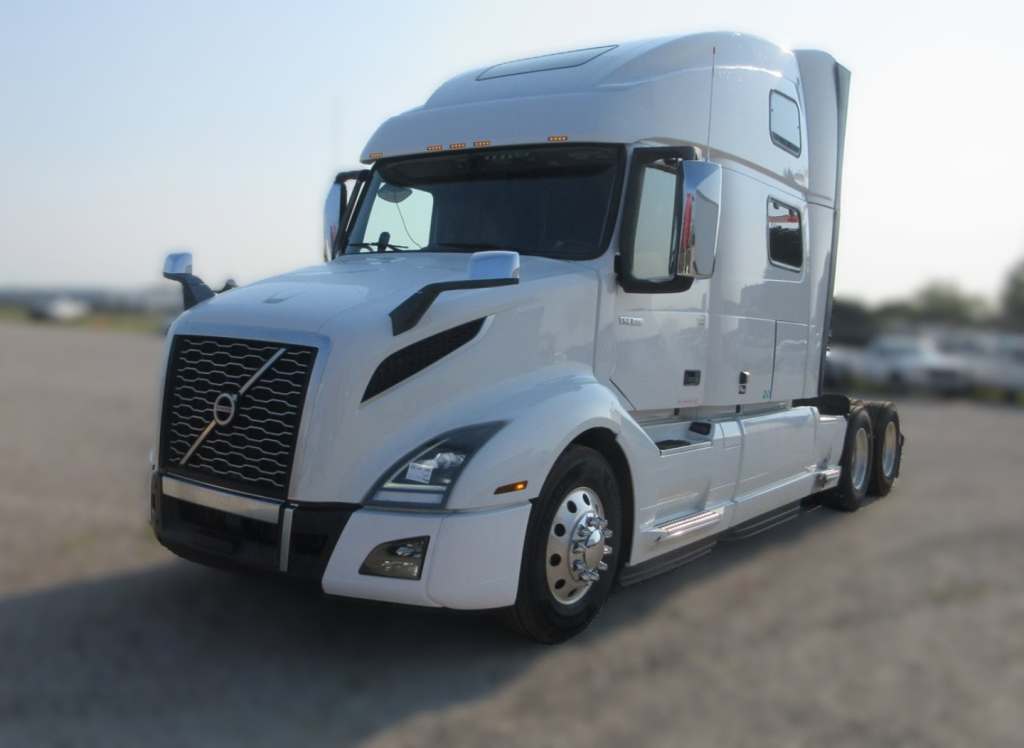
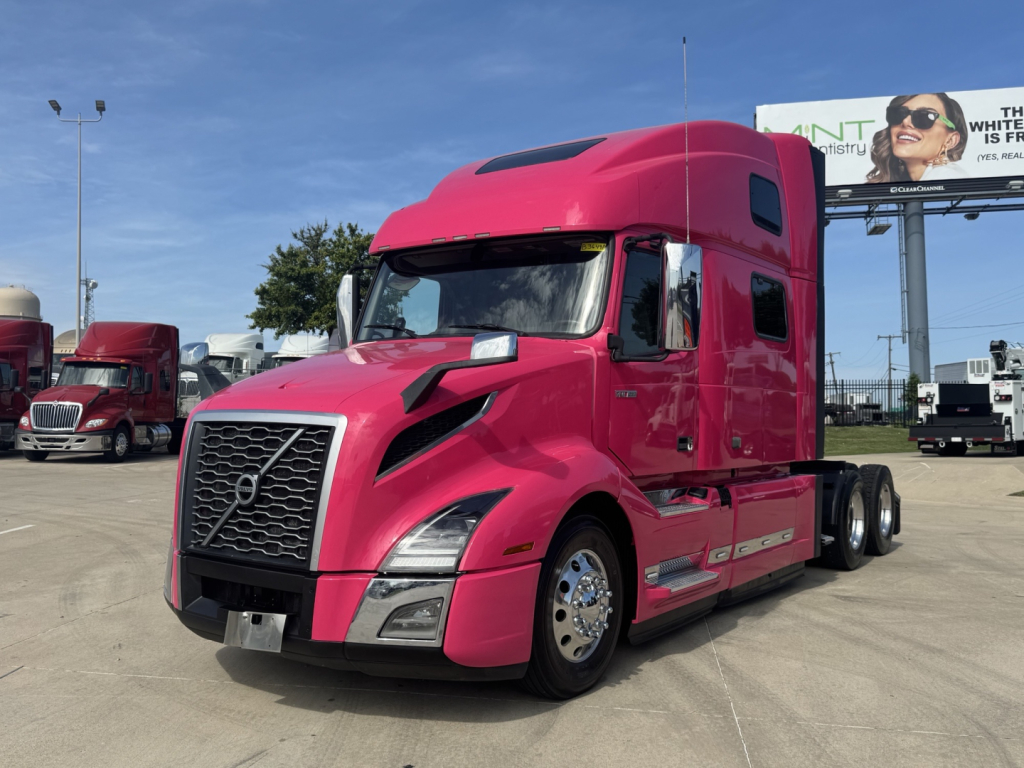

Looking for the easiest place to sell your used 2023 volvo conventional sleeper truck? List it here to reach thousands of buyers.
Used 2023 Volvo Conventional Sleeper Trucks
The main buying decisions usually come down to sleeper size, axle layout, horsepower rating, and rear axle ratio. Volvo conventional sleepers are often set up as 6x4 road tractors with raised-roof cabs, though exact VNL trim and sleeper length can vary by application. D13 ratings commonly fall in the 425 to 455 horsepower range for general freight, with higher torque settings available for heavier lanes or tougher terrain. Rear axle ratios in the mid-2s to low-3s are typical on fuel economy specs, while wheelbase, fuel capacity, and fifth wheel position should be matched to trailer mix and bridge-law requirements. Buyers running van, reefer, or dedicated dry freight should pay close attention to kingpin settings, fairing condition, and tire spec because those details directly affect payload flexibility and operating cost.
Volvo sleepers are well known for cab comfort, visibility, and aerodynamic design. For many operators, that translates into lower driver turnover and better highway efficiency. On a used 2023 truck, inspect the emissions system history, adaptive cruise and collision mitigation calibration, transmission software updates, and any fault-code trends in the aftertreatment system. It is also smart to review idle hours versus road miles, especially on sleepers used in team operations or extreme climates. Interior condition matters more than many buyers think because bunk HVAC, mattress layout, storage configuration, and inverter setup can affect driver satisfaction just as much as drivetrain spec.
A strong used 2023 Volvo conventional sleeper should be evaluated as a total operating package, not just by mileage and price. Look at maintenance records, remaining tire and brake life, suspension wear, fuel tank configuration, and whether the truck was fleet maintained or owner-operated. If the truck will be assigned to long interstate lanes, prioritize aero packages, I-Shift performance history, and a powertrain spec that keeps the engine in its efficient cruising range. If the application includes hills, heavier gross weights, or frequent urban transitions, verify that the horsepower, torque, and ratio package fits the work instead of buying purely on appearance or sleeper size.
Frequently Asked Questions about Used 2023 Volvo Conventional Sleeper Trucks
What engine and transmission are most common in a used 2023 Volvo conventional sleeper truck?
Most used 2023 Volvo conventional sleeper trucks are equipped with the Volvo D13 engine and Volvo I-Shift automated manual transmission. This is a common highway specification because it balances fuel economy, driver comfort, and consistent shift performance. Horsepower ratings often land between 425 and 455 horsepower, with torque and rear axle ratio selected around the intended freight and terrain.
What should I inspect first on a used 2023 Volvo sleeper?
Start with service records, engine hours, and fault-code history. On a 2023 model, buyers should closely inspect aftertreatment performance, software update history, transmission operation, and the condition of safety-system sensors and cameras if equipped. Tire wear, brake life, suspension components, and fairing damage also deserve attention because they affect both operating cost and highway efficiency.
Are 2023 Volvo conventional sleepers good for long-haul freight?
Yes. Volvo conventional sleepers are designed primarily for highway applications such as van, reefer, and dedicated route freight. Their aerodynamic cab design, sleeper comfort, and common D13 and I-Shift powertrain package make them well suited for long interstate runs. The best fit depends on having the right sleeper size, fuel capacity, and gearing for the route structure.
How important is rear axle ratio on a Volvo sleeper tractor?
Rear axle ratio is a major buying factor because it affects cruise RPM, gradeability, fuel economy, and startability under load. A fuel-mileage-focused highway truck may carry a taller ratio in the 2.4 to 2.6 range, while heavier or hillier applications may need a shorter ratio in the upper-2s or low-3s. The ratio should be evaluated alongside horsepower, torque, tire size, and transmission programming rather than by itself.
What cab and sleeper features matter most on a used 2023 Volvo VNL-type sleeper?
The most important cab features are the ones that influence uptime and driver productivity. Buyers should look at bunk layout, storage, HVAC performance, seat condition, inverter setup, dash electronics, and visibility. On a late-model sleeper, integrated safety features, steering wheel controls, and infotainment or telematics compatibility can also matter, especially for fleets trying to keep drivers comfortable and reduce training issues across multiple trucks.