
New 2026 Trailers For Sale in Colorado
Shop new 2026 trailers for sale in Colorado, including dump, hopper, and specialized hauling trailers with current specs and work-ready configurations.
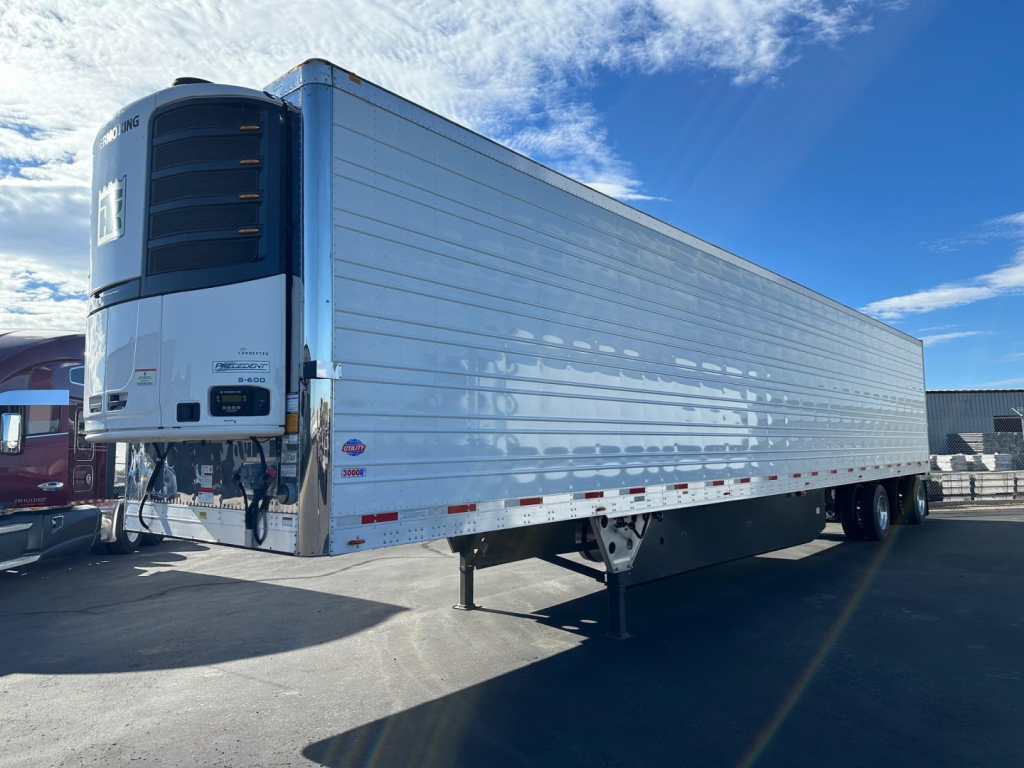
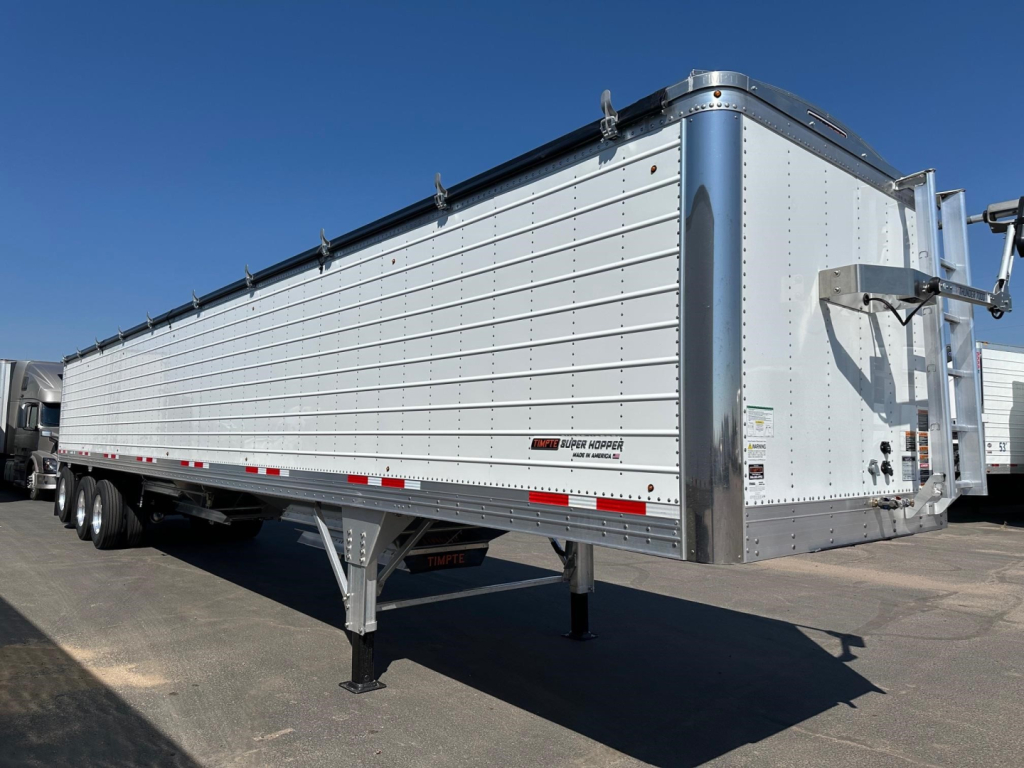
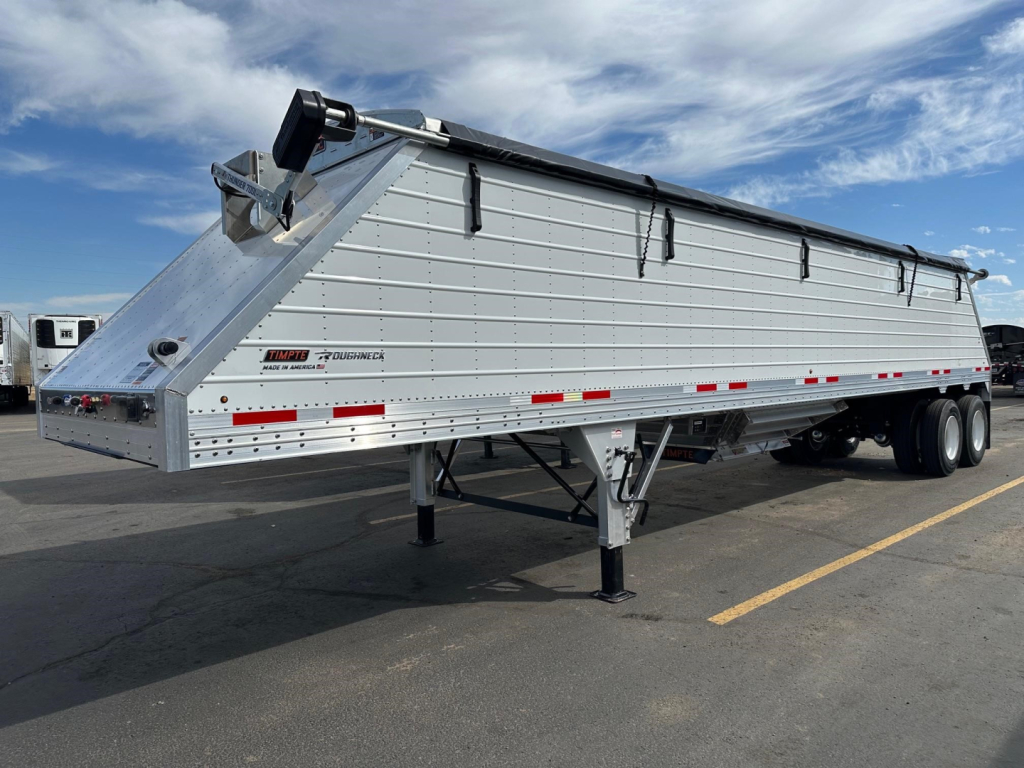
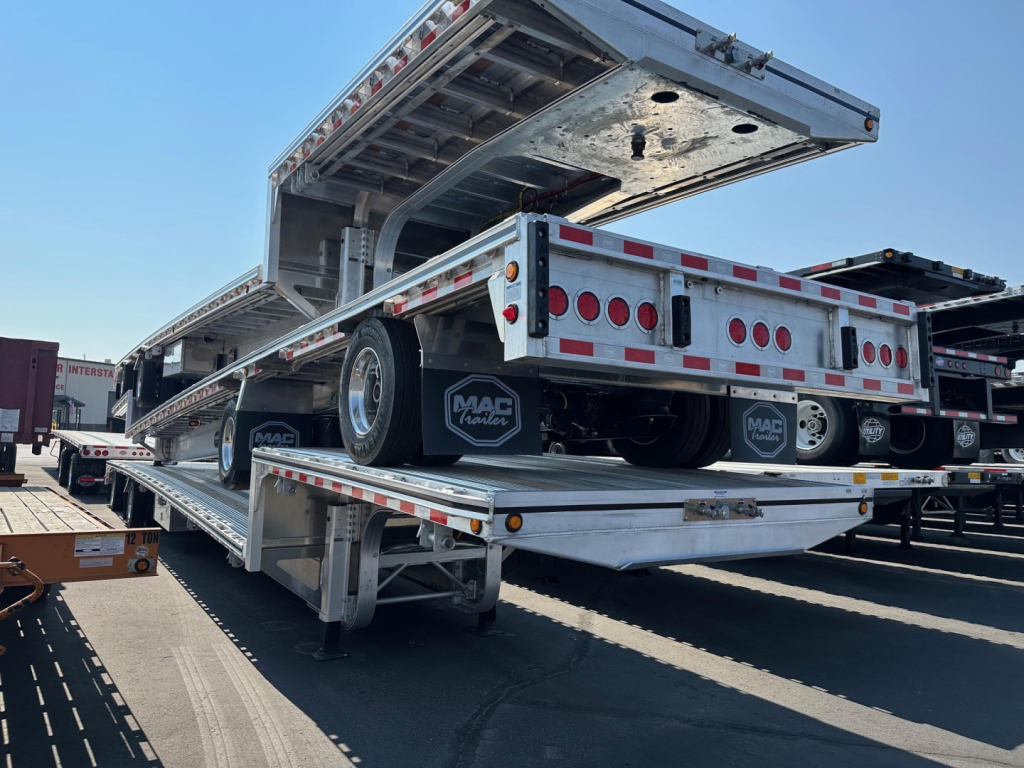
Showing 1 to 24 of 87 results
Have new 2026 trailer to sell? List it here to reach thousands of buyers.
New 2026 Trailers in Colorado
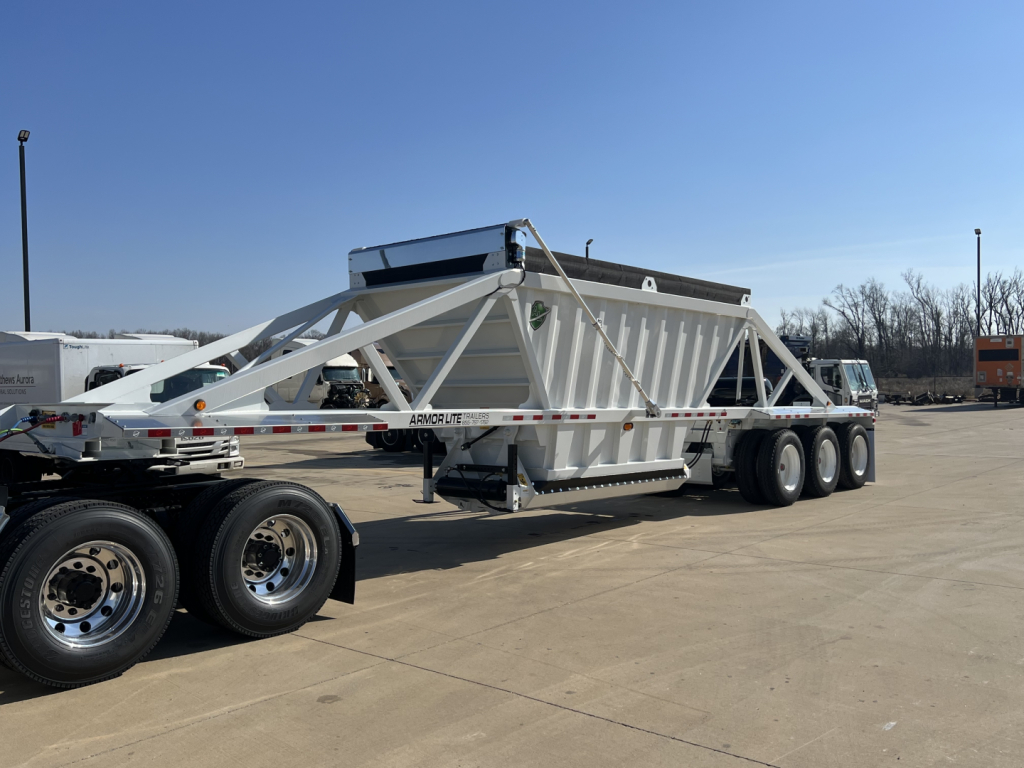
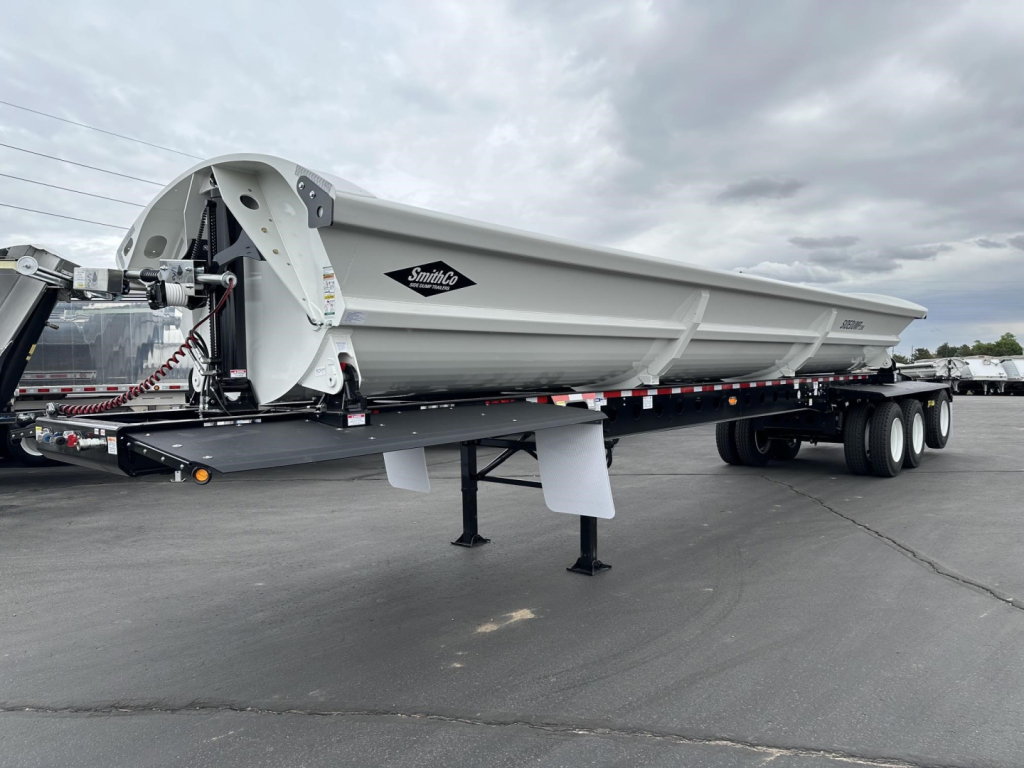
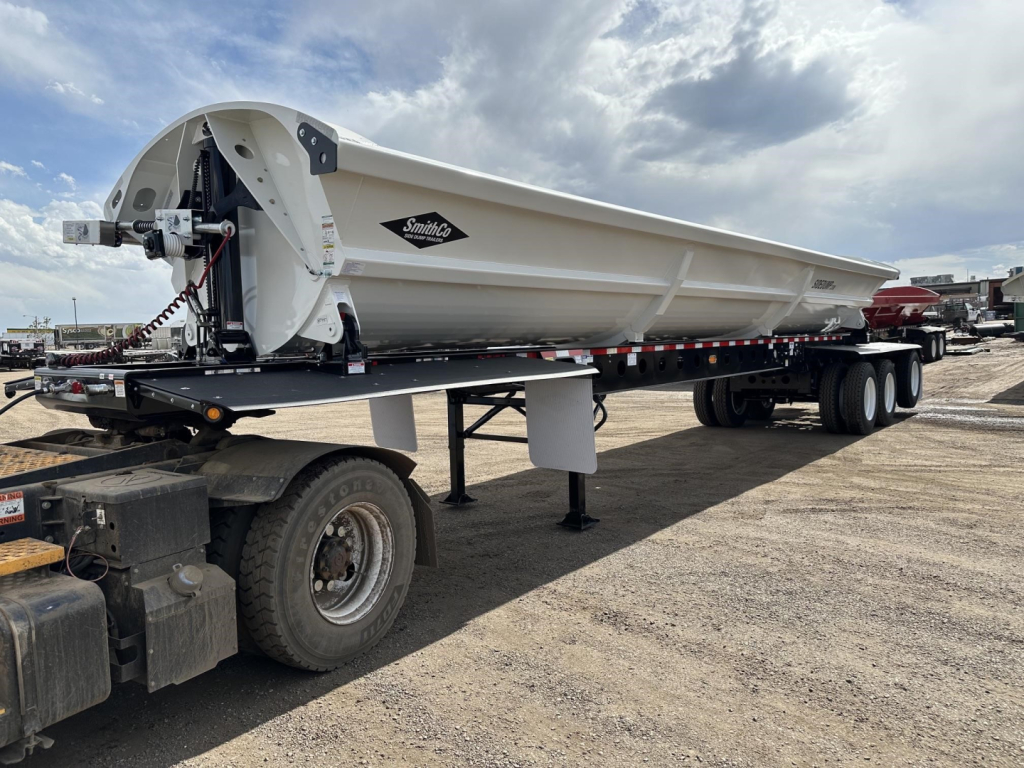
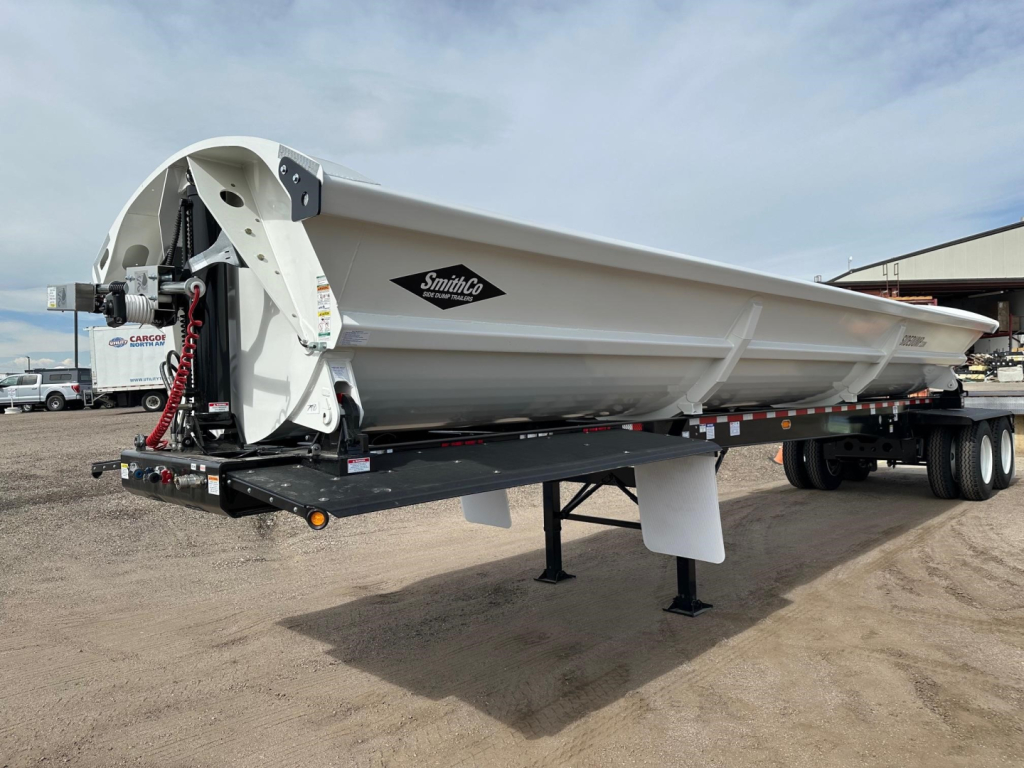
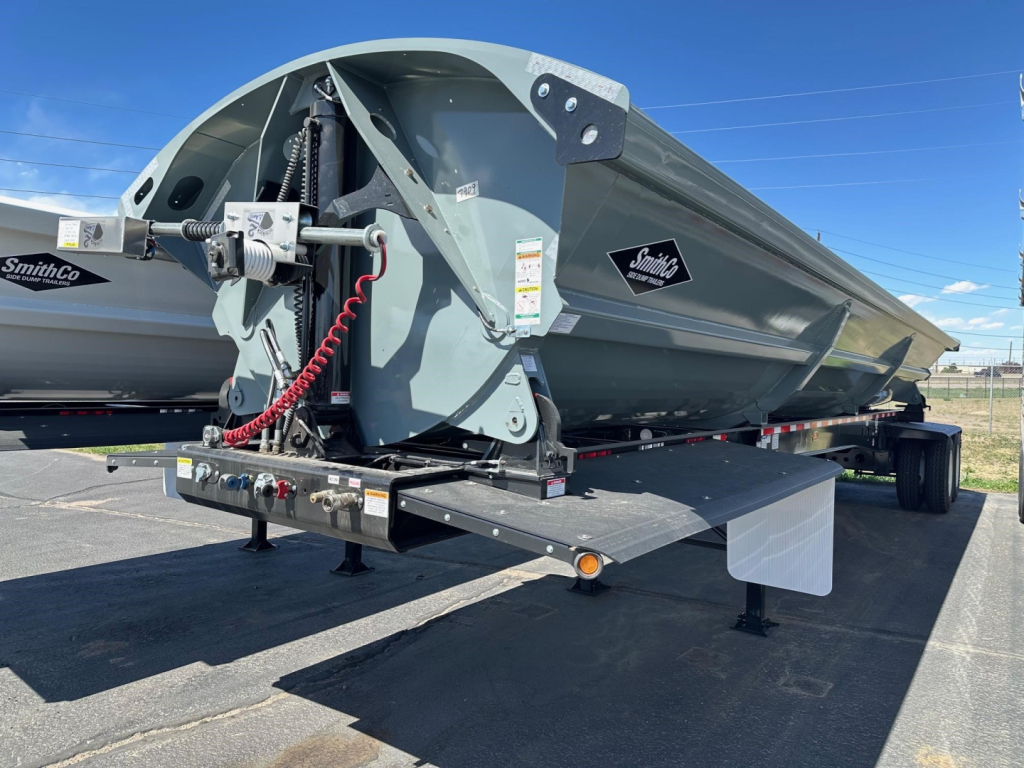
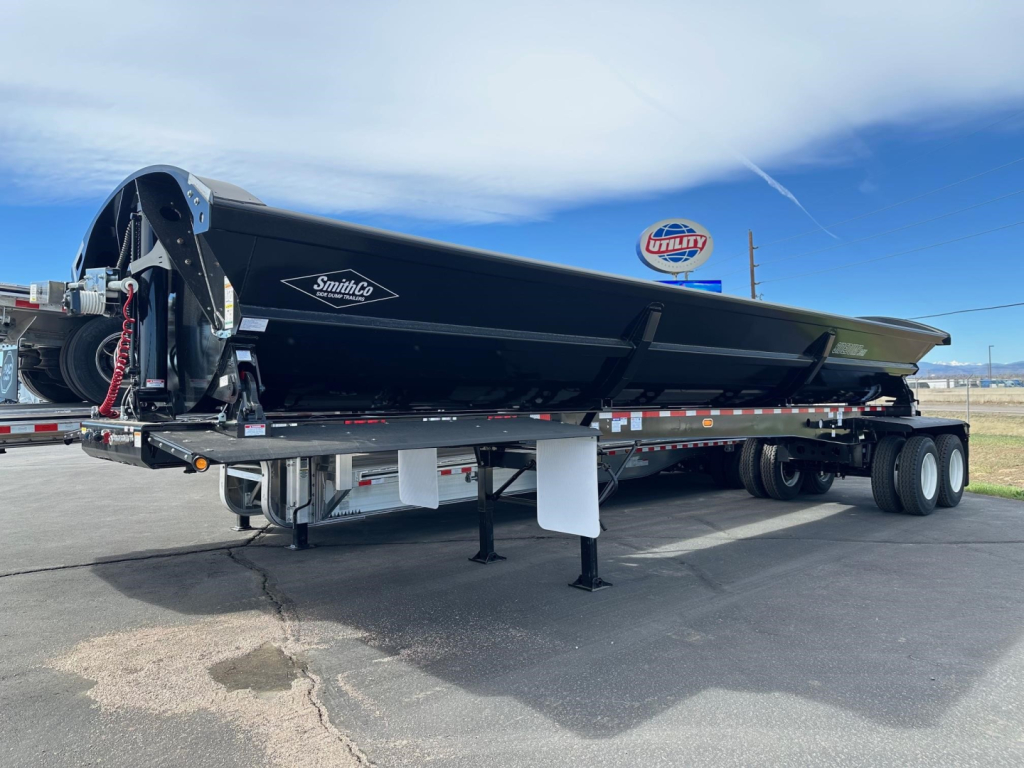
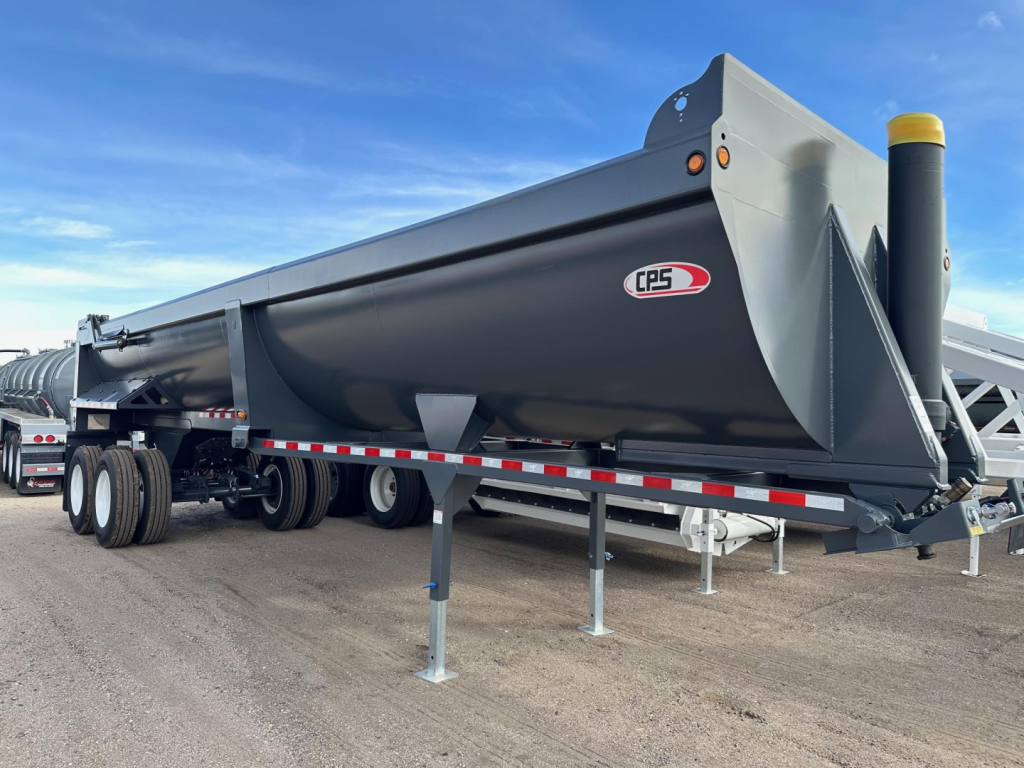
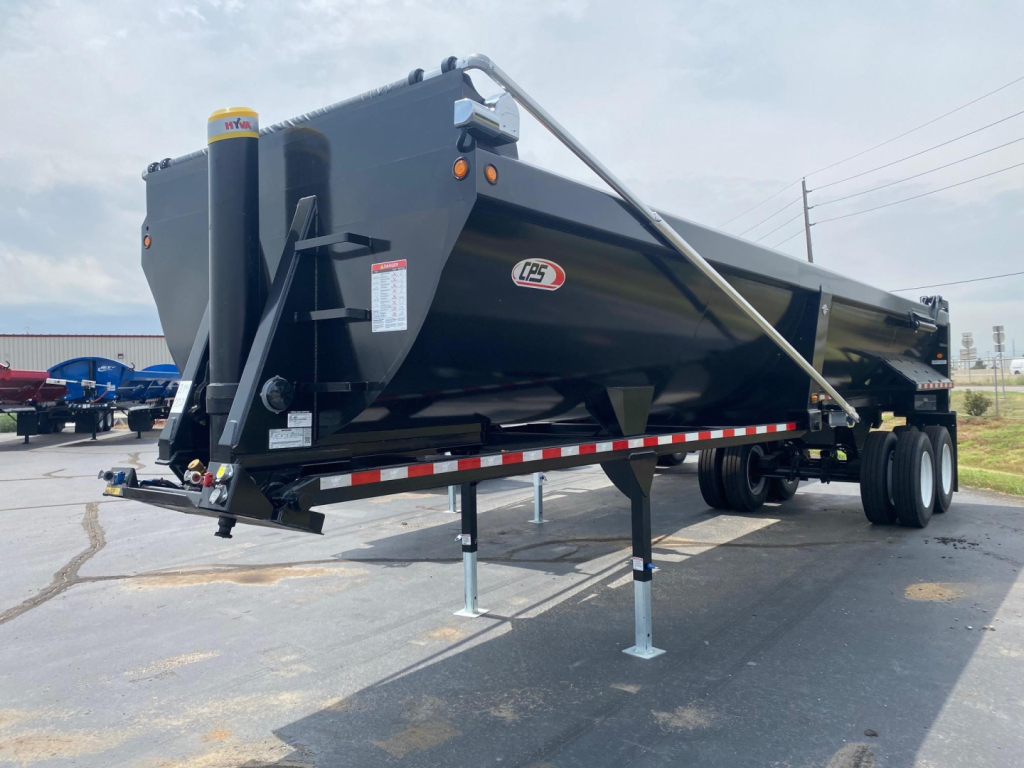
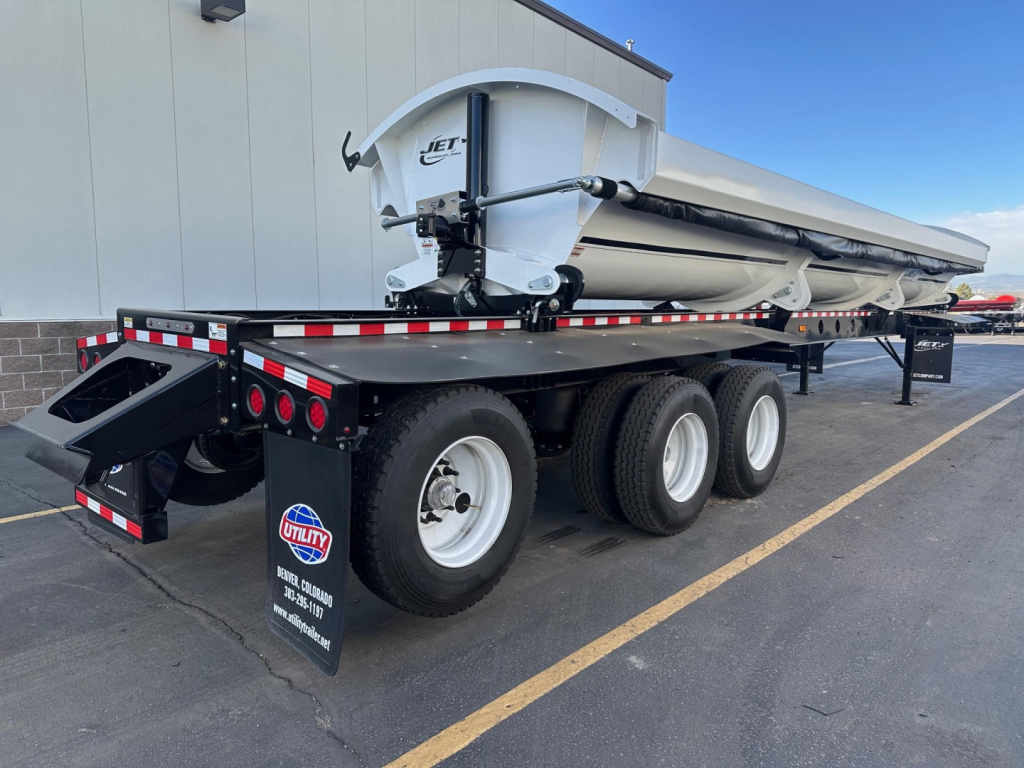
For aggregate, demolition, paving, and site work, new dump and bottom dump trailers are typically spec'd around body material, cubic yard capacity, gate control, and suspension type. Frameless steel end dumps are common where abrasion resistance and high-cube capacity matter, especially for rock, scrap, and demolition debris. Bottom dumps are a strong fit for road base, gravel, and material spreading because controlled discharge, gate limiters, windrow deflectors, and Versa-style valve systems help keep placement consistent. Buyers should pay close attention to tub design, side height, liner or AR steel construction, single versus multiple hopper layouts, push blocks, pintle provisions for pup use, and whether the trailer is built around air ride, single-point, or mixed suspension setups.
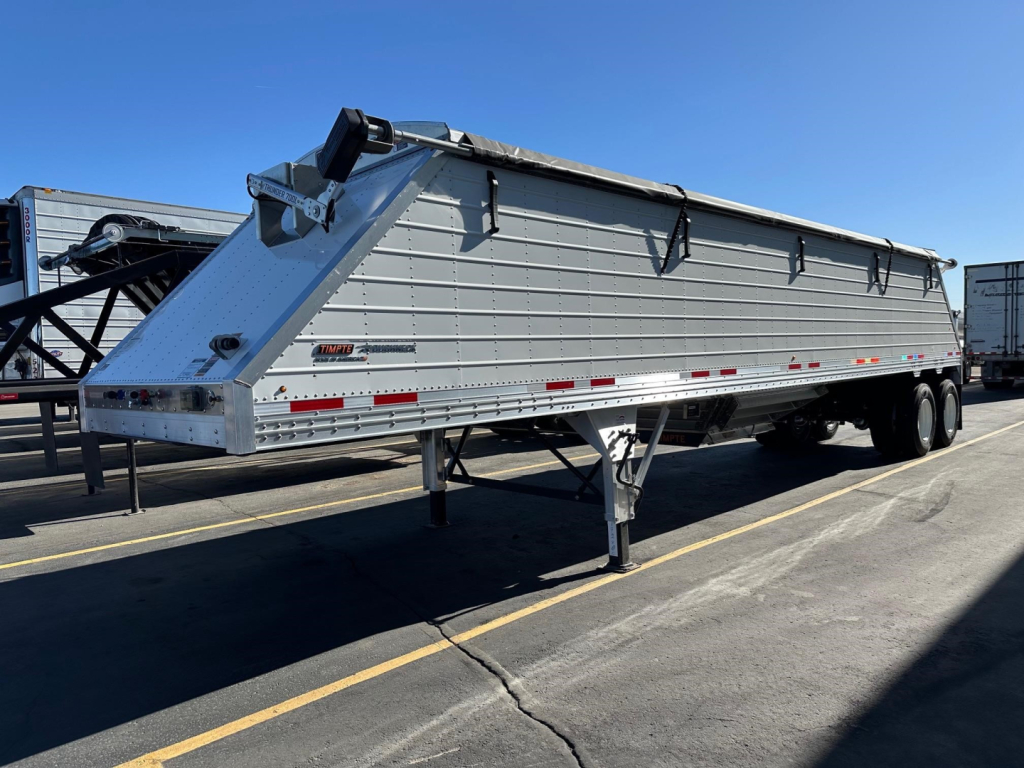
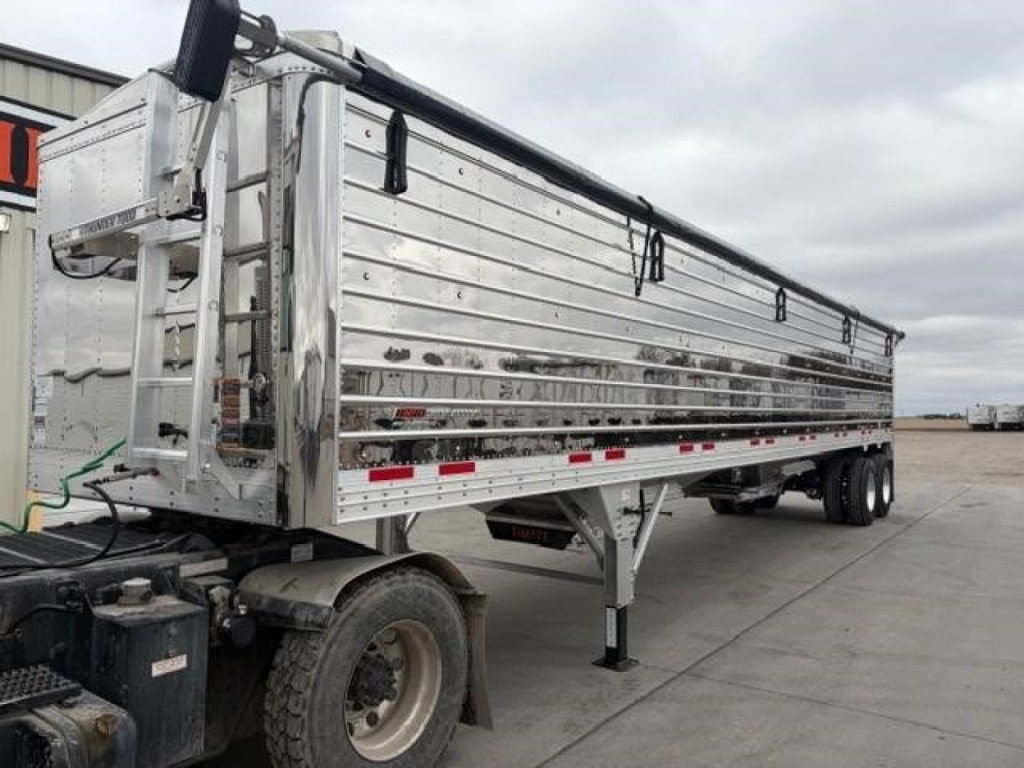
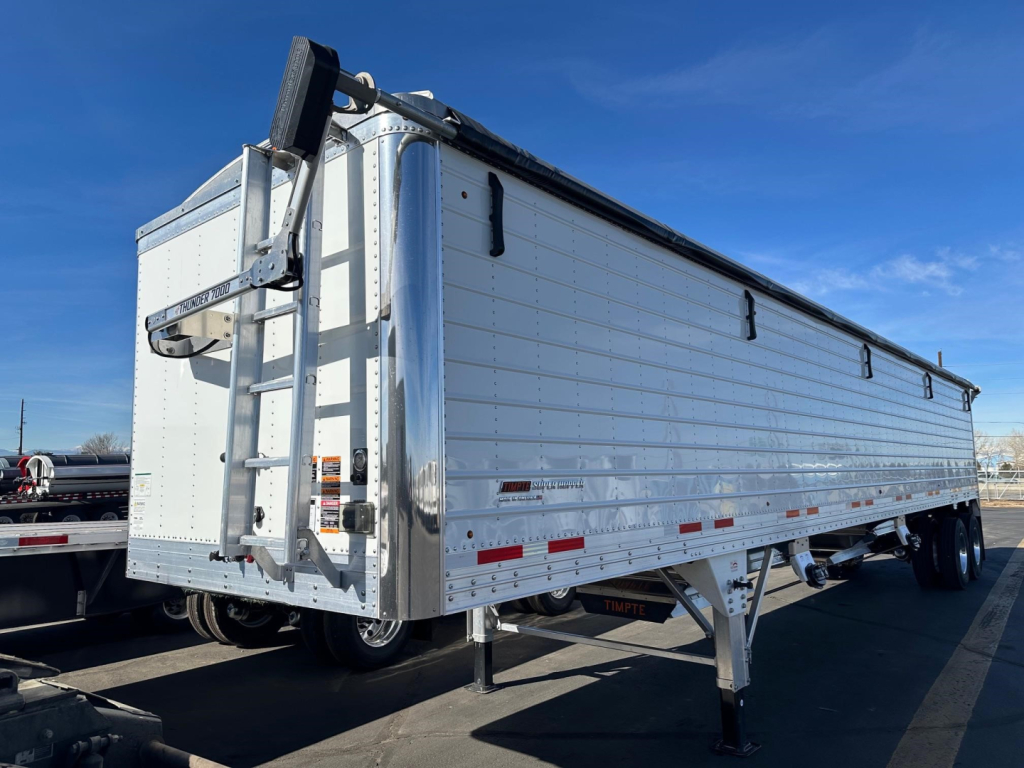
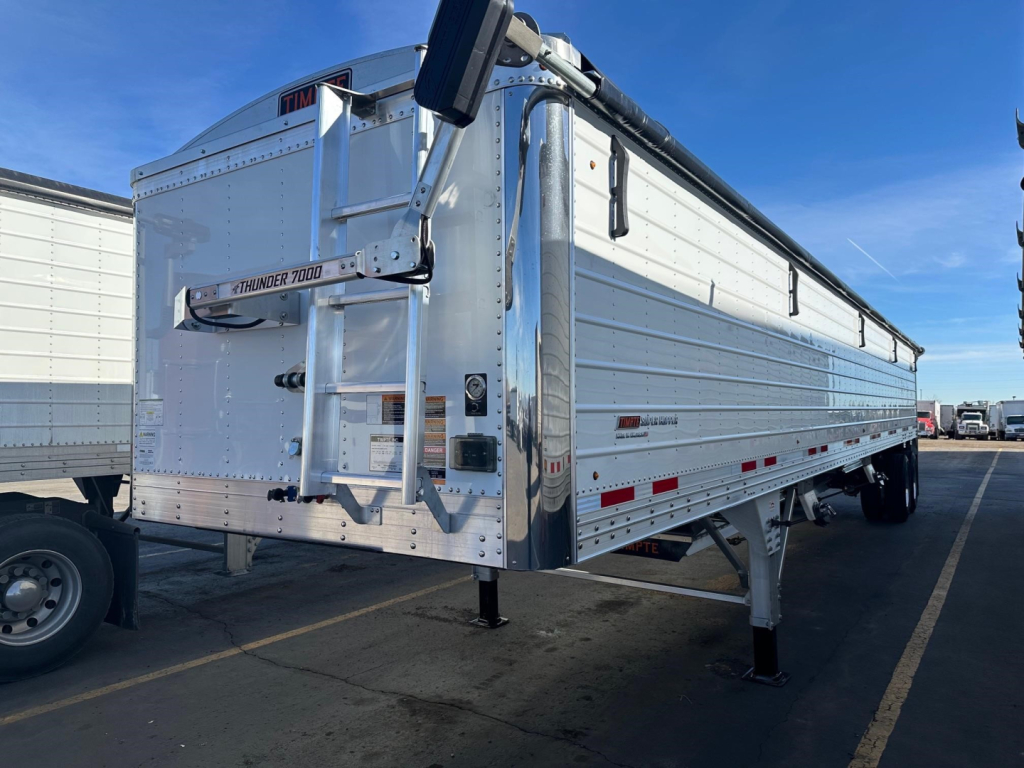
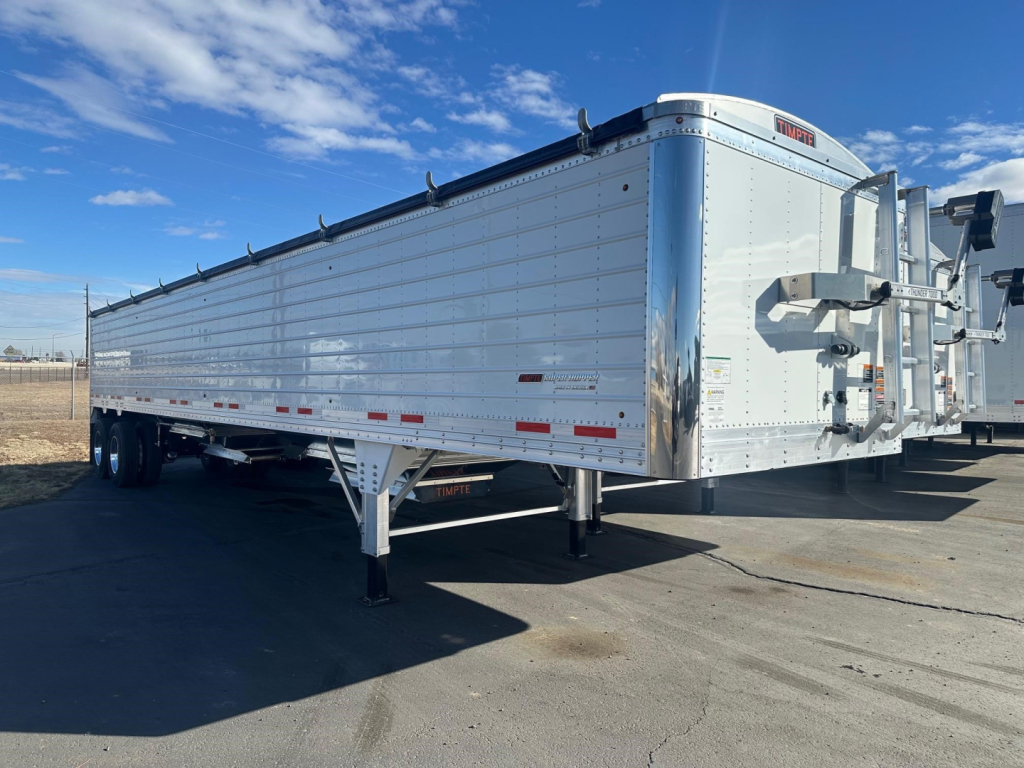
For grain, feed, fertilizer, and other bulk commodity work, hopper trailers remain a staple because they balance payload and unloading efficiency. Common considerations include trailer length and width, side height, hopper count, subframe design, corrosion resistance, ladder placement, tarp type, and wheel material. Aluminum construction is still favored for weight savings, while stainless front corners, stainless rear panels, and corrosion-sensitive component upgrades matter for operators who want longer service life and easier resale. Features such as electric rollover tarps, dump valves, scale gauges, and ag-style hopper configurations can make a real difference in day-to-day usability, especially during harvest or high-turn bulk operations.
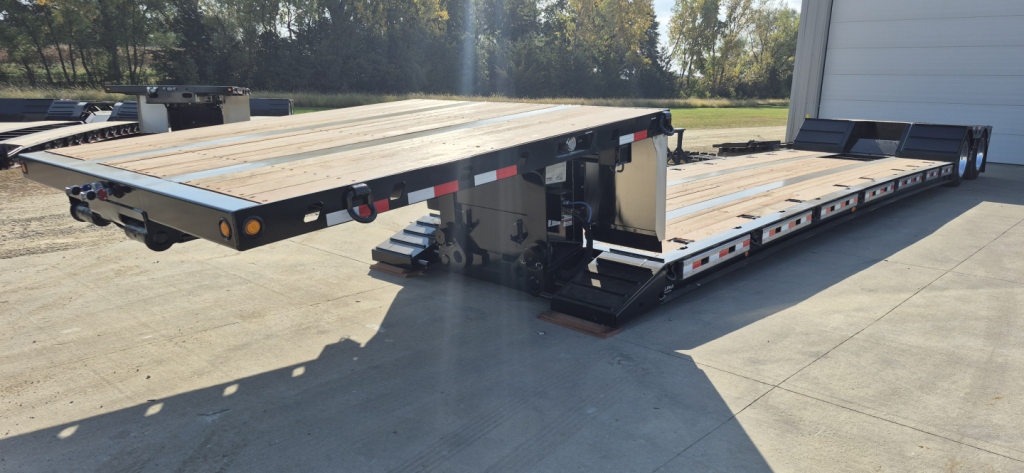
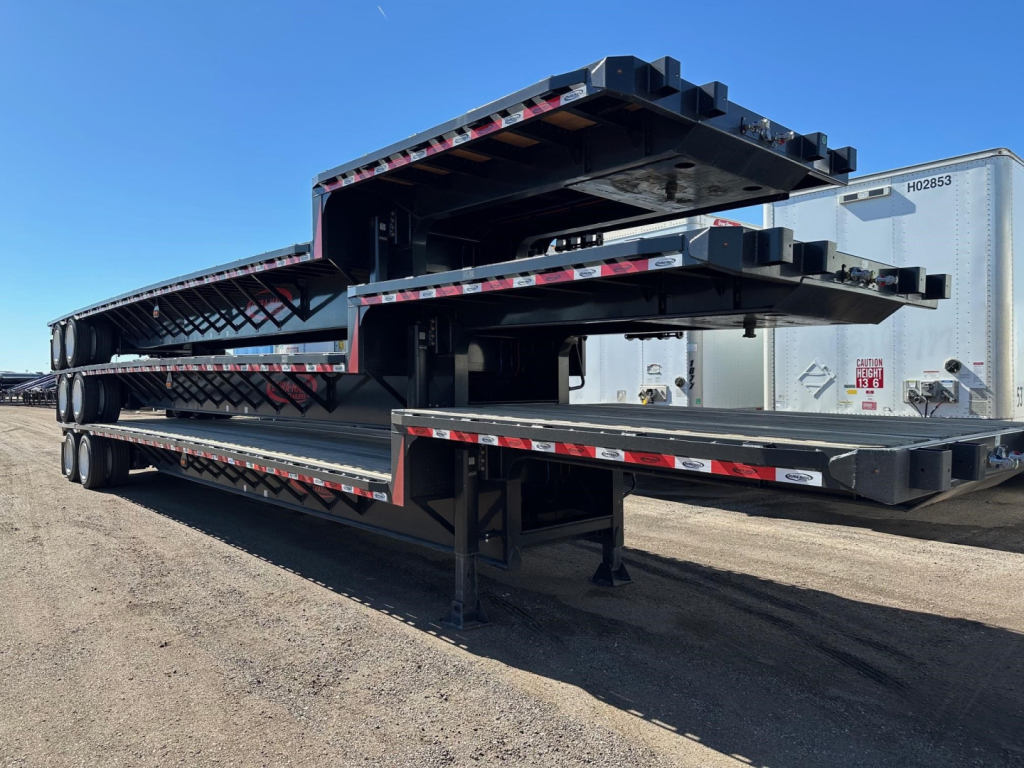
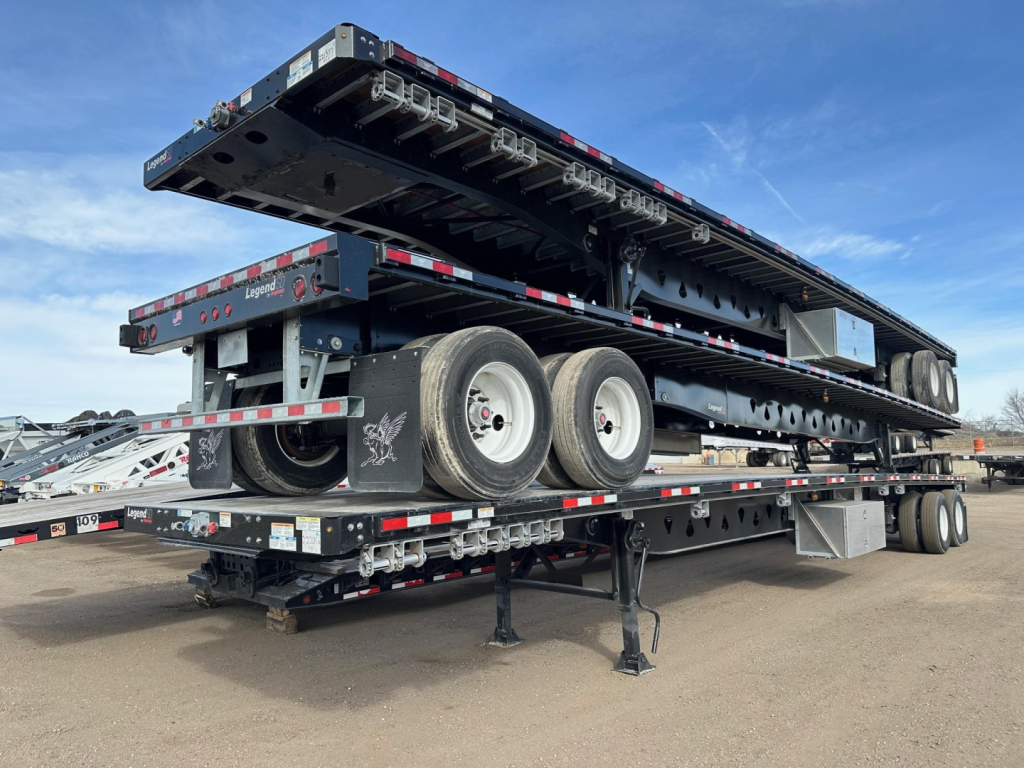
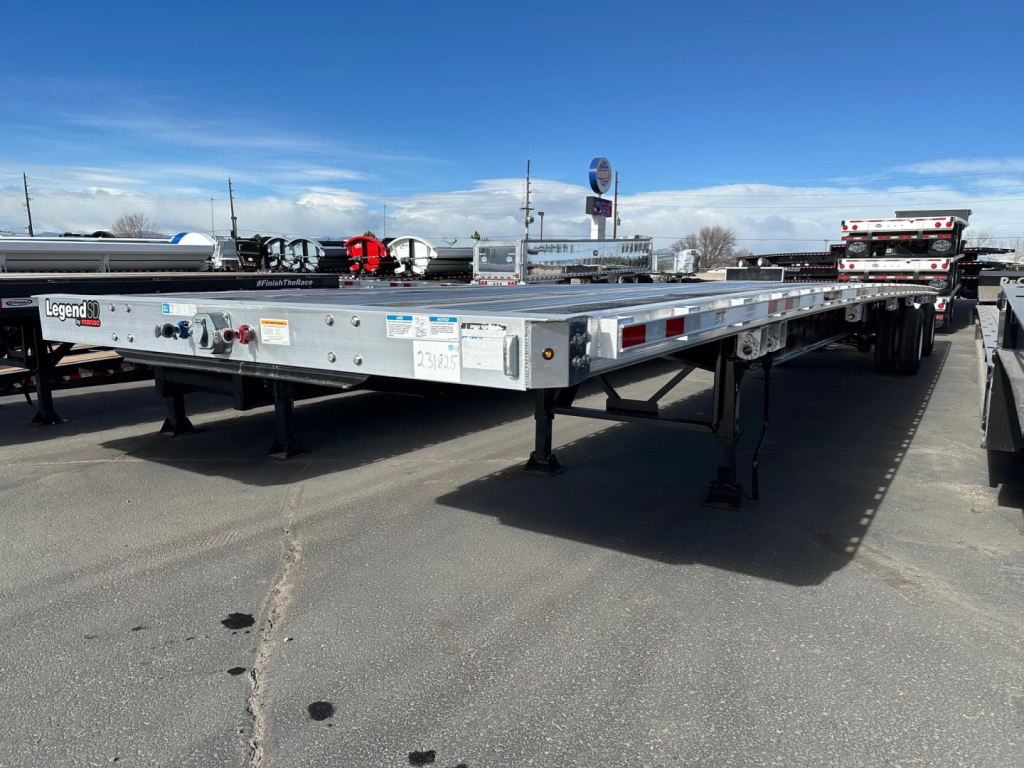
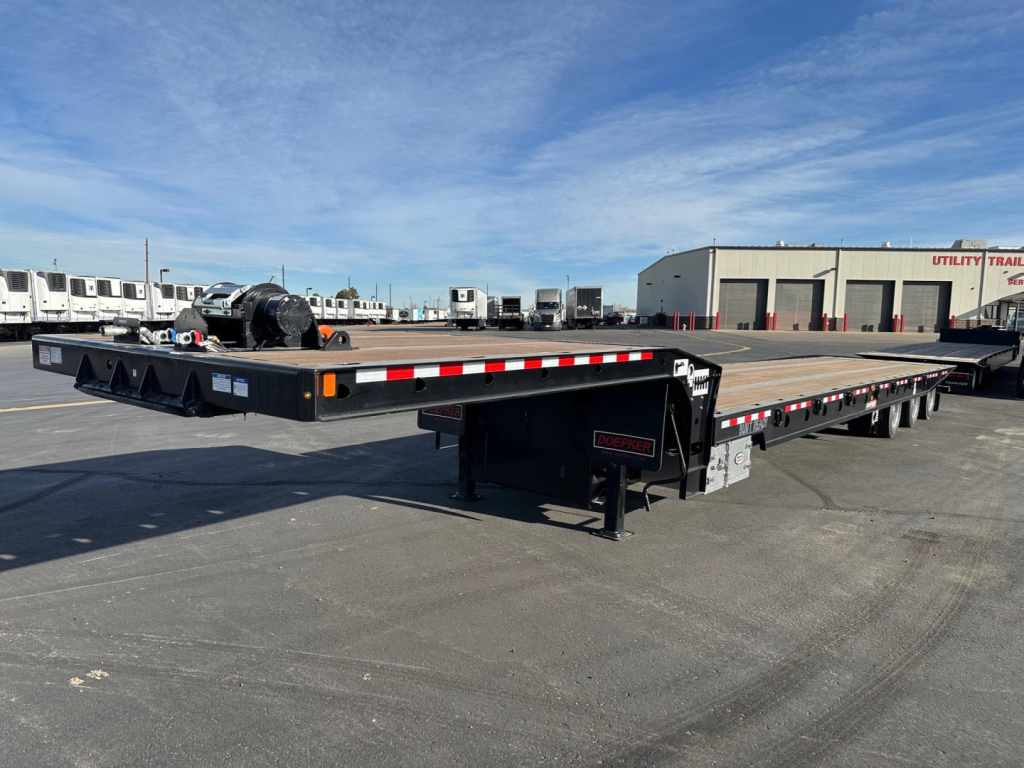
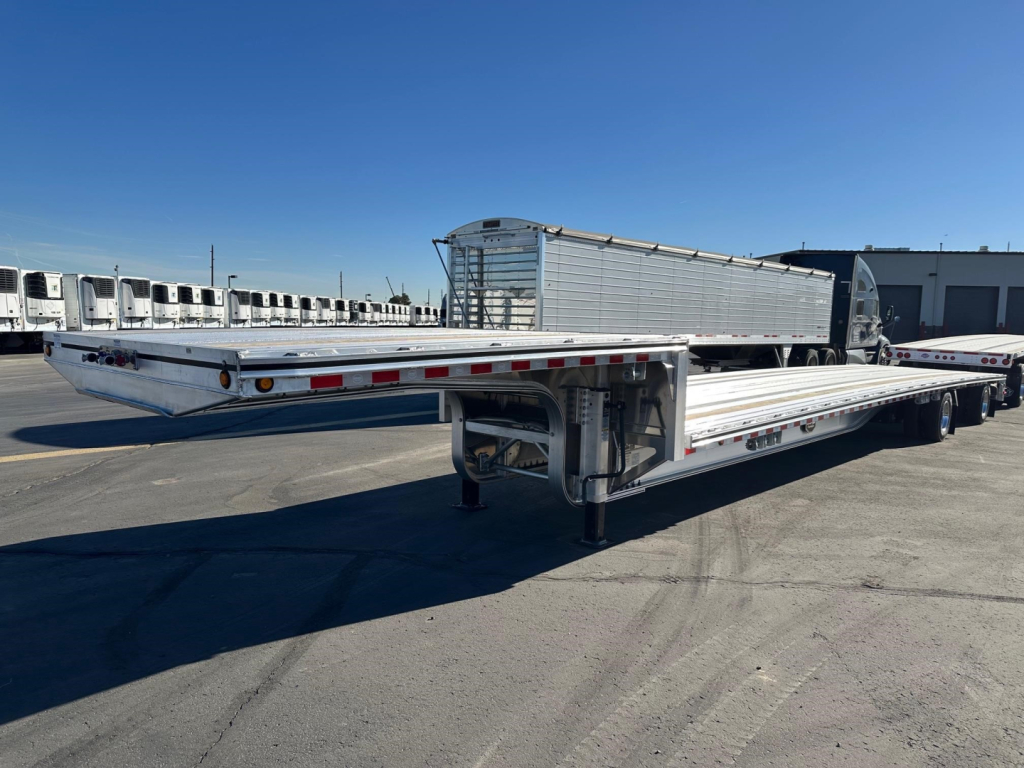
Specialized hauling trailers in the 2026 model year also include traveling axle and slide-axle equipment designed for machinery, construction equipment, and heavier loads. In that category, deck construction, crossmember spacing, winch setup, remote functions, axle grouping, tire size, and ride quality are core spec points. A buyer comparing new trailers should also look at kingpin or hitch arrangement, deck height, loaded angle, tie-down package, chain slots, stake pockets, tool storage, and serviceability of wear components like slider pads and suspension parts. The right trailer is the one that matches the freight, route, and unloading method without forcing compromises on payload, stability, or cycle time.
Frequently Asked Questions about New 2026 Trailers in Colorado
What types of new 2026 trailers are most common in Colorado?
Common new 2026 trailer categories in Colorado include end dump trailers, bottom dump trailers, hopper bottoms, and specialized heavy-haul equipment trailers such as traveling axle or slide-axle models. The mix reflects the state's construction, aggregate, agriculture, and equipment transport demand. Buyers often narrow the field by freight type first, then compare axle configuration, suspension, body material, and capacity.
How do I choose between an end dump and a bottom dump trailer?
An end dump trailer is typically better for higher-volume hauling of rock, scrap, demolition debris, and materials that need full rear discharge. A bottom dump trailer is generally preferred for controlled spreading of gravel, road base, and similar material on road projects. Key buying factors include material type, ground conditions, rollover risk, cubic yard requirements, and whether precise discharge control matters more than maximum dump height.
What specs matter most when buying a new hopper trailer?
The most important hopper trailer specs usually include overall length, width, side height, hopper count, suspension type, wheel setup, tarp system, and construction material. Buyers should also consider corrosion resistance, ladder placement, gate design, and whether onboard scale gauges or other productivity options are needed. In bulk commodity work, tare weight and unloading efficiency often have a direct effect on revenue per trip.
Why does suspension type matter on a new trailer?
Suspension type affects ride quality, load protection, maintenance, and how the trailer performs on rough jobsites or long highway runs. Air ride is often chosen for better load stability and road manners, while single-point or other vocational suspension designs can be attractive in severe-duty applications. The right choice depends on commodity, terrain, axle spread requirements, and how often the trailer transitions between pavement and off-road surfaces.
Are new 2026 trailers worth it for buyers focused on uptime?
For many fleets and owner-operators, a new 2026 trailer can make sense when uptime, warranty coverage, and current component specs are priorities. New trailers start with fresh brakes, tires, wiring, lights, tarp systems, and suspension components, which can reduce early repair interruptions and simplify preventive maintenance planning. They also allow buyers to prioritize the exact configuration needed instead of inheriting compromises from a used trailer's prior application.