
New 2026 Hopper Trailers For Sale in Colorado
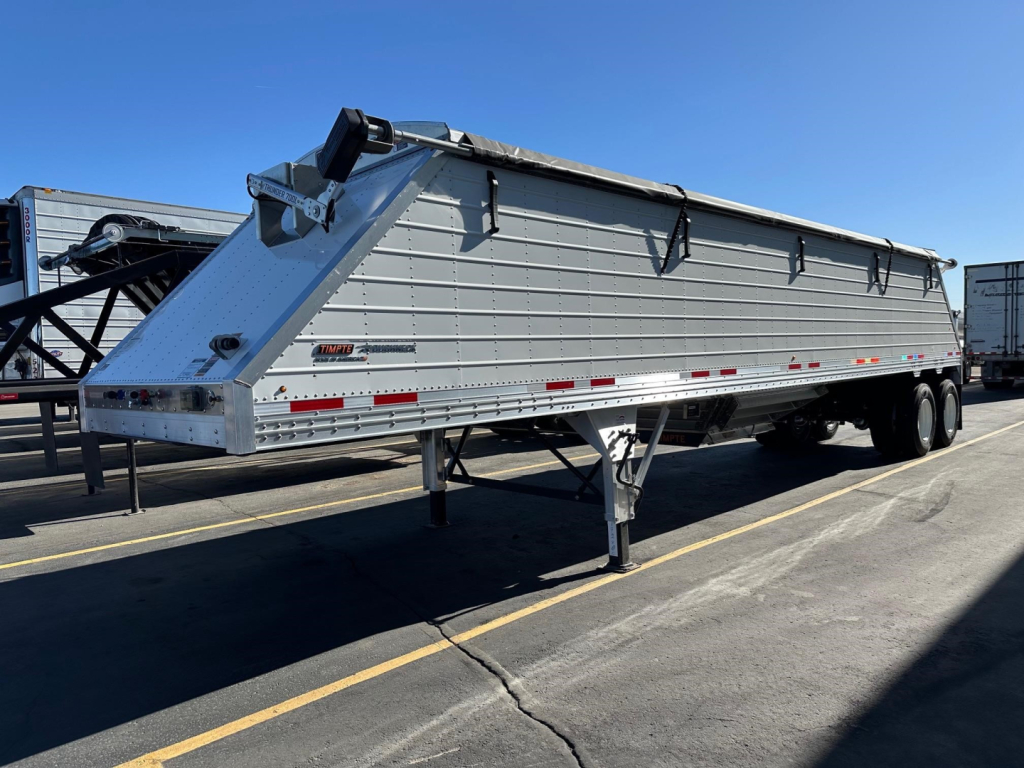
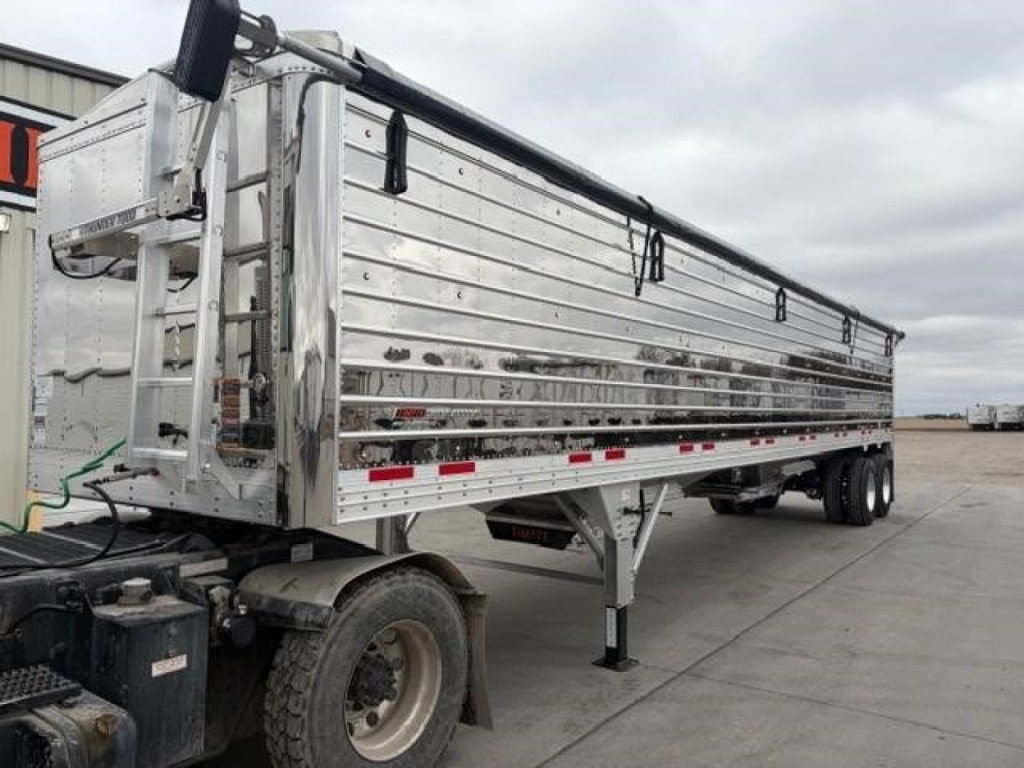
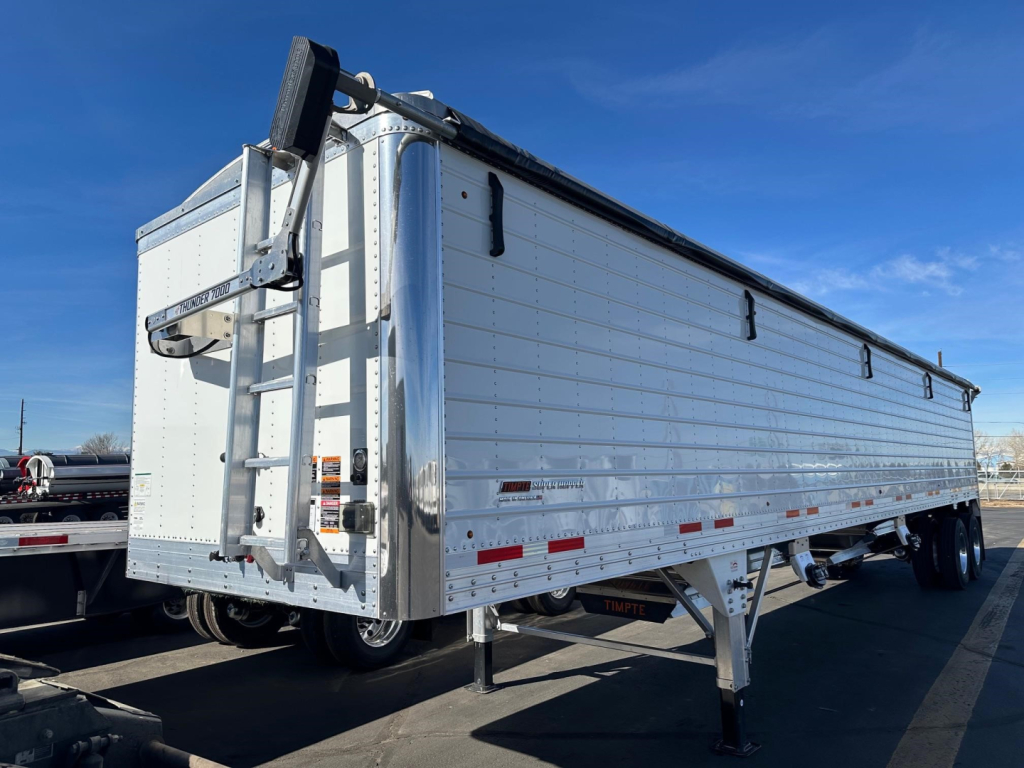
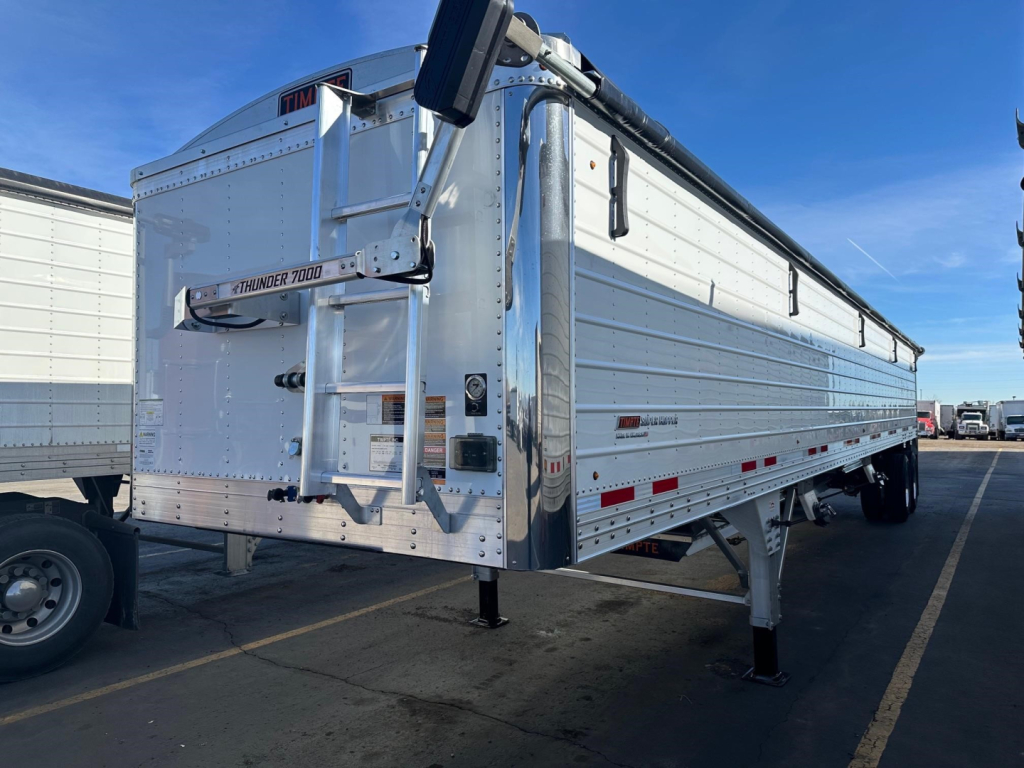
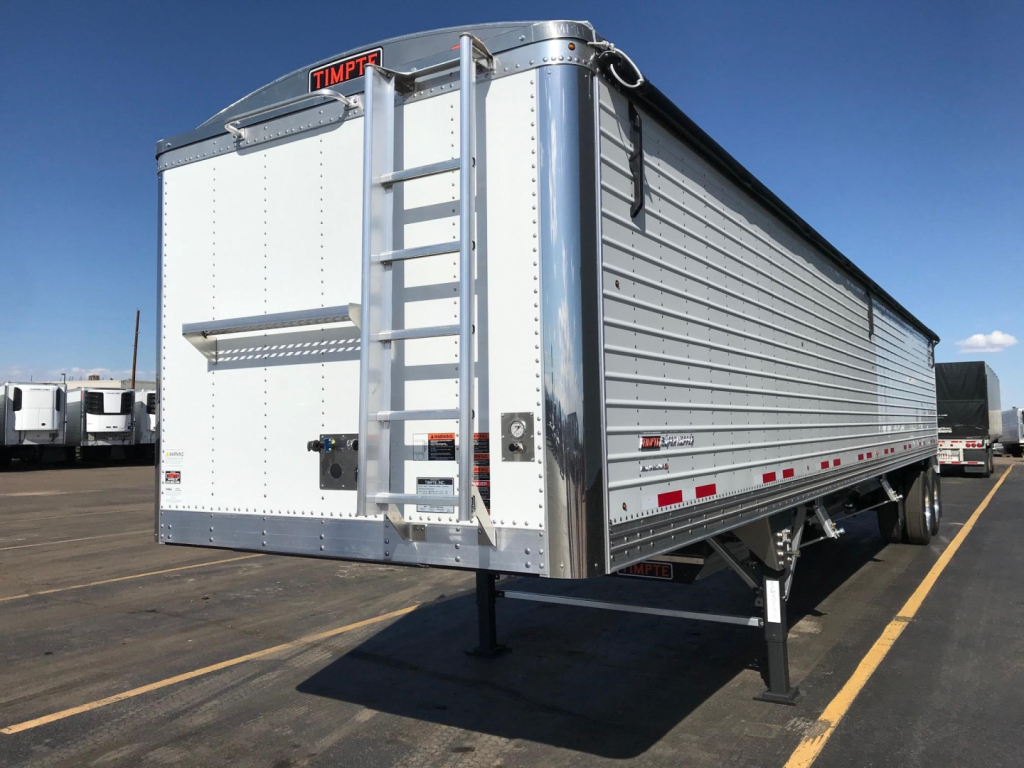
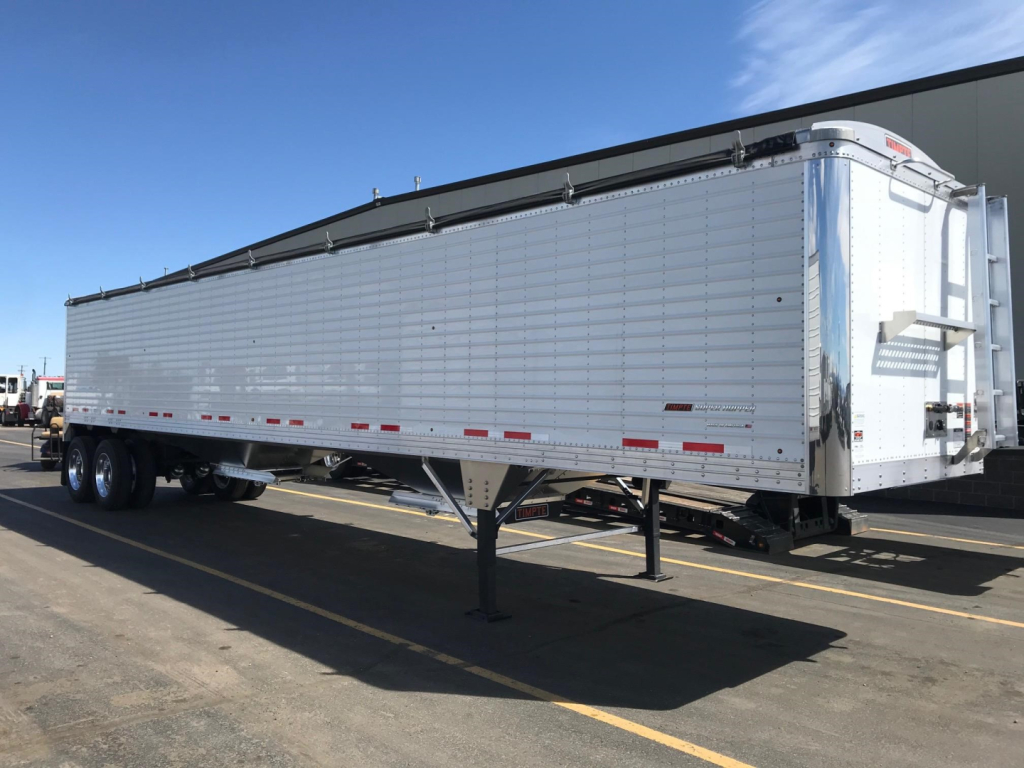
Shop new 2026 hopper trailers for sale in Colorado, including grain and frac sand configurations with air ride, tarp systems, and scale options.
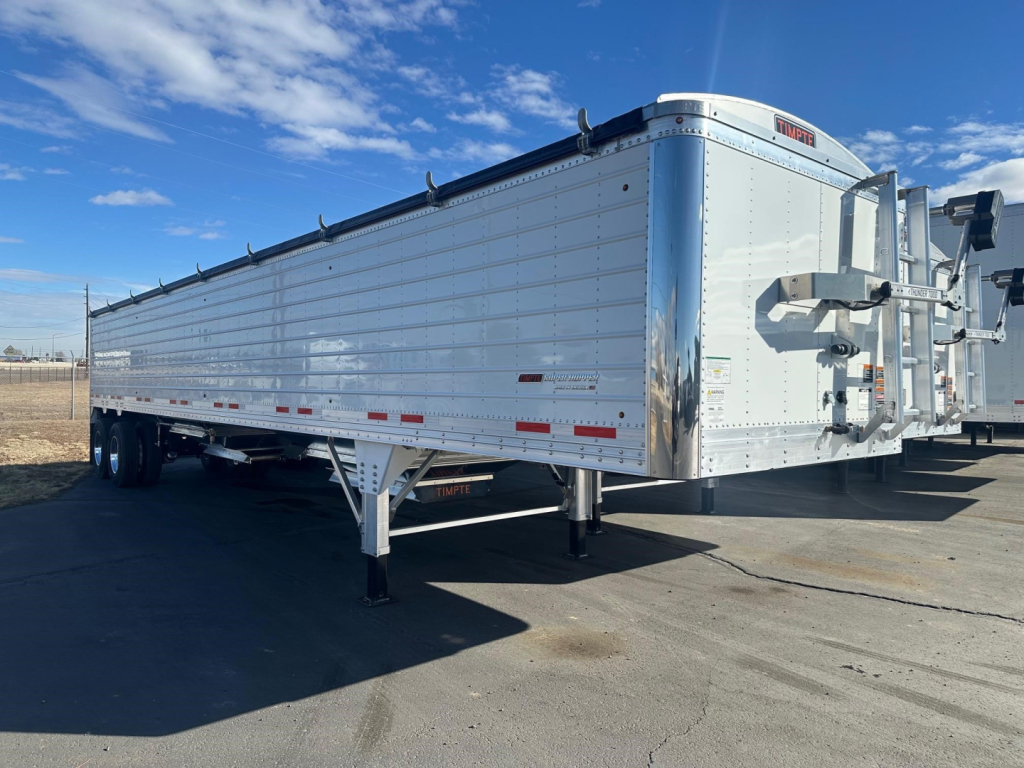
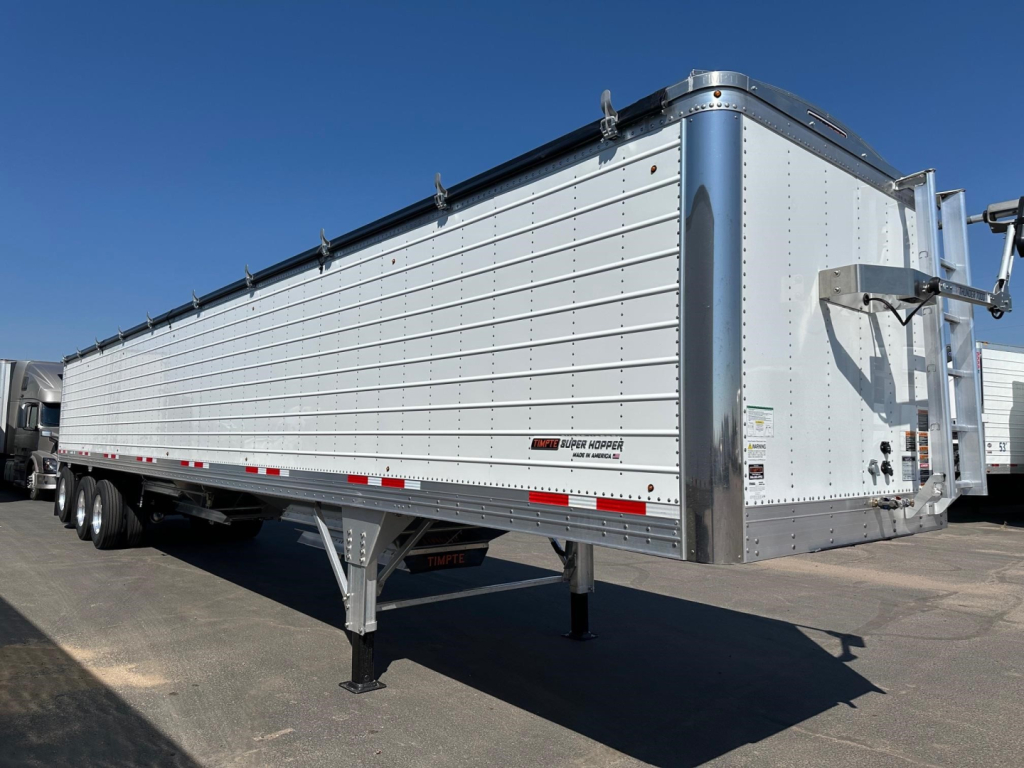
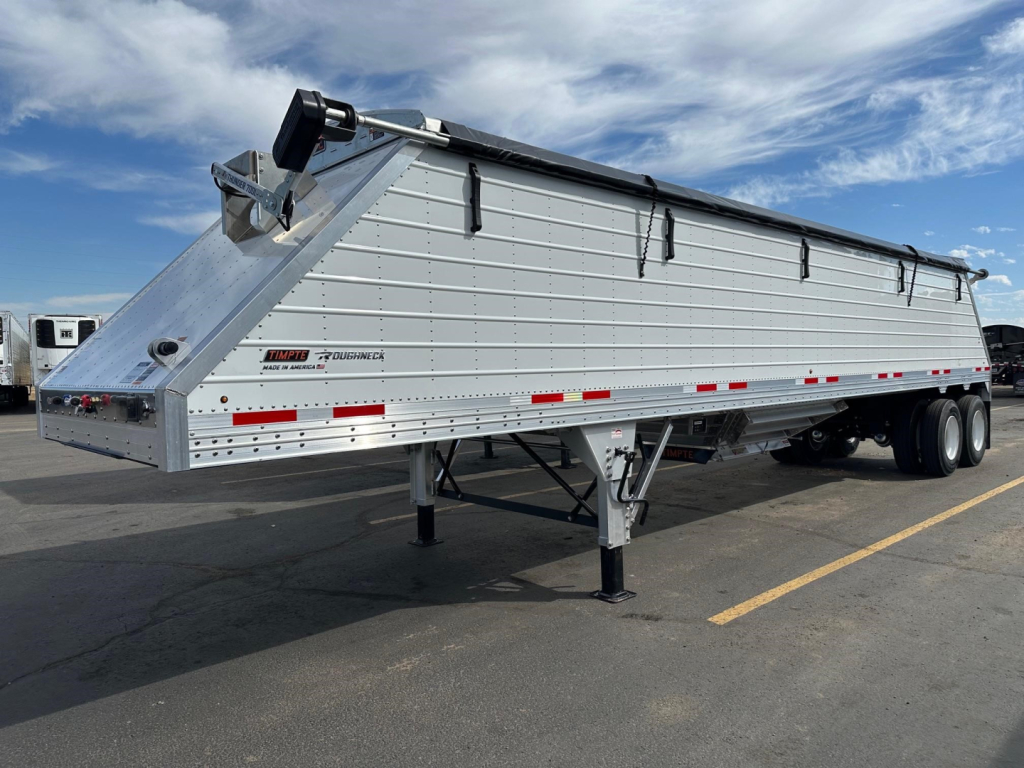
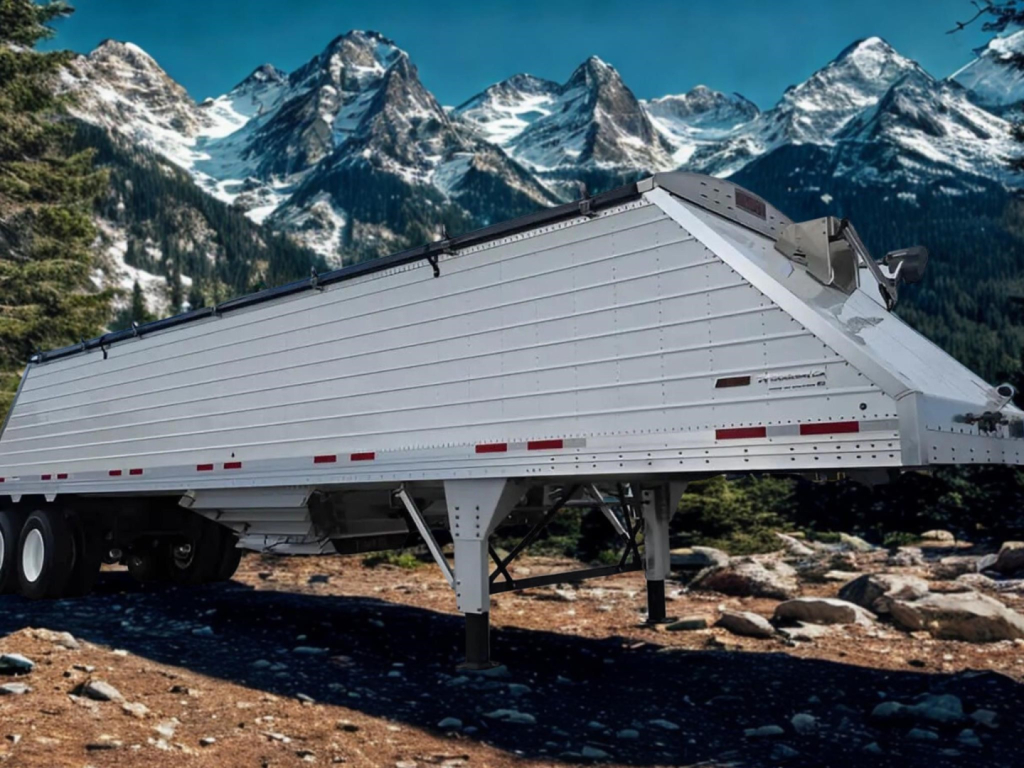
Selling a new 2026 hopper trailer? List your new 2026 hopper trailer for sale and reach thousands of commercial buyers.
New 2026 Hopper Trailers in Colorado
Frequently Asked Questions about New 2026 Hopper Trailers in Colorado
What is the difference between a grain hopper trailer and a frac sand hopper trailer?
A grain hopper trailer is generally designed for agricultural commodities such as corn, wheat, soybeans, and feed ingredients, with an emphasis on light weight, cubic capacity, and clean discharge through dual ag hoppers. A frac sand hopper trailer is typically built for denser material and tougher jobsite conditions, so buyers often see reinforced construction, single-hopper layouts, hydraulic trap systems, knock rails, and other features intended for high-cycle unloading. The right choice depends on material density, discharge method, and how abusive the operating environment will be.
What specs matter most when buying a new 2026 hopper trailer?
The biggest buying decisions are trailer length, side height, hopper configuration, suspension, wheel setup, tire size, and tarp system. Length and side height determine cubic capacity, but legal payload is still governed by axle spacing and commodity weight. Hopper design affects unload speed and flow characteristics. Air ride suspension is common for cargo protection and ride quality, while wheel and tire choices affect tare weight, durability, and service cost. Buyers should also evaluate scale systems, stainless front corners or rear panels, ladders and catwalks, lighting layout, and whether manual or electric tarp operation fits the route structure.
Are hopper trailers a good fit for Colorado operations?
Hopper trailers are a strong fit for Colorado because they support both agricultural hauling and industrial bulk work across long rural lanes, interstate corridors, and changing elevation. Buyers operating in Colorado often pay attention to suspension stability, brake performance, tarp reliability in wind, and corrosion resistance for year-round use. If the trailer will run grain harvest, feed mills, fertilizer routes, or oilfield sand service, it is important to spec the gate design, side height, and running gear for the exact material and terrain rather than treating all hopper trailers as interchangeable.
Should I choose manual or electric tarp and gate systems on a hopper trailer?
Manual systems are simpler and can reduce upfront cost, but electric rollover tarps and hydraulic or assisted gate systems improve speed, safety, and driver convenience, especially on high-frequency routes. For operations with multiple stops, frequent weather exposure, or drivers climbing trailers regularly, powered systems can reduce fatigue and save time at each load and unload cycle. Manual setups still make sense for some agricultural applications where service simplicity is the top priority. The best decision usually comes down to unload frequency, labor expectations, and how important cycle-time reduction is to the operation.