
New 2026 Smithco Trailers For Sale in Colorado
Shop new 2026 Smithco trailers for sale, including side dump configurations built for aggregate, rock, dirt, demolition, and paving work.
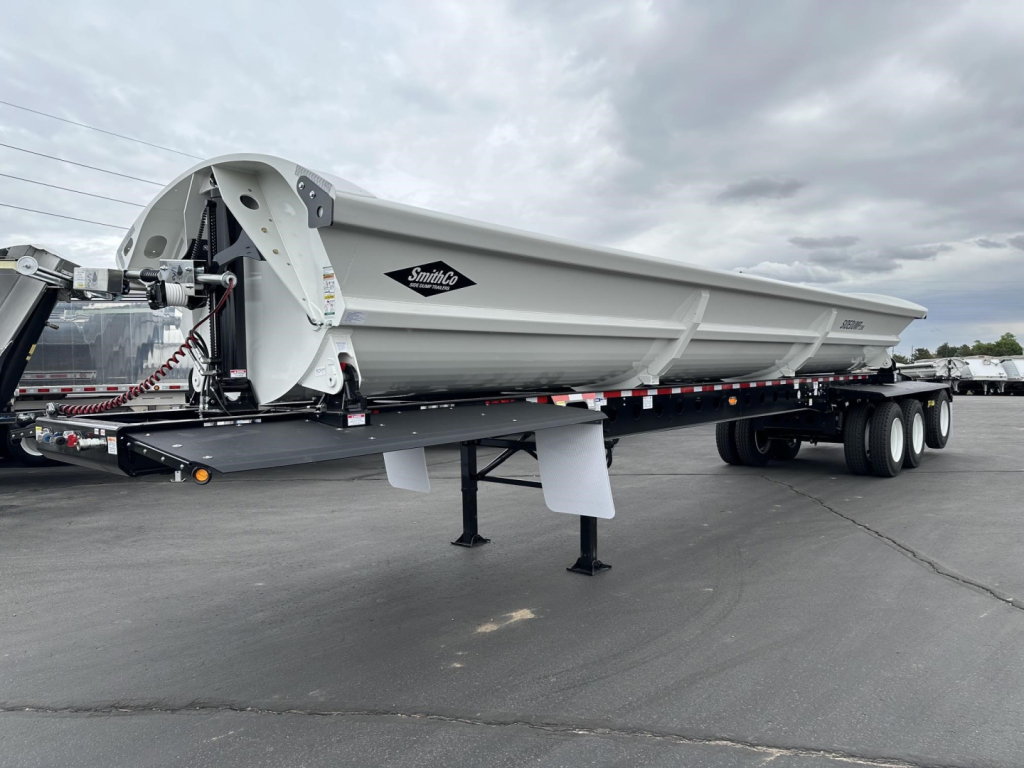
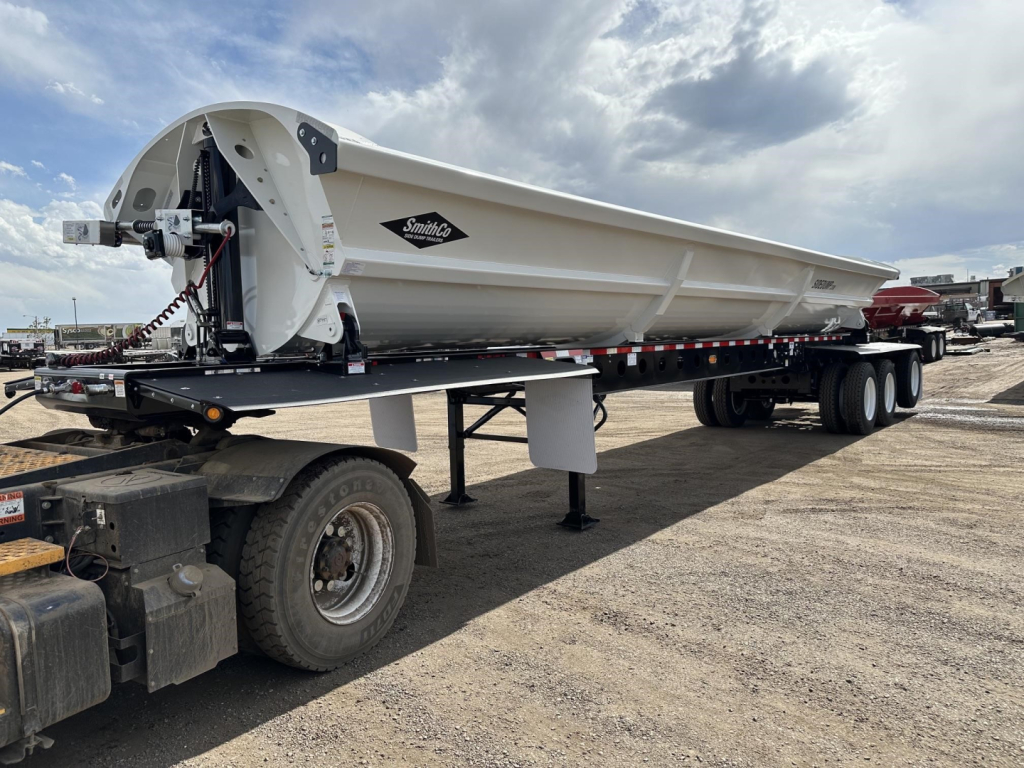
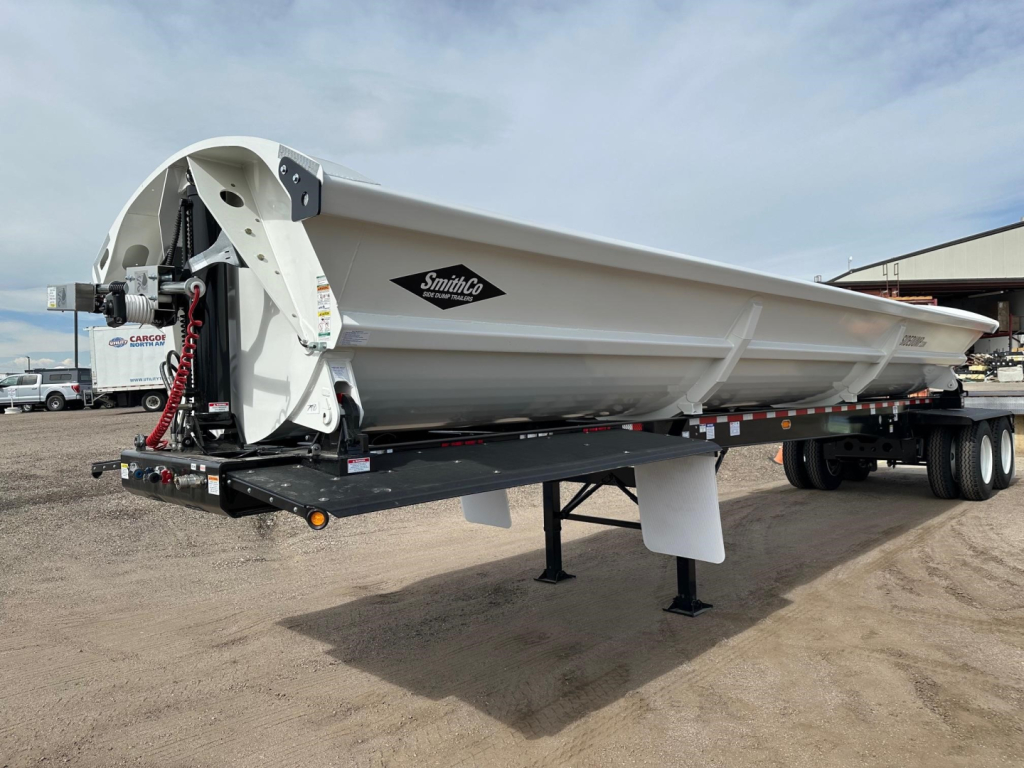
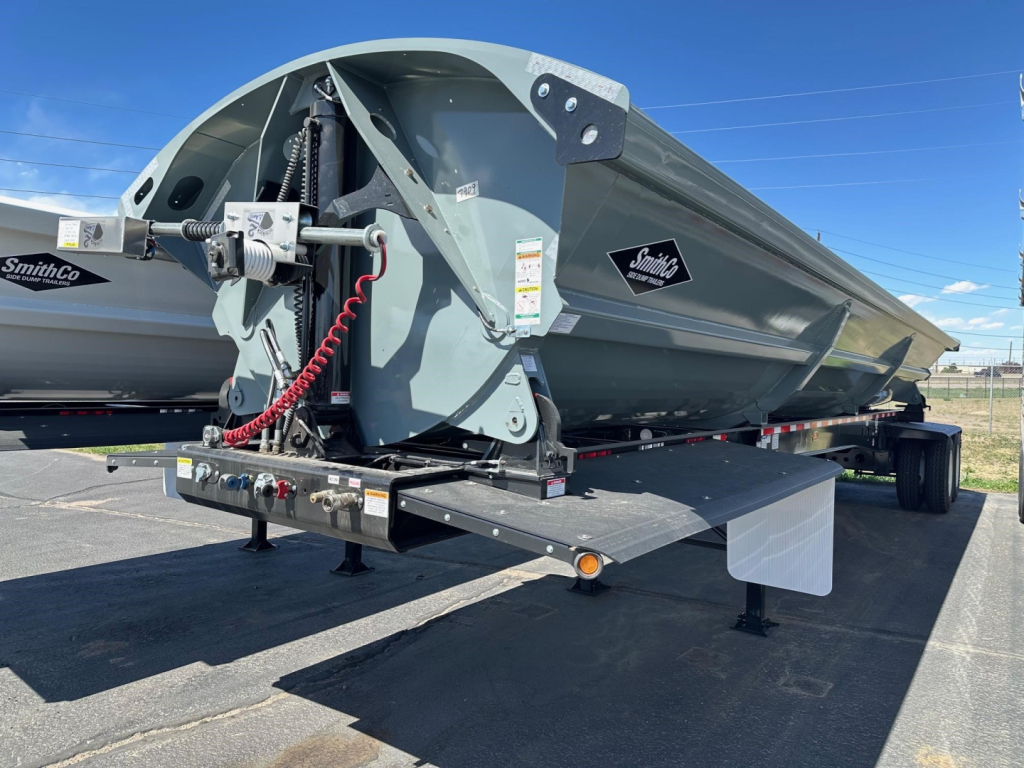
Selling a new 2026 smithco trailer? List your new 2026 smithco trailer for sale and reach thousands of commercial buyers.
New 2026 Smithco Trailers in Colorado
A lot of the buying decision comes down to body construction, suspension, and axle layout. Common Smithco specs include 40-foot to 47-foot lengths, tri-axle or tandem configurations, air ride suspension, lift axles, and AR450 steel rock tubs for abrasive material. Heavy-duty 6-inch cylinders, 2-way hydraulic valves, dual pivot designs, and push blocks are all signs a trailer is set up for hard material and repetitive cycle work. On new units, it is also common to see 2-speed landing gear, front and rear fenders, steel wheels, 11R24.5 rubber, dump valves, pressure regulators, and either mechanical scales or scale gauges to help manage payload consistency.
For Colorado operators, terrain and legal payload strategy matter as much as body size. A tri-axle side dump with air ride and a rear lift axle can offer flexibility across state highways, county roads, and jobsite access points, while a closed tandem may suit fleets prioritizing lower tare weight or simpler maintenance. Tarp systems are another key checkpoint. Electric rollover tarps and tarp lockout switches add both compliance and safety, especially when hauling mixed aggregate or demolition material at highway speed. If the trailer will spend most of its time in quarries or on paving spreads, buyers should pay attention to tub shape, liner wear characteristics, and how easily the suspension and hydraulic components can be serviced in the field.
The best 2026 Smithco trailer for a fleet depends on material type, cycle frequency, and how the trailer will be matched to the tractor and hydraulic system. Rock and shot material usually justify thicker wear-resistant tubs and heavy cylinder packages, while dirt, sand, and asphalt-related applications may put more emphasis on payload, tarp operation, and scale visibility. Buyers should also verify axle spacing, suspension rating, tire spec, kingpin setting, and hydraulic requirements before assigning a trailer to a truck. In the side dump category, Smithco remains a strong choice for contractors and aggregate haulers who need a durable trailer that can unload fast, track straight, and stand up to rough ground and high-volume hauling.
Frequently Asked Questions about New 2026 Smithco Trailers in Colorado
What are new 2026 Smithco trailers commonly used for?
New 2026 Smithco trailers are commonly used for aggregate hauling, dirt work, demolition debris, roadbuilding material, quarry production, and other severe-duty dump applications. Many are side dump trailers, which are especially useful where fast unloading and jobsite stability are priorities. They are a common fit for contractors, material producers, and fleets hauling rock, sand, gravel, millings, and similar bulk materials.
Why do many buyers choose a Smithco side dump instead of an end dump trailer?
A Smithco side dump trailer is often chosen because it can unload while maintaining a lower center of gravity than a traditional end dump. That can improve stability on uneven ground, narrow work zones, and soft jobsite surfaces. Side dumps also work well for controlled material placement, such as windrowing aggregate or backfilling along roads and utilities, and they can often complete dump cycles quickly in high-production environments.
What specs should buyers compare on a new Smithco trailer?
The most important specs usually include trailer length, axle configuration, suspension type, tub material, cylinder size, hydraulic valve setup, tire size, and tare weight. Buyers should also check for lift axles, tarp systems, scales, landing gear type, and body design details such as AR450 steel construction and pivot-point layout. Matching the trailer to the tractor's hydraulic capacity, fifth wheel position, and intended payload is just as important as choosing the body size.
Is air ride suspension a good choice on a Smithco dump trailer?
Air ride suspension is a popular choice because it can improve ride quality, reduce shock transfer to the trailer structure, and help protect components during highway use and rough haul conditions. On side dump trailers, air ride can also support better load management and flexibility when paired with a lift axle. For fleets that balance off-road jobsite use with regular paved-road travel, air ride is often a practical specification.
What should Colorado buyers pay attention to when shopping for a new Smithco trailer?
Colorado buyers should pay close attention to axle layout, bridge compliance, empty weight, and how the trailer will perform on grades, uneven terrain, and mixed road conditions. Material type matters too, since abrasive rock and quarry work may require heavier tub construction than sand or general excavation. Buyers should also consider tarp requirements, scale options, tire and suspension specs, and serviceability, especially if the trailer will run long distances between pits, plants, and mountain-region jobsites.