
New 2026 Mac Trailers For Sale in Colorado
Shop new 2026 Mac trailers for sale, including dump, drop deck, and pneumatic models built for lightweight performance and demanding hauls.
Selling a new 2026 mac trailer? List your new 2026 mac trailer for sale and reach thousands of commercial buyers.
New 2026 Mac Trailers in Colorado
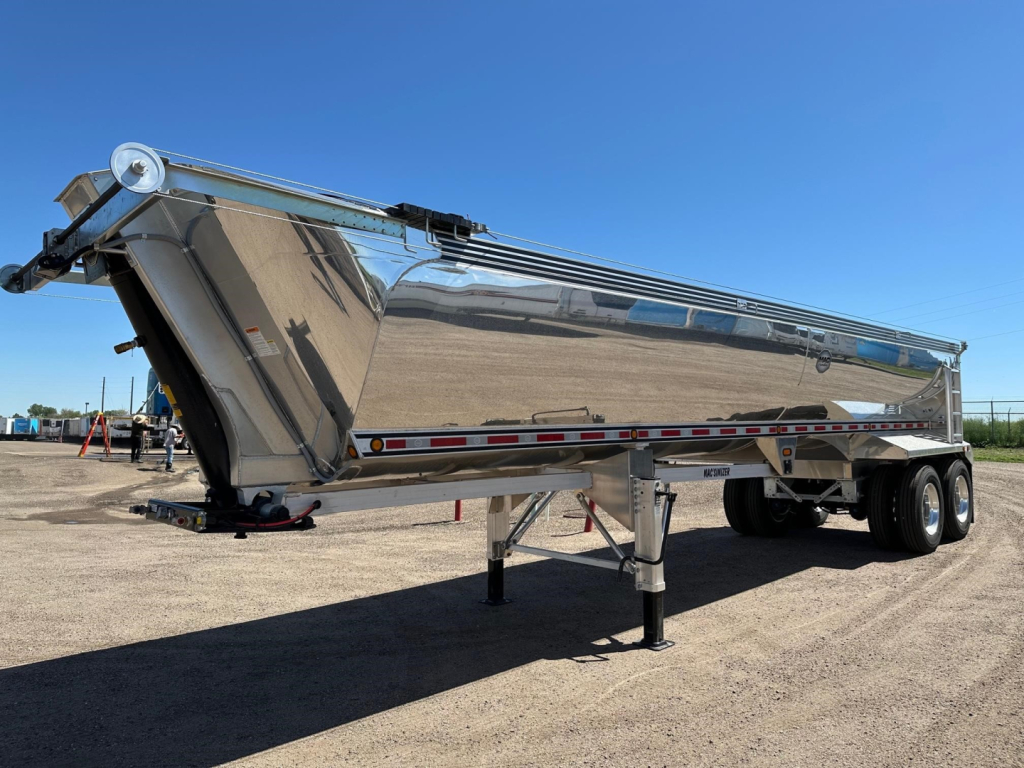
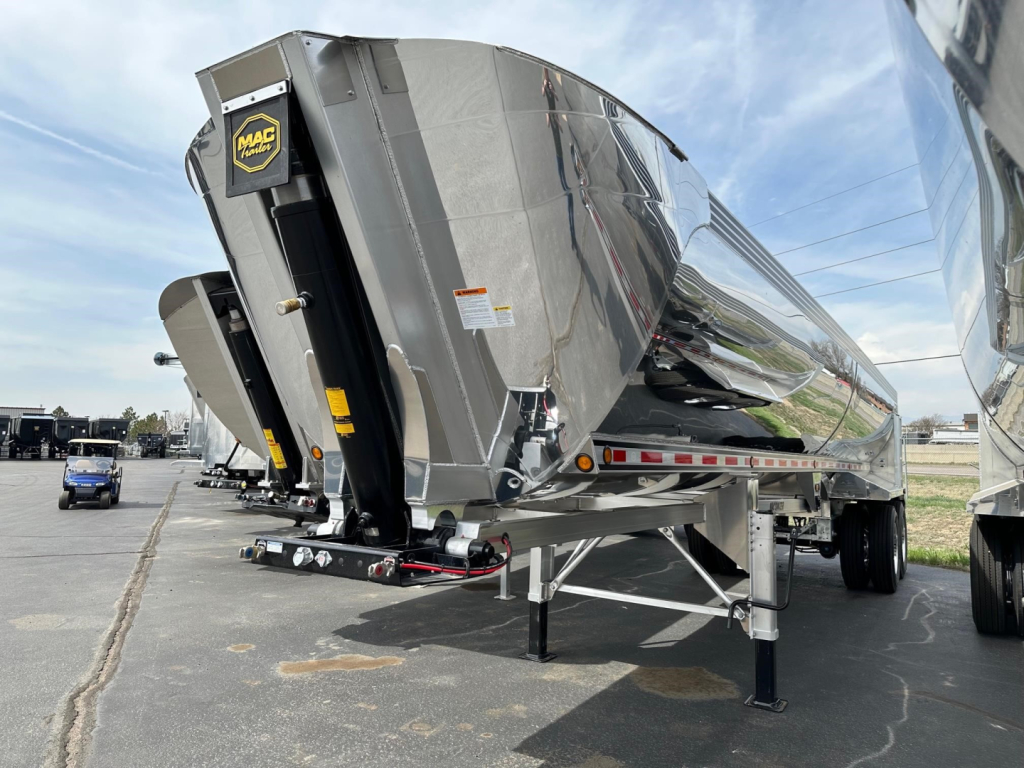
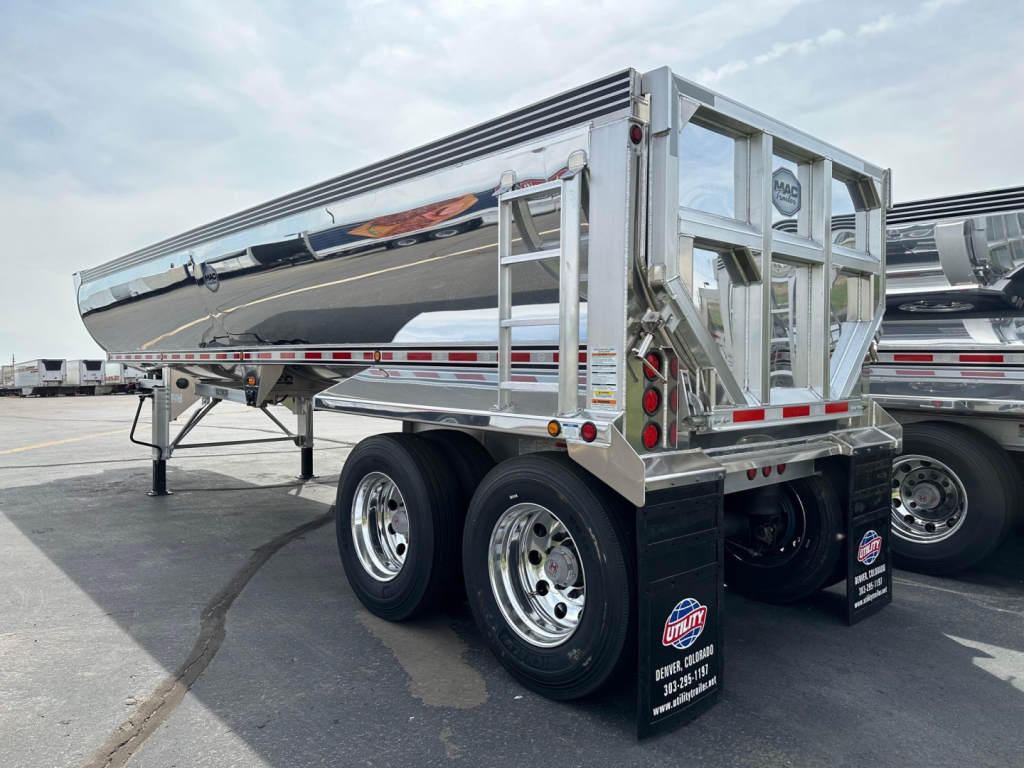
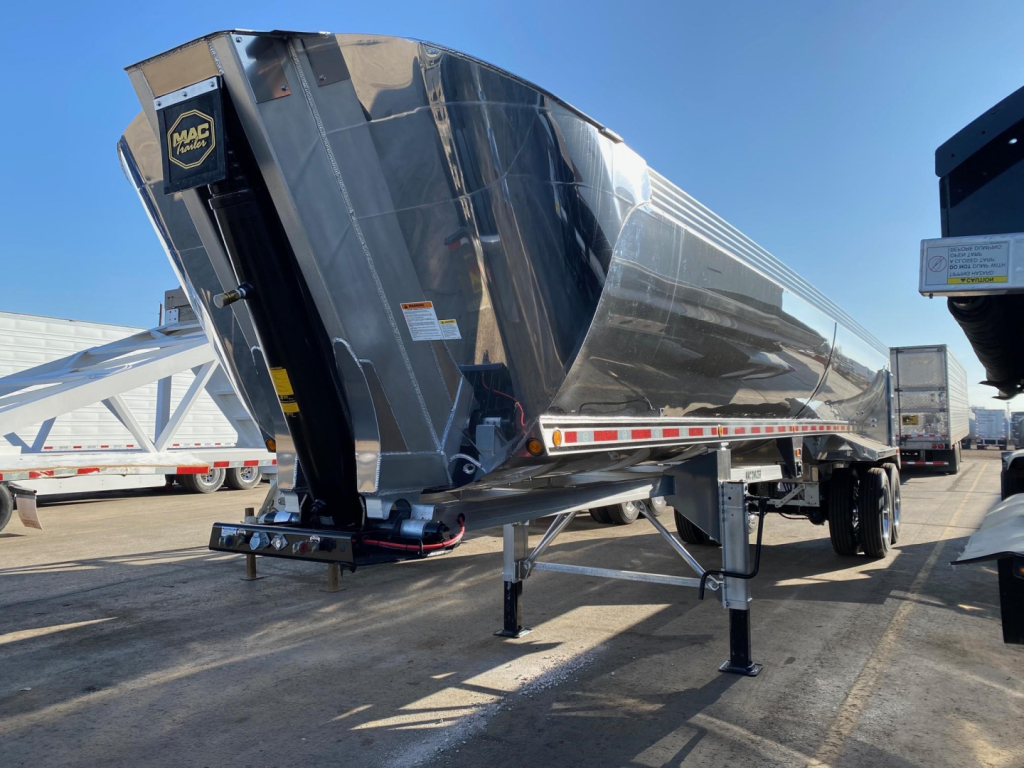
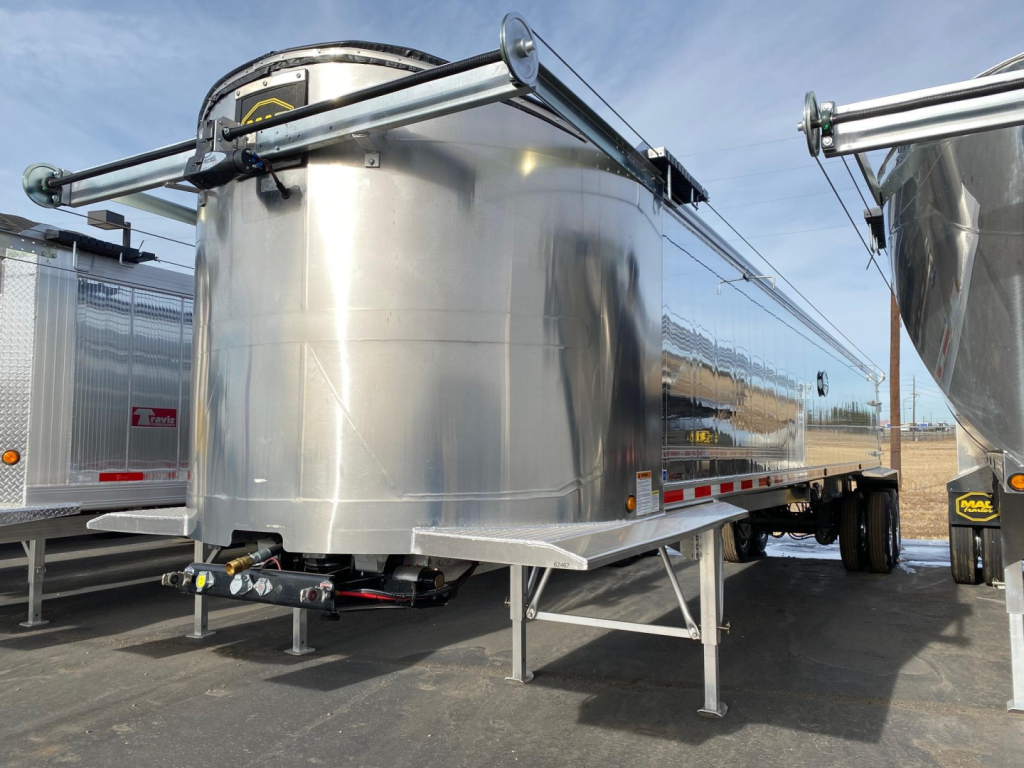
For dump work, Mac trailers are common in aggregate, scrap, demolition, and asphalt-related applications. Frameless end dumps and half-round bodies are popular for bulk material flow and fast unloading, while heavier tub designs, AR450 wear surfaces, liners, and high-side scrap bodies fit tougher commodities with more impact and abrasion. Key buying points include cubic yard capacity, side height, gate style, tarp system, suspension, and wheelbase. Buyers in Colorado often pay close attention to body construction and suspension because mountain grades, jobsite access, and seasonal weather can punish underbuilt equipment. Features like electric flip tarps, single-point suspension controls, lift axles, front-to-rear fenders, and barn door or top-hinge gate setups can make a meaningful difference in daily use.
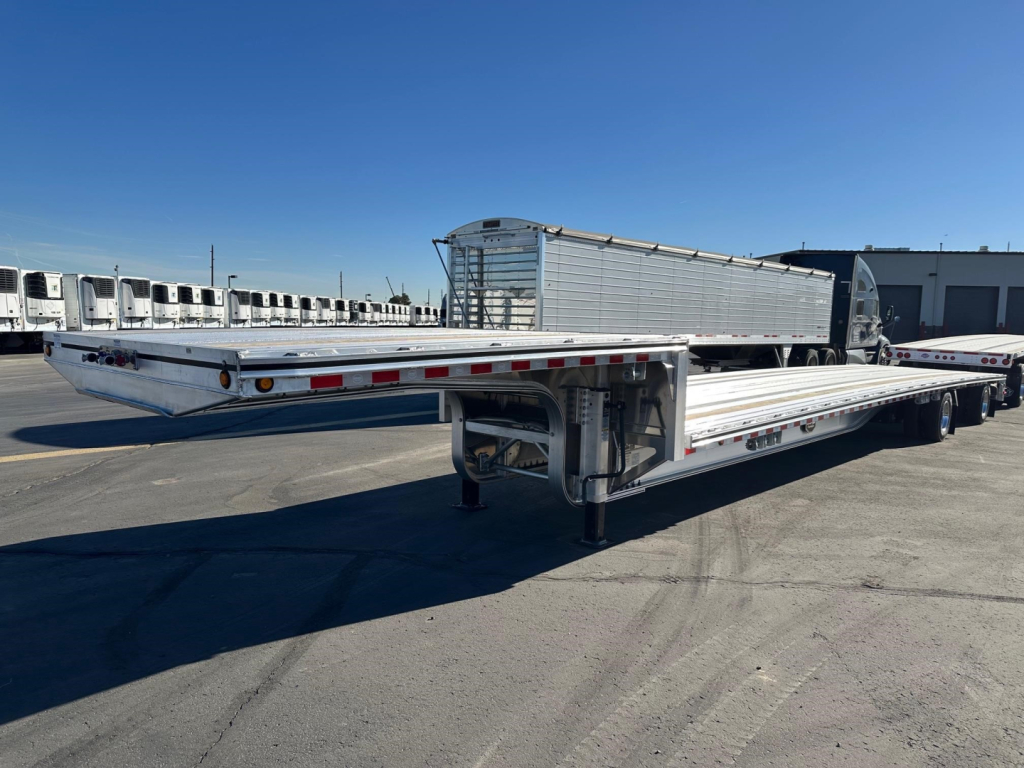
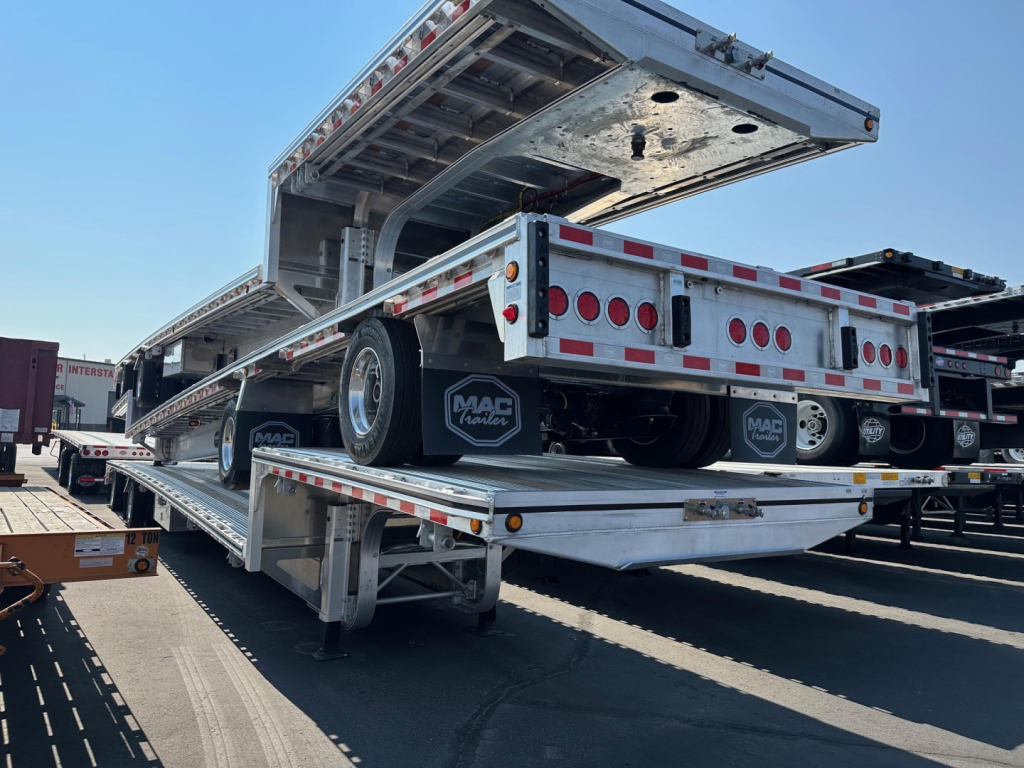
Mac drop deck trailers, also known as step deck trailers, are aimed at freight that needs deck height flexibility without moving into a full lowboy configuration. Aluminum construction helps keep empty weight down, which matters for carriers chasing legal payload on dense or dimensional freight. Common specs include 53-foot overall length, 102-inch width, upper and lower deck measurements, rear slide axle setups, nail strips, stake pockets, pipe spools, and coil packages. A buyer comparing new 2026 Mac drop decks should look closely at deck material, beam design, axle spread, tire size, kingpin setting, and California-legal configurations if multistate operation is part of the plan. Tire inflation systems, enclosed rear end designs, and toolbox placement also affect operating convenience and maintenance access.
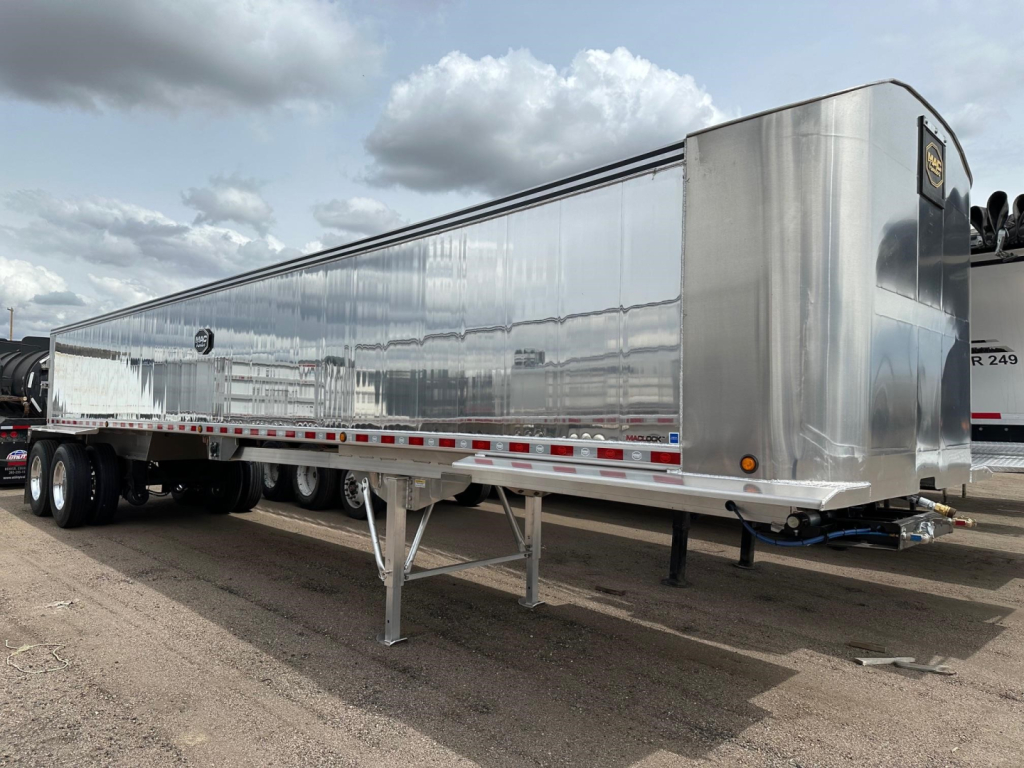
Mac pneumatic trailers are designed for dry bulk commodities such as cement, fly ash, lime, sand, and similar products that require sealed, pressurized unloading. Hopper count, cubic foot capacity, discharge layout, dome lid access, suspension type, and plumbing arrangement are the main specification points. On new units, buyers typically compare 3-hopper versus other configurations, rear discharge design, coupler adjustability, ladder and safety rail details, and overall ease of service. Across the Mac trailer lineup, the brand appeals to fleets and owner-operators who want lighter construction without giving up commercial-grade durability. The smartest comparison is not just category to category, but spec to application: body style for the commodity, axle package for the route, and tare weight for the revenue model.
Frequently Asked Questions about New 2026 Mac Trailers in Colorado
What types of new 2026 Mac trailers are most common?
The most common new 2026 Mac trailers on the market are dump trailers, drop deck trailers, and pneumatic dry bulk trailers. Mac has a strong reputation in aluminum trailer construction, especially where buyers want to reduce tare weight and maximize legal payload. Dump models are common in aggregate, scrap, and construction service, while drop decks are used for machinery, building materials, steel, and other open-deck freight. Pneumatic models are built for dry bulk products such as cement, lime, and fly ash.
Are Mac trailers a good choice for weight-sensitive hauling?
Yes. Mac trailers are widely chosen for applications where tare weight directly affects revenue. Aluminum construction on many Mac models helps increase payload capacity while still offering strong structural performance. That advantage is especially important for operators hauling bulk commodities, open-deck freight, or dry bulk materials where every few hundred pounds of trailer weight can change trip profitability. Buyers should still compare lightweight specs against the intended duty cycle, because severe-service work may call for heavier wear packages or steel contact surfaces.
What should I look for when buying a new Mac dump trailer?
Start with the material being hauled and the unload environment. Rock, scrap, and demolition debris usually require tougher body materials, liners, or higher sidewall configurations than sand or general aggregate. Body shape, cubic yard rating, gate style, tarp system, suspension, and axle arrangement all affect production and durability. A frameless design can reduce weight, but the application has to match the structure. In rough terrain or mountain service, buyers often prioritize suspension quality, lift axle setup, gate reliability, and body protection features such as fenders and abrasion-resistant liners.
What is important when comparing a Mac drop deck trailer?
Deck dimensions and axle configuration are usually the first things to confirm. Upper deck length, lower deck length, loaded deck height, and rear axle spread determine what freight can be loaded legally and efficiently. Many Mac drop decks also include options such as stake pockets, pipe spools, nail strips, coil packages, rear slide axles, and tire inflation systems. Buyers hauling across multiple states should verify bridge law compliance, kingpin setting, and California-legal dimensions if applicable. Material choice in the deck and main beams also matters for balancing weight, strength, and long-term repair cost.
How do I choose the right Mac pneumatic trailer configuration?
Match the trailer to the product density, unloading method, and delivery environment. Cubic foot capacity alone does not determine the best pneumatic trailer, because heavier commodities may gross out before the tank is full. Hopper count, aeration design, rear discharge layout, dome lid access, and suspension all affect product flow and operating efficiency. Buyers should also review the coupler setup, ladder access, safety rails, and serviceability of valves and plumbing. A well-matched pneumatic specification reduces unload time, improves product control, and lowers wear on the blower and related components.