
Used 2013 Trucks For Sale
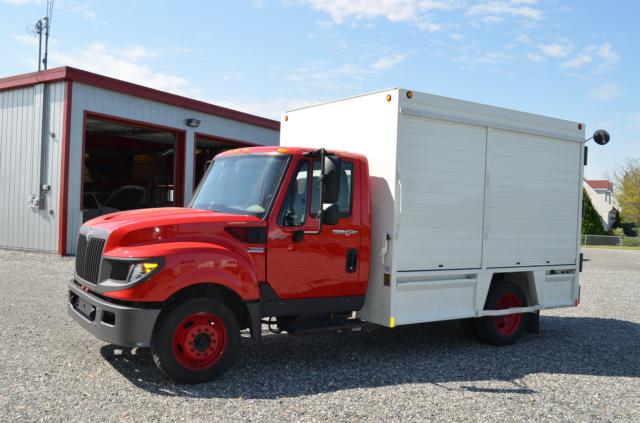
Used 2013 trucks, sleepers, day cabs, and box trucks. Key buying factors include engines, emissions, tare weight, floor strength, and thermal integrity.
Learn more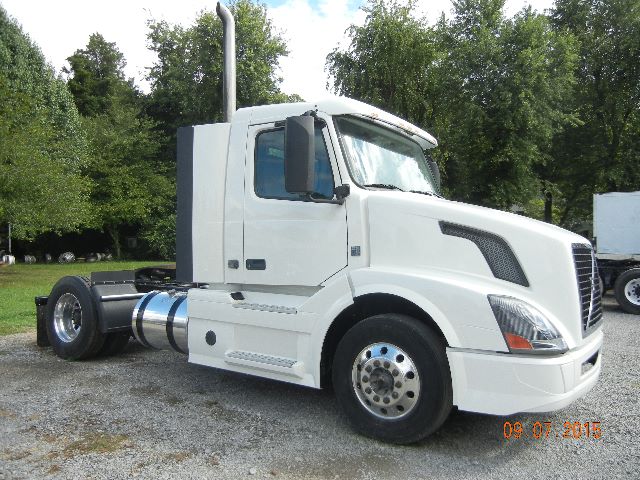
Showing 61 to 62 of 62 results
Have used 2013 truck to sell? List it here to reach thousands of buyers.
About Used 2013 Trucks
Powertrain and driveline choices affect operating cost and tare weight. Lightweight specs with aluminum wheels, hubs, and air tanks trim hundreds of pounds, while full aero packages, chassis fairings, and roof caps reduce drag and save fuel at highway speed. Gear ratios near 2.47 to 3.08 with overdrive boxes suit linehaul, deeper ratios suit vocational work. Inspect the one box or separate DOC, DPF, and SCR housings for leaks and impact damage, look for clean NOx sensor data, and verify dosing quantity. On manuals, confirm clutch life and input shaft condition, on AMTs, review clutch actuator history and TCM calibration.
For straight trucks and vocational bodies, floor strength and thermal integrity drive resale and daily performance. In dry vans and reefers, look for heavy duty laminated hardwood or aluminum plank floors with tight crossmember spacing, 12 inch centers carry forklift loads better than 16 inch, and intact scuff liners prevent sidewall damage. Threshold plates should be flat and secure, dock bumpers square, and rear frame welds without cracks. Reefer bodies rely on continuous foam insulation and a sealed vapor barrier, door gaskets must be supple, hinges tight, and drain lines clear to hold setpoint in heat. Evaluate unit hours and maintenance on Carrier or Thermo King systems, confirm pull down time, discharge and return air delta, and check for even air flow with straight ducts and clean evaporators.
Corrosion resistance matters on any 2013 chassis, especially from salt regions. Look for intact frame coatings, minimal scaling near spring hangers and crossmembers, and no bubbling around aluminum cab seams or battery boxes. Stainless or coated fasteners and sealed harness connectors reduce future electrical faults. Keep tare weight in view when comparing sleepers, day cabs, and box truck bodies, lighter specs mean more legal payload or margin before permitting. A thorough pre buy, ECM mileage and idle hour verification, cylinder balance and blow by checks, aftertreatment differential pressure trends, and fluid analysis will clarify total cost of ownership and help you pick the best 2013 truck for your lane and freight.
Frequently Asked Questions
Which engines are common in 2013 trucks and what are the trade offs?
Typical options include Cummins ISX15, Paccar MX 13, Detroit DD13 and DD15, and Volvo D13. The ISX15 offers strong parts availability and power, watch EGR cooler history and aftertreatment maintenance. Early MX 13 units can benefit from updated calibrations and injector work, they reward clean fluids and disciplined PM. Detroit DD platforms pair well with the DT12 for smooth torque delivery and good fuel economy, verify one box health and sensor harness condition. Volvo D13 with I Shift is efficient and driver friendly, confirm turbo actuator function and DPF pressure sensor accuracy.
What should I inspect on the aftertreatment system of a 2013 truck?
Review ash load and regen frequency on the ECM, check for active or intermittent NOx sensor faults, and look for DEF crystal buildup at lines, doser, and injector. Inspect the DOC and DPF canisters for leaks or dents, verify temperature sensor rationality, and confirm DEF pump prime and quality sensor readings. A documented DPF bake interval, clean DEF, and proper coolant temps extend component life and reduce forced regens.
How does spec selection affect tare weight and payload on 2013 trucks?
Aluminum wheels, air tanks, and hubs, compact battery configurations, and smaller fuel tanks reduce tare weight, while full lockers, heavy frame reinforcements, and larger cooling packages add weight. On straight trucks, body length, floor construction, liftgate type, and pallet jack or forklift ratings move the scale quickly. Less weight means more legal payload or room to balance axle weights without permits, but hard duty applications may justify heavier frames and suspensions for durability.
How do I evaluate floor strength and thermal integrity on a 2013 box or reefer truck?
Check crossmember spacing and material, tighter spacing with aluminum planks or laminated hardwood floors resists point loads from forklifts. Look for intact scuff liners, straight logistics posts, and undamaged threshold plates. For reefers, examine door seals, hinges, and the vapor barrier at the front wall, then test the unit for pull down time and temperature stability at idle and cruise. Even airflow, clean drains, and dry insulation cavities indicate solid thermal integrity and lower fuel use.
Are 2013 trucks compliant with most emissions and regional rules?
2013 engines meet EPA 2010 standards, which satisfies most state diesel emissions rules. Some regions or ports add local requirements, and refrigerated units may have separate CARB TRU timelines tied to the reefer unit model year. Verify current compliance for your routes, confirm engine family labels and any TRU upgrade or replacement, and keep documentation with the vehicle.