
Used 2013 Volvo Trucks For Sale
Find used 2013 Volvo trucks for sale. Compare VNL, VNM, VHD and VNX specs, D11-D16 power, I-Shift, axle ratios, sleepers and emissions features.

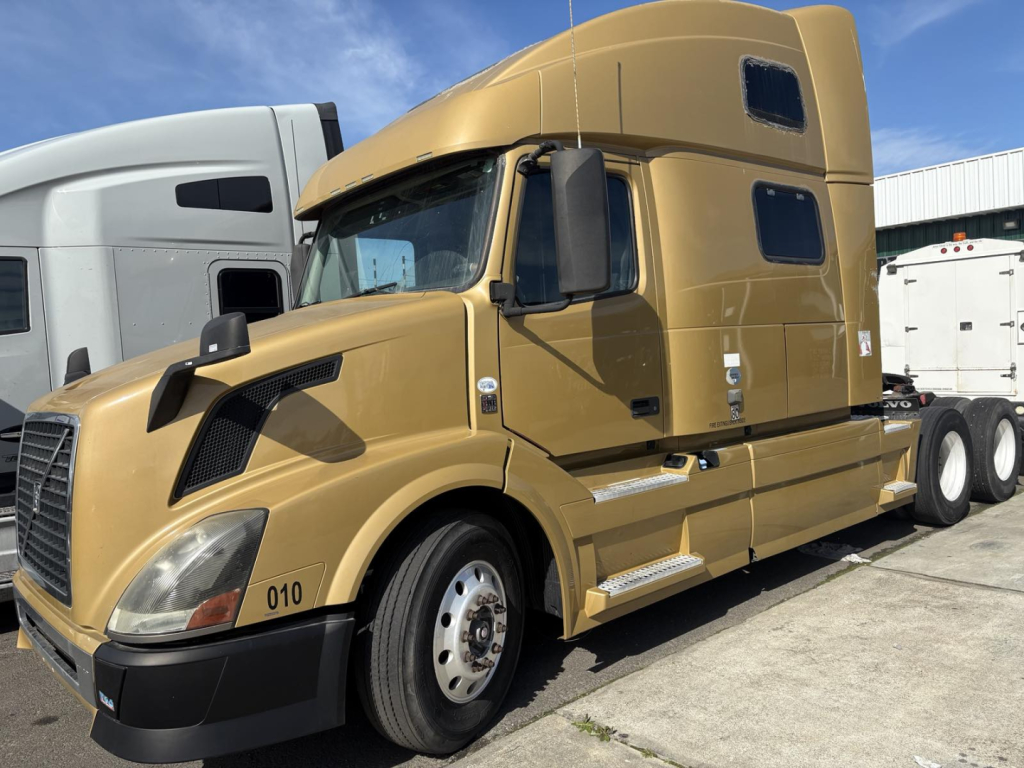
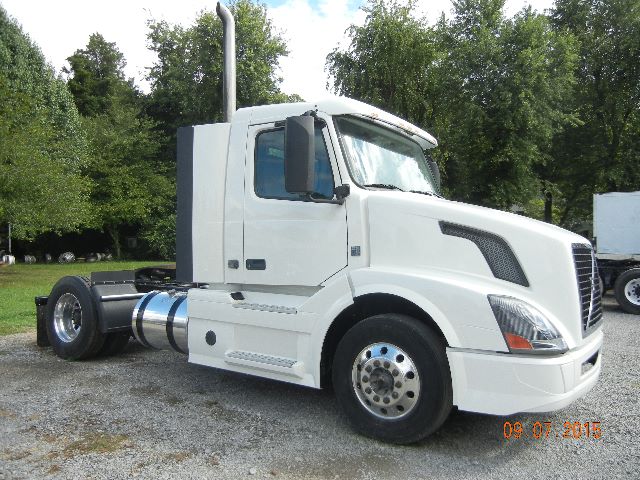
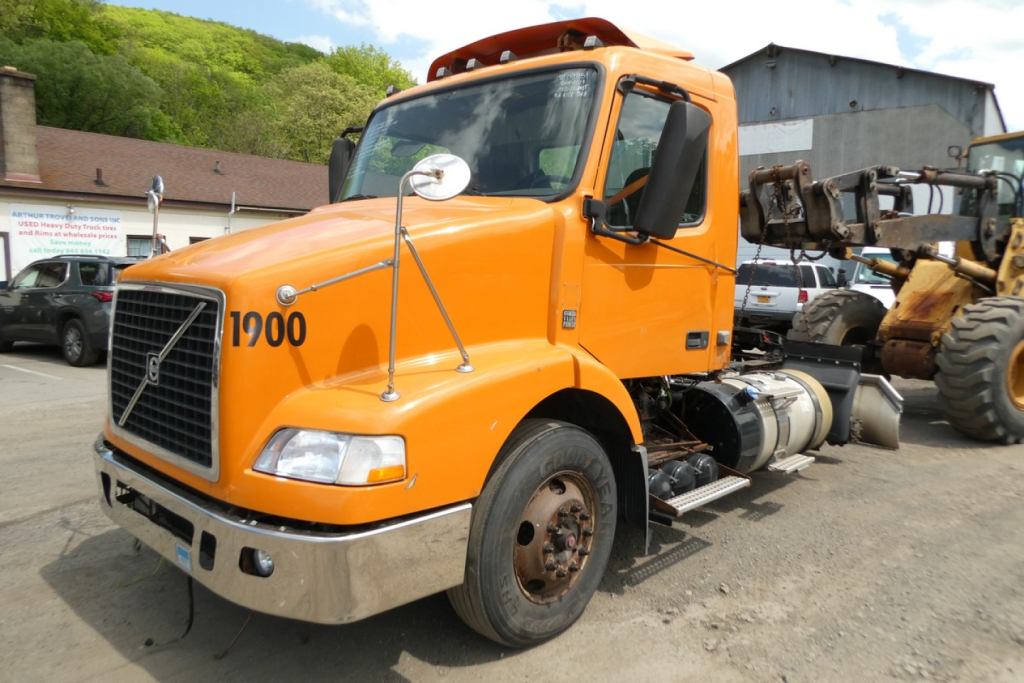
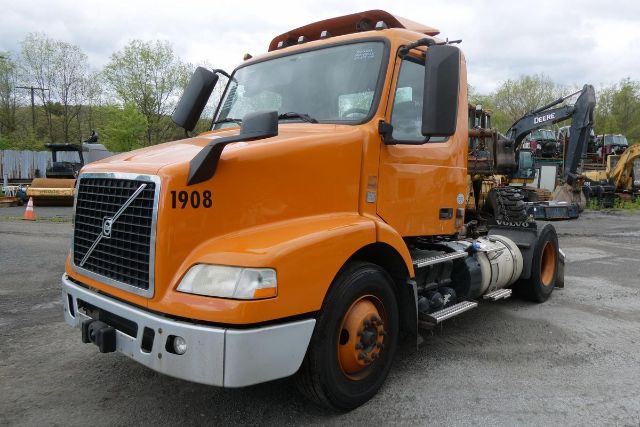
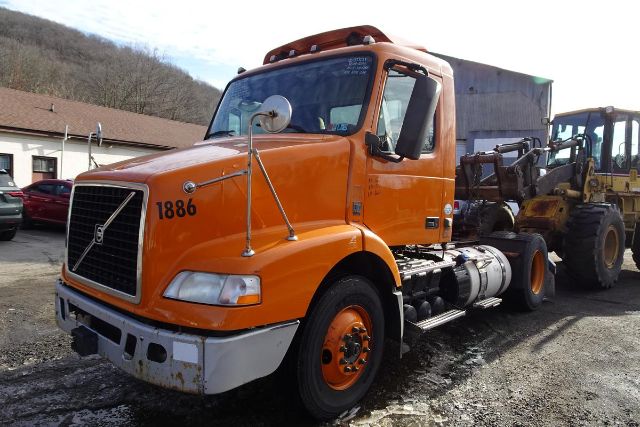
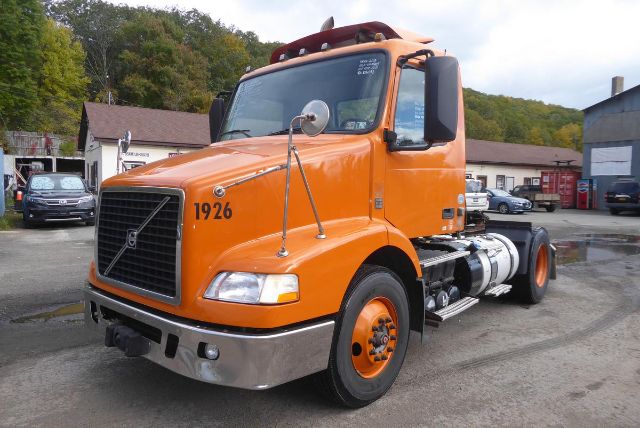
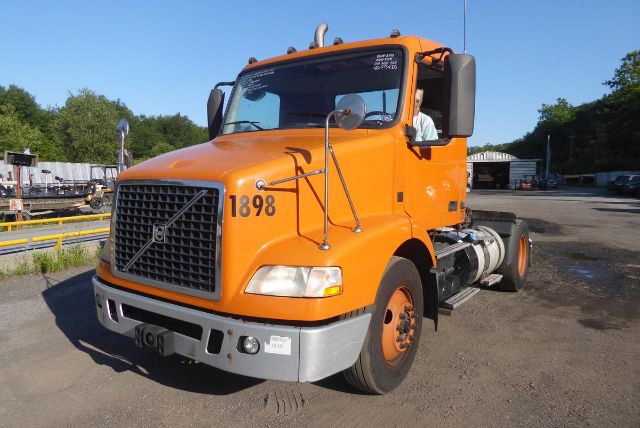
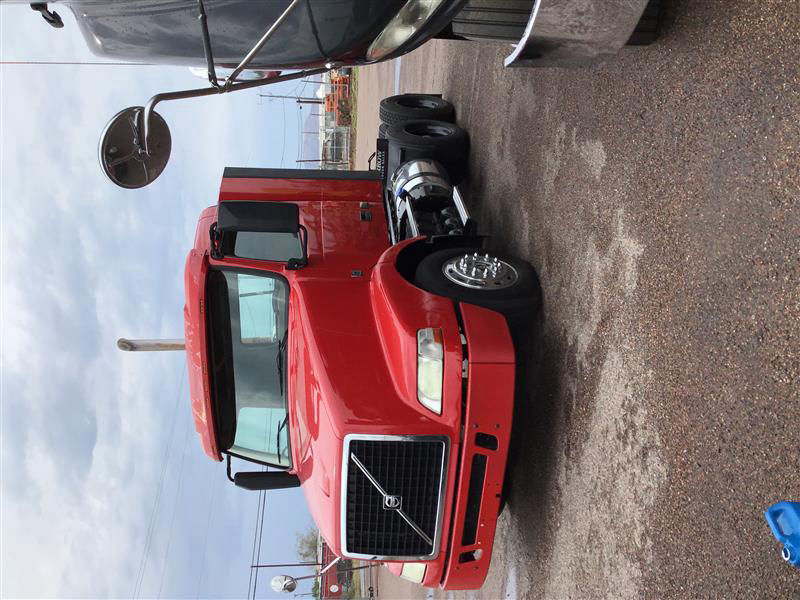
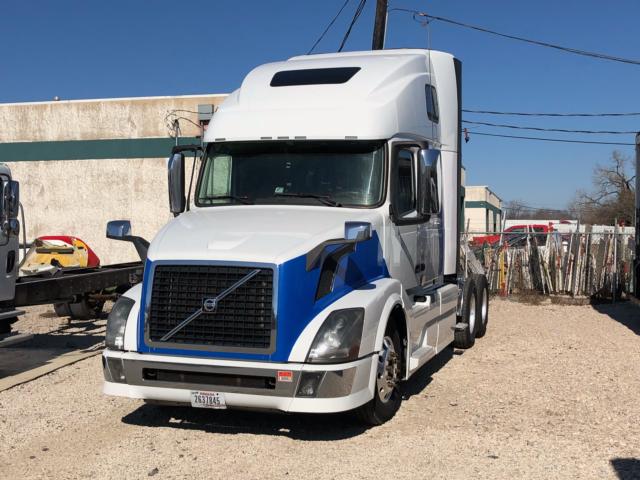

Selling a used 2013 volvo truck? List your used 2013 volvo truck for sale and reach thousands of commercial buyers.
Used 2013 Volvo Trucks
Model selection is application driven. The VNL line covers daycabs and sleepers for linehaul and dedicated routes, with common trims like VNL 300, 430, 630, 670 and 780. The VNM targets regional and urban work with shorter bumper-to-back-of-cab dimensions for tighter turns. Vocational buyers gravitate to the VHD for dump, mixer and roll-off, with heavier front axles, double-frame options and vocational suspensions. Heavy-haul operators may see the VNX spec with higher GCW capability, deep reduction rears and the D16. Auto haulers will recognize the low-height VAH. Pay attention to wheelbase, fifth wheel height, kingpin setting, fuel tank placement and suspension type to ensure bridge compliance and trailer clearance.
Powertrain choices in 2013 are largely Volvo’s EPA 2010 SCR lineup: D11 for weight-sensitive regional work, D13 as the volume leader at 375-500 hp with up to 1850 lb‑ft, and the D16 in select heavy-haul specs. SCR with DEF, a DPF and EGR deliver emissions compliance and better fuel economy than pre‑2010 systems when maintained. Ask for DPF clean or replace dates, DEF doser and NOx sensor history, and any EGR cooler or turbo actuator work. Oil samples, injector and injector cup history, and updated aftertreatment software are strong positives. For braking and safety, many units carry Volvo Enhanced Stability Technology, traction control and optional air disc brakes on steer or all axles. Examine brake lining remaining, air system leak-down, and ABS fault history.
Driver environment and aerodynamics vary by trim. VNL sleepers offer multiple roof heights, double bunks, workstation options and factory inverter or fridge provisions. Aerodynamic packages with chassis skirts and roof fairings materially affect fuel burn at highway speed, so check for intact fairings and cab extenders. Regional and vocational cabs emphasize visibility, wheel cut and bumper-to-axle set-back; look at hood mirrors, cab suspension bushings and steering gear lash. Tires, wheel size and inflation systems matter as well: 22.5 low-profile rubber improves gearing flexibility, while automatic tire inflation on trailers and matched rolling radius across axles reduce wear and fuel drag. Fuel capacity, APUs or bunk heaters, PTO provisions, and battery count are practical differentiators to line up with your routes and idle policies.
Frequently Asked Questions about Used 2013 Volvo Trucks
What engines and transmissions are common in 2013 Volvo trucks?
Most 2013 Volvos run the D13 at 375-500 hp with 1450-1850 lb‑ft, paired with the 12‑speed I‑Shift automated manual. You will also see D11 engines in regional VNM or lighter VNL specs and D16 power in select VNX heavy‑haul builds. Manual Eaton Fuller 10, 13 or 18‑speed gearboxes are present in some fleets. Verify whether the I‑Shift is direct or overdrive and match it to rear axle ratio and cruise speed to avoid lugging or overspeeding.
How reliable is the 2013 Volvo I‑Shift and what maintenance should I expect?
The I‑Shift is generally durable when serviced on time and driven within its torque map. Expect clutch life that often runs 700k miles or more depending on duty cycle. Confirm clutch wear percentage, software update history and that shift actuators are dry and responsive. A proper driveline alignment and good battery health prevent nuisance faults. For vocational work, make sure starting gear and creep mode calibrations suit your load and grade profile.
What emissions components should I inspect on a 2013 Volvo?
Review records for DPF cleanings or replacements, DEF doser service, NOx sensors, differential pressure sensors and any EGR cooler work. Check for forced‑regen frequency, SCR efficiency codes and tailpipe opacity. Look for exhaust leaks ahead of sensors and verify the DEF system primes quickly and holds pressure. Highway tractors often run 300k‑400k miles between DPF service, while vocational units need shorter intervals due to idle and PTO time.
How do I choose the right rear axle ratio on a 2013 Volvo VNL?
Base the ratio on average cruise speed, transmission top gear and terrain. Downspeeded highway specs often pair a D13 with I‑Shift and ratios from about 2.47 to 3.08 to keep cruise rpm low at 62‑68 mph. Regional or hilly routes, frequent stops or heavier GCWs benefit from 3.25‑3.73 for better startability and gradeability. Confirm tire size, as 22.5 LP vs 24.5 changes effective gearing.
What is the difference between Volvo VNL, VNM, VHD, VNX and VAH in 2013?
VNL covers highway daycabs and sleepers with aerodynamic cabs and multiple roof heights. VNM focuses on regional and urban work with shorter BBC for tighter maneuvering. VHD is the vocational platform with heavy front axles, double‑frame and PTO‑friendly layouts. VNX is aimed at heavy haul with higher GCW, deeper gear sets and often the D16. VAH is a purpose‑built auto hauler with low overall height and specialized frame geometry.