
Used 2013 Commercial Trucks For Sale in North Carolina
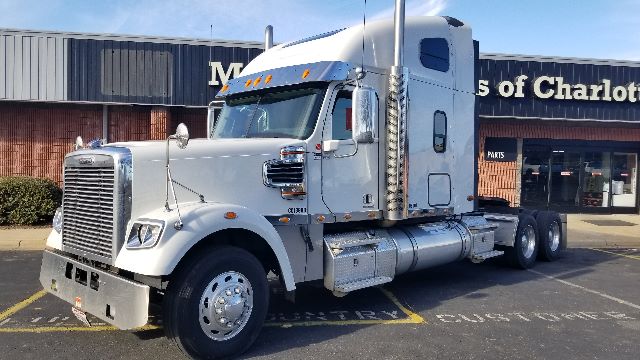
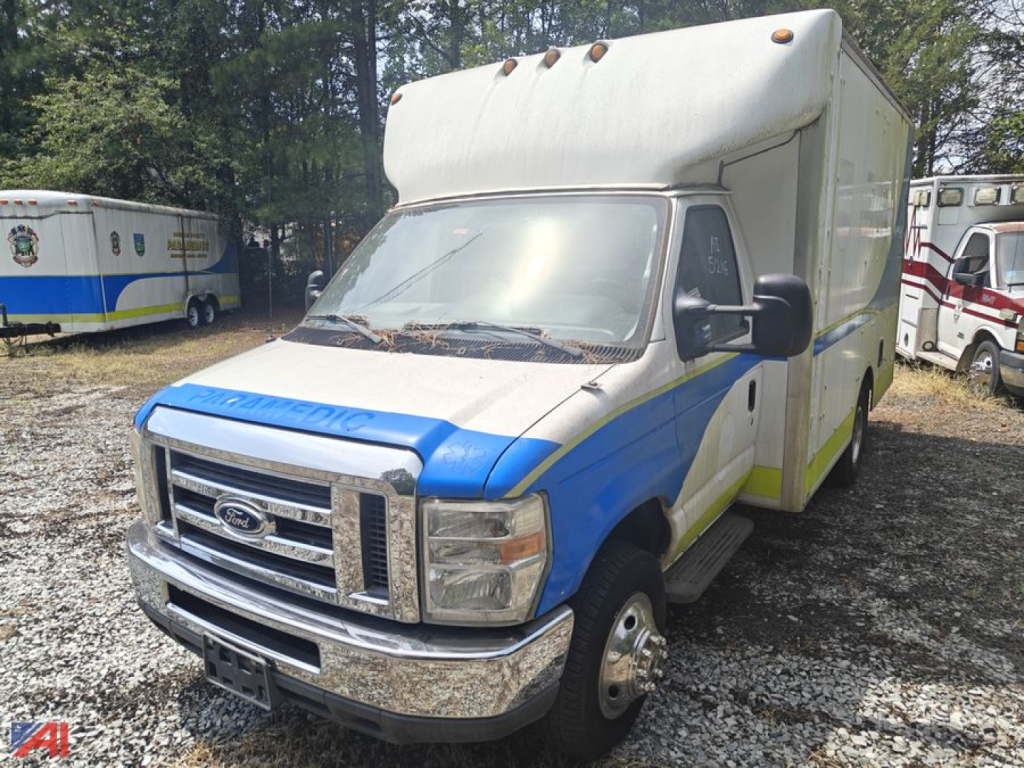
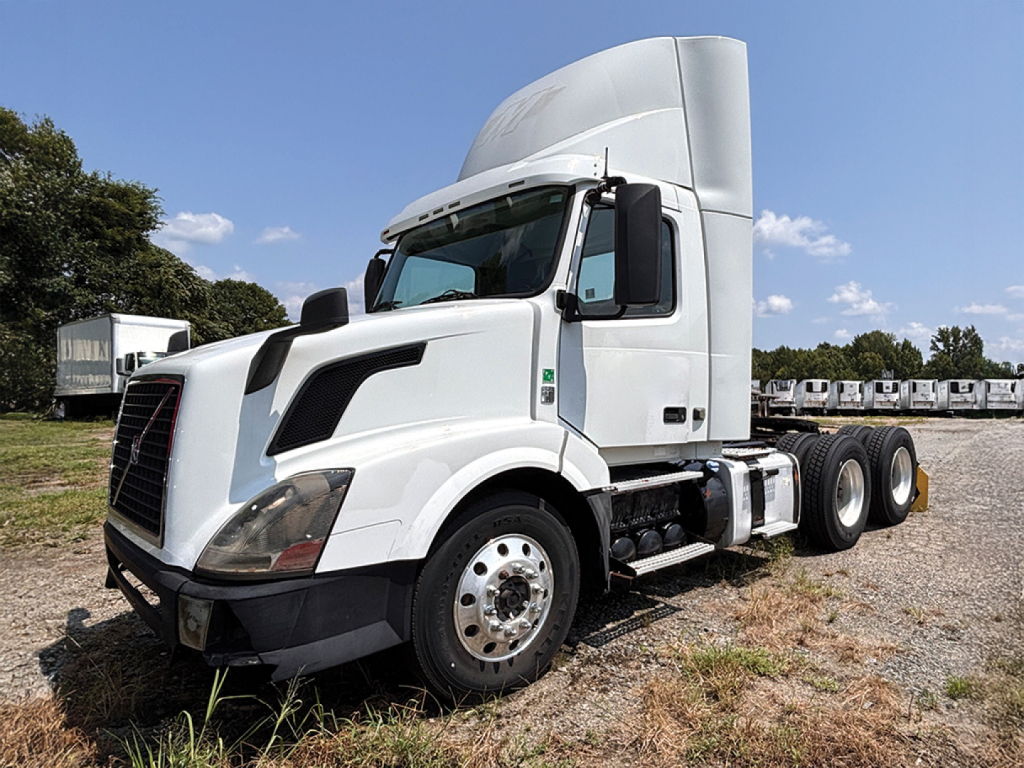

Have used 2013 commercial truck to sell? List it here to reach thousands of buyers.
Used 2013 Commercial Trucks in North Carolina
The first buying decision is usually application, not brand. A 2013 sleeper tractor for interstate freight should be evaluated very differently than a 2013 dump truck, refuse truck, or utility body truck. For over-the-road and regional tractors, pay attention to engine family, horsepower, transmission type, rear axle ratio, wheelbase, and sleeper size. For vocational trucks, focus more on PTO compatibility, frame condition, suspension type, axle ratings, body condition, and whether the truck was built for severe-service use. Medium-duty 2013 trucks commonly show up with Cummins ISB, MaxxForce, PACCAR, Detroit, or larger displacement diesel platforms depending on class and application, and buyers should match the engine and transmission package to the work cycle rather than chase horsepower alone.
Condition matters more than mileage on a used 2013 truck. A well-maintained fleet truck with documented service intervals can be a better buy than a lower-mile unit with corrosion, idle hours, poor tire wear, or deferred emissions repairs. In North Carolina, rust is often less severe than in northern states, but coastal exposure, municipal use, and off-road vocational service can still create corrosion issues around frames, crossmembers, cab mounts, electrical connections, and hydraulic components. Check for blow-by, regen history, clutch wear on manual transmissions, suspension bushing wear, brake lining life, driveline vibration, and signs of injector, turbo, or aftertreatment trouble. On cab and chassis units, confirm wheelbase, back-of-cab to end-of-frame, and frame drilling before planning a body install.
Buyers comparing 2013 trucks should also think about licensing, payload, and operating cost. Gross vehicle weight rating, front and rear axle capacities, and bridge-law compliance can limit what a truck is really capable of hauling, especially in dump, rollback, and equipment-hauling applications. For tractor buyers, look closely at fifth wheel style, sliding travel, tire size, suspension, and fuel capacity if the truck will move between local and regional lanes. For medium-duty and vocational buyers, body upfit value can be as important as the chassis itself. A sound 2013 truck with the right spec, clean maintenance history, and a work-ready configuration often delivers better value than a newer truck that still needs major setup work.
Frequently Asked Questions about Used 2013 Commercial Trucks in North Carolina
What should I look for first when buying a used 2013 truck in North Carolina?
Start with the truck’s intended job and confirm the chassis matches that application. Engine, transmission, axle ratio, wheelbase, suspension, and GVWR should fit the work before you evaluate cosmetic condition. After that, review maintenance records, inspect the frame and cab for corrosion, check tire wear and brake condition, and look for emissions-related issues such as repeated regens, warning lights, or signs of recent aftertreatment work.
Are 2013 diesel trucks expensive to maintain compared with newer models?
A 2013 truck can be cost-effective if it has been maintained properly, but repair budgeting is important. Many 2013 models have emissions equipment that is more complex than pre-emissions trucks but still less expensive to buy than newer late-model equipment. Maintenance costs depend heavily on prior service history, idle hours, application, and parts availability for that engine and transmission combination. Buyers should plan for preventive work on DPF systems, suspension wear items, brakes, tires, batteries, and cooling systems.
Is mileage the most important factor on a used 2013 truck?
No. Mileage matters, but it should be weighed against engine hours, maintenance history, previous application, and overall condition. A highway tractor with higher miles may show less chassis wear than a lower-mile municipal or vocational truck that spent years idling, operating PTO equipment, or running stop-and-go routes. Service records, drivability, and component condition usually tell you more than the odometer alone.
What are common types of 2013 trucks buyers shop for in this market?
Common 2013 truck categories include sleeper tractors, day cabs, dump trucks, service and utility trucks, box trucks, cab and chassis units, refuse trucks, and medium-duty delivery trucks. North Carolina buyers often look for equipment that can handle regional freight, construction support, municipal work, landscaping, paving, and utility service. The right category depends on body type, axle configuration, CDL requirements, and the weight of the load or equipment being carried.
How important is wheelbase on a used 2013 truck?
Wheelbase is critical because it affects maneuverability, body fitment, axle spread, and overall application. On tractors, wheelbase influences ride, weight distribution, and compatibility with trailer settings. On cab and chassis trucks, wheelbase and back-of-cab to axle dimensions determine what body can be installed and how the finished truck will carry weight. Buyers should confirm exact dimensions rather than relying only on model name or general class.