
Used 2013 Peterbilt Trucks For Sale
Shop used 2013 Peterbilt trucks for sale, including road-spec and vocational models with popular PACCAR, Cummins, and drivetrain options.

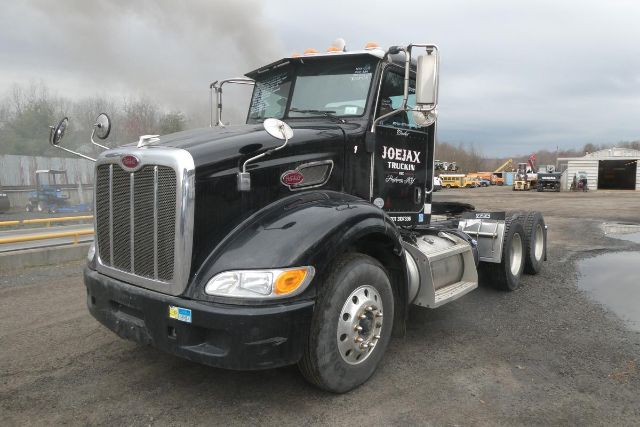
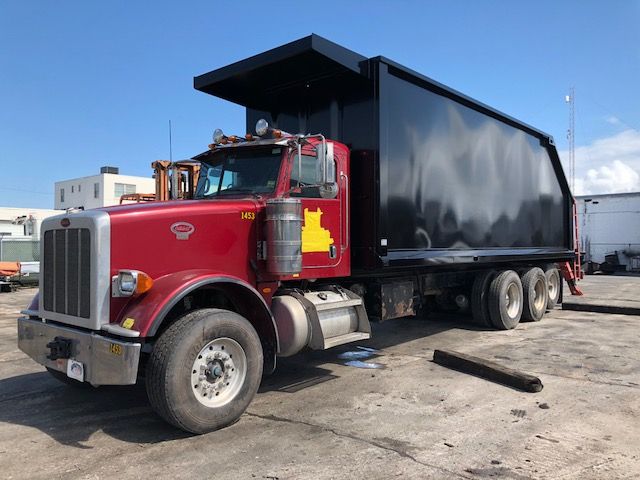

Selling a used 2013 peterbilt truck? List your used 2013 peterbilt truck for sale and reach thousands of commercial buyers.
Used 2013 Peterbilt Trucks
For over-the-road use, 2013 Peterbilt sleeper and day cab trucks are often spec'd with tandem rear axles, air ride suspension, 10-speed to 18-speed transmissions, and rear axle ratios chosen around fuel economy or pulling power. A highway truck from this year may have a wheelbase and fifth-wheel setup suited for van, reefer, flatbed, or tanker work, so kingpin setting and bridge-law fit still matter. If the truck is a Peterbilt 386, 388, or 389, many buyers focus on hood style, engine make, service access, and resale appeal. Aerodynamic models tend to attract fleets and fuel-conscious operators, while the 389 and other long-hood configurations remain popular in specialized hauling and owner-operator service.
For vocational work, a used 2013 Peterbilt can also show up as a dump truck, roll-off, mixer, heavy-haul tractor, or PTO-ready chassis. In those cases, front axle capacity, frame rail rating, suspension type, and gearbox selection matter more than sleeper size or cosmetic trim. A buyer should verify PTO provisions, wet kit compatibility, locking differentials, and tire size before comparing units. If the truck has been working in severe service, pay close attention to crossmember condition, spring hangers, steering components, and signs of frame modification. Peterbilt's aluminum cab construction and strong parts support are positives, but condition still varies widely by prior application.
The smartest way to shop a 2013 Peterbilt is to compare the truck's original vocation to your intended use, then confirm emissions and maintenance details. Ask for engine serial information, aftertreatment service records, clutch or transmission history, suspension work, and any documentation on injector, turbo, DPF, or EGR repairs. Mileage matters, but idle hours, axle ratio, wheelbase, and how the truck was loaded matter just as much. A well-maintained 2013 Peterbilt can still be a productive truck if the spec matches the route, trailer, and weight you plan to run.
Frequently Asked Questions about Used 2013 Peterbilt Trucks
What engines are common in used 2013 Peterbilt trucks?
Used 2013 Peterbilt trucks are commonly equipped with PACCAR MX-series engines or Cummins power, depending on model and original order spec. Some units may also have other engine combinations in vocational applications. The best choice depends on your shop support, parts preference, emissions familiarity, and how the truck will be used. Buyers should verify horsepower, torque rating, emissions configuration, and documented repair history before making a decision.
Is a 2013 Peterbilt a good year for an owner-operator?
A 2013 Peterbilt can be a strong owner-operator option if the truck has been maintained properly and the spec fits the freight. This model year is old enough to be more affordable than newer equipment, but still modern enough to include highway-friendly drivetrains, sleeper configurations, and common service parts. The key is not just the year. Engine condition, aftertreatment history, gearing, wheelbase, and prior use will have a bigger impact on operating cost than the model year alone.
What should I check first on a used 2013 Peterbilt truck?
Start with service records, engine hours, mileage, emissions system history, and drivetrain specification. After that, inspect the frame, suspension, steering, brakes, tires, and cab condition. On highway tractors, confirm wheelbase, fifth-wheel travel, rear ratio, and suspension type. On vocational trucks, pay close attention to PTO setup, axle ratings, frame reinforcement, and signs of heavy off-road stress. A full ECM readout and a good pre-purchase inspection are worth the cost.
Are 2013 Peterbilt trucks better for highway or vocational work?
That depends entirely on how the truck was spec'd from new. Peterbilt built 2013 trucks for both long-haul and severe-duty applications, so one unit may be an aerodynamic sleeper tractor while another may be a dump or heavy-haul chassis. Buyers should look at axle capacities, transmission type, suspension, wheelbase, engine rating, and frame setup to determine the intended use. The same model year can perform very differently depending on original vocation.