
New Commercial Trucks For Sale in Colorado
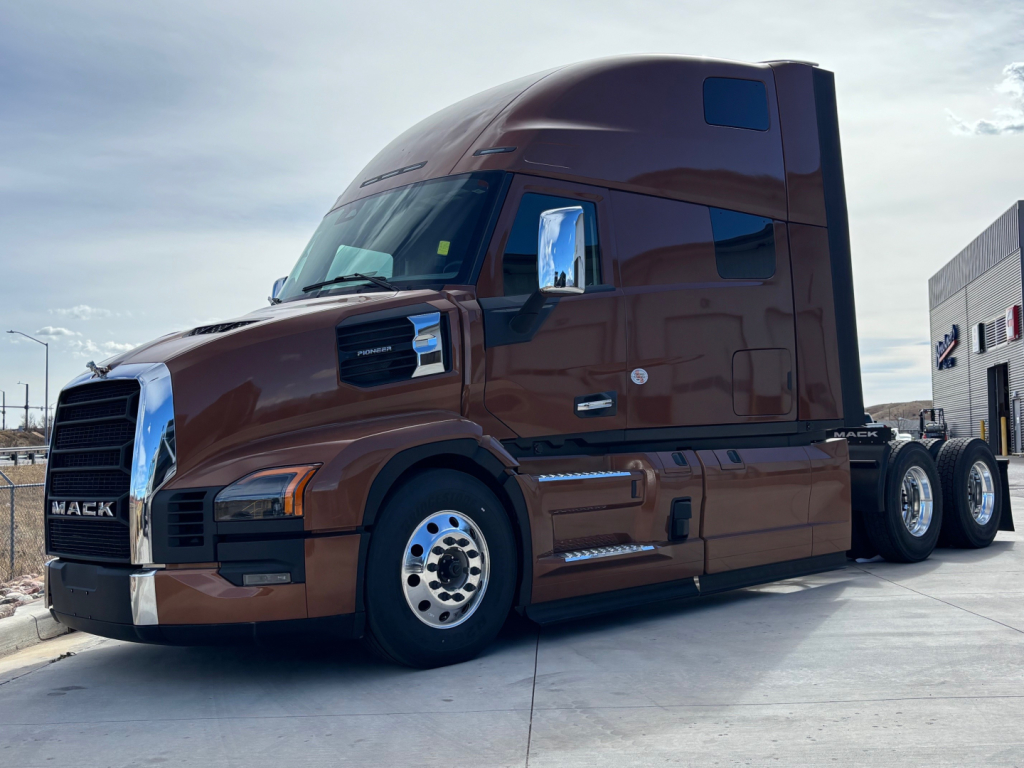
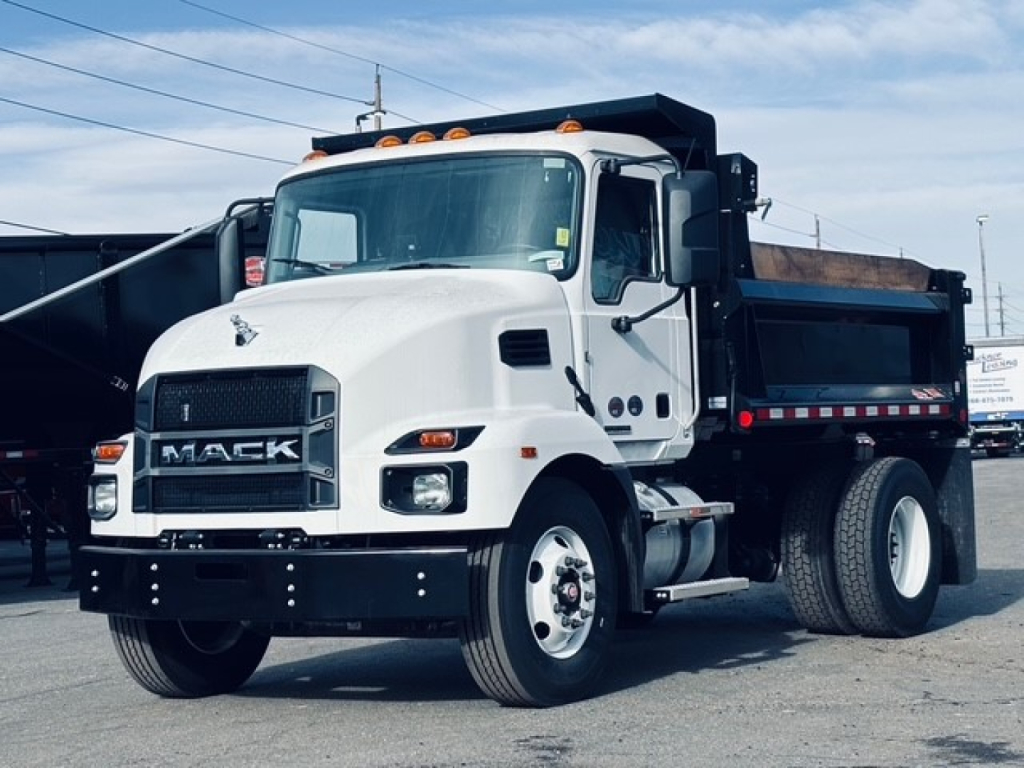
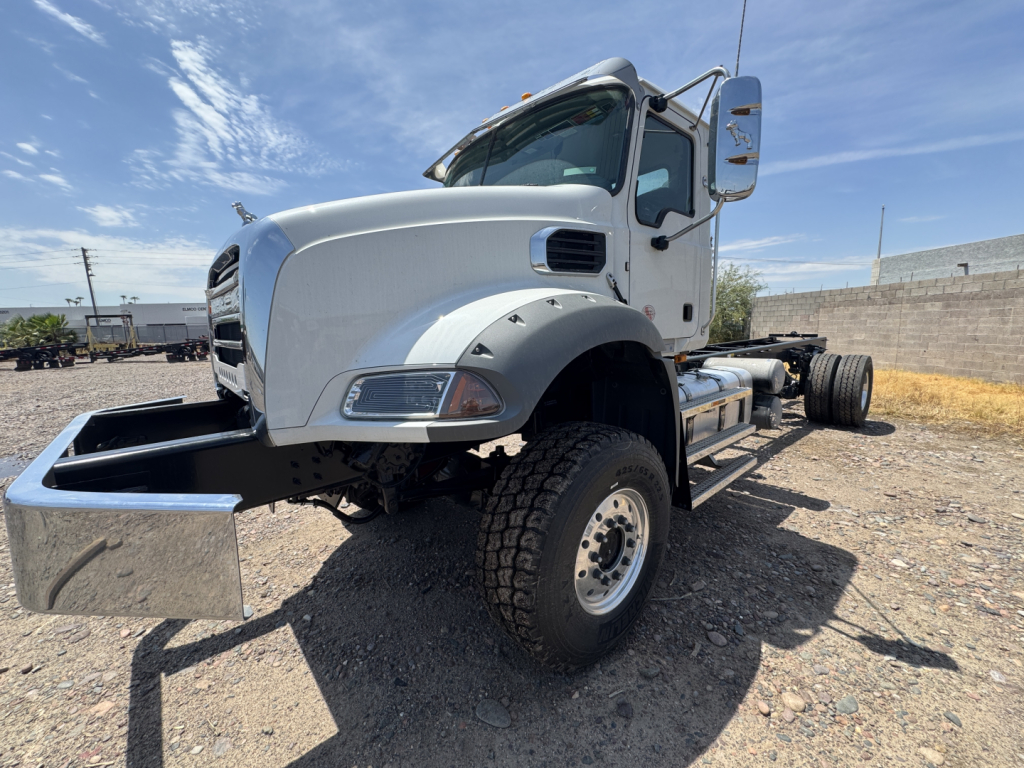
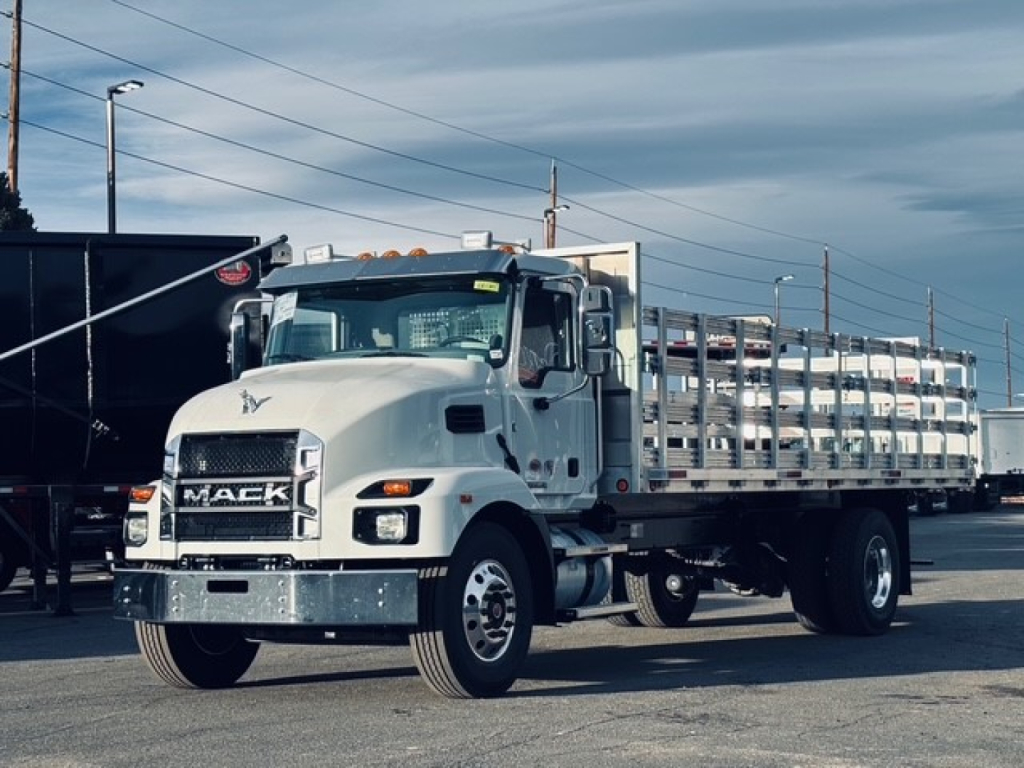
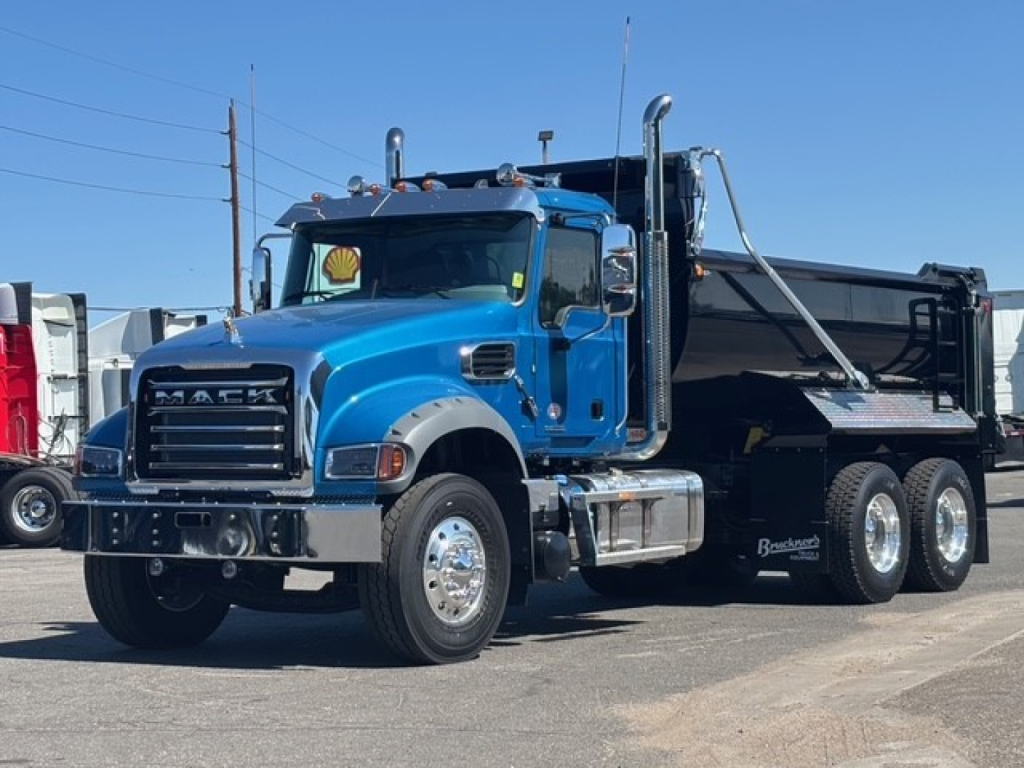
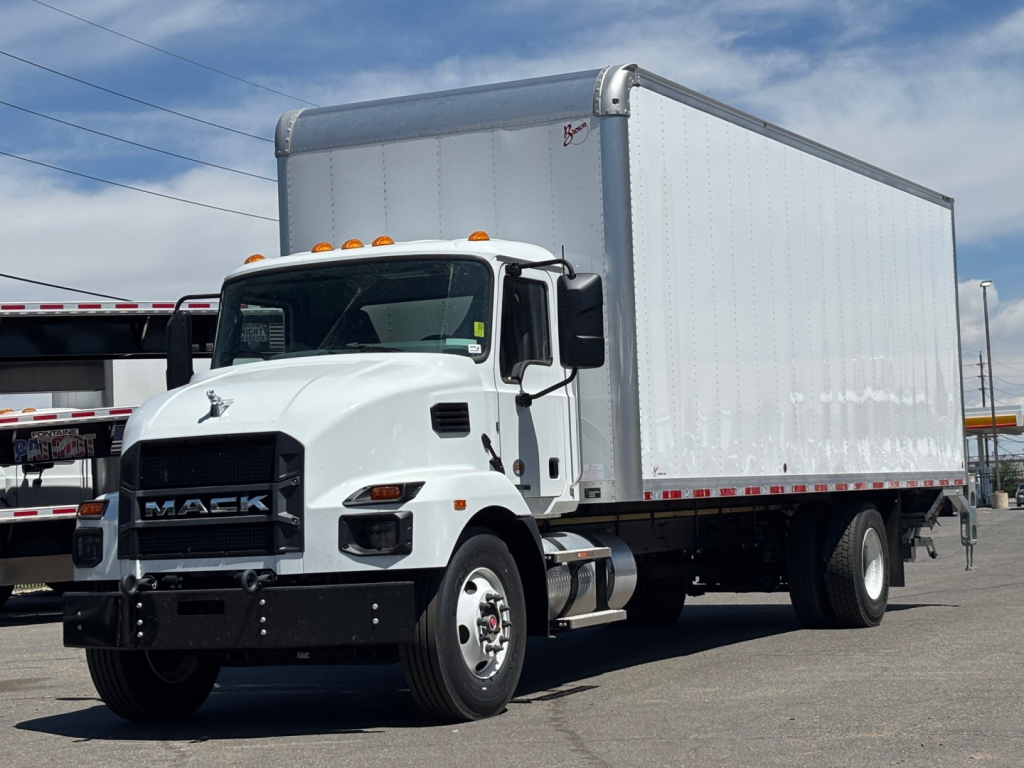
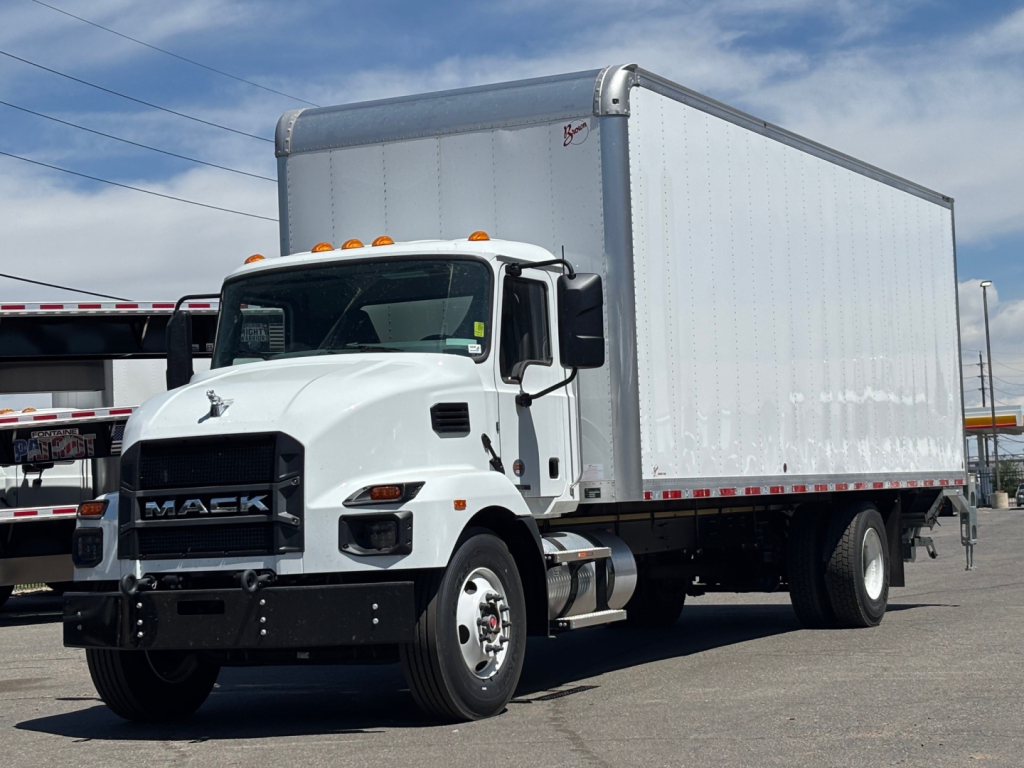
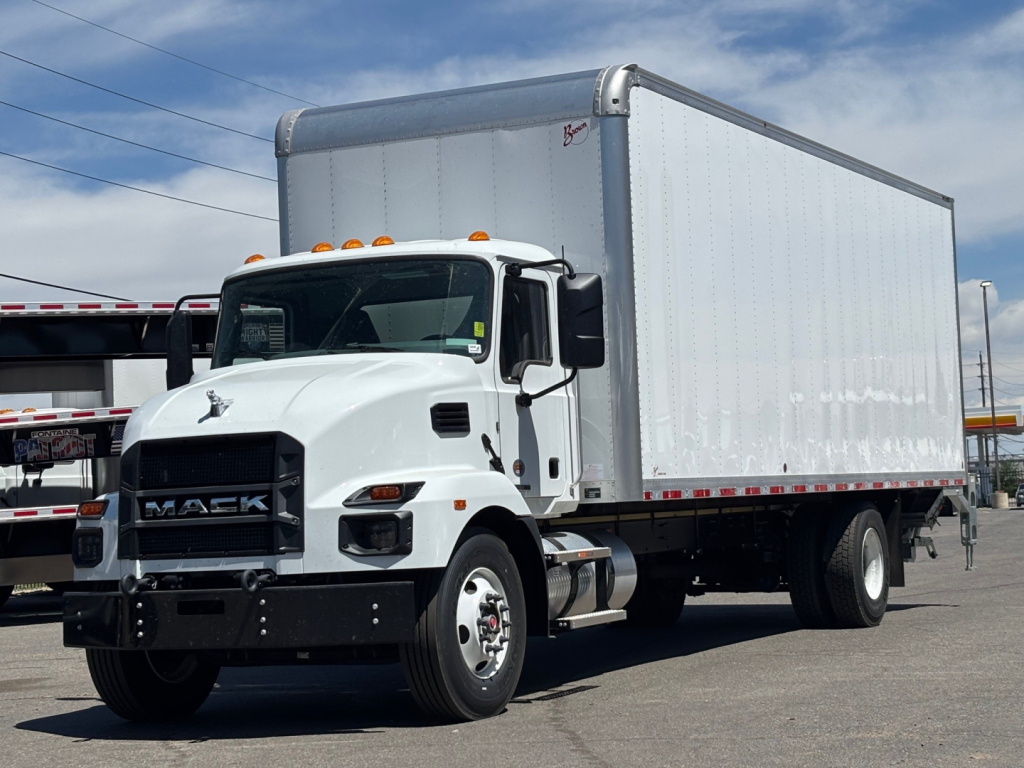
Shop new trucks for sale in Colorado, including sleeper, dump, cab and chassis, and roll-off models built for highway and vocational work.
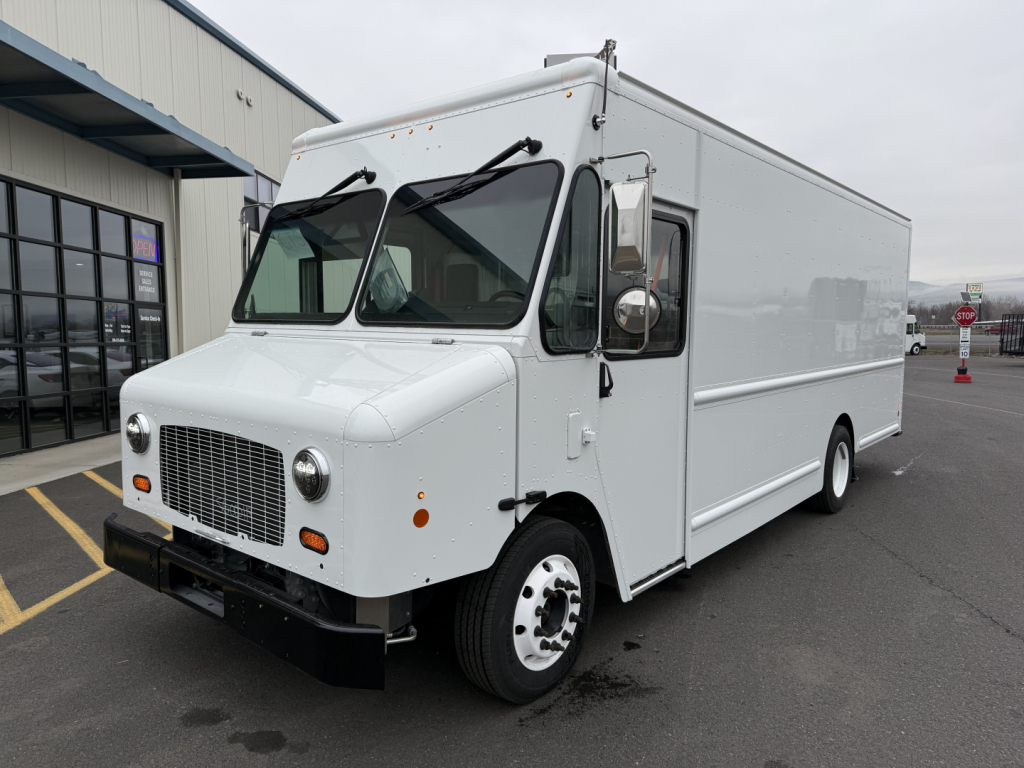
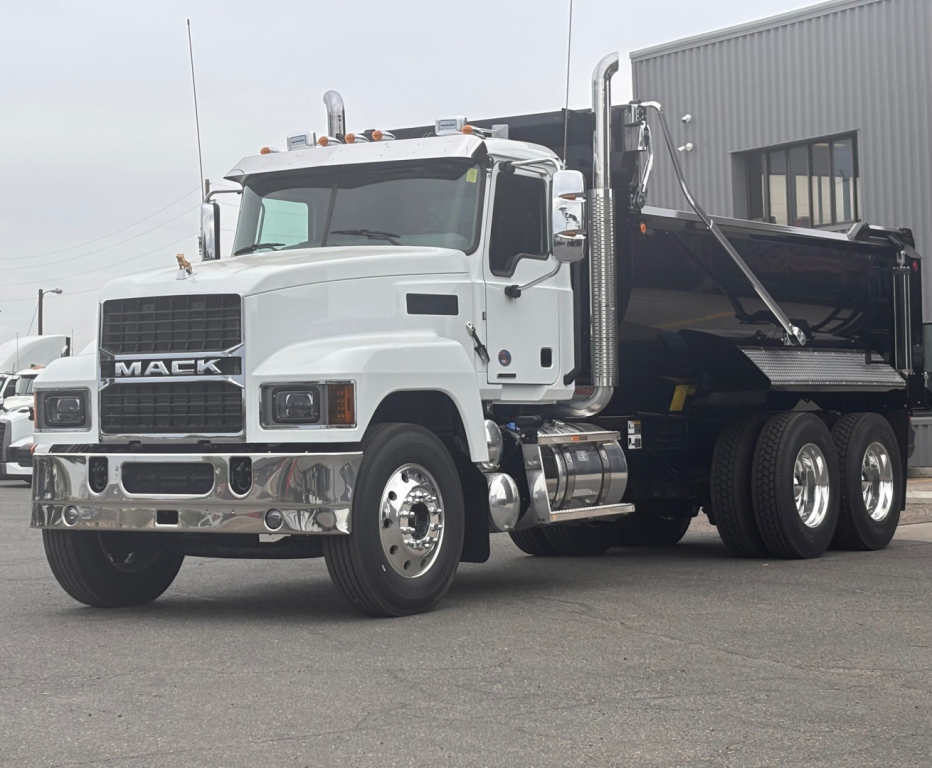
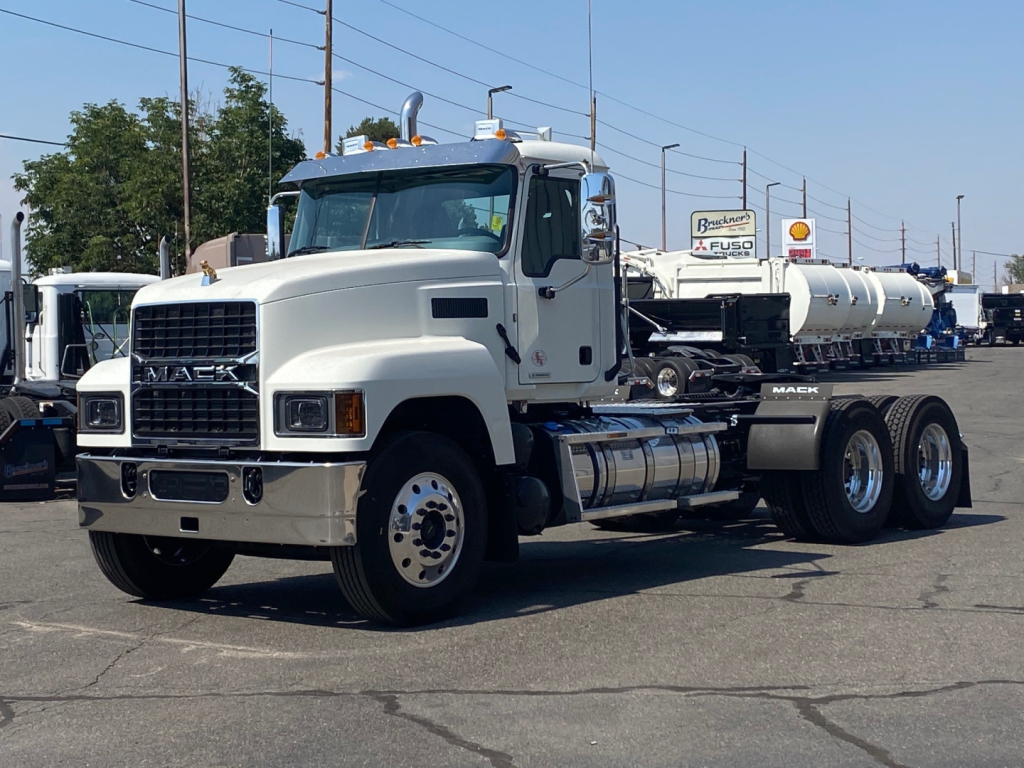
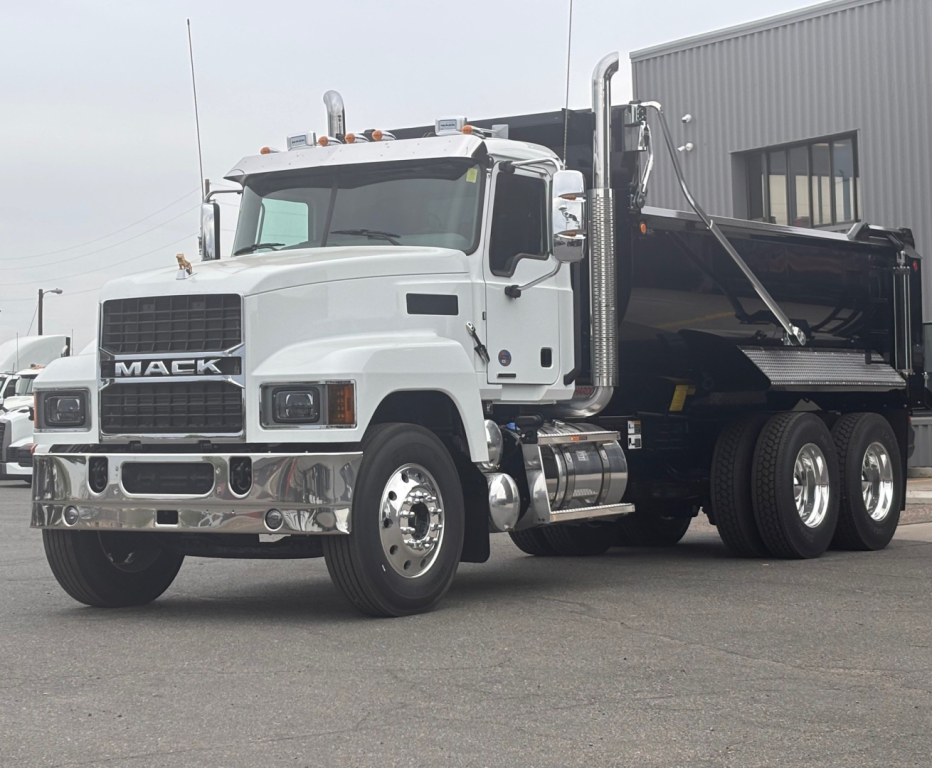
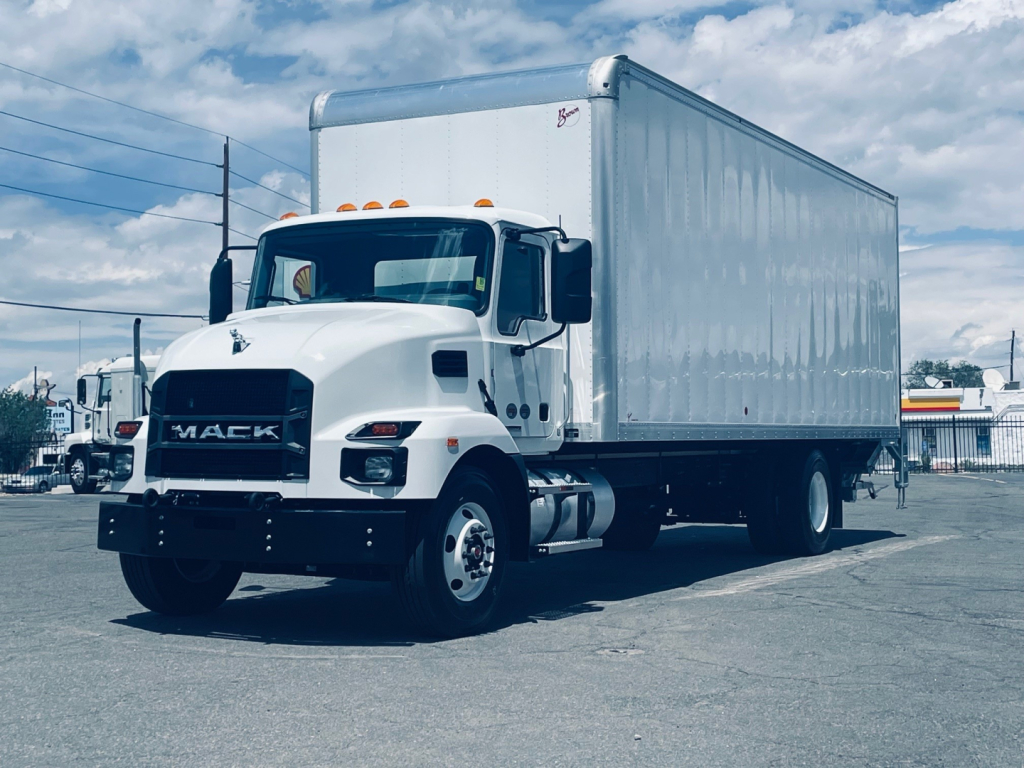
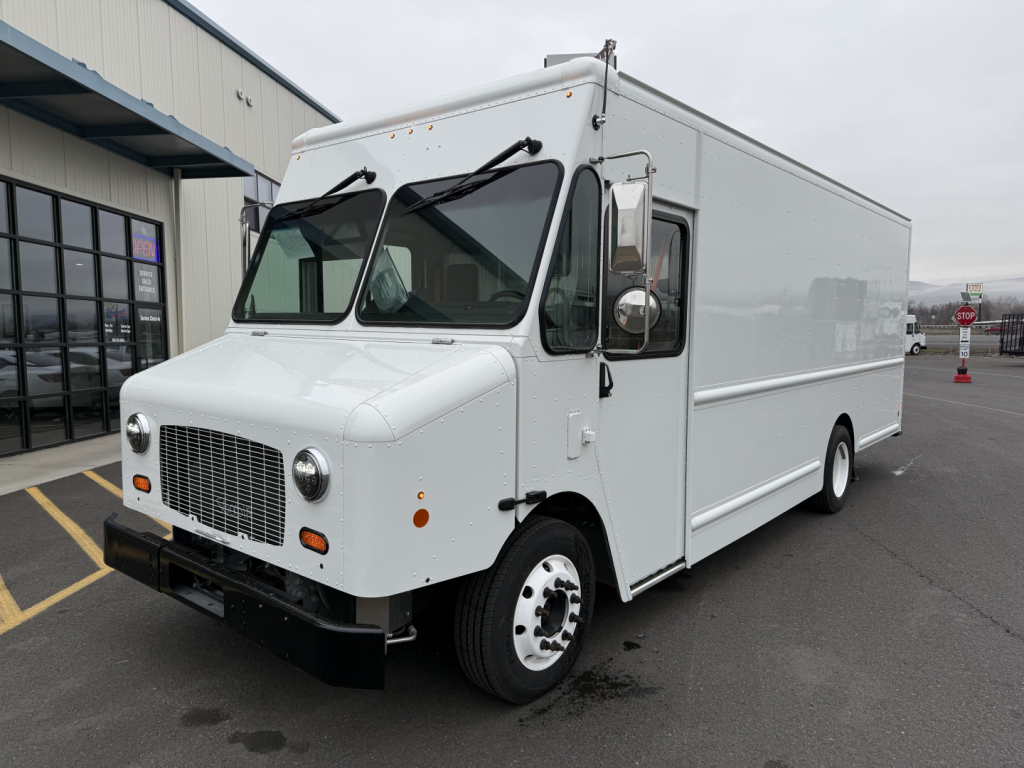
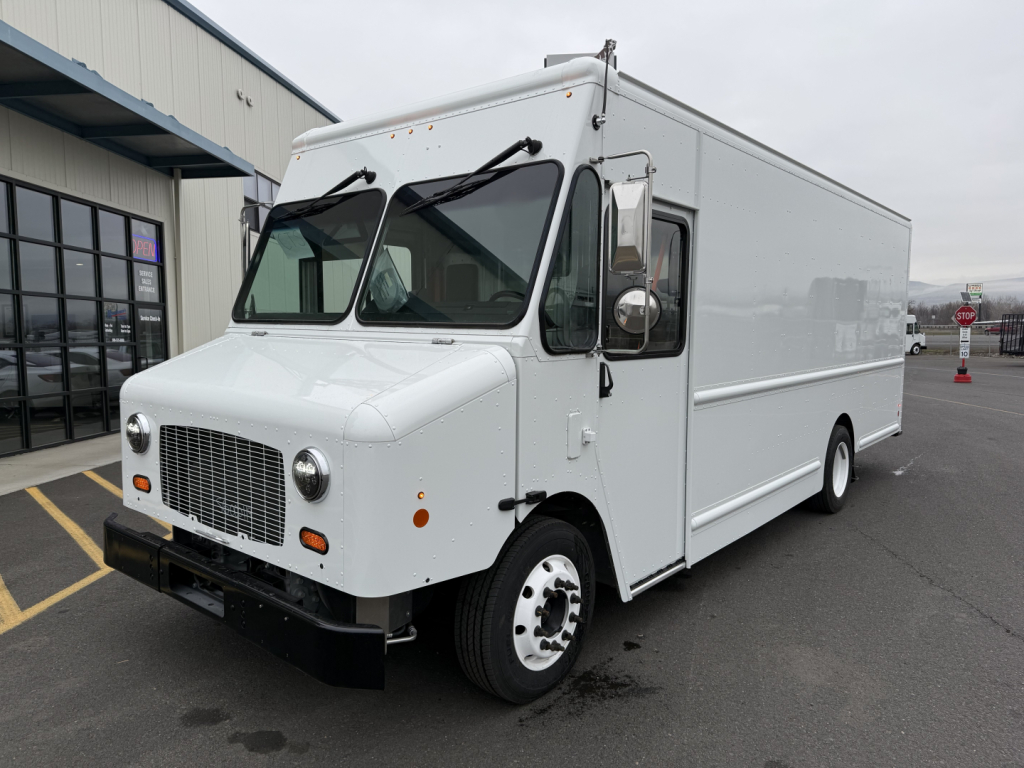
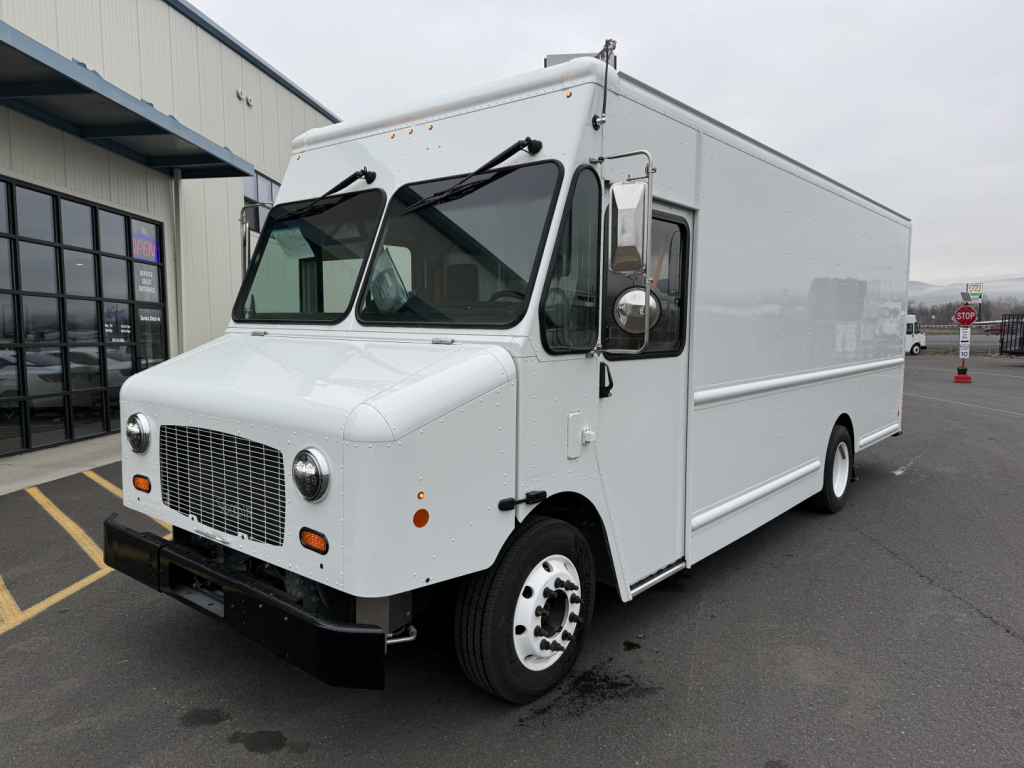
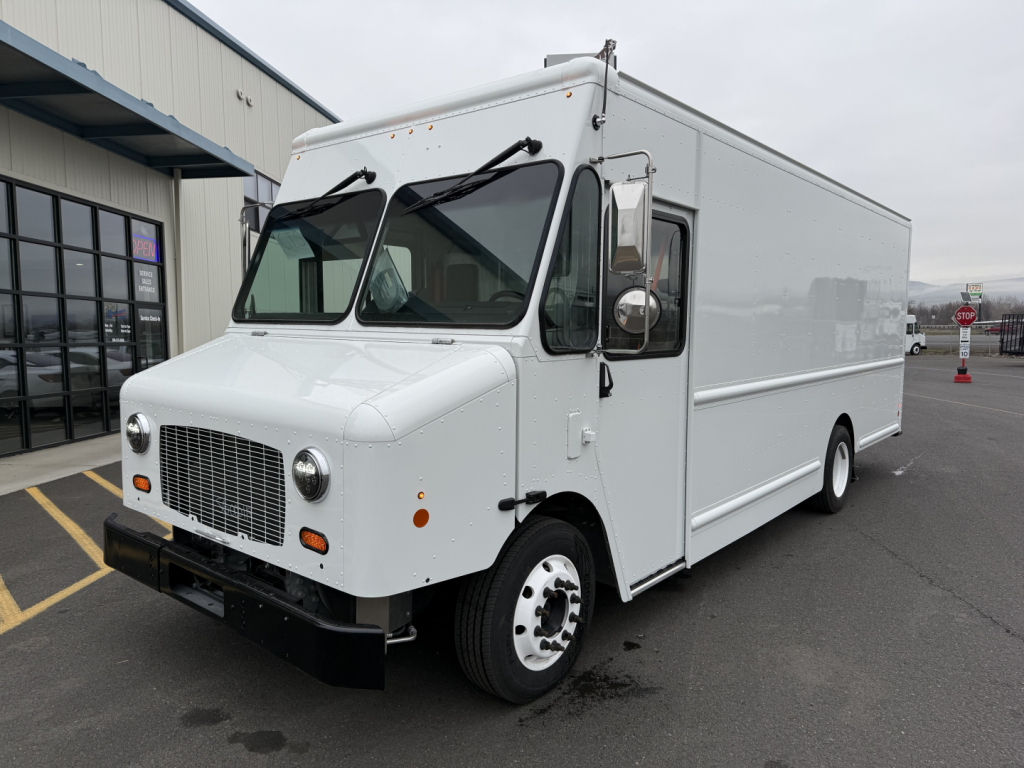
Showing 1 to 28 of 84 results
Selling a new commercial truck? List your new commercial truck for sale and reach thousands of commercial buyers.
New Commercial Trucks in Colorado
For highway tractors, buyers typically compare engine ratings, automated manual versus full automatic transmissions, sleeper configuration, and fuel capacity first. Common sleeper specs include mid-roof and high-roof designs, single or double bunks, integrated idle reduction equipment, parking heaters, and driver comfort features that help with retention on longer western routes. In mountain service, horsepower and torque need to be matched to gross combination weight and terrain, not just cruise speed. Disc brakes, advanced driver assistance systems, digital mirrors, and traction management features are becoming more common on new conventional sleepers because they improve control, visibility, and uptime.
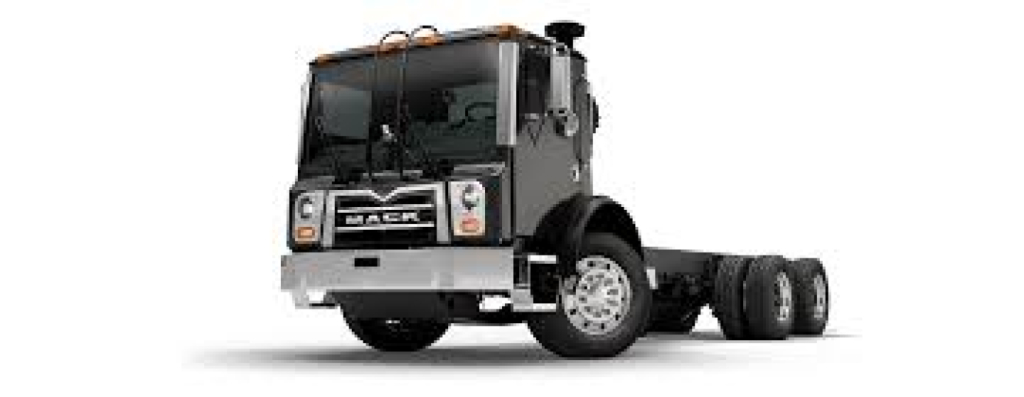
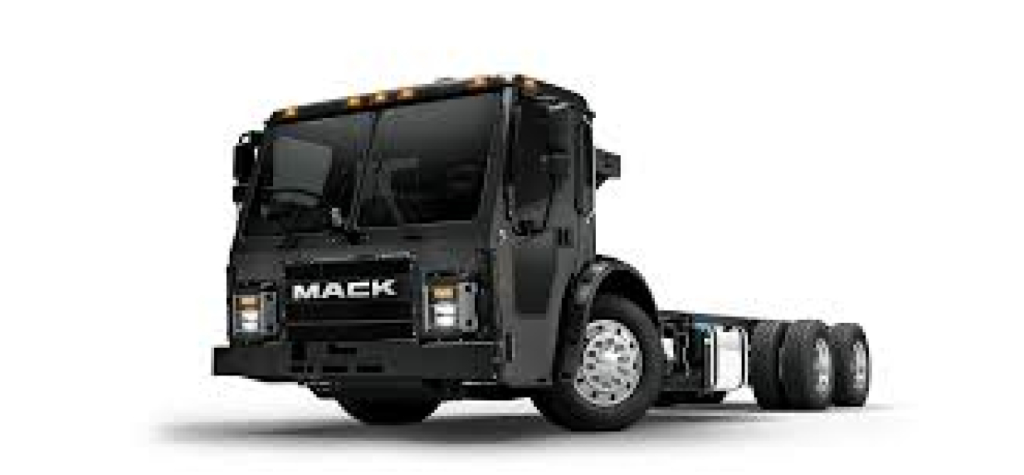
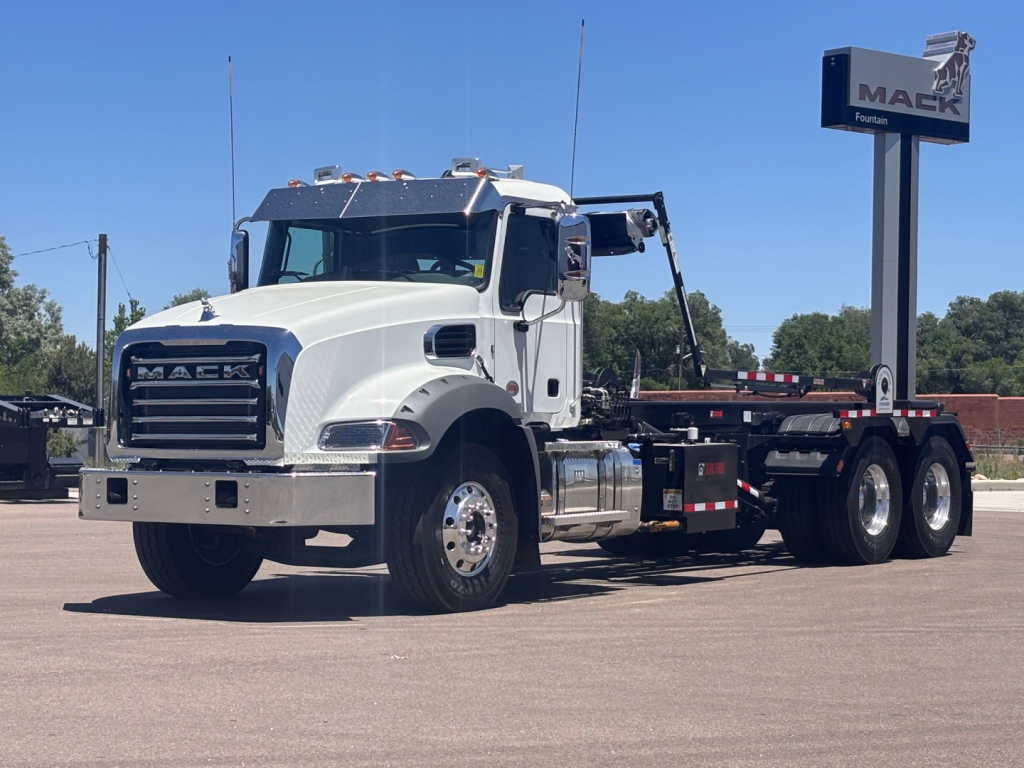
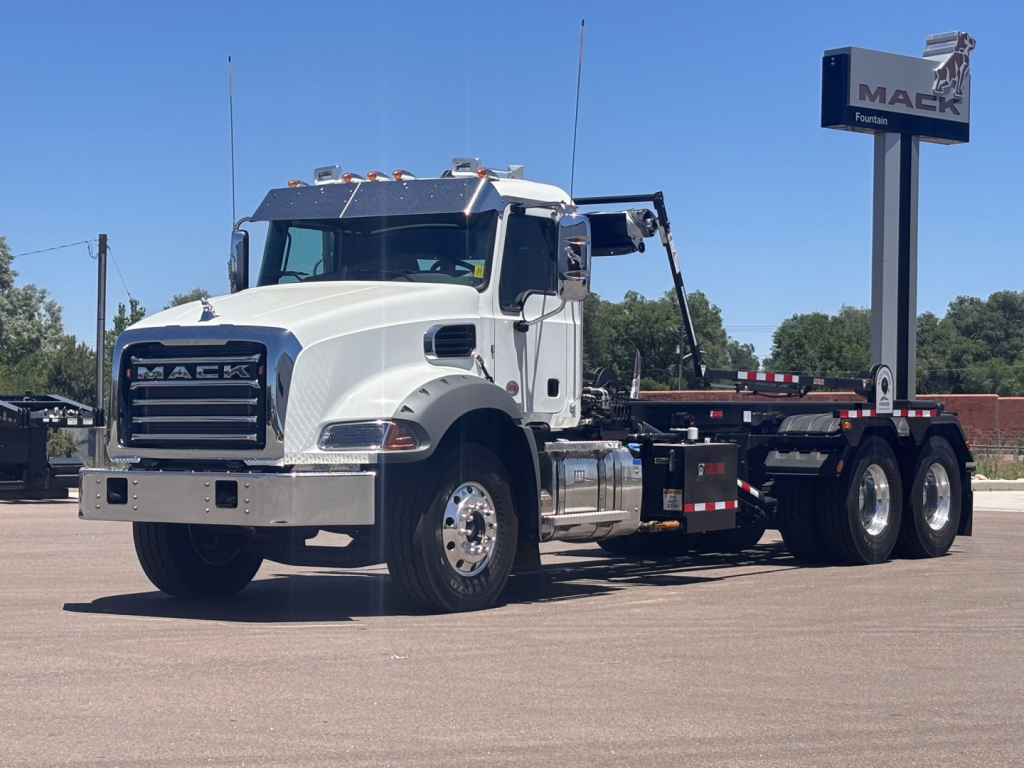
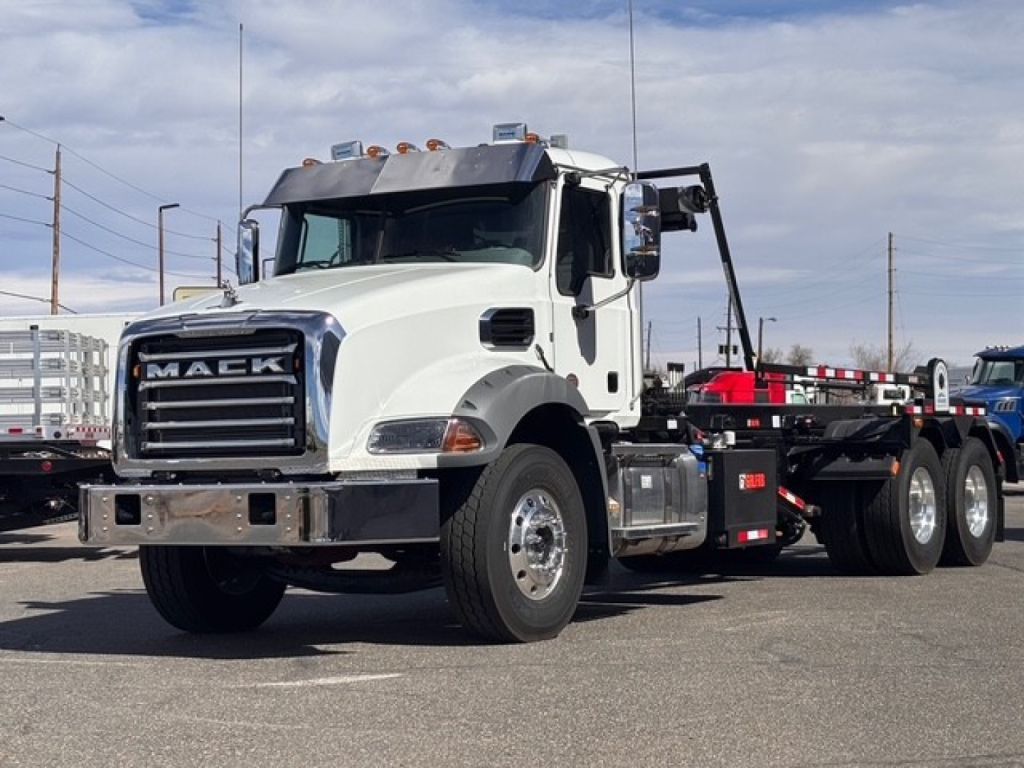
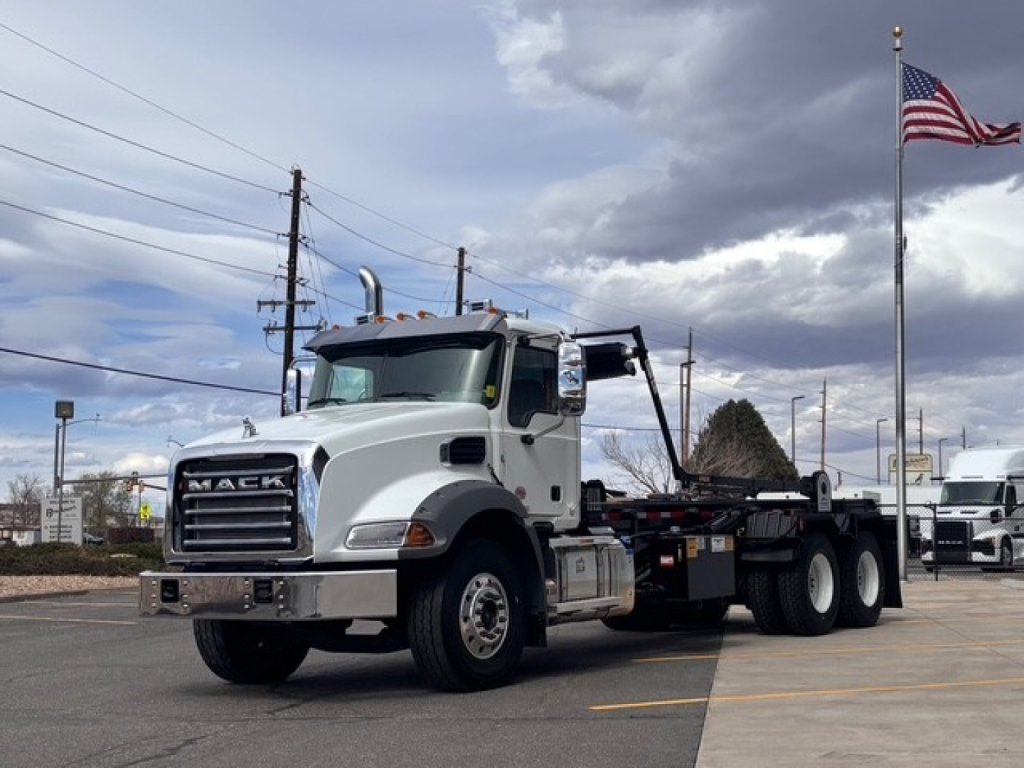
Vocational buyers usually start with frame strength, front axle capacity, rear suspension, and PTO configuration. A new dump truck or roll-off truck needs the right drivetrain for stop-and-go service, soft ground, and repeated loading cycles, which is why many are spec'd with automatic transmissions, locking differentials, heavier rears, and vocational suspensions. Cab and chassis trucks are often purchased as unfinished platforms for refuse bodies, utility bodies, flatbeds, service bodies, tank bodies, or municipal equipment. If a body is going on later, check back-of-cab dimensions, clear frame availability, electrical interfaces, and whether the truck is prepped for hoists, pumps, or hydraulic systems.
New truck buyers in Colorado should also pay close attention to emissions warranty coverage, service network support, and body builder compatibility before comparing price alone. A lower upfront cost can be offset quickly if the wheelbase is wrong for the intended body, if the rear axle ratio does not fit mountain hauling, or if the truck lacks the switches and programming needed for PTO work. The best new truck is the one that is correctly spec'd for its route, payload, and duty cycle from day one, with enough durability and driver-friendly equipment to stay productive through all four seasons.
Frequently Asked Questions about New Commercial Trucks in Colorado
What types of new trucks are commonly available in Colorado?
New trucks in Colorado typically include highway sleeper tractors, day cabs, dump trucks, roll-off trucks, and cab and chassis models for body upfitting. The mix reflects both over-the-road freight demand and vocational work tied to construction, waste, municipal, and energy applications. Buyers often narrow the field first by application, then by axle configuration, engine rating, transmission, and body or trailer compatibility.
What should I look for when buying a new truck for Colorado routes?
Colorado buyers should pay close attention to power, gearing, braking, and traction because elevation and grade change the way a truck performs under load. Engine horsepower is only part of the equation. Rear axle ratio, transmission calibration, GCWR, cooling capacity, and brake spec all affect drivability in mountain service. For vocational work, locking differentials, appropriate tire selection, and suspension choice are especially important on mixed pavement and jobsite terrain.
Is a cab and chassis a better choice than a completed vocational truck?
A cab and chassis is often the better choice when the body needs to be tailored to a specific operation. It gives the buyer more flexibility on wheelbase, frame length, PTO setup, axle placement, and body brand. A completed vocational truck can reduce lead time if the body spec already matches the job, but a mismatch in frame dimensions or hydraulic prep can create expensive changes later. The right choice depends on how specialized the final application is.
Are automated manual transmissions common in new trucks?
Automated manual transmissions are now common in new highway tractors and are increasingly seen in some vocational applications. They improve driver consistency, reduce missed shifts, and can help fuel economy when properly spec'd. Full automatic transmissions are still popular in dump, refuse, and roll-off applications because they perform well in stop-and-go work and PTO-driven operations. The better option depends on terrain, driver pool, and duty cycle.
Why does factory spec matter so much on a new truck?
Factory spec determines how well the truck fits the work before it ever enters service. Wheelbase, frame rating, axle capacity, fuel tank placement, suspension, PTO controls, and electrical integration all affect body installation, payload distribution, and everyday usability. A truck that is close on paper but wrong in one or two major specs can create downtime, reduced legal payload, or costly modification work. Correct spec is one of the most important factors in long-term operating cost.