
New 2027 Commercial Trucks For Sale in Colorado
Browse new 2027 trucks for sale in Colorado, including highway, vocational, and medium-duty models built for regional and heavy-use work.
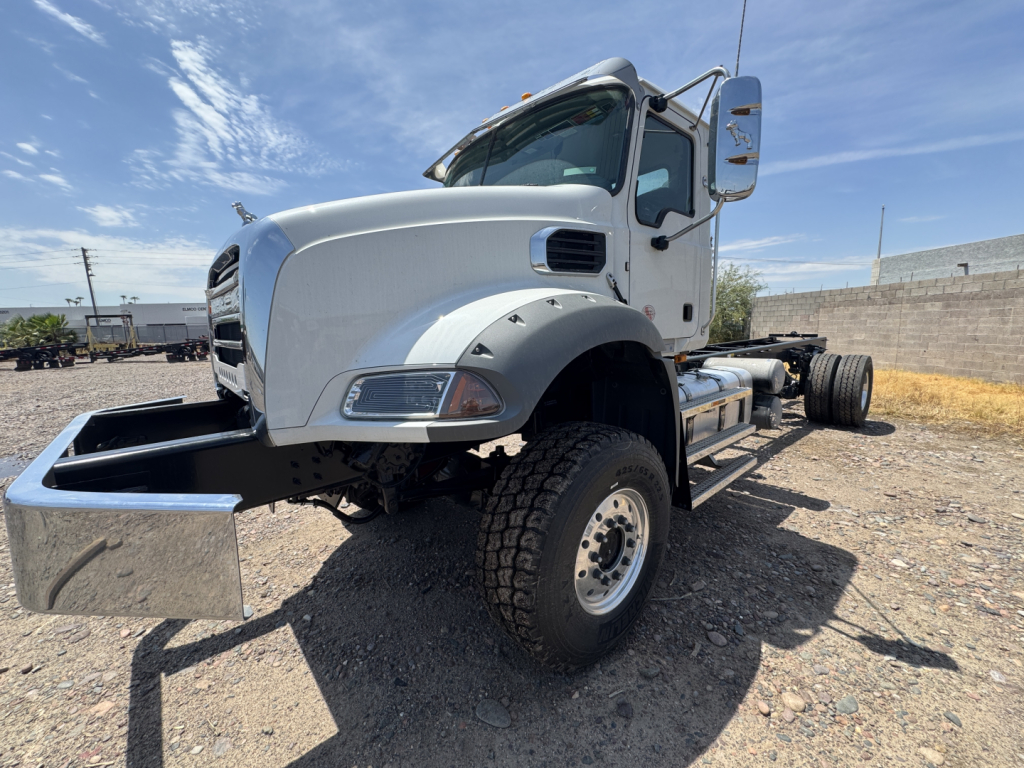
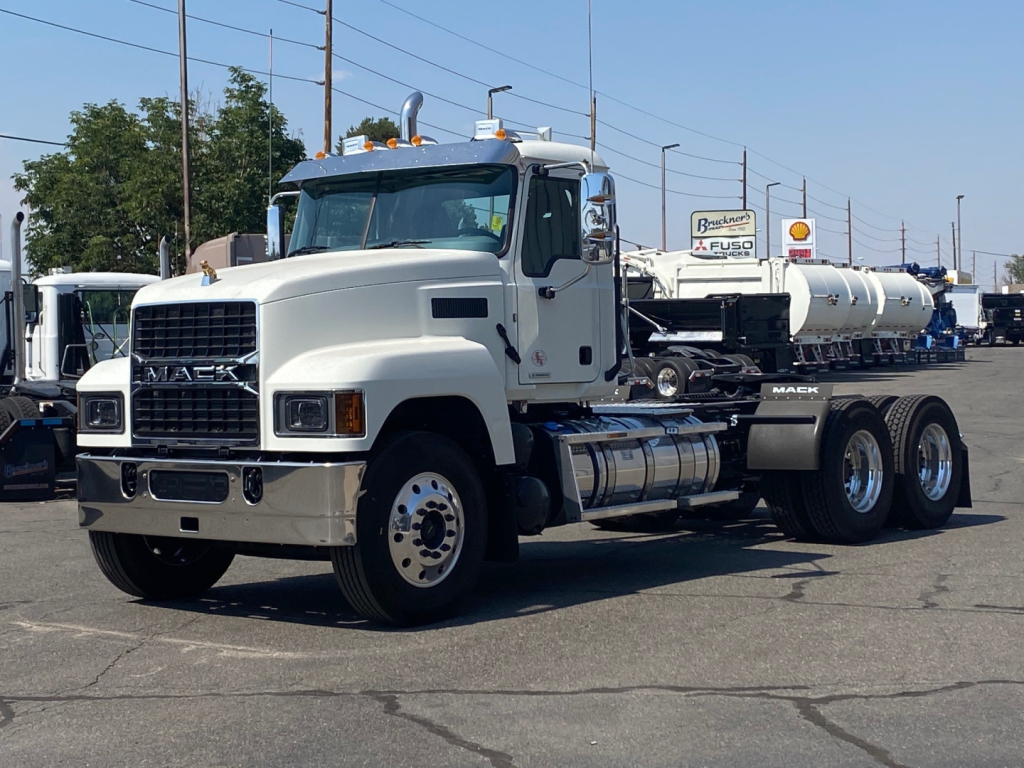
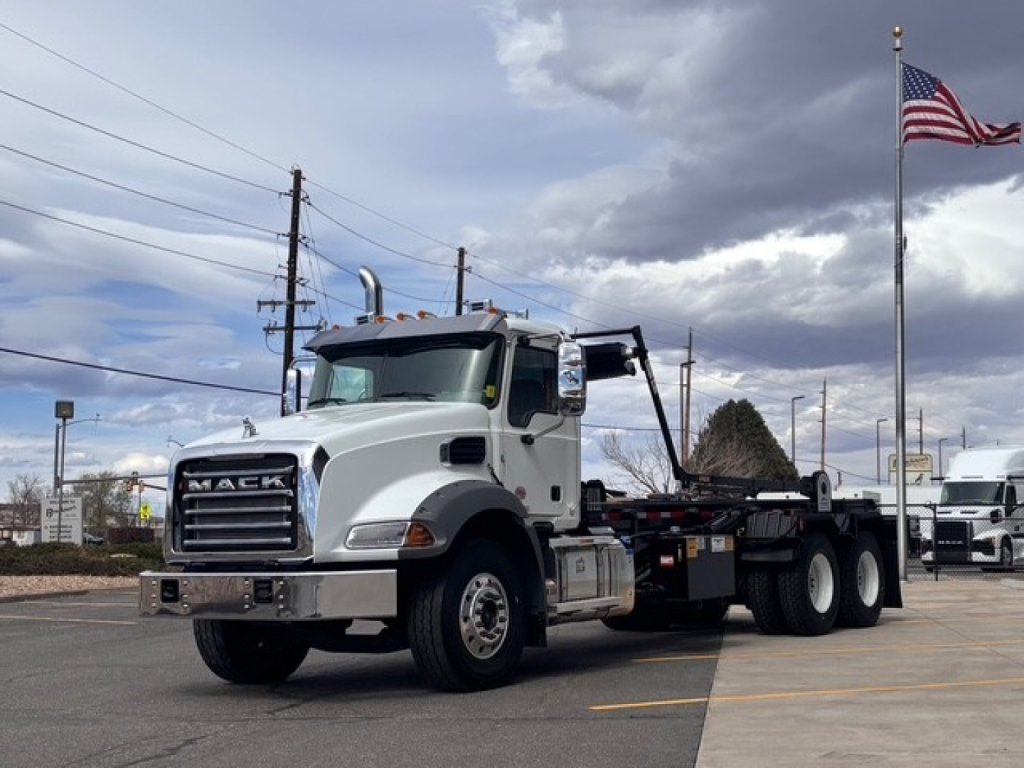
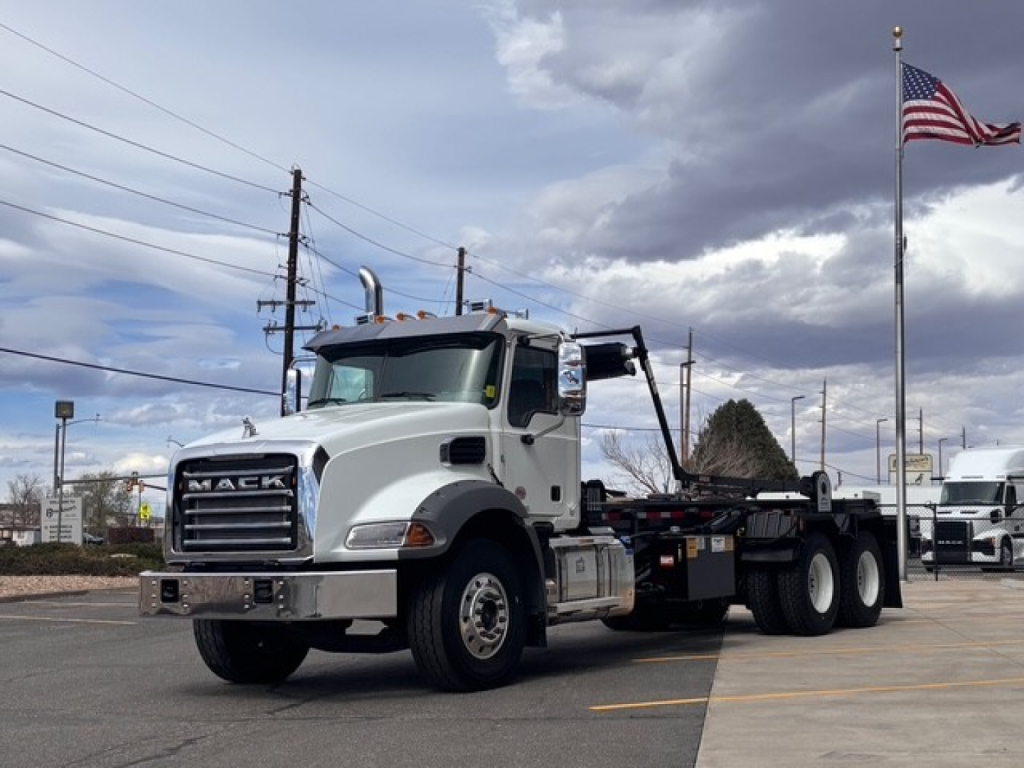
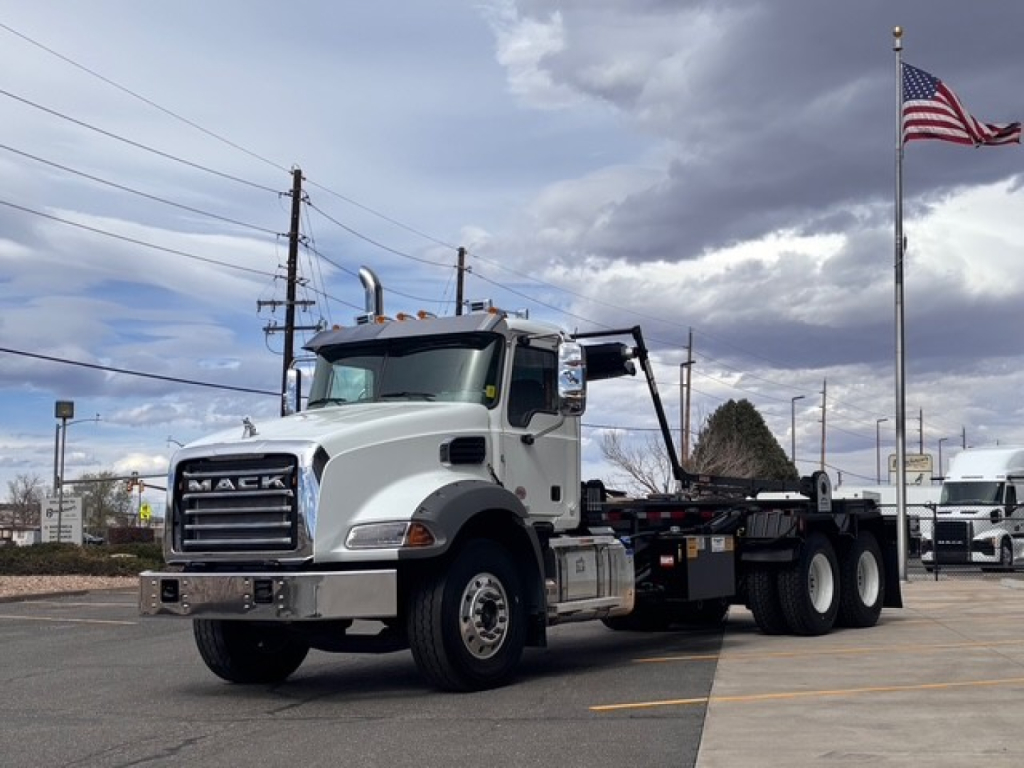
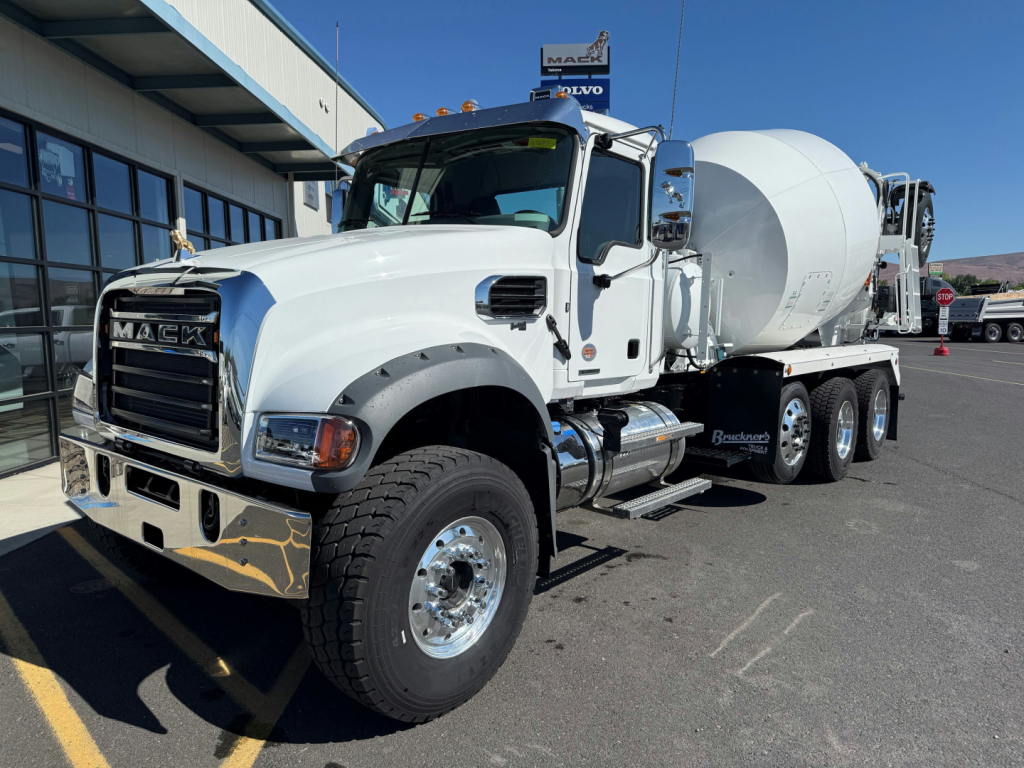
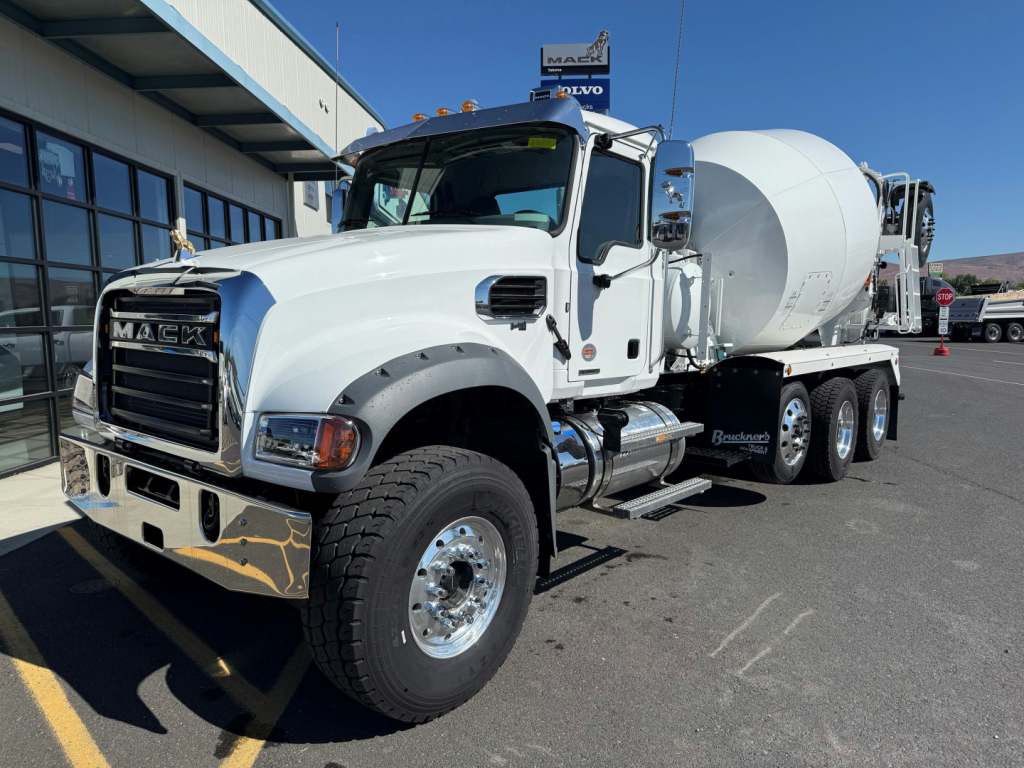
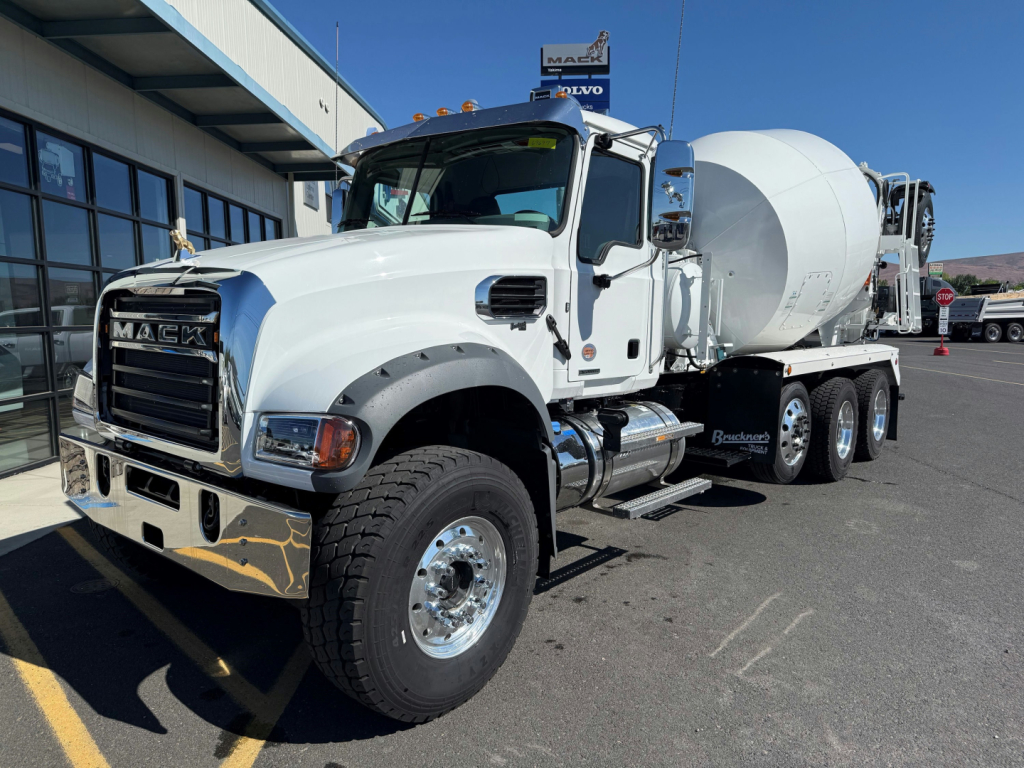
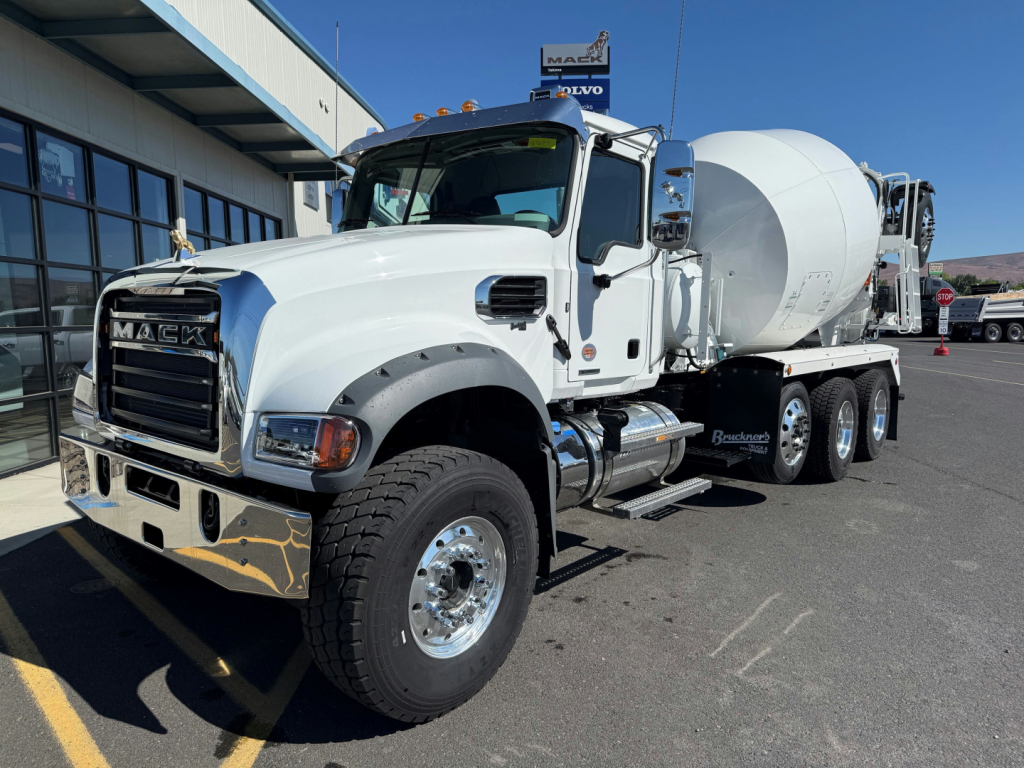
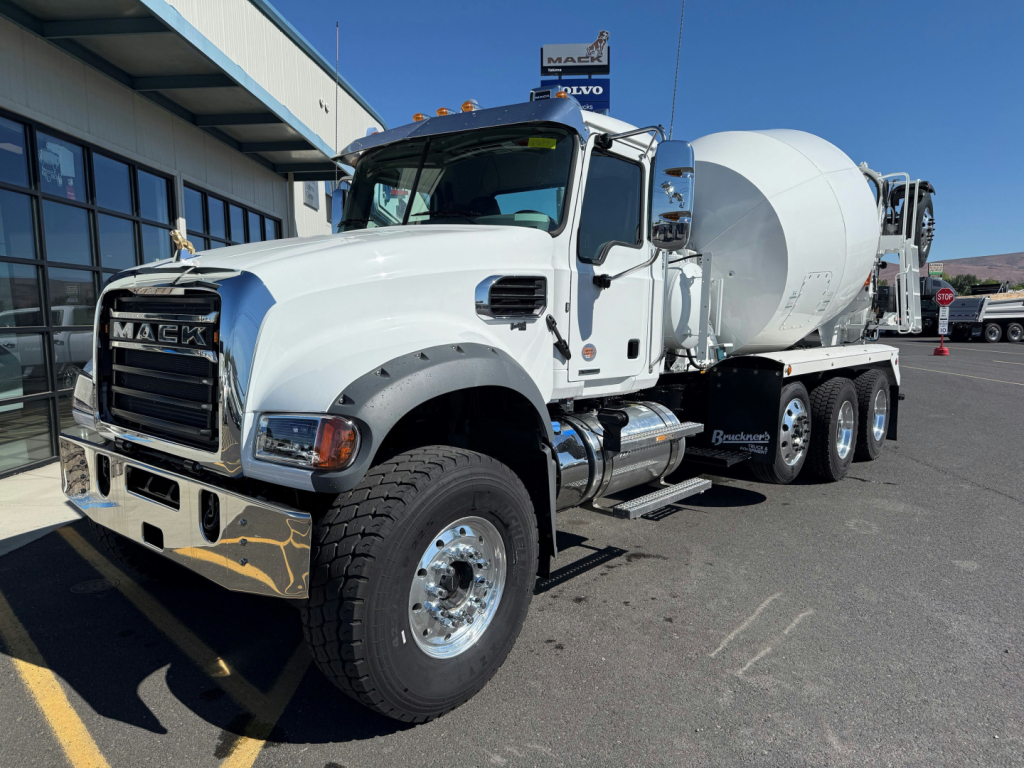
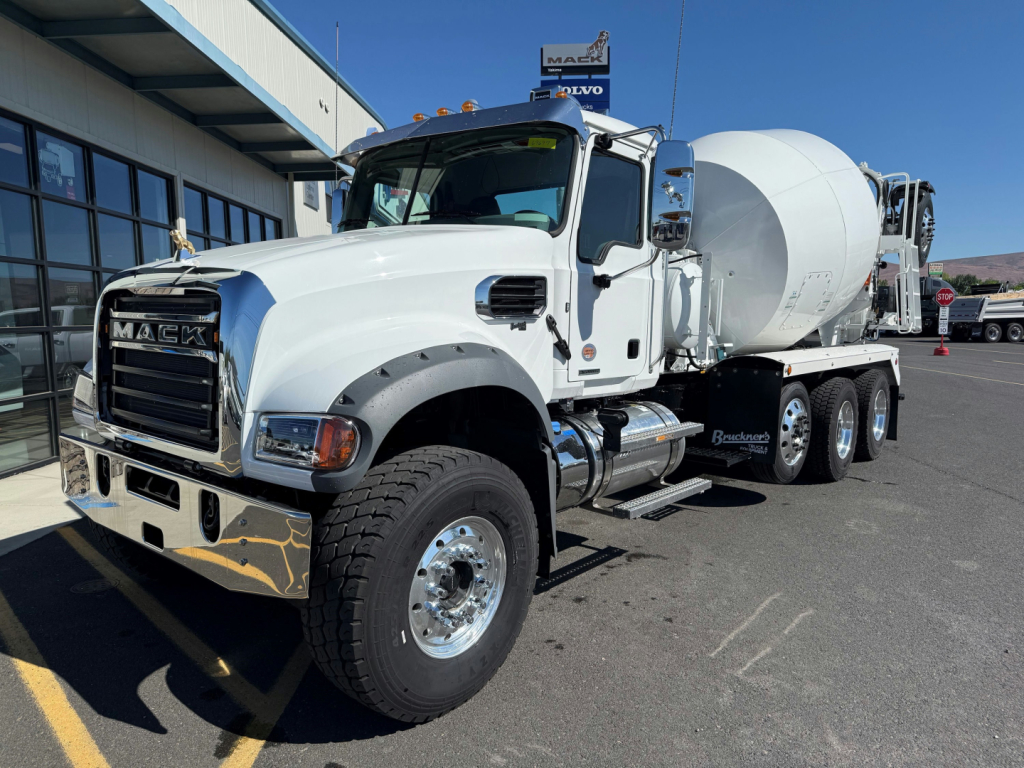
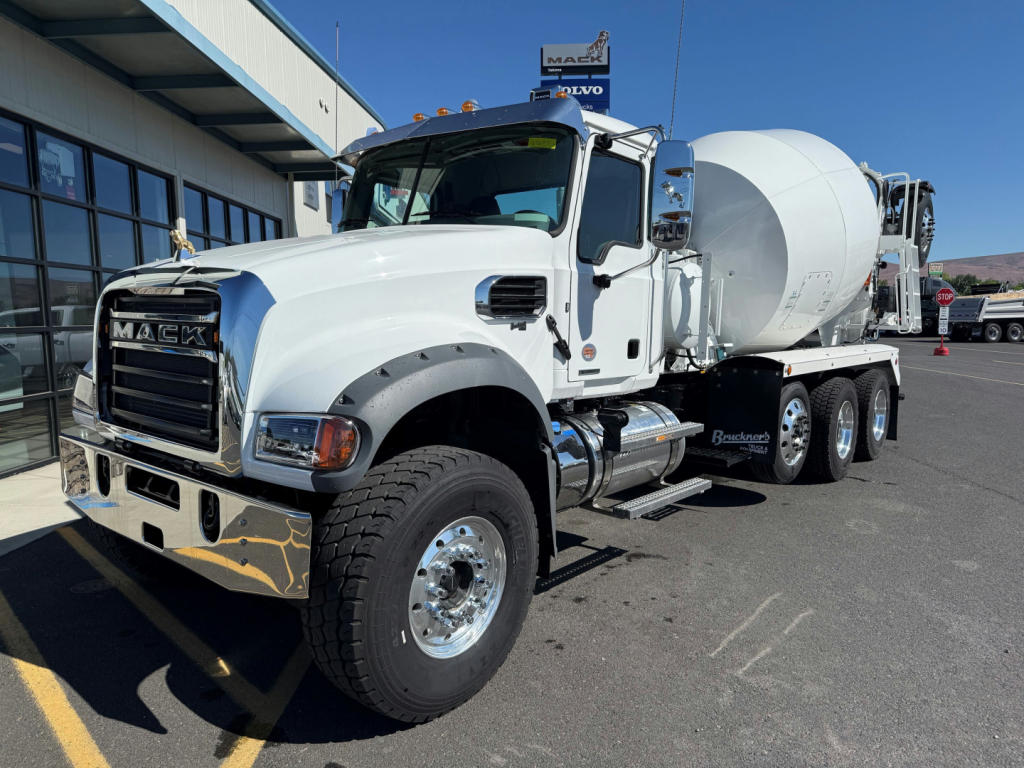
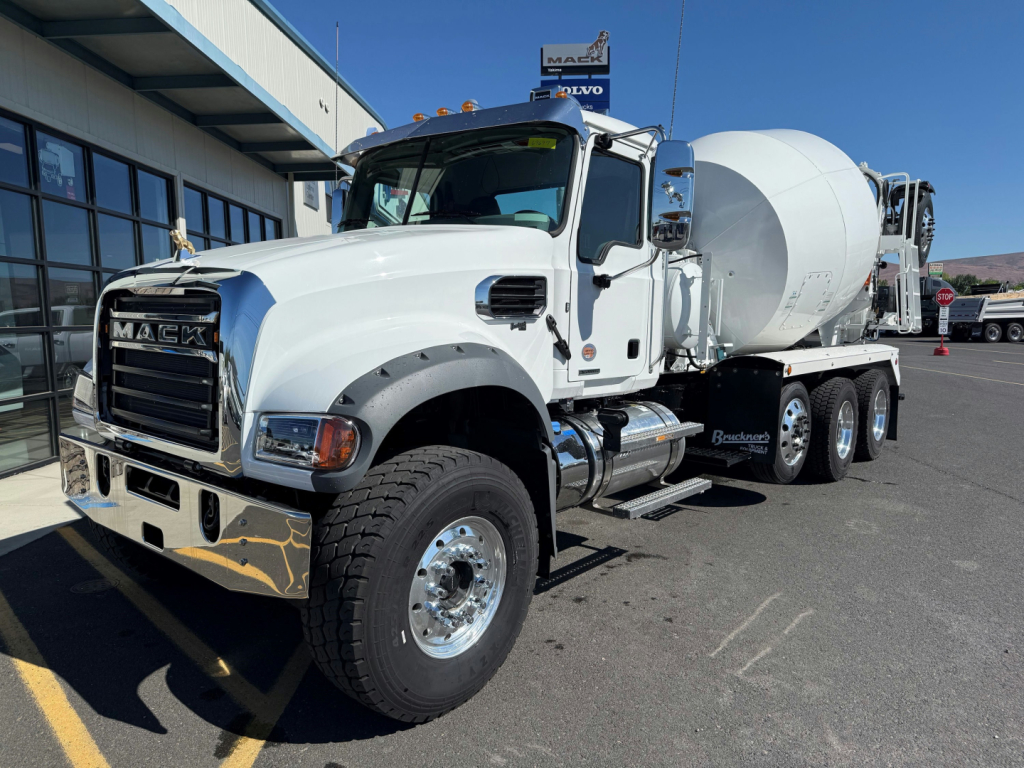
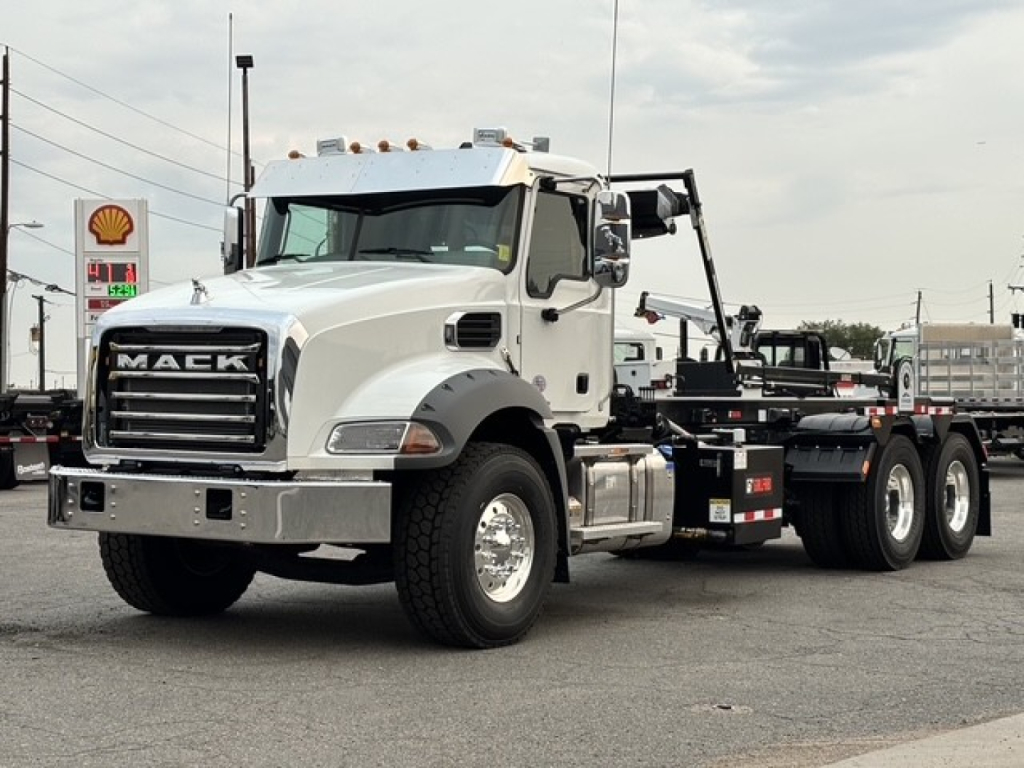
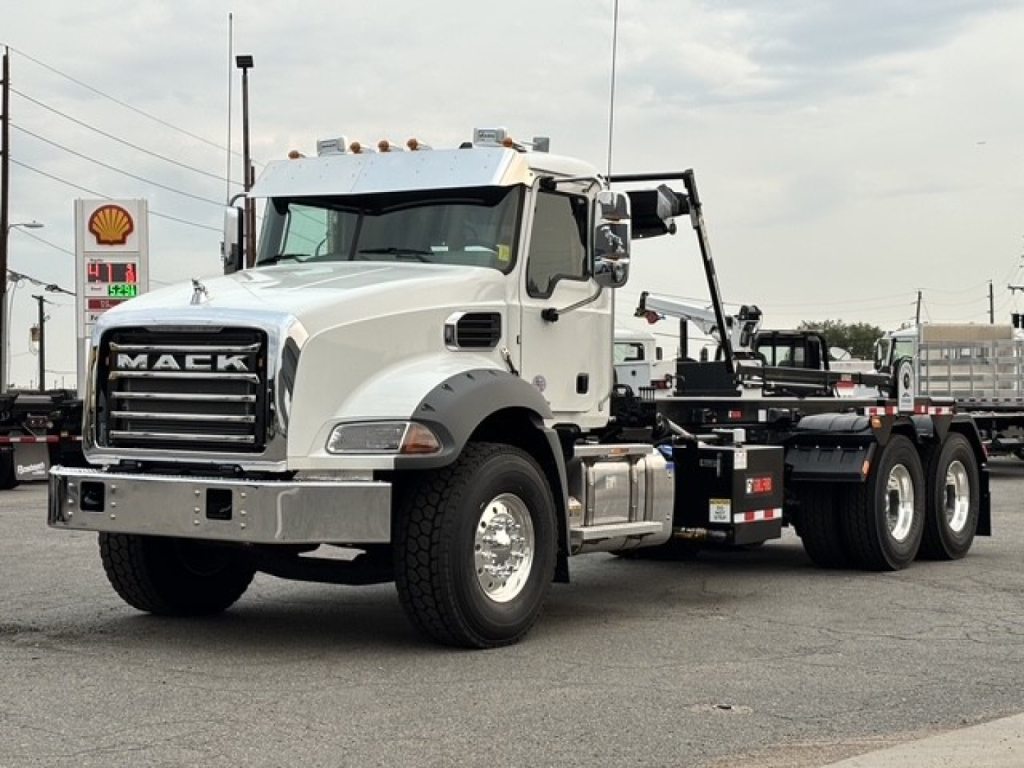
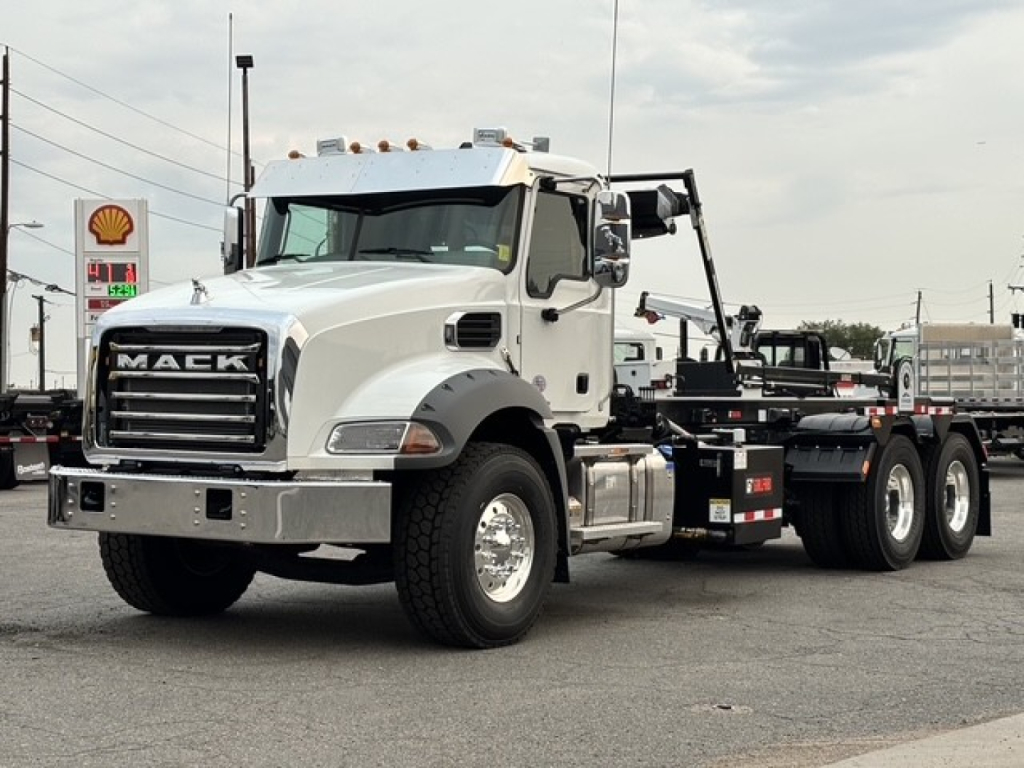
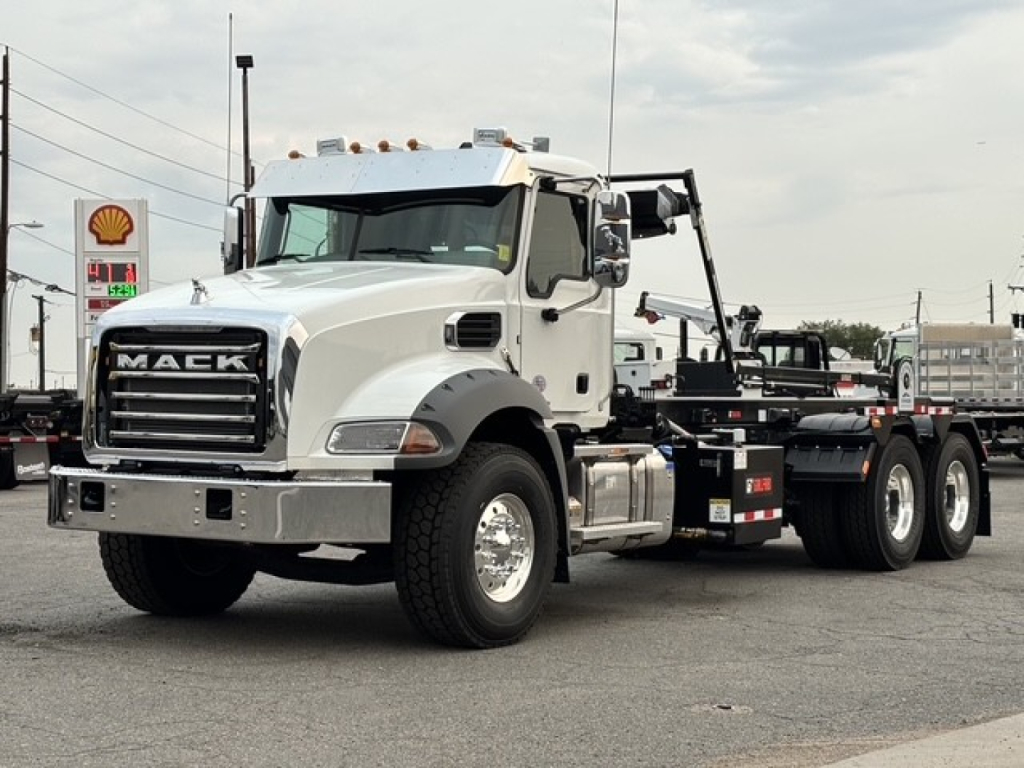
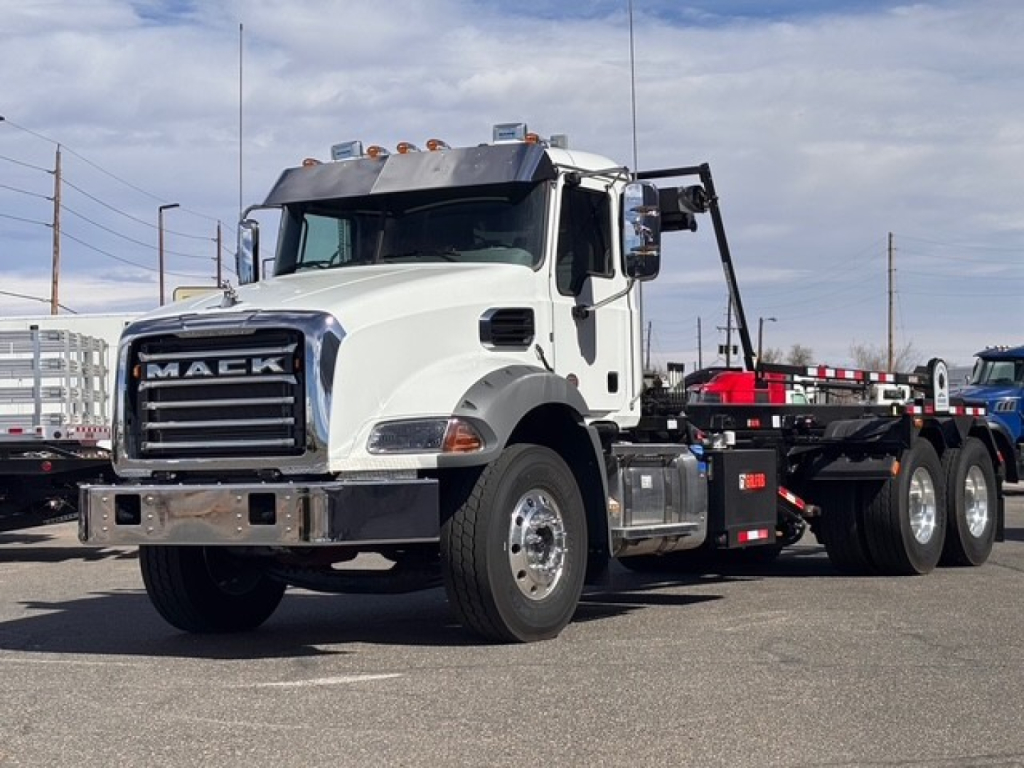
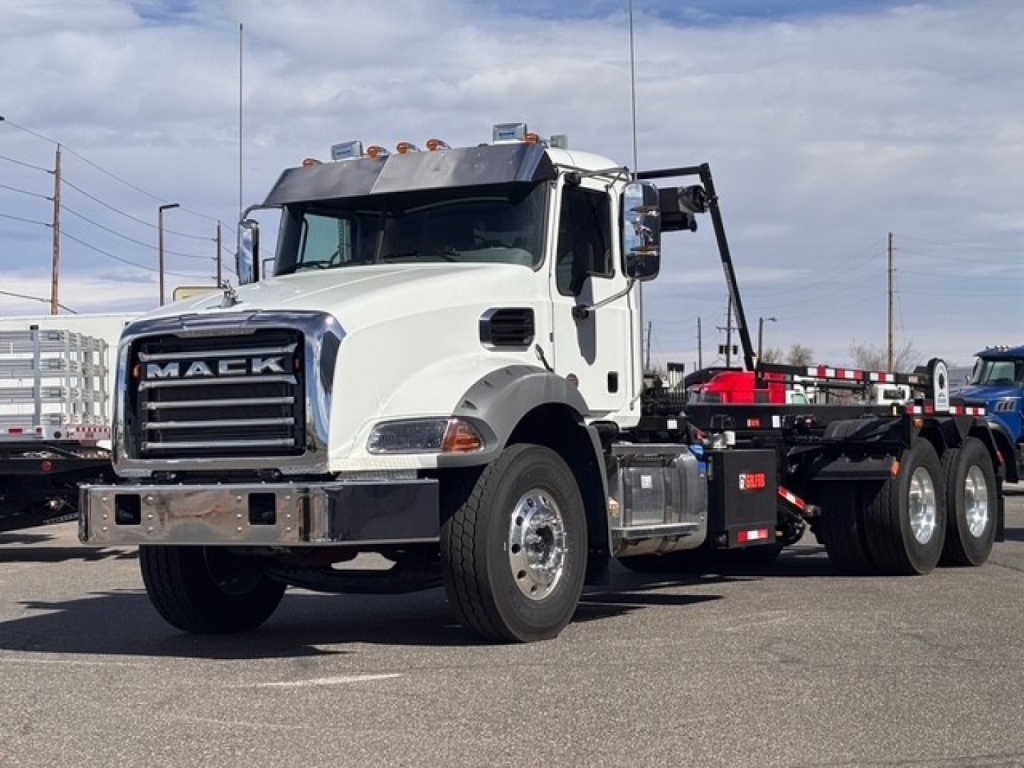
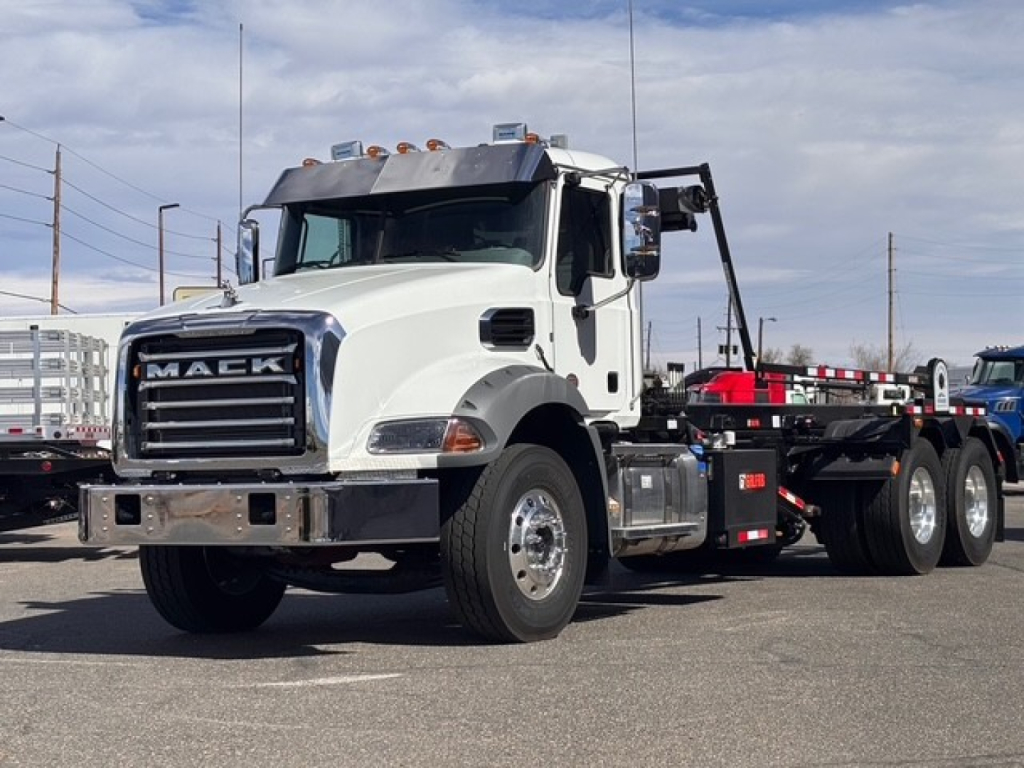
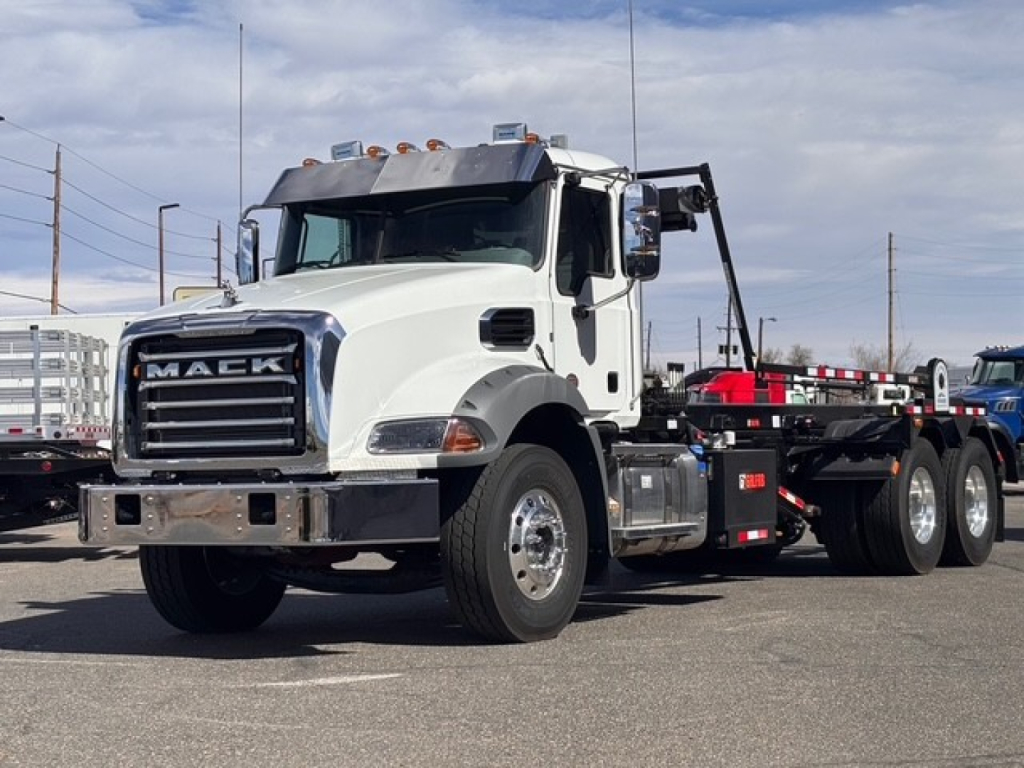
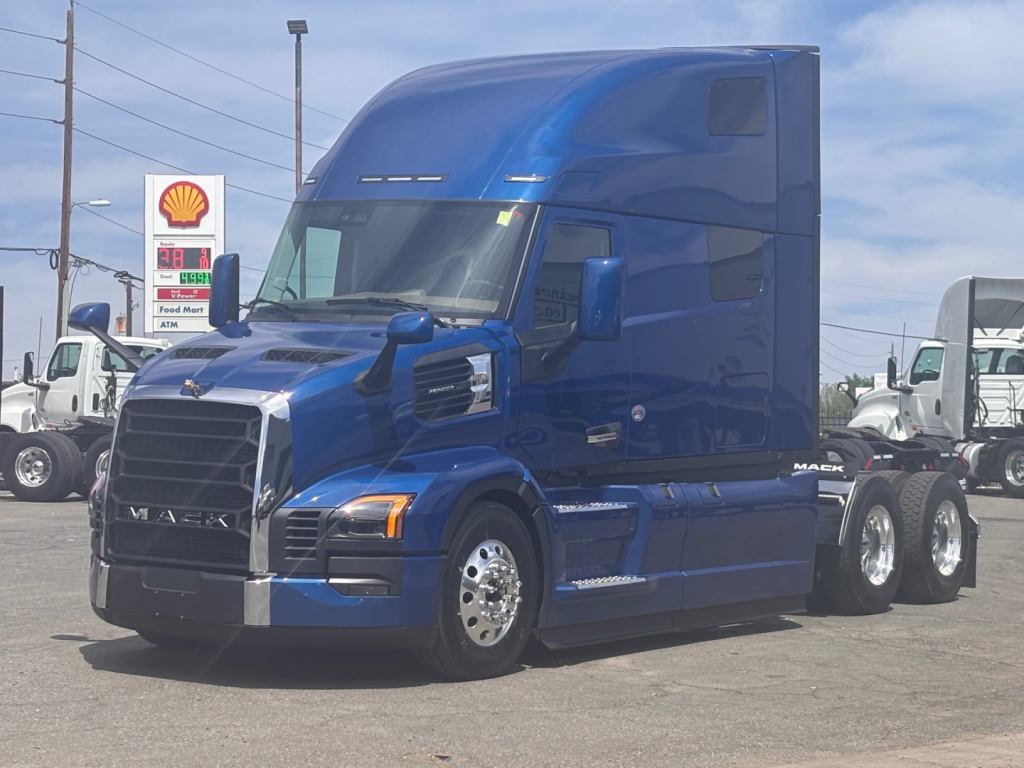
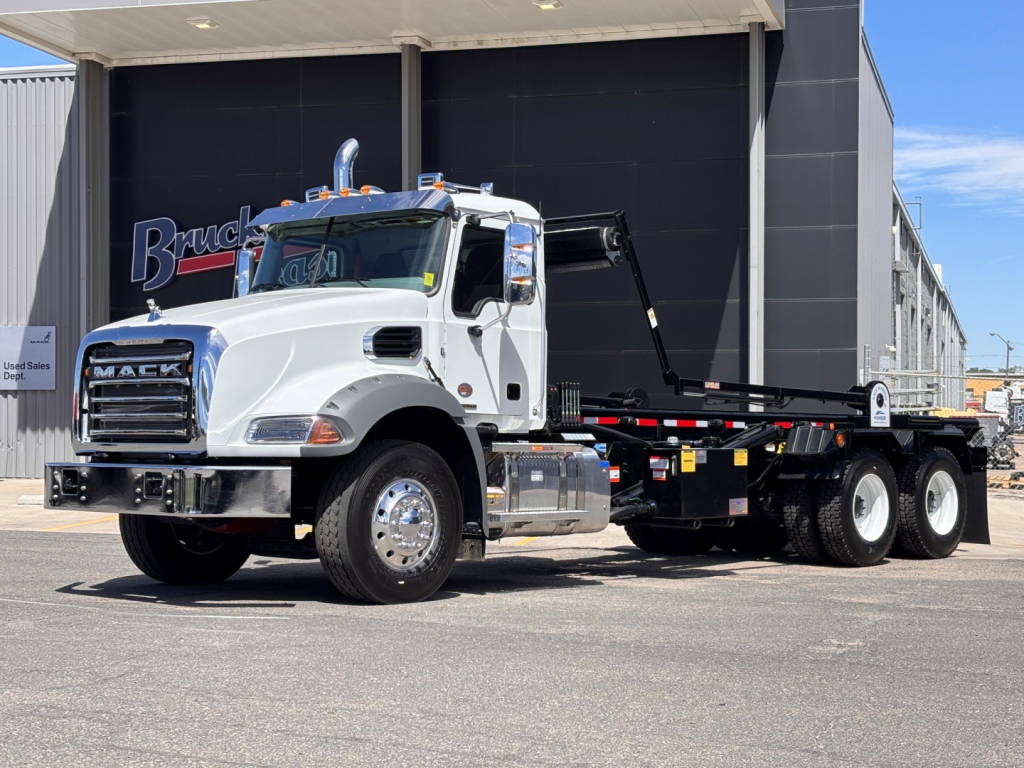
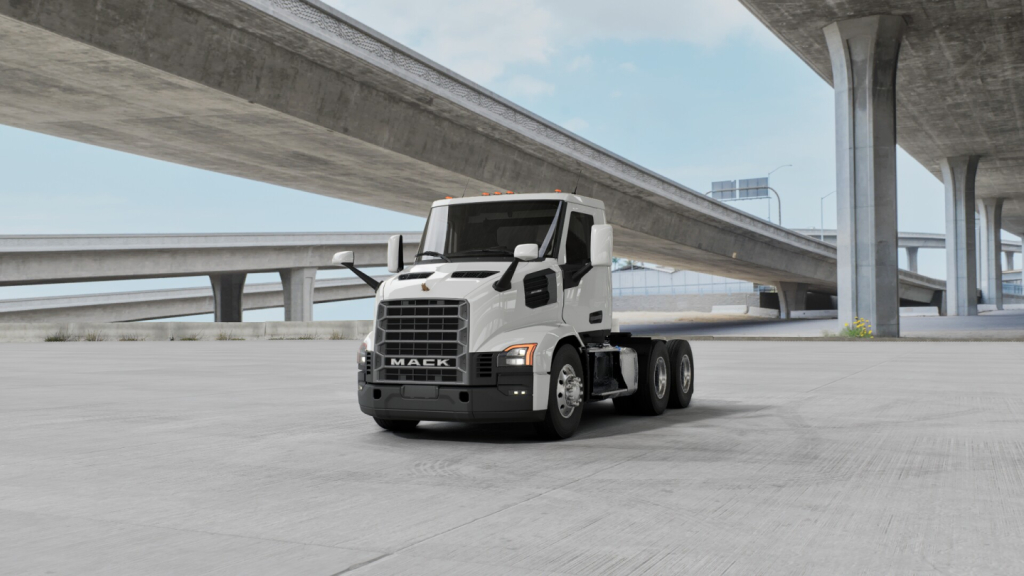

Showing 1 to 28 of 30 results
Selling a new 2027 commercial truck? List your new 2027 commercial truck for sale and reach thousands of commercial buyers.
New 2027 Commercial Trucks in Colorado
On sleeper and day cab tractors, pay close attention to engine ratings, automated versus manual transmission preferences, rear axle ratio, wheelbase, and fuel capacity. Mountain operation often pushes buyers toward stronger torque curves, integrated engine braking, and driver-assist systems that help on long descents and in variable weather. New-model conventional trucks may include high-roof sleepers, double bunks, parking heaters, disc brakes, collision mitigation, lane support, and premium cab packages aimed at retention and driver comfort. If the truck will spend time on regional lanes instead of true over-the-road service, a lighter spec with a shorter wheelbase and more moderate fuel capacity can make more sense.
For medium-duty and vocational 2027 trucks, the critical questions are body compatibility, front and rear axle ratings, PTO provisions, and frame strength. Dump trucks, service trucks, utility trucks, and step vans all rely on matching the chassis to the upfit. Buyers should confirm gross vehicle weight rating, cab-to-axle measurement, suspension type, brake configuration, and whether the truck is intended for CDL or non-CDL operation after body installation. In Colorado markets, trucks used in oilfield support, municipal fleets, landscaping, and construction often need a balance of maneuverability, corrosion resistance, and enough payload capacity to stay productive without overbuilding the spec.
A new 2027 truck also gives buyers access to current emissions systems, updated safety technology, and full factory warranty coverage, which can matter for uptime planning and total cost of ownership. Before narrowing down listings, compare the truck’s intended route, average payload, idle time, and body requirements against the axle package and powertrain. That approach makes it easier to sort through sleepers, dumps, service trucks, and delivery platforms and identify the configuration that will hold value, stay compliant, and perform well in Colorado conditions.
Frequently Asked Questions about New 2027 Commercial Trucks in Colorado
What types of new 2027 trucks are commonly available in Colorado?
New 2027 trucks in Colorado typically include highway tractors such as day cabs and conventional sleepers, along with medium-duty and vocational models like dump trucks, service trucks, utility trucks, and step vans. The mix reflects Colorado demand for long-haul freight, regional hauling, construction, municipal work, and local delivery. Buyers should focus on the truck category first because application drives the correct engine, axle, wheelbase, and body configuration.
What specs matter most when buying a new truck for Colorado operation?
For Colorado use, key specs include horsepower and torque, engine brake performance, transmission type, rear axle ratio, axle ratings, suspension, and brake configuration. Elevation and mountain grades can make drivetrain selection more important than in flatter regions. On vocational trucks, cab-to-axle dimension, PTO capability, and frame strength are also essential because they determine whether the chassis can properly support the intended body or equipment.
Is an automated transmission a good choice for a new 2027 truck?
Automated transmissions are a strong fit for many buyers because they can improve driver consistency, reduce fatigue, and help protect the drivetrain. They are common in both highway and vocational applications. In mountain operation, a well-matched automated transmission paired with an effective engine brake can perform very well, but buyers should still verify the transmission programming, gear count, and axle ratio to make sure the truck is spec'd for its load and terrain.
How do I choose between a sleeper tractor and a medium-duty vocational truck?
The choice comes down to freight type, route length, and body requirements. A sleeper tractor is designed for over-the-road or regional hauling where fifth-wheel use, higher GCWR, and driver accommodations matter. A medium-duty vocational truck is built for specialized work such as dumping, service body operation, delivery, or municipal duty. If the truck needs a permanent body, PTO-driven equipment, or frequent urban maneuvering, a vocational chassis is usually the better fit.
Why does GVWR and axle rating matter on a new truck?
GVWR and axle ratings determine legal carrying capacity, body compatibility, and how the truck can be registered and operated. On a dump or service truck, an underspec'd front axle or rear suspension can limit payload and shorten component life. On a delivery or utility truck, the wrong rating can affect CDL requirements and jobsite practicality. Matching the ratings to the actual loaded weight is one of the most important parts of buying the right truck.