
New 2027 Mack Trucks For Sale in Colorado
Shop new 2027 Mack trucks for sale in Colorado, including highway, vocational, and medium-duty models built for fleet and jobsite use.
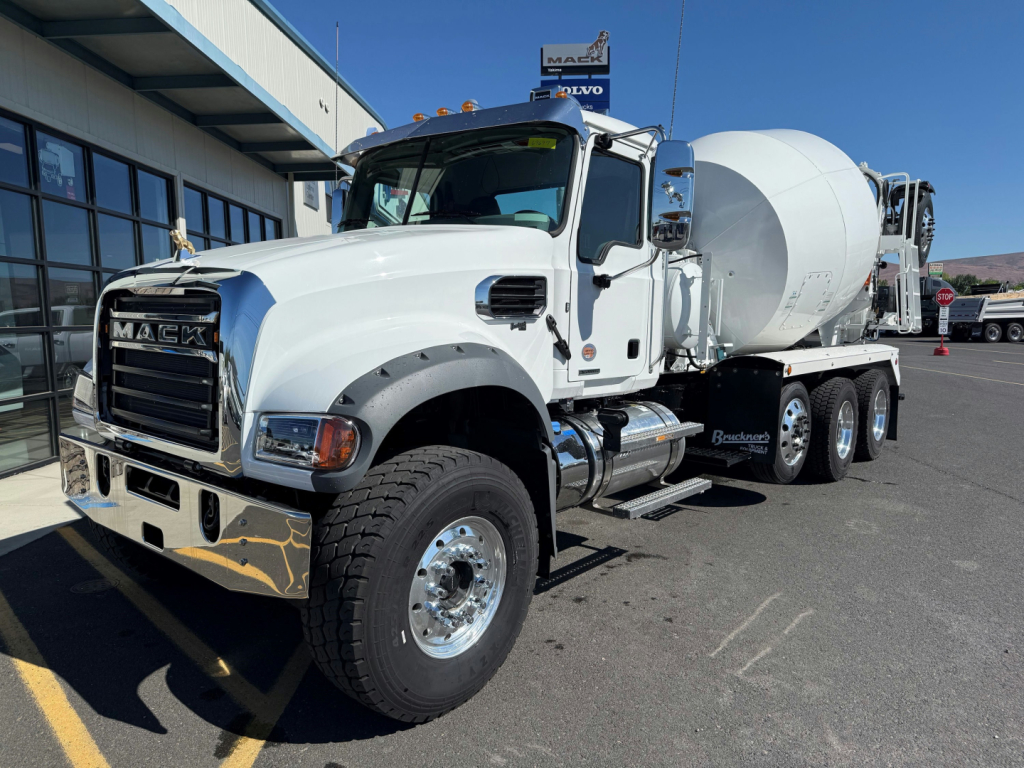
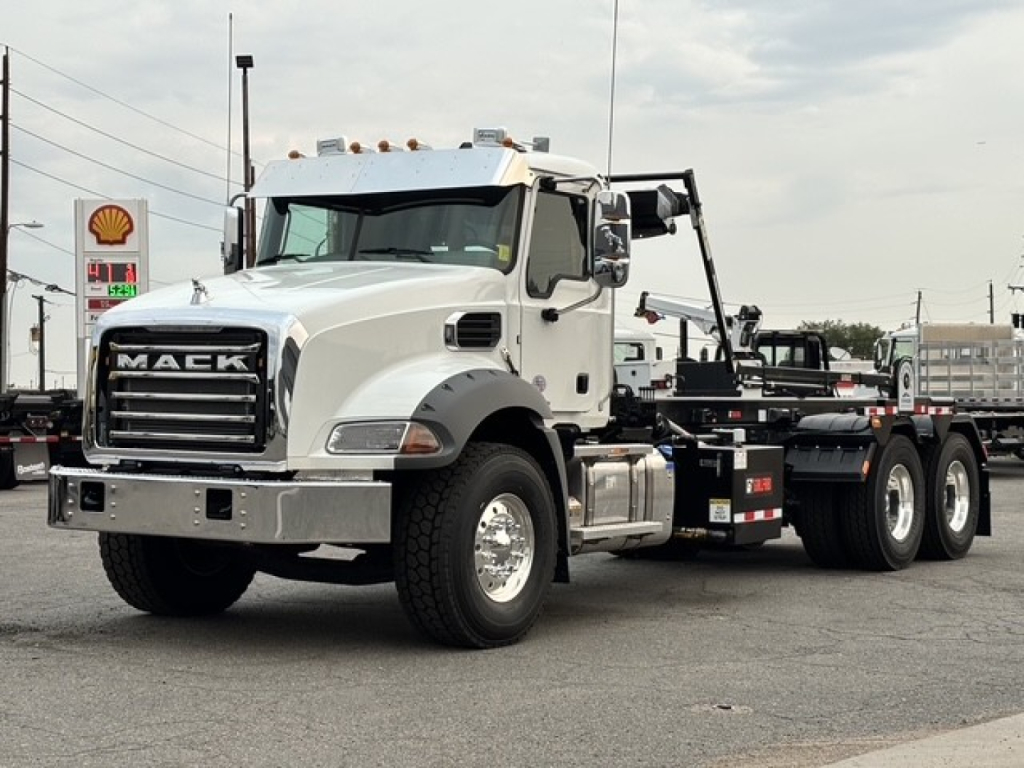
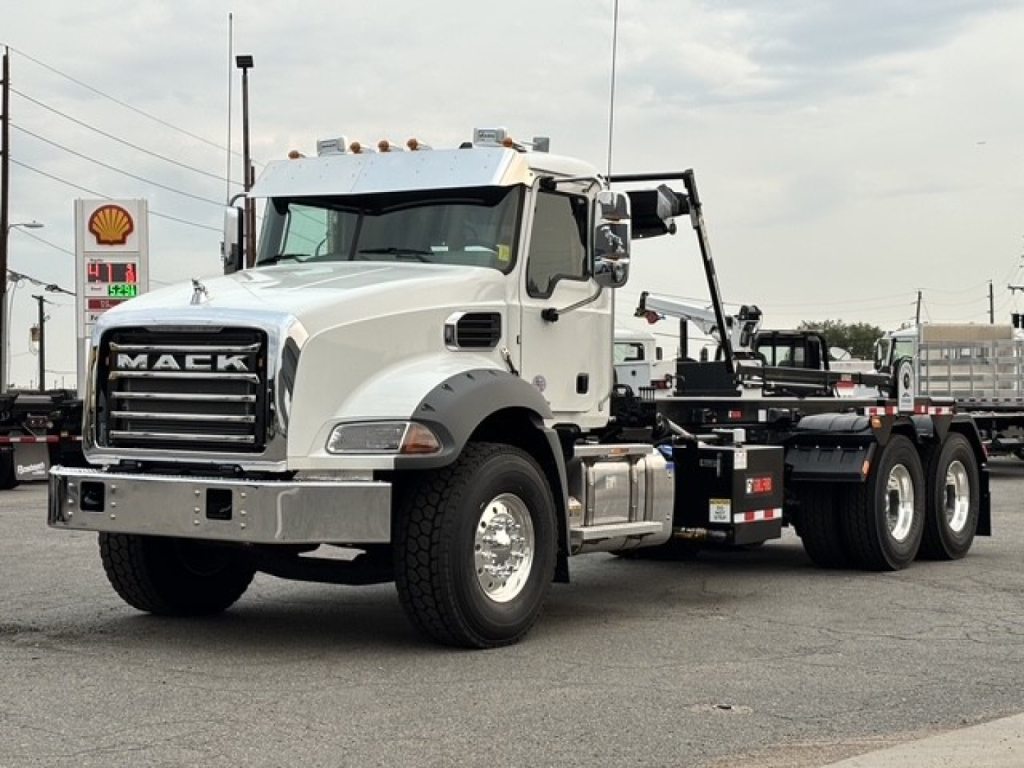
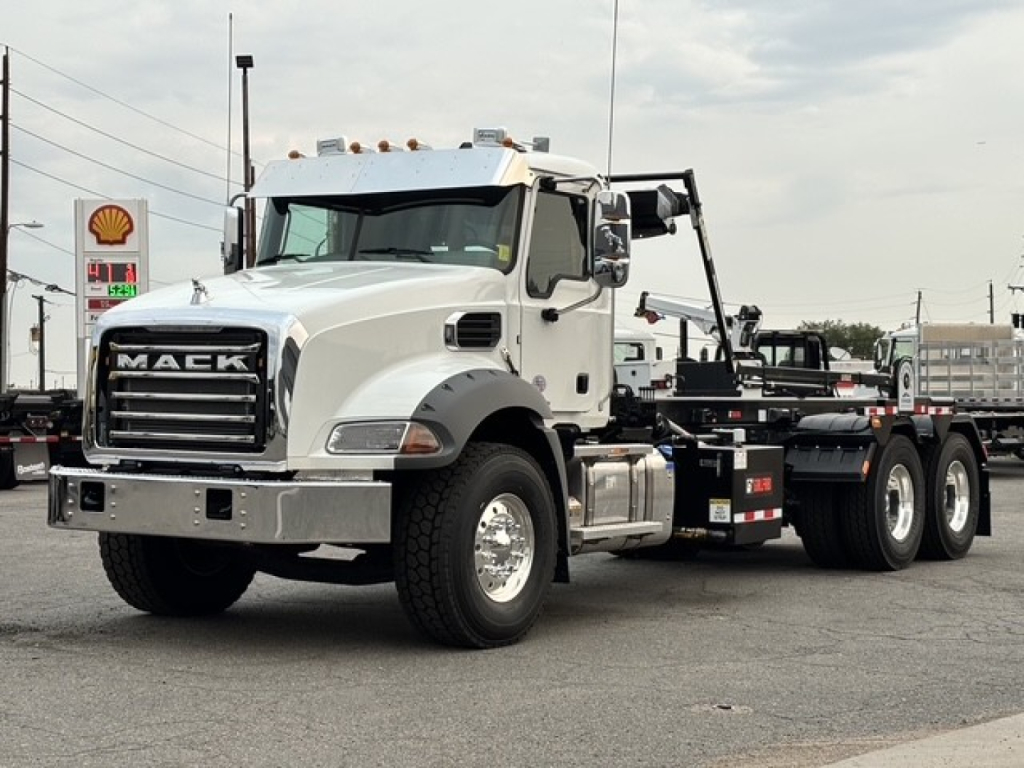

Showing 1 to 28 of 30 results
Selling a new 2027 mack truck? List your new 2027 mack truck for sale and reach thousands of commercial buyers.
New 2027 Mack Trucks in Colorado
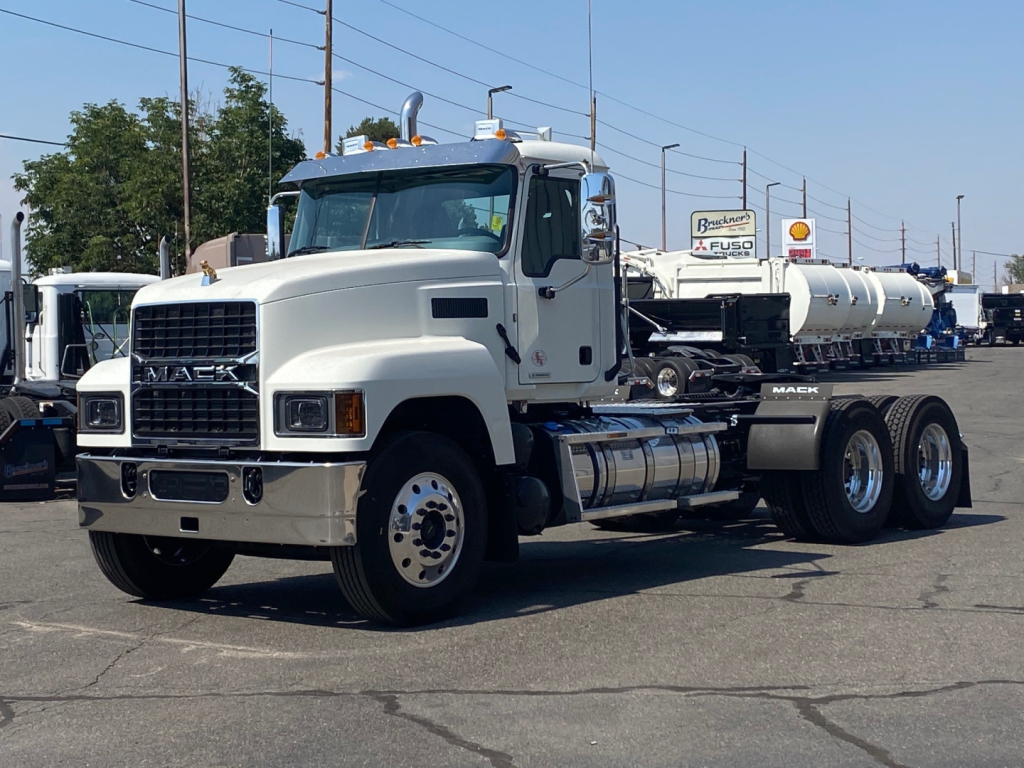
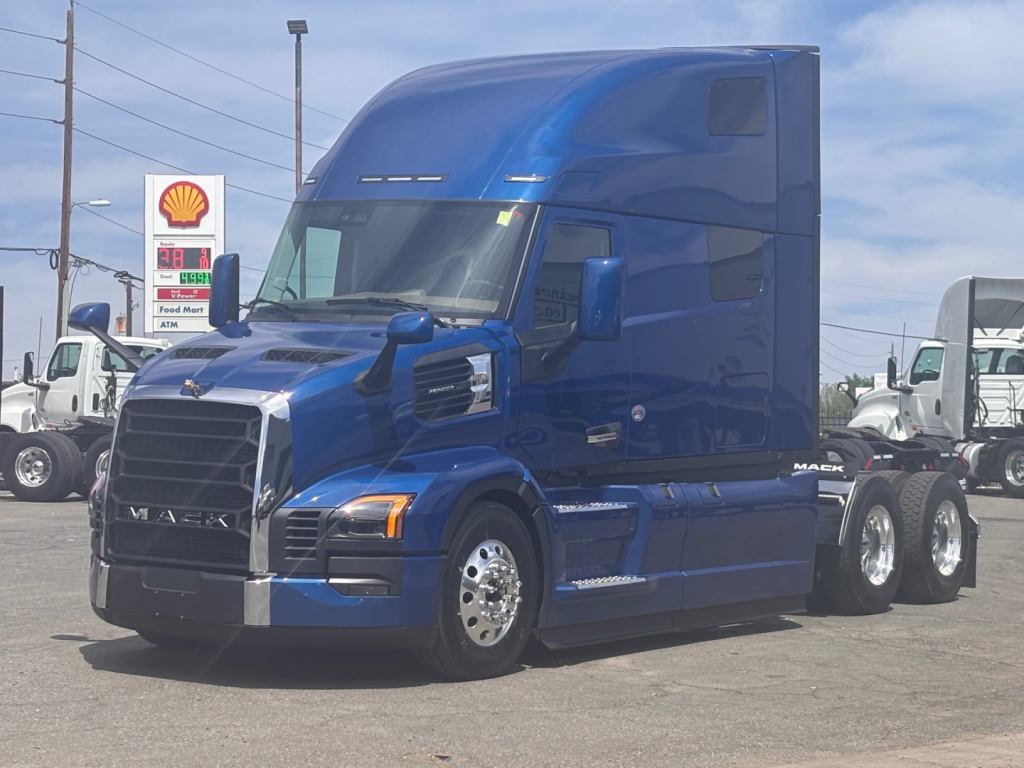
For highway use, Mack conventional sleeper models are commonly equipped with the MP series engine family and the mDRIVE automated manual transmission. Buyers typically compare horsepower, torque rating, rear axle ratio, and sleeper size first, especially when evaluating fuel economy versus gradeability on mountain routes and interstate lanes through Colorado. Features such as adaptive cruise control, collision mitigation, disc brakes, and larger fuel capacity matter more on long-haul or regional specs, while interior layout, bunk design, and parking HVAC can make a meaningful difference in driver retention.
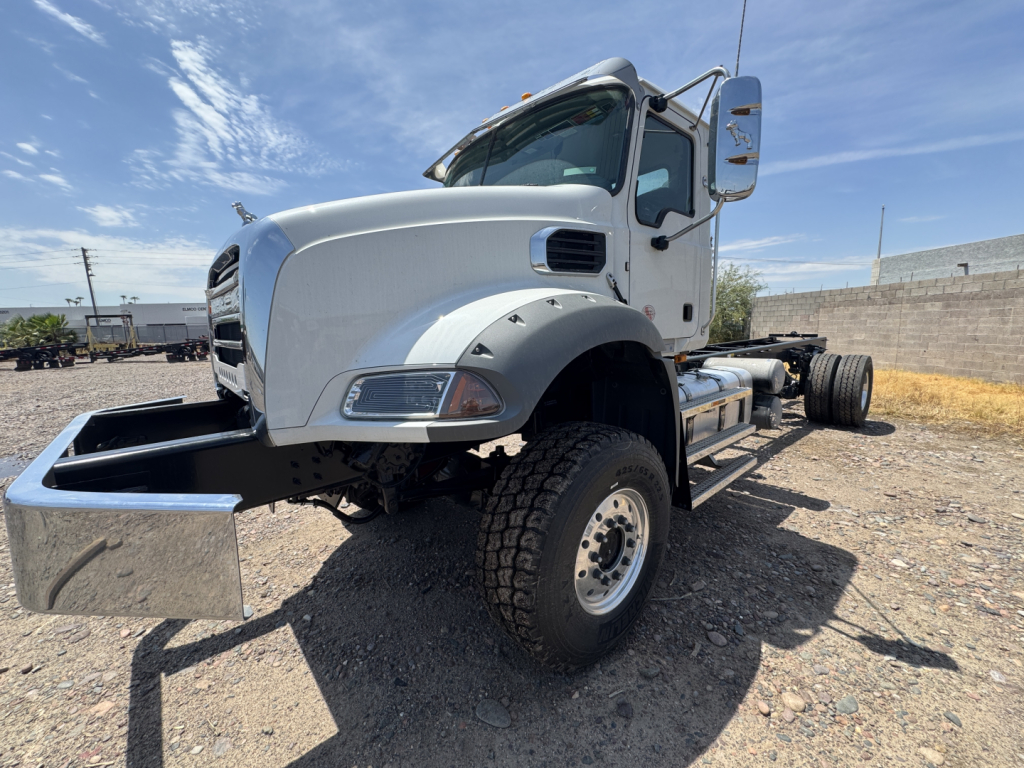
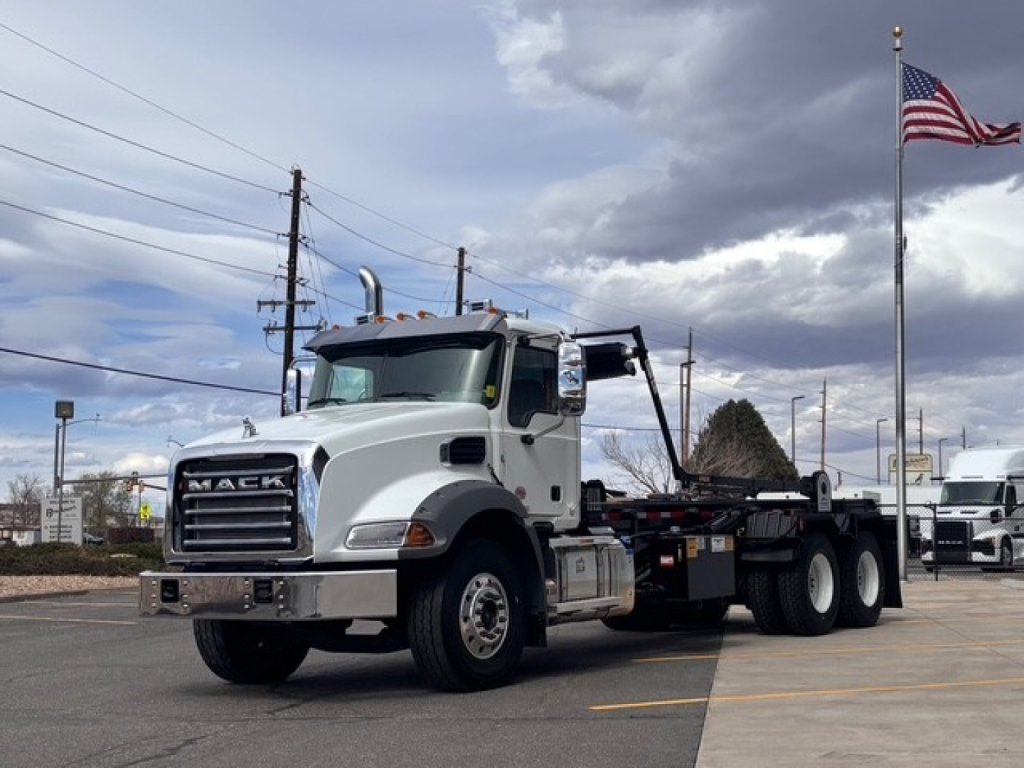
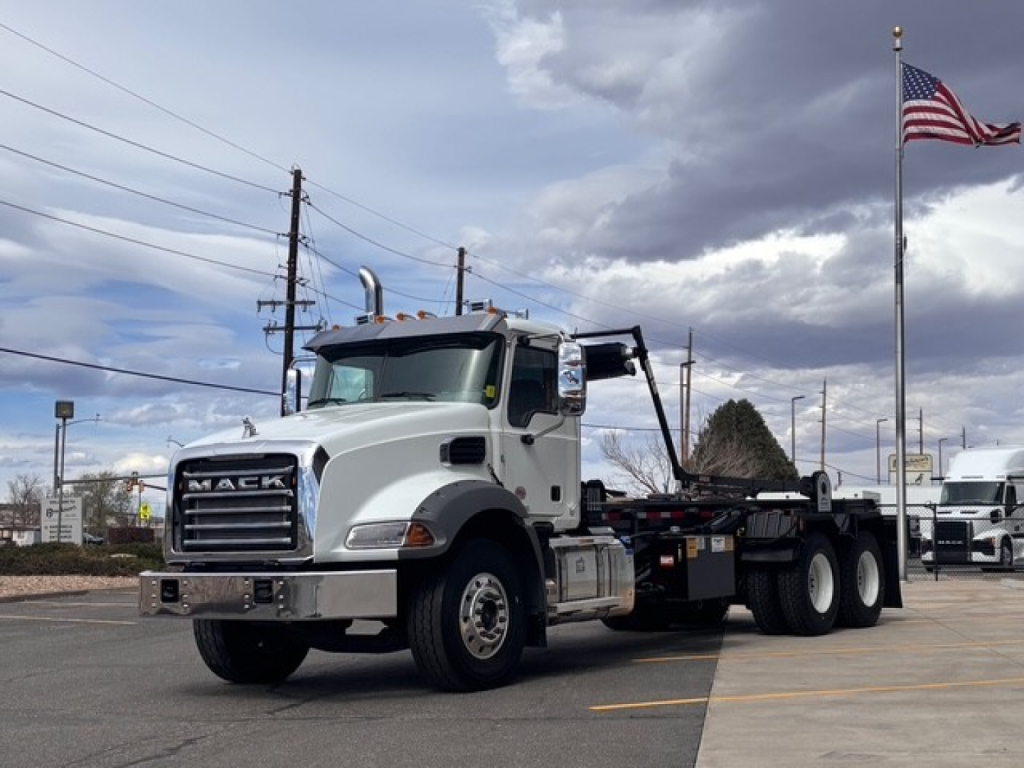
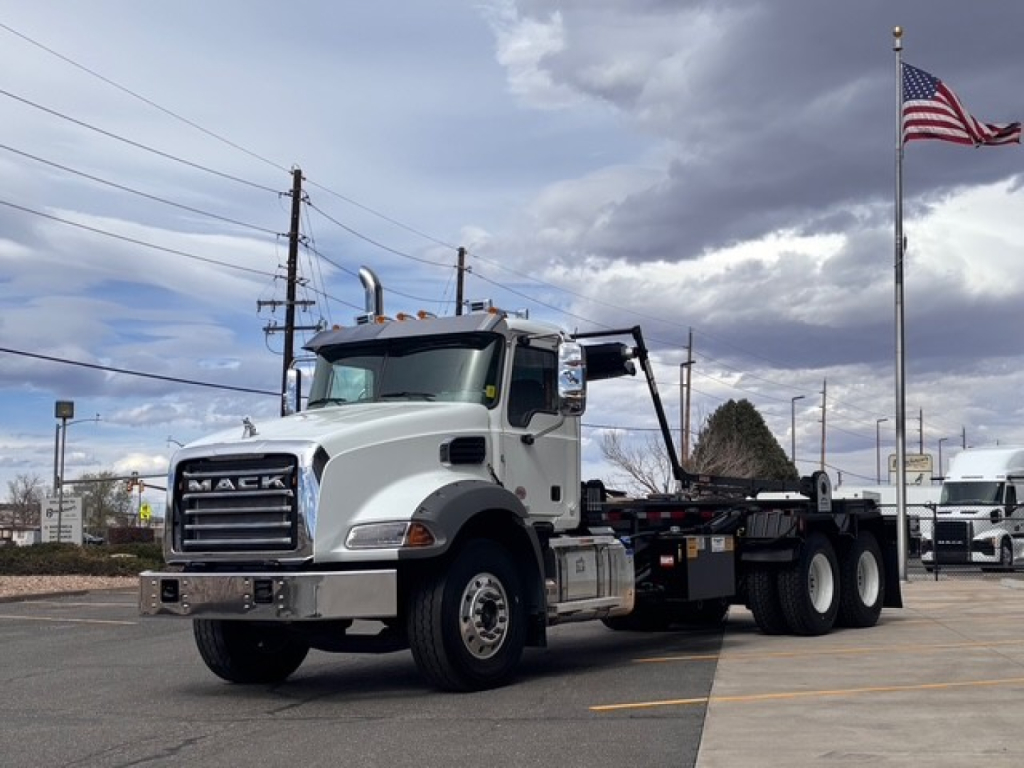
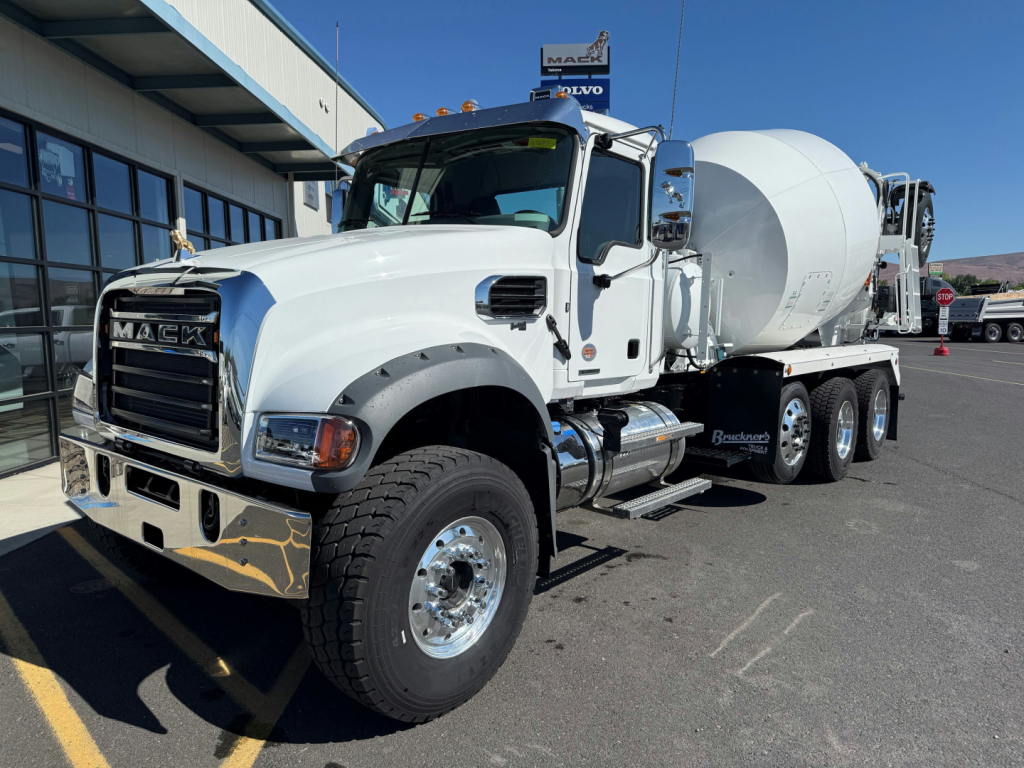
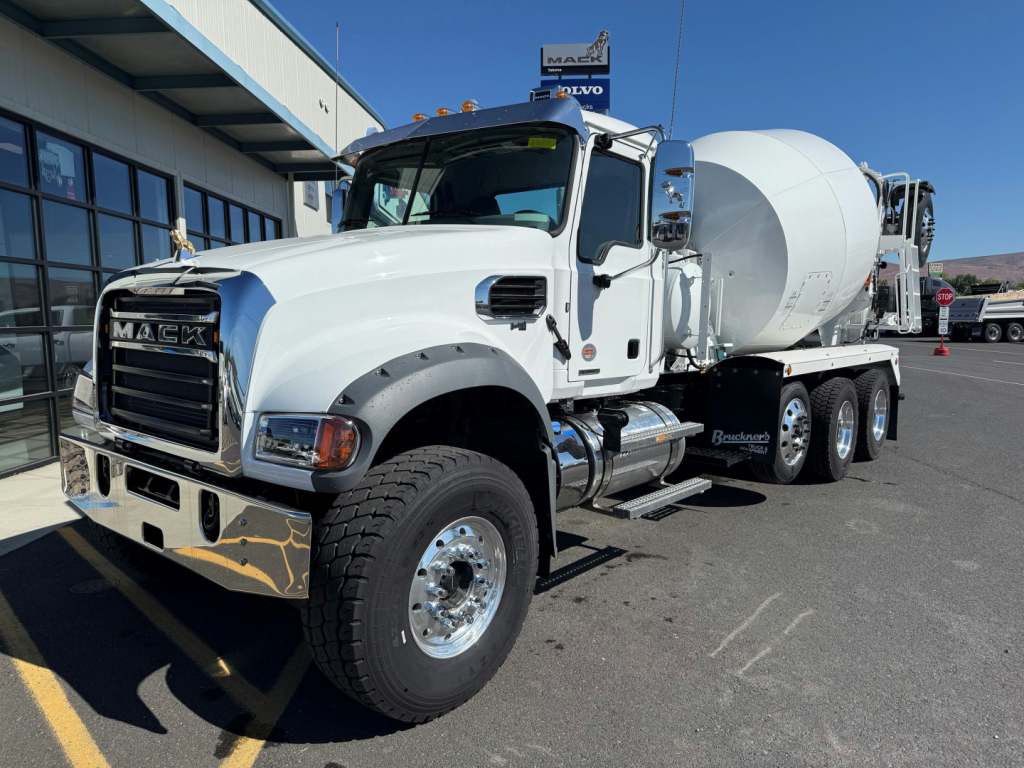
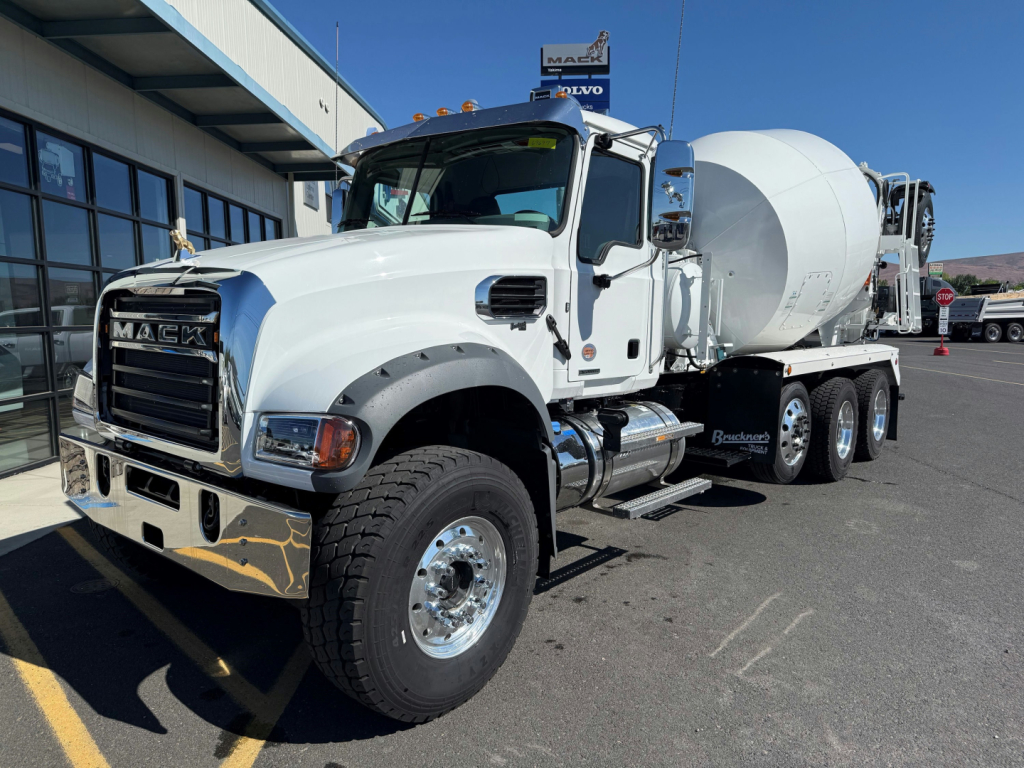
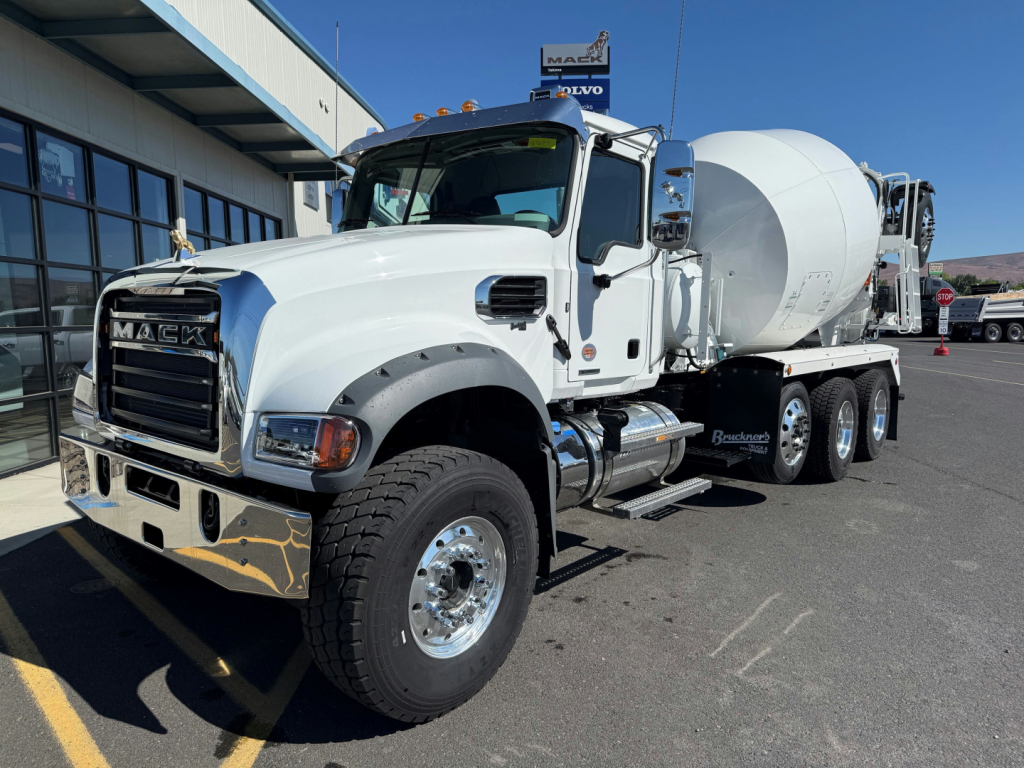
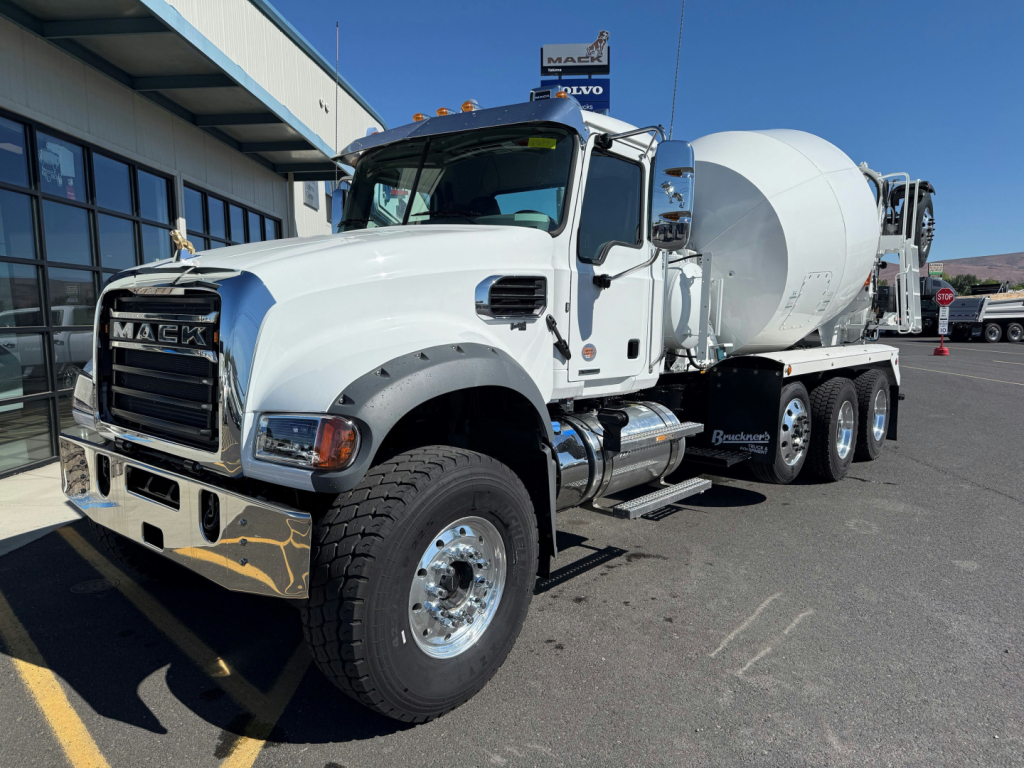
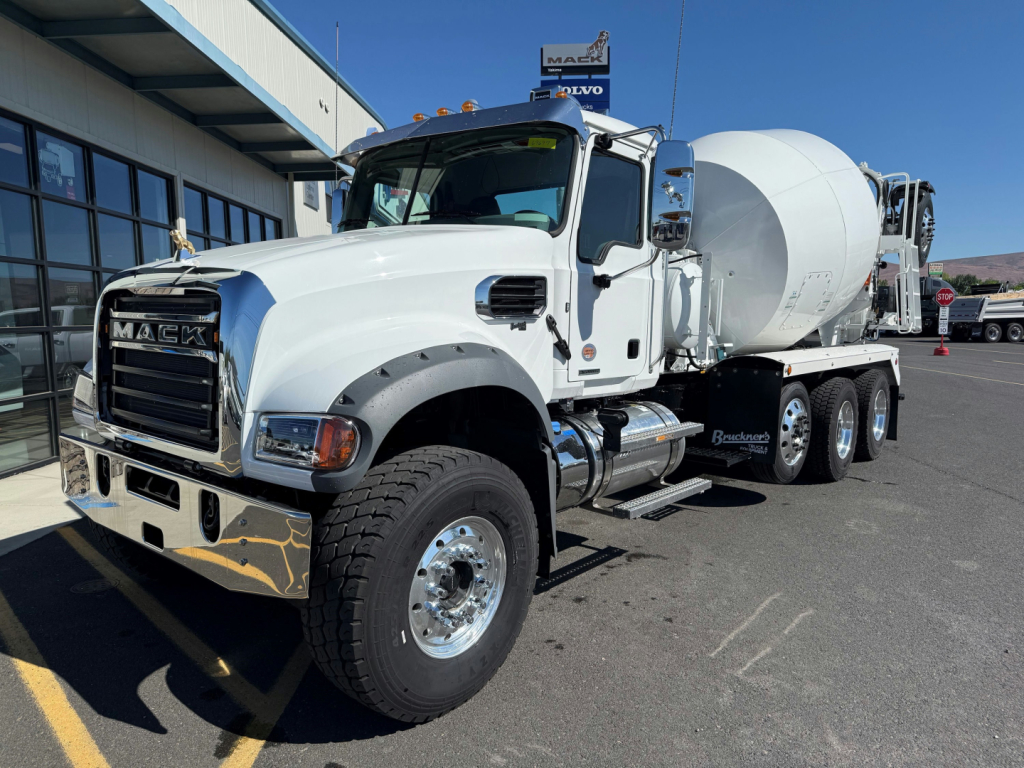
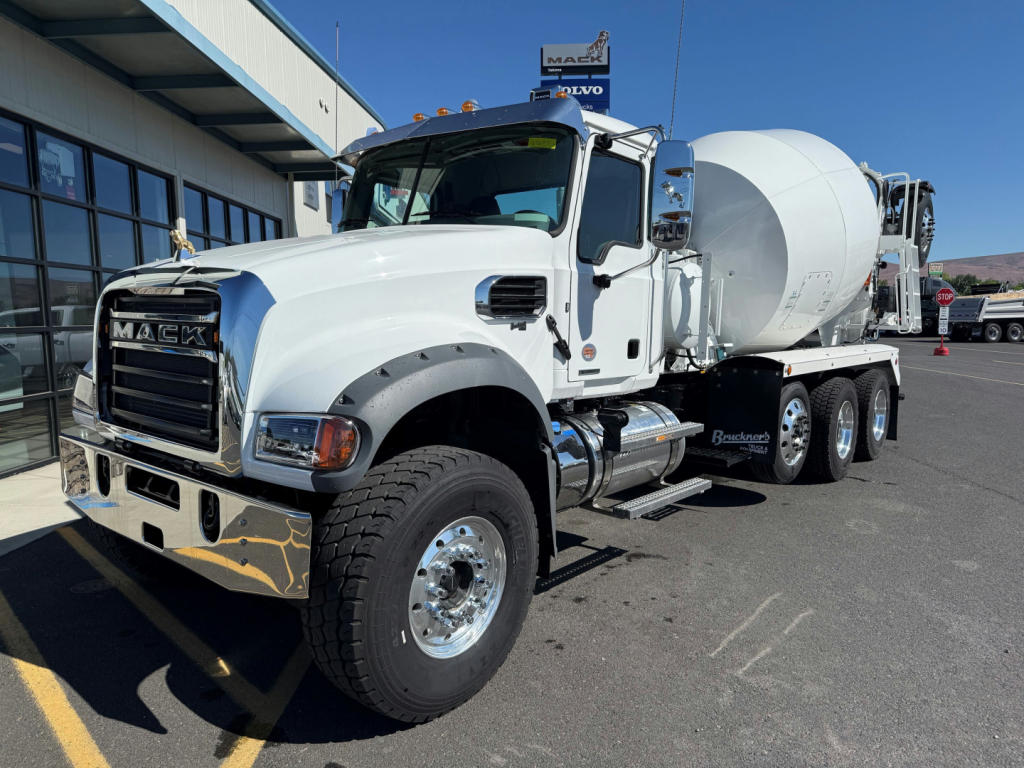
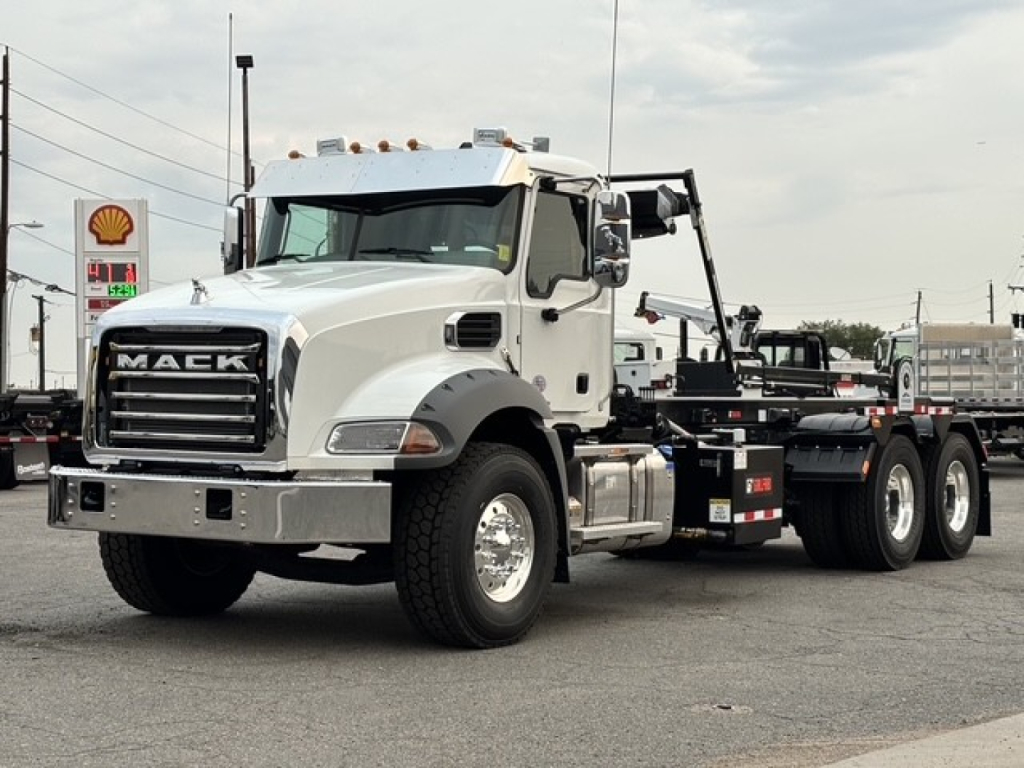
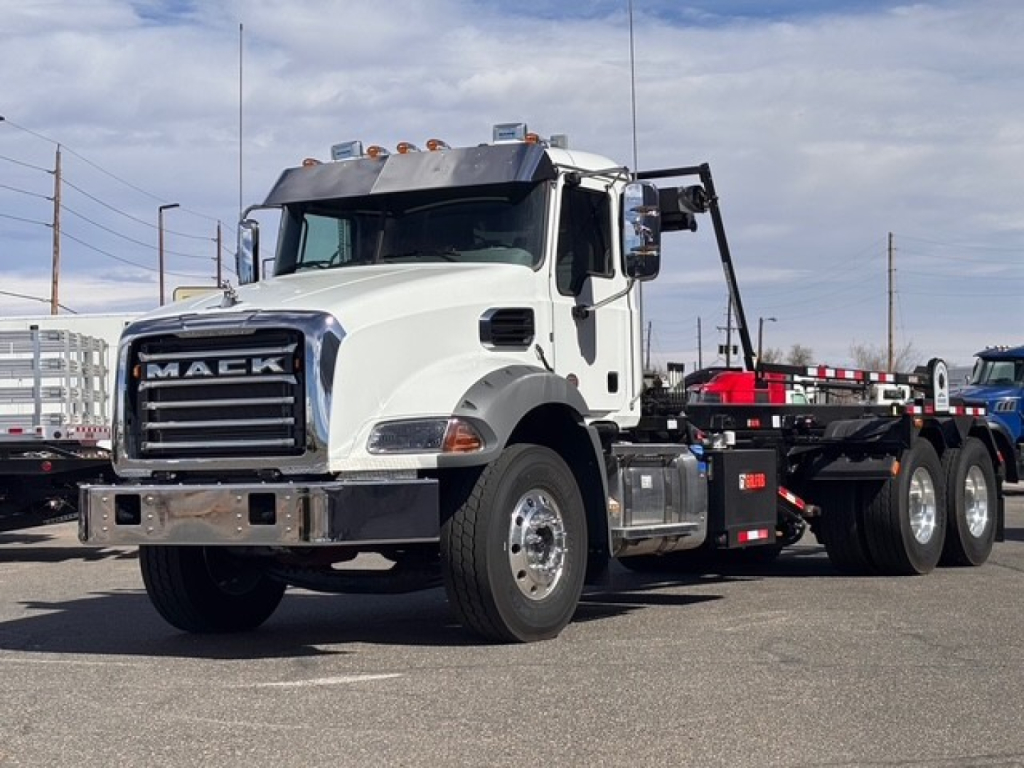
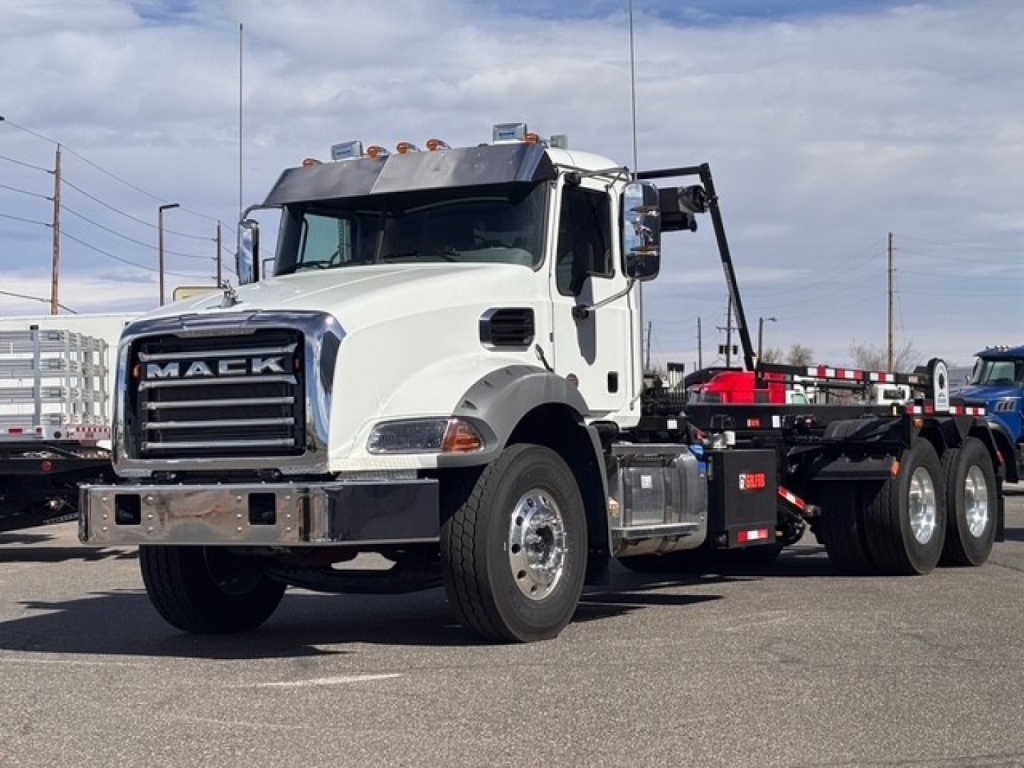
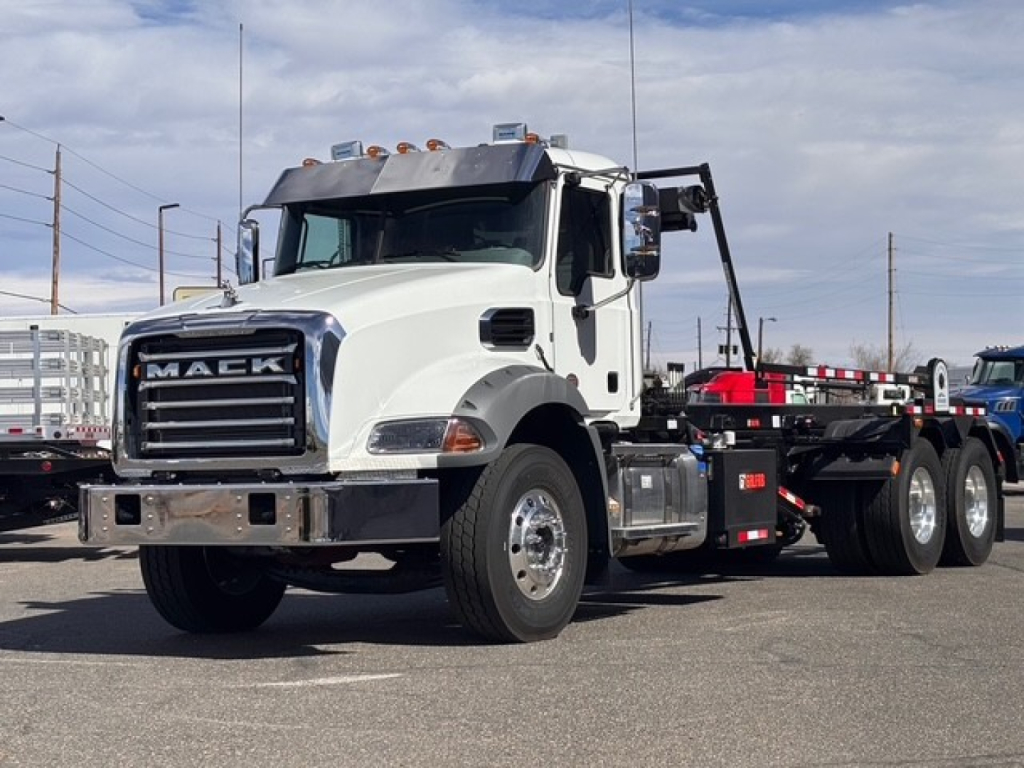
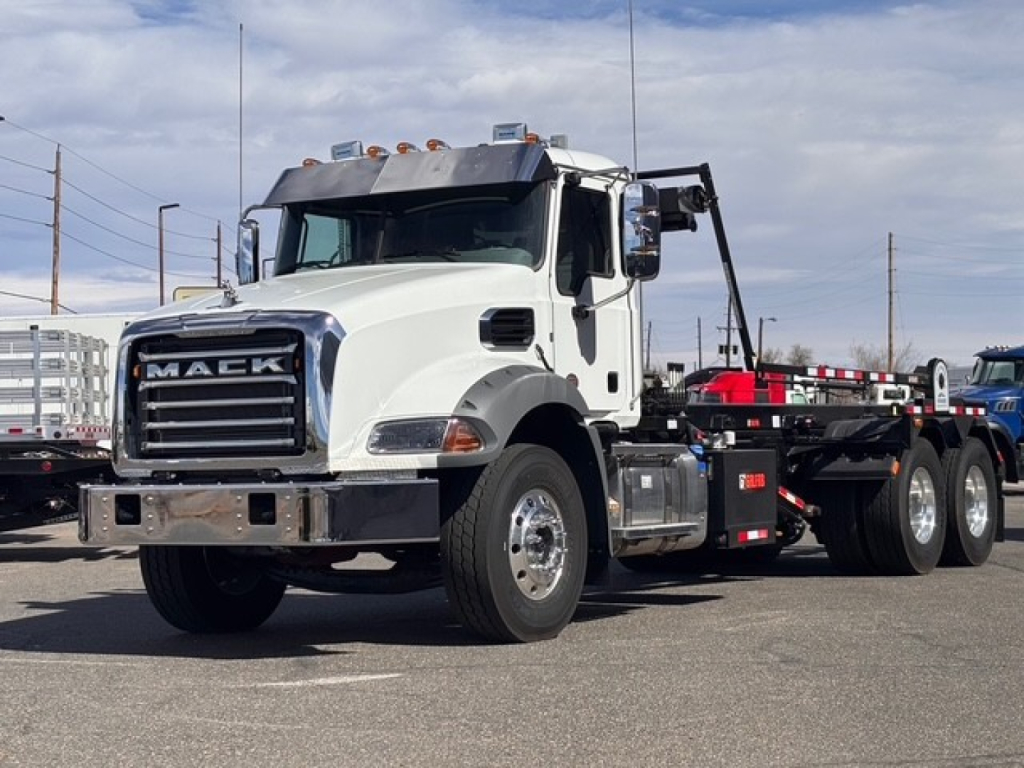
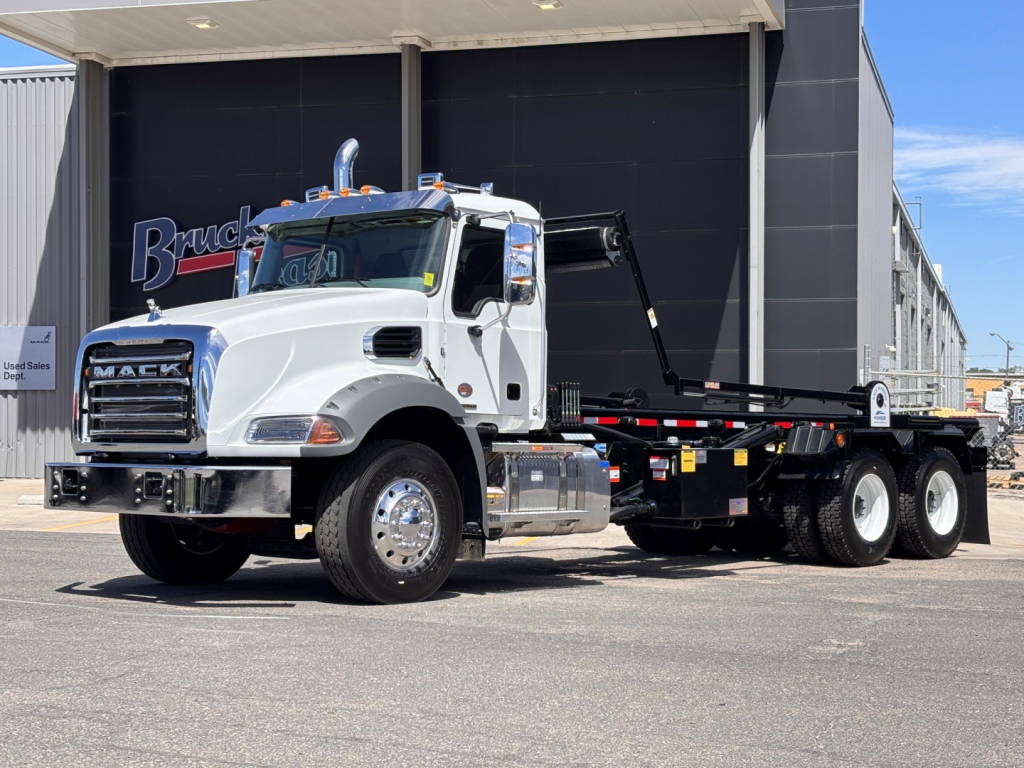
On the vocational side, Mack trucks are well known for roll-off, refuse, dump, and other severe-duty applications where frame strength, suspension choice, and PTO compatibility are critical. Front axle capacity, body and hoist integration, wheelbase, and bridge-law considerations should all be reviewed before purchase. In Colorado, buyers often pay close attention to cooling performance, traction setup, and braking confidence for elevation changes, mixed terrain, and municipal or construction routes. If the truck will carry specialized equipment, confirm body-builder provisions, electrical interfaces, and exact upfit compatibility instead of assuming two similar chassis are interchangeable.
Medium-duty Mack models also appeal to buyers looking for a box truck, stake body, or local delivery platform with a straightforward automatic transmission and manageable GVWR. Under-CDL configurations can be especially attractive for fleets trying to widen the driver pool while maintaining payload and cargo cube. Common evaluation points include cab-to-axle length, liftgate compatibility, interior body dimensions, scuff protection, tie-down systems, and warranty coverage. Across the Mack lineup, the best purchase is usually the one with the right vocational spec on day one, because correcting wheelbase, axle ratings, or body interface issues later is far more expensive than selecting the proper build upfront.
Frequently Asked Questions about New 2027 Mack Trucks in Colorado
What should I look at first when comparing new 2027 Mack trucks?
Start with the truck's intended application, then match that use to the chassis class, axle configuration, cab type, and powertrain. A sleeper spec for highway freight has very different priorities than a roll-off or box truck. Buyers should verify GVWR, front and rear axle ratings, wheelbase, engine horsepower, torque, transmission type, and any body-builder or PTO requirements before comparing convenience features.
Are Mack trucks a good choice for vocational work in Colorado?
Mack trucks are widely considered a strong fit for vocational service because the brand has a long reputation for durable frames, severe-duty chassis options, and integrated components for demanding applications. In Colorado, that matters for elevation, stop-and-go municipal routes, construction traffic, and changing weather conditions. Suspension setup, brake spec, cooling package, traction configuration, and axle capacity should still be reviewed carefully for the exact job.
What is the difference between a Mack sleeper truck and a Mack vocational chassis?
A Mack sleeper truck is generally built for regional or long-haul freight and is focused on fuel range, driver comfort, highway gearing, and cab amenities such as bunk space and parking climate control. A Mack vocational chassis is designed around jobsite or municipal work, where frame strength, PTO operation, body integration, axle capacity, and maneuverability are more important. The right choice depends on duty cycle, payload, route type, and how the truck will be upfitted.
Can a new Mack medium-duty truck be spec'd for under-CDL operation?
Yes, some Mack medium-duty configurations can be built to operate below the 26,001-pound CDL threshold, commonly at a 25,995-pound GVWR. That can be useful for delivery fleets, moving operations, and local service businesses that want easier driver staffing without stepping out of a commercial-grade chassis. Buyers still need to confirm payload, body weight, liftgate capacity, and local operating requirements so the truck remains practical after upfit.
Why is wheelbase and cab-to-axle length important on a new Mack truck?
Wheelbase and cab-to-axle measurement determine whether the truck will accept the intended body or equipment and how it will handle once completed. These dimensions affect body length, weight distribution, turning radius, bridge compliance, and driveline layout. On box trucks, roll-off units, and other upfitted applications, getting these measurements right at order time helps avoid costly modifications and poor finished-truck performance.