
New Conventional Sleeper Trucks For Sale in Colorado
Shop new conventional sleeper trucks in Colorado with modern safety tech, high-roof cabs, efficient powertrains, and long-haul comfort.
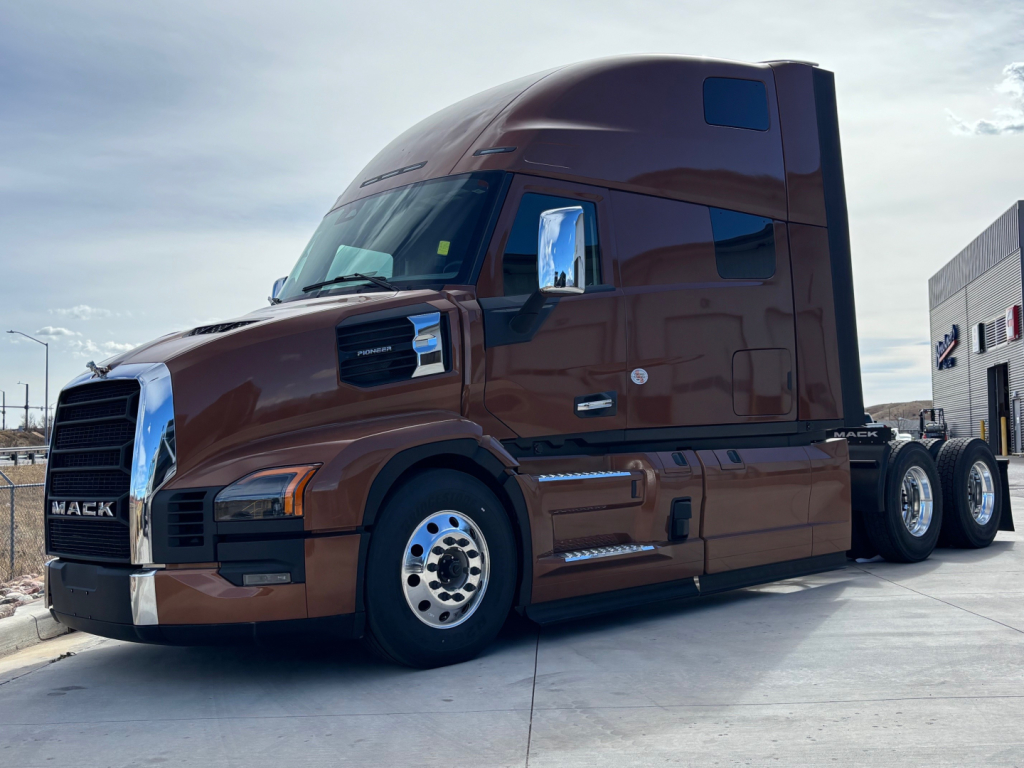
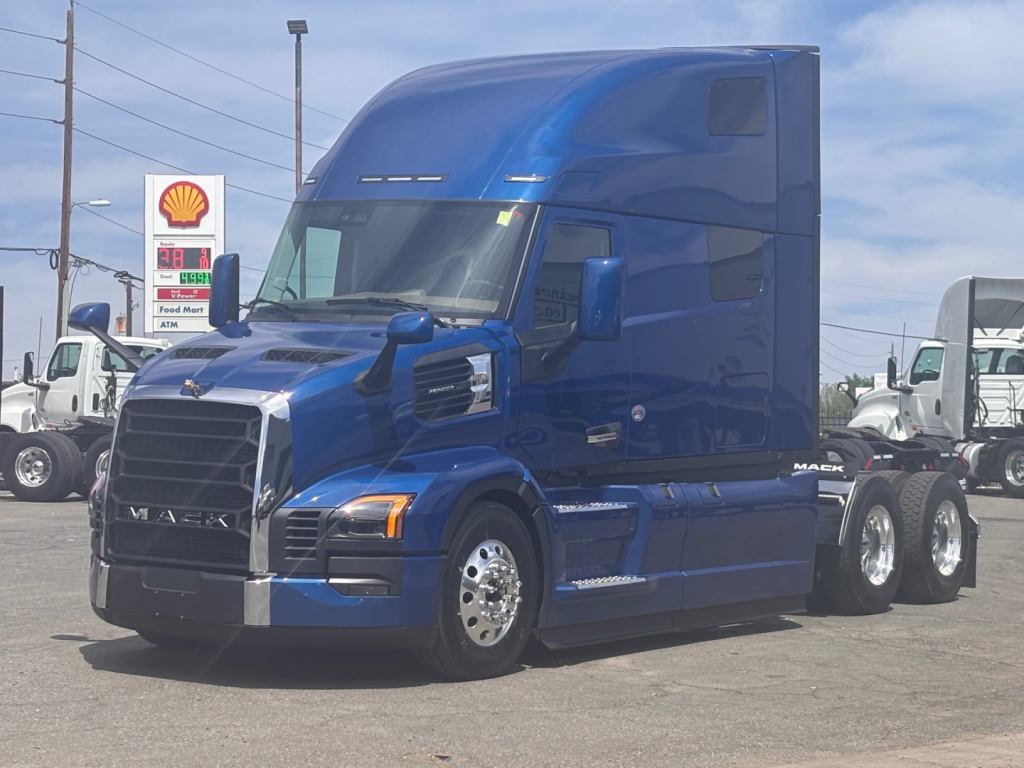
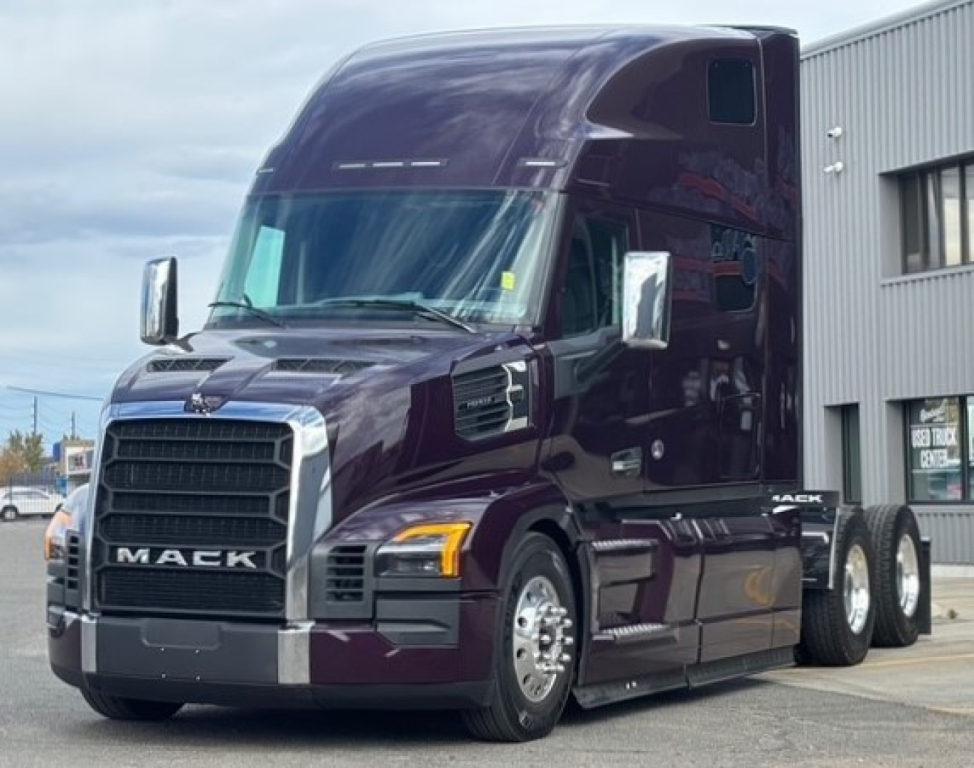

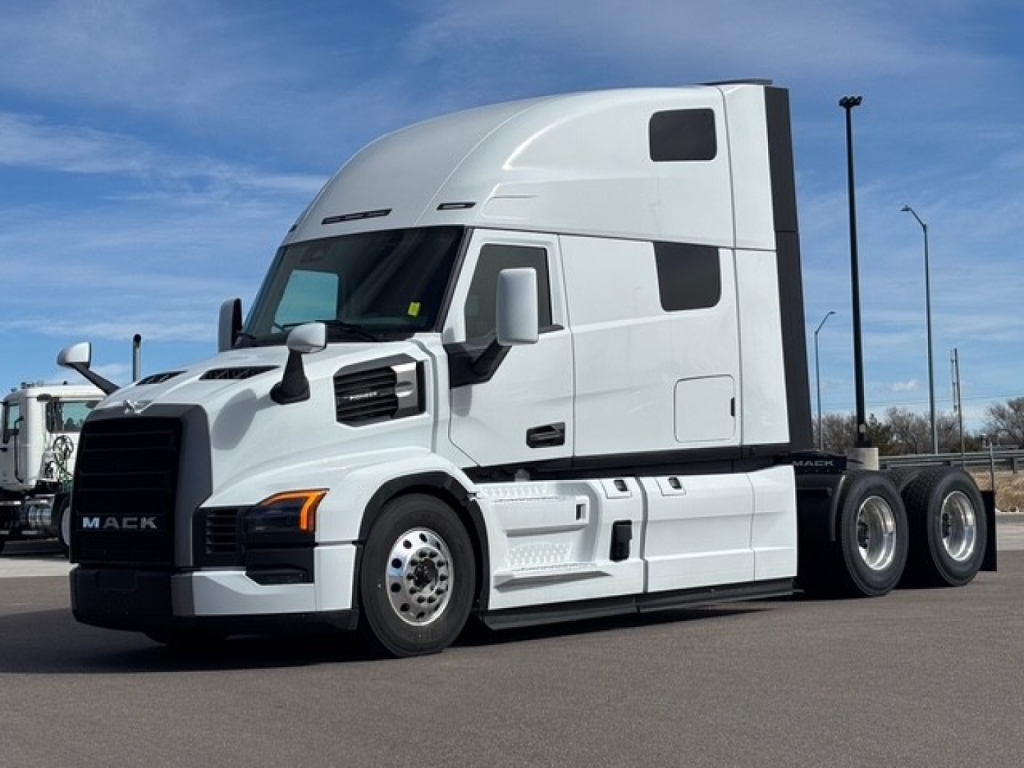
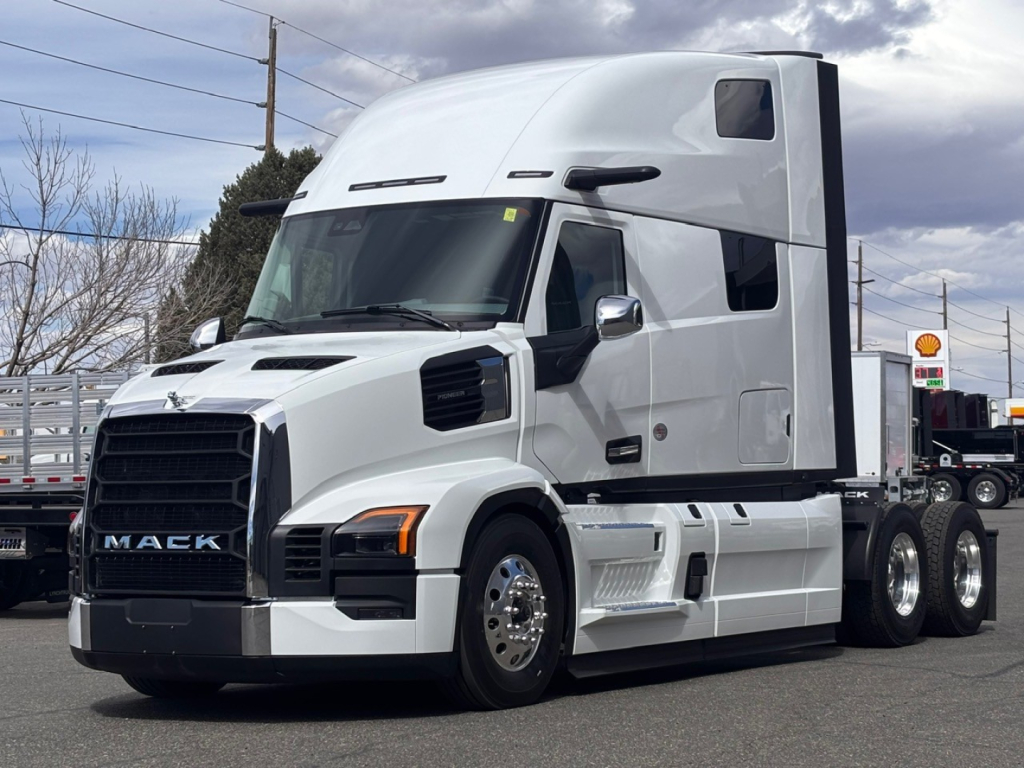
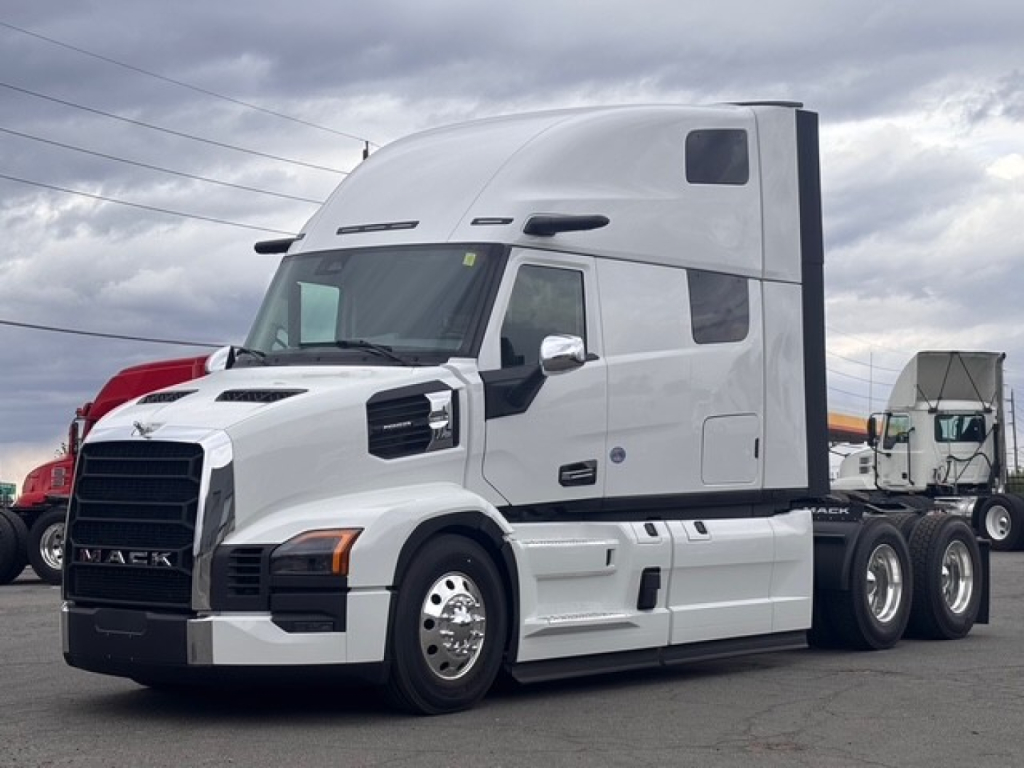
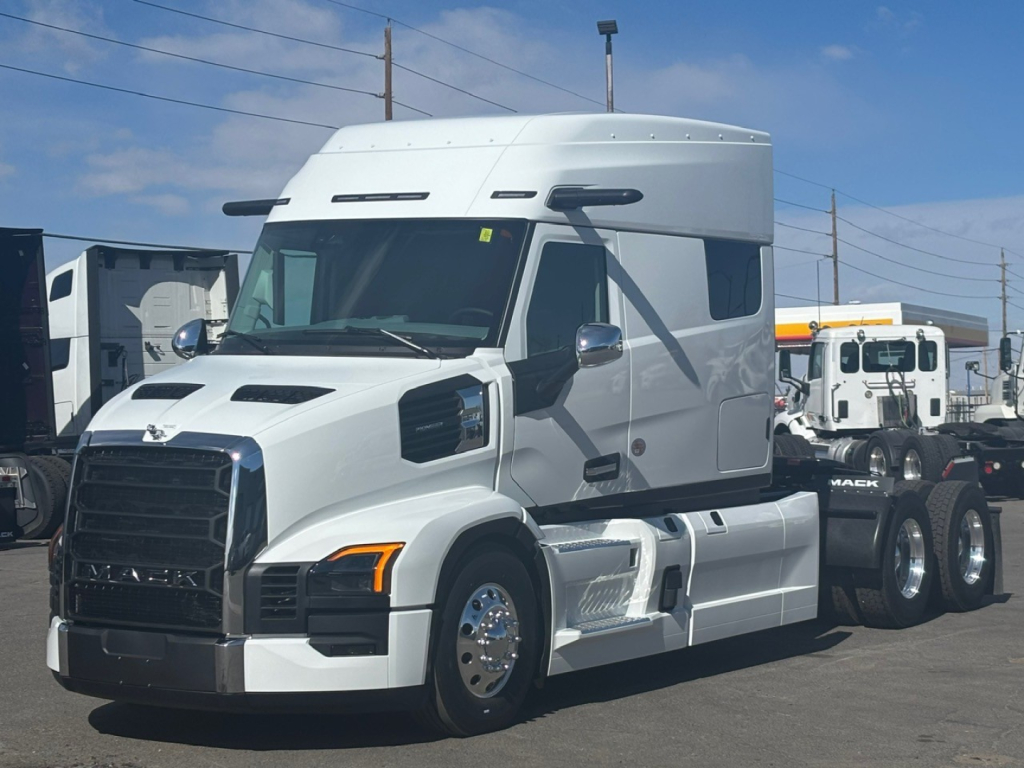
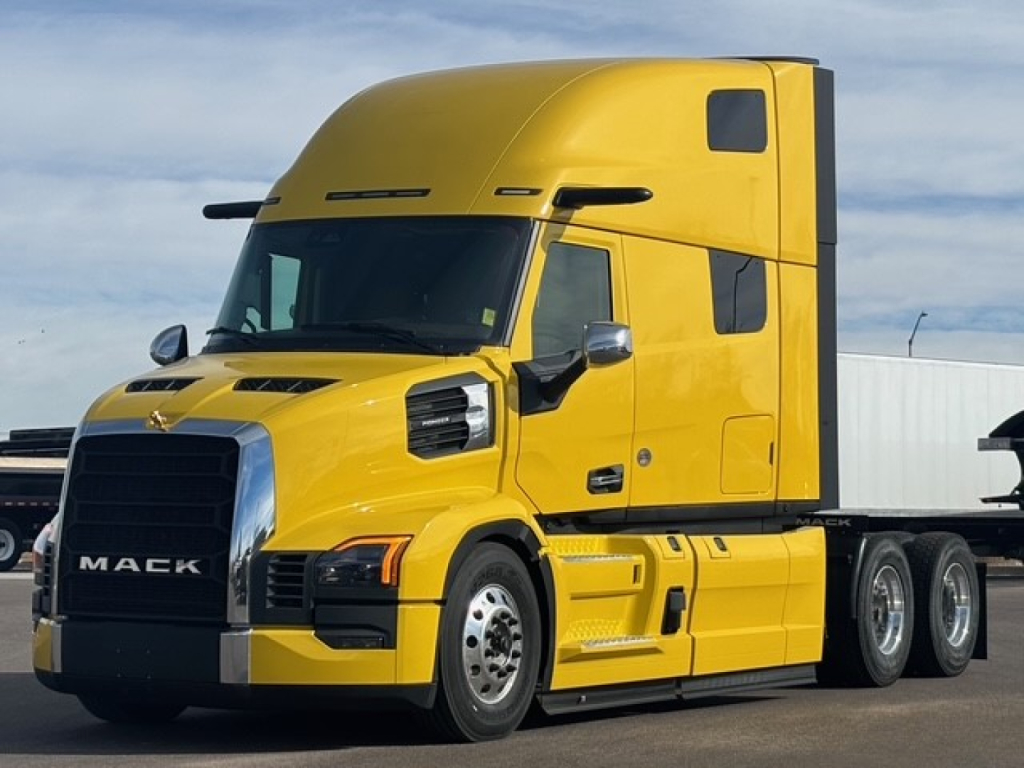
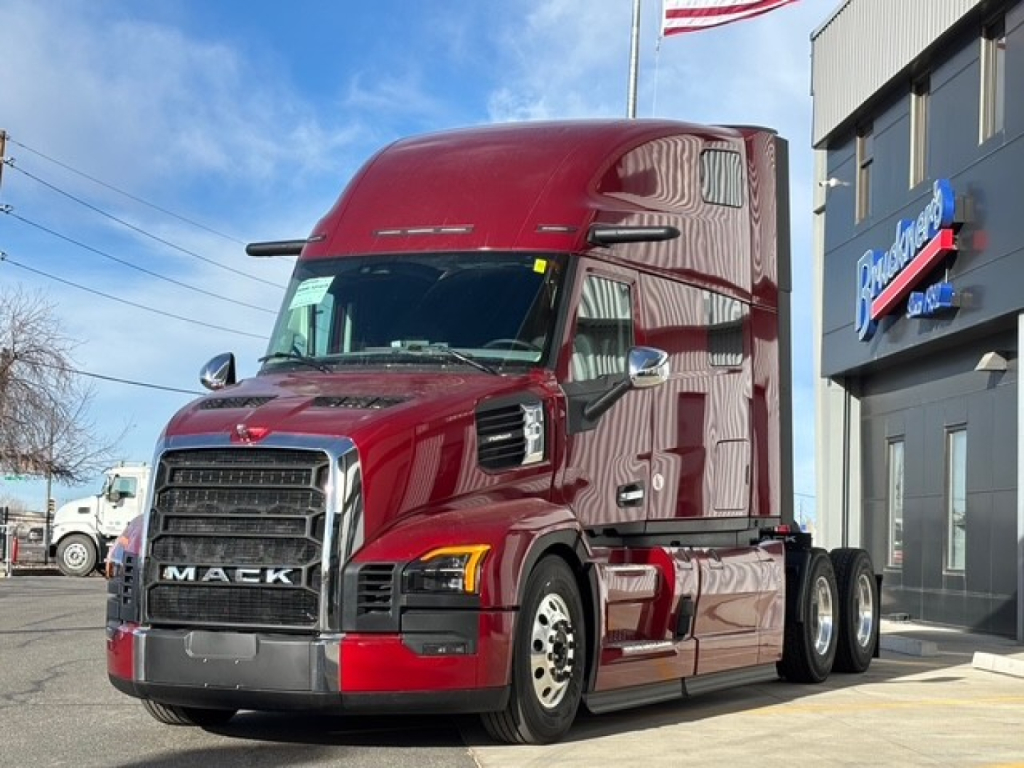
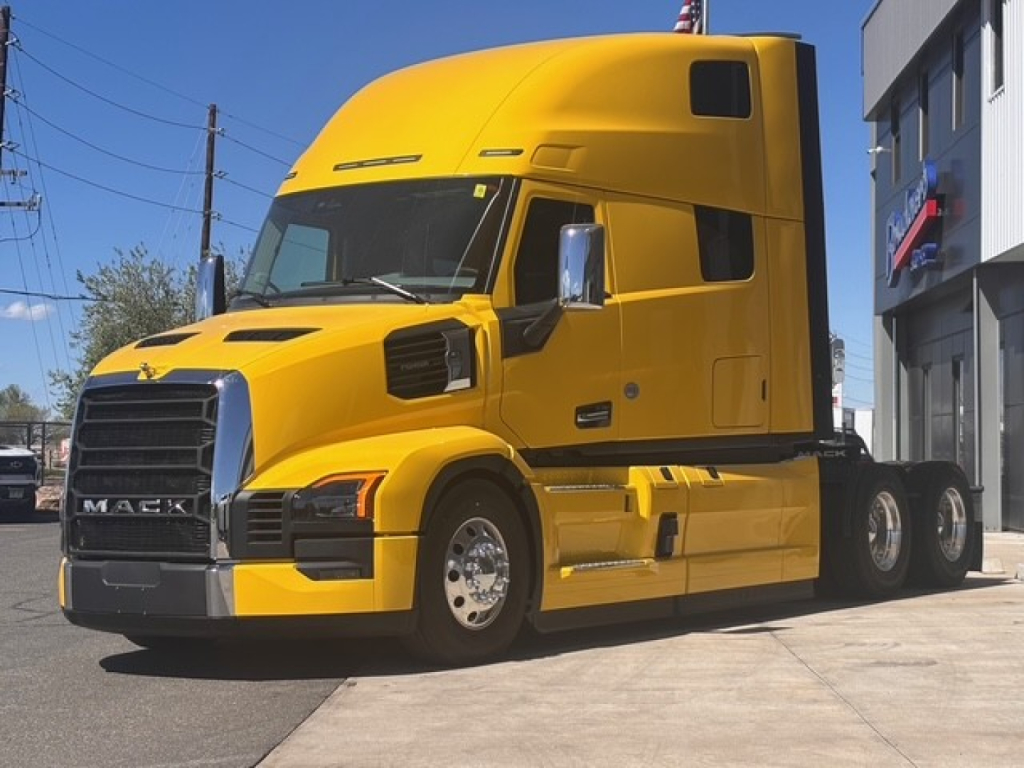
Selling a new conventional sleeper truck? List your new conventional sleeper truck for sale and reach thousands of commercial buyers.
New Conventional Sleeper Trucks in Colorado
A key buying decision is sleeper size and interior layout. Most new conventional sleepers fall into 70-inch to 80-inch high-roof configurations, with features like double bunks, refrigerator prep or installed fridges, premium storage, parking heaters, parking coolers, and upgraded control panels for off-duty comfort. For teams or long-cycle operations, sleeper usability matters almost as much as drivetrain spec. Look closely at bunk design, standing room, cabinet access, inverter capacity, HVAC run time, and whether the cab is set up for TV prep, microwave space, or hotel loads. Driver retention is a real cost factor, and a better sleeper package can make a measurable difference.
Under the hood, current conventional sleeper trucks commonly use 13-liter engines paired with automated manual transmissions in the 12-speed range, though final spec should match gross combination weight, trailer type, and route profile. Fleets pulling dry van or reefer at standard highway weights may prioritize fuel economy with mid-400 horsepower ratings, while heavier or more mountainous applications often lean toward 500-plus horsepower and stronger torque curves. In Colorado, disc brakes, engine braking performance, adaptive cruise control, and stability systems deserve extra attention because descent control and all-weather confidence are not minor details. Axle ratios, wheelbase, fuel capacity, and fifth wheel position should be reviewed as a package so the truck fits your trailer swing clearance, bridge law needs, and expected fuel range.
New models in this class increasingly include advanced safety and visibility systems that were once limited to premium fleet specs. It is now common to see collision mitigation, lane departure warning with corrective steering, blind spot monitoring, back-up cameras, digital mirror systems, traffic sign recognition, airbag protection, and integrated telematics support. For a buyer comparing multiple listings, the smartest approach is to separate must-have spec items from comfort upgrades. Start with engine rating, transmission, rear axle ratio, brake package, fuel tank capacity, and sleeper length. Then compare driver-facing features like heated and ventilated seats, premium audio, insulation, storage, and idle reduction equipment. A well-matched conventional sleeper truck should do three things well: run efficiently at highway speed, stay composed in mountain and winter conditions, and give the driver a workable living space for long stretches away from home.
Frequently Asked Questions about New Conventional Sleeper Trucks in Colorado
What is a conventional sleeper truck?
A conventional sleeper truck is a highway tractor with a forward engine hood and an integrated compartment behind the cab for rest and living space. It is designed for long-haul and overnight operation, with common configurations including high-roof sleepers, double bunks, onboard storage, and HVAC features that support extended time on the road.
What horsepower is best for a new conventional sleeper truck in Colorado?
For Colorado routes, the right horsepower depends on terrain, gross weight, and trailer type. Many long-haul fleets can operate efficiently in the 445 to 455 horsepower range for standard dry van and reefer work, but heavier loads and frequent mountain grades often justify 500 to 515 horsepower or more. Torque, rear axle ratio, transmission gearing, and engine brake performance are just as important as the advertised horsepower number.
What sleeper size should I look for in a new over-the-road tractor?
Most buyers in this category look at 70-inch to 80-inch high-roof sleepers because they provide better standing room, storage, and livability for long trips. A larger sleeper makes more sense for team operations, multi-day runs, or fleets focused on driver retention. If the truck will spend more time on regional freight with only occasional overnight use, a simpler sleeper layout may be enough and can help control weight and cost.
Are automated transmissions standard in new conventional sleeper trucks?
Automated manual transmissions are now extremely common in new conventional sleeper trucks because they improve shift consistency, reduce driver fatigue, and help fleets manage fuel economy. They also simplify driver onboarding compared with traditional manual gearboxes. Buyers should still confirm the transmission model, number of speeds, shift logic, and how the gearing matches the engine and rear axle ratio for the intended application.
What features matter most when comparing new conventional sleeper truck listings?
Start with the core operating spec: engine, horsepower, torque, transmission, axle ratio, wheelbase, suspension, brake type, and fuel capacity. After that, focus on the sleeper and driver environment, including bunk configuration, refrigerator, parking heater or cooler, storage, seat quality, and safety technology like adaptive cruise control, lane support, blind spot monitoring, and cameras. Those details have a direct effect on uptime, driver acceptance, and total operating cost.