
New Rolloff Trucks For Sale in Colorado
New rolloff trucks for sale in Colorado. Compare hooklift and cable-style rolloff specs, hoist capacity, axle setups, and PTO options.
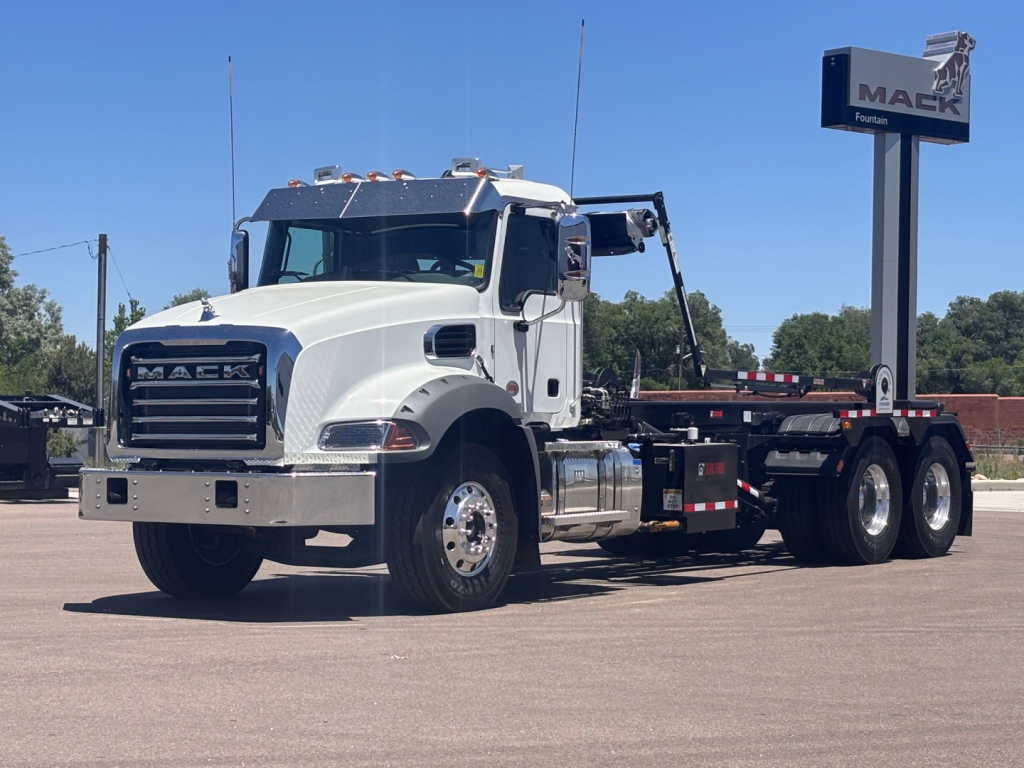
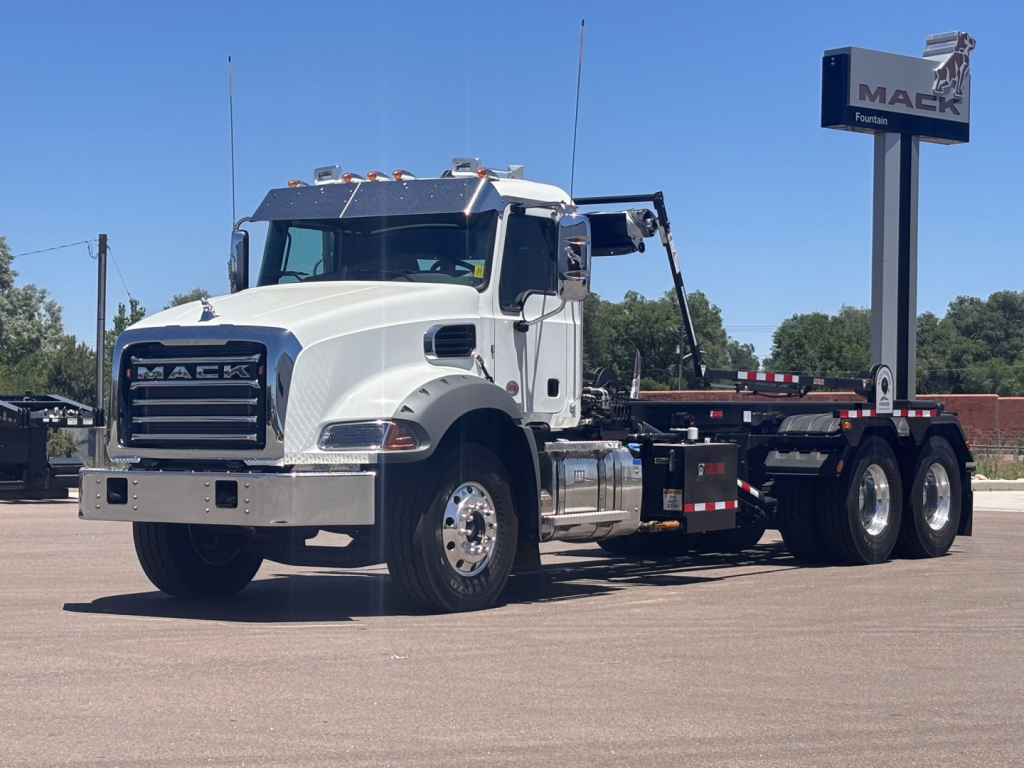
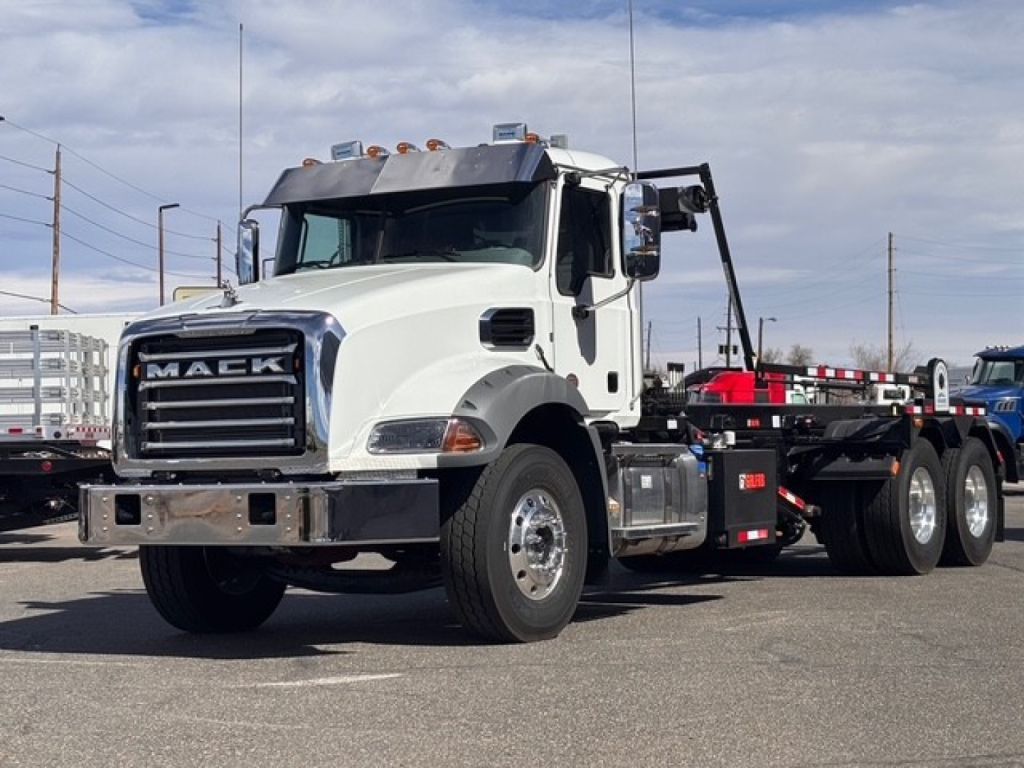
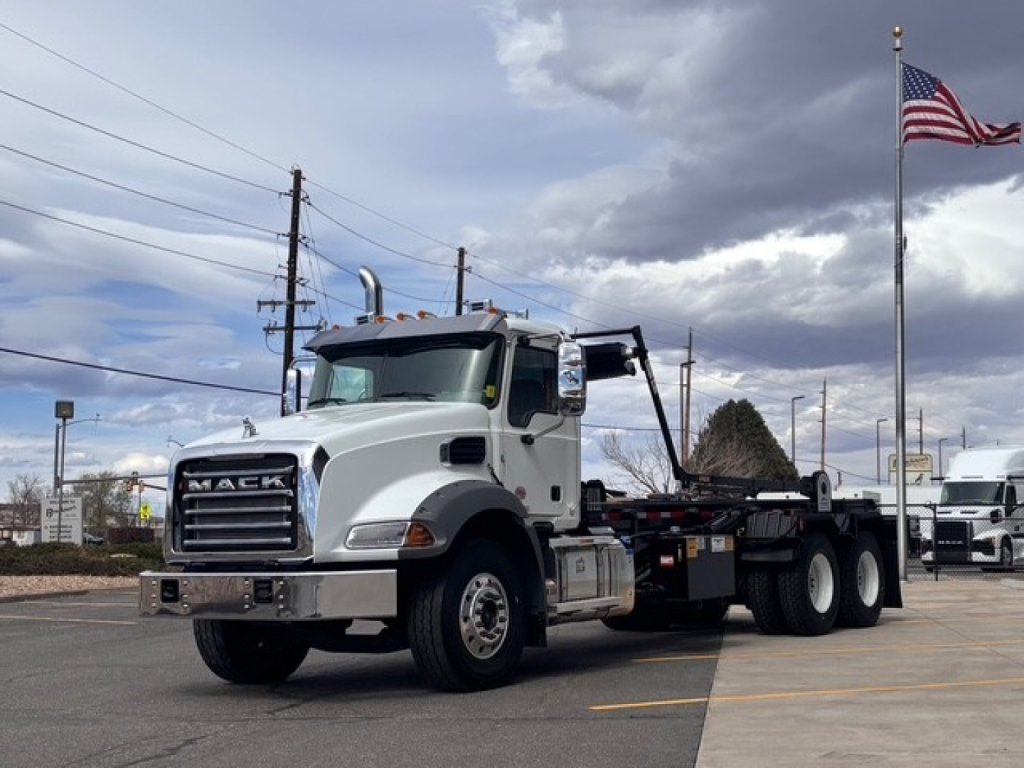
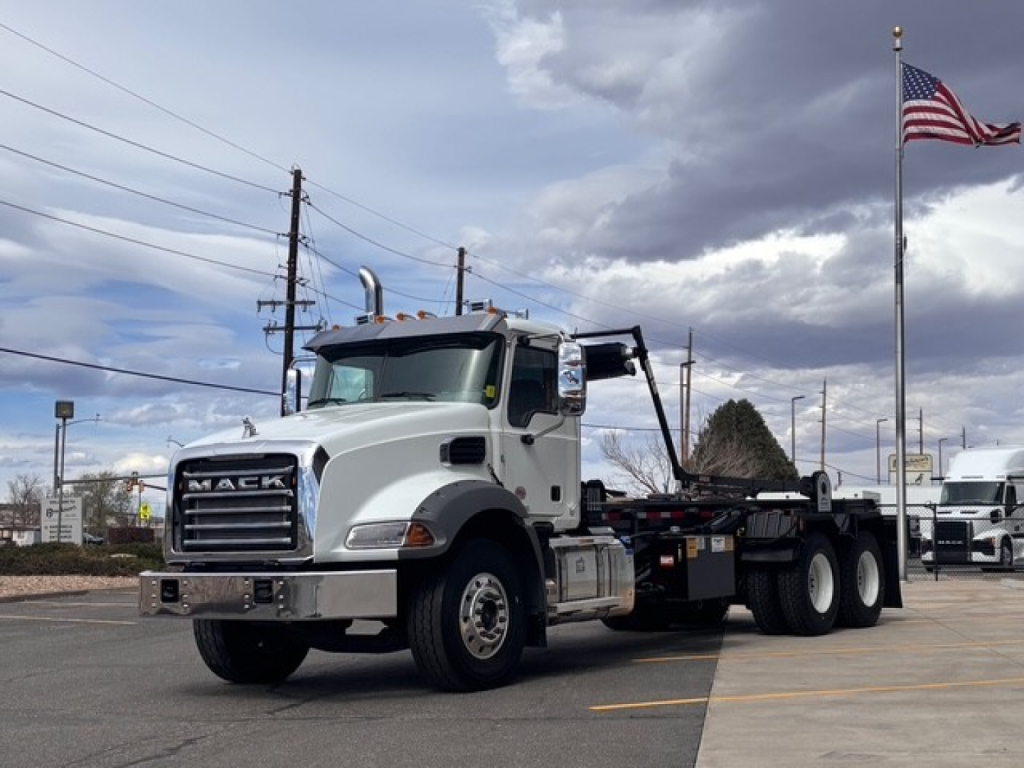
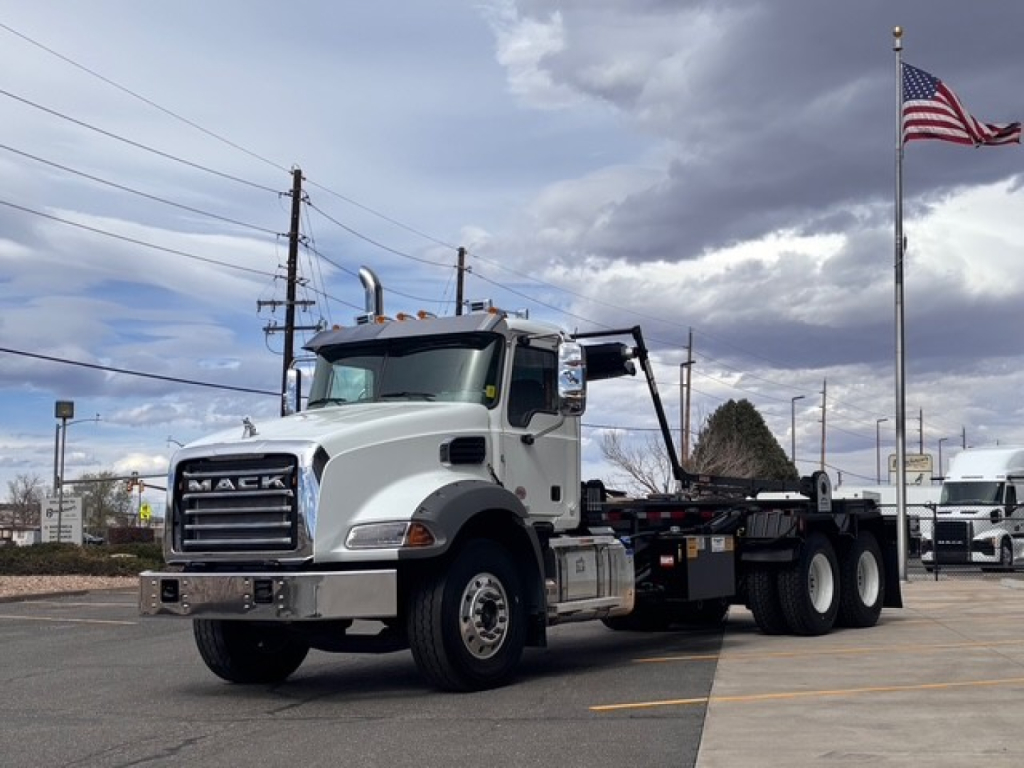
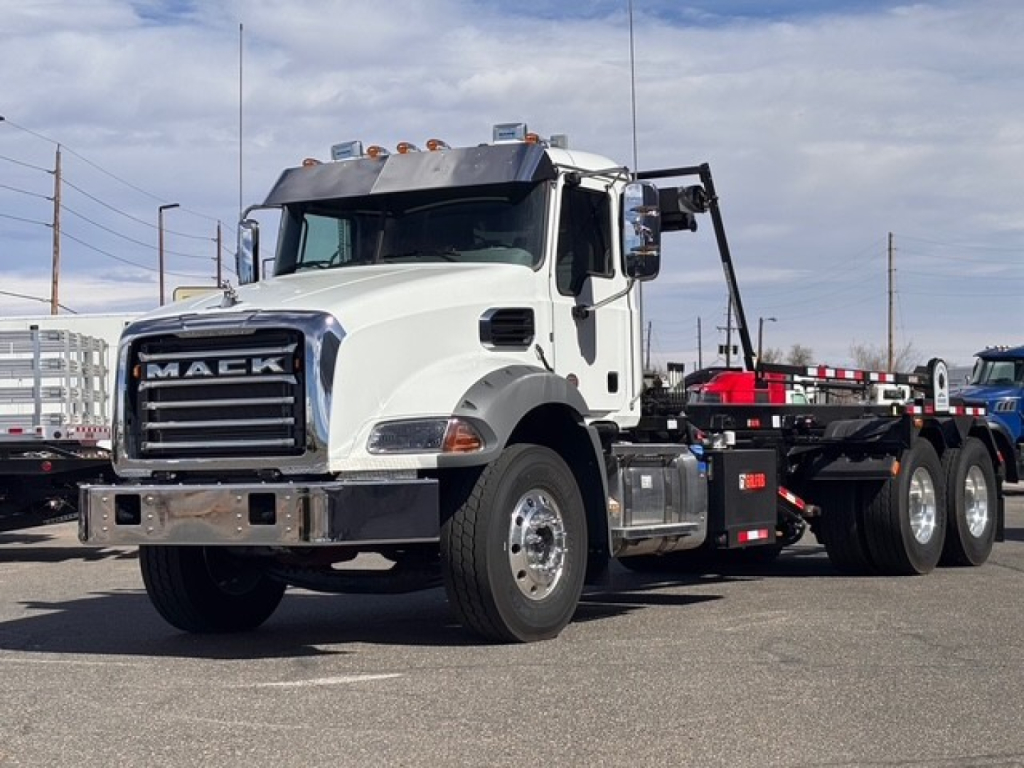
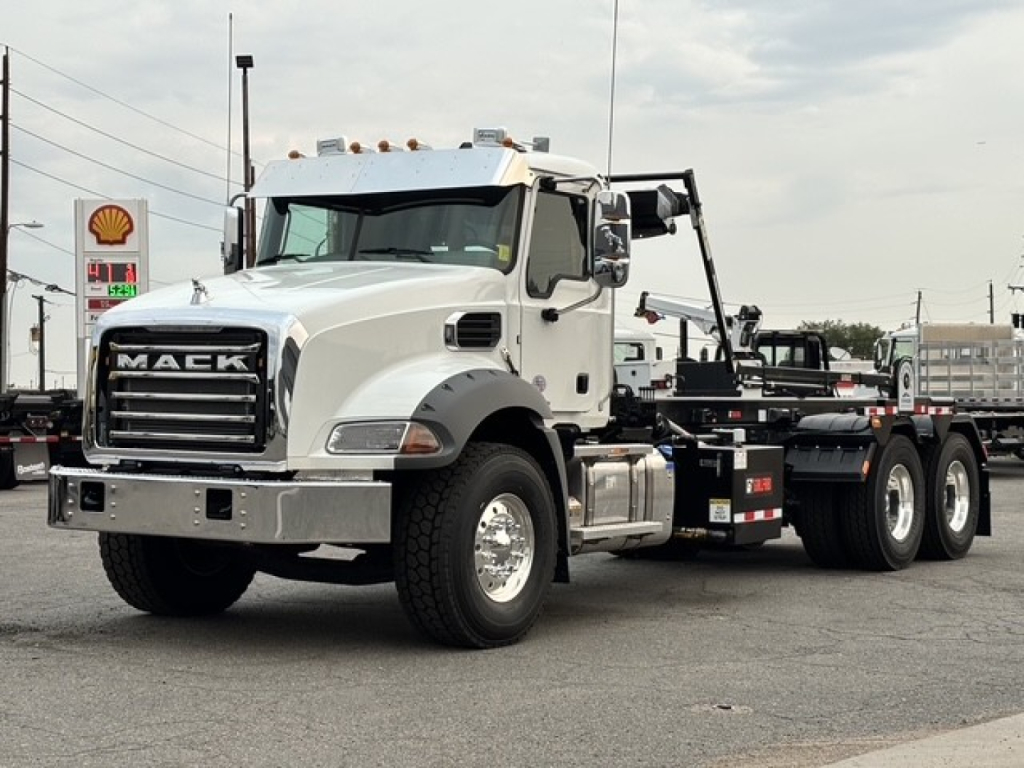
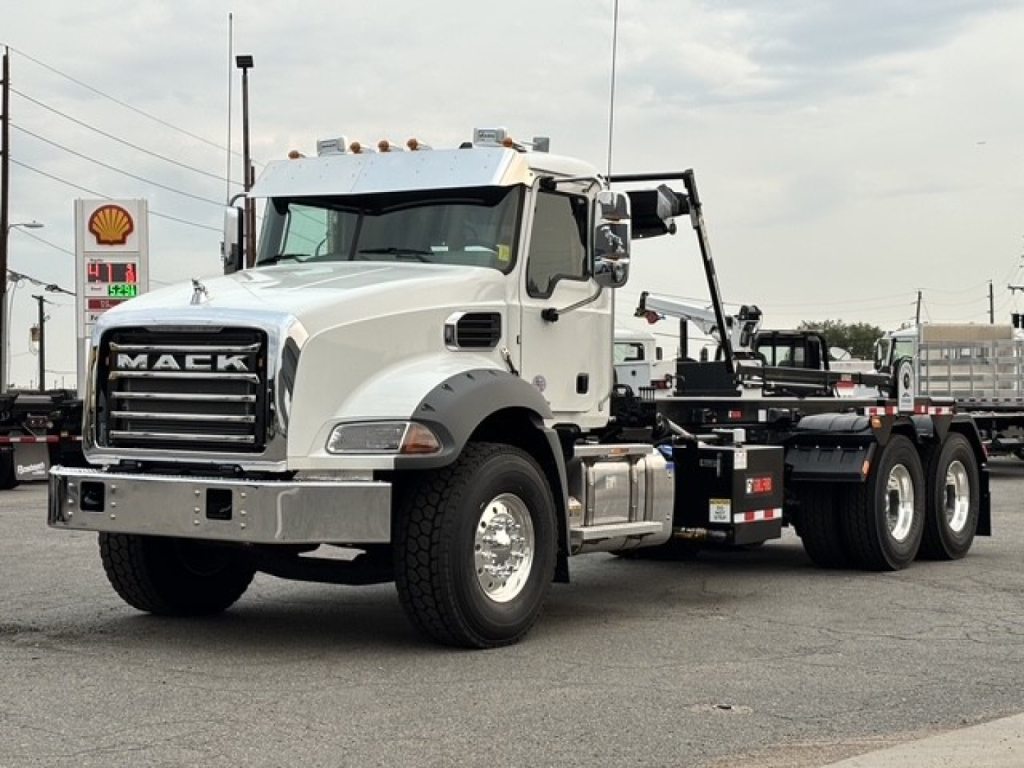
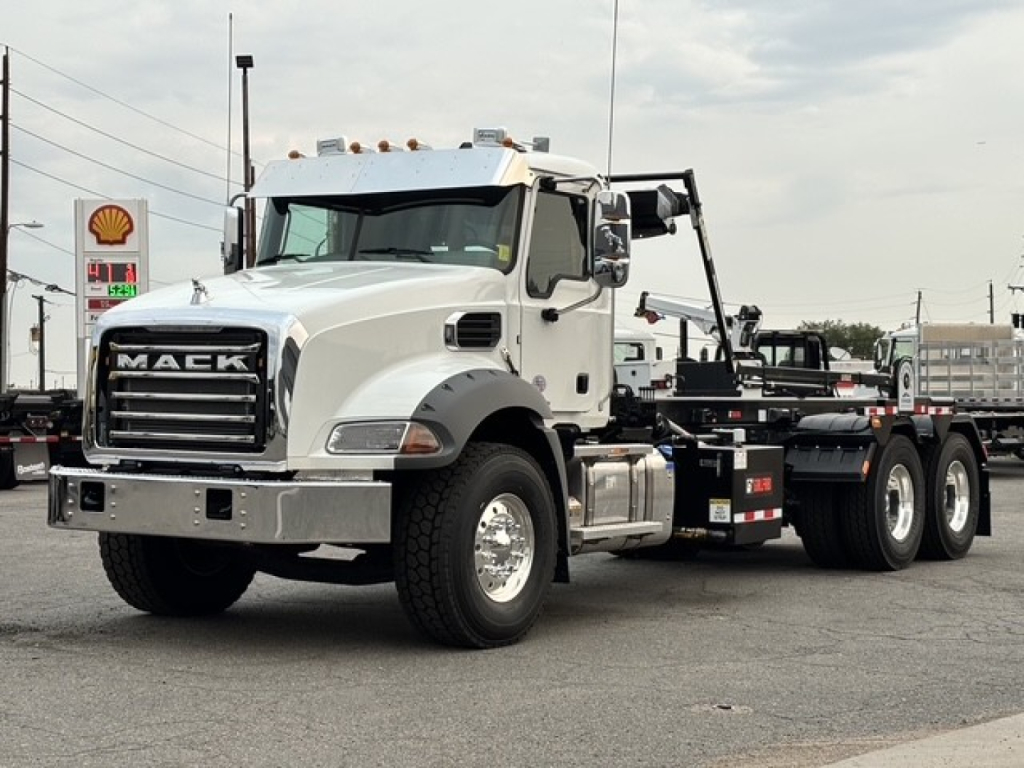
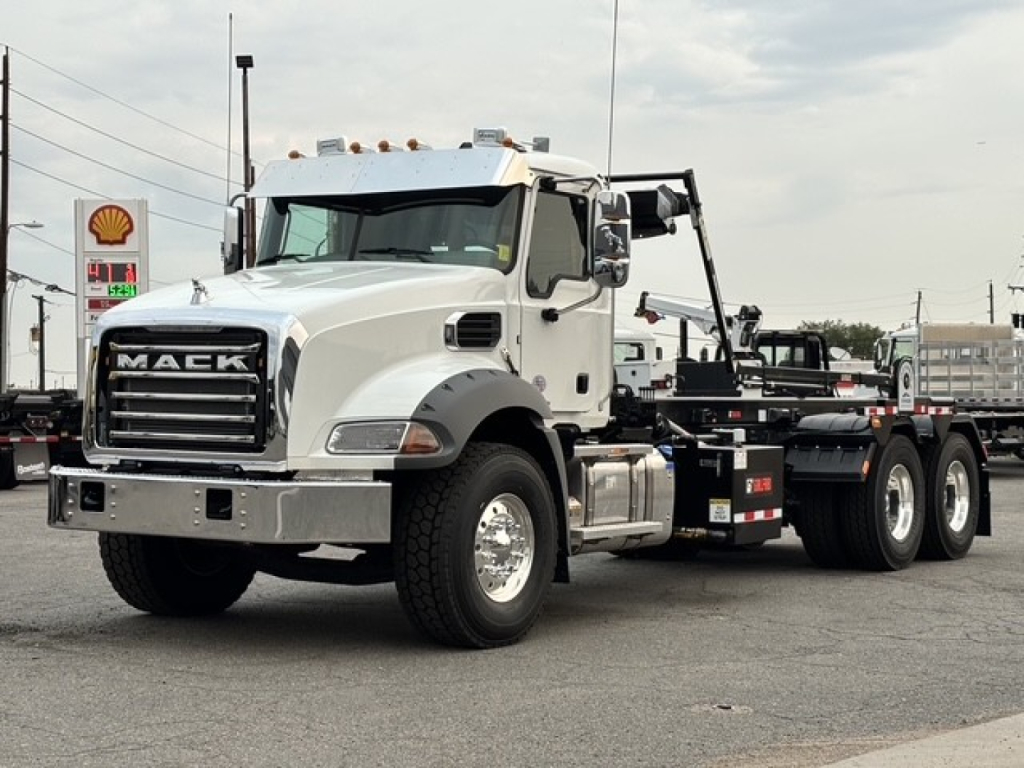
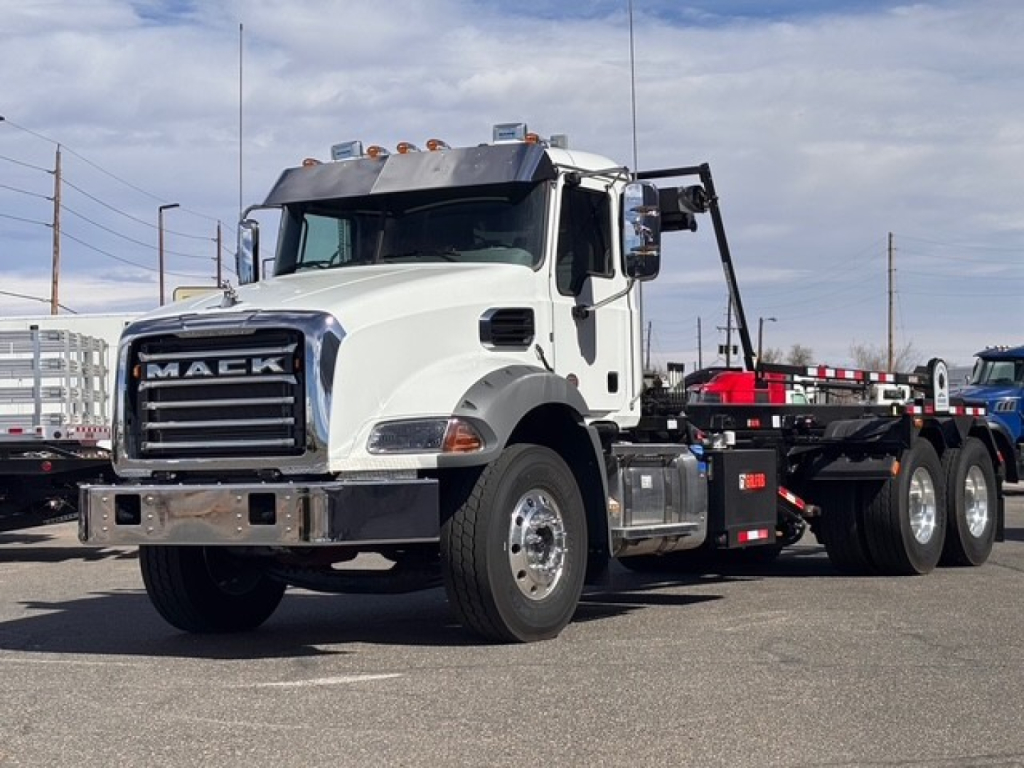
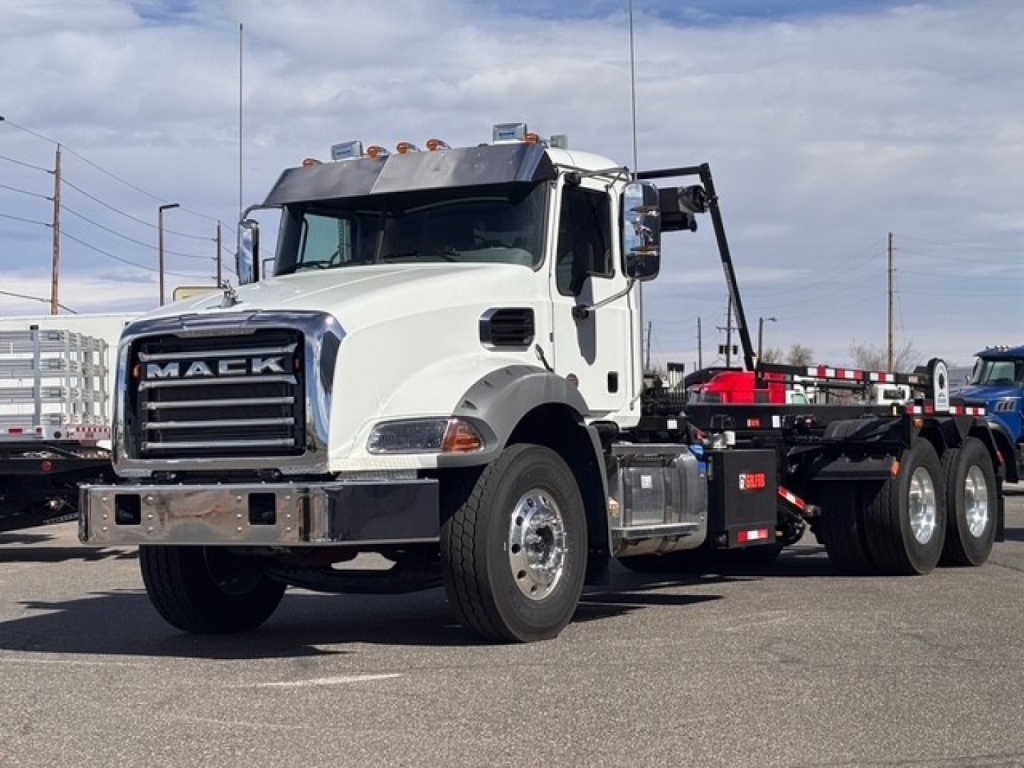
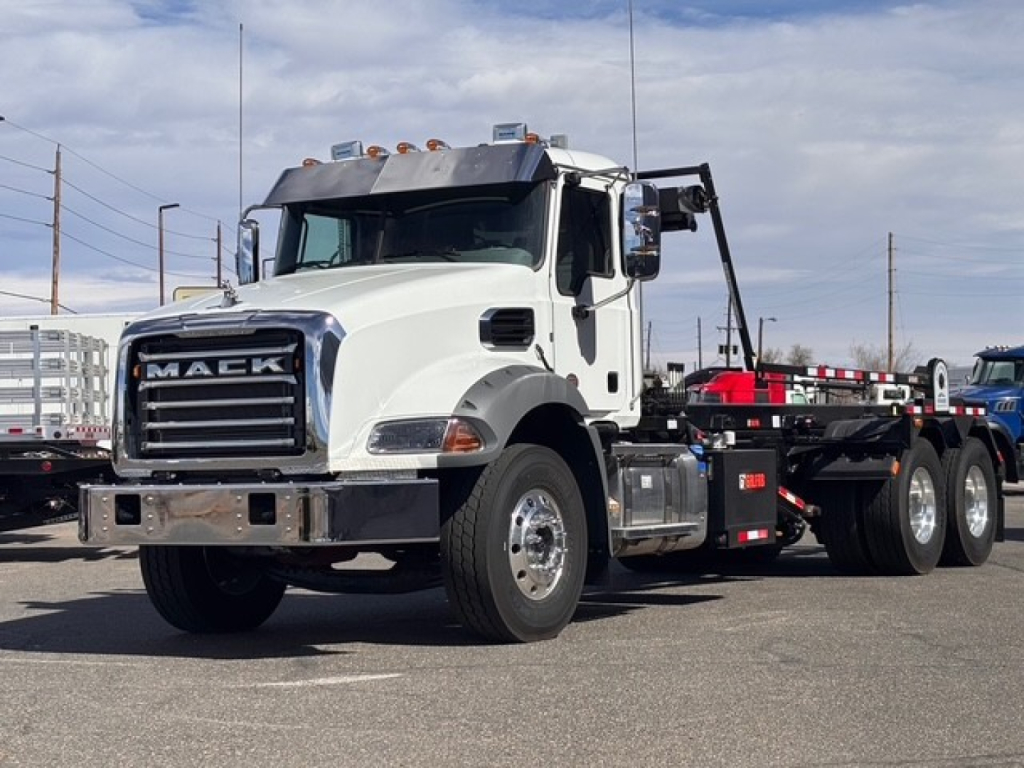
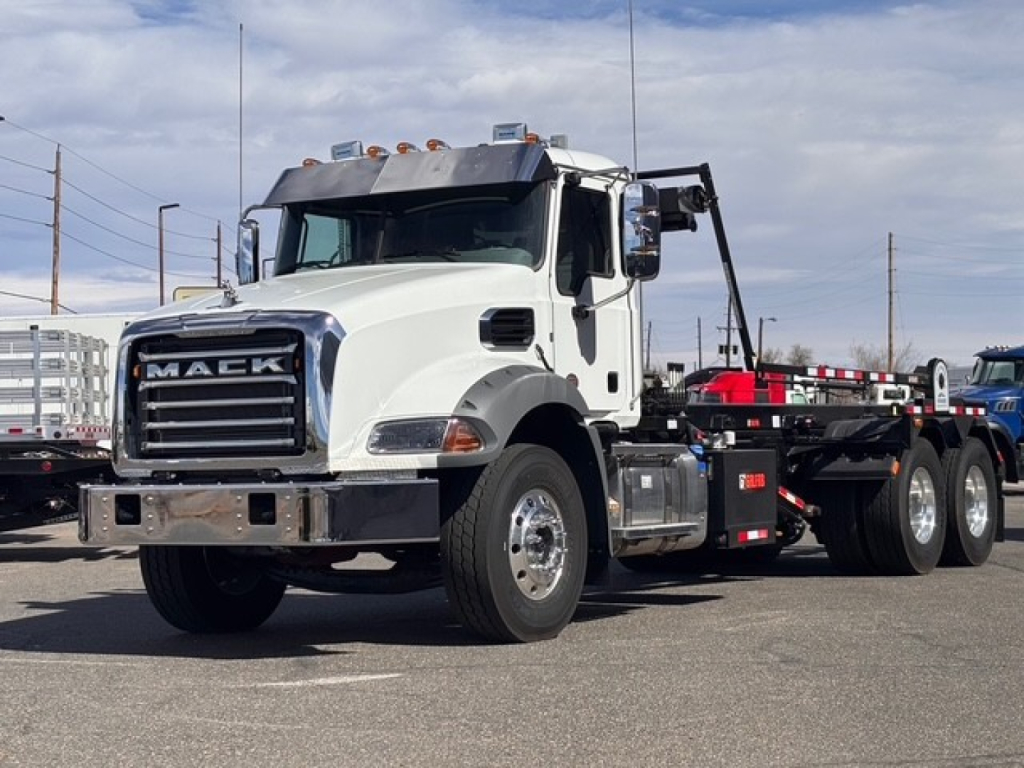
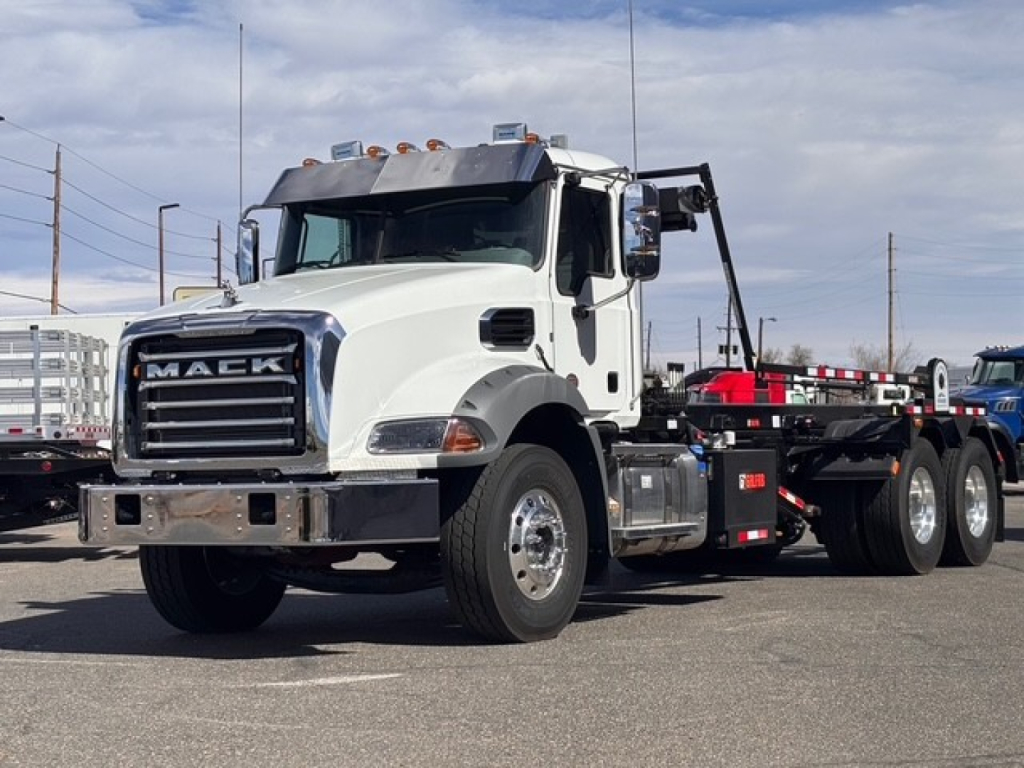
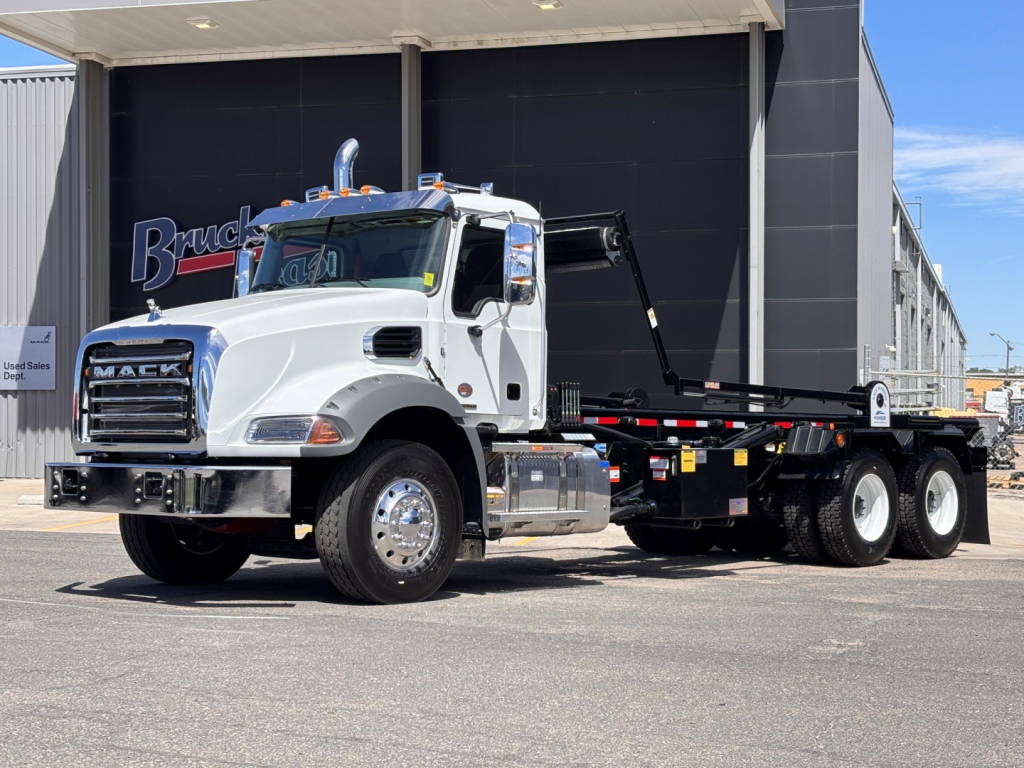
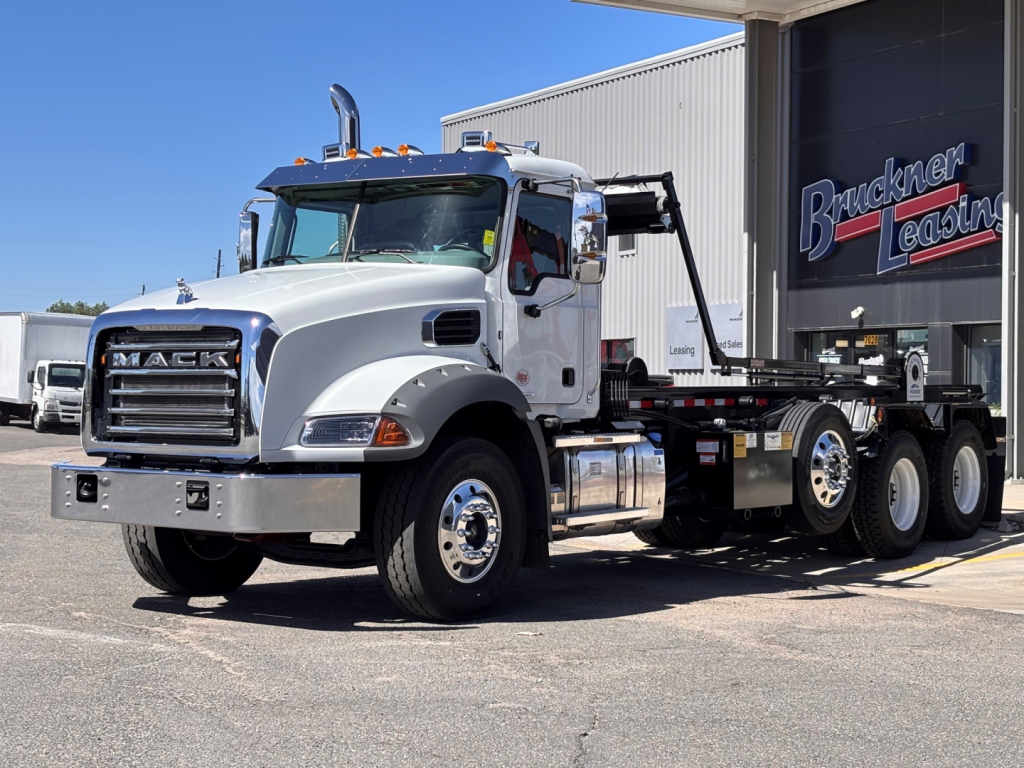

Selling a new rolloff truck? List your new rolloff truck for sale and reach thousands of commercial buyers.
New Rolloff Trucks in Colorado
The most important buying decisions are hoist style, container size range, and chassis spec. Cable rolloff trucks remain common in waste and demolition fleets because they are straightforward, proven, and well suited to larger containers and repeated drop-and-swap work. Hooklift systems can add versatility when one chassis needs to handle multiple body types, but many dedicated waste fleets still prefer a traditional rolloff hoist. On the truck side, buyers should look closely at GVWR, front axle and rears, suspension type, wheelbase, and PTO integration. A tandem-axle setup is typical for heavier legal payloads and container stability, while the right wheelbase and bridge spacing can make a major difference in Colorado compliance and maneuverability on tighter urban or jobsite access.
Powertrain selection matters because rolloff work is hard on driveline components. Engines in this class are commonly spec'd for strong low-rpm torque rather than highway speed, paired with automatic or automated manual transmissions that can handle stop-and-go loading cycles. Locking differentials, vocational suspensions, heavy-duty cooling, and frame reinforcement are worth attention if the truck will see rough transfer station surfaces, landfill approaches, or winter conditions. Buyers should also evaluate hoist-rated capacity, inside and outside rail dimensions, tarp systems, cab-to-axle measurement, and hydraulic performance. Details like backing visibility, camera systems, air ride cab, heated mirrors, and easy PTO engagement can improve daily productivity just as much as headline horsepower.
A well-spec'd new rolloff truck should match the containers already in your fleet, the material you haul, and the roads your drivers actually run. Concrete, roofing tear-off, municipal solid waste, construction debris, and scrap each load differently and stress the truck in different ways. For Colorado operations, emissions compliance, cold-weather starting, brake performance on grades, and durability under seasonal corrosion exposure all deserve a close look. New trucks also appeal to fleets that want current safety systems, warranty coverage, cleaner electrical architecture, and predictable maintenance intervals from day one.
Frequently Asked Questions about New Rolloff Trucks in Colorado
What is the difference between a cable rolloff truck and a hooklift truck?
A cable rolloff truck uses a winch and cable hoist to pull rolloff containers onto rails, making it a common choice for dedicated waste, scrap, and demolition work. A hooklift truck uses a hydraulic hook arm to load compatible bodies or containers and is often chosen for fleets that want one chassis to perform multiple jobs. The right choice depends on your existing container inventory, the body styles you need to handle, and how specialized or flexible the truck's daily work will be.
What axle configuration is most common for a new rolloff truck?
Tandem-axle rolloff trucks are the most common spec because they provide the axle capacity, stability, and legal payload support needed for loaded containers. Some operations use single-axle units for lighter work or tighter urban access, but heavier debris, scrap, and waste applications usually push buyers toward tandem rears. Front axle rating, suspension spec, and wheelbase are just as important as the axle count when matching the truck to container size and route conditions.
What should Colorado buyers pay attention to when spec'ing a rolloff truck?
Colorado buyers should pay close attention to grade-climbing torque, brake performance, cooling capacity, differential setup, and cold-weather operability. Mountain travel and elevation can expose weak powertrain specs quickly, especially when hauling loaded containers. Bridge law considerations, maneuverability in metro areas, and traction on snow or loose landfill surfaces should also influence wheelbase, axle spacing, tire choice, and suspension selection.
How do I match a rolloff truck to my containers?
Container compatibility starts with the hoist type, rail dimensions, hook height if applicable, and the container lengths your operation uses most often. Cab-to-axle measurement, wheelbase, and hoist geometry all affect how well the truck loads, carries, and dumps a container. Buyers should confirm that the chassis and hoist are spec'd for the actual container fleet they run now, not just the maximum container size listed on paper.
Why buy a new rolloff truck instead of used?
A new rolloff truck gives buyers the chance to spec the chassis, hoist, axle ratings, and operator features around their exact application rather than adapting to someone else's build. New units also typically offer warranty coverage, current emissions systems, updated safety technology, and more predictable maintenance planning. For fleets focused on uptime, standardized maintenance, and long service life, those advantages can outweigh the lower entry cost of a used truck.