
New Mack Rolloff Trucks For Sale in Colorado
Shop new Mack rolloff trucks for sale in Colorado. Compare durable cable and hooklift-ready chassis built for waste, scrap, and container work.
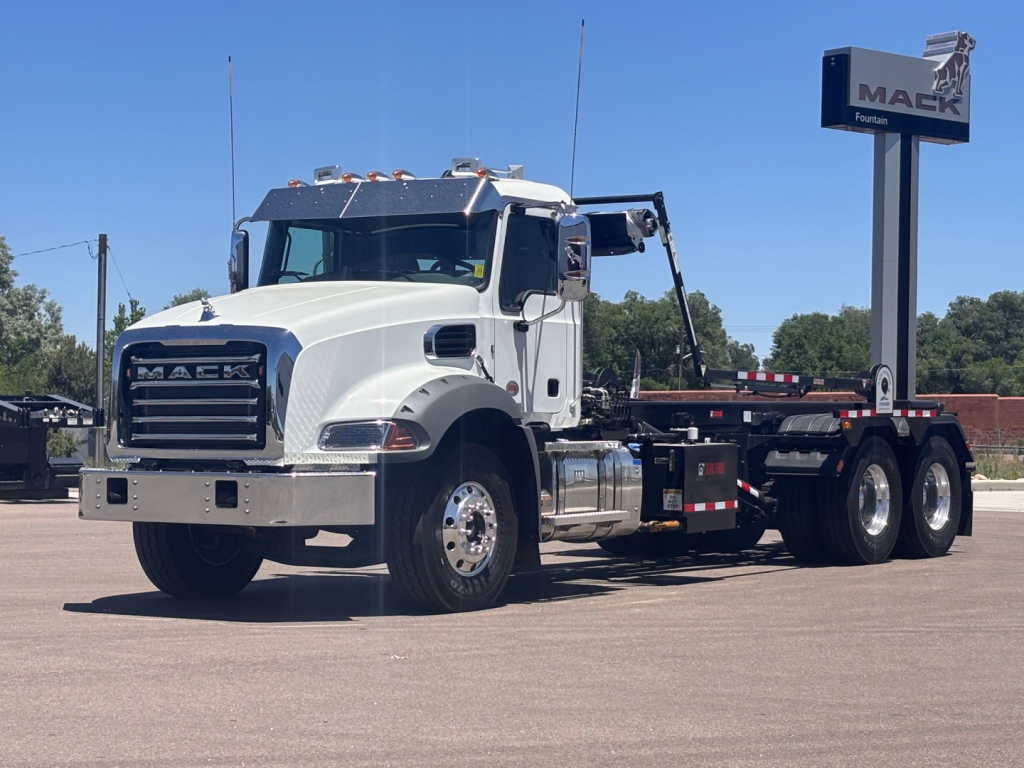
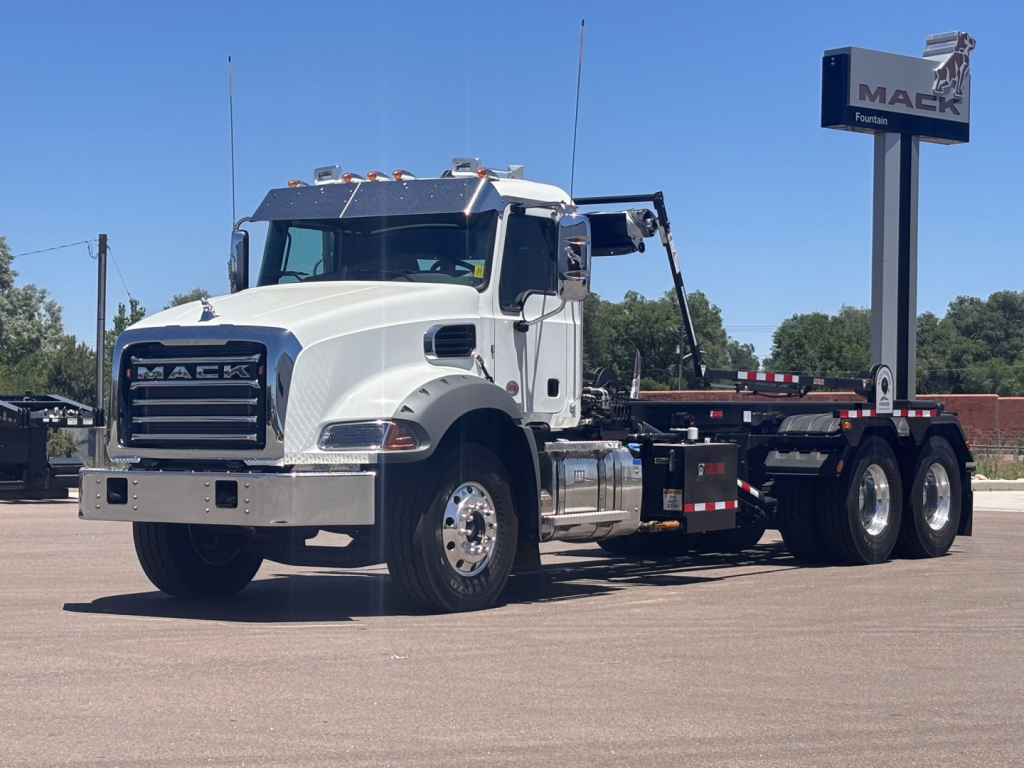
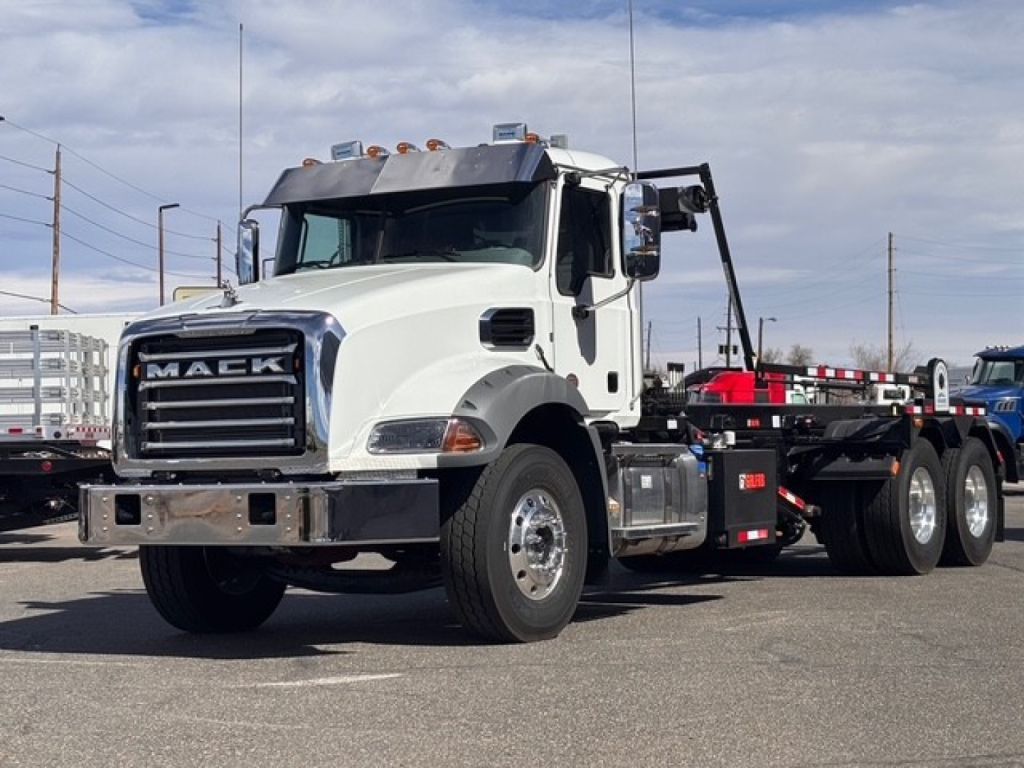
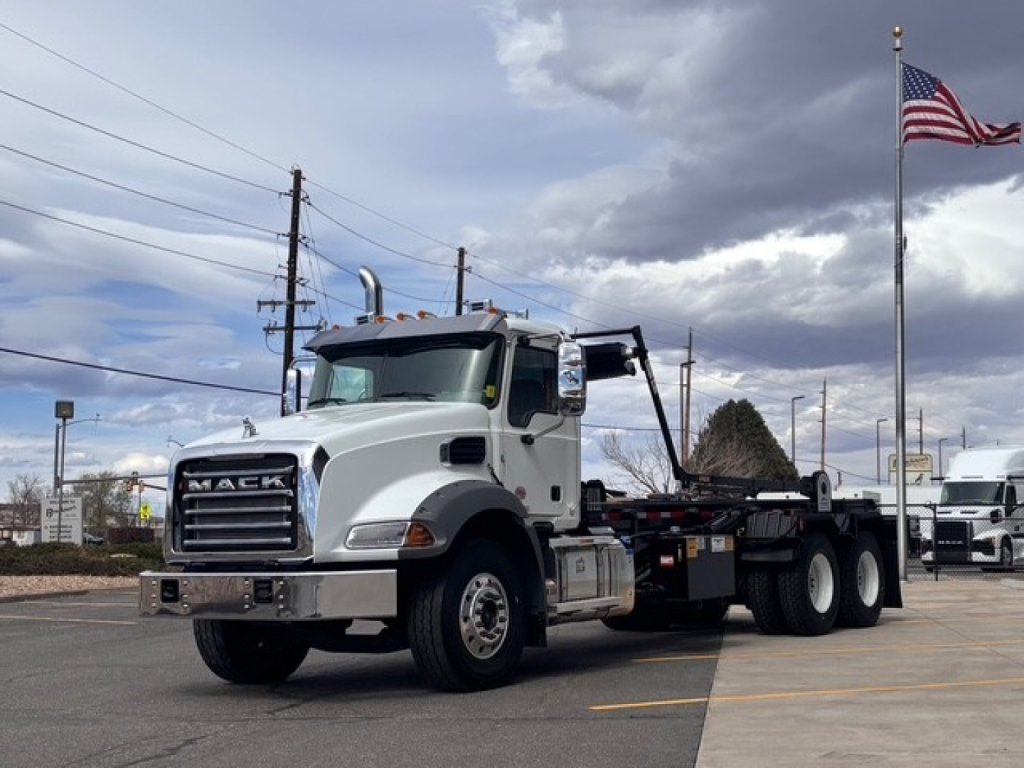
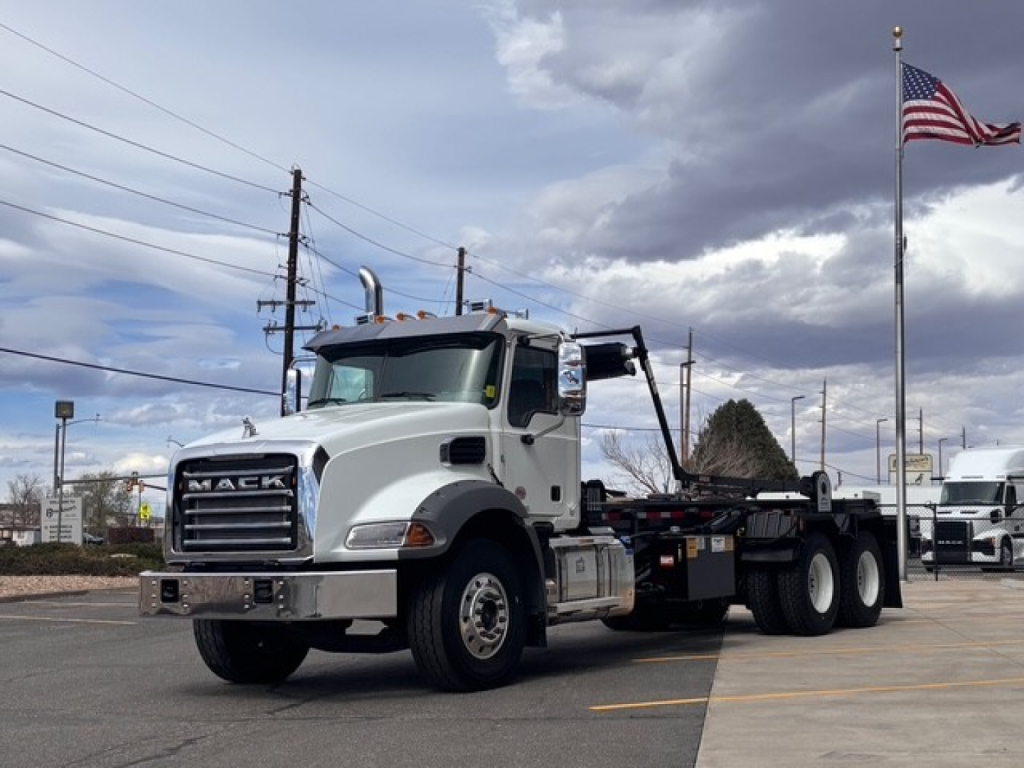
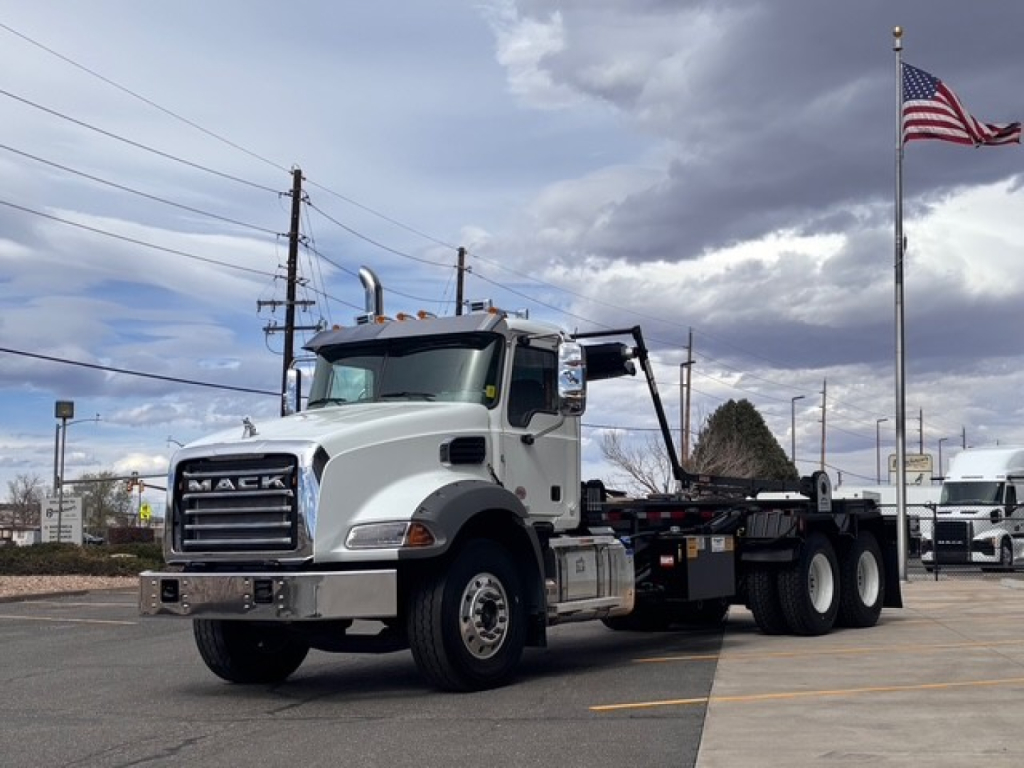
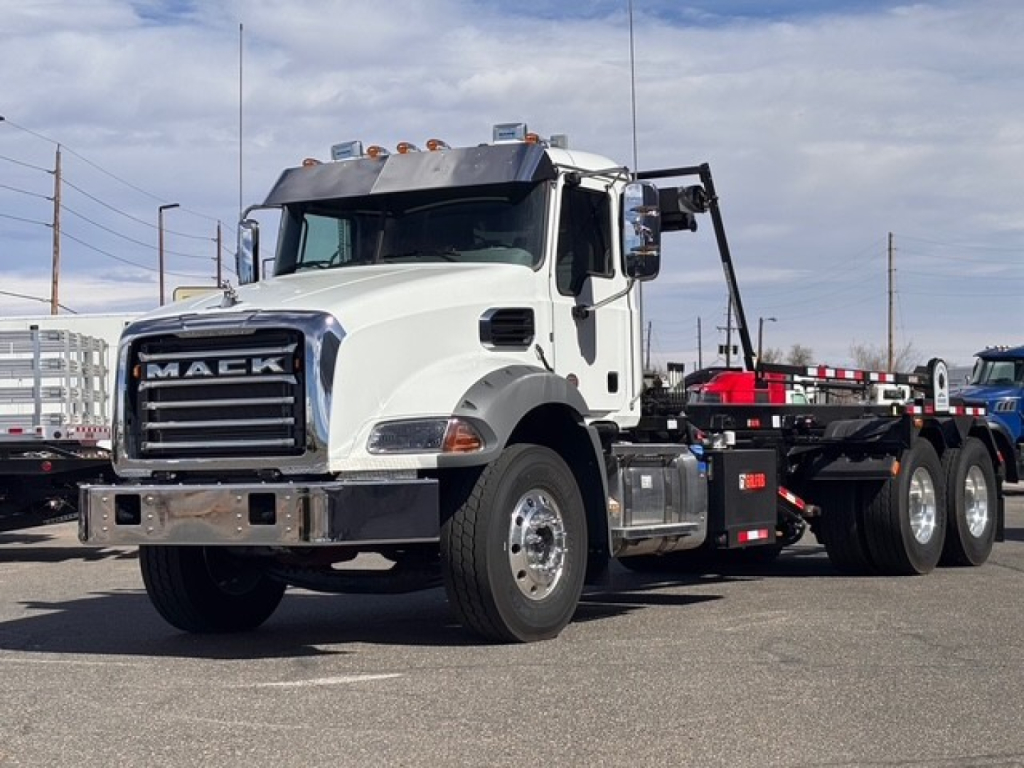
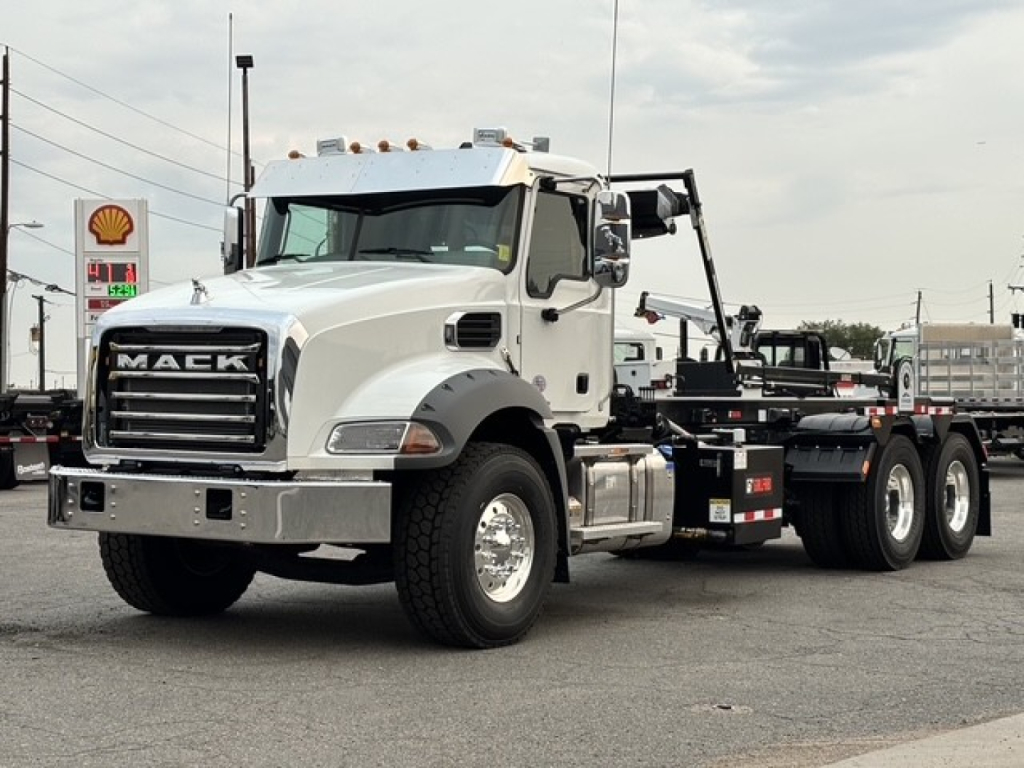
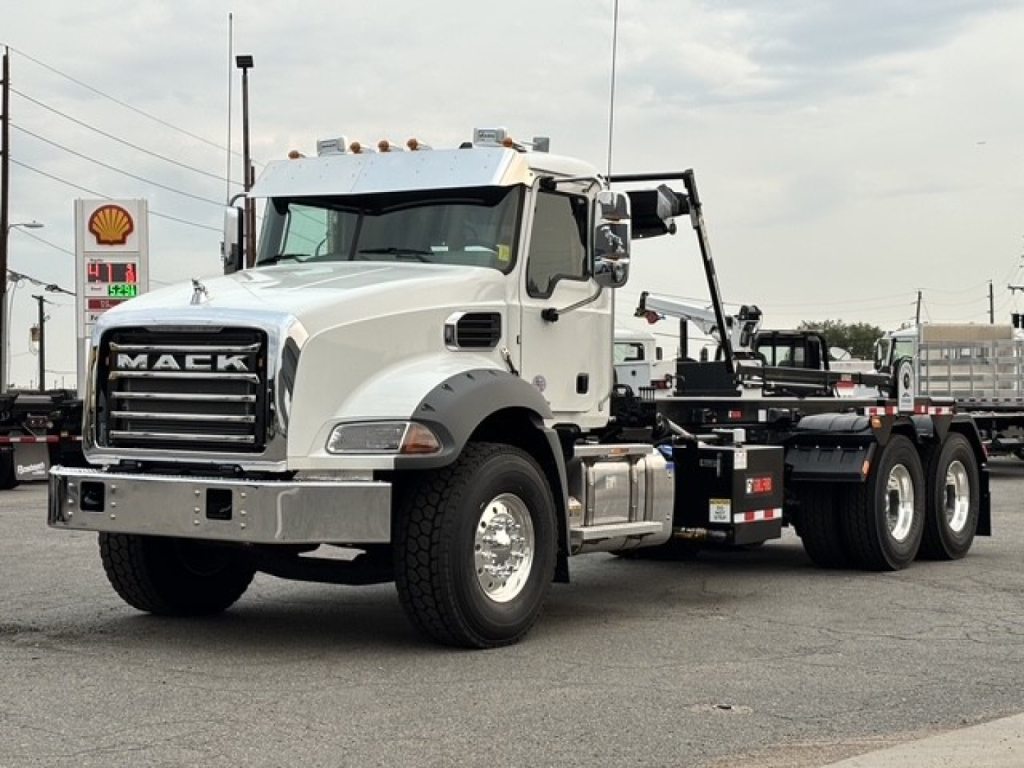
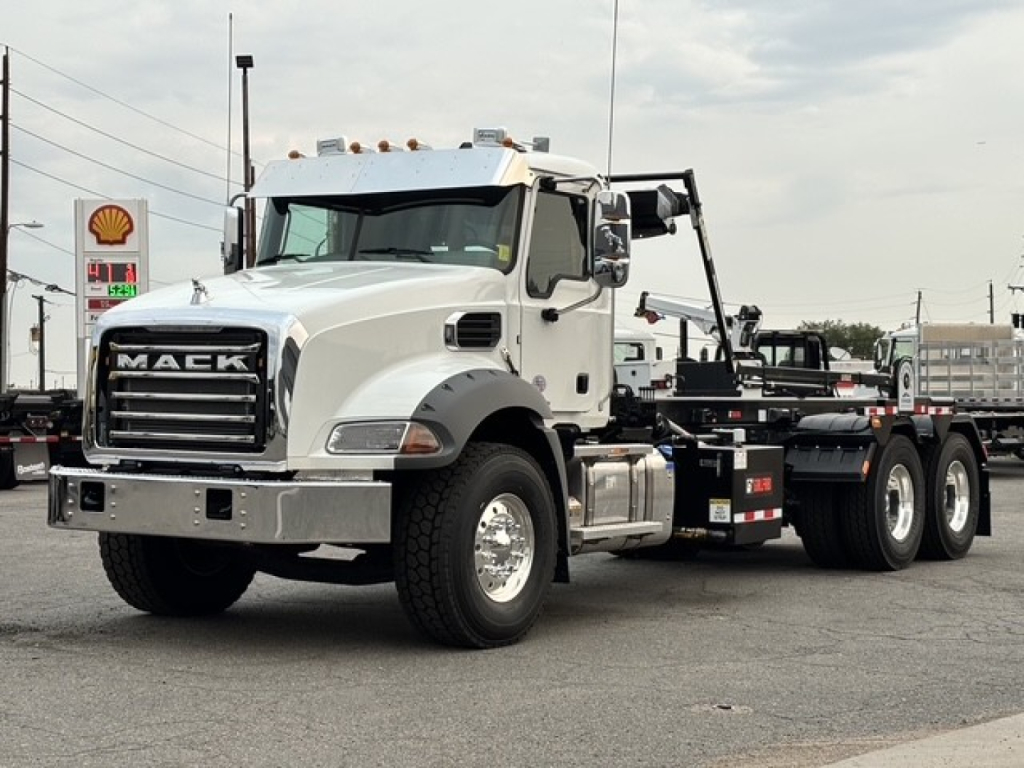
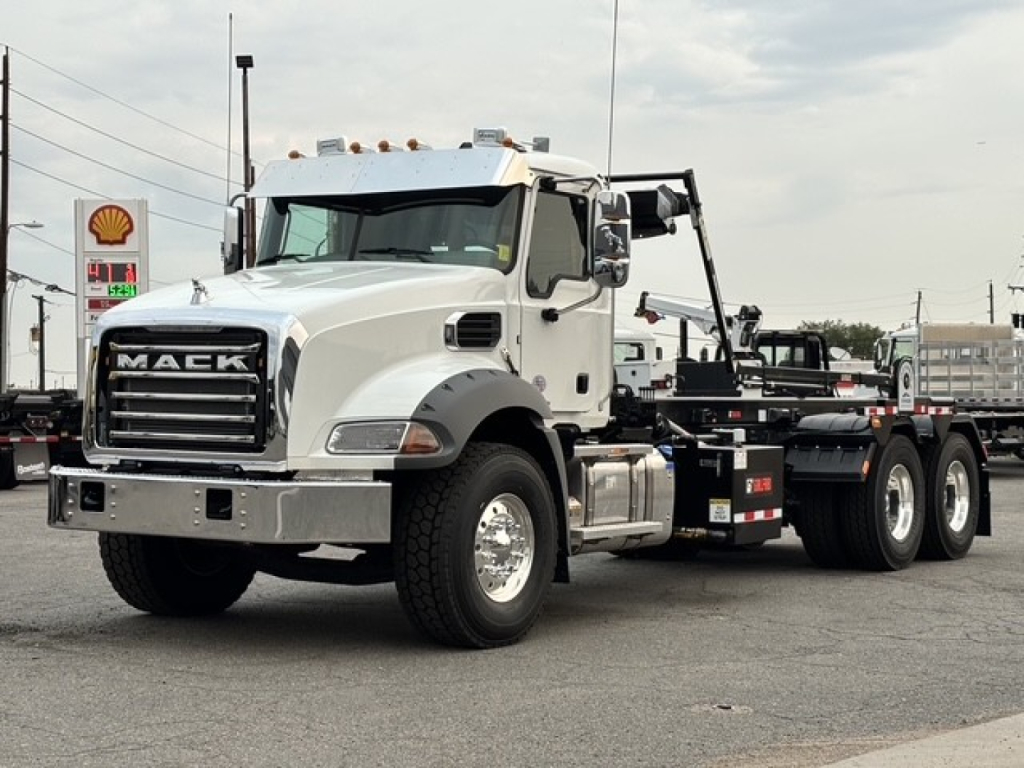
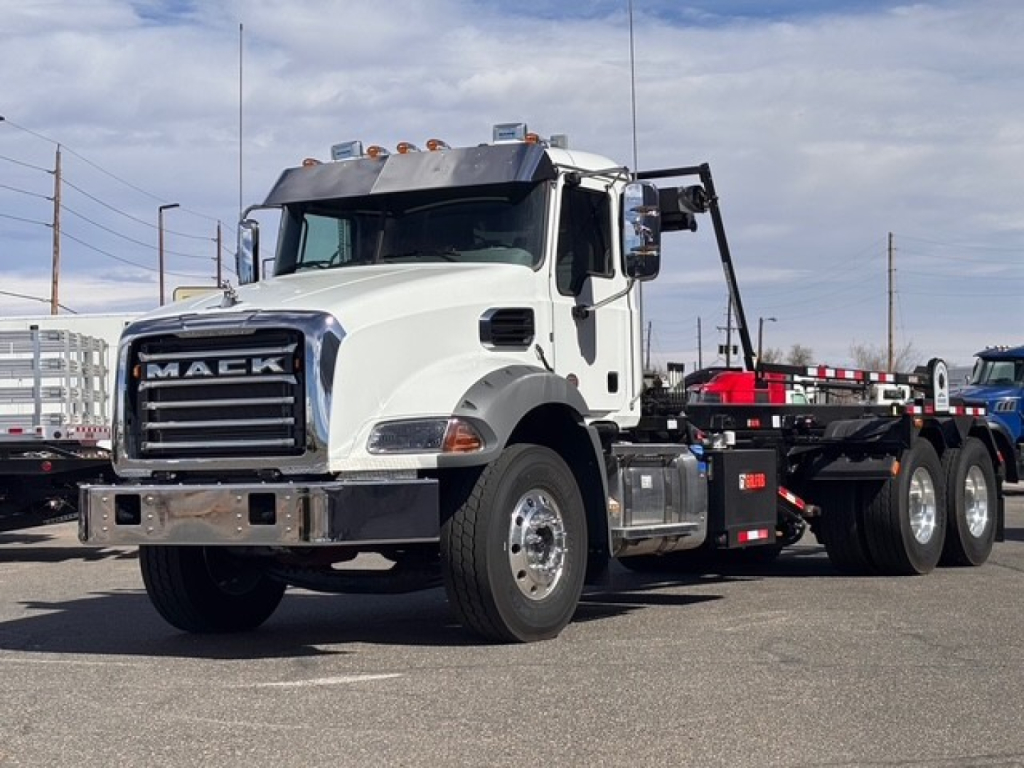
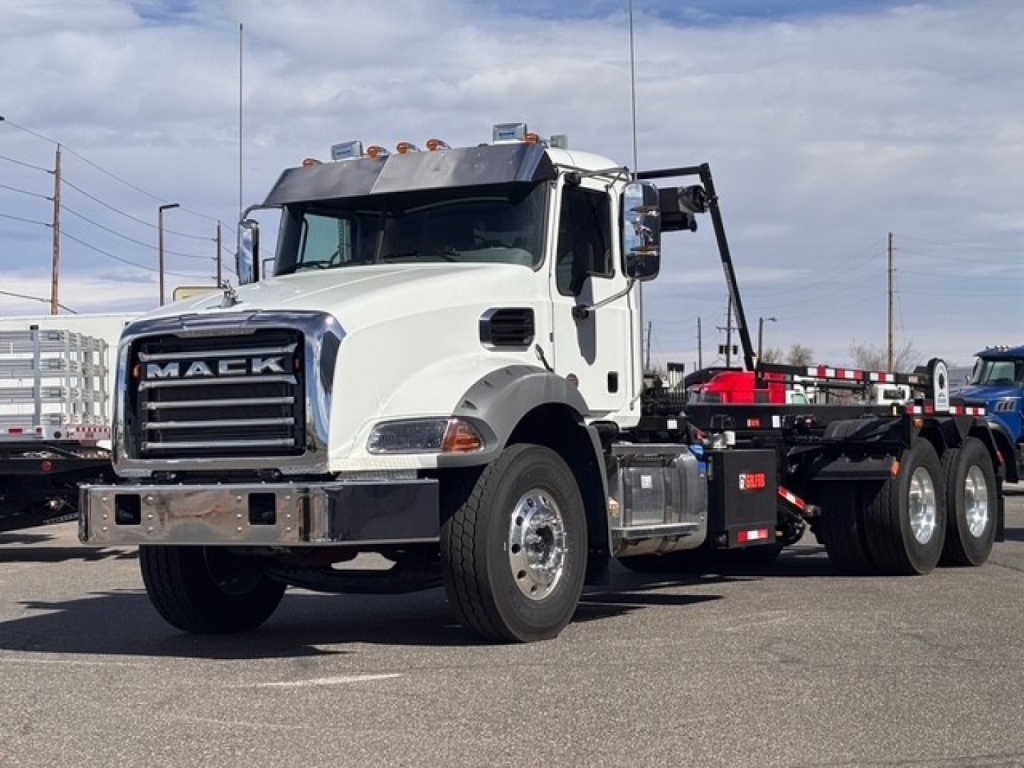
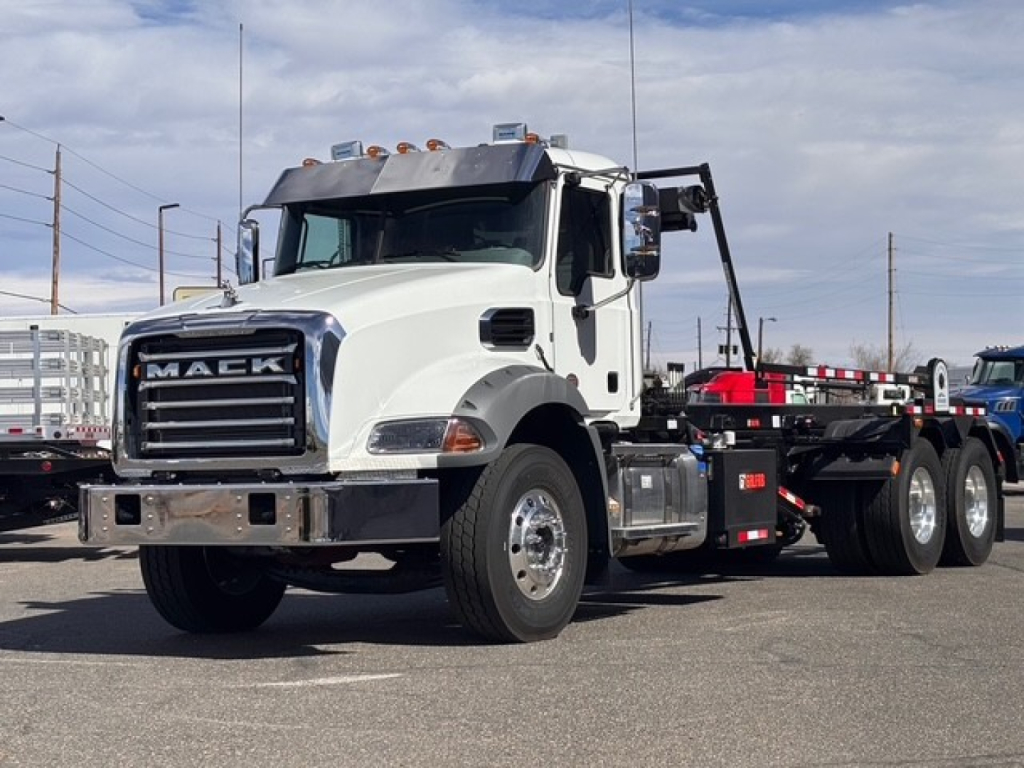
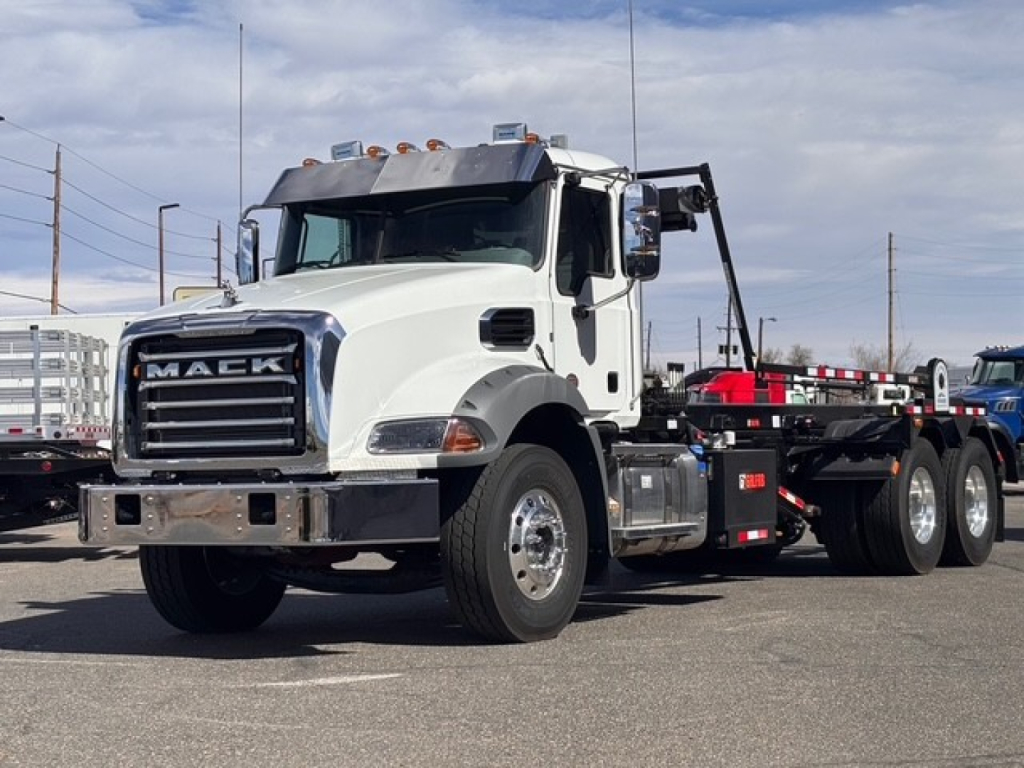
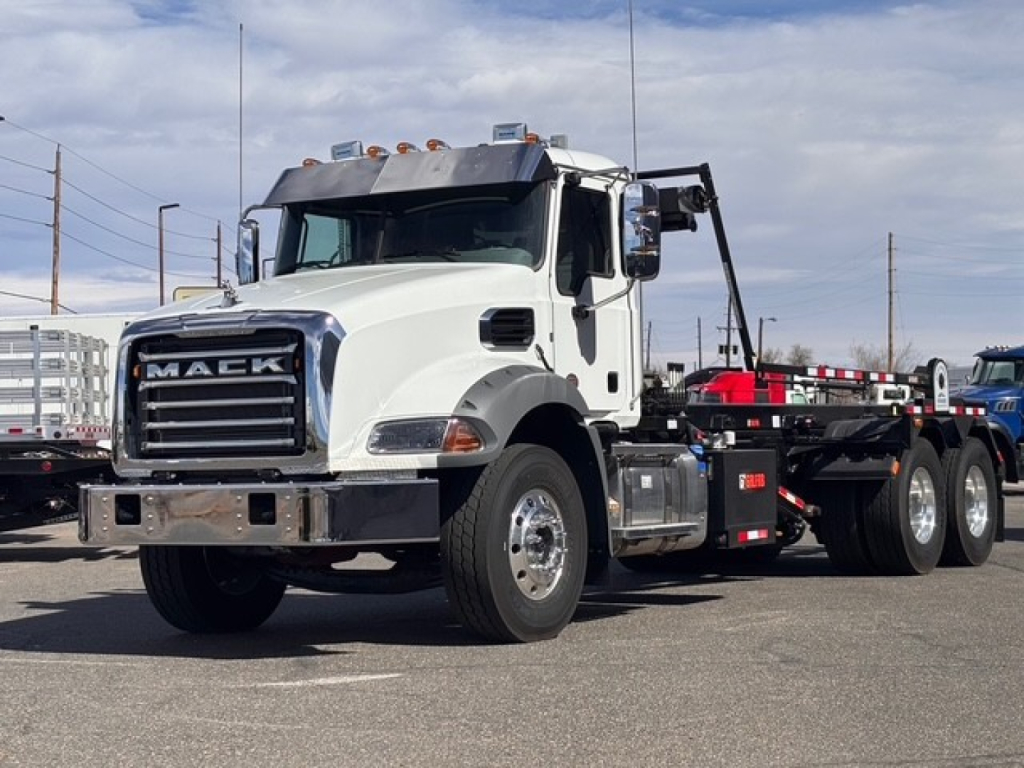
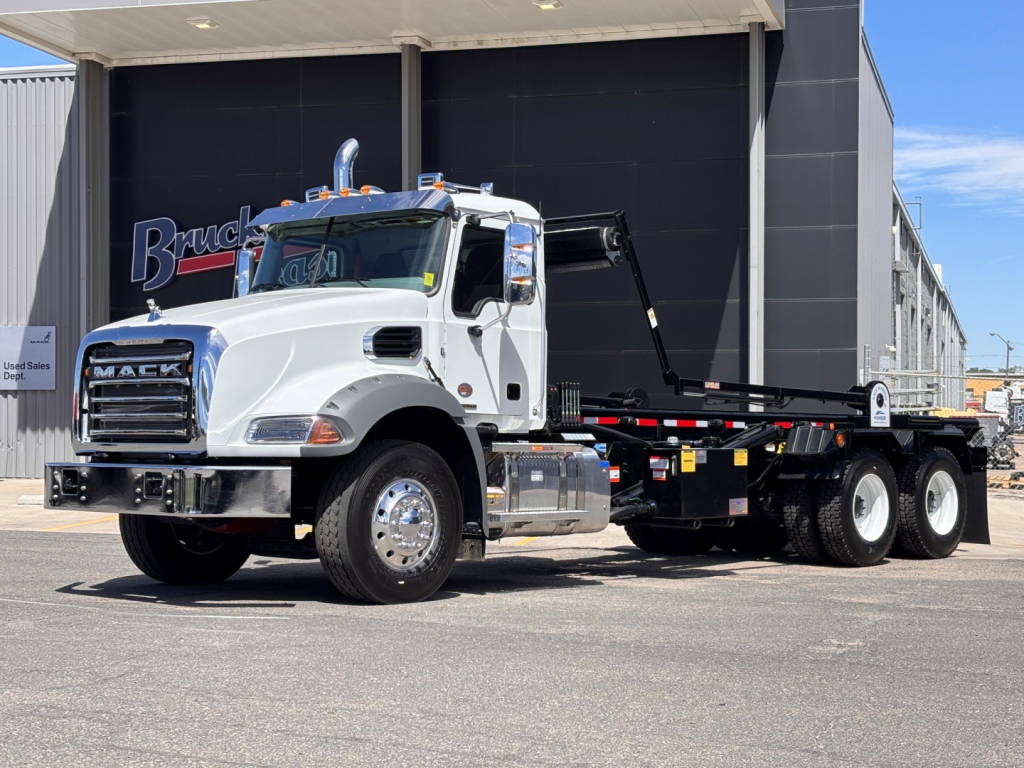
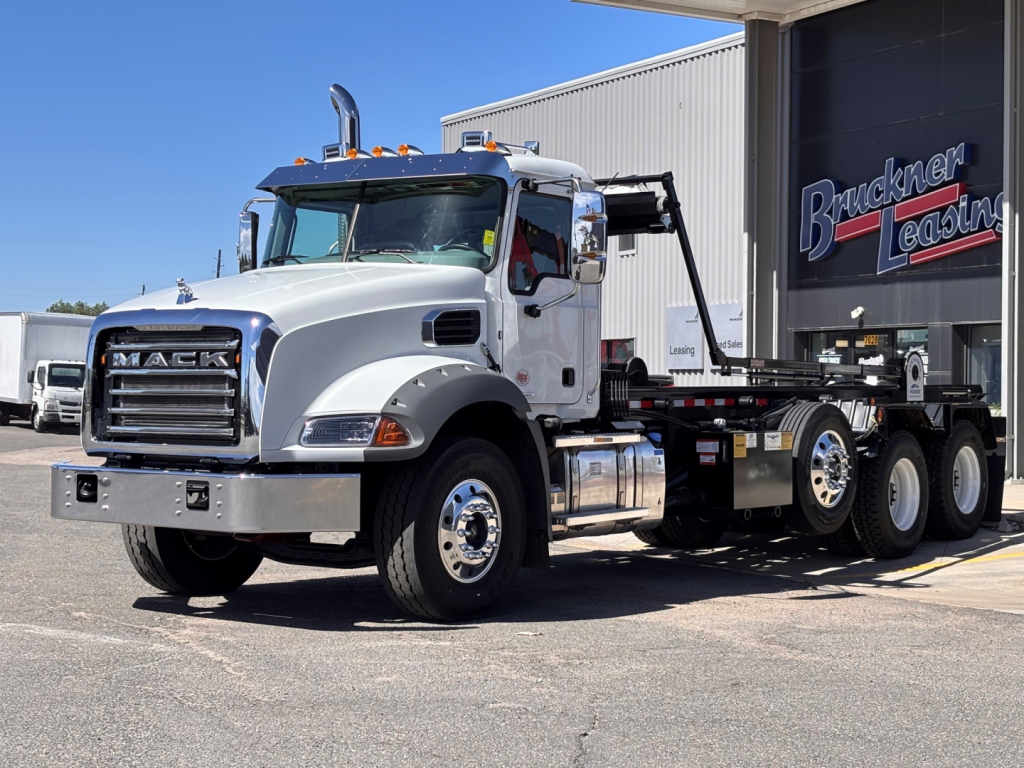

Selling a new mack rolloff truck? List your new mack rolloff truck for sale and reach thousands of commercial buyers.
New Mack Rolloff Trucks in Colorado
For Colorado buyers, gradeability and braking matter. A Mack rolloff truck running Front Range routes, transfer station work, or mountain-adjacent service needs enough torque to pull cleanly with full containers and enough cooling capacity for sustained PTO and low-speed operation. Common spec points include tandem rear axles, diesel engines in the vocational horsepower bands, automatic transmissions for route consistency, and wheelbases matched to the intended container lengths. Buyers should also pay attention to front axle capacity, frame reinforcement, suspension choice, and whether the truck is set up for cable hoist or hooklift-style rolloff work. The body and hoist package often gets the attention, but the wrong axle spread or wheelbase can limit legal payload or container compatibility.
A new Mack rolloff truck also gives buyers the advantage of current emissions systems, updated safety technology, and a fresh maintenance baseline. That matters in fleets where downtime is expensive and driver turnover makes ease of operation important. Features like power steering feel, cab visibility, automatic transmission calibration, PTO integration, and body control layout all affect daily productivity. Buyers comparing new units should look at inside frame clearances, hoist capacity, tarp system options, pintle or trailer equipment, and hydraulic tank placement, especially if the truck will run multiple container sizes or pull additional equipment.
Rolloff trucks, also called roll-off trucks or container delivery trucks, are used across waste hauling, recycling, roofing debris, concrete removal, and industrial cleanup. Mack models in this class are typically chosen for durability, vocational driveline strength, and body-builder-friendly chassis layouts. The best spec is the one that matches your heaviest real-world container, your route terrain, and your loading environment. If the truck will spend its life on tight urban turns, transfer station pavement, and uneven demolition sites, those operating conditions should drive the axle, suspension, tire, and hoist decisions more than published maximum ratings alone.
Frequently Asked Questions about New Mack Rolloff Trucks in Colorado
What should I look for first on a new Mack rolloff truck?
Start with the chassis and operating weight, not just the hoist brand. Front axle rating, rear axle capacity, wheelbase, frame strength, suspension, and transmission setup determine how well the truck will handle loaded containers and repeated hoist cycles. A rolloff truck that looks similar on paper can perform very differently depending on axle spread, frame reinforcement, and PTO integration.
Are Mack rolloff trucks a good fit for Colorado routes?
Yes, especially when they are spec'd correctly for elevation, grades, and mixed on-road and jobsite use. Colorado operators should pay close attention to engine torque, transmission ratios, cooling package, braking performance, and suspension durability. A truck running in and around Denver may need a different setup than one regularly working steeper terrain or heavier demolition routes along the Front Range and beyond.
What is the difference between a cable rolloff and a hooklift?
A cable rolloff uses a cable and hoist system to pull containers onto rails, while a hooklift uses a hydraulic hook arm to lift and load compatible bodies. Cable rolloffs are common in waste and scrap service with dedicated cans, while hooklifts are often chosen for fleets that want more body versatility. The chassis requirements can overlap, but body length, weight distribution, and container compatibility need to match the intended system.
Why does wheelbase matter on a rolloff truck?
Wheelbase affects container fit, axle loading, turning radius, and overall stability. A longer wheelbase may better support certain container lengths and payload distribution, but it can reduce maneuverability on tight jobsites or urban routes. A shorter wheelbase may turn better, but it still has to work with the hoist geometry and legal axle weights for the loads you plan to haul.
Is buying a new rolloff truck better for fleet uptime?
In many operations, yes. A new rolloff truck starts with a clean maintenance history, current emissions and safety systems, and components that have not already been stressed by heavy vocational use. That can reduce unscheduled downtime early in the truck's life, especially in applications where the chassis, hydraulics, and PTO system are worked hard every day.