
New Step Van Trucks For Sale in Colorado
New step van trucks for sale in Colorado, including walk-in delivery vans with EV and traditional chassis options for urban routes.
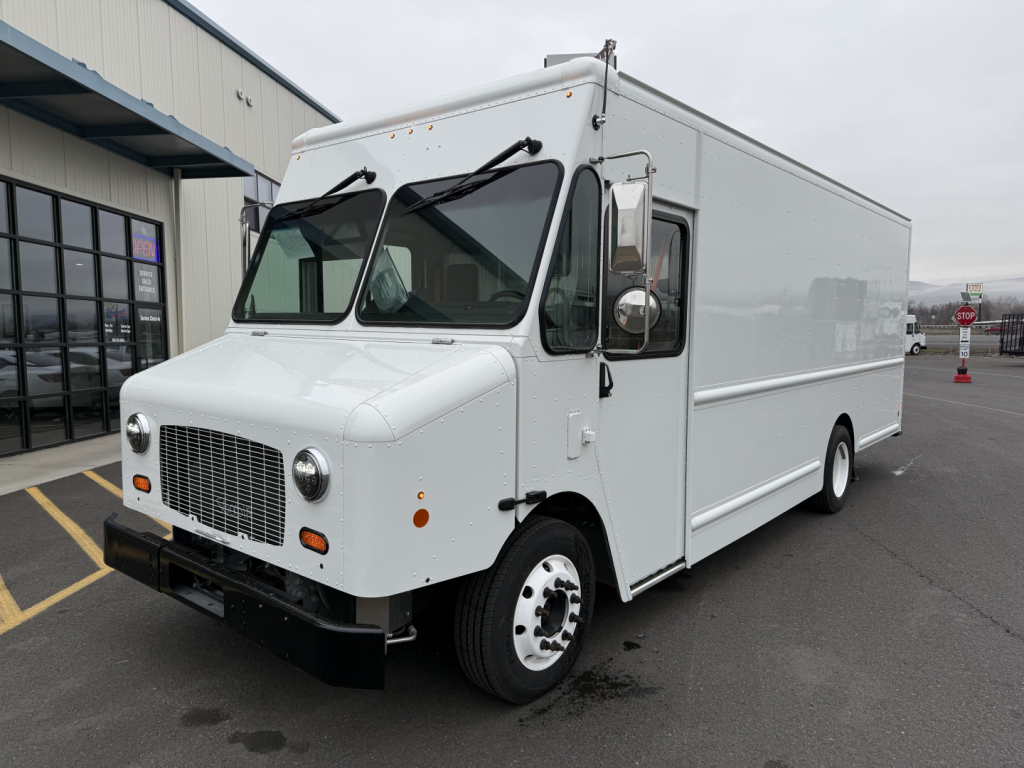
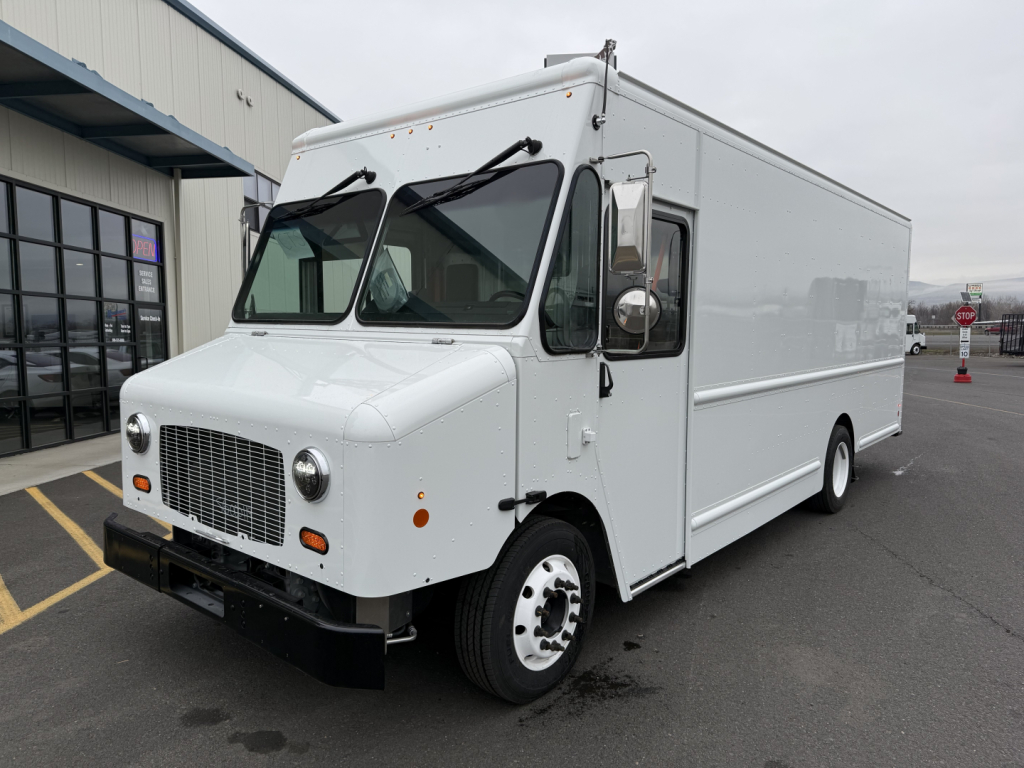
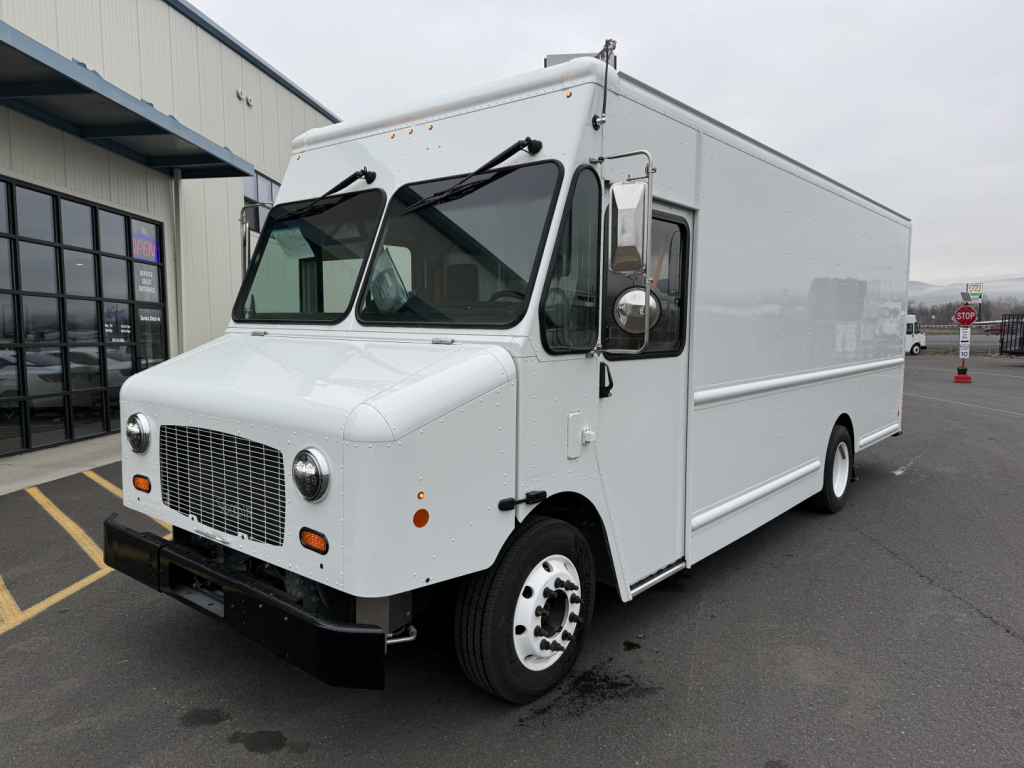
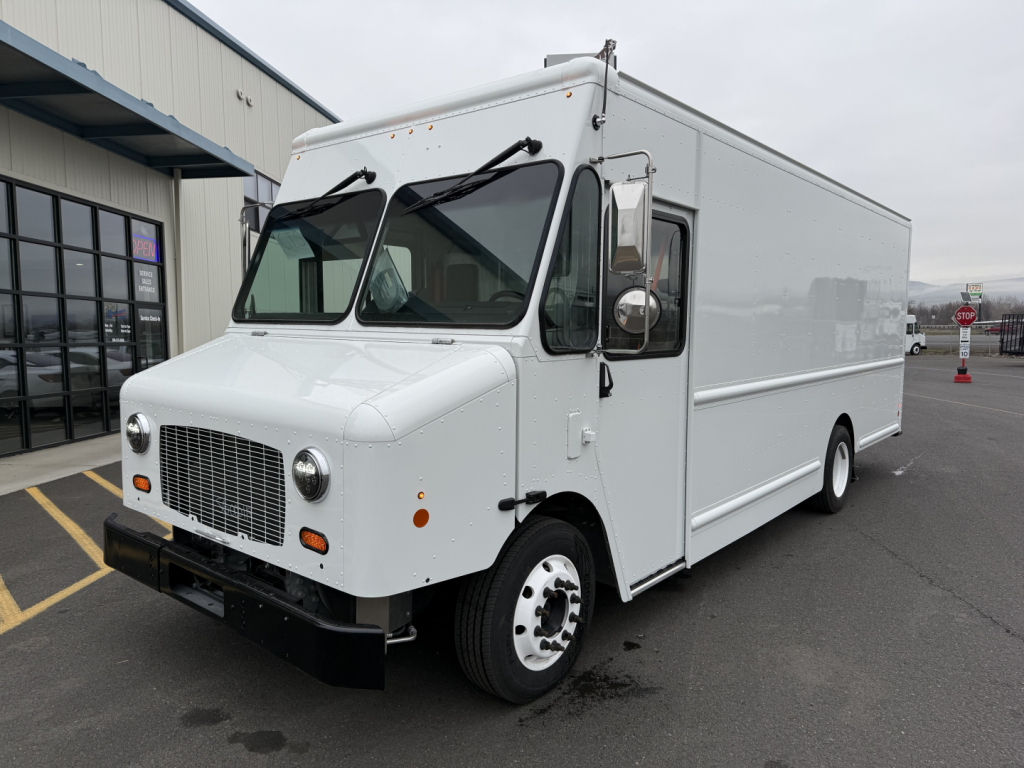
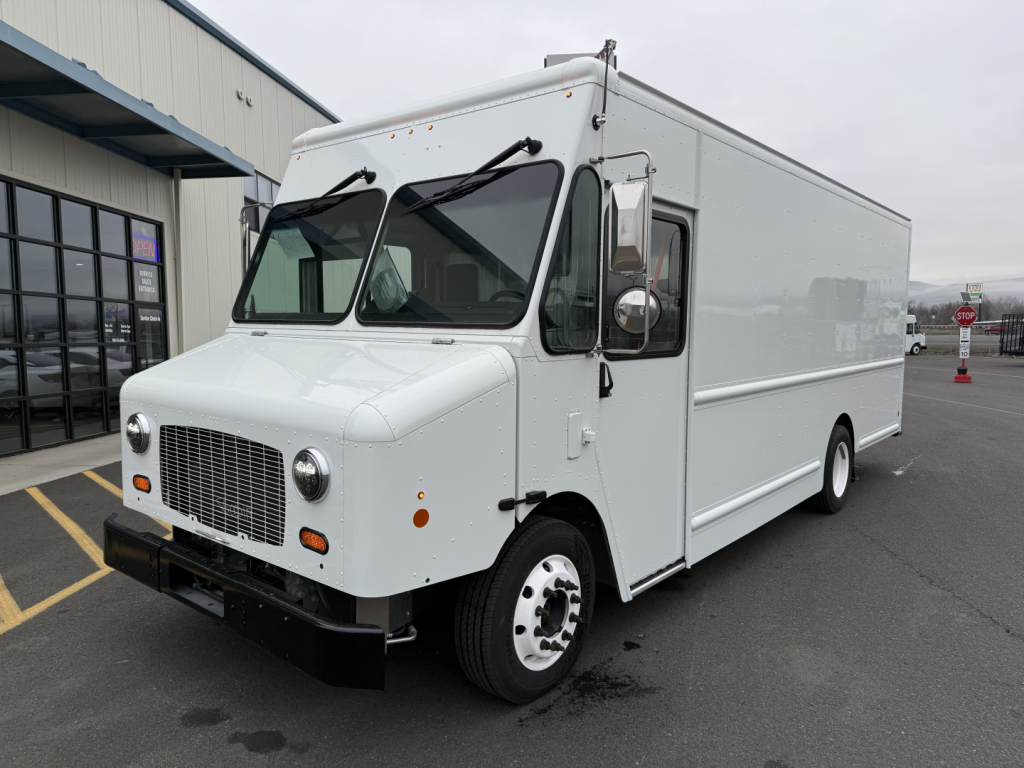
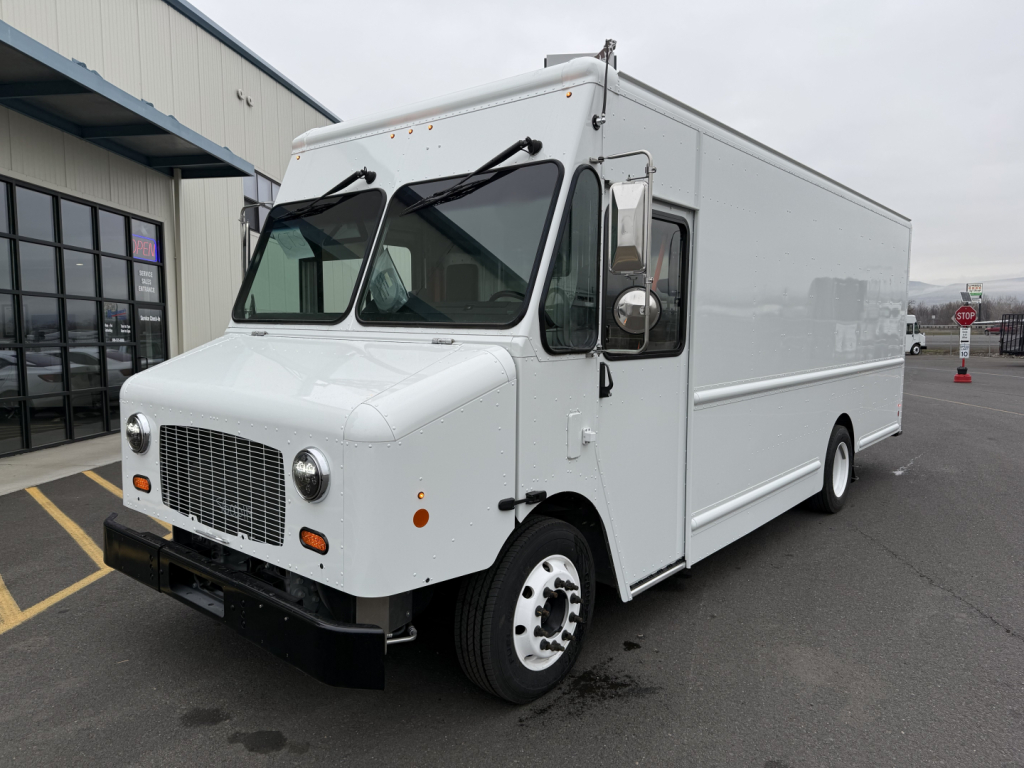
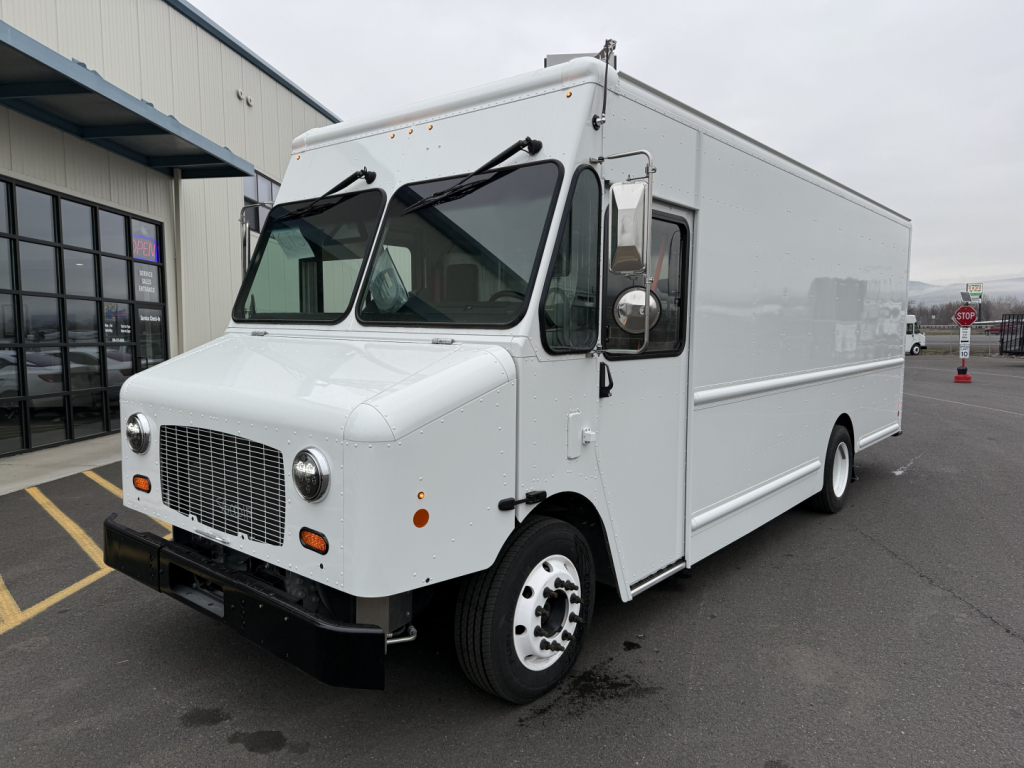
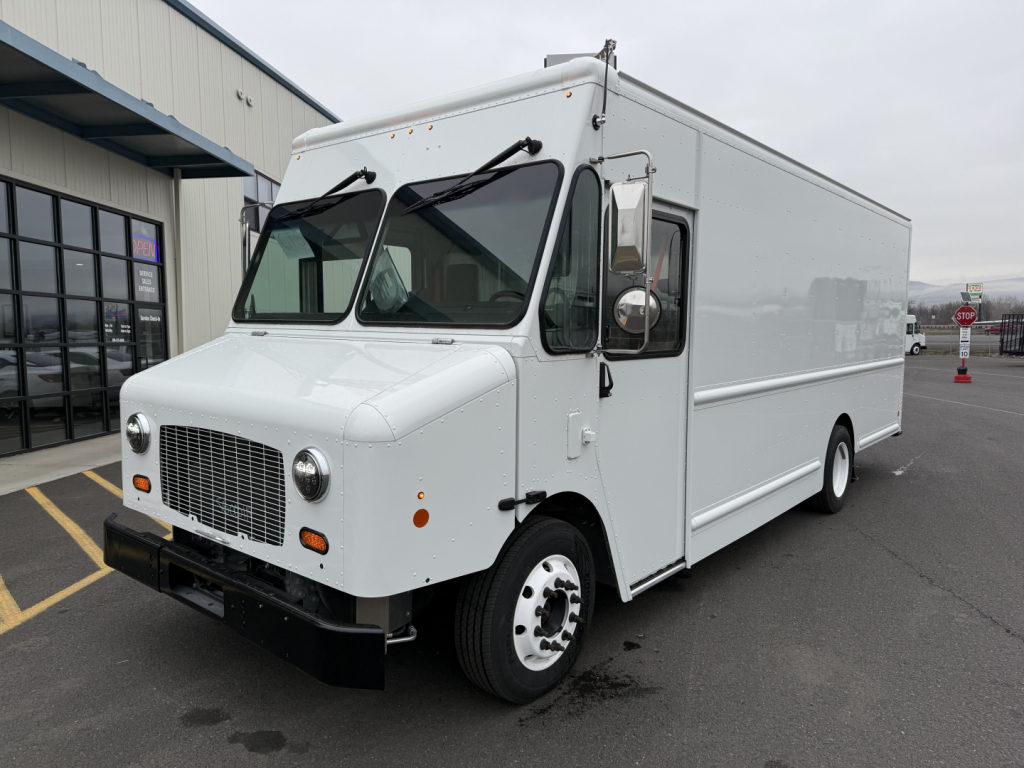
Selling a new step van truck? List your new step van truck for sale and reach thousands of commercial buyers.
New Step Van Trucks in Colorado
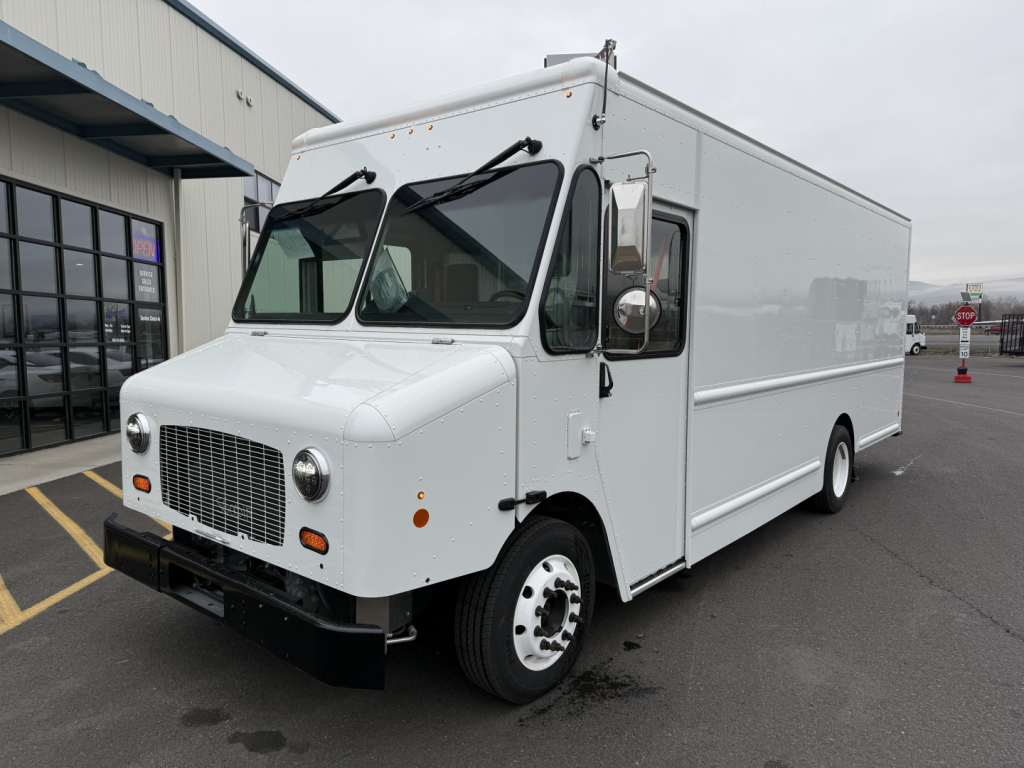
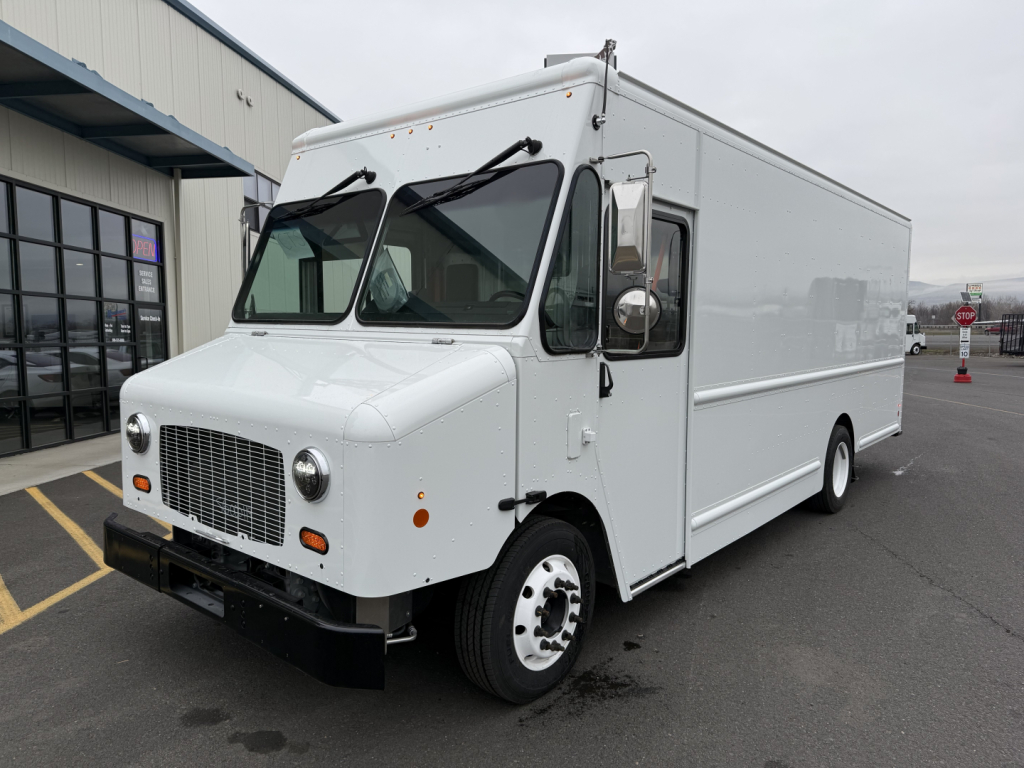
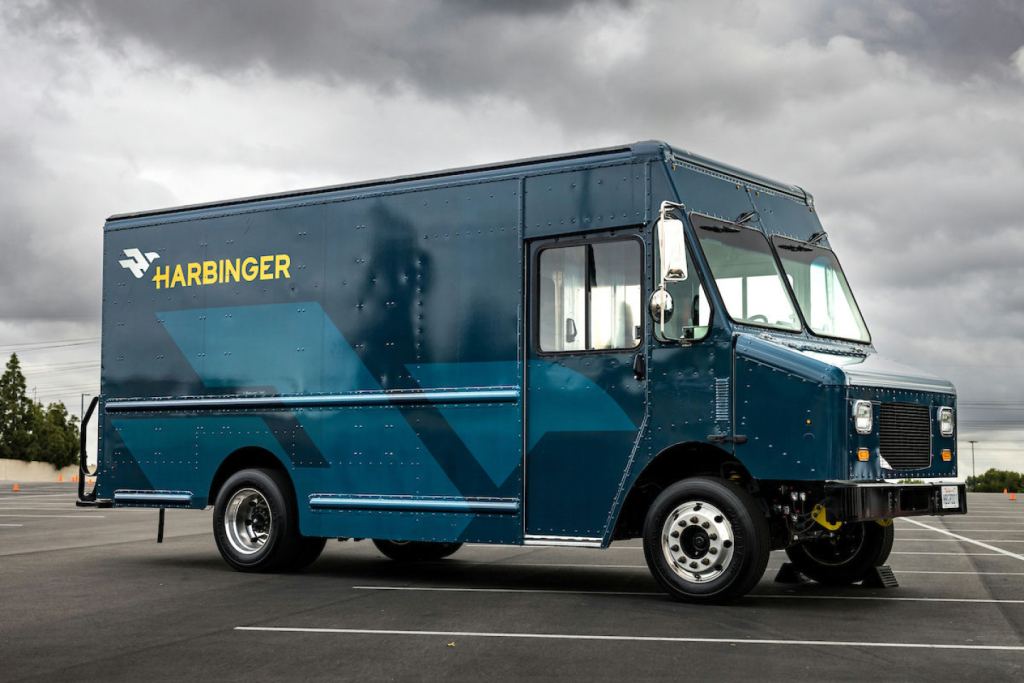
Body length, interior height, door configuration, and payload capacity should drive the buying decision first. Common step van body sizes range from compact units for tight urban routes up to larger 18-foot to 22-foot bodies for higher cube applications. Shelving, bulkheads, roll-up rear doors, and curbside sliding or swing doors can make a major difference in route productivity. New step vans may be built on diesel, gasoline, or all-electric platforms, and newer EV step vans are gaining traction in last-mile delivery because they reduce idle time, simplify maintenance, and suit predictable daily routes. Buyers comparing chassis should look closely at wheelbase, GVWR, turning radius, battery range or fuel capacity, and how the body upfit affects net payload.
In Colorado, terrain and climate add another layer to the decision. Operators covering foothill routes or mixed urban and grade-heavy service areas should pay attention to loaded performance, regenerative braking strategy on electric models, cold-weather HVAC output, and tire selection for year-round traction. Cab ergonomics also matter more in a step van than in many other truck classes because drivers may enter and exit the vehicle dozens or even hundreds of times per day. Good mirror visibility, backup camera integration, cargo lighting, non-slip flooring, and easy-clean interiors all contribute to safety and lower operating fatigue.
A new step van is usually purchased to maximize uptime and route efficiency over a long service life. That makes service access, body construction, corrosion resistance, and parts support just as important as the purchase price. Aluminum body construction, reinforced floors, and durable shelving systems tend to hold up better in intensive delivery cycles. For fleet buyers, telematics readiness, ADAS features, charging compatibility on EV units, and fit-for-duty upfitting should be reviewed before the truck goes into service. The best step van spec is the one matched to stop frequency, route density, cubic volume, and driver workflow, not simply the biggest body or highest advertised capacity.
Frequently Asked Questions about New Step Van Trucks in Colorado
What is a step van truck used for?
A step van truck is designed for high-frequency delivery and service routes where the driver needs fast, repeated access to the cargo area. It is commonly used for parcel delivery, food and beverage distribution, bakery routes, linen service, vending, tool service, and mobile repair work. The walk-in design, low floor, and stand-up cargo area reduce time at each stop and improve route efficiency compared with a standard cargo van or cutaway box truck.
Are electric step vans a good fit for Colorado routes?
Electric step vans can be an excellent fit for Colorado operations when the route is predictable and daily mileage stays within the vehicle's real-world range window. They are especially well suited to urban and suburban last-mile delivery because of lower maintenance needs, quiet operation, and strong stop-and-go performance. Buyers should still evaluate cold-weather range impact, charging infrastructure, elevation changes, and how steep grades affect energy consumption on loaded routes.
What specifications matter most when buying a new step van?
The most important step van specs are GVWR, body length, cubic cargo volume, payload capacity, wheelbase, turning radius, and door layout. Buyers should also review interior shelving options, floor height, cab-to-cargo access, visibility, and powertrain type. If the truck will run dense delivery routes, ergonomic details such as ingress and egress height, seat comfort, camera systems, and cargo lighting can have a direct effect on productivity and driver retention.
How is a step van different from a box truck?
A step van is built around quick entry, walk-through cargo access, and frequent stop efficiency, while a box truck is generally better suited to larger payload moves with fewer stops. Step vans have a lower floor, stand-up interior, and delivery-focused body design that allows drivers to move quickly inside the vehicle. Box trucks typically offer more varied cargo body configurations and may carry bulk freight more efficiently, but they are usually slower to work in repetitive route delivery applications.
What body size should I choose for a new step van?
The right body size depends on route density, package profile, stop count, and how much of the cargo is cube-driven versus weight-driven. Smaller bodies are easier to maneuver in tight urban areas and can improve efficiency on dense residential routes. Larger step van bodies provide more shelving and cargo volume for parcel, linen, or uniform service applications, but they can reduce maneuverability and may affect performance on narrow streets, alleys, or grade-heavy routes.