
New 2025 Step Van Trucks For Sale in Colorado
Shop new 2025 step van trucks in Colorado. Compare body lengths, EV chassis options, cargo access, payload, and route-delivery features.
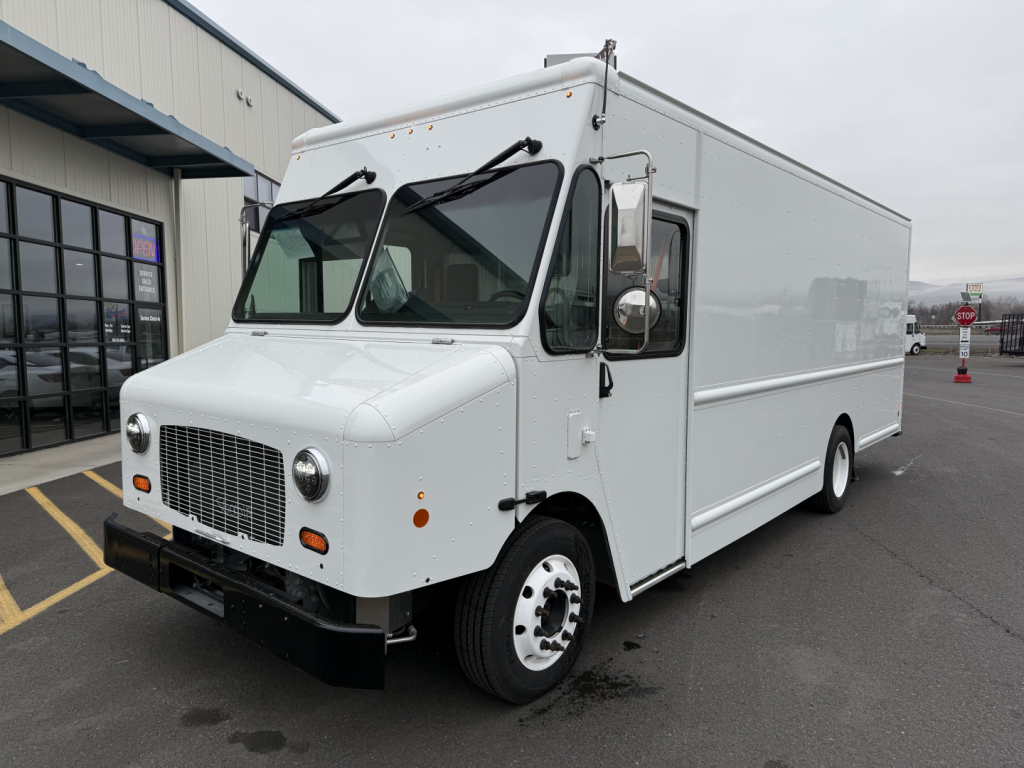
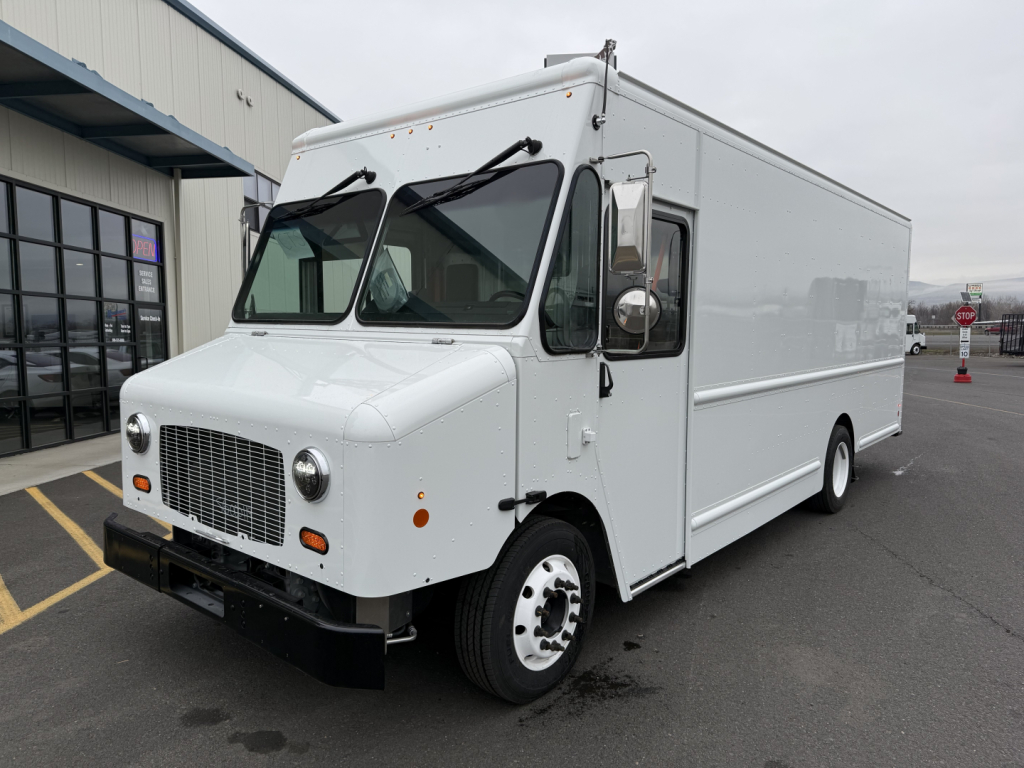
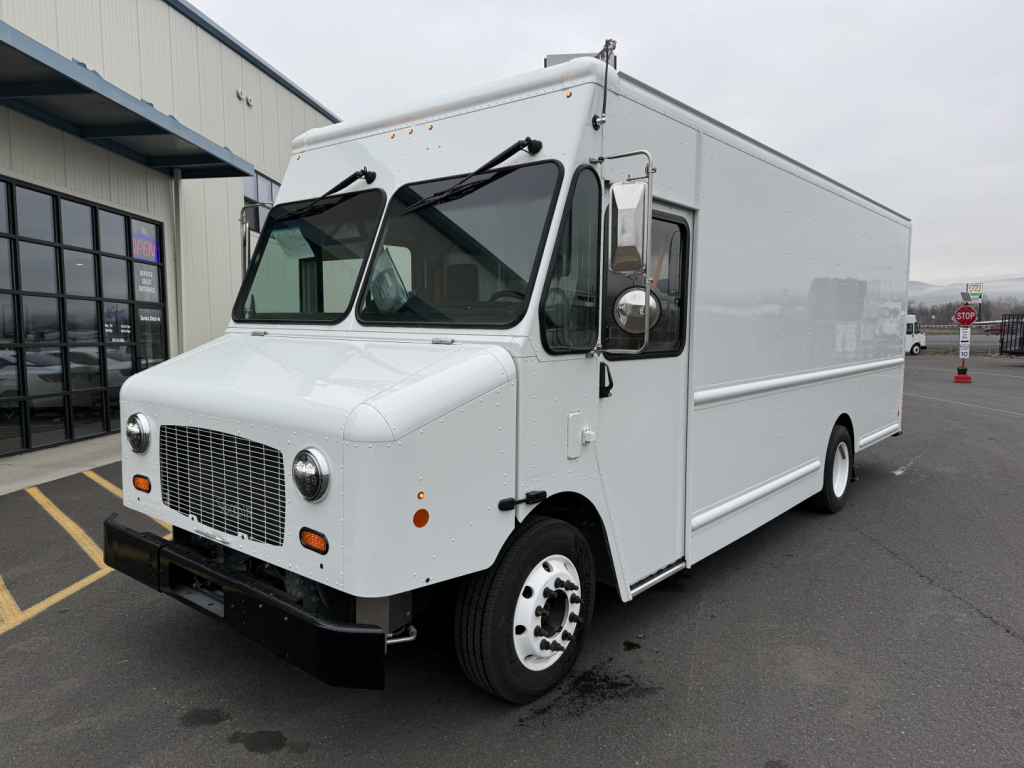
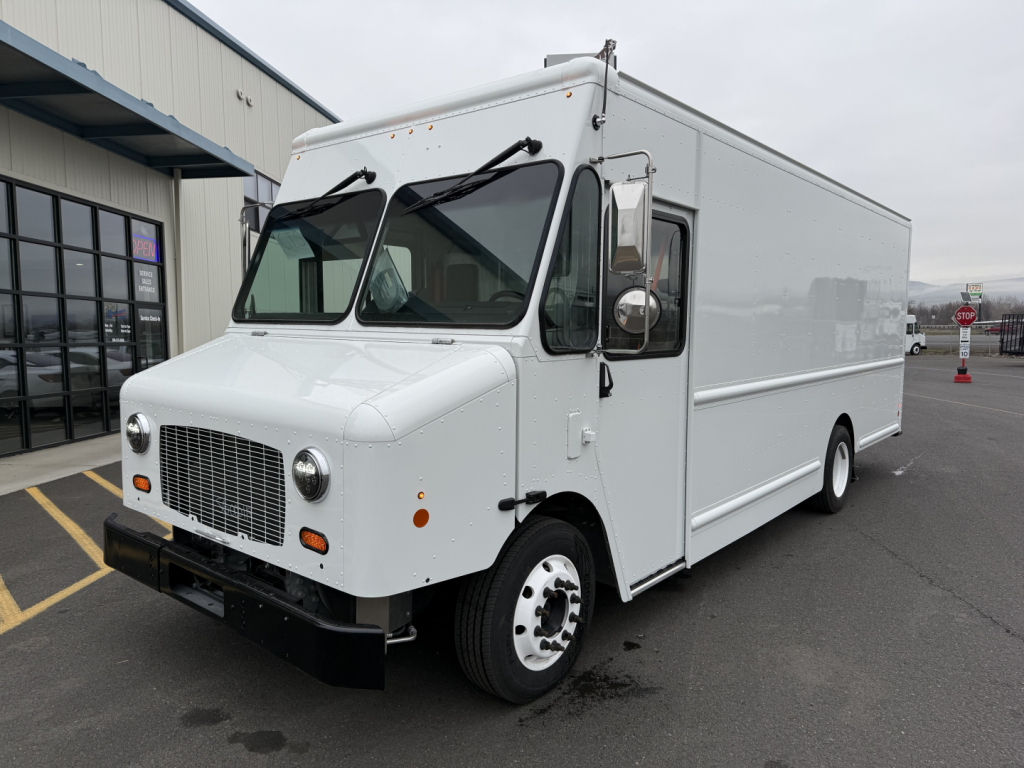
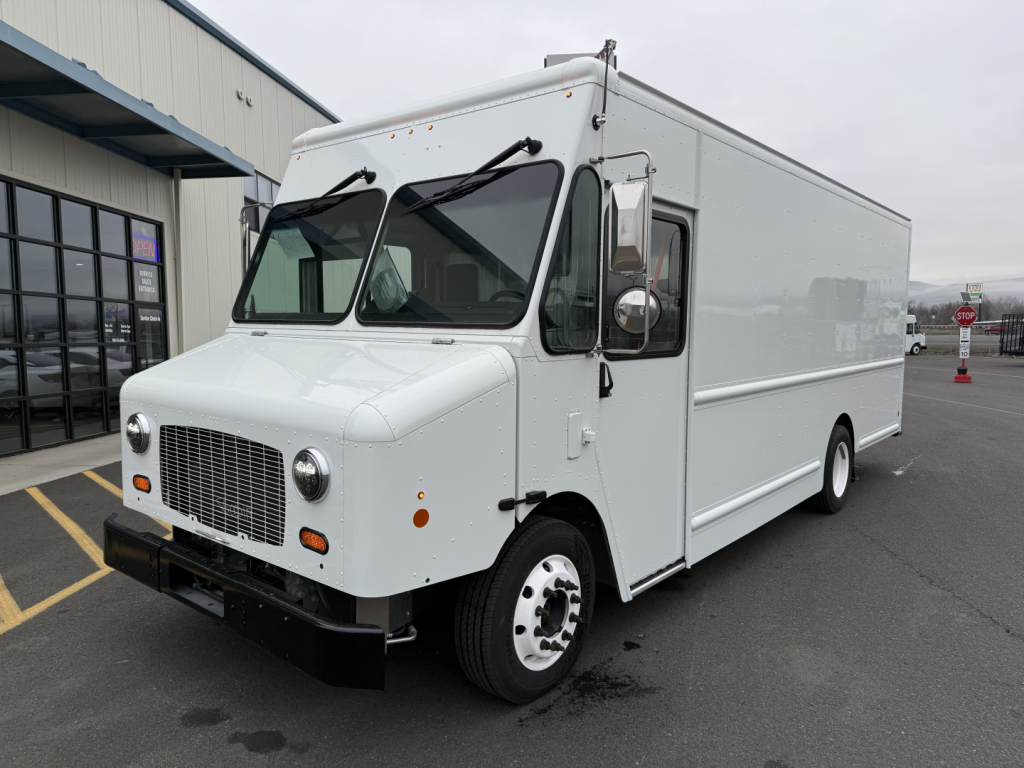
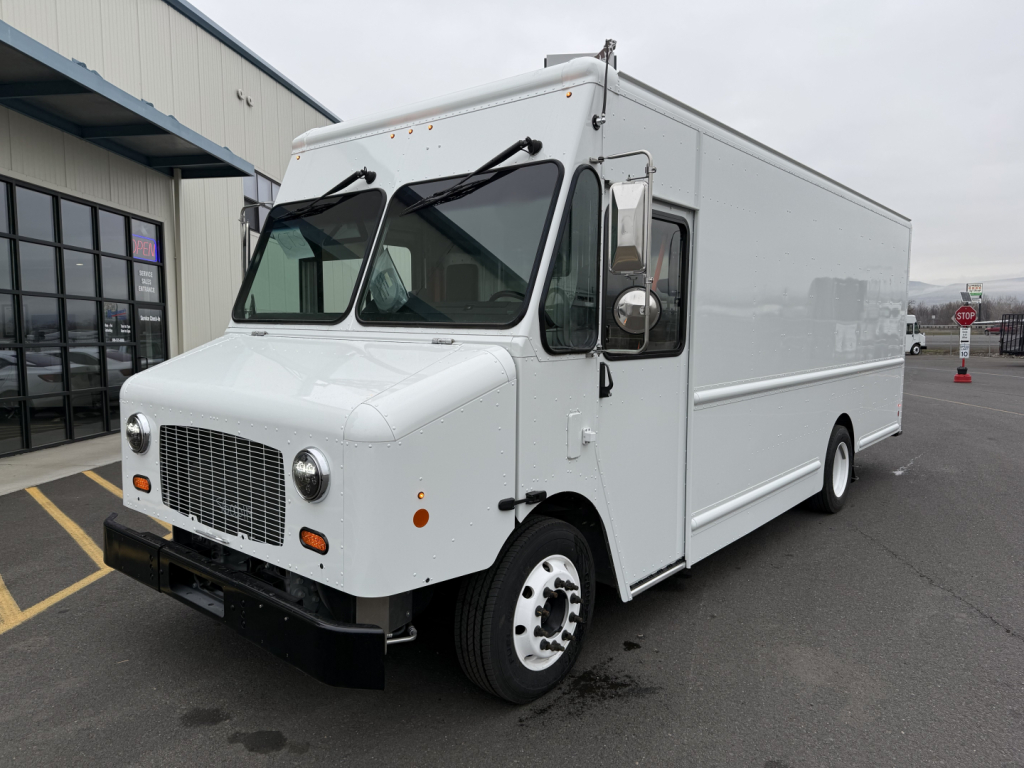
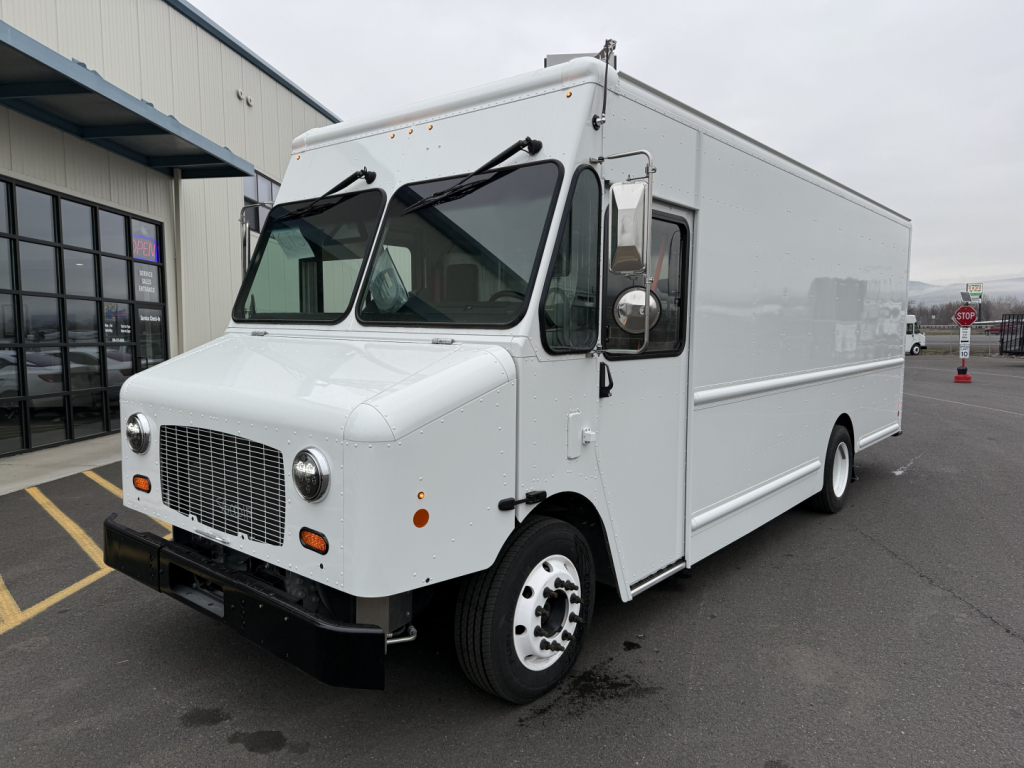
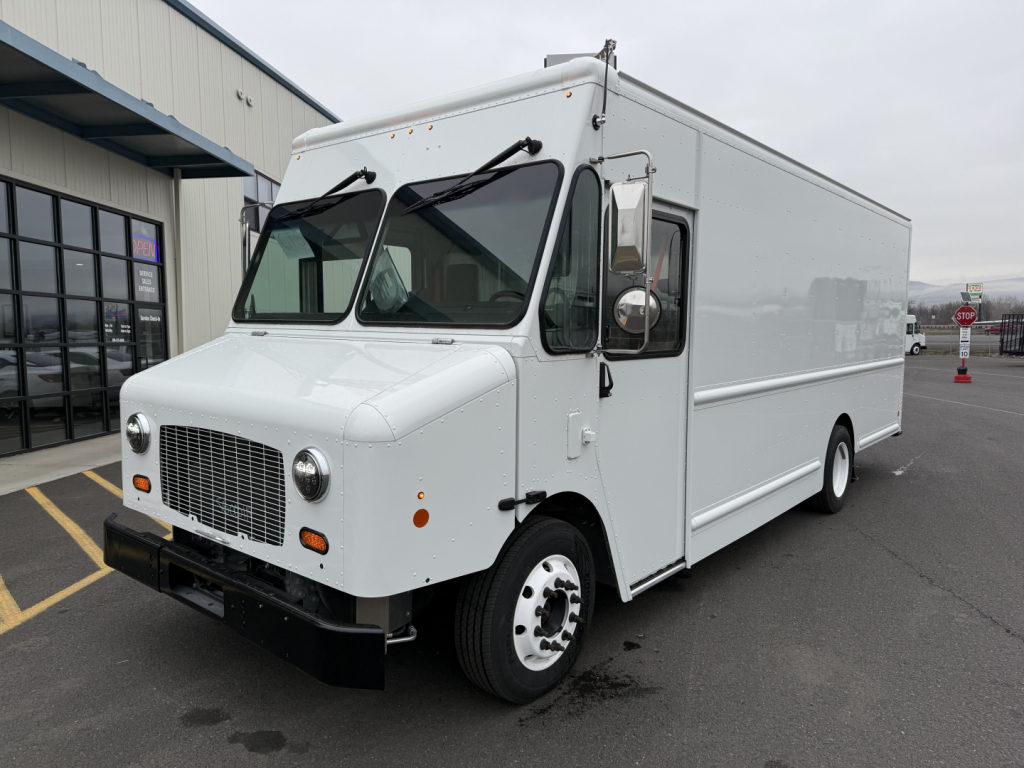
Selling a new 2025 step van truck? List your new 2025 step van truck for sale and reach thousands of commercial buyers.
New 2025 Step Van Trucks in Colorado
For many buyers in Colorado, the key decision is chassis type. New 2025 step vans are increasingly available on all-electric platforms alongside traditional fuel-powered designs. Electric step vans can make strong sense on dense urban and suburban routes with predictable daily mileage, depot charging, and lots of regenerative braking opportunities. They also reduce idle-related wear and can improve driver comfort with quieter operation. The tradeoff is planning around range, payload impact from battery weight, charging infrastructure, and cold-weather performance at elevation. If the route includes long rural distances, mountain grades, or variable day-to-day dispatching, those factors deserve close review before specing the truck.
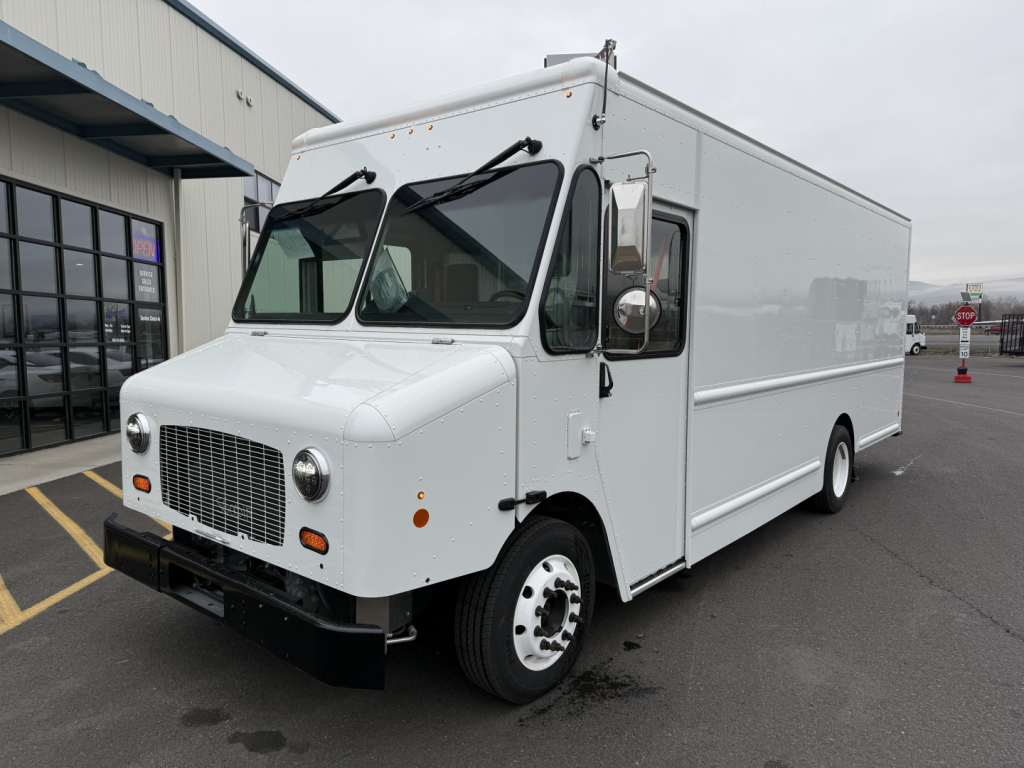
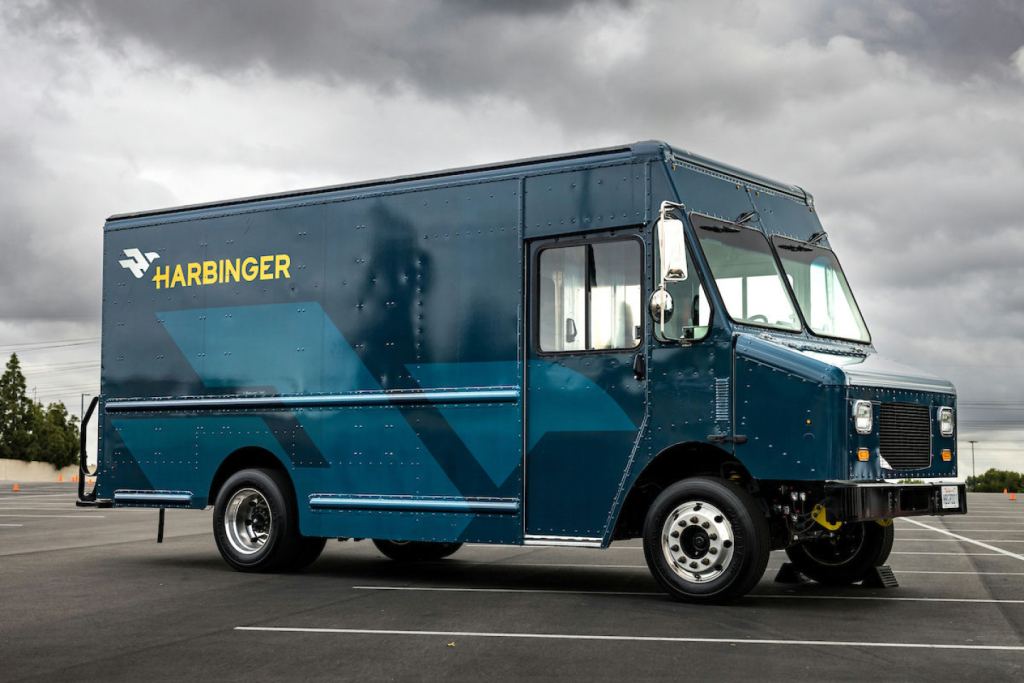
Body design matters as much as the chassis. A proper step van spec looks at interior standing height, shelf and rack layout, rear roll-up versus swing doors, bulkhead access, and safety features like backup cameras and side-view visibility. Morgan Olson and similar walk-in bodies are widely used because they are built around high-cycle delivery work, with corrosion-resistant construction, low step-in height, and layouts that help drivers sort freight quickly. Suspension rating, wheelbase, door aperture, and floor height all affect how the truck works in real service. On heavier routes, pay attention to GVWR, front and rear axle ratings, braking system design, and how much payload remains after the body and any route equipment are installed.
New-model step vans also tend to bring better telematics integration, fleet diagnostics, and driver-assist technology than older units. That matters for uptime, route optimization, and total cost of ownership. Buyers comparing 2025 step vans should focus on the full operating picture: body cube, usable payload, route length, charging or fueling strategy, service support, and the real stop count per day. The best step van is not just the one with the biggest body. It is the one whose chassis, body, and access layout match the delivery pattern the truck will run every day.
Frequently Asked Questions about New 2025 Step Van Trucks in Colorado
What is a step van used for?
A step van is designed for high-frequency delivery and service routes that require constant driver entry and exit. Common applications include parcel delivery, bakery routes, uniforms, vending, linen service, and mobile repair operations. Its walk-through cab and cargo area improve stop efficiency compared with a conventional cab truck, especially on dense urban or suburban routes.
Are electric step vans a good fit for Colorado fleets?
Electric step vans can be a strong fit for Colorado fleets running repeatable local routes with known daily mileage and dependable overnight charging. They are especially effective in stop-and-go delivery work where regenerative braking adds efficiency. Buyers should still account for mountain grades, winter temperatures, elevation, and charging access, because those factors can affect usable range and route flexibility.
What body length is common on a step van?
Step vans are commonly spec'd in a range of body lengths, with larger walk-in bodies reaching around 20 feet for higher-cube delivery work. The right size depends on freight volume, stop density, and where the truck has to park and maneuver. A longer body adds cube, but it can also affect turning radius, axle loading, and access in tight city locations.
What should I check when comparing new 2025 step vans?
Focus on GVWR, wheelbase, body length, interior height, door configuration, and usable payload after the body and equipment are installed. For electric models, compare battery capacity, charging time, expected route range, and service support. Fleet buyers should also review telematics capability, visibility, safety systems, and how easily the body layout supports the actual delivery process.
What is the difference between a step van and a cargo van?
A step van is purpose-built for commercial route delivery, with a walk-in body, low step-in height, and cab-to-cargo access that speeds up repeated stops. A cargo van is typically smaller, lower in cube, and less optimized for high-cycle driver movement inside the vehicle. Step vans usually offer more usable cargo volume, better shelving options, and easier package handling for delivery-intensive operations.