
New 2025 Harbinger Step Van Trucks For Sale in Colorado
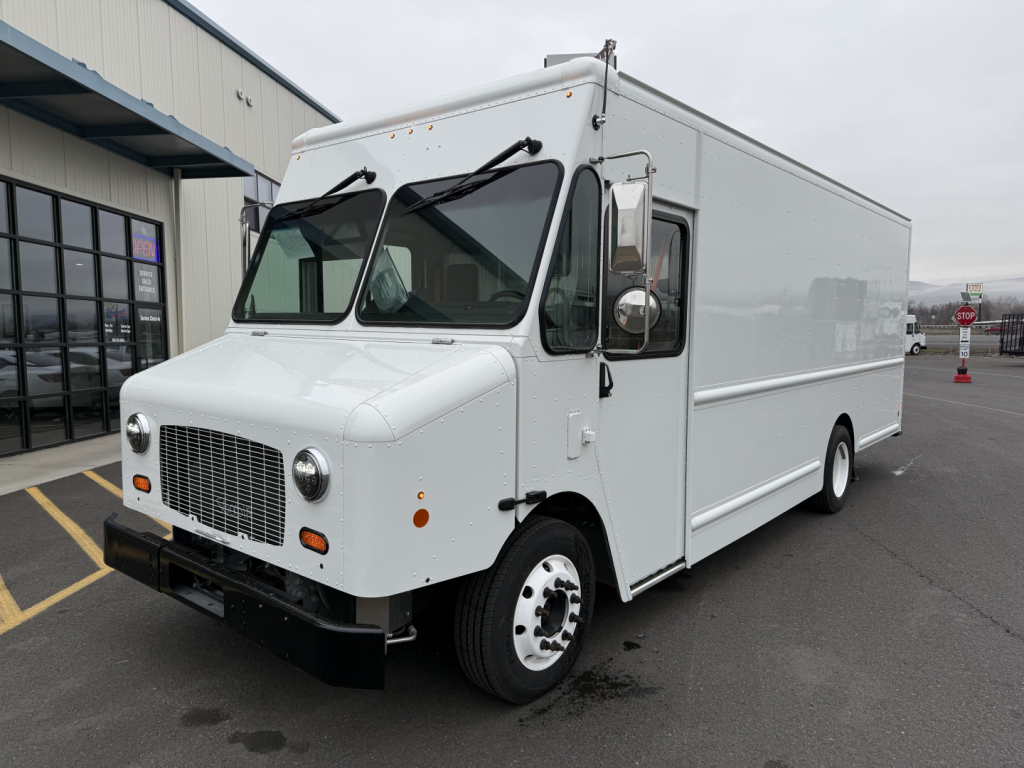
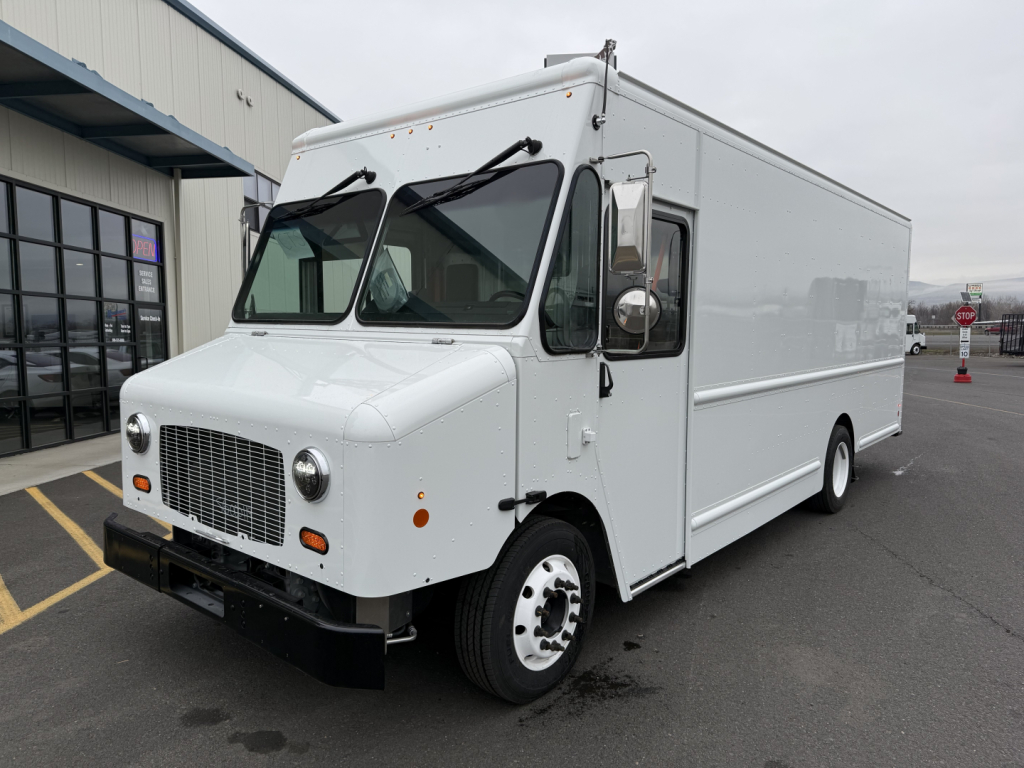
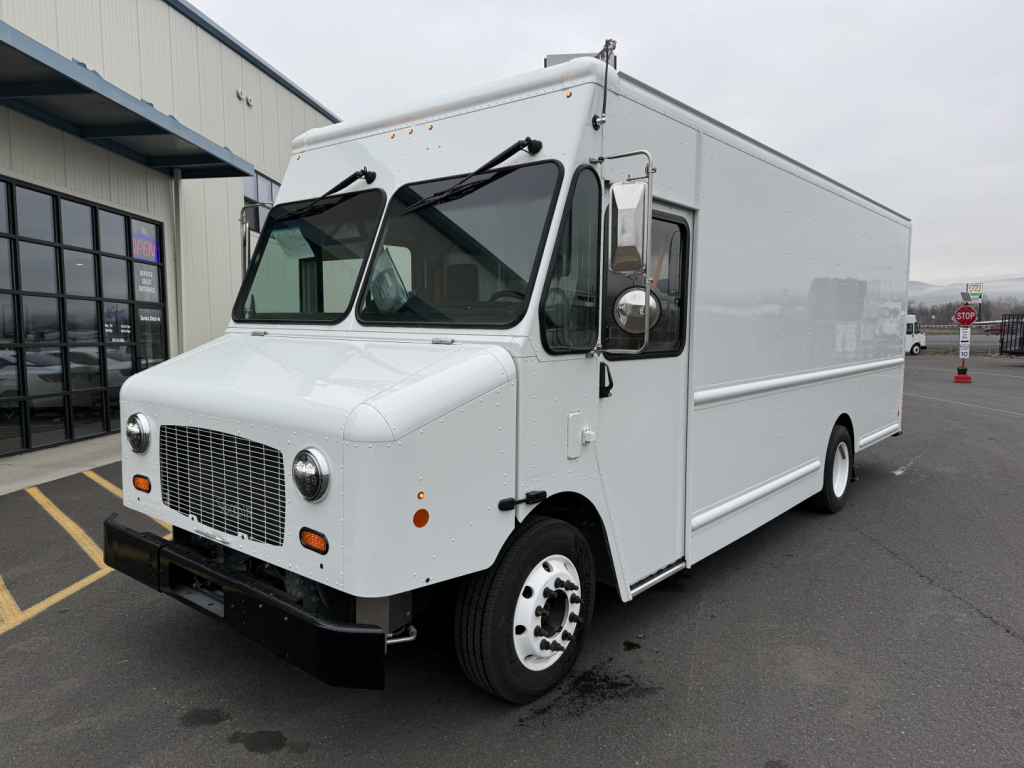
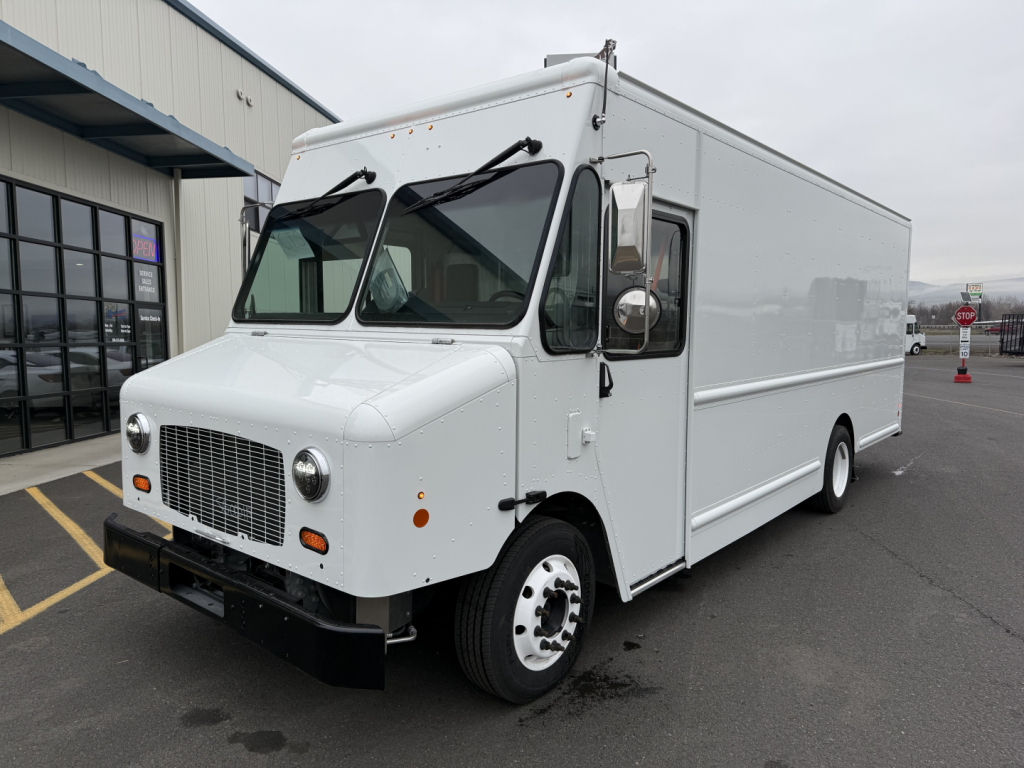
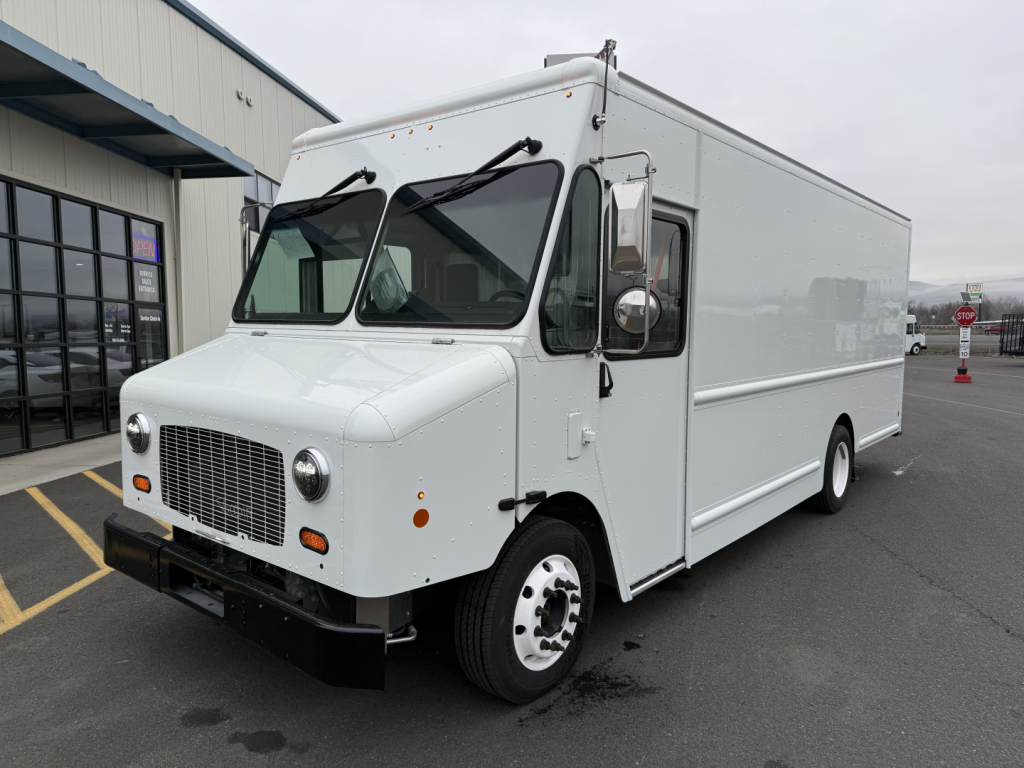
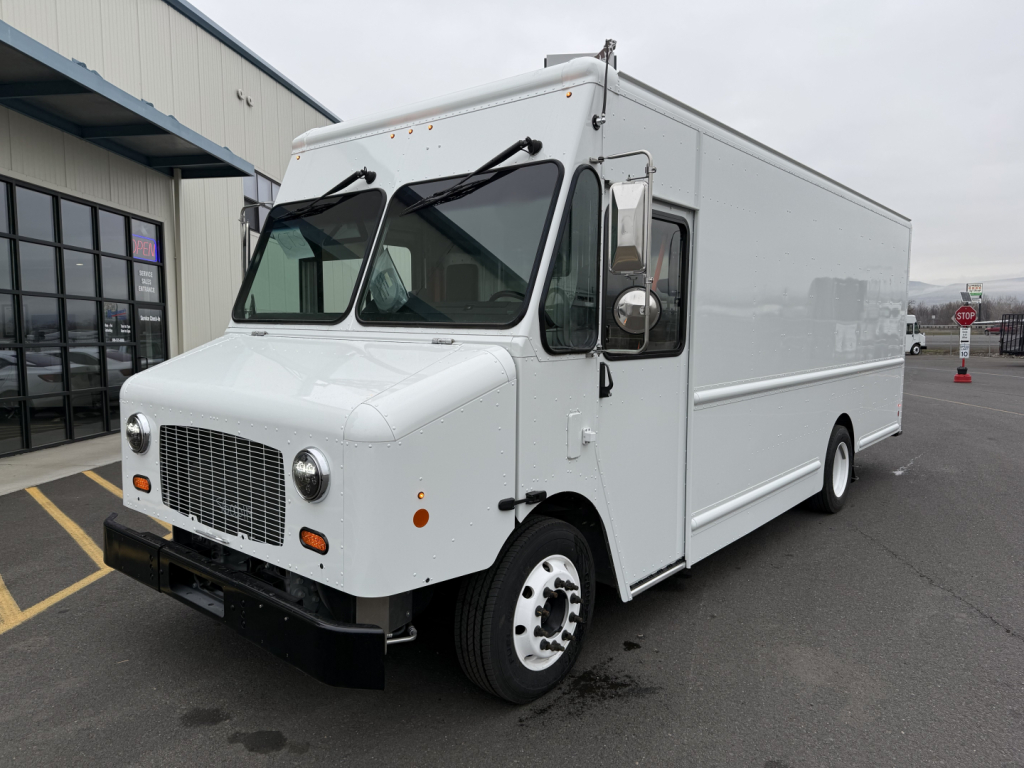
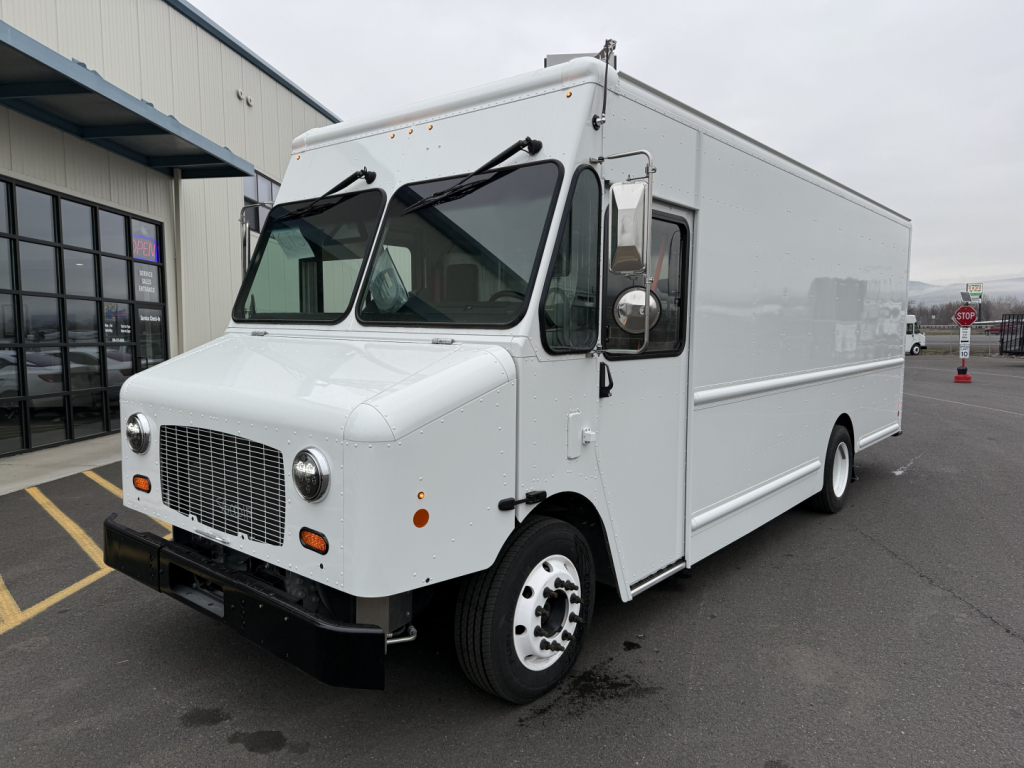
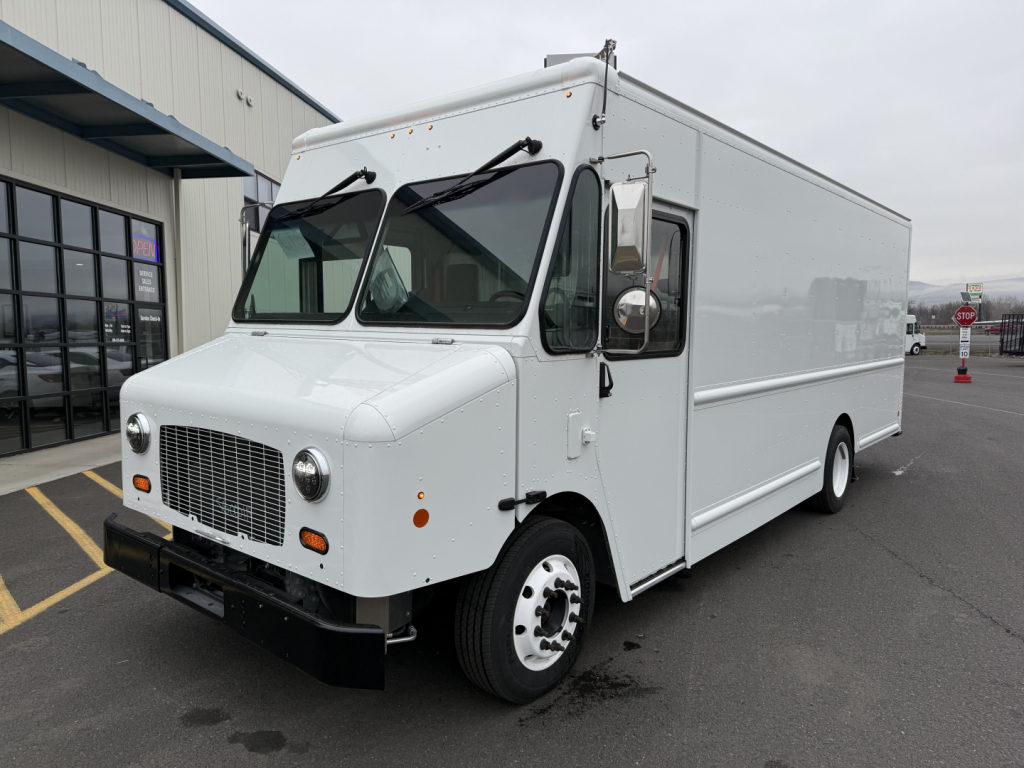
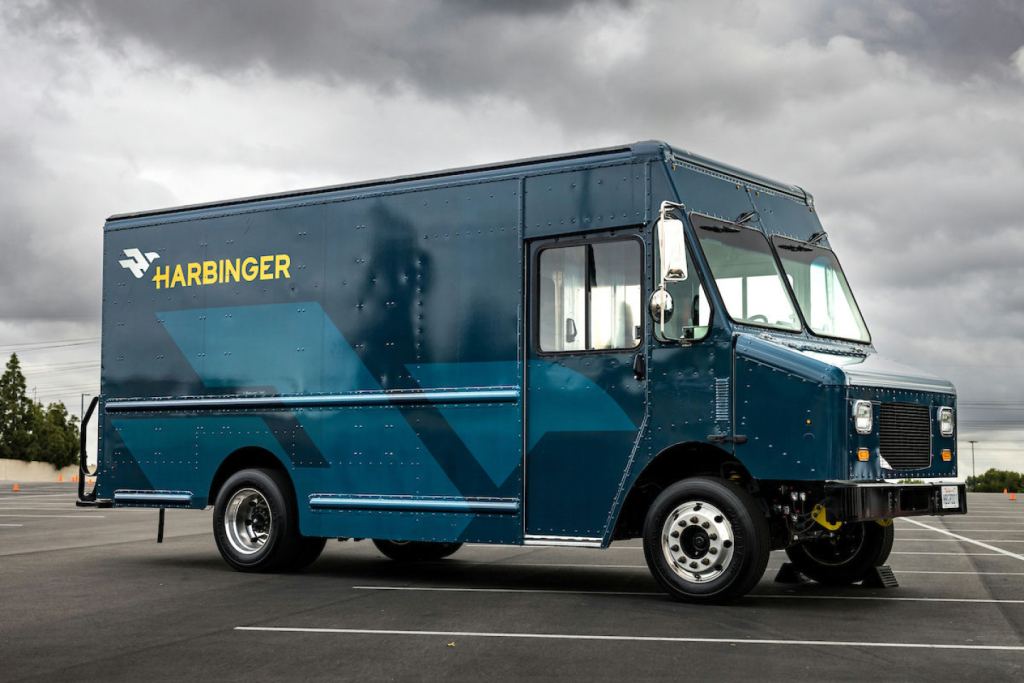
New 2025 Harbinger step van trucks for sale in Colorado. All-electric walk-in delivery trucks built for P&D, parcel, bakery, and route work.
Selling a new 2025 harbinger step van truck? List your new 2025 harbinger step van truck for sale and reach thousands of commercial buyers.
New 2025 Harbinger Step Van Trucks in Colorado
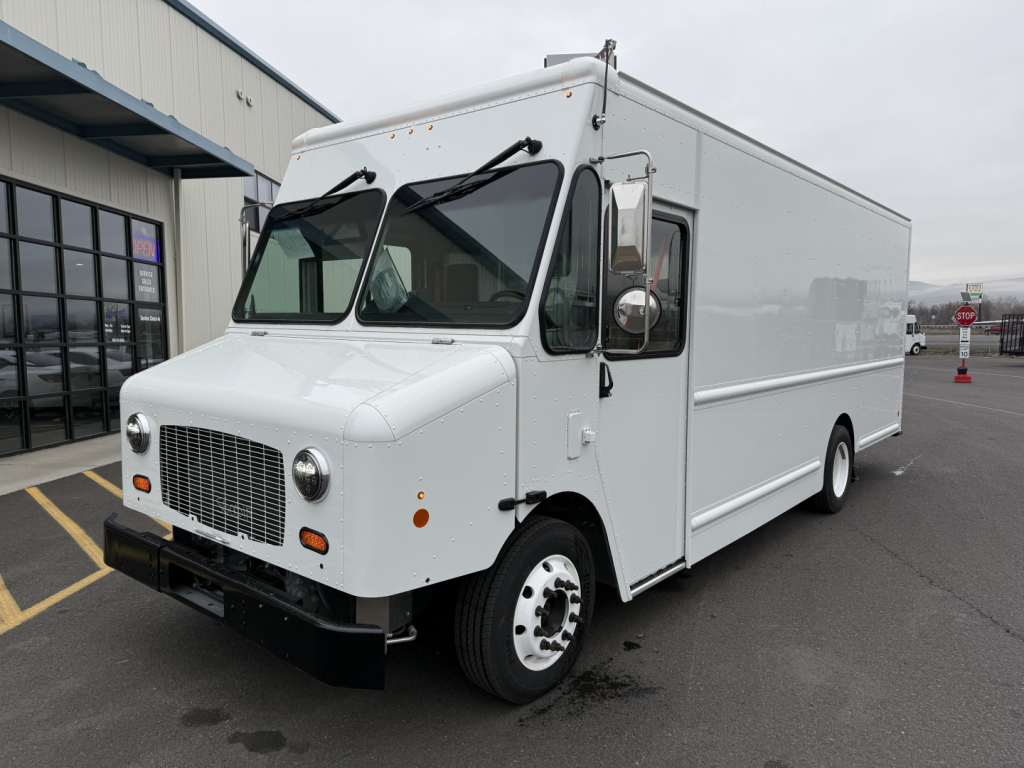
For most buyers, the first decision is body size and cube. Sample configurations in this class include Morgan Olson step van bodies around the 20-foot range, which are common for package delivery and dense route work. Interior walk-through design, shelving layout, rear and side access, and cargo floor height all affect route efficiency more than headline horsepower. If the truck will run a fixed Colorado metro route, pay close attention to stop count, elevation change, cold-weather range impact, and whether the vehicle returns to base nightly for charging. Regenerative braking can be a real advantage in stop-and-go service and on descending grades, but mountain territory and winter temperatures should still be factored into usable daily range.
Compared with a conventional diesel step van, an electric Harbinger can reduce idle-related waste, simplify routine maintenance, and improve driver comfort with quieter operation. That said, buyers should still verify the practical chassis details that drive uptime: GVWR, wheelbase, front and rear axle ratings, battery capacity, charging compatibility, body manufacturer, door configuration, and payload after the body and upfit are installed. Turning radius, cab ergonomics, visibility, and ease of entry matter in this segment because the truck may make dozens or even hundreds of stops per day. Fleet buyers should also look at telematics integration, service support, warranty coverage, and how charging infrastructure will scale as more electric step vans are added.
In Colorado, an electric step van makes the most sense on predictable local routes with a stable dwell window for overnight or depot charging. Operations running in Denver, Colorado Springs, Fort Collins, and other Front Range markets often prioritize clean operation, low noise, and reduced per-mile energy cost, but route validation is still critical. The right unit is the one that matches cube, payload, and range to the work without overspending on capacity that will never be used. For route delivery fleets, a properly spec'd 2025 Harbinger step van can be a strong fit for last-mile service where efficiency is measured one stop at a time.
Frequently Asked Questions about New 2025 Harbinger Step Van Trucks in Colorado
What is a step van used for?
A step van is a walk-in delivery truck designed for frequent-stop commercial routes. Common applications include parcel delivery, bakery and snack distribution, linen and uniform service, mobile vending, and local pickup-and-delivery work. The low step-in height, stand-up cargo area, and easy cab-to-body access help drivers move quickly between stops, which is why this body style remains popular in dense city and suburban operations.
What should I look at first when buying a new electric Harbinger step van?
Start with the route, not the badge. Daily miles, stop count, payload, cargo cube, terrain, idle time, and return-to-base charging access should drive the spec. After that, review battery capacity, estimated real-world range, GVWR, axle ratings, wheelbase, body length, and final payload with the upfit installed. For Colorado fleets, elevation and winter temperature can materially affect range, so the truck should be matched to the actual duty cycle rather than an ideal test scenario.
Are electric step vans practical for Colorado delivery routes?
They can be very practical if the route is predictable and charging is planned correctly. Front Range local delivery, municipal work, campus service, and other return-to-base applications are usually the best fit. Buyers should account for cold weather, accessory loads, terrain, and highway exposure, all of which can reduce usable range. A well-matched electric step van performs best when the daily route has a comfortable operating buffer instead of using nearly all available battery every shift.
What body and chassis specs matter most on a step van?
The key specs are GVWR, wheelbase, axle ratings, body length, cargo cube, door configuration, and net payload after the body and any shelving or route equipment are installed. Floor height, turning radius, cab access, and visibility are also important because they directly affect route efficiency and driver fatigue. On electric units, buyers should add battery capacity, charging speed, connector type, and telematics capability to the checklist.
What are the advantages of a new electric step van compared with a diesel step van?
An electric step van typically offers quieter operation, no diesel exhaust aftertreatment system, reduced idle waste, and fewer routine engine-related service items. Those benefits are most valuable on high-stop local routes where regenerative braking and repeated low-speed operation can improve efficiency. The tradeoff is that route planning and charging infrastructure become part of the truck spec, so the purchase decision depends as much on operating pattern as on the vehicle itself.